Liposuction: Refine Your Shape page background

Liposuction: Refine Your Shape

  • Best Price Guaranteed
  • Accredited Clinics Only
  • Free 24/7 Medical Assistance
Duration 2–4 h Duration
Recovery 1–2 w Recovery
Pain Level Moderate Pain Level
Scarring Minimal Scarring
Success Rate 85–90 % Success Rate
Hospital Stay 1 d Hospital Stay
Length of Stay in Türkiye 5–7 d Length of Stay in Türkiye

What is Liposuction?

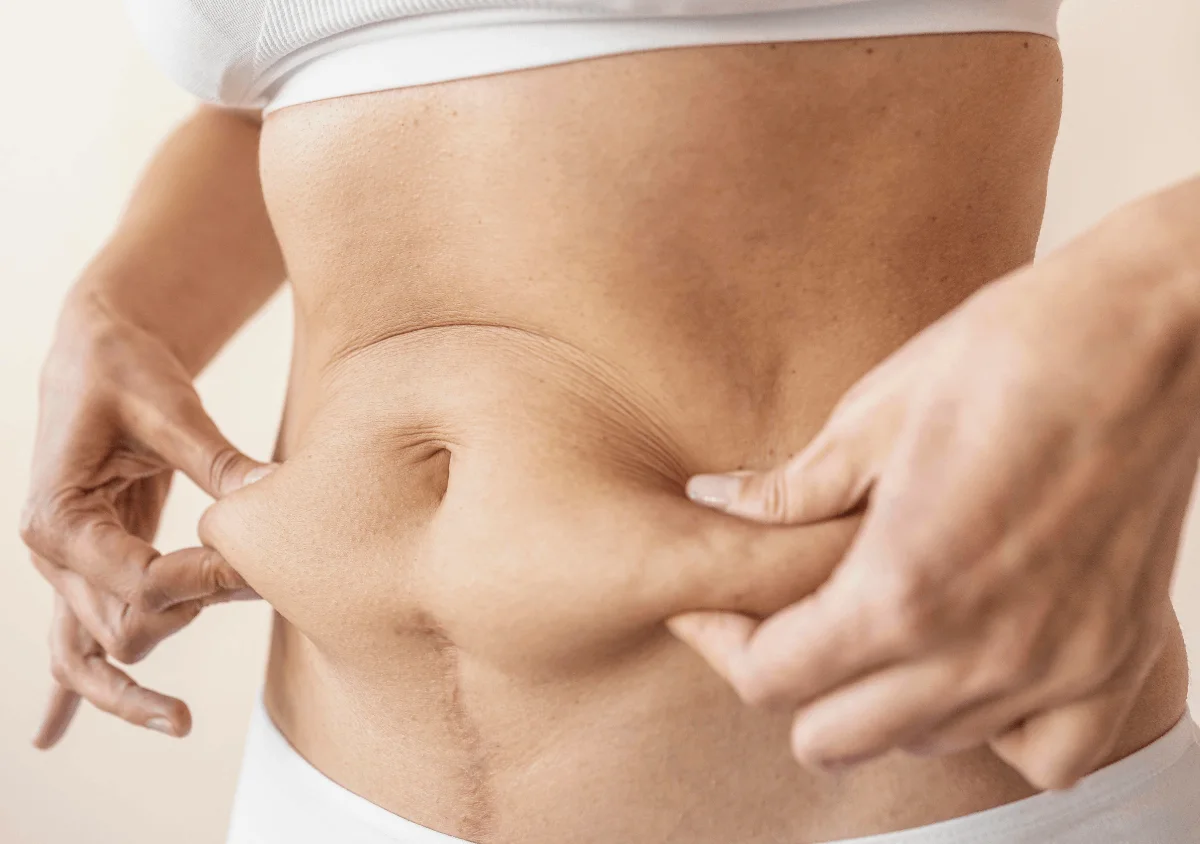
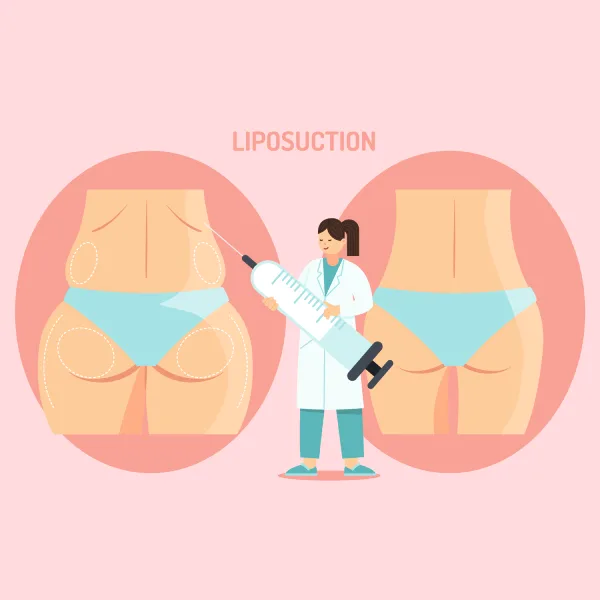
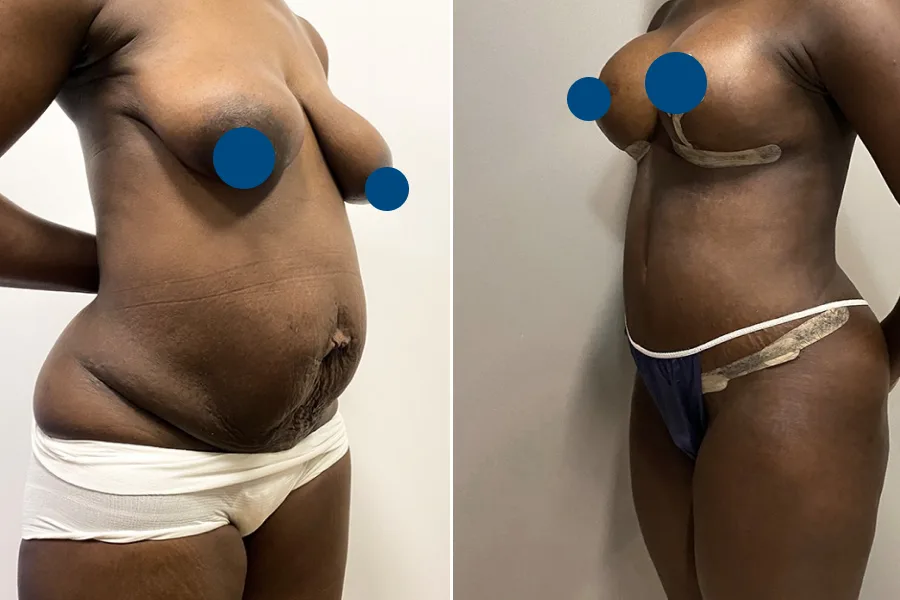
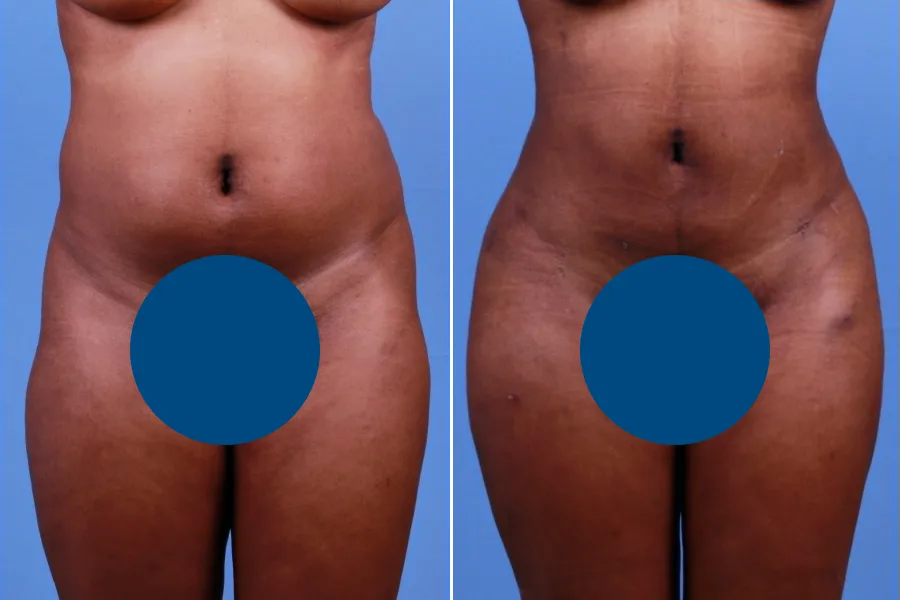
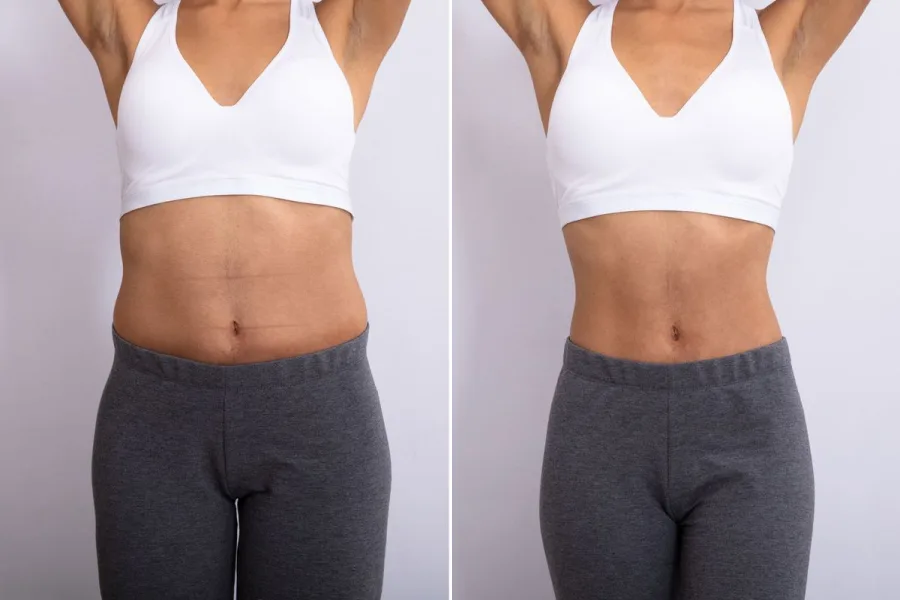
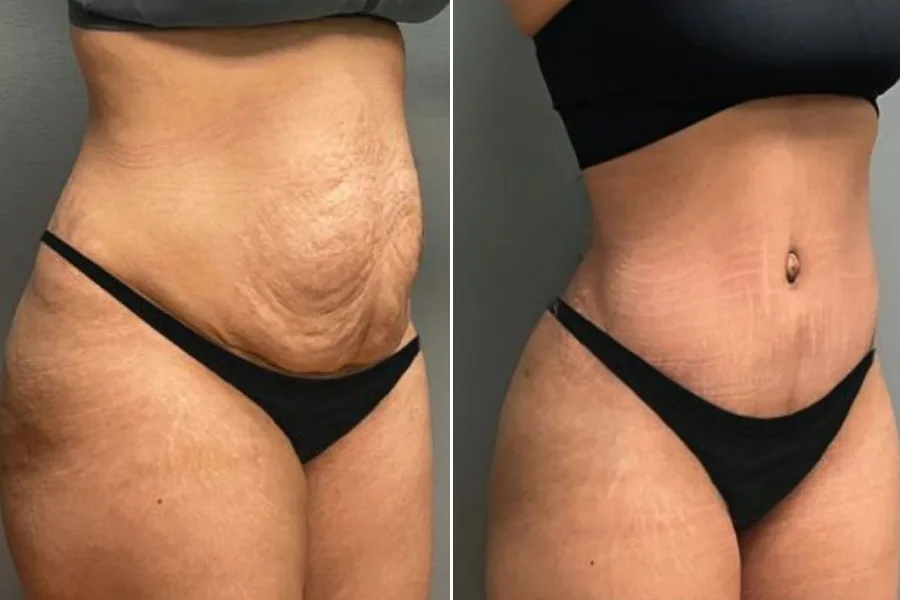
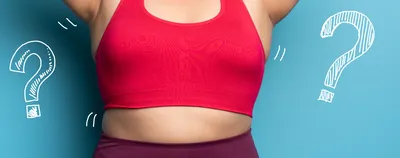
Liposuction is a cosmetic surgical procedure used to remove stubborn pockets of fat from specific areas of the body, such as the abdomen, thighs, hips, arms, back, or chin. It is designed to improve body contours and proportions, rather than serve as a treatment for weight loss or obesity.


During the procedure, a surgeon inserts a thin tube called a cannula through small incisions and uses it to break up and suction out fat cells. Different techniques may be used, including tumescent, ultrasound-assisted, or laser-assisted liposuction, depending on the treatment area and the patient’s needs. Liposuction is often combined with other body contouring procedures, and results are usually best for people with good skin elasticity.

Who is Liposuction for?

Liposuction is best suited for adults who want to reduce localized fat deposits that have not responded well to diet and exercise. It is generally intended for body contouring rather than major weight loss, and may be appropriate for:


  • People who are close to a stable, healthy weight but have stubborn areas of fat on the abdomen, thighs, hips, arms, back, or under the chin.
  • Individuals with good skin elasticity, which can help the skin adjust more smoothly to the new body shape after fat removal.
  • Patients in good overall health, without uncontrolled medical conditions that could increase surgical risk or affect healing.
  • Non-smokers, or those willing to stop smoking before and after treatment, with realistic expectations about the results and recovery.

A consultation with a qualified surgeon helps determine whether liposuction is suitable, which areas can be treated safely, and what outcome can realistically be achieved.

Liposuction
Liposuction

How is Liposuction done?

Liposuction is a body contouring procedure used to remove localized fat deposits that do not respond well to diet and exercise. It is commonly performed on areas such as the abdomen, waist, thighs, hips, arms, back, or under the chin. Liposuction is not a weight-loss treatment, instead, it is designed to improve body shape by reducing stubborn pockets of fat and creating a more balanced contour.

  1. Consultation, Assessment, and Surgical Planning

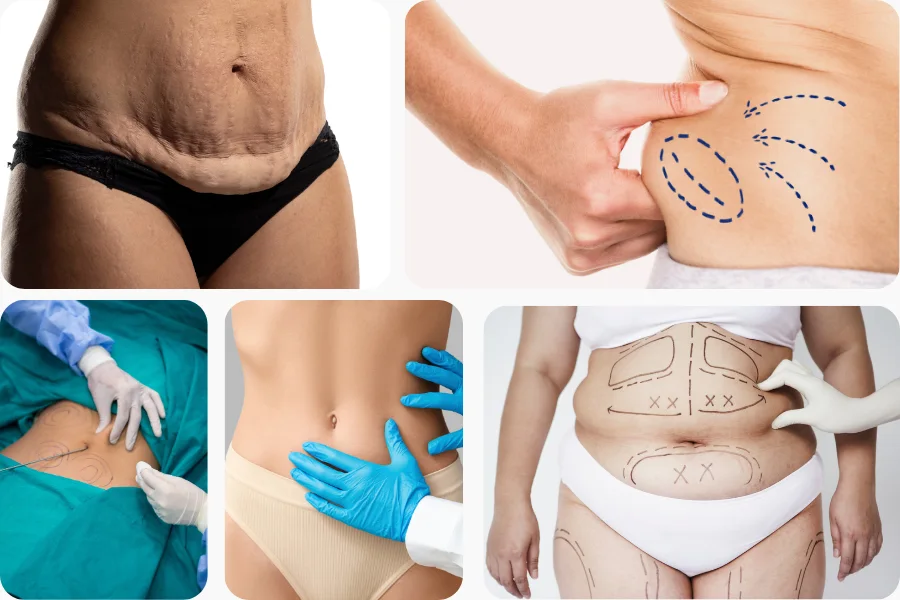
    The process begins with a detailed consultation, where the surgeon reviews your medical history, current medications, skin quality, and treatment goals. The areas of concern are examined to determine whether liposuction is appropriate and whether the skin is likely to retract well after fat removal. In many cases, photos and body measurements are taken, and the surgeon marks the target zones to create a personalized treatment plan based on the amount of fat to be removed and the desired contour.

  2. Anesthesia and Pre-Procedure Preparation

    On the day of surgery, the treatment areas are carefully marked while you are standing, since body contours can look different when lying down. Liposuction may be performed using local anesthesia, sedation, or general anesthesia, depending on how many areas are being treated and how extensive the procedure is. Once you are comfortable, the skin is cleaned with antiseptic solution and sterile drapes are placed to reduce the risk of infection.

  3. Infusing the Tumescent Solution

    Before fat is removed, the surgeon usually injects a special fluid called tumescent solution into the treatment area. This solution typically contains saline, a local anesthetic, and a medication that helps constrict blood vessels. It helps reduce bleeding, improves comfort, and makes the fat easier to remove more evenly. The tissues become firm and swollen for a short time, which allows the surgeon to work with greater precision.

  4. Small Incisions and Cannula Insertion

    The surgeon makes several small incisions, usually only a few millimeters long, in discreet locations near the treatment area. Through these openings, a thin hollow tube called a cannula is inserted beneath the skin. The cannula is moved back and forth in controlled motions to loosen the fat cells from the surrounding tissue while protecting nearby structures as much as possible.

  5. Fat Removal and Body Contouring

    Once the fat has been loosened, it is removed through suction attached to the cannula. Depending on the technique used, this may be done with traditional suction-assisted liposuction, power-assisted liposuction, or ultrasound-assisted methods in selected cases. The surgeon removes fat gradually and symmetrically, checking the shape and thickness of the remaining layer to create a smoother result. The goal is not simply to remove as much fat as possible, but to sculpt the area carefully so the final contour looks natural and proportionate.

  6. Closing the Incisions and Applying Compression

    After the planned fat removal is complete, the small incisions may be left partially open for drainage or closed with fine stitches, depending on the technique and surgeon preference. Dressings are applied, and you are usually fitted with a compression garment over the treated area. This garment helps reduce swelling, supports the tissues as they adapt to their new shape, and can improve comfort during the early recovery period.

  7. Recovery, Follow-Up, and Final Results

    After surgery, it is normal to have swelling, bruising, soreness, and temporary fluid drainage from the incision sites. Most patients are encouraged to walk soon after the procedure to support circulation, but strenuous activity is usually limited for a period recommended by the surgeon. Follow-up visits are used to monitor healing, check for complications, and guide garment use and scar care. While some improvement can be seen early, the final contour becomes clearer as swelling settles over several weeks to a few months. Maintaining a stable weight helps preserve the result over time.

Recovery and expectation?

Recovery after liposuction is usually gradual rather than immediate. Although the treated fat is removed during the procedure, the body still needs time to settle, swelling has to go down, and the skin and underlying tissues need to adapt to their new contours. Most patients are up and walking within a day, but it is important to understand that bruising, fluid drainage, soreness, and temporary unevenness are common parts of the normal healing process. Knowing what to expect at each stage can help you plan time away from work, travel, exercise, and follow-up care more realistically.

  1. Immediate Post-Procedure Period (First 24-72 Hours)

    During the first few days, it is normal to feel soreness, tightness, swelling, and moderate bruising in the treated areas. Some patients describe the sensation as similar to intense muscle soreness. Small amounts of blood-tinged fluid may drain from the incision sites, especially if tumescent liposuction was used, and this is often expected. You will usually be asked to wear a compression garment to help reduce swelling and support the tissues as they heal. Walking is encouraged soon after surgery to support circulation, but rest is still important. Pain is usually managed with prescribed or recommended medication, and strenuous movement should be avoided.

  2. Early Healing Phase (Days 3-10)

    Swelling and bruising often peak within the first several days and then begin to improve gradually. The treated areas may feel firm, numb, lumpy, or uneven, which can be unsettling but is commonly part of early recovery. Compression garments are typically continued during this period, according to your surgeon's instructions. Many patients can return to light daily activities and desk-based work within a few days to a week, depending on how many areas were treated and whether liposuction was combined with another procedure. Gentle walking remains helpful, but heavy lifting, intense exercise, and activities that raise blood pressure too much should still be postponed.

  3. Visible Improvement and Tissue Settling (2-4 Weeks)

    By this stage, much of the initial bruising has usually faded, and day-to-day discomfort is often much less noticeable. Even so, swelling is still present, and the final shape is not yet visible. Some areas may continue to feel hard or tender, and mild numbness can persist. Many people are able to resume more normal routines, including light exercise if cleared by their surgeon. Compression garments may still be recommended for part or all of the day. It is common to start seeing early contour changes during this period, but results can still look incomplete or slightly irregular while the tissues continue to soften and settle.

  4. Contour Refinement Phase (4-8 Weeks)

    Over the next several weeks, the body continues to absorb residual fluid and inflammation gradually decreases. The treated areas often begin to look smoother, and clothing may fit differently even before the final result is reached. Most patients can return to regular exercise and fuller activity during this stage if healing is progressing well. However, some firmness, patchy numbness, or sensitivity can still remain. If your surgeon recommends lymphatic massage or other supportive aftercare, this is often the period when it may help with comfort and swelling control. Follow-up visits are important so your team can assess healing and make sure recovery is on track.

  5. Final Results and Long-Term Recovery (2-6 Months and Beyond)

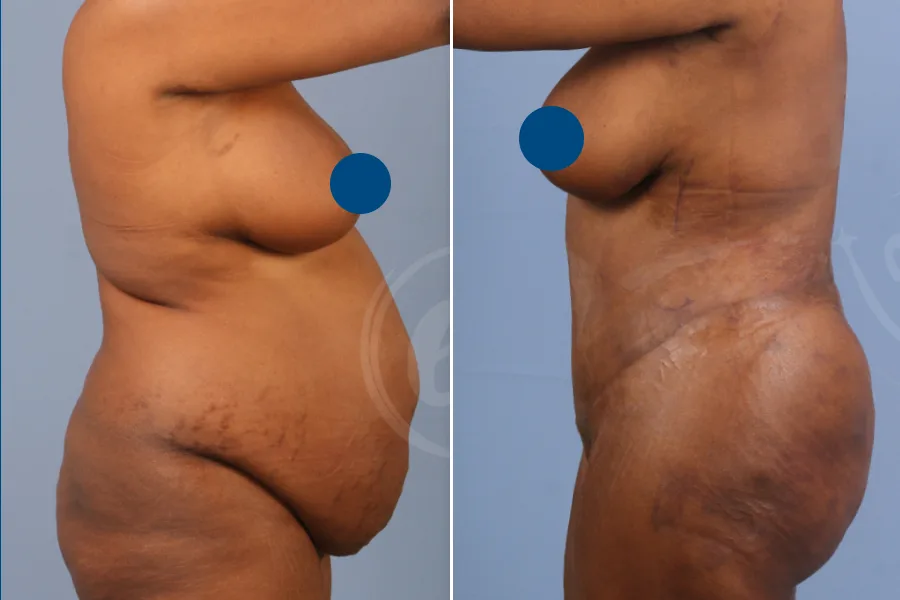
    Liposuction results become clearer over time, not all at once. For many patients, a good sense of the new contour appears by 6 to 12 weeks, but subtle swelling can continue for several months, especially in larger treatment areas such as the abdomen, flanks, thighs, or back. Skin retraction also takes time and depends on factors such as age, skin quality, the amount of fat removed, and whether the procedure was combined with skin-tightening or body contouring surgery. Maintaining a stable weight is important, because while removed fat cells do not return, remaining fat cells can still enlarge with weight gain.

Why Choose Türkiye for Liposuction?

Türkiye has become a well-known destination for liposuction, offering a combination of experienced plastic surgeons, modern surgical facilities, and more accessible pricing than many countries in Europe or North America. For patients who want to address stubborn fat deposits in areas such as the abdomen, waist, thighs, arms, or chin, clinics in Türkiye often provide a structured treatment journey that supports safety, comfort, and realistic expectations from consultation through recovery.

Liposuction is not simply a cosmetic procedure for weight loss, it requires careful patient selection, detailed body assessment, and precise surgical technique to create smoother, balanced contours. Many Turkish clinics use preoperative imaging and body analysis, thorough medical screening, and personalized planning to determine which areas can be treated safely and whether liposuction should be combined with procedures such as tummy tuck, fat transfer, or skin tightening approaches. This planning is especially helpful for international patients, because it helps define achievable results before travel and reduces uncertainty around the treatment process.

  • Türkiye offers access to skilled plastic surgeons who regularly perform liposuction on different body areas and understand how to balance fat removal with natural-looking body proportions.
  • Many clinics and hospitals are equipped with modern operating rooms, anesthesia support, and recovery units, which are important for patient monitoring, comfort, and surgical safety.
  • Patients often receive clear treatment planning and medical evaluation, including assessment of skin elasticity, body mass index, medical history, and whether compression garments or staged procedures may be needed.
  • Clinics typically place strong emphasis on sterilization standards, anesthesia safety, and post-operative care, with guidance on mobility, swelling control, garment use, and follow-up checks after surgery.
  • Cost advantages make liposuction more attainable for many international patients, often with transparent packages that may include consultation, surgery, hospital stay, medication, and transfers.
  • Türkiye's strong travel connections and medical tourism services help patients organize flights, accommodation, local transport, and interpreter support with less difficulty.

Beyond the operation itself, many patients value the practical recovery support available during their stay. After liposuction, proper aftercare plays an important role in healing and final contour, especially in the first weeks when swelling, bruising, and fluid retention are expected. Turkish clinics commonly provide instructions on walking, sleeping position, garment use, hydration, and when to return to light activity. Some also arrange follow-up communication after the patient returns home, which can be reassuring during the recovery period.

Another reason patients choose Türkiye is the wide experience clinics have with international cases. Teams are often familiar with the needs of visitors who want efficient scheduling, clear communication, and a treatment plan that fits within a limited travel window. This can make the overall process feel more organized and less stressful, particularly for patients combining surgery with a short recovery stay before flying home.

Türkiye's success in the global health tourism market reflects years of investment in private healthcare infrastructure, international patient coordination, and high-volume surgical experience. By welcoming large numbers of medical travelers each year, Türkiye has built a strong reputation for organized care, accessible treatment options, and dependable patient support, making it a trusted choice for liposuction abroad.

Liposuction
Liposuction
Liposuction
Liposuction
Liposuction
Liposuction

Frequently Asked Questions about Liposuction

Page Contributors

Heal Road Medical Reviewer

Heal Road Medical Reviewer

Medical Reviewer

Views
1301 views
Reading Time
Last Updated

Related Articles

Guides and insights connected to this treatment.

A Step-by-Step Guide to Liposuction in Turkey

A Step-by-Step Guide to Liposuction in Turkey

Liposuction is a body-contouring procedure designed to remove stubborn pockets of fat that don’t respond well to diet and exercise. In Turkey, it’s commonly offered as a short-stay treatment with modern surgical facilities and experienced plastic surgeons, but outcomes depend heavily on careful patient selection, realistic goals, and safe perioperative care. This step-by-step guide explains how liposuction typically works in Turkey from consultation and planning to recovery so you can make informed decisions and know what to expect at each stage.
18 min 606 reads
Nov. 12, 2025
A Step-by-Step Guide to Jalupro Youth Serum in Turkey

A Step-by-Step Guide to Jalupro Youth Serum in Turkey

Jalupro Youth Serum is a skin-rejuvenation treatment used in aesthetic medicine to improve hydration, elasticity, and overall skin quality. In Turkey, it is commonly offered in dermatology and medical aesthetics clinics as a course of microinjections (often described as “biorevitalization” or “skin booster” therapy) that deliver a combination of amino acids and hyaluronic acid into the superficial skin layers. This step-by-step guide explains what the treatment is, who may benefit, how clinics typically structure sessions, what to expect during recovery, and how to choose a safe provider so you can plan your trip and treatment with realistic expectations and appropriate medical oversight.
15 min 914 reads
Dec. 3, 2025
A Step-by-Step Guide to Hyperhidrosis Treatment (Excessive Sweating) in Turkey

A Step-by-Step Guide to Hyperhidrosis Treatment (Excessive Sweating) in Turkey

Hyperhidrosis is a medical condition where sweating is excessive for the situation and can interfere with daily life, work, and confidence. It may be focal (affecting areas such as underarms, palms, soles, or face) or generalized (more widespread), and can be primary (often starting in childhood or adolescence) or secondary to another medical condition or medication. This step-by-step guide explains how hyperhidrosis is typically assessed and treated in Turkey, what to expect at each stage, and how to plan your travel and follow-up safely.
18 min 1229 reads
Dec. 2, 2025
A Step-by-Step Guide to Ultherapy in Turkey

A Step-by-Step Guide to Ultherapy in Turkey

Ultherapy (micro-focused ultrasound with visualization, MFU-V) is a non-surgical lifting and tightening treatment used to stimulate collagen in the deeper supportive layers of the skin most commonly for the brow, lower face/jawline, neck, and upper chest (décolletage). In Turkey, clinics often combine experienced aesthetic physicians/dermatologists with modern imaging-guided devices, making it a popular option for people who want noticeable tightening without incisions or significant downtime. This step-by-step guide explains who it suits, how to prepare, what happens during the session, what recovery looks like, and how to plan your trip and follow-up care safely.
15 min 1238 reads
Dec. 1, 2025

How It Works?

File-up

Create Your
Treatment Request

Complete the form in less than 2 minutes.

Receive Offers
Privately

Offers are prepared by verified clinics without sharing your personal information.

Compare &
Choose

Review transparent pricing and package details side-by-side.

We Plan the
Entire Journey

Appointments, transfers, accommodation, and city tours are organized for you.

Your Advantages with HealRoad

Instant Offers icon

Instant Offers

Receive and compare treatment offers from top clinics within minutes—no waiting list.

Transparent Fixed Price icon

Transparent Fixed Price

Keep your budget under control with all-inclusive packages, free from hidden extra costs.

24/7 Personal Coordinator icon

24/7 Personal Coordinator

From flight booking to full recovery, get dedicated guidance whenever you need assistance.

Botan

Botan

Personal Heal Road Manager

From Discovery

to Recovery

Coordinator

WhatsApp quick contact

Coordinator

Emin

Personal Heal Road Manager

About

I am here to assist you throughout your entire medical journey with Heal Road.

By continuing, you’ll be redirected to WhatsApp.