Discover, Heal, Thrive:
HealRoad Articles
Welcome to HealRoad Articles
Explore insights into world-class healthcare and the beauty of Türkiye. From expert tips on treatments to travel guides, our articles are your companion on the journey to wellness and discovery.
10 articles found
More filters
Clear filters
Complications
10 articles found
More filters
Clear filters


Complications
Topic
Intent
Journey Stage
Concern
Travel Context
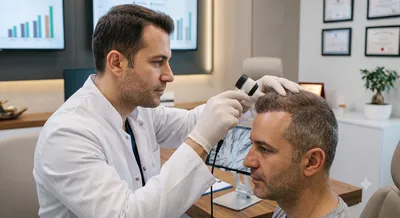
Fixing a Bad Hair Transplant: How Revision Surgery Can Restore a Natural Look
A hair transplant is often a long-awaited journey toward renewed self-confidence. However, when the results do not meet expectations, whether due to an unnatural hairline, poor density, or visible scarring, it can lead to significant emotional distress. The good news is that modern restorative medicine offers a second chance. Revision hair transplantation is a highly specialized field dedicated to correcting previous surgical errors and restoring the natural, undetectable appearance you originally desired.
4-minute reading
1655 reading
 1655 reading
What Should I Avoid After Dental Procedures?
After a dental procedure, what you avoid can matter as much as what you do. The mouth heals quickly, but fresh treatment areas are easy to irritate. Whether you had a filling, tooth extraction, root canal, crown, implant, or deep cleaning, the first few hours and days are important. Following your dentist's instructions helps reduce bleeding, pain, swelling, dry socket, infection, and damage to new dental work.
Common restrictions depend on the procedure, but several rules apply broadly. Avoid eating until numbness wears off so you do not bite your cheek, lip, or tongue. Skip very hot foods and drinks at first, since heat can increase bleeding and discomfort, and numbness may prevent you from noticing burns. Hard, crunchy, sticky, or chewy foods can disturb healing sites or pull at temporary restorations, so softer foods are usually safer.
After an extraction or oral surgery, avoid smoking, vaping, spitting, using straws, or vigorous rinsing for at least the first day, or longer if your dentist advises it. Suction and pressure can dislodge the blood clot and lead to dry socket, a painful complication. Alcohol is also best avoided for at least 24 hours, especially if you are taking pain medicine, antibiotics, or sedatives.
It is also wise to avoid intense exercise immediately after many dental procedures, particularly extractions, implants, and gum surgery. Heavy activity may restart bleeding or worsen swelling. If you received sedation, do not drive, operate machinery, drink alcohol, or make important decisions until fully recovered and cleared by your clinician.
4-minute reading
1691 reading

What Does Dental Recovery Really Feel Like?
Dental recovery is often easier than people expect, but it rarely feels the same for everyone. The exact experience depends on the procedure, your general health, pain tolerance, and how closely aftercare instructions are followed. A simple filling may leave only mild tenderness for a day, while an extraction, root canal, implant, or gum surgery can cause several days of soreness, swelling, and temporary limits on eating. In the first 24 to 72 hours, it is common to notice aching, pressure, or throbbing that gradually improves. Numbness from local anesthetic can last for a few hours, and once it wears off, the area may feel bruised or sensitive. Some people also notice a strange awareness of the treated tooth, especially when biting. This does not always mean something is wrong. Soft foods, rest, and prescribed or over the counter pain relief are often enough to keep symptoms manageable. Healing usually comes in stages. Early discomfort tends to peak within the first couple of days, then settle. Gums and soft tissue may look puffy or slightly discolored before they improve. If stitches are used, the mouth can feel tight or irritated until the tissue closes. It is also normal to feel tired after a longer appointment, especially if sedation was used.
4-minute reading
1598 reading

Can I Combine Dental Treatment with a Holiday?
Yes, many people combine dental treatment in Turkey with a holiday, but it’s safest to plan it as a medical trip first. Dental work can require multiple appointments, recovery time, and sometimes follow-up care, so timing and activities matter.
Before booking, confirm exactly what will be done, how many visits are needed, and whether any steps are staged (implants often are). Get a written treatment plan covering materials, timeline, aftercare, and what happens if you need help once you’re home.
Build your holiday around recovery: after extractions, implant placement, or gum surgery you may need to avoid swimming, heavy exercise, alcohol, and long sun exposure for a short period. Schedule appointments early in the trip, add buffer days, and avoid flying immediately after major procedures if possible.
4-minute reading
3172 reading

What Happens If I Have a Problem After Returning Home?
Most people recover smoothly after treatment, but questions can come up once you are back home. Knowing what to do if you notice new symptoms, need medication advice, or are worried about your recovery can help you act quickly and avoid unnecessary stress.
This FAQ explains practical steps to take after you return home, including when to contact your treating team, when to seek urgent care locally, and how to share information safely between healthcare providers.
4-minute reading
3323 reading

Is the Cheapest Dental Offer Always the Best Choice?
Not always. A very low price for dental treatment can be a genuine discount, but it can also signal shortcuts in materials, planning, infection control, or follow up care. Because dentistry is both medical care and a technical craft, the true value is often revealed by what is included in the quote, not the headline number.If you are comparing offers for fillings, crowns, implants, aligners, whitening, or cosmetic work, focus on safety, predictability, and long term cost. The cheapest option can become the most expensive if it leads to complications, repeat treatment, or damage to teeth and gums.
4-minute reading
3205 reading

Turkey Teeth Gone Wrong: Why It Happens and How to Avoid It
"Turkey teeth" is a social media term for getting a fast, dramatic smile makeover abroad, often involving crowns or veneers placed on many teeth at once. When it goes well, results can look impressive. When it goes wrong, the problems can be painful, expensive, and difficult to fix.
Complications usually come from aggressive tooth preparation, rushed planning, unclear aftercare, or treatment that does not match a person’s bite and gum health. Knowing the common failure points can help you choose safer options and avoid irreversible damage.
4-minute reading
3051 reading
Who Is Not a Good Candidate for Dental Treatment?
Most people can safely receive dental care, including fillings, crowns, implants, orthodontics, and cosmetic treatments. However, some health conditions and situations can make certain dental procedures unsafe or less likely to succeed, at least temporarily. In these cases, the goal is not to deny care but to adjust timing, choose safer alternatives, or coordinate treatment with a medical team.
There is rarely a single rule that makes someone a permanent "no" for all dental treatment. Instead, dentists assess risk based on your overall health, medications, infection status, ability to heal, and how urgent the dental problem is. Emergency care to control pain, swelling, or infection is often still possible even when elective treatment should wait.
Below are common scenarios where a person may not be a good candidate for specific dental treatments or may need treatment postponed until their condition is stabilized.
4-minute reading
2879 reading
Can Dental Work Be Repaired or Replaced Later?
Most dental work is not truly permanent. Fillings can wear, crowns can loosen, and implants can develop complications. The good news is that many restorations can be repaired, adjusted, or replaced later, often with predictable results.
Whether a dentist can fix existing work or needs to redo it depends on the type of restoration, why it failed, the health of the tooth and gums, and how much natural tooth structure remains. Knowing what is usually repairable can help you plan, budget, and avoid unnecessary retreatment.
4-minute reading
3244 reading
Are There Hidden Costs in Dental Treatments Abroad?
Dental tourism can look like an easy win: lower prices, short waits, and the chance to combine treatment with travel. But the headline quote rarely reflects the full cost of care, especially for complex work like implants, crowns, veneers, or full mouth rehabilitation.
Hidden costs are not always intentional. They often arise from differences in treatment planning, materials, follow up arrangements, and what happens if something goes wrong after you return home. Knowing where extra expenses typically appear can help you compare options more realistically and protect your health.
4-minute reading
3211 reading