HealRoad Articles Hero

Discover, Heal, Thrive: HealRoad Articles

Welcome to HealRoad Articles

Explore insights into world-class healthcare and the beauty of Türkiye. From expert tips on treatments to travel guides, our articles are your companion on the journey to wellness and discovery.

Search Icon
Searching...
23 articles found
More filters Clear filters
Candidacy

Topic

Intent

Journey Stage

Concern

Travel Context

Can Dental Treatments Be Done with Sedation?
Yes, many dental treatments can be done with sedation. It uses medication to help you relax and reduce anxiety (it’s different from local anaesthetic, which numbs the area, and you’ll usually still need local anaesthetic even with sedation). Sedation may be recommended for dental phobia, strong gag reflex, difficulty sitting still, special healthcare needs, or long/complex treatment. Common options include minimal sedation (nitrous oxide or tablets), moderate/conscious sedation (often IV), and in selected cases deep sedation or general anaesthesia (typically for major surgery or severe anxiety, with higher monitoring needs). It’s generally safe when delivered by trained teams with proper screening and monitoring, but it carries risks like nausea, dizziness, low oxygen levels, or deeper-than-intended sedation. Risk can be higher with conditions such as sleep apnoea, severe obesity, heart/lung disease, pregnancy, or use of opioids/alcohol/sedating meds. After oral/IV sedation you’ll usually need an escort and may be told not to drive, drink alcohol, or make important decisions for a period. Before booking, ask which type is recommended, who administers it, what monitoring is used, what fasting rules apply, how recovery works, and what restrictions you’ll have afterward.
4-minute reading Reading Icon 106 reading
Can Dental Treatments Be Done with Sedation?

How Many Clinics Will Review My Case?

In most cases, your file may be reviewed by more than one clinic, but the number depends on the service, how complete your records are, and how complex your needs are. Matching/referral programs usually share your case with clinics that fit your diagnosis, location preferences, budget, and timeline, sometimes with several clinics at once and sometimes starting with a short shortlist. Clinics decide whether to review or accept a case based on scope, specialist availability, safety, and whether key documents are included (recent imaging, reports, operative notes, doctor summary). Straightforward cases with flexible preferences can be reviewed by multiple clinics quickly, while highly specialised or complex cases may be reviewed by fewer clinics and can take longer because multiple departments may need to weigh in. You can influence the process by stating priorities (broad search vs one centre/surgeon) and sending complete records early. Also note that “review” can mean a quick eligibility screen or a deeper second opinion/treatment plan, with different timelines and fees. Finally, a review doesn’t guarantee acceptance; it’s meant to find the safest, most appropriate options and set realistic expectations.
4-minute reading Reading Icon 99 reading
How Many Clinics Will Review My Case?

E-max Crown or Zirconia Crown: How to Choose the Right Option
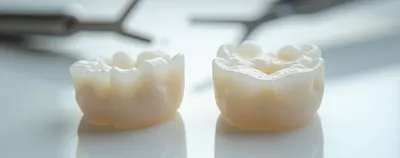
Both E-max crowns and zirconia crowns can restore a damaged tooth with a natural-looking, long-lasting cap. The best choice depends on where the tooth sits in your mouth, how hard you bite, how much healthy tooth remains, and what matters most to you: maximum aesthetics, maximum strength, or a balance of both. This FAQ explains the practical differences so you can have a clearer conversation with your dentist.
4-minute reading Reading Icon 172 reading
E-max Crown or Zirconia Crown: How to Choose the Right Option

Who Is Not a Good Candidate for Dental Treatment?
Most people can safely receive dental care, including fillings, crowns, implants, orthodontics, and cosmetic treatments. However, some health conditions and situations can make certain dental procedures unsafe or less likely to succeed, at least temporarily. In these cases, the goal is not to deny care but to adjust timing, choose safer alternatives, or coordinate treatment with a medical team. There is rarely a single rule that makes someone a permanent "no" for all dental treatment. Instead, dentists assess risk based on your overall health, medications, infection status, ability to heal, and how urgent the dental problem is. Emergency care to control pain, swelling, or infection is often still possible even when elective treatment should wait. Below are common scenarios where a person may not be a good candidate for specific dental treatments or may need treatment postponed until their condition is stabilized.
4-minute reading Reading Icon 120 reading
Who Is Not a Good Candidate for Dental Treatment?

Is a Smile Makeover Right for Me?

A smile makeover is a personalised plan to improve the look of your teeth and gums. It can involve one treatment (such as whitening) or a combination (such as orthodontics plus bonding or veneers). The right choice depends on your goals, your oral health, and what changes are realistically possible. This FAQ explains who may benefit, what to consider before starting, and how to weigh options like whitening, aligners, bonding, veneers, crowns, and gum treatments.
4-minute reading Reading Icon 161 reading
Is a Smile Makeover Right for Me?

Do I Need Implants or Are Other Options Enough?

Dental implants can be an excellent way to replace missing teeth, but they are not the only option. Whether you need implants depends on how many teeth are missing, the health of your gums and jawbone, your bite, your budget, and how important fixed (non removable) teeth are to you. This FAQ explains when implants are usually recommended, when other treatments may be enough, and what questions to ask so you can choose a safe, long lasting solution with your dental team.
4-minute reading Reading Icon 173 reading
Do I Need Implants or Are Other Options Enough?

Crowns vs Veneers vs Implants: How to Decide

If you’re exploring dental treatment in Turkey, this is one of the biggest decision points and it can get confusing fast. Clinics may recommend different options, prices can vary widely, and you might start asking yourself whether you truly need implants or if crowns or veneers would be enough, whether veneers could harm your natural teeth, whether a crown is stronger than a veneer, and which option lasts the longest. This guide gives you a clear way to decide based on your tooth condition, your goals, and the long-term outcome, not marketing.
5-minute reading Reading Icon 178 reading
Crowns vs Veneers vs Implants: How to Decide

A Step-by-Step Guide to Chin & Jawline Contouring in Turkey

Chin and jawline contouring aims to improve lower-face definition by adjusting bone, soft tissue, and/or fat. In Turkey, these treatments range from non-surgical options (dermal fillers, botulinum toxin, and energy-based skin tightening) to minimally invasive fat reduction and surgical procedures (chin implant, genioplasty, mandibular angle reduction, and neck/lower-face liposuction). The best approach depends on your anatomy (chin projection, jaw width, bite alignment, skin quality) and goals (sharper jawline, stronger chin, facial symmetry). This step-by-step guide explains what to expect before, during, and after treatment, including typical timelines, safety checks, and recovery milestones for patients travelling to Turkey.
17-minute reading Reading Icon 324 reading
A Step-by-Step Guide to Chin & Jawline Contouring in Turkey

A Step-by-Step Guide to Long DHI Hair Transplantation in Turkey

Long DHI (Direct Hair Implantation) is a variation of FUE hair transplantation where extracted follicular units are implanted directly into the scalp using a pen-like implanter (commonly called a Choi pen). “Long DHI” typically refers to implanting grafts while the recipient area hair is kept longer, which may help camouflage early post-op appearance for suitable candidates. Turkey is a popular destination for this procedure due to high case volumes, experienced surgical teams, and comparatively lower costs. This step-by-step guide explains what happens before, during, and after long DHI hair transplantation, what results timelines look like, and how to reduce risks and avoid common pitfalls when choosing a clinic abroad.
19-minute reading Reading Icon 318 reading
A Step-by-Step Guide to Long DHI Hair Transplantation in Turkey

A Step-by-Step Guide to Shaven Hair Transplantation in Turkey

A shaven hair transplant is a technique where the donor area (usually the back and sides of the scalp) and often the recipient area are shaved to allow precise graft extraction and placement. In Turkey, shaven transplantation is commonly used with FUE (Follicular Unit Extraction) and can improve visibility for the surgical team, potentially supporting efficient graft handling and consistent implantation patterns. This guide explains what typically happens before, during, and after a shaven hair transplant in Turkey, what to pack and plan for, and how to approach aftercare and follow-up for the safest possible recovery and best chance of natural-looking growth.
19-minute reading Reading Icon 283 reading
A Step-by-Step Guide to Shaven Hair Transplantation in Turkey

A Step-by-Step Guide to SDHI Hair Transplantation in Turkey

SDHI (Sapphire Direct Hair Implantation) is a modern hair restoration approach used in Turkey that combines aspects of DHI-style implantation with sapphire blades for creating recipient sites. The aim is to place follicular units with high precision while minimising trauma to surrounding tissue, which may support faster recovery and natural-looking density when performed by an experienced team. This step-by-step guide explains what typically happens before, during, and after an SDHI hair transplant in Turkey, including preparation, the day-of procedure, aftercare, and realistic timelines for regrowth.
17-minute reading Reading Icon 270 reading
A Step-by-Step Guide to SDHI Hair Transplantation in Turkey

A Step-by-Step Guide to Female Hair Transplantation in Turkey

Female hair transplantation in Turkey is increasingly sought by women with thinning hair, traction alopecia, or stable pattern hair loss who want a permanent, natural-looking improvement. The process typically involves harvesting follicles (most often from the back or sides of the scalp) and implanting them into areas of reduced density using techniques such as FUE (Follicular Unit Extraction) or DHI (Direct Hair Implantation). Because women often have diffuse thinning and may wish to keep longer hair, careful assessment is essential to confirm candidacy, plan the hairline and density, and protect existing hair. This step-by-step guide explains what to expect before, during, and after a female hair transplant in Turkey, including timelines, recovery, and key safety checks when choosing a clinic.
18-minute reading Reading Icon 260 reading
A Step-by-Step Guide to Female Hair Transplantation in Turkey
HealRoad

Coordinator

WhatsApp quick contact

Coordinator

Emin

Personal Heal Road Manager

About

I am here to assist you throughout your entire medical journey with Heal Road.

By continuing, you’ll be redirected to WhatsApp.