
Pain-Free Hair Transplant: How Needle-Free Anesthesia Makes It Possible
Don't know
where to start ?
Find the right specialist with the best price guarantee
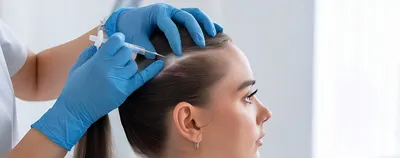
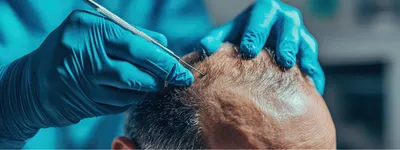
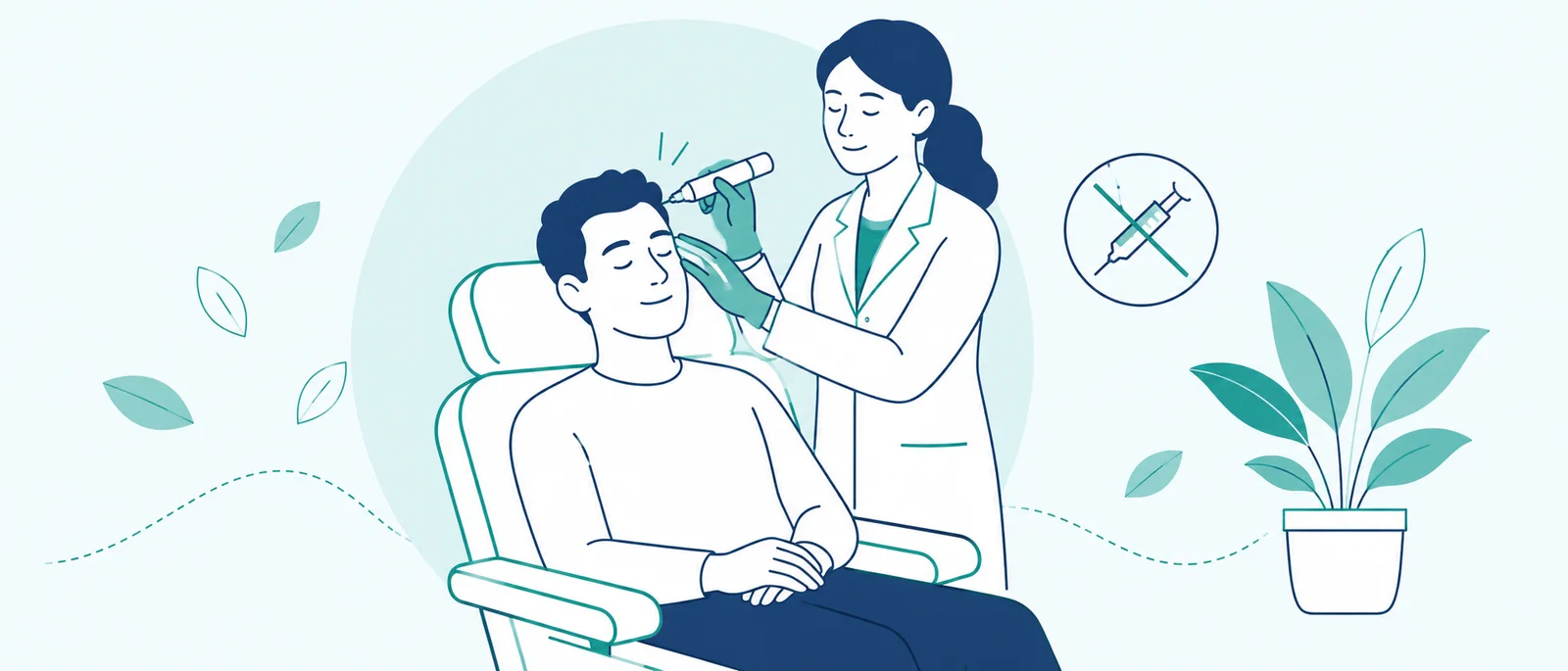
Hair transplantation has become more patient-friendly over the years, not only through better techniques, but also through more comfortable anesthesia. Today, needle-free anesthesia helps reduce the most stressful part for many patients, making the procedure feel calmer from the very beginning.
The Evolution of Comfort in Hair Restoration
In the past, the most uncomfortable part of a hair transplant was the initial phase; administering local anesthesia. Traditional methods involved multiple needle injections to numb the donor and recipient areas, which many patients found stressful. As technology evolved, the focus shifted from just "successful results" to "a comfortable patient journey."
At Healroad, we understand that your psychological comfort is just as important as your physical results. We prioritize connecting you with clinics that utilize the latest pressure-based delivery systems, ensuring that your transformation begins with relaxation rather than anxiety. Our platform helps you filter for providers who put patient comfort at the forefront of their practice.
The Evolution of Comfort in Hair Restoration
In the past, the most uncomfortable part of a hair transplant was the initial phase; administering local anesthesia. Traditional methods involved multiple needle injections to numb the donor and recipient areas, which many patients found stressful. As technology evolved, the focus shifted from just "successful results" to "a comfortable patient journey."
At Healroad, we understand that your psychological comfort is just as important as your physical results. We prioritize connecting you with clinics that utilize the latest pressure-based delivery systems, ensuring that your transformation begins with relaxation rather than anxiety. Our platform helps you filter for providers who put patient comfort at the forefront of their practice.
Hair transplantation has become more patient-friendly over the years, not only through better techniques, but also through more comfortable anesthesia. Today, needle-free anesthesia helps reduce the most stressful part for many patients, making the procedure feel calmer from the very beginning.
How Does Needle-Free Anesthesia Work?
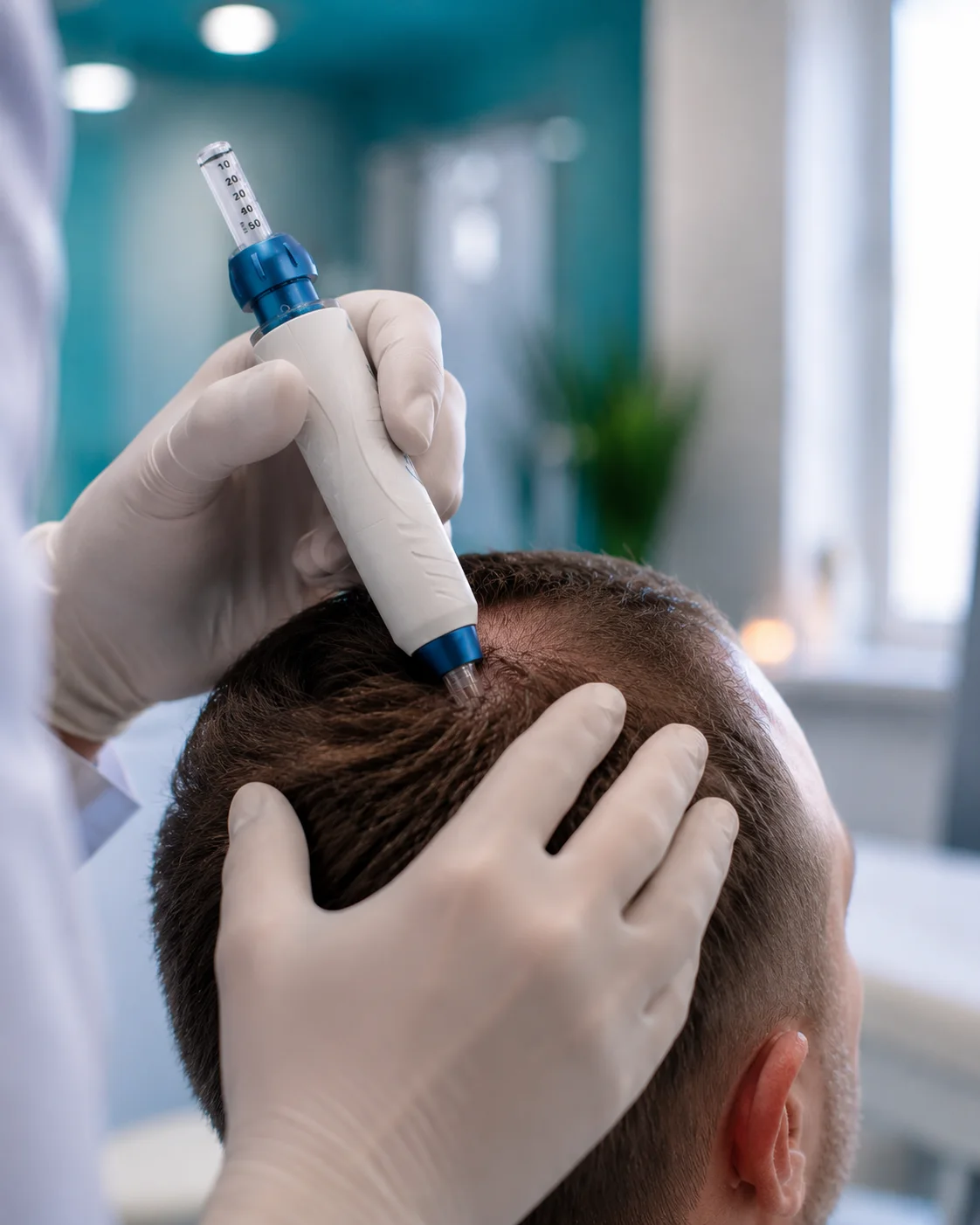
Needle-free anesthesia, often referred to as "pressure anesthesia," uses a specialized high-pressure device to deliver the numbing agent into the scalp. Instead of a sharp needle penetrating the skin, the device uses mechanical pressure to spray the anesthetic through a microscopic opening, allowing it to be absorbed instantly by the tissue.
- No Sharp Entry: There is no needle involved, meaning no skin puncture or risk of needle-related bruising.
- Rapid Numbing: The pressurized spray covers a wider area faster than a single needle point, leading to almost instant numbness.
- Reduced Tissue Trauma: Because the delivery is non-invasive, the scalp experiences significantly less trauma and swelling during the first few hours of the procedure.
Navigating these technical details can be overwhelming. Healroad simplifies this by verifying the equipment used by our partner clinics, ensuring the "needle-free" claim meets international medical standards so you don't have to worry about the fine print.
How Does Needle-Free Anesthesia Work?
Needle-free anesthesia, often referred to as "pressure anesthesia," uses a specialized high-pressure device to deliver the numbing agent into the scalp. Instead of a sharp needle penetrating the skin, the device uses mechanical pressure to spray the anesthetic through a microscopic opening, allowing it to be absorbed instantly by the tissue.
- No Sharp Entry: There is no needle involved, meaning no skin puncture or risk of needle-related bruising.
- Rapid Numbing: The pressurized spray covers a wider area faster than a single needle point, leading to almost instant numbness.
- Reduced Tissue Trauma: Because the delivery is non-invasive, the scalp experiences significantly less trauma and swelling during the first few hours of the procedure.
Navigating these technical details can be overwhelming. Healroad simplifies this by verifying the equipment used by our partner clinics, ensuring the "needle-free" claim meets international medical standards so you don't have to worry about the fine print.
Note: Comfort varies by patient. Clinic experience and comfort checks matter as much as the anesthesia technique.
Who Benefits Most from Pain-Free Techniques?
While everyone appreciates a more comfortable experience, certain patients find needle-free options life-changing. If you fall into any of the following categories, this technology is designed specifically for you:
- Patients with Needle Phobia: Eliminate the primary source of stress before the surgery even starts.
- Low Pain Threshold: Experience the entire 6–8 hour procedure without feeling the "stinging" sensation of traditional injections.
- High-Anxiety Individuals: Knowing that the process is non-invasive helps maintain a lower heart rate and a calmer state of mind throughout the day.
Our team at Healroad is here to listen to your concerns. If you have specific phobias or sensitivities, we act as your advocate, communicating these needs to the medical teams and ensuring the clinic is fully prepared to provide a stress-free environment tailored to your comfort level.
Who Benefits Most from Pain-Free Techniques?
While everyone appreciates a more comfortable experience, certain patients find needle-free options life-changing. If you fall into any of the following categories, this technology is designed specifically for you:
- Patients with Needle Phobia: Eliminate the primary source of stress before the surgery even starts.
- Low Pain Threshold: Experience the entire 6–8 hour procedure without feeling the "stinging" sensation of traditional injections.
- High-Anxiety Individuals: Knowing that the process is non-invasive helps maintain a lower heart rate and a calmer state of mind throughout the day.
Our team at Healroad is here to listen to your concerns. If you have specific phobias or sensitivities, we act as your advocate, communicating these needs to the medical teams and ensuring the clinic is fully prepared to provide a stress-free environment tailored to your comfort level.
Note: Comfort varies by patient. Clinic experience and comfort checks matter as much as the anesthesia technique.
Post-Op Comfort: Beyond the Surgery
The benefits of needle-free anesthesia extend into the early recovery phase. Because the scalp was not subjected to multiple needle punctures, patients often report less "tightness" and fewer headaches in the first 24 hours post-surgery. This creates a smoother transition into the healing phase, where the focus shifts to graft protection and hair growth.
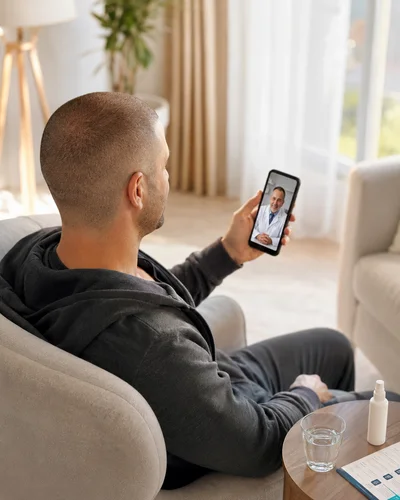
Your journey with Healroad doesn't end when the anesthesia wears off. We provide dedicated post-operative follow-up support to ensure your recovery is as painless as the procedure itself. If you experience any discomfort or have questions about your healing process, our support team is just a message away, bridging the gap between you and your clinical care team.
Post-Op Comfort: Beyond the Surgery
The benefits of needle-free anesthesia extend into the early recovery phase. Because the scalp was not subjected to multiple needle punctures, patients often report less "tightness" and fewer headaches in the first 24 hours post-surgery. This creates a smoother transition into the healing phase, where the focus shifts to graft protection and hair growth.
Your journey with Healroad doesn't end when the anesthesia wears off. We provide dedicated post-operative follow-up support to ensure your recovery is as painless as the procedure itself. If you experience any discomfort or have questions about your healing process, our support team is just a message away, bridging the gap between you and your clinical care team.
Conclusion
Article Contributors

Emin Albayrak
Writer
- Views
- 1616 views
- Reading Time
- Last Updated