Discover, Heal, Thrive:
HealRoad Articles
Welcome to HealRoad Articles
Explore insights into world-class healthcare and the beauty of Türkiye. From expert tips on treatments to travel guides, our articles are your companion on the journey to wellness and discovery.
9 articles found
More filters
Clear filters
Pain
9 articles found
More filters
Clear filters


Pain
Topic
Intent
Journey Stage
Concern
Travel Context
Pain-Free Hair Transplant: How Needle-Free Anesthesia Makes It Possible
For many people, the dream of restoring their hair is often overshadowed by one major concern: Pain. The thought of needles and local anesthesia injections can be a significant barrier for those with low pain tolerance or needle phobia. However, modern hair restoration has undergone a comfort revolution. Today, a pain-free hair transplant is no longer a marketing promise but a medical reality, thanks to innovative needle-free anesthesia techniques.
3-minute reading
1616 reading
 1616 reading

What Is the Recovery Process After Dental Treatment?
Recovery after dental treatment depends on the type of procedure, your general health, and how closely you follow aftercare instructions. Minor treatments such as fillings may cause only brief numbness or sensitivity, while extractions, root canal treatment, implants, or gum procedures can take several days or weeks to settle. Most people recover well with simple home care, but it is normal to have questions about pain, swelling, eating, and when to call the dentist. In the first 24 hours, rest is often the most important step. If you had a tooth removed or oral surgery, you may be asked to bite on gauze, avoid rinsing forcefully, and skip smoking, alcohol, and strenuous exercise. These steps help protect the blood clot and lower the risk of dry socket or bleeding. Cold packs on the outside of the face can help reduce swelling, and prescribed or over-the-counter pain relief may be recommended.Healing times vary. Sensitivity after a filling may improve within days. Recovery after a simple extraction often takes about 1 to 2 weeks, while more involved surgery or dental implants may require a longer healing period. Contact your dentist promptly if you develop heavy bleeding, worsening pain after a few days, fever, pus, bad taste, increasing swelling, or trouble swallowing or breathing.
4-minute reading
1623 reading

What Should I Avoid After Dental Procedures?
After a dental procedure, what you avoid can matter as much as what you do. The mouth heals quickly, but fresh treatment areas are easy to irritate. Whether you had a filling, tooth extraction, root canal, crown, implant, or deep cleaning, the first few hours and days are important. Following your dentist's instructions helps reduce bleeding, pain, swelling, dry socket, infection, and damage to new dental work.
Common restrictions depend on the procedure, but several rules apply broadly. Avoid eating until numbness wears off so you do not bite your cheek, lip, or tongue. Skip very hot foods and drinks at first, since heat can increase bleeding and discomfort, and numbness may prevent you from noticing burns. Hard, crunchy, sticky, or chewy foods can disturb healing sites or pull at temporary restorations, so softer foods are usually safer.
After an extraction or oral surgery, avoid smoking, vaping, spitting, using straws, or vigorous rinsing for at least the first day, or longer if your dentist advises it. Suction and pressure can dislodge the blood clot and lead to dry socket, a painful complication. Alcohol is also best avoided for at least 24 hours, especially if you are taking pain medicine, antibiotics, or sedatives.
It is also wise to avoid intense exercise immediately after many dental procedures, particularly extractions, implants, and gum surgery. Heavy activity may restart bleeding or worsen swelling. If you received sedation, do not drive, operate machinery, drink alcohol, or make important decisions until fully recovered and cleared by your clinician.
4-minute reading
1691 reading

When Can I Eat Normally After Dental Treatment?
After dental treatment, it is normal to wonder when you can eat again. The answer depends on the type of procedure, whether you had local anaesthetic, and how sore your mouth feels. In many cases, you can eat soon after treatment, but it is usually best to start with soft foods and avoid anything that could disturb the treated area. If your lips, tongue, or cheeks are still numb, wait until feeling returns so you do not accidentally bite yourself.
4-minute reading
1662 reading

What Does Dental Recovery Really Feel Like?
Dental recovery is often easier than people expect, but it rarely feels the same for everyone. The exact experience depends on the procedure, your general health, pain tolerance, and how closely aftercare instructions are followed. A simple filling may leave only mild tenderness for a day, while an extraction, root canal, implant, or gum surgery can cause several days of soreness, swelling, and temporary limits on eating. In the first 24 to 72 hours, it is common to notice aching, pressure, or throbbing that gradually improves. Numbness from local anesthetic can last for a few hours, and once it wears off, the area may feel bruised or sensitive. Some people also notice a strange awareness of the treated tooth, especially when biting. This does not always mean something is wrong. Soft foods, rest, and prescribed or over the counter pain relief are often enough to keep symptoms manageable. Healing usually comes in stages. Early discomfort tends to peak within the first couple of days, then settle. Gums and soft tissue may look puffy or slightly discolored before they improve. If stitches are used, the mouth can feel tight or irritated until the tissue closes. It is also normal to feel tired after a longer appointment, especially if sedation was used.
4-minute reading
1598 reading

What If I’m Afraid of Dentists? (Dental Anxiety Explained)
Being afraid of the dentist is common, and it can range from mild nerves to intense fear that makes it hard to book or attend appointments. You are not alone, and dental anxiety is not a sign of weakness.The good news is that there are practical, evidence-based ways to make dental care feel safer and more predictable. Understanding what dental anxiety is, why it happens, and what you can ask for can help you get the care you need with less stress.
4-minute reading
3224 reading

How Is Pain Managed During Dental Procedures?
Most dental procedures can be completed with little or no pain because dentists use several layers of pain control. The goal is to keep you comfortable during treatment and to reduce soreness afterward, while still allowing the dentist to work safely and effectively.Pain management is tailored to the procedure and to you: your medical history, anxiety level, past experiences with numbing, and any allergies or medications. If you are worried about pain, tell your dental team early so they can plan the best approach.
4-minute reading
3160 reading

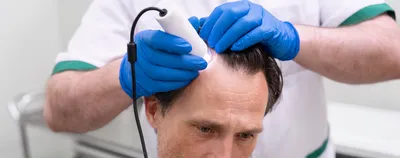
A Step-by-Step Guide to Needle-Free Hair Transplantation in Turkey
Needle-free hair transplantation in Turkey usually refers to performing parts of the procedure most commonly local anaesthesia delivery without traditional needles (for example, using high‑pressure jet injectors), while the transplant itself is still carried out with established methods such as FUE (Follicular Unit Extraction) or DHI (Direct Hair Implantation). For many patients, this approach aims to reduce needle-related anxiety and improve comfort during numbing, without changing the core surgical steps. This guide explains what “needle-free” typically means in reputable clinics, who may be a good candidate, what to expect step by step, and how to plan safely for treatment in Turkey.
17-minute reading
3234 reading
A Step-by-Step Guide to Wisdom Tooth Extraction in Turkey
Wisdom tooth extraction is a common dental procedure often recommended when these third molars become impacted or cause oral health problems. Turkey has emerged as a popular destination for dental treatments, including wisdom tooth extraction, due to its skilled dental professionals, advanced clinics, and cost-effective options. This step-by-step guide explains what to expect before, during, and after wisdom tooth extraction in Turkey, helping you prepare for a safe and smooth experience.
9-minute reading
3442 reading