

What Does Dental Recovery Really Feel Like?
- Mild to moderate soreness is common for 1 to 3 days after many dental procedures.
- Swelling often peaks around 48 to 72 hours, then starts to improve.
- Severe pain, fever, pus, or worsening swelling should be assessed by a dentist.
Don't know
where to start ?
Find the right specialist with the best price guarantee
- 1 If the area feels numb or heavy, something is wrong.
- 2 A treated tooth should feel normal as soon as the anesthetic wears off.
- 3 Mild soreness or sensitivity after dental work always means a problem.
- 1 Local anesthetic often makes lips, cheeks, tongue, or gums feel heavy and hard to control for a few hours.
- 2 As numbness fades, tingling, pressure, or extra awareness when biting can be part of normal recovery.
- 3 Brief tenderness, irritation, or temperature sensitivity can be expected, but worsening symptoms should be checked.
From Numbness to Normal: How Sensations Shift After Dental Work
Right after treatment, the strangest part is often not pain but the temporary loss of normal feeling. Local anesthetic can make your lips, cheeks, tongue, or gums feel heavy, swollen, or hard to control even when they do not look very different.
- As the numbing medicine fades, you may notice tingling, warmth, or a pins-and-needles feeling.
- The treated tooth can then feel tender, pressurized, or unusually noticeable when you bite.
- Gums and nearby tissues may stay sore or irritated for a short time, especially after deeper cleaning, extractions, or longer appointments.
Many people also describe the area as "different" before it feels fully normal again. That can include mild sensitivity to temperature, a bruised sensation, or extra awareness of your bite. Recovery depends on the procedure, the amount of anesthetic used, and your own healing pattern, so ask your dentist what is expected in your case and what symptoms should prompt a call.
If you are planning treatment abroad, HealRoad can help you compare clinics and get clear answers about what recovery may feel like before you travel.
From Numbness to Normal: How Sensations Shift After Dental Work
Right after treatment, the strangest part is often not pain but the temporary loss of normal feeling. Local anesthetic can make your lips, cheeks, tongue, or gums feel heavy, swollen, or hard to control even when they do not look very different.
- As the numbing medicine fades, you may notice tingling, warmth, or a pins-and-needles feeling.
- The treated tooth can then feel tender, pressurized, or unusually noticeable when you bite.
- Gums and nearby tissues may stay sore or irritated for a short time, especially after deeper cleaning, extractions, or longer appointments.
Many people also describe the area as "different" before it feels fully normal again. That can include mild sensitivity to temperature, a bruised sensation, or extra awareness of your bite. Recovery depends on the procedure, the amount of anesthetic used, and your own healing pattern, so ask your dentist what is expected in your case and what symptoms should prompt a call.
If you are planning treatment abroad, HealRoad can help you compare clinics and get clear answers about what recovery may feel like before you travel.
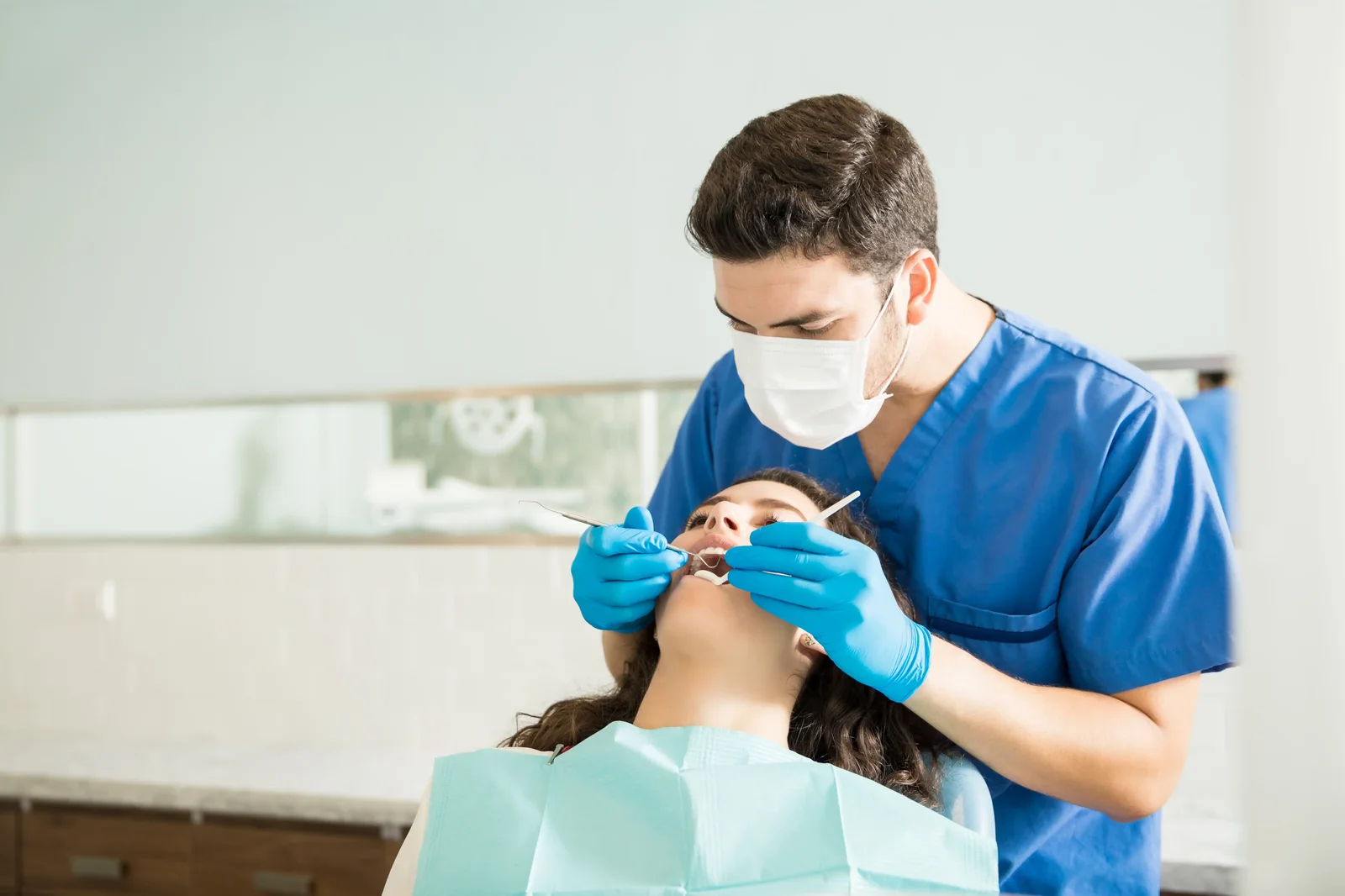
Why the Same Procedure Can Lead to Very Different Recovery Days
Two people can have the same dental treatment and still describe recovery very differently. That does not always mean something went wrong. It often reflects how many small factors shape the first few days after care.
Recovery can feel easier or harder depending on things such as:
- the amount of inflammation already present before treatment
- whether the procedure was simple or more involved
- your general health, sleep, stress, and smoking habits
- how your body responds to swelling, numbness, and soreness
- how closely aftercare instructions are followed
Even pain tolerance matters. One person may call it mild pressure, while another feels tired, tender, and limited for a day or two. Medications, rest, hydration, and eating soft foods can also change the experience.
The most useful question is not, "What did someone else feel?" but "What is typical for my case, and what signs should make me call the clinic?" Your dentist can explain what is expected for your specific treatment and health history.
HealRoad helps patients compare clinics with clearer treatment information and get support while planning what recovery may look like for their own case.
Why the Same Procedure Can Lead to Very Different Recovery Days
Two people can have the same dental treatment and still describe recovery very differently. That does not always mean something went wrong. It often reflects how many small factors shape the first few days after care.
Recovery can feel easier or harder depending on things such as:
- the amount of inflammation already present before treatment
- whether the procedure was simple or more involved
- your general health, sleep, stress, and smoking habits
- how your body responds to swelling, numbness, and soreness
- how closely aftercare instructions are followed
Even pain tolerance matters. One person may call it mild pressure, while another feels tired, tender, and limited for a day or two. Medications, rest, hydration, and eating soft foods can also change the experience.
The most useful question is not, "What did someone else feel?" but "What is typical for my case, and what signs should make me call the clinic?" Your dentist can explain what is expected for your specific treatment and health history.
HealRoad helps patients compare clinics with clearer treatment information and get support while planning what recovery may look like for their own case.

The Habits and Health Factors That Shape Your Comeback
Recovery after dental treatment is not only about the procedure itself. Your daily routine, general health, and how closely you follow aftercare can all influence how your mouth feels in the days that follow.
Common factors that may affect comfort and healing include:
- Smoking or vaping, which may slow tissue repair
- Diabetes, immune conditions, or medicines that affect healing
- Teeth grinding, jaw clenching, or pressure on the treated area
- Sleep, hydration, and whether you can eat as advised
- How well you keep the area clean without irritating it
Small choices often make a noticeable difference. Resting, taking medications exactly as directed, and avoiding foods or habits your dentist warned about can help reduce setbacks.
If you have a medical condition, take regular medication, or know you heal slowly, ask your clinician what recovery may realistically look like for you rather than relying on a standard timeline.
If you are planning treatment abroad, HealRoad can help you compare clinics and get clear information so you can prepare for recovery with fewer surprises.
The Habits and Health Factors That Shape Your Comeback
Recovery after dental treatment is not only about the procedure itself. Your daily routine, general health, and how closely you follow aftercare can all influence how your mouth feels in the days that follow.
Common factors that may affect comfort and healing include:
- Smoking or vaping, which may slow tissue repair
- Diabetes, immune conditions, or medicines that affect healing
- Teeth grinding, jaw clenching, or pressure on the treated area
- Sleep, hydration, and whether you can eat as advised
- How well you keep the area clean without irritating it
Small choices often make a noticeable difference. Resting, taking medications exactly as directed, and avoiding foods or habits your dentist warned about can help reduce setbacks.
If you have a medical condition, take regular medication, or know you heal slowly, ask your clinician what recovery may realistically look like for you rather than relying on a standard timeline.
If you are planning treatment abroad, HealRoad can help you compare clinics and get clear information so you can prepare for recovery with fewer surprises.
Recovery Timeline
When a Quicker Return Is Realistic and When Your Mouth Needs More Time
Recovery does not follow one fixed schedule. Some people feel ready to get back to normal routines fairly quickly after a simple filling, a gentle cleaning, or minor cosmetic work. In those cases, the mouth may feel only slightly tender, and eating and speaking often improve within a short time.
More involved care usually asks for more patience. Tooth removal, implant surgery, gum treatment, root canal therapy, or several procedures done close together can leave the area sore, swollen, or sensitive for longer. Even if you feel well overall, the tissues may still be settling.
A faster return is more likely when:
- only one small area was treated
- there was little drilling or surgical work
- you can follow aftercare closely and rest as advised
Extra healing time may be needed when:
- treatment involved the gums, bone, or multiple teeth
- you already had inflammation or infection
- your dentist placed temporary work that needs review
If you are planning travel, work, or social events, ask your dentist what is realistic for your specific treatment plan.
HealRoad can help you compare clinics and ask practical timeline questions before you book, so your plans match the treatment steps and recovery needs.
When a Quicker Return Is Realistic and When Your Mouth Needs More Time
Recovery does not follow one fixed schedule. Some people feel ready to get back to normal routines fairly quickly after a simple filling, a gentle cleaning, or minor cosmetic work. In those cases, the mouth may feel only slightly tender, and eating and speaking often improve within a short time.
More involved care usually asks for more patience. Tooth removal, implant surgery, gum treatment, root canal therapy, or several procedures done close together can leave the area sore, swollen, or sensitive for longer. Even if you feel well overall, the tissues may still be settling.
A faster return is more likely when:
- only one small area was treated
- there was little drilling or surgical work
- you can follow aftercare closely and rest as advised
Extra healing time may be needed when:
- treatment involved the gums, bone, or multiple teeth
- you already had inflammation or infection
- your dentist placed temporary work that needs review
If you are planning travel, work, or social events, ask your dentist what is realistic for your specific treatment plan.
HealRoad can help you compare clinics and ask practical timeline questions before you book, so your plans match the treatment steps and recovery needs.
Conclusion
Real dental recovery usually feels less dramatic than many people fear: some tenderness, some inconvenience, and a few days of being careful. The key is to expect gradual improvement rather than instant comfort. If symptoms steadily ease, healing is usually on track. If they suddenly intensify or do not improve, contact your dentist. Reassurance matters, but so does timely follow-up when something feels off.
References


- Wisdom tooth removal - NHS
- Dry socket - Symptoms and causes - Mayo Clinic
- Dry Socket: Symptoms, Causes & Treatment - Cleveland Clinic
- Diş Çekimi Sonrası Yapılması Gerekenler - T.C. Sağlık Bakanlığı
- NHS - Recovering from tooth removal
- Cleveland Clinic - Dry Socket
- MedlinePlus - After wisdom teeth removal
Article Contributors

Emin Albayrak
Writer
- Views
- 1599 views
- Reading Time
- Last Updated