
HealRoad Articles Hero

Discover, Heal, Thrive: HealRoad Articles

Welcome to HealRoad Articles

Explore insights into world-class healthcare and the beauty of Türkiye. From expert tips on treatments to travel guides, our articles are your companion on the journey to wellness and discovery.

Searching...
10 articles found
More filters Clear filters
Recovery Period

Topic

Intent

Journey Stage

Concern

Travel Context

Regenera Activa: The stem-cell boost your hair transplant needs.

Regenera Activa is a non-surgical treatment that uses a small sample of your own scalp tissue to create a cell-rich solution, which is then injected into areas of thinning hair. It is often discussed alongside hair transplantation because the goal is different: a transplant moves healthy follicles, while Regenera Activa aims to support existing miniaturizing hairs and improve scalp conditions around them.

For some people, that makes it a useful add-on rather than a replacement. It may be offered before a transplant to stabilize ongoing hair loss, or after a transplant to support the appearance of native hair around the grafted area. Results vary, and the treatment is generally considered most suitable for early to moderate androgenetic hair loss rather than advanced baldness.

3-minute reading 223 reading
Regenera Activa: The stem-cell boost your hair transplant needs.

Can I Get a Hair Transplant Without Shaving My Head? The truth about "No-Shave" FUE

Yes, in some cases you can have a hair transplant without shaving your whole head. This is usually called a no-shave or unshaven FUE procedure. Instead of clipping the entire scalp, the surgeon may trim only a small donor area that can be hidden by surrounding hair, or leave the recipient area unshaven. For the right patient, this can make the procedure easier to keep private while reducing the dramatic short-term change in appearance.

That said, no-shave FUE is not a separate type of transplant and it is not suitable for everyone. It is still follicular unit extraction, with the same basic goals, limits, and healing process. The main difference is how much hair is trimmed to allow graft removal and placement. Whether it is possible depends on your hairstyle, hair length, donor density, the number of grafts needed, and your surgeon's technique.

The most important point is simple: no-shave does not mean no evidence of surgery. Tiny scabs, redness, and temporary shedding can still happen, and larger sessions are often harder to perform efficiently without some trimming. A good consultation should focus less on the label and more on what can realistically be achieved safely and naturally in your case.

4-minute reading 284 reading
Can I Get a Hair Transplant Without Shaving My Head? The truth about "No-Shave" FUE

Sapphire FUE vs. DHI: Which is the best hair transplant method for you?
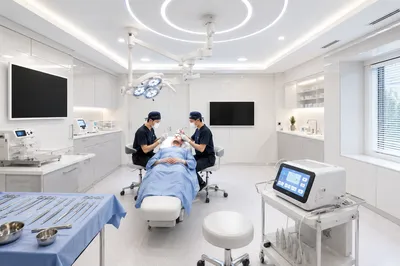
For many individuals experiencing hair loss, modern medicine offers natural and permanent solutions. However, the biggest confusion often arises when it comes to choosing the right technique. Sapphire FUE and DHI (Direct Hair Implantation) are two of the most popular and successful methods today. But what are the fundamental differences between these two technologies, and which one suits your hair structure better? In this guide, we will examine both methods in depth to help you make the right decision.
4-minute reading 293 reading
Sapphire FUE vs. DHI: Which is the best hair transplant method for you?

What Is the Recovery Process After Dental Treatment?

Recovery after dental treatment depends on the type of procedure, your general health, and how closely you follow aftercare instructions. Minor treatments such as fillings may cause only brief numbness or sensitivity, while extractions, root canal treatment, implants, or gum procedures can take several days or weeks to settle. Most people recover well with simple home care, but it is normal to have questions about pain, swelling, eating, and when to call the dentist. In the first 24 hours, rest is often the most important step. If you had a tooth removed or oral surgery, you may be asked to bite on gauze, avoid rinsing forcefully, and skip smoking, alcohol, and strenuous exercise. These steps help protect the blood clot and lower the risk of dry socket or bleeding. Cold packs on the outside of the face can help reduce swelling, and prescribed or over-the-counter pain relief may be recommended.Healing times vary. Sensitivity after a filling may improve within days. Recovery after a simple extraction often takes about 1 to 2 weeks, while more involved surgery or dental implants may require a longer healing period. Contact your dentist promptly if you develop heavy bleeding, worsening pain after a few days, fever, pus, bad taste, increasing swelling, or trouble swallowing or breathing.
4-minute reading 306 reading
What Is the Recovery Process After Dental Treatment?

When Can I Eat Normally After Dental Treatment?

After dental treatment, it is normal to wonder when you can eat again. The answer depends on the type of procedure, whether you had local anaesthetic, and how sore your mouth feels. In many cases, you can eat soon after treatment, but it is usually best to start with soft foods and avoid anything that could disturb the treated area. If your lips, tongue, or cheeks are still numb, wait until feeling returns so you do not accidentally bite yourself.
4-minute reading 265 reading
When Can I Eat Normally After Dental Treatment?

What Does Dental Recovery Really Feel Like?

Dental recovery is often easier than people expect, but it rarely feels the same for everyone. The exact experience depends on the procedure, your general health, pain tolerance, and how closely aftercare instructions are followed. A simple filling may leave only mild tenderness for a day, while an extraction, root canal, implant, or gum surgery can cause several days of soreness, swelling, and temporary limits on eating. In the first 24 to 72 hours, it is common to notice aching, pressure, or throbbing that gradually improves. Numbness from local anesthetic can last for a few hours, and once it wears off, the area may feel bruised or sensitive. Some people also notice a strange awareness of the treated tooth, especially when biting. This does not always mean something is wrong. Soft foods, rest, and prescribed or over the counter pain relief are often enough to keep symptoms manageable. Healing usually comes in stages. Early discomfort tends to peak within the first couple of days, then settle. Gums and soft tissue may look puffy or slightly discolored before they improve. If stitches are used, the mouth can feel tight or irritated until the tissue closes. It is also normal to feel tired after a longer appointment, especially if sedation was used.
4-minute reading 277 reading
What Does Dental Recovery Really Feel Like?

How Long Do Dental Treatments Take in Turkey?
Dental treatment times in Turkey vary by the type of procedure, your oral health, and whether the work can be completed in one visit or needs healing time between stages. Many patients travel because clinics often combine consultation, imaging, treatment planning, and some procedures into a short stay. However, not every treatment is suitable for same-day completion, especially when surgery, laboratory work, or recovery is involved. Simple treatments such as examinations, X-rays, hygiene visits, fillings, and some tooth whitening sessions may be finished in a single appointment lasting from 30 minutes to 2 hours. More complex cosmetic work, including veneers or crowns, often takes several days because the teeth must be prepared, impressions or digital scans taken, and the final restorations fitted after laboratory production. Some clinics offer same-day CAD/CAM crowns, but this depends on the equipment available and the number of teeth being treated. Dental implants usually take the longest overall. The surgical placement itself may be done in one session, but the full process often includes healing time before the final crown, bridge, or denture is attached. In some cases, immediate loading is possible, while others require several months for osseointegration. If bone grafting, sinus lift surgery, gum treatment, or treatment of infection is needed first, the timeline becomes longer. Orthodontic treatment, including clear aligners or braces, is not typically a short dental trip. The initial planning can begin in Turkey, but follow-up adjustments or remote monitoring are usually needed over many months. Root canal treatment may be completed in one or two visits, while extractions can often be done in a single day unless there are complications.
4-minute reading 326 reading
How Long Do Dental Treatments Take in Turkey

Can Multiple Dental Treatments Be Done Together?
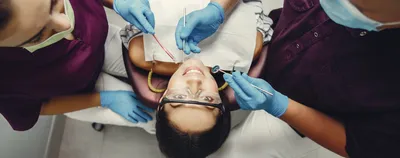
Many people have more than one dental issue at once and prefer to combine treatments to save time and reduce stress. Multiple procedures can often be done safely in the same visit, but the right approach depends on overall health, procedure complexity, appointment length, and healing needs. Dentists usually prioritise urgent problems first (pain, infection, trauma), then functional concerns, and plan cosmetic work once oral health is stable. Some treatments must be staged to allow proper healing or to achieve predictable results. A clear written treatment plan helps balance efficiency with safety and comfort.
4-minute reading 3058 reading
Can Multiple Dental Treatments Be Done Together?

How Many Days Do I Need in Turkey for Dental Treatment?

Dental treatment timelines in Turkey depend on the procedure, how many teeth are involved, and whether lab-made work is needed. Simple treatments (check-ups, cleaning, fillings, whitening) are often done in 1–2 days. Lab-based treatments like crowns, veneers, and bridges usually take 5–7 days. Root canals often need 2–4 days. Implants typically require two trips: 3–7 days for assessment and implant placement, then a second visit 3–6 months later for 5–7 days to fit the final crown. Always ask for a written plan with appointment dates and allow time for a final check before flying home.
3-minute reading 1892 reading
How Many Days Do I Need in Turkey for Dental Treatment?

How Long Do Dental Treatments Last?

When considering dental treatment abroad, one of the first and most important questions patients ask is: “How long will my treatment take?” Time affects everything from travel planning and accommodation to time off work and recovery expectations. While no two patients are exactly the same, dental treatments generally follow clear and predictable timelines. Understanding these timelines in advance helps you plan with confidence and avoid unpleasant surprises during your health journey.
3-minute reading 2171 reading
How Long Do Dental Treatments Last?