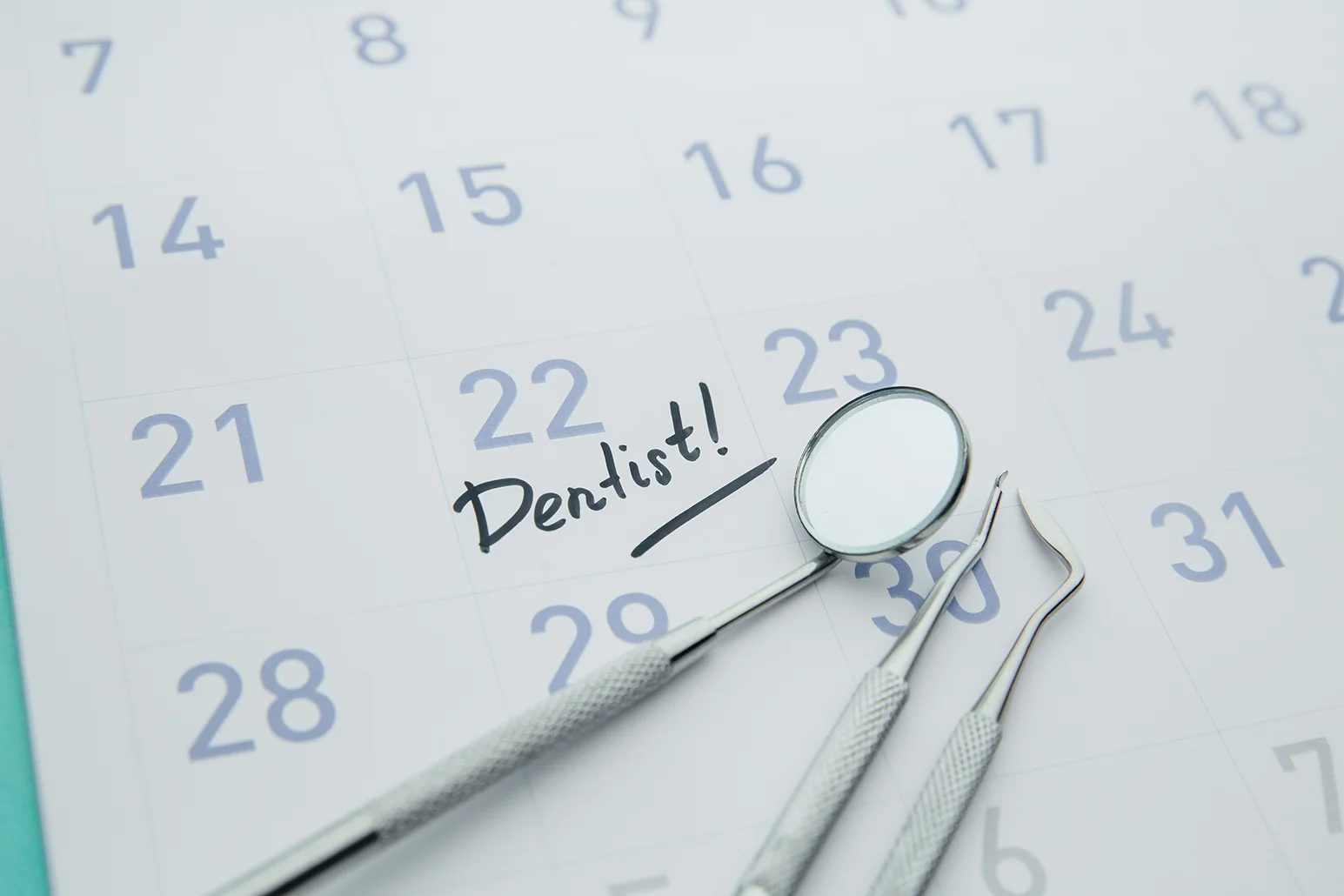

How Long Do Dental Treatments Take in Turkey?
Don't know
where to start ?
Find the right specialist with the best price guarantee
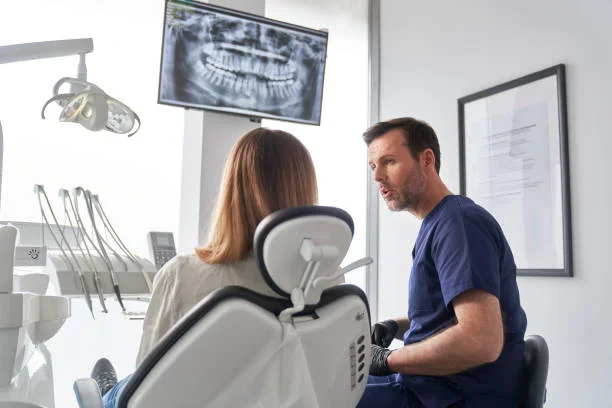
From Checkup to Final Fit: Timing Varies by Procedure
How long dental care takes in Turkey depends mainly on what is being done and how many steps are involved. Some patients only need an examination and a straightforward treatment, while others need preparation, laboratory work, review visits, and a final adjustment before the result is ready.
- Short visits: Cleaning, whitening, small fillings, or minor repairs may be finished in one session.
- Mid-length plans: Crowns, veneers, and similar restorative work often need separate appointments for scans or impressions, tooth preparation, try-in, and fitting.
- Longer treatment paths: Implants, bone-related procedures, or full-arch work can involve healing periods, which may mean treatment is completed in stages rather than during one trip.
The best way to estimate your stay is to ask the clinic for a step-by-step schedule based on your mouth, not just the treatment name. Timelines can differ from one patient to another.
HealRoad can help you compare clinic timelines and ask the right planning questions before you book travel.
From Checkup to Final Fit: Timing Varies by Procedure
How long dental care takes in Turkey depends mainly on what is being done and how many steps are involved. Some patients only need an examination and a straightforward treatment, while others need preparation, laboratory work, review visits, and a final adjustment before the result is ready.
- Short visits: Cleaning, whitening, small fillings, or minor repairs may be finished in one session.
- Mid-length plans: Crowns, veneers, and similar restorative work often need separate appointments for scans or impressions, tooth preparation, try-in, and fitting.
- Longer treatment paths: Implants, bone-related procedures, or full-arch work can involve healing periods, which may mean treatment is completed in stages rather than during one trip.
The best way to estimate your stay is to ask the clinic for a step-by-step schedule based on your mouth, not just the treatment name. Timelines can differ from one patient to another.
HealRoad can help you compare clinic timelines and ask the right planning questions before you book travel.
Useful question before you confirm dates:
Can you show me which appointments are treatment days, which are review days, and whether I should keep an extra day for adjustments before flying home?
Between Visits and Bite Adjustments: What Recovery Adds to the Schedule
The total length of dental care in Turkey is not measured only by chair time.Recovery between appointments and small bite refinements can add important days to the plan.
After crowns, veneers, implants, extractions, or full mouth work, your mouth may need time to settle before the next step is confirmed. Swelling, tenderness, temporary sensitivity, and changes in how the teeth meet can affect when a dentist is comfortable moving forward.
- A new crown or bridge may need a short review if it feels high when you bite.
- Temporary restorations are sometimes worn briefly so shape and comfort can be checked.
- Implant cases may involve a return visit after healing before the final teeth are fitted.
- Complex smile or full arch treatments may need a buffer day in case adjustments are required.
This is why many clinics advise patients not to book a return flight too tightly around the final appointment. Ask your dentist which parts are fixed and which depend on healing, comfort, and bite stability.
HealRoad helps patients compare clinics with clearer treatment timelines and planning support, including the practical gaps between visits.
Between Visits and Bite Adjustments: What Recovery Adds to the Schedule
The total length of dental care in Turkey is not measured only by chair time.Recovery between appointments and small bite refinements can add important days to the plan.
After crowns, veneers, implants, extractions, or full mouth work, your mouth may need time to settle before the next step is confirmed. Swelling, tenderness, temporary sensitivity, and changes in how the teeth meet can affect when a dentist is comfortable moving forward.
- A new crown or bridge may need a short review if it feels high when you bite.
- Temporary restorations are sometimes worn briefly so shape and comfort can be checked.
- Implant cases may involve a return visit after healing before the final teeth are fitted.
- Complex smile or full arch treatments may need a buffer day in case adjustments are required.
This is why many clinics advise patients not to book a return flight too tightly around the final appointment. Ask your dentist which parts are fixed and which depend on healing, comfort, and bite stability.
HealRoad helps patients compare clinics with clearer treatment timelines and planning support, including the practical gaps between visits.
Useful question before you confirm dates:
Can you show me which appointments are treatment days, which are review days, and whether I should keep an extra day for adjustments before flying home?

How Your Dental Starting Point Shapes the Overall Calendar
Your treatment schedule often depends less on the name of the procedure and more on what your mouth looks like before anything begins.
A simple cosmetic case may move quickly, while a more complex starting point can add extra visits, healing periods, or preparatory care. Common reasons for a longer timeline include:
- Inflamed gums that need to settle before restorative work
- Teeth that require removal, root canal treatment, or temporary protection first
- Low bone volume or sinus-related limits that affect implant planning
- Bite problems, grinding, or jaw strain that change how treatment should be staged
- Older crowns, bridges, or fillings that need review or replacement
Because of this, the most useful estimate comes after a clinician reviews your scans, photos, and dental history.
If you are arranging travel to Turkey, ask whether your case is likely to be completed in one visit or split into phases. That helps you plan time away more realistically and avoid rushing important healing steps.
HealRoad can help you compare clinics in Turkey and understand which details may affect your treatment timeline before you plan your trip.
How Your Dental Starting Point Shapes the Overall Calendar
Your treatment schedule often depends less on the name of the procedure and more on what your mouth looks like before anything begins.
A simple cosmetic case may move quickly, while a more complex starting point can add extra visits, healing periods, or preparatory care. Common reasons for a longer timeline include:
- Inflamed gums that need to settle before restorative work
- Teeth that require removal, root canal treatment, or temporary protection first
- Low bone volume or sinus-related limits that affect implant planning
- Bite problems, grinding, or jaw strain that change how treatment should be staged
- Older crowns, bridges, or fillings that need review or replacement
Because of this, the most useful estimate comes after a clinician reviews your scans, photos, and dental history.
If you are arranging travel to Turkey, ask whether your case is likely to be completed in one visit or split into phases. That helps you plan time away more realistically and avoid rushing important healing steps.
HealRoad can help you compare clinics in Turkey and understand which details may affect your treatment timeline before you plan your trip.
Expectation check
Why treatment can feel faster in Turkey without cutting corners
If treatment moves quickly, important steps must be getting skipped.
Shorter timelines often come from tighter scheduling, coordinated planning, and efficient clinic workflows.
Everything can be completed in one trip if the clinic is experienced enough.
Some treatments still need healing time, lab work, or a second visit, even in well-organized clinics.
A fast plan means my treatment will definitely fit my travel dates.
The final schedule still depends on your oral health, the procedure, and whether any delays or adjustments are needed.
The strongest decisions usually come from understanding the full treatment picture, not just the most visible metric.
Why Many Patients Finish Sooner in Turkey Than They Expect
Some visitors are surprised that their dental plan can move along more smoothly in Turkey than they expected. In many cases, the shorter overall timeline comes from how the process is organized, not from skipping important steps.
Several practical details can make treatment feel more streamlined:
- consultations, scans, and treatment planning are often arranged close together
- dentists and laboratory teams may work in faster coordination
- clinics that regularly treat overseas patients are used to planning around limited stays
- follow-up checks may be scheduled efficiently within the same visit when appropriate
That said, faster does not mean instant. The right schedule still depends on the procedure, your oral health, and whether healing time is needed between stages. Treatments such as implants, bone grafting, or complex restorative work may still require more than one trip. It is always best to confirm the expected timeline with the treating clinician before booking travel.
HealRoad can help you compare clinics and understand what may realistically fit into your travel dates before you make plans.
Why Many Patients Finish Sooner in Turkey Than They Expect
Some visitors are surprised that their dental plan can move along more smoothly in Turkey than they expected. In many cases, the shorter overall timeline comes from how the process is organized, not from skipping important steps.
Several practical details can make treatment feel more streamlined:
- consultations, scans, and treatment planning are often arranged close together
- dentists and laboratory teams may work in faster coordination
- clinics that regularly treat overseas patients are used to planning around limited stays
- follow-up checks may be scheduled efficiently within the same visit when appropriate
That said, faster does not mean instant. The right schedule still depends on the procedure, your oral health, and whether healing time is needed between stages. Treatments such as implants, bone grafting, or complex restorative work may still require more than one trip. It is always best to confirm the expected timeline with the treating clinician before booking travel.
HealRoad can help you compare clinics and understand what may realistically fit into your travel dates before you make plans.
Conclusion
If you are planning dental treatment in Turkey, ask for a personalised timetable before booking flights. A reliable clinic should explain how many visits are needed, whether any healing period is required, and what could delay completion, such as infection, unstable gums, or the need for laboratory work. It is also wise to allow extra days in case adjustments are needed before you travel home. The safest approach is to base your trip on clinical need rather than the shortest possible schedule.


Article Contributors

Emin Albayrak
Writer
- Views
- 1660 views
- Reading Time
- Last Updated