
Discover, Heal, Thrive:
HealRoad Articles
Welcome to HealRoad Articles
Explore insights into world-class healthcare and the beauty of Türkiye. From expert tips on treatments to travel guides, our articles are your companion on the journey to wellness and discovery.
42 articles found
More filters
Clear filters
Consultation
42 articles found
More filters
Clear filters


Consultation
Topic
Intent
Journey Stage
Concern
Travel Context
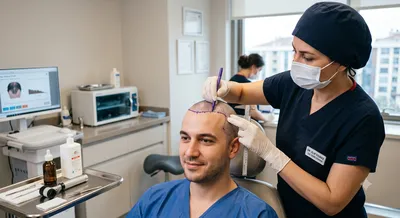
FUE vs. FUT: Why modern clinics have stopped using the "strip" method
FUE and FUT are the two main surgical techniques used in hair transplantation. FUT, often called the strip method, removes a narrow strip of scalp from the back of the head so grafts can be prepared under a microscope. FUE removes follicular units one by one with a small punch. Both methods can move permanent hairs into thinning areas, but they differ in scarring, recovery, and how the donor area is managed.Many modern clinics now favor FUE for most patients. That shift is not because FUT never works. It is because patient priorities have changed, surgical tools have improved, and FUE often offers a more flexible, less invasive experience with no linear scar. Even so, the best method still depends on hair characteristics, donor supply, styling habits, and the skill of the surgical team.
4-minute reading
1671 reading
 1671 reading
How Long Do Dental Treatments Take in Turkey?
Dental treatment times in Turkey vary by the type of procedure, your oral health, and whether the work can be completed in one visit or needs healing time between stages. Many patients travel because clinics often combine consultation, imaging, treatment planning, and some procedures into a short stay. However, not every treatment is suitable for same-day completion, especially when surgery, laboratory work, or recovery is involved. Simple treatments such as examinations, X-rays, hygiene visits, fillings, and some tooth whitening sessions may be finished in a single appointment lasting from 30 minutes to 2 hours. More complex cosmetic work, including veneers or crowns, often takes several days because the teeth must be prepared, impressions or digital scans taken, and the final restorations fitted after laboratory production. Some clinics offer same-day CAD/CAM crowns, but this depends on the equipment available and the number of teeth being treated. Dental implants usually take the longest overall. The surgical placement itself may be done in one session, but the full process often includes healing time before the final crown, bridge, or denture is attached. In some cases, immediate loading is possible, while others require several months for osseointegration. If bone grafting, sinus lift surgery, gum treatment, or treatment of infection is needed first, the timeline becomes longer. Orthodontic treatment, including clear aligners or braces, is not typically a short dental trip. The initial planning can begin in Turkey, but follow-up adjustments or remote monitoring are usually needed over many months. Root canal treatment may be completed in one or two visits, while extractions can often be done in a single day unless there are complications.
4-minute reading
1659 reading
How Many Clinics Will Review My Case?
In most cases, your file may be reviewed by more than one clinic, but the number depends on the service, how complete your records are, and how complex your needs are. Matching/referral programs usually share your case with clinics that fit your diagnosis, location preferences, budget, and timeline, sometimes with several clinics at once and sometimes starting with a short shortlist.
Clinics decide whether to review or accept a case based on scope, specialist availability, safety, and whether key documents are included (recent imaging, reports, operative notes, doctor summary). Straightforward cases with flexible preferences can be reviewed by multiple clinics quickly, while highly specialised or complex cases may be reviewed by fewer clinics and can take longer because multiple departments may need to weigh in.
You can influence the process by stating priorities (broad search vs one centre/surgeon) and sending complete records early. Also note that “review” can mean a quick eligibility screen or a deeper second opinion/treatment plan, with different timelines and fees. Finally, a review doesn’t guarantee acceptance; it’s meant to find the safest, most appropriate options and set realistic expectations.
4-minute reading
3200 reading

Do I Need Multiple Visits for Dental Treatment?
Whether you need multiple dental visits depends on the treatment type and how complex your case is. Simple care like exams, cleanings, basic fillings, or emergency pain relief is often done in one appointment, but many procedures are staged for safer planning, healing, and better long-term results.
You may need extra visits for assessment and stabilisation first, especially if X-rays show infection, gum disease, decay, or bone loss. Treatments that commonly require more than one visit include root canals, crowns/veneers/bridges (prep then fitting), dentures (several try-ins and adjustments), orthodontics (records, fitting, monitoring), gum therapy (multiple sessions plus review), and dental implants (planning, placement, healing, then the final crown).
If you’re travelling or short on time, ask the clinic to confirm the total number of visits, what happens at each one, appointment lengths, and warning signs that need urgent review (such as swelling, fever, worsening pain, or a broken temporary).
4-minute reading
3206 reading

What If I’m Afraid of Dentists? (Dental Anxiety Explained)
Being afraid of the dentist is common, and it can range from mild nerves to intense fear that makes it hard to book or attend appointments. You are not alone, and dental anxiety is not a sign of weakness.The good news is that there are practical, evidence-based ways to make dental care feel safer and more predictable. Understanding what dental anxiety is, why it happens, and what you can ask for can help you get the care you need with less stress.
4-minute reading
3224 reading

What Happens After I Request a Dental Evaluation?
Requesting a dental evaluation is usually the moment people feel both excited and a little unsure: What do I send, who reviews it, and will I get a clear plan or just a vague price?
At Heal Road, the goal is to reduce uncertainty through a clear, guided process from your first request to comparing clinic offers and choosing the option that fits you. Here is what typically happens after you request a dental evaluation.
4-minute reading
3139 reading

Full Mouth Dental Implants Turkey Package: What Determines Total Cost?
A full mouth dental implants Turkey package can look like a single price, but the total cost is usually built from several clinical and logistical components. Understanding what is included helps you compare clinics fairly and avoid surprises once scans and treatment planning begin.Prices vary because patients vary: bone volume, gum health, bite forces, and whether you need extra procedures all change the time, materials, and number of appointments required. Below are the main factors that determine the final figure.
4-minute reading
3083 reading

Will My New Teeth Look Natural?
Yes, Modern dentistry can create very natural-looking new teeth, but the result depends on planning, materials, and the skill of the dental team. Natural smiles aren’t perfectly identical. Real teeth have subtle shade variation, light translucency, and small differences in shape, and high-quality ceramics can replicate this depth far better than a flat “one-white” look. A truly natural result also relies on the right proportions for your face and lip line, healthy gums with clean margins, and a bite that feels comfortable when you speak and chew. In this guide, we explain what to look for in the planning process, including digital smile design and temporary trial teeth, so you can avoid an overly bright, bulky, or “denture-like” finish.
4-minute reading
2965 reading

E-max Crown or Zirconia Crown: How to Choose the Right Option
Both E-max crowns and zirconia crowns can restore a damaged tooth with a natural-looking, long-lasting cap. The best choice depends on where the tooth sits in your mouth, how hard you bite, how much healthy tooth remains, and what matters most to you: maximum aesthetics, maximum strength, or a balance of both. This FAQ explains the practical differences so you can have a clearer conversation with your dentist.
4-minute reading
3503 reading
Can Multiple Dental Treatments Be Done Together?
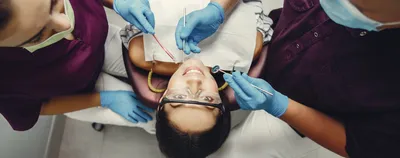
Many people have more than one dental issue at once and prefer to combine treatments to save time and reduce stress. Multiple procedures can often be done safely in the same visit, but the right approach depends on overall health, procedure complexity, appointment length, and healing needs. Dentists usually prioritise urgent problems first (pain, infection, trauma), then functional concerns, and plan cosmetic work once oral health is stable. Some treatments must be staged to allow proper healing or to achieve predictable results. A clear written treatment plan helps balance efficiency with safety and comfort.
4-minute reading
5646 reading
Which Dental Treatment Do I Actually Need?
Dental problems can look similar but need very different treatments. A small cavity, a cracked tooth, and gum disease may all cause pain, sensitivity, or bad breath, yet the best fix depends on what is happening in the tooth, the nerve, and the supporting bone. This FAQ explains common dental treatments, what they are for, and the typical signs that you might need them. It cannot replace an exam and X-rays, but it can help you ask the right questions and avoid treatment that does not match your diagnosis.
A useful starting point is to separate problems into three areas: the tooth surface (enamel and dentine), the tooth nerve (pulp), and the gums and bone (periodontium). Dentists choose treatments based on which area is affected, how severe the damage is, and whether the tooth can be predictably saved.
4-minute reading
3084 reading

A Step-by-Step Guide to Jalupro Youth Serum in Turkey
Jalupro Youth Serum is a skin-rejuvenation treatment used in aesthetic medicine to improve hydration, elasticity, and overall skin quality. In Turkey, it is commonly offered in dermatology and medical aesthetics clinics as a course of microinjections (often described as “biorevitalization” or “skin booster” therapy) that deliver a combination of amino acids and hyaluronic acid into the superficial skin layers. This step-by-step guide explains what the treatment is, who may benefit, how clinics typically structure sessions, what to expect during recovery, and how to choose a safe provider so you can plan your trip and treatment with realistic expectations and appropriate medical oversight.
15-minute reading
4019 reading