
When Can I Eat Normally After Dental Treatment?
- Wait until numbness wears off before eating to avoid biting your mouth.
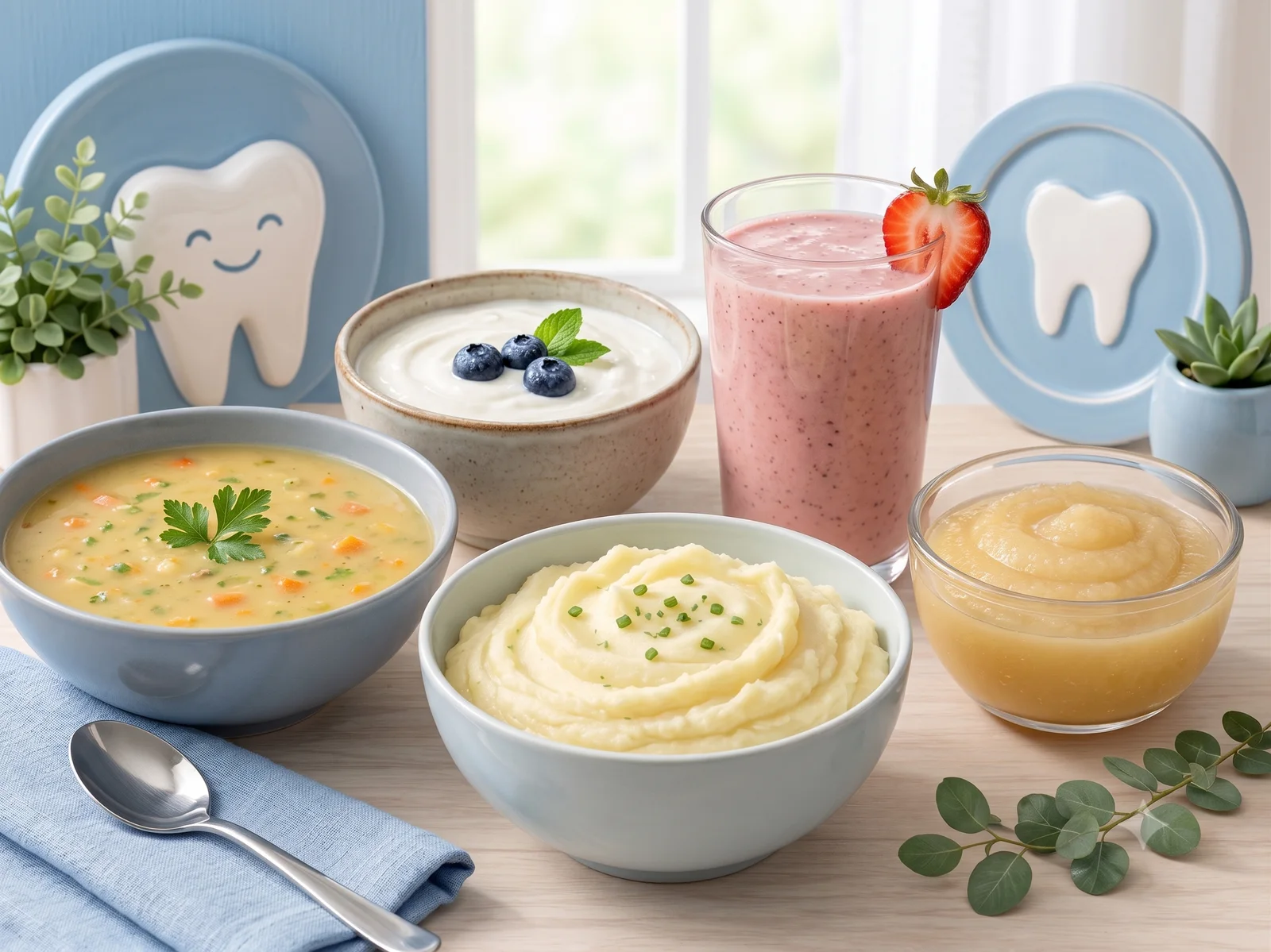
- Start with soft foods such as yogurt, soup, eggs, mashed potatoes, or smoothies eaten with a spoon.
- Avoid very hot, spicy, crunchy, or sticky foods for the first day if your mouth is sore.
- After an extraction, do not use a straw for at least 24 hours unless your dentist says otherwise.
- Follow your dentist's advice, because recovery time varies by treatment.
Don't know
where to start ?
Find the right specialist with the best price guarantee
Recovery overview
How different dental treatments affect when you can eat normally
Visible healing and internal healing do not always move at the same speed.
After a cleaning or small filling, many people can eat fairly soon once numbness has fully worn off and chewing feels comfortable.
Crowns, bonding, or veneers may allow eating the same day, but hard, crunchy, or sticky foods are often best delayed until your mouth feels settled.
Extractions, implants, and other surgical care often need a softer diet early on so the area is protected while healing begins.
Sensitivity, stitches, bite changes, or local anaesthetic can change timing. Use the instructions from your dentist if they differ from general guidance.
How the Procedure Changes Your Return-to-Regular Meals
How soon you can get back to your usual diet depends mainly on what kind of dental treatment you had. Some procedures cause very little irritation, while others leave the teeth, gums, or jaw needing a bit more protection.
- Simple care, such as a routine cleaning or small filling, often allows a normal meal fairly soon once any numbness has worn off.
- Restorative work, including crowns, bonding, or veneers, may let you eat the same day, but harder or sticky foods are often better postponed until your mouth feels comfortable.
- Surgical treatment, like extractions or implants, usually calls for a softer diet at first so the area is not disturbed during early healing.
Your dentist may also give different advice depending on temporary sensitivity, stitches, bite changes, or local anesthetic. If you are unsure, follow the aftercare instructions for your exact procedure and ask when chewing normally is safe for you.
If you are planning treatment abroad, HealRoad can help you compare clinics and get clear guidance on aftercare and meal planning before you travel.
How the Procedure Changes Your Return-to-Regular Meals
How soon you can get back to your usual diet depends mainly on what kind of dental treatment you had. Some procedures cause very little irritation, while others leave the teeth, gums, or jaw needing a bit more protection.
- Simple care, such as a routine cleaning or small filling, often allows a normal meal fairly soon once any numbness has worn off.
- Restorative work, including crowns, bonding, or veneers, may let you eat the same day, but harder or sticky foods are often better postponed until your mouth feels comfortable.
- Surgical treatment, like extractions or implants, usually calls for a softer diet at first so the area is not disturbed during early healing.
Your dentist may also give different advice depending on temporary sensitivity, stitches, bite changes, or local anesthetic. If you are unsure, follow the aftercare instructions for your exact procedure and ask when chewing normally is safe for you.
If you are planning treatment abroad, HealRoad can help you compare clinics and get clear guidance on aftercare and meal planning before you travel.
What the Recovery Stages Mean for Your Diet Day by Day
Your mouth usually feels different from one day to the next after dental work, so your food choices often need to change as healing moves forward.
A simple way to think about it:
- First 24 hours:stick with cool or lukewarm, soft foods that do not require much chewing. This helps avoid irritation while numbness, tenderness, or minor bleeding settle.
- Days 2 to 3:many people can add slightly more filling foods, as long as they are still easy to chew and not spicy, crunchy, or very hot.
- After several days:if discomfort is improving, you may slowly test more normal meals on the opposite side of the mouth when possible.
- After more involved treatment:extractions, implants, gum procedures, or multiple restorations may require a longer soft-food period. Your dentist may give a more specific schedule.
The safest guide is not the calendar alone, but how your mouth feels. If chewing causes pain, swelling increases, or the area seems irritated, move back to softer foods and check with your clinician.
HealRoad helps patients compare clinics with clearer treatment information and get support when planning recovery questions before traveling.
What the Recovery Stages Mean for Your Diet Day by Day
Your mouth usually feels different from one day to the next after dental work, so your food choices often need to change as healing moves forward.
A simple way to think about it:
- First 24 hours:stick with cool or lukewarm, soft foods that do not require much chewing. This helps avoid irritation while numbness, tenderness, or minor bleeding settle.
- Days 2 to 3:many people can add slightly more filling foods, as long as they are still easy to chew and not spicy, crunchy, or very hot.
- After several days:if discomfort is improving, you may slowly test more normal meals on the opposite side of the mouth when possible.
- After more involved treatment:extractions, implants, gum procedures, or multiple restorations may require a longer soft-food period. Your dentist may give a more specific schedule.
The safest guide is not the calendar alone, but how your mouth feels. If chewing causes pain, swelling increases, or the area seems irritated, move back to softer foods and check with your clinician.
HealRoad helps patients compare clinics with clearer treatment information and get support when planning recovery questions before traveling.
Talk to a Coordinator
- Ask how your treatment plan may affect eating and recovery time.
- Get practical guidance on travel, meals, and aftercare planning.
- Clarify what may slow healing, such as smoking, medications, or oral health.
- Know when to check in if eating stays uncomfortable longer than expected.
Personal Factors That Can Speed Up or Delay Eating Comfortably
How soon food feels comfortable again is not determined by the procedure alone. Your body, habits, and the condition of your mouth all play a part.
Some people return to a usual diet quickly, while others need more time with softer foods. Common reasons include:
- The amount of treatment performed, especially if several teeth or areas were treated at once
- Your starting oral condition, such as inflammation, tenderness, or untreated decay nearby
- Healing tendencies, which can be influenced by age, general health, and medications
- Daily habits, including smoking, alcohol use, teeth grinding, or not following aftercare advice
- Type of restoration, since a filling, crown, extraction, implant, or denture can affect chewing differently
If eating still feels awkward after the timeframe your dentist mentioned, it does not always mean something is wrong, but it is worth checking. A clinician can tell you whether your recovery is within the expected range and when it is safe to resume harder, crunchier, or sticky foods.
If you are planning treatment in Turkey, HealRoad can help you compare clinics and get clear answers about recovery and meal planning before you travel.
Personal Factors That Can Speed Up or Delay Eating Comfortably
How soon food feels comfortable again is not determined by the procedure alone. Your body, habits, and the condition of your mouth all play a part.
Some people return to a usual diet quickly, while others need more time with softer foods. Common reasons include:
- The amount of treatment performed, especially if several teeth or areas were treated at once
- Your starting oral condition, such as inflammation, tenderness, or untreated decay nearby
- Healing tendencies, which can be influenced by age, general health, and medications
- Daily habits, including smoking, alcohol use, teeth grinding, or not following aftercare advice
- Type of restoration, since a filling, crown, extraction, implant, or denture can affect chewing differently
If eating still feels awkward after the timeframe your dentist mentioned, it does not always mean something is wrong, but it is worth checking. A clinician can tell you whether your recovery is within the expected range and when it is safe to resume harder, crunchier, or sticky foods.
If you are planning treatment in Turkey, HealRoad can help you compare clinics and get clear answers about recovery and meal planning before you travel.

Smart Food Choices While Your Mouth Gets Back to Normal
As your mouth settles after dental treatment, the best meals are usually the ones that are easy to chew, mild in temperature, and unlikely to irritate tender areas.
Good early options often include:
- Soft foods such as yogurt, mashed vegetables, oatmeal, soup, or scrambled eggs
- Foods served lukewarm rather than very hot
- Plenty of water, unless your dentist has given different instructions
A few choices are often better postponed for a short time, especially if your gums or teeth still feel sensitive. These can include crunchy snacks, sticky sweets, spicy meals, and anything that needs strong biting pressure.
Try to chew on the opposite side if one area was treated, and return to firmer foods gradually as comfort improves.
If you had an extraction, implant, filling, crown, or another procedure, recovery advice may differ. When in doubt, follow your dentist's instructions first, since the right timing depends on the treatment and how you are healing.
If you are planning treatment in Turkey, HealRoad can help you compare clinics and get clear guidance on practical questions like eating, recovery, and trip planning.
Smart Food Choices While Your Mouth Gets Back to Normal
As your mouth settles after dental treatment, the best meals are usually the ones that are easy to chew, mild in temperature, and unlikely to irritate tender areas.
Good early options often include:
- Soft foods such as yogurt, mashed vegetables, oatmeal, soup, or scrambled eggs
- Foods served lukewarm rather than very hot
- Plenty of water, unless your dentist has given different instructions
A few choices are often better postponed for a short time, especially if your gums or teeth still feel sensitive. These can include crunchy snacks, sticky sweets, spicy meals, and anything that needs strong biting pressure.
Try to chew on the opposite side if one area was treated, and return to firmer foods gradually as comfort improves.
If you had an extraction, implant, filling, crown, or another procedure, recovery advice may differ. When in doubt, follow your dentist's instructions first, since the right timing depends on the treatment and how you are healing.
If you are planning treatment in Turkey, HealRoad can help you compare clinics and get clear guidance on practical questions like eating, recovery, and trip planning.
Conclusion
References


- Dry socket - Symptoms and causes - Mayo Clinic
- Post-operative mouth care following oral surgery – Advice Sheet | Hull University Teaching Hospitals NHS Trust
- Diş Çekimi Sonrası Yapılması Gerekenler
- Diş Çekimi Sonrası Hastanın Dikkat Etmesi Gerekenler Hasta Bilgilendirme Formu
- American Association of Endodontists: Root Canal Treatment
- NHS: Wisdom tooth removal
Article Contributors

Emin Albayrak
Writer
- Views
- 1663 views
- Reading Time
- Last Updated