


Dental Treatments · Composite Veneer
Dental Treatments
Composite Veneer: Shape, Refined
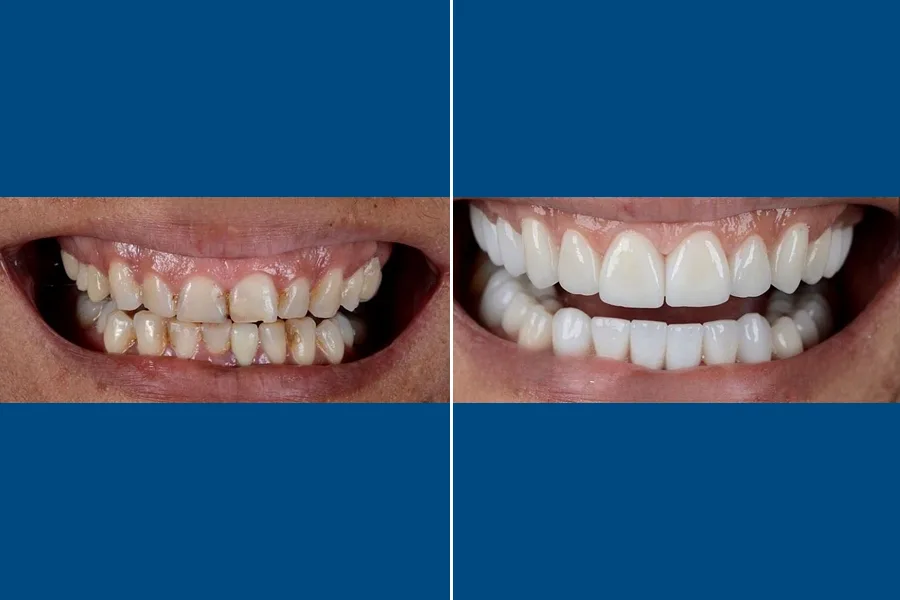
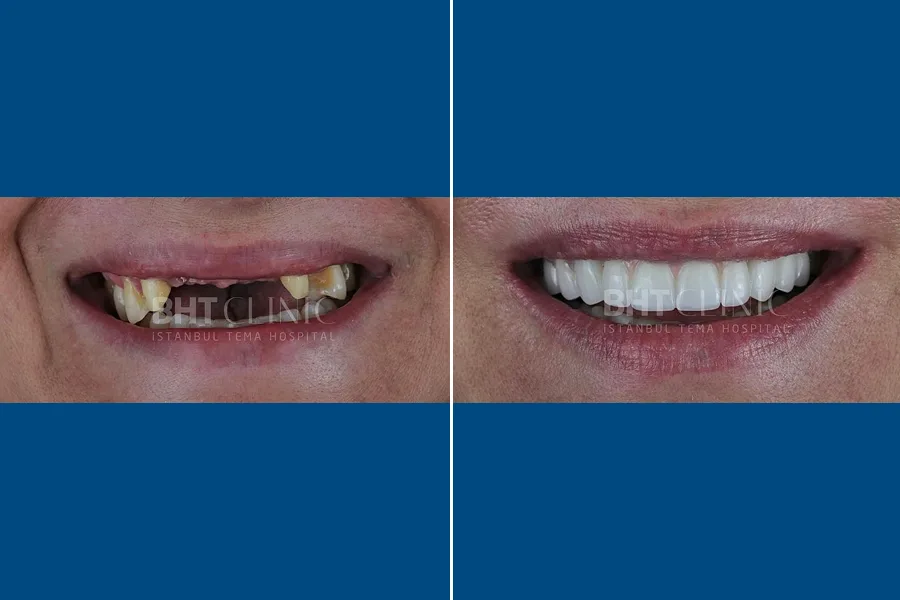
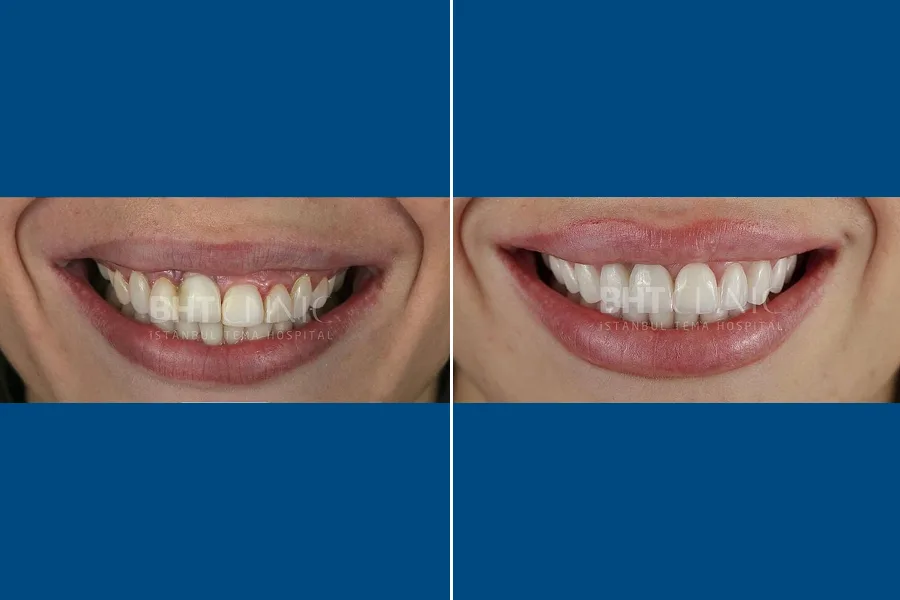
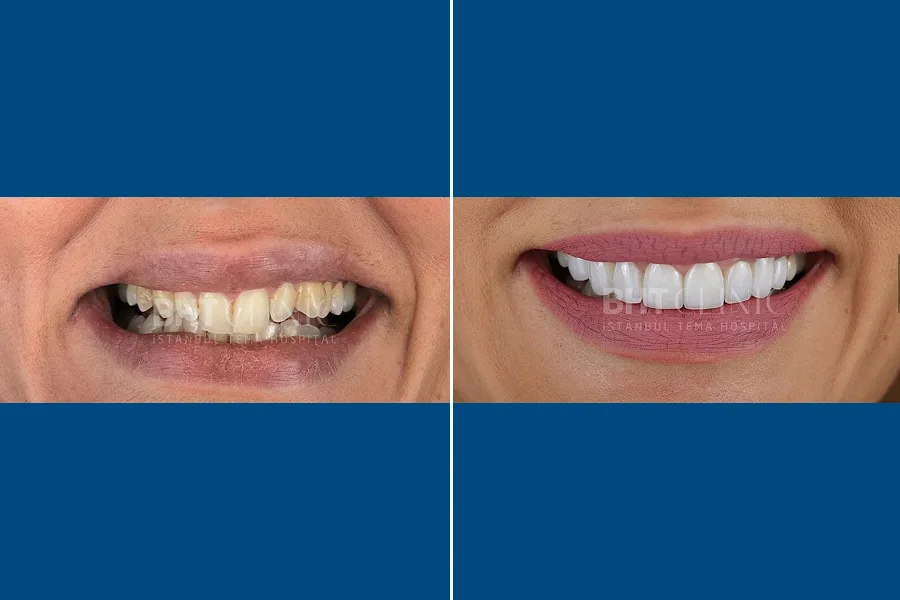
Tooth-colored composite veneer treatment to improve the shape, color, and minor imperfections of front teeth with a natural look.
Page Contributors


1–2 h
Duration

Local
Anesthesia

1–2 d
Recovery

Mild
Pain Level

None
Scarring

90–95 %
Success Rate
What is Composite Veneer?
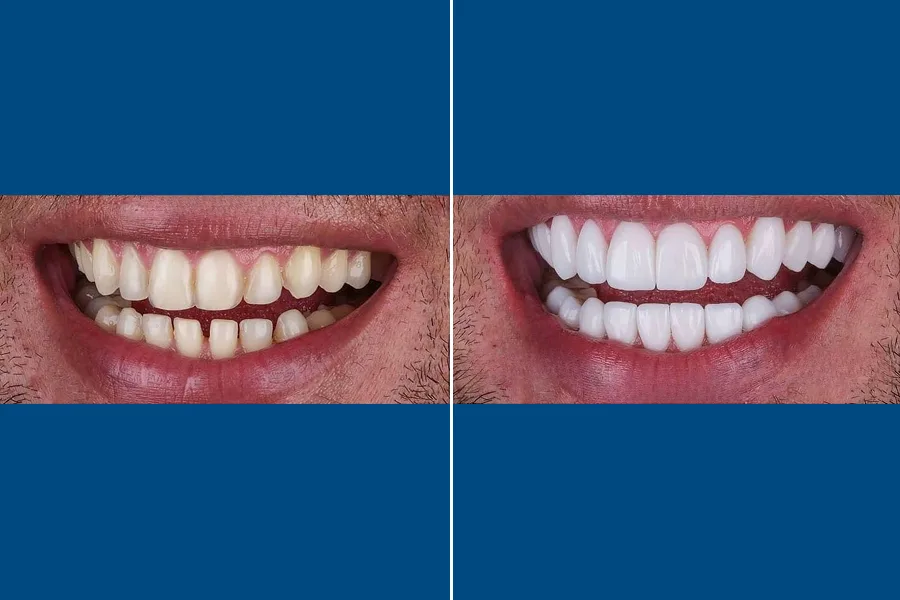
Composite veneer is a cosmetic dental treatment used to improve the shape, color, and overall appearance of the front teeth. It involves applying a tooth-colored composite resin directly to the tooth surface, then carefully sculpting and polishing it to create a more even, natural-looking smile. Composite veneers are often chosen to correct chips, small gaps, discoloration, worn edges, or slightly uneven teeth.
Compared with porcelain veneers, composite veneers usually require less tooth preparation and can often be completed in a single visit. The dentist matches the resin to your natural tooth shade and shapes it to blend with the surrounding teeth. This treatment offers a conservative and affordable aesthetic option for patients seeking visible improvement with minimal alteration to the natural tooth.

Who is Composite Veneer for?
Composite veneers are a good option for people who want to improve the appearance of their front teeth with a conservative, affordable cosmetic treatment. This treatment is especially suitable for:
- Adults with chipped, cracked, slightly worn, or uneven teeth who want a smoother, more attractive smile.
- People with stains or discoloration that do not respond well to whitening, especially when the goal is to improve the color of one or several visible teeth.
- Individuals with small gaps, minor shape differences, or mildly misaligned teeth that can be visually corrected without orthodontic treatment.
- Patients looking for a minimally invasive option, since composite veneers usually require little to no removal of natural tooth structure.
- Those with generally healthy teeth and gums, and realistic expectations about appearance, durability, and maintenance.
Composite veneers are often ideal for patients who want noticeable cosmetic improvement in a shorter time, while preserving as much of the natural tooth as possible.
Composite Veneer benefits
-
Shade customization
-
Shape changes
-
Minimal drilling
-
Repairable material
-
Reversible options
-
Short treatment timeline
How is Composite Veneer done?
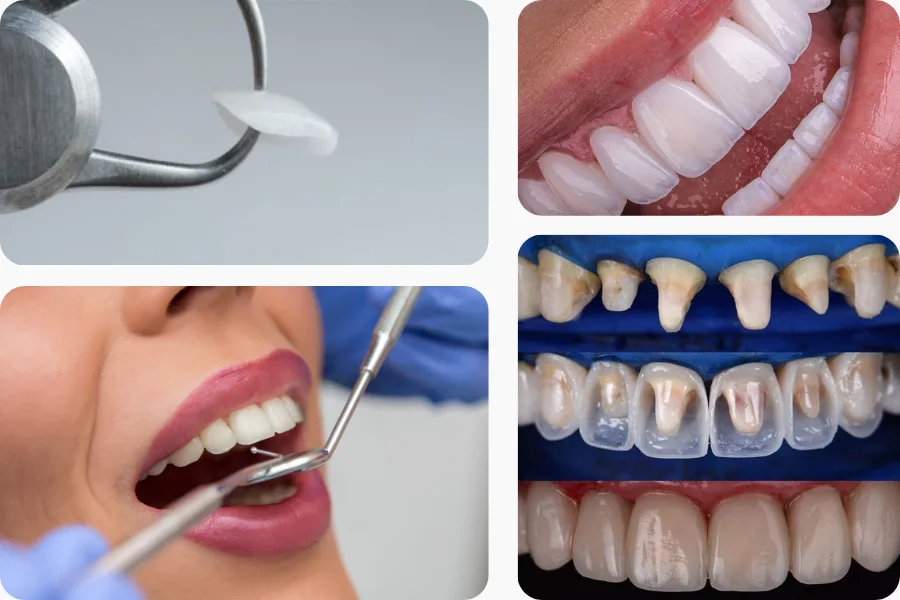
Composite veneers are thin layers of tooth-colored resin that are shaped directly onto the front surface of the teeth to improve their color, shape, size, and overall symmetry. They are commonly used to correct chips, small gaps, worn edges, mild misalignment, and discoloration. In most cases, the treatment is minimally invasive, which means little to no natural tooth structure needs to be removed.
-
Consultation and Smile Assessment
The process begins with a detailed dental consultation. The dentist examines your teeth, gums, bite, and overall oral health to make sure composite veneers are a suitable option. You can discuss what you would like to improve, such as uneven tooth edges, spaces between teeth, staining, or minor shape differences. Photos, X-rays, and sometimes digital scans may be taken to help plan the treatment and choose the most natural-looking result.
-
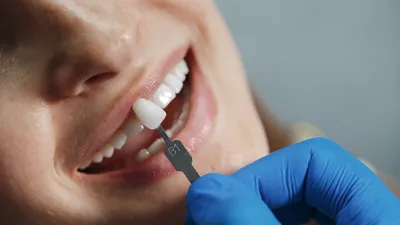
Shade Selection and Treatment Planning
Before the veneers are placed, the dentist selects a composite shade that matches your natural teeth or the brighter look you want to achieve. This step is important because composite resin comes in different tones and translucencies. The dentist also plans the final tooth contours, length, and proportions so the veneers blend well with your smile and facial features. In some cases, a mock-up or visual preview may be used to show the expected changes.
-
Tooth Preparation and Surface Conditioning
One of the main advantages of composite veneers is that they usually require minimal preparation. The dentist may lightly polish or roughen the front surface of the tooth so the material can bond securely. If needed, a very small amount of enamel is reshaped to improve the final contour, but many patients do not need drilling at all. The teeth are then cleaned and isolated to keep the area dry during bonding.
-
Etching and Bonding Agent Application
To help the composite adhere properly, the dentist applies a mild etching gel to the enamel for a short time. This creates a microscopic texture on the tooth surface. After rinsing and drying, a bonding agent is brushed onto the tooth and hardened with a curing light. This bonding layer acts as the foundation that allows the composite resin to attach strongly and remain stable during daily use.
-
Layering and Sculpting the Composite Resin
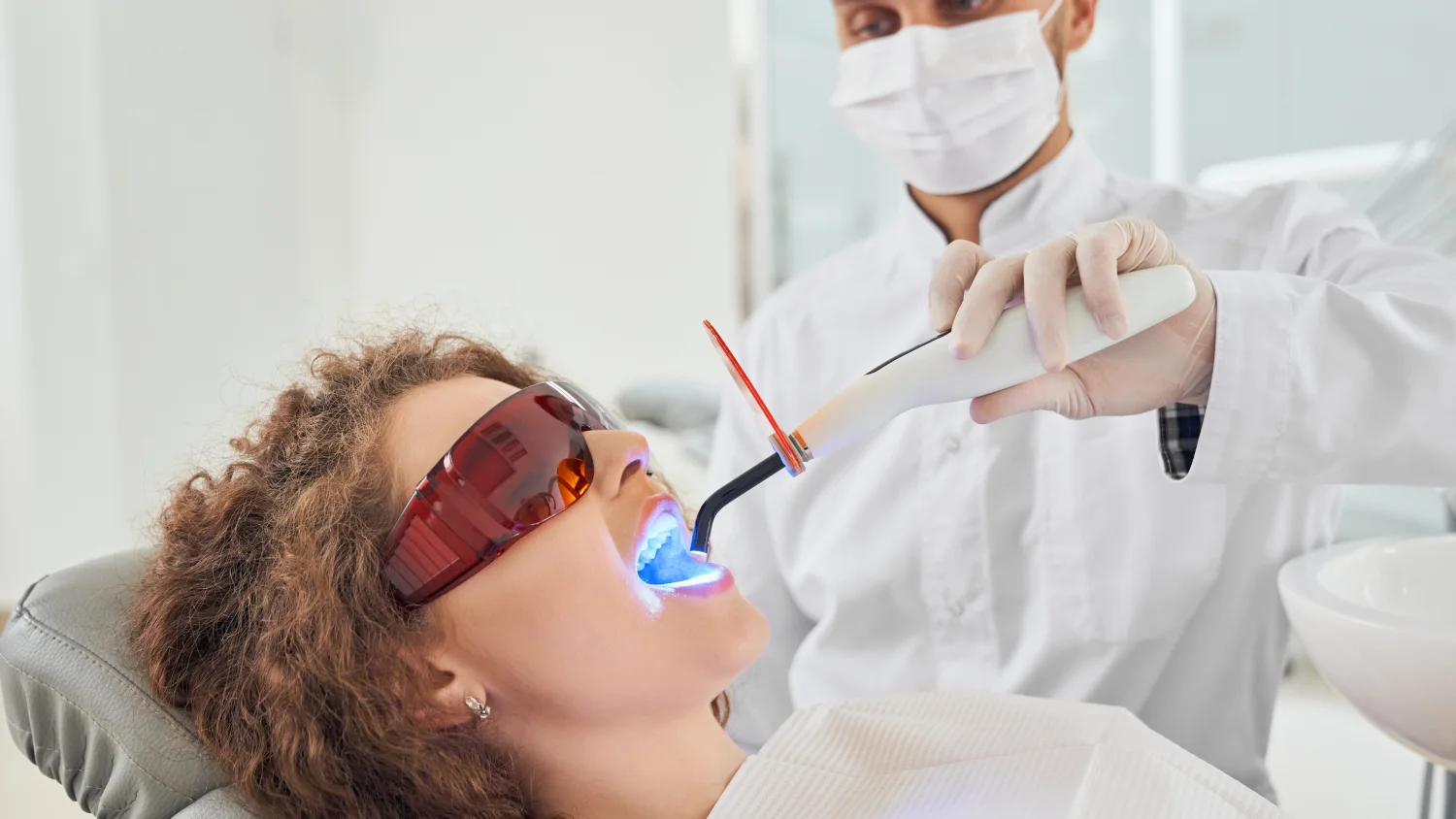
The dentist places the composite material in small layers directly onto the tooth. Each layer is carefully shaped to build the desired form, then hardened with a special blue curing light. This step-by-step layering technique allows the dentist to control the thickness, texture, and translucency of the veneer. Fine artistic shaping is often needed to create natural edges, smooth transitions, and a result that matches the neighboring teeth.
-
Refining the Shape and Checking the Bite
Once the resin has fully hardened, the dentist refines the veneers using delicate finishing instruments. The shape, length, and surface details are adjusted so the teeth look balanced and feel comfortable. Your bite is checked carefully to make sure the veneers do not interfere with normal chewing or place too much pressure on certain areas. Small corrections can be made at this stage to improve both appearance and function.
-
Polishing, Aftercare, and Follow-Up
The final step is polishing the composite to give it a smooth, glossy, enamel-like finish. This helps the veneers look more natural and reduces surface staining. After treatment, you may be advised to avoid strongly colored foods and drinks for a short period, especially in the first 24 to 48 hours. Good brushing, flossing, and regular dental visits are important to maintain the result. Composite veneers can often be repaired or refreshed if they chip, wear, or lose shine over time.
Recovery and expectation?
Recovery after composite veneers is usually straightforward and much faster than recovery from surgical dental treatments. Because composite veneers are bonded directly to the front surface of the teeth in one visit or over a short treatment period, most patients can return to normal daily activities almost immediately. Even so, it is normal to go through a short adjustment phase while your teeth, gums, and bite settle. Understanding the usual timeline can help you plan meals, manage sensitivity, and protect the new veneers while they fully adapt.
-
Immediate Aftercare (First 24–48 Hours)
Right after treatment, your teeth may feel slightly different because the shape, thickness, and edges have been changed. It is common to notice mild sensitivity to cold, slight gum tenderness, or a small amount of irritation around the treated teeth, especially if the gums were touched during polishing and contouring. Some patients also feel that their bite is unusual at first, even when it is technically correct. You can usually eat and drink the same day, but it is wise to wait until any numbness has worn off and to choose softer foods at first. Avoid biting directly into very hard foods, and limit strongly staining drinks such as coffee, tea, and red wine during the first day.
-
Early Adjustment Period (Days 3–7)
During the first week, most initial sensitivity begins to settle. Your lips, tongue, and bite start adjusting to the new contours of the veneers, and speech usually feels fully natural again if it seemed slightly different at first. If the veneers were placed on the front teeth, you may be more aware of them when biting into foods such as apples, sandwiches, or crusty bread. It is best to avoid nail biting, chewing ice, opening packages with your teeth, or eating very hard or sticky foods, since fresh composite bonding can chip if it is placed under too much pressure. Brush gently with a soft toothbrush and keep the gumline clean to reduce irritation.
-
Settling and Bite Refinement (1–2 Weeks)
By the end of the first or second week, most patients feel comfortable with the look and function of their composite veneers. Any mild temperature sensitivity should continue to improve, and the gums generally appear calmer and healthier. If one tooth feels slightly high when you bite, or if an edge feels rough against the tongue, your dentist may recommend a small adjustment or polish. These minor refinements are common and can make the veneers feel much more natural. At this stage, you can usually return to a more normal diet, although it is still important to be careful with very hard foods and habits that place direct force on the front teeth.
-
Short-Term Healing and Adaptation (2–6 Weeks)
Over the next few weeks, the veneers should feel like a natural part of your smile. The gums continue to settle around the new tooth shape, and any remaining awareness of the restorations usually fades. This is also the period when patients begin to see how well the veneers fit into daily life, including eating, smiling, and speaking. Composite material is durable, but it is more prone to surface staining, edge wear, and small chips than porcelain, so good habits matter early on. Try to reduce smoking, rinse after dark-colored drinks, and maintain regular brushing and flossing to keep the veneers smooth and bright.
-
Long-Term Maintenance and Stability (2–3 Months and Beyond)
By this stage, recovery is considered complete, and your mouth should feel fully normal. The veneers should be stable, comfortable, and integrated into your usual bite. Long-term success depends less on healing and more on maintenance, polishing, and protecting the bonding material. Composite veneers may need occasional touch-ups over time because they can lose shine, pick up stains, or develop small chips with normal use. If you clench or grind your teeth, your dentist may advise a night guard to reduce stress on the veneers. Regular dental checkups are important so the dentist can monitor the edges, polish the surface if needed, and keep the surrounding teeth and gums healthy.
Why Choose Türkiye for Composite Veneer?
Türkiye has become a popular destination for Composite Veneer treatment, offering a combination of experienced cosmetic dentists, modern dental techniques, and accessible pricing. Many international patients choose Türkiye not only because treatment can be more affordable than in their home country, but also because clinics often provide well-structured care with clear planning, efficient scheduling, and a strong focus on natural-looking results.
Composite veneers are a conservative cosmetic option used to improve the shape, color, size, or minor alignment of teeth. Because the treatment depends heavily on the dentist’s artistic skill and attention to detail, patients often look for clinics with extensive experience in aesthetic dentistry. In Türkiye, many dental centers approach composite veneer treatment with a personalized plan, beginning with a detailed smile assessment, digital imaging, and discussion of the patient’s expectations. This helps create results that suit the face, bite, and overall dental health, while preserving as much natural tooth structure as possible.
- Türkiye offers access to skilled cosmetic dentists who frequently perform composite bonding and veneer procedures, with attention to symmetry, tooth proportions, and a natural finish.
- Many clinics use digital smile analysis, high-resolution imaging, and modern composite materials, helping dentists plan treatment carefully and match the color and texture of surrounding teeth.
- A strong focus on patient safety and comfort includes oral health evaluation, hygiene protocols, and clear advice on maintenance, polishing, and long-term care after treatment.
- Competitive pricing makes composite veneers especially attractive in Türkiye, allowing patients to access cosmetic improvements at a lower cost while still benefiting from reputable clinics and quality materials.
- With convenient international flight connections and treatment plans that can often be completed in a short visit, Türkiye is practical for patients traveling from Europe, the Middle East, and beyond.
- Patients also value the chance to combine dental care with a comfortable stay, benefiting from Türkiye’s hospitality, accommodation options, and well-known cultural destinations.
Türkiye’s strong reputation in the health tourism market has grown through consistent investment in modern clinics, internationally experienced dental teams, and patient services designed for visitors from abroad. Every year, the country welcomes many international patients seeking aesthetic and restorative dental treatments, supported by multilingual communication in many centers, organized travel-friendly scheduling, and a clear emphasis on dependable outcomes. For patients considering Composite Veneer treatment, Türkiye offers a balanced mix of quality, convenience, affordability, and proven success in medical travel.
Customize your treatment estimate
Start with Composite Veneer selected. Adjust the answers below to refine the average estimate shown above.
Your estimate will appear here.
Frequently Asked Questions about Composite Veneer
How long do composite veneers typically last before they need repair or replacement?

Composite Veneer restorations typically last around 4 to 8 years before they need repair or replacement, although some may last longer with good care.
Their lifespan depends on factors such as oral hygiene, eating habits, teeth grinding, and whether the veneers are placed on front teeth that experience less biting pressure.
- Average lifespan: Usually about 4 to 8 years.
- May need earlier repair: Composite material can chip, stain, or wear down over time.
- Can last longer with care: Avoiding hard foods, not biting nails, and wearing a night guard if you grind your teeth can help extend their life.
- Maintenance: Regular dental check-ups and polishing may help keep them looking good for longer.
One advantage of Composite Veneer treatment is that small chips or worn areas can often be repaired more easily than porcelain. Your dentist can give you a better estimate based on your bite, habits, and the condition of your teeth.
Do composite veneers look natural in different lighting and up close?
Composite Veneer can look very natural in different lighting and up close, especially when they are carefully shaped, polished, and color-matched to your surrounding teeth.
A skilled cosmetic dentist can layer the composite material to mimic the shade, translucency, and surface texture of natural enamel, which helps the veneers blend in more naturally in everyday settings.
- Natural appearance: Modern composite materials are designed to resemble real teeth in color and shine.
- Lighting effects: Their appearance can vary slightly under bright sunlight, indoor lighting, or camera flash, but well-made veneers usually remain aesthetically pleasing.
- Close-up look: Up close, the final result depends heavily on the dentist’s artistry, the polish, and how well the veneer matches the adjacent teeth.
- Maintenance: Regular polishing and good oral care help keep Composite Veneer looking smooth and natural over time.
While Composite Veneer can achieve an attractive and realistic result, they may be slightly less translucent and stain-resistant than porcelain veneers. Your dentist can advise whether composite is the best option for the most natural look in your case.
Can composite veneers be matched closely to the color of surrounding teeth?
Yes, Composite Veneer can usually be matched very closely to the color of your surrounding natural teeth. Dentists use a range of composite resin shades and can often blend different tones to create a natural-looking result.
The goal is to ensure the veneer fits in well with your smile, especially when only one or a few teeth are being treated.
- Shade matching: The dentist selects a color that closely matches neighboring teeth.
- Custom shaping and layering: Composite can be layered to mimic the translucency and appearance of natural enamel.
- Best results: Matching is usually easiest when the surrounding teeth are healthy and free from heavy staining.
- Future whitening: If you plan to whiten your teeth, it is often best to do that before getting the veneer, since composite does not whiten in the same way as natural teeth.
While Composite Veneer can achieve an excellent color match, the final result depends on the dentist’s skill, the material used, and the condition of your natural teeth.
Are composite veneers more prone to staining from coffee, tea, or smoking?
Composite Veneer restorations are generally more prone to staining than porcelain veneers, especially with frequent exposure to coffee, tea, red wine, and smoking.
This is because composite resin is slightly more porous and can absorb pigments over time, which may cause the veneers to lose some of their brightness.
- Coffee and tea: Regular consumption can gradually cause yellow or brown discoloration.
- Smoking: Tobacco can leave stubborn surface stains and darken the veneers over time.
- Maintenance: Good oral hygiene, limiting staining foods and drinks, and regular professional polishing can help reduce discoloration.
- Longevity: If staining becomes noticeable, composite veneers can often be polished, repaired, or replaced more easily than porcelain.
Your dentist may recommend rinsing your mouth after consuming staining substances and attending routine check-ups to help keep your Composite Veneer looking its best.
How do composite veneers compare with porcelain veneers in terms of durability and appearance?
Composite Veneer and porcelain veneers can both improve the appearance of teeth, but they differ in durability, appearance, and maintenance.
- Appearance: Porcelain veneers usually provide a more natural, translucent, and stain-resistant finish, while composite veneers can still look attractive but may not mimic natural enamel quite as closely.
- Durability: Composite veneers are generally less durable than porcelain and may be more likely to chip, wear, or stain over time. Porcelain veneers usually last longer with proper care.
- Treatment time: Composite veneers are often completed in one visit, while porcelain veneers usually require multiple appointments because they are custom-made in a lab.
- Cost: Composite veneers are usually more affordable than porcelain veneers.
- Repair: Composite veneers are often easier to repair or adjust if minor damage occurs.
In general, composite veneers are a good option for patients looking for a quicker and more budget-friendly cosmetic treatment, while porcelain veneers are often preferred for those seeking the most durable and highly natural-looking result.
Your dentist can help you choose the best option based on your budget, cosmetic goals, and oral health.
Will composite veneers require special cleaning products or changes to an oral-care routine?
Composite Veneer restorations usually do not require very special cleaning products, but they do benefit from a gentle, consistent oral-care routine to help them stay clean, polished, and long-lasting.
In most cases, you can continue with normal daily oral hygiene, although your dentist may recommend avoiding overly abrasive products that could dull or scratch the composite surface.
- Brush twice daily: Use a soft-bristled toothbrush and a non-abrasive toothpaste.
- Floss every day: Regular flossing helps keep the edges of the veneers and gums healthy.
- Avoid harsh whitening products: Strong whitening toothpastes or abrasive powders may wear the surface of the composite.
- Limit staining habits: Coffee, tea, red wine, and smoking can stain composite veneers over time.
- Attend regular check-ups: Professional cleaning and polishing help maintain the appearance and condition of the veneers.
Your dentist may also suggest wearing a night guard if you grind your teeth, since grinding can chip or wear composite veneers. With proper care, they can remain attractive and functional for years.
Can chipped or worn composite veneers be easily repaired without replacing the entire veneer?
Composite Veneer restorations can often be repaired easily if they become chipped, worn, or slightly damaged, without needing to replace the entire veneer.
One of the main advantages of composite veneers is that the material can usually be added to, reshaped, and polished directly on the tooth. This makes minor repairs simpler and more affordable than with some other veneer types.
- Small chips or cracks: These can often be repaired by adding new composite material.
- Surface wear or staining: The veneer may be refreshed by polishing, resurfacing, or partial repair.
- Larger damage: If the veneer is extensively broken or weakened, full replacement may be the better option.
Your dentist will assess the extent of the damage, the condition of the underlying tooth, and how well the veneer is bonded before recommending repair or replacement.
Are there any food or habit restrictions after getting composite veneers?
Yes, after getting Composite Veneer treatment, it is important to be careful with certain foods and habits to help protect the veneers and keep them looking their best.
Composite veneers are durable, but they are generally more prone to chipping, staining, and wear than some other cosmetic dental materials, so good habits can make a big difference.
- Avoid biting hard objects: Do not bite ice, pens, fingernails, or hard candies, as this can chip the veneer material.
- Be cautious with very hard foods: Foods such as nuts, hard crusts, and tough candies should be eaten carefully.
- Limit staining foods and drinks: Coffee, tea, red wine, curry, and tobacco can stain composite veneers over time.
- Avoid using teeth as tools: Opening packages or bottles with your teeth can damage the veneers.
- If you grind your teeth: Your dentist may recommend a night guard to protect the veneers from excessive pressure.
You can usually return to a normal diet, but following these precautions helps your Composite Veneer restorations last longer and maintain a natural appearance. Your dentist may also recommend regular polishing and check-ups to keep them in good condition.
How many appointments are usually needed to complete composite veneer treatment?
Composite Veneer treatment is usually completed in 1 to 2 appointments, depending on how many teeth are being treated and whether any preparation is needed beforehand.
In many cases, composite veneers can be placed in a single visit because the dentist applies and shapes the composite material directly on the teeth during the appointment.
- 1 appointment: Often enough for straightforward cases with minimal reshaping.
- 2 appointments: May be needed if you require a consultation first, treatment planning, or multiple teeth to be treated.
- Additional visits: Sometimes necessary for follow-up adjustments or polishing.
Your dentist can give you a more exact estimate based on your smile goals, the number of veneers needed, and the condition of your teeth.
What factors can affect the overall cost of composite veneers?
The overall cost of Composite Veneer treatment can vary depending on several important factors, including the number of teeth being treated, the complexity of the case, and the experience of the dentist.
In general, composite veneers are often more affordable than porcelain veneers, but the final price will depend on your individual treatment plan and cosmetic goals.
- Number of veneers: Treating more teeth increases the total cost.
- Condition of the teeth: Teeth that need reshaping, repairs, or treatment before veneers may add to the cost.
- Complexity of the case: Closing gaps, correcting uneven shapes, or improving discoloration may require more time and skill.
- Dentist’s expertise: A highly experienced cosmetic dentist may charge more for their work.
- Clinic location: Prices can vary depending on the country, city, and clinic.
- Materials used: The type and quality of composite resin can influence the price.
- Additional treatments: Procedures such as cleaning, whitening, or bite adjustments may increase the overall cost.
Your dentist can provide a detailed quote after examining your teeth and discussing the look you want to achieve.
Clinics offering Composite Veneer
Compare verified clinic profiles connected to this treatment.



Related Articles
Guides and insights connected to this treatment.
A Step-by-Step Guide to Composite Veneer in Turkey

When Is the Best Time to Travel to Turkey for Dental Care?
