Dental Treatments · Dental Crowns

Dental Crowns

Page Contributors

Views
2851 views
Reading Time
Last Updated
Duration

1–2 h

Duration

Recovery

Same day

Recovery

Pain Level

Low

Pain Level

Result Appearance

Immediate

Result Appearance

Anesthesia

Local

Anesthesia

Follow‑Up Visit

5 d

Follow‑Up Visit

Dental Treatments

Dental Crowns: Restore Your Shine

Custom dental crowns cover damaged teeth to restore shape, strength, function, and a natural-looking appearance.

What is Dental Crowns?

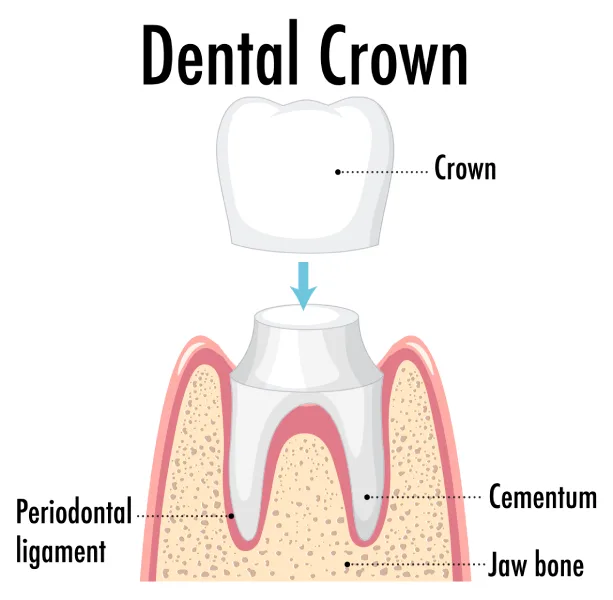
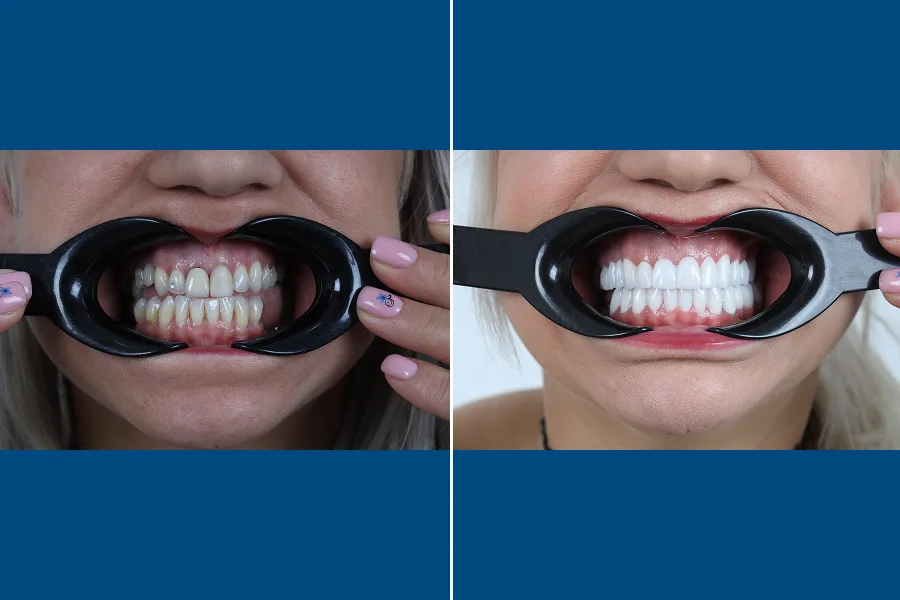
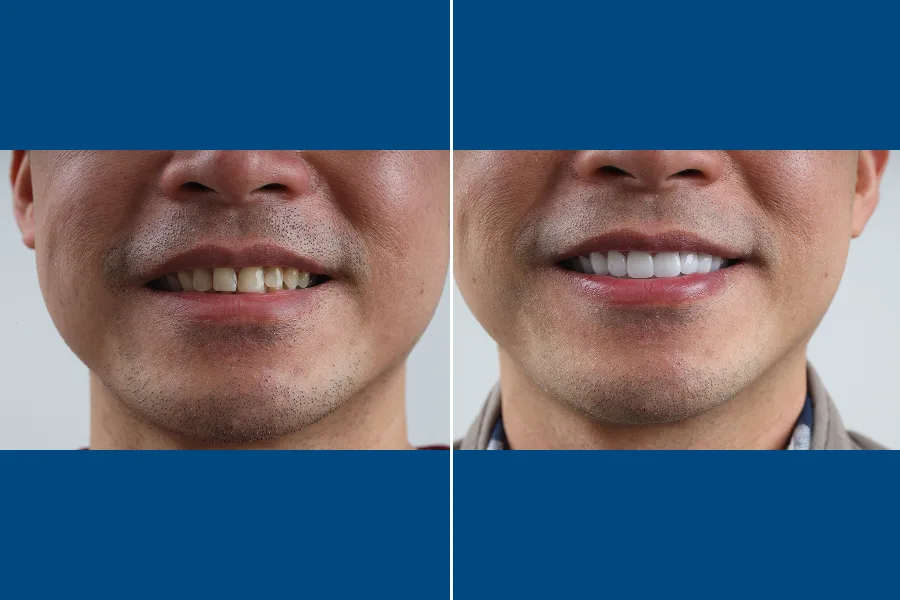
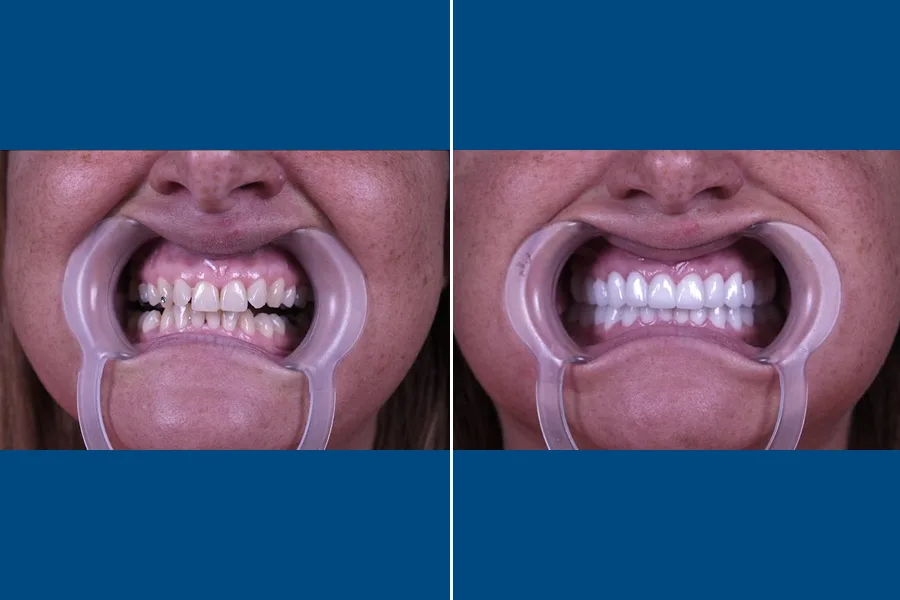
Dental crowns are custom-made caps designed to cover and protect damaged, weakened, or aesthetically compromised teeth. Crafted from materials such as porcelain, ceramic, metal, or a combination, crowns are tailored to match the color and shape of your natural teeth, ensuring a seamless appearance. This restorative treatment is commonly recommended for teeth that have undergone significant decay, fractures, or root canal therapy.


The procedure involves reshaping the affected tooth, taking an impression, and securely placing the crown over it. Dental crowns restore the tooth’s strength, function, and appearance, allowing patients to bite, chew, and smile with confidence. They offer a durable and long-lasting solution for preserving natural teeth and enhancing oral health.

Who is Dental Crowns for?

Dental crowns are an excellent restorative option for individuals looking to strengthen, protect, or enhance the appearance of their teeth. This treatment is particularly suitable for:


  • People with teeth that are severely decayed, cracked, or worn down and cannot be restored with fillings alone.
  • Patients who have undergone root canal therapy and require additional protection for the treated tooth.
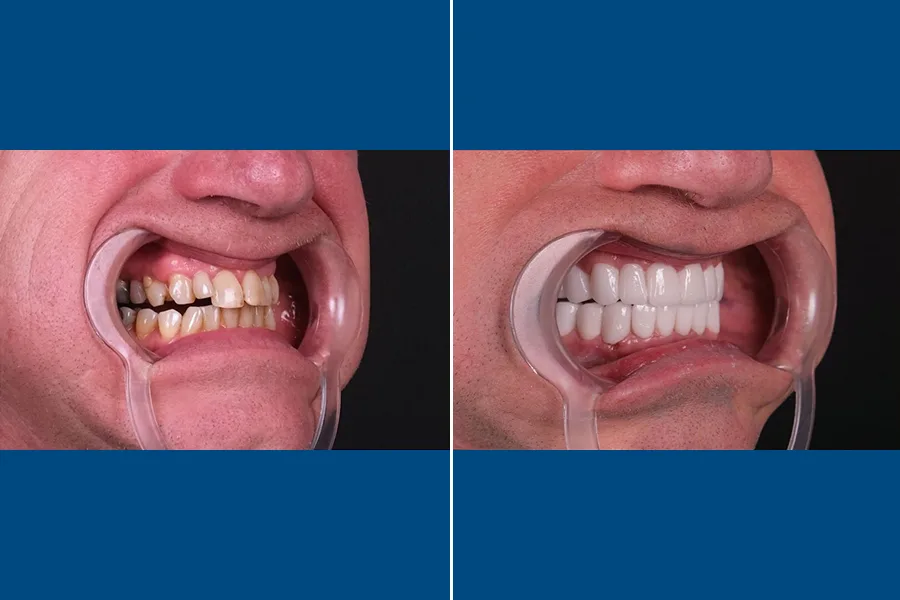
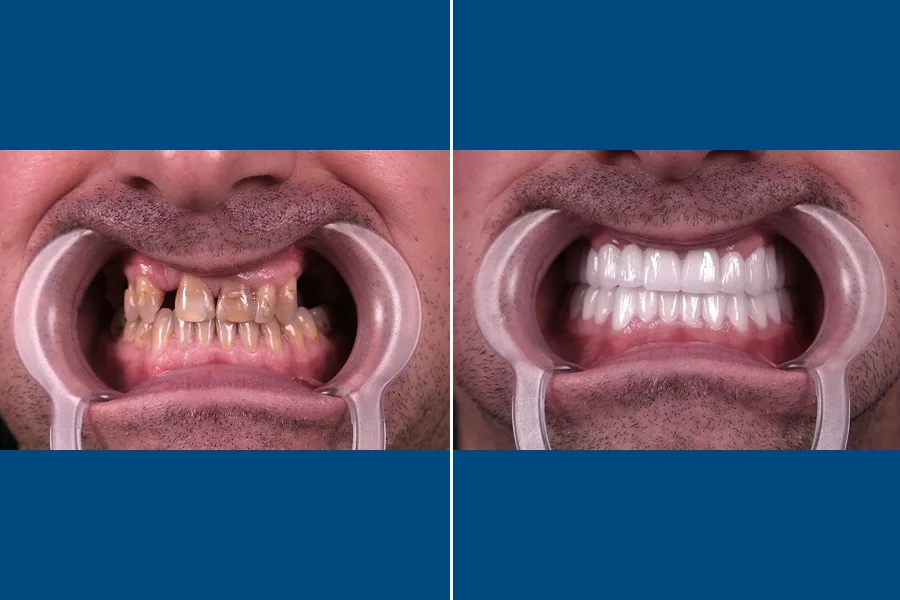
  • Individuals seeking to cover discolored or misshapen teeth for cosmetic reasons.
  • Those with dental bridges who need crowns to anchor the bridge securely in place.

Dental crowns provide a durable and natural-looking solution, helping to restore both function and aesthetics for a confident, healthy smile.

Dental Crowns
Dental Crowns

Benefits

Benefits of Dental Crowns with HealRoad

Use these points to compare Dental Crowns options with clearer expectations before speaking with clinics.

Clear procedure guidance

Dental crowns are custom-made caps designed to cover and protect damaged, weakened, or aesthetically compromised teeth. Crafted from materials such a…

Verified clinic options

3 active clinic options are connected to this treatment on HealRoad.

Transparent cost planning

Use the treatment estimate as a starting point, then refine it with your medical needs and travel details.

Human support from first question

A HealRoad coordinator helps compare clinic options, next steps, and quote details before you commit.

How is Dental Crowns done?

Dental crowns are custom-made caps designed to restore the shape, strength, and appearance of damaged or weakened teeth. This procedure is a popular solution for teeth that are cracked, worn down, or have undergone root canal treatment, providing both protection and a natural look.

  1. Consultation and Assessment

    The process begins with a comprehensive dental examination. Your dentist will evaluate the affected tooth, take X-rays if necessary, and discuss your goals and expectations. This step ensures that a dental crown is the most suitable treatment for your situation.

  2. Tooth Preparation

    The dentist will numb the area with local anesthesia to ensure your comfort. The tooth is then carefully reshaped by removing a thin layer of enamel, creating enough space for the crown to fit securely and naturally. If the tooth is severely damaged or decayed, a filling material may be used to build up the tooth structure.

  3. Impressions and Shade Matching

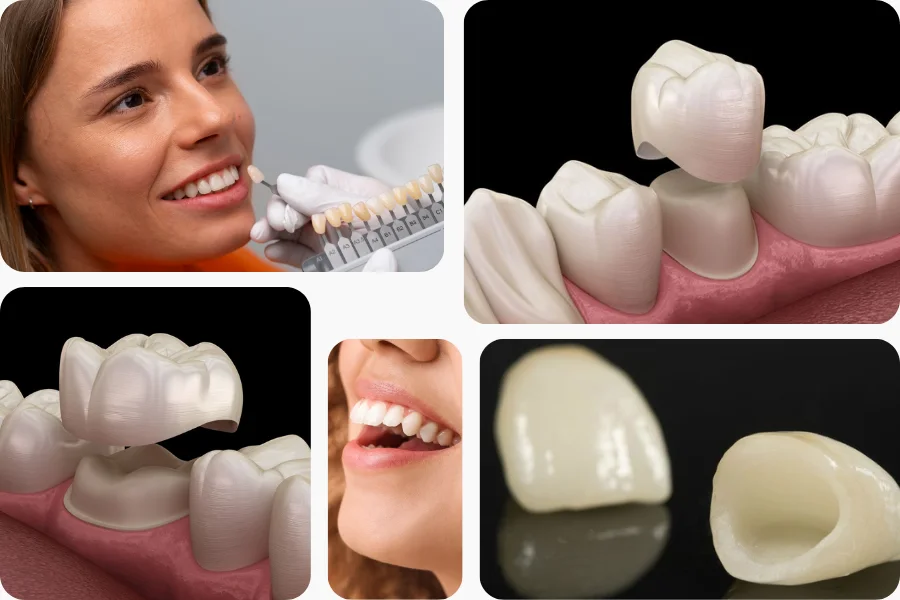
    Next, the dentist takes precise impressions of your prepared tooth and the surrounding teeth. These molds are sent to a dental laboratory, where your custom crown is crafted. The dentist will also select a shade that matches your natural teeth, ensuring a seamless appearance.

  4. Temporary Crown Placement

    While your permanent crown is being made, a temporary crown is placed over the prepared tooth to protect it and maintain function. This temporary solution allows you to eat and speak normally while you wait for your final crown.

  5. Permanent Crown Fitting and Final Adjustments

    At your next visit, the temporary crown is removed and the permanent crown is checked for fit, color, and comfort. The dentist makes any necessary adjustments before cementing the crown securely in place. You will receive instructions on how to care for your new crown and maintain your oral health.

Recovery and expectation?

The recovery process after receiving dental crowns is typically smooth and straightforward, allowing most patients to return to daily activities quickly. Knowing what to expect at each stage can help you care for your new crowns and ensure optimal results.

  1. Immediate Post-Procedure (First 24–48 hours)

    After your dental crown placement, you may experience mild sensitivity, soreness, or numbness in the treated area. This is normal and should subside within a day or two. Avoid eating until the numbness wears off, and stick to soft foods for the first day. Over-the-counter pain relievers can help manage any discomfort.

  2. Initial Healing Phase (2–7 days)

    During the first week, your gums may remain slightly tender or swollen around the crown. Sensitivity to hot or cold foods is also common, especially if the tooth required significant preparation. Continue to eat soft foods and avoid very sticky or hard items. Gentle brushing and flossing around the crown are important to promote healing and prevent infection.

  3. Adjustment Period (1–2 weeks)

    As your mouth adapts to the new crown, you may notice slight changes in your bite or mild discomfort when chewing. If your bite feels uneven or you experience persistent pain, contact your dentist for an adjustment. Most patients are able to resume normal eating habits within a week, as sensitivity and discomfort diminish.

  4. Full Integration (2–4 weeks)

    By the end of the first month, your dental crown should feel comfortable and natural. Any initial sensitivity typically resolves, and you can eat a full range of foods. Continue to practice excellent oral hygiene and attend any recommended follow-up appointments to ensure the crown is functioning properly.

  5. Long-Term Care

    With proper care, dental crowns can last many years. Brush and floss daily, avoid biting hard objects, and schedule regular dental check-ups. If you notice any loosening, discomfort, or damage to the crown, contact your dentist promptly for evaluation.

Why Choose Türkiye for Dental Crowns?

Türkiye is recognized as a premier destination for dental crowns, offering a blend of exceptional expertise, modern dental technologies, and affordable pricing. Patients from around the world choose Türkiye for dental crown treatments due to the country’s commitment to high-quality care and patient satisfaction.

Turkish dental clinics are staffed by highly trained dentists who specialize in restorative and cosmetic dentistry. These professionals utilize advanced techniques and top-grade materials including porcelain, zirconia, and E-max crowns to ensure natural-looking, durable results tailored to each patient’s needs. Clinics operate in state-of-the-art facilities that adhere to international standards for hygiene and safety, providing peace of mind throughout your treatment journey.

  • Expert dental teams in Türkiye have extensive experience in crafting and fitting dental crowns, ensuring precise, comfortable, and aesthetically pleasing results.
  • Clinics are equipped with the latest digital imaging and CAD/CAM technology, allowing for same-day crowns and highly accurate restorations.
  • Competitive pricing makes dental crowns in Türkiye significantly more affordable than in many Western countries, with no compromise on quality.
  • Personalized care and comprehensive treatment packages including consultation, X-rays, and aftercare ensure a smooth and stress-free experience.
  • Türkiye’s convenient location and well-developed health tourism infrastructure make travel and logistics easy for international patients.
  • Patients can combine their dental treatment with a memorable holiday, exploring Türkiye’s vibrant culture, cuisine, and scenic attractions.

Türkiye’s leadership in health tourism is reflected in the millions of international patients who visit each year for dental and medical care. With its reputation for reliable, high-quality dental services, Türkiye ensures that your dental crown journey is both successful and enriching delivering lasting results and a truly rewarding experience.

Dental Crowns

Customize your treatment estimate

Start with Dental Crowns selected. Adjust the answers below to refine the average estimate shown above.

Loading...
Calculating...
Start by selecting a service.

Your estimate will appear here.

Frequently Asked Questions about Dental Crowns

How long does a dental crown typically last before needing replacement?

Dental crowns are durable restorations designed to protect and strengthen damaged teeth.

On average, a dental crown can last between 10 to 15 years, but with excellent care, some crowns may last even longer.

  • Material: Crowns made from porcelain, ceramic, or metal alloys may have different lifespans.
  • Oral Hygiene: Brushing, flossing, and regular dental check-ups help extend the life of your crown.
  • Habits: Avoiding hard foods, teeth grinding, and using teeth as tools can prevent premature wear or damage.

Over time, crowns may need replacement due to wear, damage, or changes in the underlying tooth or gum tissue.

Will a dental crown look different from my natural teeth?

Dental crowns are custom-made to closely match the color, shape, and size of your natural teeth, making them blend in seamlessly with your smile.

  • Material: Modern crowns are often made from porcelain or ceramic, which can be color-matched to your existing teeth.
  • Appearance: Skilled dental technicians design crowns to mimic the translucency and texture of natural teeth.
  • Placement: Your dentist will carefully adjust the crown for the best fit and appearance.

With proper design and placement, most people will not be able to tell the difference between a dental crown and your natural teeth.

Can I travel soon after getting a dental crown placed?

Yes, you can usually travel soon after getting a dental crown placed, especially if the procedure went smoothly and you are not experiencing significant discomfort.

  • If you received a temporary crown, take extra care as it is more fragile than a permanent crown.
  • It is common to experience some mild sensitivity or soreness for a few days after the procedure.
  • Avoid very hard or sticky foods and follow your dentist’s care instructions.

If you have any pain, swelling, or concerns after your appointment, contact your dentist before traveling. For international travel, it’s best to allow a day or two for recovery and to ensure there are no complications.

Are there foods or drinks I should avoid with a dental crown?

Dental crowns are designed to be durable, but certain foods and drinks can increase the risk of damage or reduce their lifespan.

  • Hard foods: Avoid chewing on hard candies, ice, or nuts, as these can crack or chip the crown.
  • Sticky foods: Caramel, chewing gum, and other sticky treats can pull at the crown and potentially loosen it.
  • Sugary foods and drinks: Limit sweets and sodas, as they can promote decay around the edges of the crown.
  • Very hot or cold items: Extreme temperatures may cause sensitivity, especially if the crown covers a tooth with a history of nerve issues.

Maintaining good oral hygiene and regular dental check-ups will help ensure the longevity of your dental crown.

How should I care for my dental crown to maintain its appearance and function?

Proper care is essential to ensure your dental crown remains strong, functional, and aesthetically pleasing for many years.

  • Practice good oral hygiene: Brush your teeth at least twice a day and floss daily to prevent decay and gum disease around the crown.
  • Avoid hard or sticky foods: Chewing on hard objects (like ice or pens) or sticky foods can damage or dislodge the crown.
  • Visit your dentist regularly: Schedule check-ups and professional cleanings to monitor the crown and surrounding teeth.
  • Use a night guard if needed: If you grind your teeth at night, a night guard can protect your crown from excessive wear.
  • Address issues promptly: If your crown feels loose, cracks, or causes discomfort, contact your dentist as soon as possible.

With proper care, dental crowns can last many years and help maintain your smile's health and appearance.

Is it possible for a dental crown to fall off or become loose?

Yes, it is possible for a dental crown to fall off or become loose over time. While crowns are designed to be durable and long-lasting, several factors can affect their stability.

  • Wear and Tear: Chewing hard foods, teeth grinding, or trauma can weaken the cement holding the crown in place.
  • Decay: Decay of the underlying tooth structure can compromise the fit of the crown.
  • Poor Fit: An ill-fitting crown may not adhere properly and can become loose.
  • Aging Materials: Over time, the dental cement or bonding material can break down.

If your crown becomes loose or falls off, contact your dentist as soon as possible to prevent further damage or discomfort.

Will I experience any sensitivity after getting a dental crown?

It is common to experience some tooth sensitivity after getting a dental crown, especially in the days following the procedure.

  • Temperature Sensitivity: You may notice increased sensitivity to hot or cold foods and drinks.
  • Bite Sensitivity: Mild discomfort when biting down is also possible as your mouth adjusts to the new crown.

This sensitivity usually decreases within a few days to a couple of weeks. If it persists or becomes severe, contact your dentist to ensure the crown fits properly and there are no underlying issues.

Can dental crowns stain or discolor over time?

Dental crowns are typically made from materials like porcelain, ceramic, or metal alloys, which are designed to resist staining and discoloration better than natural teeth.

  • Porcelain and ceramic crowns are highly stain-resistant, but can sometimes pick up surface stains from foods, drinks, or smoking over many years.
  • Metal crowns do not stain, but may lose their shine over time.
  • Resin crowns are more prone to discoloration compared to porcelain or ceramic options.

While crowns are durable and maintain their color well, it is still important to practice good oral hygiene and avoid excessive consumption of staining substances like coffee, tea, red wine, or tobacco to keep your crowns looking their best.

Is it safe to undergo teeth whitening treatments with dental crowns?

Teeth whitening treatments are generally safe for natural teeth, but they do not work on dental crowns or other dental restorations such as veneers or bridges.

  • No Effect on Crowns: Whitening agents will not lighten the color of dental crowns. Only natural tooth enamel responds to bleaching treatments.
  • Color Mismatch: Whitening your natural teeth can result in a noticeable difference in color between your teeth and your crowns, leading to an uneven appearance.
  • Safety: The whitening process itself does not damage crowns, but it is important to avoid overuse of whitening products, which can irritate gums or surrounding teeth.

If you are considering teeth whitening and have dental crowns, consult your dentist. They can recommend the best approach to achieve a uniform smile, which may include replacing crowns after whitening.

What materials are commonly used for dental crowns, and do they affect the overall look?

Dental crowns can be made from several different materials, each offering unique benefits in terms of appearance, strength, and durability.

  • Porcelain or Ceramic: These crowns closely mimic the color and translucency of natural teeth, making them ideal for front teeth and highly visible areas.
  • Porcelain-fused-to-metal (PFM): Combines the strength of a metal base with a tooth-colored porcelain exterior. They look natural but may show a dark line at the gum over time.
  • Metal (Gold or Alloys): Very strong and durable, but metallic in color, so they are usually used for back teeth where appearance is less critical.
  • Zirconia: Offers excellent strength and a tooth-like appearance, making them suitable for both front and back teeth.

The choice of material can significantly affect the overall look of your dental crown. Porcelain, ceramic, and zirconia crowns provide the most natural appearance, while metal crowns are more noticeable but extremely durable.

Clinics offering Dental Crowns

Compare verified clinic profiles connected to this treatment.

Patient reviews

Patient reviews for Dental Crowns

These reviews are linked to Dental Crowns and published from clinic review sources.

4.6/5
13 reviews
5.0/5

Omg I ran across there advertising on Fb! Started the what’s ap with Merve! She was the best from day one! Explained the entire process from start to beginning! I was of course nervous and scared to travel out of the Us to have any procedure. I can still hea…

Tonisha Davis Ömer İstanbul Google
Read original review
5.0/5

I originally had implants and crowns fitted several years ago and loved the results. Recently, when one crown came loose, I went in expecting a quick fix. Instead, my dentist recommended replacing eight crowns to refine everything and I’m so glad I agreed. Af…

Johan Persson Dent Akay Trustpilot
Read original review
5.0/5

I first had my implants and crowns a few years ago . They have been amazing but one crown became loose so I booked an appointment to rectify. At the consultation my dentist recommended replacing 8 crowns as they were very slightly imperfect… so after 3 days o…

Nigel Dent Akay Trustpilot
Read original review

Related Articles

Guides and insights connected to this treatment.