Dental Treatments · Dental Veneers

Dental Veneers

Page Contributors

Views
2856 views
Reading Time
Last Updated
Duration

1–2 h

Duration

Recovery

Same day

Recovery

Pain Level

Low

Pain Level

Result Appearance

Immediate

Result Appearance

Anesthesia

Local

Anesthesia

Follow‑Up Visit

5 d

Follow‑Up Visit

Dental Treatments

Dental Veneers: Reveal Your Smile

Learn about dental veneers in Turkey, thin custom shells bonded to front teeth to improve color, shape, and symmetry in suitable cases.

What is Dental Veneers?

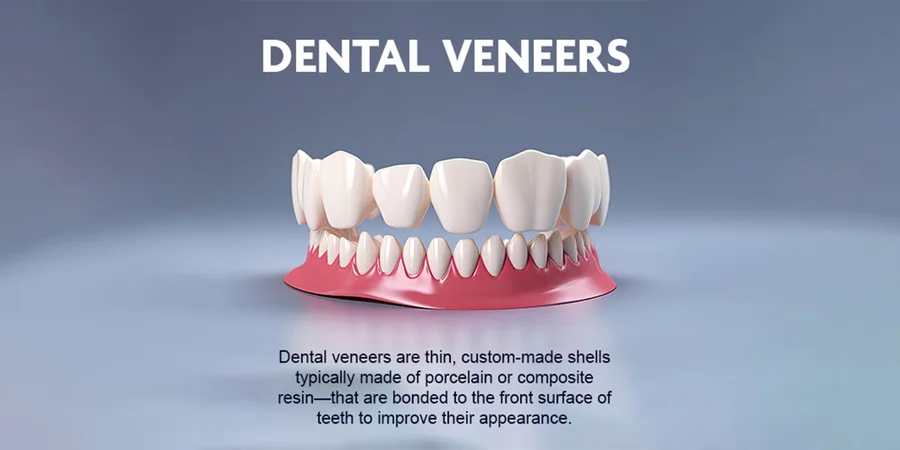
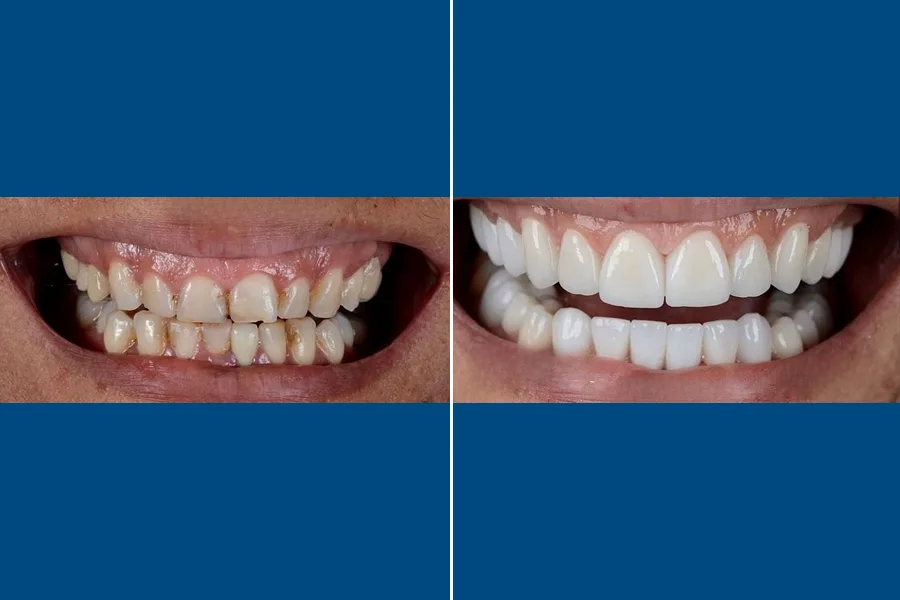
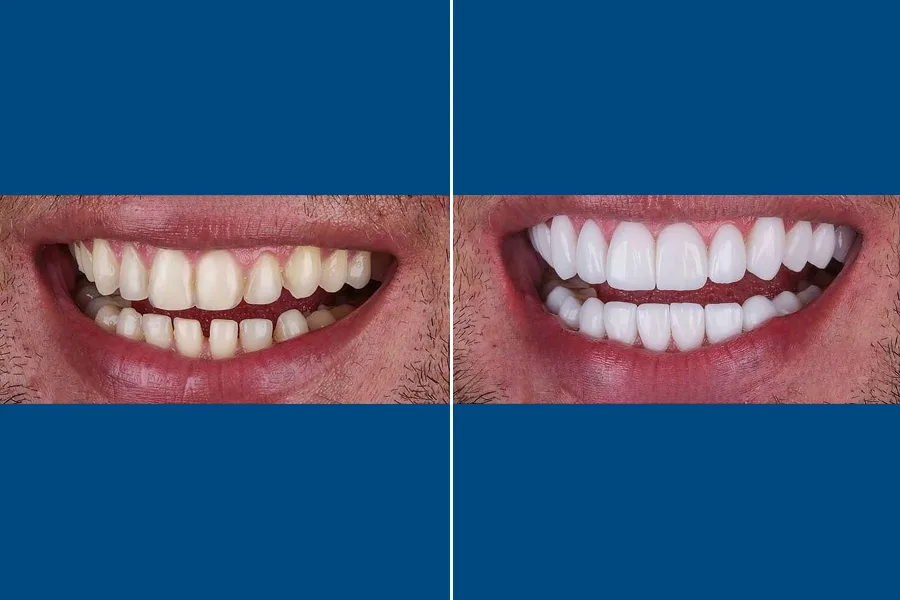
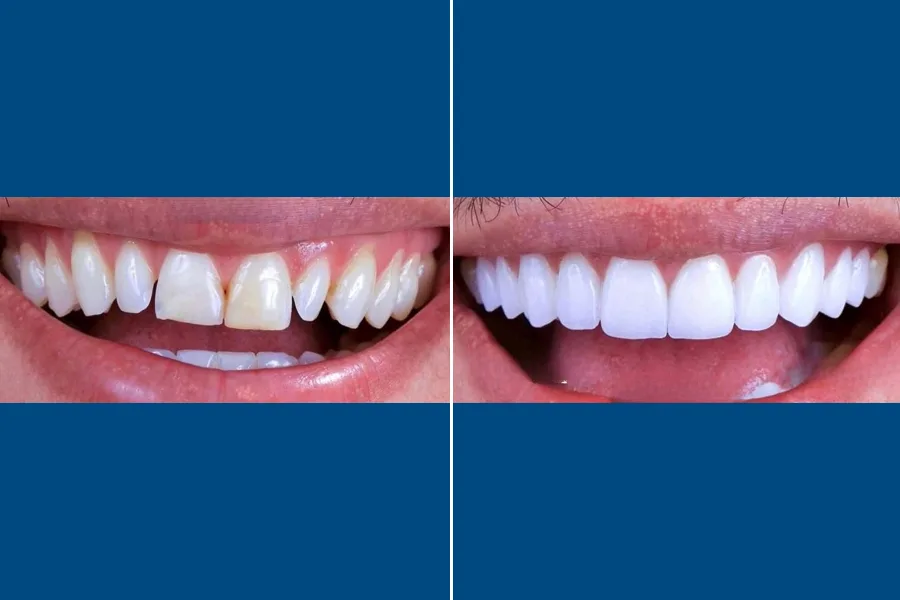
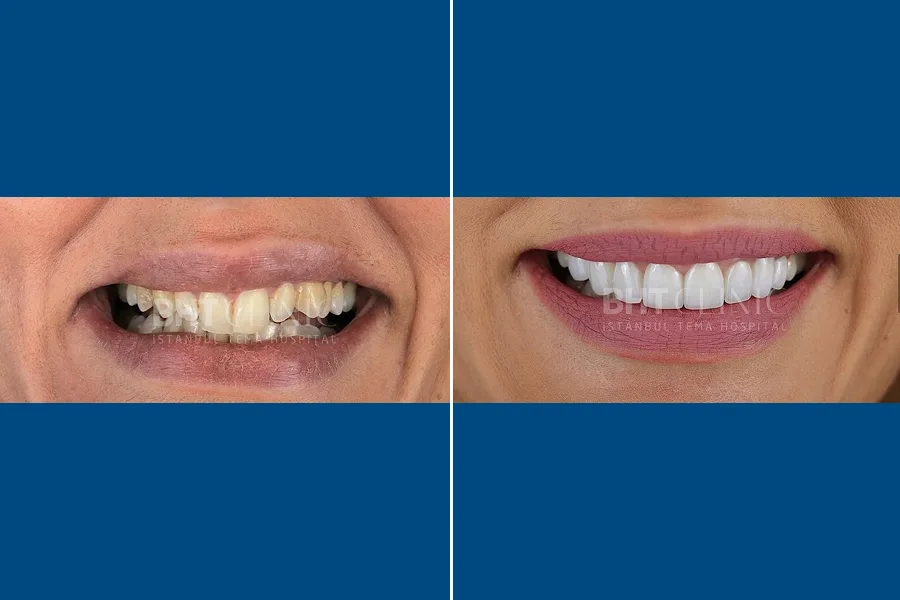
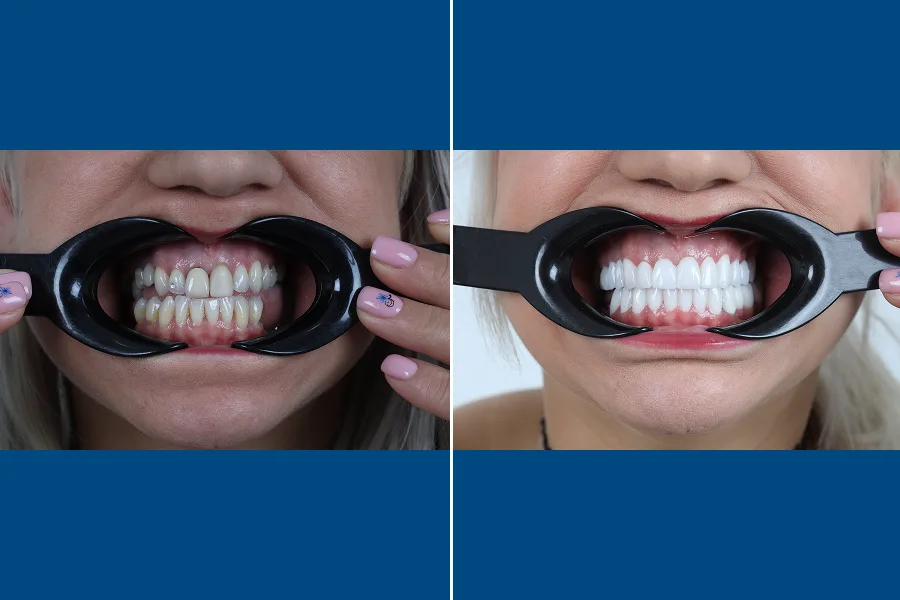
Dental veneers are thin, custom-made shells that are bonded to the front surface of the teeth to improve their appearance. They are commonly used to correct issues such as discoloration, chips, small gaps, uneven shapes, or teeth that appear worn down. Veneers are designed to look natural and can help create a brighter, more balanced smile.


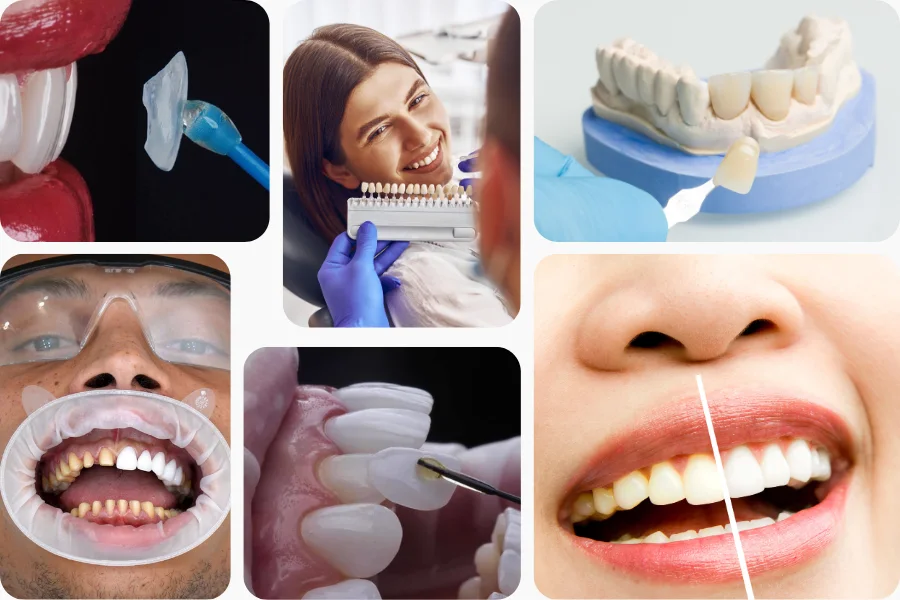
They are usually made from porcelain or composite resin, with porcelain being known for its durability and stain resistance. The treatment typically involves preparing the teeth by removing a small amount of enamel, taking impressions, and then attaching the veneers once they are ready. In some cases, minimal-prep or no-prep veneers may be an option, depending on the condition of the teeth.

Who is Dental Veneers for?

Dental veneers are best suited for people who want to improve the appearance of their smile by correcting visible cosmetic concerns on the front teeth. This treatment is particularly appropriate for:


  • Adults with healthy teeth and gums who have issues such as discoloration, small chips, minor cracks, uneven edges, or mild gaps between teeth.
  • People whose teeth are slightly misshapen or worn and who want a more balanced, brighter, and uniform smile.
  • Patients who have stains that do not respond well to professional whitening, especially deep or intrinsic discoloration.
  • Individuals with realistic expectations who understand that veneers are a cosmetic treatment and require long-term care and good oral hygiene.

A dental examination is important to confirm that the teeth are strong enough for veneers and that problems like decay, gum disease, or significant bite issues are addressed first.

Dental Veneers
Dental Veneers

Benefits

Benefits of Dental Veneers with HealRoad

Use these points to compare Dental Veneers options with clearer expectations before speaking with clinics.

Clear procedure guidance

Dental veneers are thin, custom-made shells that are bonded to the front surface of the teeth to improve their appearance. They are commonly used to …

Verified clinic options

3 active clinic options are connected to this treatment on HealRoad.

Transparent cost planning

Use the treatment estimate as a starting point, then refine it with your medical needs and travel details.

Human support from first question

A HealRoad coordinator helps compare clinic options, next steps, and quote details before you commit.

How is Dental Veneers done?

Veneer kaplamalar, dişlerin ön yüzüne yapıştırılan ince porselen veya kompozit tabakalardır. Renk, şekil veya hafif dizilim bozukluklarını iyileştirerek daha hoş bir gülüş sağlar.

Recovery and expectation?

Recovery after dental veneers is usually quicker and easier than recovery from surgical dental treatments, but there is still an adjustment period while your teeth, gums, and bite settle. Whether you receive porcelain veneers over two visits or same-day composite veneers, it is normal to have some temporary sensitivity and mild gum irritation. Understanding the usual timeline can help you plan meals, social activities, and follow-up care with realistic expectations.

  1. Right After Placement (First 24-48 Hours)

    Once the veneers are bonded, your teeth may feel slightly sensitive to cold, pressure, or air, especially if a small amount of enamel was removed during preparation. The gums around the treated teeth can also feel tender or look a little red from the dental work and bonding process. Some patients notice that the veneers feel bulkier or smoother than expected at first, and your bite may seem unfamiliar. This is usually temporary as your mouth adapts. It is best to avoid very hot or very cold foods on the first day, and skip hard foods that could put unnecessary pressure on the new veneers.

  2. Early Adjustment Period (Days 2-7)

    During the first week, mild sensitivity and awareness of the veneers are still common, but these symptoms usually begin to improve. If your gums were irritated during the procedure, they often settle within a few days with gentle brushing and flossing. You may also notice small changes in speech, especially with "s" or "f" sounds, if several front teeth were treated. Most people adapt quickly without needing any special therapy. You can usually return to normal work and daily activities immediately, but it is wise to be cautious with biting into crusty bread, nuts, ice, or other very hard foods while you get used to the veneers.

  3. Bite Settling and Comfort Improvement (1-2 Weeks)

    By the end of the first one to two weeks, most patients feel that the veneers are becoming much more natural. Temperature sensitivity often fades, and the gums usually return to a healthy appearance if the margins are well tolerated. This is also the stage when any minor bite issues become more noticeable. If one veneer feels too high or catches when you close your teeth together, your dentist may recommend a simple adjustment. These refinements are common and can make a big difference in comfort. Continue with good oral hygiene, but use a non-abrasive toothpaste and avoid aggressive brushing that could irritate the gumline.

  4. Follow-Up Review and Functional Adaptation (2-4 Weeks)

    Many clinics schedule a review visit within a few weeks to check the fit, gum response, bite balance, and overall appearance of the veneers. By this point, you should be eating comfortably and smiling naturally, with little to no day-to-day discomfort. If you clench or grind your teeth, this is an important time to discuss protection, as excessive pressure can damage veneers over time. A night guard may be advised, especially for porcelain veneers. Patients who traveled for treatment are often able to fly home soon after the procedure, but a short follow-up before departure can be helpful to confirm that everything feels stable and polished.

  5. Long-Term Recovery and Maintenance (1 Month and Beyond)

    In the longer term, recovery is less about healing and more about protecting the veneers and maintaining gum health. Once fully adjusted, veneers should feel like your natural teeth in daily life. You can usually enjoy a normal diet, but it is still best to avoid habits such as biting fingernails, opening packages with your teeth, or chewing ice. Regular dental cleanings, careful flossing, and routine checkups help keep the edges of the veneers and surrounding gums healthy. Composite veneers may need occasional polishing or touch-ups, while porcelain veneers generally resist staining better but still require good care.

Why Choose Türkiye for Dental Veneers?

Türkiye stands out as a premier destination for dental veneers, offering a blend of artistry, advanced dental technology, and affordability that attracts patients from around the world. Whether you seek a subtle enhancement or a dramatic smile transformation, Türkiye’s dental clinics deliver exceptional results in a welcoming, patient-focused environment.

Turkish dentists are renowned for their expertise in cosmetic dentistry, particularly in the placement of dental veneers. Utilizing cutting-edge techniques and the highest quality materials including porcelain and composite options clinics in Türkiye achieve natural-looking, durable results tailored to each patient’s unique needs and aesthetic goals.

  • Highly skilled cosmetic dentists with international training ensure precise veneer application and beautiful, harmonious smiles.
  • Clinics are equipped with state-of-the-art technology, including digital smile design and 3D imaging, for personalized treatment planning and superior outcomes.
  • Premium materials such as E-max and zirconia are used to create veneers that are both strong and aesthetically pleasing.
  • Significant cost savings compared to many Western countries, with transparent pricing and comprehensive packages that often include accommodation and transfers.
  • Efficient treatment timelines allow for most veneer procedures to be completed in just a few days, ideal for international visitors.
  • Türkiye’s convenient location and excellent flight connections make it easily accessible for dental tourists from Europe, the Middle East, and beyond.
  • Patients can enjoy a memorable travel experience, exploring Türkiye’s vibrant culture, cuisine, and scenic attractions while enhancing their smile.

Türkiye’s leadership in health tourism is reflected in the millions of international patients who choose its clinics each year for dental veneers and other cosmetic treatments. With a reputation for reliable, high-quality care and a strong focus on patient satisfaction, Türkiye ensures your dental journey is both successful and unforgettable.

Dental Veneers

Customize your treatment estimate

Start with Dental Veneers selected. Adjust the answers below to refine the average estimate shown above.

Loading...
Calculating...
Start by selecting a service.

Your estimate will appear here.

Frequently Asked Questions about Dental Veneers

How natural do dental veneers typically look in everyday life?

Dental Veneers typically look very natural in everyday life when they are carefully designed and matched to your surrounding teeth. They are thin custom-made shells placed over the front surface of the teeth to improve color, shape, size, and overall smile appearance.

Most modern veneers are made from materials such as porcelain, which can reflect light in a way that closely resembles natural tooth enamel. When done well, they usually blend in smoothly with your smile and are often difficult for other people to notice.

  • Natural appearance: Veneers are custom-shaped and color-matched to suit your facial features and existing teeth.
  • Realistic finish: High-quality porcelain veneers can mimic the translucency and shine of natural enamel.
  • Everyday confidence: They can improve the look of teeth that are stained, chipped, uneven, or slightly misaligned.
  • Important factor: The final result depends greatly on the dentist’s skill, treatment planning, and choosing the right size, shape, and shade.

Although Dental Veneers can look very lifelike, the most natural results usually come from a conservative, personalized design rather than veneers that are too white or too bulky. Your dentist can help create a result that looks attractive and natural for your face and smile.

How long do dental veneers usually last before they need replacement?

Dental Veneers usually last around 10 to 15 years, but their lifespan can vary depending on the material used, your oral hygiene, and everyday habits.

Porcelain veneers generally last longer than composite veneers. With good care, some porcelain veneers may last even longer before needing replacement.

  • Porcelain veneers: Often last about 10 to 15 years or more.
  • Composite veneers: Typically last around 5 to 7 years.
  • Factors that affect longevity: Teeth grinding, biting hard objects, poor oral hygiene, and staining habits can shorten their lifespan.
  • Maintenance: Regular dental check-ups and proper brushing and flossing can help veneers last longer.

Even if veneers remain intact, they may eventually need replacement due to wear, chipping, gum changes, or cosmetic reasons. Your dentist can give you a more accurate estimate based on the type of veneers and your bite habits.

Are dental veneers generally considered a permanent cosmetic treatment?

Dental Veneers are generally considered a long-term or permanent cosmetic treatment because a small amount of enamel is usually removed from the front surface of the teeth before the veneers are placed.

Since this enamel removal is typically irreversible, the teeth will usually need to remain protected with veneers or another type of restoration in the future.

  • Porcelain veneers often last around 10 to 15 years or longer with good care.
  • Composite veneers may have a shorter lifespan and often need more frequent repair or replacement.
  • Not lifetime restorations: Even though they are considered permanent in principle, veneers usually need to be replaced eventually.

Your dentist can explain whether Dental Veneers are the right option for you and how long they may last based on your oral health, bite, and habits such as teeth grinding.

Do dental veneers stain over time from coffee, tea, or smoking?

Dental Veneers can stain over time, but this depends largely on the material used and your daily habits.

Porcelain veneers are generally highly stain-resistant, so they are less likely to discolor from coffee, tea, or smoking than natural teeth. However, the bonding material around the edges of the veneers may still pick up some staining over time.

Composite veneers are more likely to stain and may discolor faster, especially with frequent exposure to dark drinks and tobacco.

  • Porcelain veneers: More resistant to stains and usually keep their color longer.
  • Composite veneers: More porous and more likely to absorb stains.
  • Smoking and dark beverages: Can increase the risk of discoloration, especially around veneer edges or on composite material.
  • Maintenance: Good oral hygiene, regular professional cleanings, and limiting staining substances can help veneers stay bright.

If your veneers begin to look discolored, your dentist can check whether the staining is on the veneer, the edges, or nearby natural teeth and recommend the best solution.

How do veneers compare cosmetically with teeth whitening or dental bonding?

Dental Veneers generally offer the most dramatic and long-lasting cosmetic change compared with teeth whitening or dental bonding, especially when improving the color, shape, size, and overall symmetry of the front teeth.

Teeth whitening is best for patients who are mainly concerned about stains or discoloration on otherwise healthy, well-shaped teeth. It can brighten natural teeth, but it does not change their shape, fix chips, or correct uneven spacing.

Dental bonding can improve small chips, cracks, gaps, or minor shape issues using tooth-colored resin. It is usually a more conservative and affordable option, but it may not look as refined or last as long as veneers, especially for larger smile makeovers.

  • Veneers: Best for a comprehensive smile enhancement with a very natural, polished appearance.
  • Whitening: Best for improving tooth color only.
  • Bonding: Best for minor cosmetic corrections with less tooth preparation.

Cosmetically, Dental Veneers are often chosen when patients want the most noticeable transformation, while whitening and bonding are better suited for simpler or more limited improvements. A dentist can help determine which option matches your goals, budget, and natural tooth condition.

Will dental veneers change the way speech feels or sounds at first?

Dental Veneers can sometimes make speech feel slightly different at first, especially during the first few days after placement. This is usually temporary as your tongue and lips adjust to the new shape and surface of your teeth.

Some patients notice minor changes with certain sounds, such as "s," "f," or "th", but speech typically returns to normal once you get used to the veneers.

  • Short adjustment period: Mild speech changes are common at first and often improve quickly.
  • Tooth shape and thickness: Veneers slightly change the front surface of the teeth, which can affect how the tongue contacts them.
  • Usually temporary: Most people adapt within a few days to a couple of weeks.
  • Follow-up matters: If speech still feels unusual, your dentist can check whether the veneers need minor adjustments.

When Dental Veneers are properly designed and fitted, they should look natural and allow comfortable, clear speech in everyday life.

Are there any food or drink restrictions after getting dental veneers?

After getting Dental Veneers, there are usually some short-term food and drink precautions, especially right after placement, to help protect the veneers and allow you to adjust comfortably.

If you have had temporary veneers, your dentist may recommend being extra careful because temporary restorations are generally less strong than the final ones. Once the permanent veneers are bonded, you can usually eat most foods normally, but it is still wise to avoid habits that could damage them.

  • Immediately after treatment: Avoid very hard, sticky, or crunchy foods for the period advised by your dentist.
  • With temporary veneers: Limit foods like chewing gum, caramel, hard candy, nuts, and crusty bread, which may loosen or break them.
  • Hot and cold sensitivity: Some patients notice temporary sensitivity, so very hot or icy drinks may feel uncomfortable at first.
  • Staining drinks: Although veneers resist stains better than natural teeth, it is still a good idea to limit frequent exposure to coffee, tea, red wine, and cola, especially to help prevent staining around the edges or on surrounding natural teeth.
  • Avoid biting hard objects: Do not use your teeth to bite ice, pens, fingernails, or hard packaging, as this can chip the veneers.

In everyday life, most people with Dental Veneers can return to a normal diet, but taking sensible precautions helps keep the veneers looking good and lasting longer. Your dentist can give you specific instructions based on whether you have temporary or permanent veneers.

How much maintenance and follow-up care do dental veneers usually require?

Dental Veneers usually require regular but fairly simple maintenance, much like caring for natural teeth. With good oral hygiene and routine dental visits, veneers can stay in good condition for many years.

Most patients are advised to attend follow-up appointments after placement and continue with regular dental check-ups every 6 months, or as recommended by their dentist.

  • Daily care: Brush twice a day, floss daily, and maintain good overall oral hygiene.
  • Dental visits: Regular professional cleanings and examinations help monitor the veneers and the health of the surrounding teeth and gums.
  • Protective habits: Avoid biting hard objects such as ice, pens, or fingernails, as this can damage the veneers.
  • Night guard if needed: If you grind your teeth, your dentist may recommend a night guard to protect the veneers.
  • Long-term care: Veneers may eventually need polishing, repair, or replacement over time, depending on wear and tear.

Although Dental Veneers do not require special maintenance beyond good dental care, keeping up with follow-up visits is important to ensure they remain healthy, functional, and natural-looking.

Can dental veneers be replaced individually if one gets damaged?

Yes, Dental Veneers can often be replaced individually if one becomes damaged, chipped, loose, or worn, as long as the underlying tooth and the neighboring veneers are still in good condition.

Your dentist will examine the affected veneer and tooth to decide whether a simple replacement is possible or whether additional treatment is needed first.

  • Single-tooth replacement: In many cases, only the damaged veneer needs to be removed and replaced.
  • Color matching: The new veneer will be made to match the shape and shade of the surrounding teeth, although an exact match may be more challenging if the older veneers have aged over time.
  • Tooth condition: If there is decay, damage to the underlying tooth, or bonding problems, these issues must be treated before placing a new veneer.
  • Material and fit: The replacement veneer should be carefully designed so it blends naturally with your smile and bite.

If you notice a damaged veneer, it is best to see your dentist promptly to prevent further tooth damage and to discuss the most suitable replacement option.

How soon can someone return to work or social activities after getting dental veneers?

Most people can return to work or normal social activities the same day or within 24 to 48 hours after getting Dental Veneers, depending on how many teeth were treated and whether any local anesthetic was used.

The procedure is usually minimally invasive, so recovery is generally quick. You may have some temporary sensitivity to hot or cold foods and a short adjustment period as you get used to the feel of the veneers.

  • Work: Many patients go back to work the same day, especially after a straightforward appointment.
  • Social activities: Most people can smile and socialize immediately, although mild numbness or sensitivity may last for a few hours.
  • Eating: It is often best to avoid very hard or sticky foods for a short time if your dentist advises it.
  • Adjustment period: Speech and bite usually feel normal quickly, but it can take a few days to fully adapt.

If you had significant tooth preparation or feel ongoing discomfort, your cosmetic dentist may recommend taking it easy for a day or two. They can give you the best guidance based on your specific treatment plan.

Clinics offering Dental Veneers

Compare verified clinic profiles connected to this treatment.

Patient reviews

Patient reviews for Dental Veneers

These reviews are linked to Dental Veneers and published from clinic review sources.

3.9/5
7 reviews
5.0/5

I recently got my veneers done at Ömer Istanbul Dental Centre and I’m really pleased with the whole experience. Dr. Merve did an amazing job she was gentle, professional, and made sure my smile looked natural and suited my face. Consultant Fatiha was supporti…

sandra hanna Ömer İstanbul Google
Read original review
1.0/5

Worst decision EVER!!! Please value your health and DONT LET those butchers destroy your teeth, IT DOESNT WORTH IT, PLEASE FALLOW MY ADVICE!!! go with a dentist that really care your health and do the minimum shave!!! Before to go there I told to the person t…

Denisse Montoya Dent Akay Trustpilot
Read original review
5.0/5

I found the staff very professional and welcoming. The place is pristine and my treatment so far is perfect. Coming back in June for further treatment.Above was my last visit over a year ago.Today I have completed my treatment and I’m delighted. I honestly ca…

Laura Mccandlish Turkeyana Clinic Trustpilot
Read original review

Related Articles

Guides and insights connected to this treatment.