


Dental Treatments · Invisalign Clear Aligners

Dental Treatments
Invisalign Clear Aligners: Straighten, Discreetly
Invisalign clear aligners in Turkey gradually straighten teeth with removable trays, supporting comfort, appearance, and oral hygiene.
Page Contributors


None
Anesthesia

Continuous
Continuity of Results

Immediate
Driving

1 w
Exercise

6 w
Follow‑Up Visit

Gradual
Result Appearance
What is Invisalign Clear Aligners?
Invisalign clear aligners are a modern orthodontic treatment that uses a series of custom-made, transparent trays to gradually move the teeth into better alignment. They are designed as a discreet alternative to traditional braces and are commonly used to treat crowding, gaps, mild to moderate bite problems, and certain cases of crooked or unevenly spaced teeth.
Before treatment, the dentist or orthodontist takes digital scans or impressions to create a personalized plan that maps each stage of tooth movement. The aligners are worn for most of the day and changed regularly as the teeth shift. Because they are removable, they make eating, brushing, and flossing easier, while offering both cosmetic and functional benefits during treatment.

Who is Invisalign Clear Aligners for?
Invisalign clear aligners are ideal for teens and adults who want to straighten their teeth in a discreet, removable way. This treatment is particularly appropriate for:
- People with mild to moderate orthodontic concerns, such as crowding, spacing, overbite, underbite, or crossbite.
- Individuals who want a less noticeable alternative to traditional metal braces for work, social, or personal reasons.
- Patients who can wear their aligners consistently for the recommended 20 to 22 hours a day and follow their treatment plan carefully.
- Those who want the flexibility to remove aligners for eating, brushing, flossing, and special occasions.
- Adults and responsible teens with healthy teeth and gums, or those willing to address cavities or gum problems before starting treatment.
Invisalign may not be suitable for every complex orthodontic case, so a dental evaluation is needed to confirm whether it is the right option for your smile goals and bite correction needs.
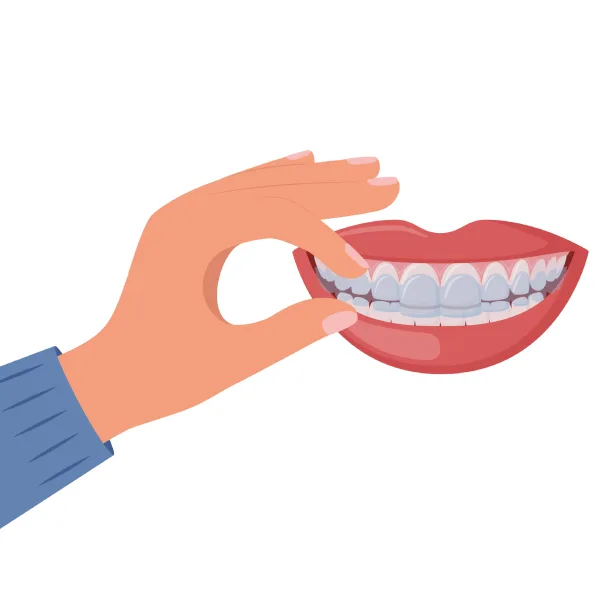
Invisalign Clear Aligners benefits
-
Nearly invisible trays
-
Removable aligners
-
Predictable movement plan
-
Easier hygiene
-
Fewer clinic visits
-
Comfortable fit
How is Invisalign Clear Aligners done?
Invisalign Clear Aligners straighten teeth using a series of custom-made, transparent trays that fit closely over the teeth. Instead of fixed brackets and wires, the treatment works through gentle, controlled pressure that gradually moves teeth into better alignment. Each set of aligners is designed to make small planned changes, and when worn in the correct order, they can improve crowding, spacing, bite problems, and overall smile balance.
-
Consultation and Orthodontic Assessment
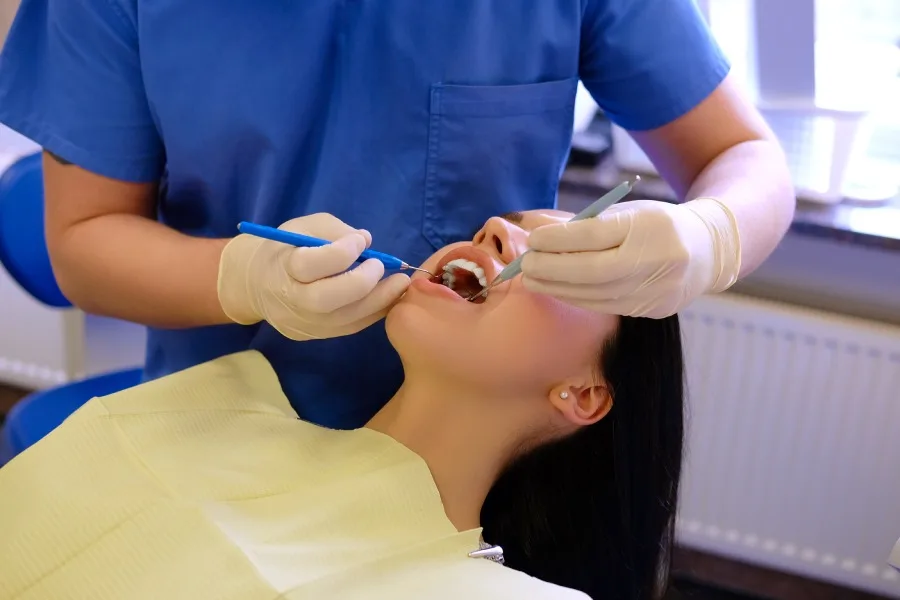
The process begins with a consultation to determine whether Invisalign is suitable for your needs. The dentist or orthodontist examines your teeth, gums, jaw relationship, and bite, and asks about your concerns, such as crowding, gaps, crossbite, overbite, or relapse after previous braces. X-rays, photographs, and a clinical exam help identify whether the teeth can be moved safely and whether any dental treatment is needed before aligners begin.
-
Digital Scans and 3D Treatment Planning
Instead of traditional impressions in many cases, the clinic usually takes digital 3D scans of your teeth. These scans create a precise virtual model of your mouth. Using specialized software, the provider maps out how each tooth should move over time and builds a step-by-step treatment plan. You may also be shown a digital preview of the expected result, which helps explain the planned tooth movements and estimated treatment length.
-
Preparing the Teeth and Starting the Case
Before the first aligners are delivered, the mouth should be in good condition. Any necessary cleaning, fillings, or gum care are usually completed first. In many Invisalign cases, the dentist places small tooth-colored shapes called attachments on selected teeth. These act like tiny handles that help the aligners grip the teeth and guide more precise movements. In some patients, slight enamel reshaping between certain teeth, called interproximal reduction, may also be performed to create space when needed.
-
Receiving the First Aligners and Learning How to Wear Them
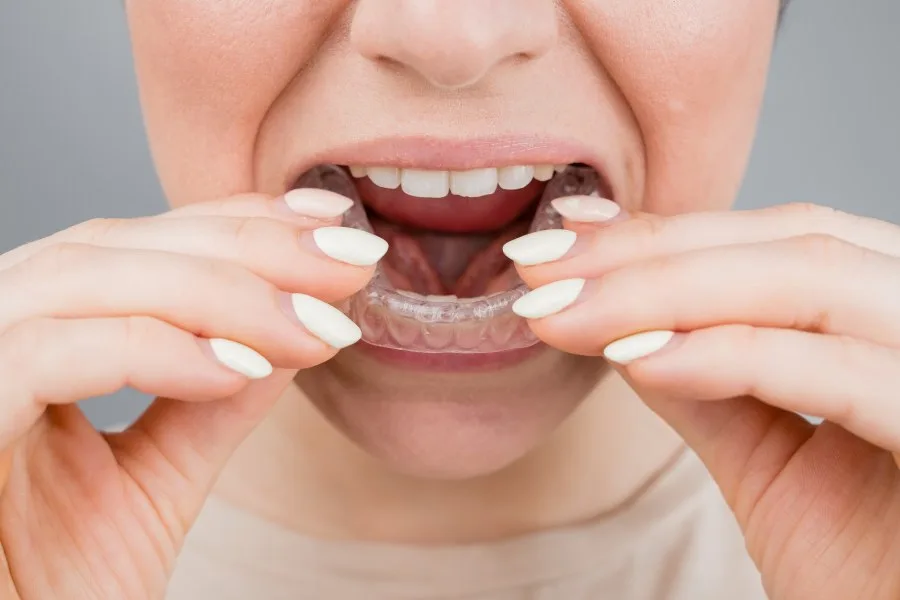
Once the custom aligners are manufactured, you receive the first sets along with detailed instructions. Each aligner is worn for most of the day, usually 20 to 22 hours daily, and removed only for eating, drinking anything other than water, brushing, and flossing. The provider checks that the trays fit properly and shows you how to insert and remove them safely. Because the aligners must be worn consistently to work, patient cooperation is an important part of the treatment.
-
Changing Aligners and Gradual Tooth Movement
Invisalign works by progressing through a sequence of trays, each one slightly different from the last. You typically change to a new set every one to two weeks, depending on your provider's instructions. As you move through the series, the teeth gradually shift according to the digital plan. Mild pressure or temporary soreness is common for a day or two after changing trays, which is usually a sign that the aligners are actively moving the teeth.
-
Regular Monitoring and Mid-Course Adjustments
Follow-up visits are scheduled at intervals so the dentist or orthodontist can monitor progress and make sure the teeth are tracking correctly. During these appointments, they may check the fit of the trays, attachment condition, bite changes, and oral hygiene. If a tooth is not moving as expected, additional measures may be recommended, such as wearing the aligners longer, using chewies to improve fit, or ordering a refinement scan for updated trays.
-
Finishing, Retainers, and Long-Term Maintenance
When the final aligners have been completed, the provider evaluates the result and checks whether the treatment goals have been reached. In some cases, a short refinement phase with extra aligners is needed to fine-tune the outcome. After active treatment, retainers are essential to help keep the teeth in their new positions, because teeth naturally tend to shift over time. You will also receive advice on cleaning the retainers, maintaining good oral hygiene, and attending follow-up visits to protect the result.
Recovery and expectation?
Recovery with Invisalign Clear Aligners is usually mild and manageable, but it is better described as an adjustment period that repeats throughout treatment rather than a single recovery event. Because Invisalign works by applying gentle, controlled pressure to move the teeth step by step, it is common to notice temporary soreness, pressure, or changes in speech when you begin and whenever you switch to a new set of aligners. Understanding this timeline can help you plan meals, travel, and follow-up visits while keeping your treatment on track.
-
Getting Started (First 24–72 Hours)
During the first few days, most patients feel pressure, tightness, and mild tooth soreness, especially when placing or removing the aligners. This is a normal sign that the trays are active. Some people also notice slight irritation on the lips, cheeks, or tongue while the mouth adjusts to the edges of the aligners. Speech may sound a little different at first, often with a mild lisp, but this usually improves quickly as you practice talking and wearing the trays consistently. Soft foods, cool water, and any pain relief recommended by your dentist can help during this early stage.
-
Early Adjustment (Days 3–7)
By the end of the first week, the initial discomfort usually settles, and most people become much more confident with inserting, removing, and cleaning the aligners. If attachments were placed on the teeth, your bite may feel unfamiliar at first, and the teeth can feel slightly rough where the small composite shapes sit. It is important to wear the aligners for 20 to 22 hours a day, removing them only for eating, drinking anything other than water, and oral hygiene. Skipping wear time can delay progress and make the next trays feel tighter than expected.
-
Ongoing Tray Changes (Weeks 2–8)
As treatment continues, it is common to feel a similar pattern each time you move to a new aligner set. The first one to three days after a tray change are often when pressure and tenderness are most noticeable, followed by a more comfortable period as the teeth adapt. This cycle is expected and usually becomes easier to manage over time. Some patients also receive interproximal reduction, attachments, or elastics as part of treatment, which can add a short adjustment period. Most people can continue work, sightseeing, and normal daily activities without interruption, as there is no surgical wound and no formal downtime.
-
Visible Progress and Routine Follow-Up (2–6 Months)
Over the next few months, the teeth gradually begin to look more aligned, although the speed of visible change depends on how complex the case is. Follow-up visits are usually scheduled every few weeks to check tracking, monitor oral health, and provide the next aligners. During this stage, success depends heavily on consistent wear, good brushing and flossing, and keeping the trays clean. If aligners are not seating fully, your dentist may recommend chewies or a review appointment. Mild soreness after tray changes can still happen, but it should remain temporary and manageable.
-
Finishing and Retention (End of Treatment and Beyond)
Once the planned tooth movements are complete, many patients move into a retention phase with clear retainers. This stage is essential because teeth naturally have a tendency to shift after orthodontic treatment. At first, retainers are often worn for most of the day, then later only at night, depending on your dentist’s advice. Any minor tenderness when starting retainers is usually brief. Long-term stability depends on wearing retainers as instructed, attending checkups, and maintaining excellent oral hygiene. Without retention, even well-aligned teeth can gradually move out of position again.
Why Choose Türkiye for Invisalign Clear Aligners?
Türkiye has become a popular destination for Invisalign Clear Aligners, offering a combination of experienced orthodontic care, modern digital planning, and cost-conscious treatment options. For many international patients, the main advantage is not only affordability, but also the chance to begin treatment in a well-equipped clinic with clear communication, organized scheduling, and shorter waiting times than they may face in their home country.
Invisalign treatment depends on careful diagnosis, precise planning, and regular monitoring. In Türkiye, many dental clinics and orthodontic centers use 3D intraoral scanners, digital smile analysis, and detailed imaging to assess tooth alignment, bite relationships, and jaw structure before treatment begins. This digital approach helps create a customized aligner plan and allows patients to better understand how their teeth are expected to move over time. For international visitors, this can make the process feel more transparent and easier to follow from the start.
- Türkiye offers access to qualified orthodontists and experienced dental teams who are familiar with planning clear aligner treatment for both local and international patients.
- Many clinics use advanced digital diagnostics, including 3D scanning and computerized treatment simulation, which supports accurate aligner design and more predictable tooth movement.
- A strong focus on patient safety and treatment suitability means clinics often begin with a full oral health evaluation, checking for gum disease, cavities, or bite issues before aligner therapy starts.
- Competitive pricing can make Invisalign more accessible, especially for patients comparing costs internationally, while still receiving care in modern private clinics.
- With its strong international flight network and convenient location, Türkiye is easy to reach from Europe, the Middle East, and many nearby regions for consultations and treatment planning.
- Patients also value the option of combining treatment visits with a comfortable travel experience, supported by hospitality services, multilingual staff in many clinics, and a pleasant stay during appointments.
Another reason patients choose Türkiye for Invisalign is the practical structure of care for medical travelers. Clinics that regularly welcome international patients often help coordinate consultation timing, digital records, and follow-up planning. Since Invisalign treatment continues over several months, many providers are experienced in organizing the first in-person assessment in Türkiye and then supporting later stages through scheduled check-ins and remote communication when appropriate. This can be especially helpful for patients who want flexibility without compromising treatment oversight.
Türkiye's strong reputation in the health tourism market is built on experienced professionals, internationally oriented clinics, and systems designed to support visiting patients from consultation through aftercare. Each year, the country receives a large number of international guests for dental and aesthetic treatments, supported by modern infrastructure, multilingual assistance in many centers, and a clear focus on patient satisfaction. For patients considering Invisalign Clear Aligners, Türkiye offers a balanced combination of quality, accessibility, digital expertise, and proven success in medical travel.
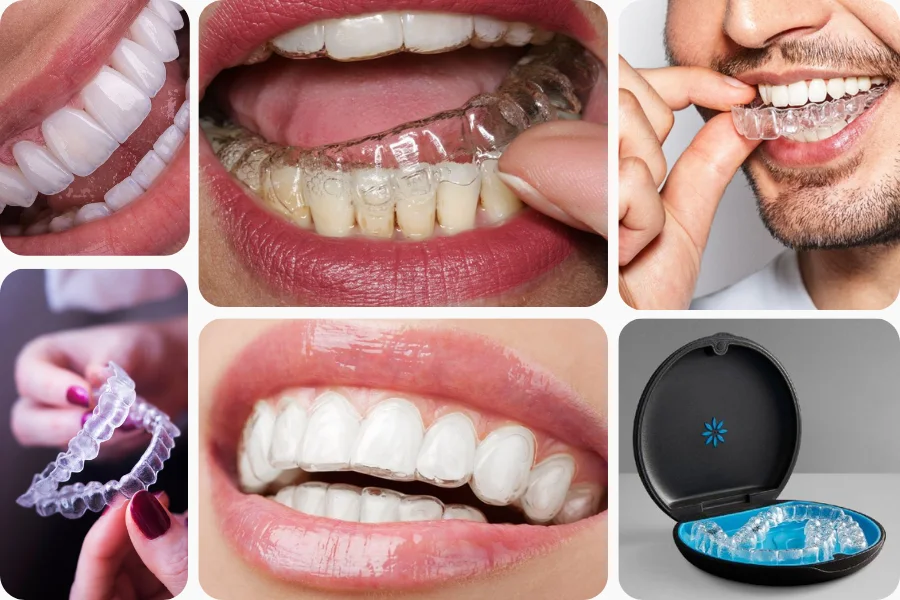
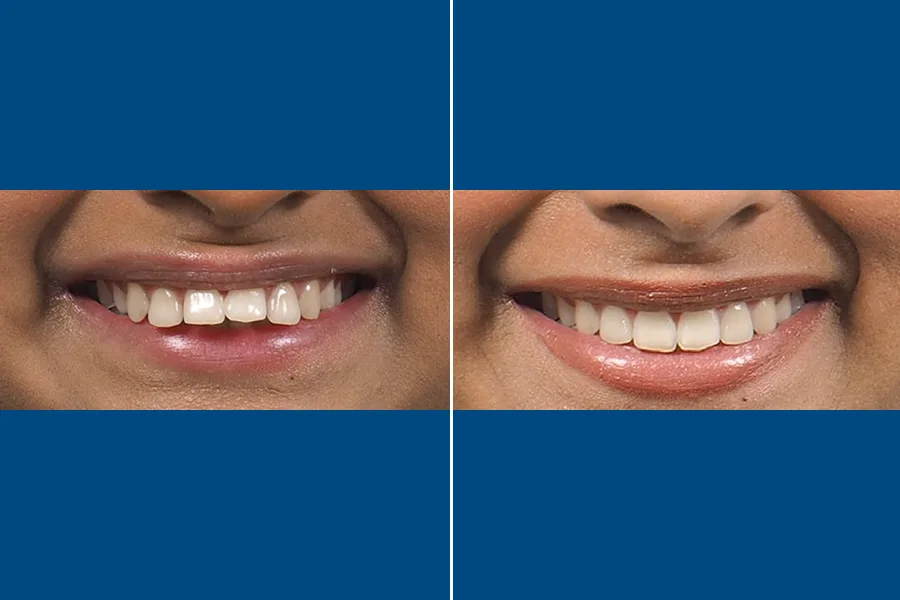
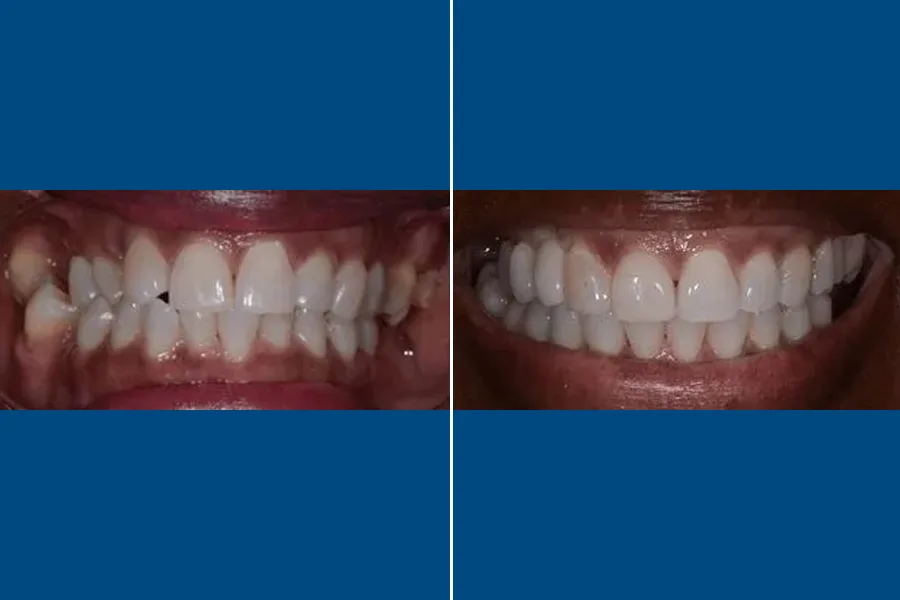

Customize your treatment estimate
Start with Invisalign Clear Aligners selected. Adjust the answers below to refine the average estimate shown above.
Your estimate will appear here.
Frequently Asked Questions about Invisalign Clear Aligners
Is wearing Invisalign clear aligners uncomfortable during the first few days of each new set?

Invisalign Clear Aligners can feel slightly uncomfortable or tight during the first few days of each new set, but this is usually a normal sign that the aligners are working to gently move your teeth.
Most patients describe the sensation as pressure rather than pain, and it often improves within 2 to 3 days as the teeth begin to adjust.
- Common feeling: Mild tightness, pressure, or soreness when switching to a new aligner tray.
- How long it lasts: Usually only for the first few days of each new set.
- What can help: Wearing the aligners as instructed, changing to a new set at night, and using dentist-approved pain relief if needed.
- When to ask your dentist: If the discomfort is severe, lasts longer than expected, or the aligners feel sharp or do not fit properly.
Although some temporary discomfort is common, Invisalign Clear Aligners are generally considered more comfortable than many people expect, especially compared with traditional braces.
Are Invisalign clear aligners noticeable when speaking or smiling?
Invisalign Clear Aligners are generally very discreet and are much less noticeable than traditional metal braces when speaking or smiling.
They are made from clear, thin plastic that fits closely over the teeth, so most people may not notice them unless they look very closely.
- Appearance: The aligners are designed to be nearly invisible in everyday social and professional situations.
- Speech: Some patients notice a slight lisp or change in speech at first, but this usually improves after a short adjustment period.
- Confidence: Many people choose Invisalign because it allows them to smile more confidently during treatment.
While no orthodontic appliance is completely invisible, Invisalign Clear Aligners are typically considered one of the most subtle options for straightening teeth.
How often do the aligners need to be worn each day to stay on schedule?
Invisalign Clear Aligners usually need to be worn for 20 to 22 hours per day to stay on schedule and achieve the planned results.
This means you should keep them in for most of the day and night, removing them only for eating, drinking anything other than water, brushing, and flossing.
- Recommended wear time: About 20–22 hours daily.
- When to remove them: During meals and while cleaning your teeth and aligners.
- Why it matters: Wearing aligners for fewer hours can delay tooth movement and affect your treatment progress.
Your dentist or orthodontist may also tell you how often to switch to the next set of aligners, which is commonly every 1 to 2 weeks, depending on your treatment plan.
How frequently are check-up visits usually needed during Invisalign treatment?
With Invisalign Clear Aligners, check-up visits are usually needed about every 6 to 8 weeks, although the exact schedule can vary depending on your treatment plan and your dentist or orthodontist.
These visits are important to make sure your teeth are moving as expected and to provide your next sets of aligners.
- Typical frequency: Usually every 4 to 8 weeks.
- Purpose of visits: To monitor progress, check the fit of the aligners, and make any needed adjustments.
- Possible variations: Some patients may need visits more or less often depending on case complexity and compliance.
Your provider will tell you the best follow-up schedule for your case, and some clinics may also offer a combination of in-person and remote monitoring.
Can Invisalign clear aligners be removed for meals, coffee, or special occasions?
Invisalign Clear Aligners are generally removable, so you can take them out for meals, most drinks such as coffee, and certain special occasions.
In most cases, aligners should be removed before eating or drinking anything other than water. This helps prevent staining, warping, and buildup inside the trays.
- Meals: Yes, aligners are usually removed for eating.
- Coffee and other drinks: It is usually best to remove them before drinking coffee, tea, or sugary beverages.
- Special occasions: You can remove them briefly, but they should be worn for the recommended 20 to 22 hours per day.
- After removal: Brush your teeth if possible, or rinse your mouth before putting the aligners back in.
Short periods without the aligners are usually manageable, but removing them too often or for too long can affect treatment progress. Your dentist or orthodontist can advise you on how to balance wear time with daily activities.
How long does Invisalign treatment usually take compared with traditional braces?
Invisalign Clear Aligners treatment usually takes about 6 to 18 months for many patients, while traditional braces often take around 18 to 24 months. However, the exact timeline depends on how complex the tooth movement is and how consistently the aligners are worn.
In general, Invisalign may be faster for mild to moderate orthodontic cases, but traditional braces can sometimes be more effective for more complex bite or alignment problems.
- Invisalign: Often completed in 6 to 18 months, especially for less complicated cases.
- Traditional braces: Commonly take 18 to 24 months, though some cases may be shorter or longer.
- Wear time matters: Invisalign aligners usually need to be worn 20 to 22 hours per day to stay on schedule.
- Case complexity: Severe crowding, bite issues, or jaw alignment problems may increase treatment time with either option.
Your orthodontist can give you a more accurate estimate after examining your teeth and bite. Following instructions carefully and attending regular check-ups can help keep treatment on track.
Will Invisalign clear aligners affect speech at the beginning of treatment?
Invisalign Clear Aligners can affect speech slightly at the beginning of treatment, but for most patients this is temporary and improves as the mouth and tongue adjust to the aligners.
You may notice a mild lisp or slight change in pronunciation, especially with certain sounds, during the first few days or weeks.
- Common early effect: A small change in speech clarity or pronunciation.
- Adjustment period: Most people adapt quickly with regular wear and speaking practice.
- What helps: Wearing the aligners as instructed and reading or speaking out loud can help you adjust faster.
- Long-term impact: In most cases, speech returns to normal once you get used to the aligners.
If speech difficulties feel significant or do not improve, your dentist or orthodontist can check the fit of your Invisalign Clear Aligners and advise you further.
What daily cleaning and maintenance are typically required for the aligners?
Invisalign Clear Aligners require daily cleaning and consistent care to help keep them clear, fresh, and effective throughout treatment.
In general, aligners should be cleaned every day and handled carefully to avoid staining, odor, or damage.
- Rinse regularly: Rinse your aligners with lukewarm water whenever you remove them.
- Brush gently: Clean them with a soft toothbrush and clear, mild soap or an aligner cleaner, if recommended by your dentist or orthodontist.
- Avoid hot water: Hot water can warp the plastic and affect the fit.
- Remove before eating: Take aligners out before meals and snacks, and only drink water while wearing them unless your provider says otherwise.
- Brush your teeth before reinserting: This helps prevent food particles and plaque from getting trapped between the aligners and teeth.
- Store them properly: Keep them in their protective case when not in use to reduce the risk of loss or damage.
Your provider may also recommend specific cleaning crystals or soaking products. Following these daily habits can help maintain both your oral hygiene and the clarity of your aligners during treatment.
Are there any food or drink restrictions while using Invisalign clear aligners?
Yes, there are some important food and drink restrictions while wearing Invisalign Clear Aligners. In general, you should remove the aligners before eating or drinking anything other than plain water.
This helps prevent staining, warping, and damage to the aligners, and also reduces the risk of trapping sugar or acids against your teeth, which can increase the chance of tooth decay.
- Allowed while wearing aligners: Plain water.
- Remove aligners for: Hot drinks, coffee, tea, soda, juice, wine, and all meals or snacks.
- Why it matters: Colored drinks can stain the trays, hot beverages may distort the plastic, and sugary or acidic drinks can harm your teeth if trapped under the aligners.
- Before putting them back in: Brush your teeth if possible, or at least rinse your mouth and the aligners.
For the best results, wear your aligners for the recommended 20 to 22 hours per day and only take them out for eating, drinking, and oral hygiene. Your dentist or orthodontist can give you specific advice based on your treatment plan.
What happens if an aligner is lost, cracked, or accidentally not worn for several days?
If an Invisalign Clear Aligner is lost, cracked, or not worn for several days, your teeth may begin to shift, which can affect how well the current tray fits and may delay treatment.
The best next step is to contact your dentist or orthodontist as soon as possible. They will advise you whether to wear your previous aligner, move to the next aligner, or order a replacement tray, depending on your progress and how long the aligner has been out.
- Lost aligner: You may be told to temporarily wear your previous set or the next set until a replacement is available.
- Cracked aligner: If the crack is minor, you may still be able to wear it briefly, but a badly damaged tray usually needs replacement.
- Not worn for several days: The aligner may feel tight or may no longer fit properly because the teeth have started moving back.
- Treatment delay: Missing wear time can extend the overall treatment timeline.
To avoid complications, wear your aligners for the recommended 20 to 22 hours per day and do not decide on your own to skip ahead or stop wearing them. Your provider can give the safest advice based on your specific case.
Clinics offering Invisalign Clear Aligners
Compare verified clinic profiles connected to this treatment.



Related Articles
Guides and insights connected to this treatment.
A Step-by-Step Guide to Invisalign Clear Aligners in Turkey

When Is the Best Time to Travel to Turkey for Dental Care?
