Professional Teeth Whitening: Brighter, Whiter Smile page background

Professional Teeth Whitening: Brighter, Whiter Smile

  • Best Price Guaranteed
  • Accredited Clinics Only
  • Free 24/7 Medical Assistance
Duration 1–2 h Duration
Recovery 1 d Recovery
Pain Level None Pain Level
Scarring None Scarring
Success Rate 90–95 % Success Rate
Result Appearance Immediate Result Appearance
Length of Stay in Türkiye 1–2 d Length of Stay in Türkiye

What is Professional Teeth Whitening?

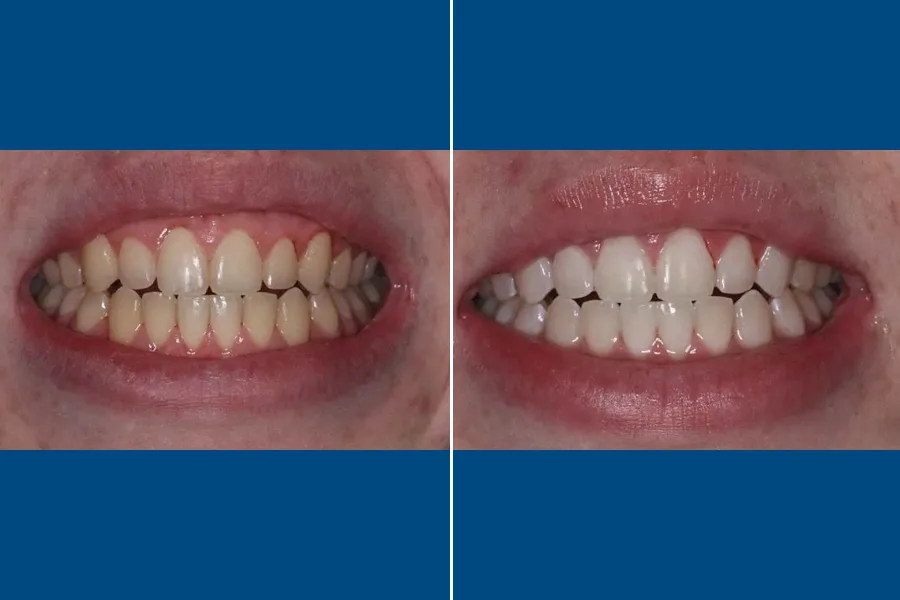
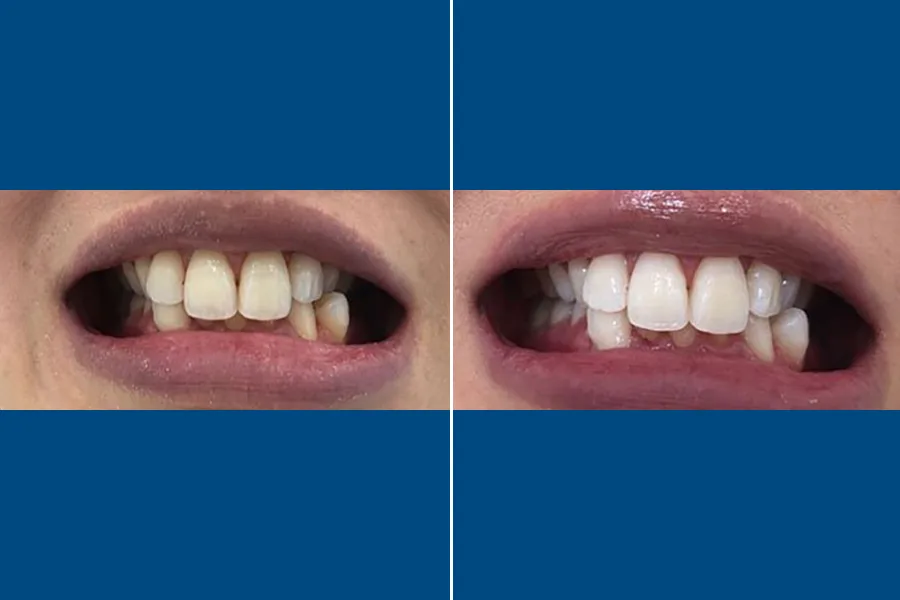
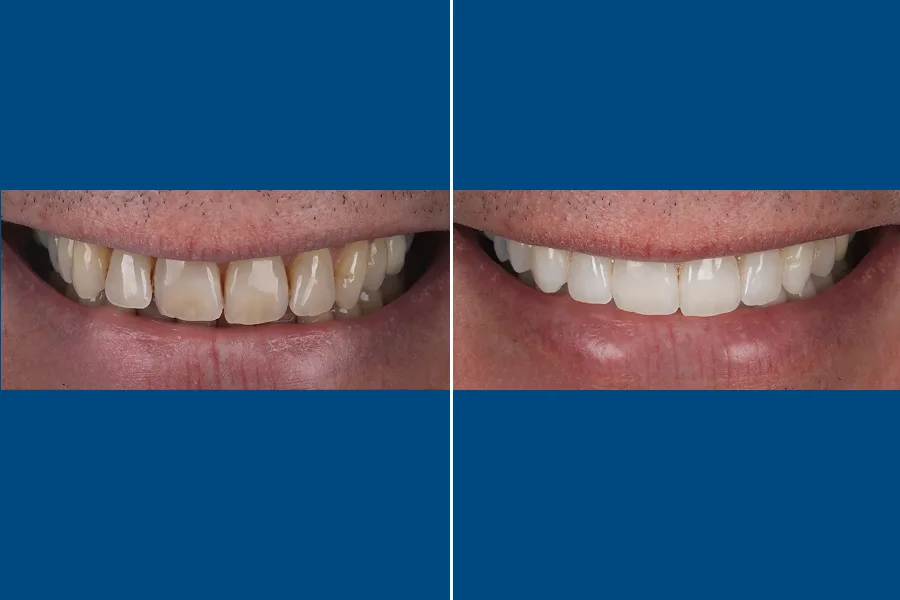
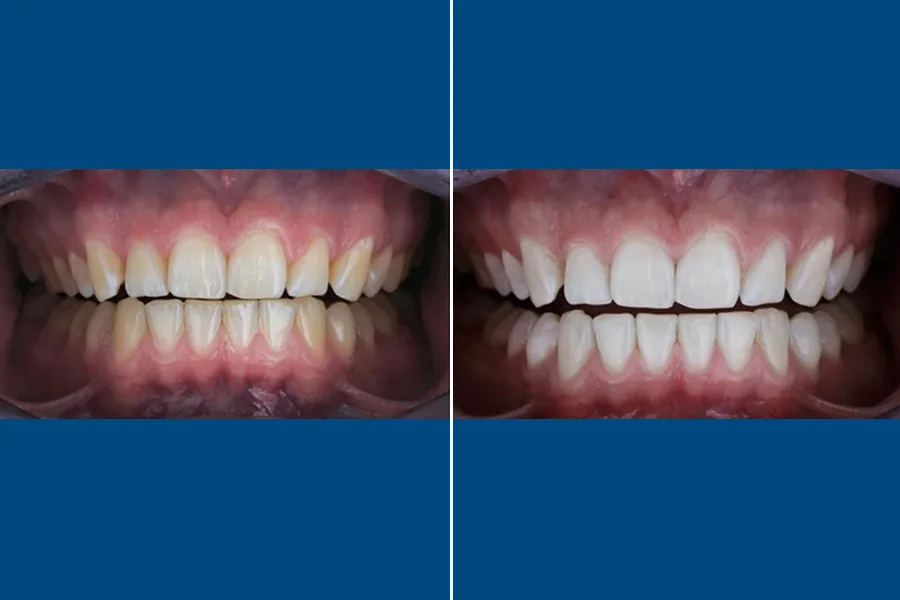
Professional teeth whitening is a cosmetic dental treatment that lightens the natural color of the teeth and helps reduce stains caused by food, drinks, smoking, and aging. It is performed under the supervision of a dentist, using clinically approved whitening agents that are stronger and more controlled than over-the-counter products.


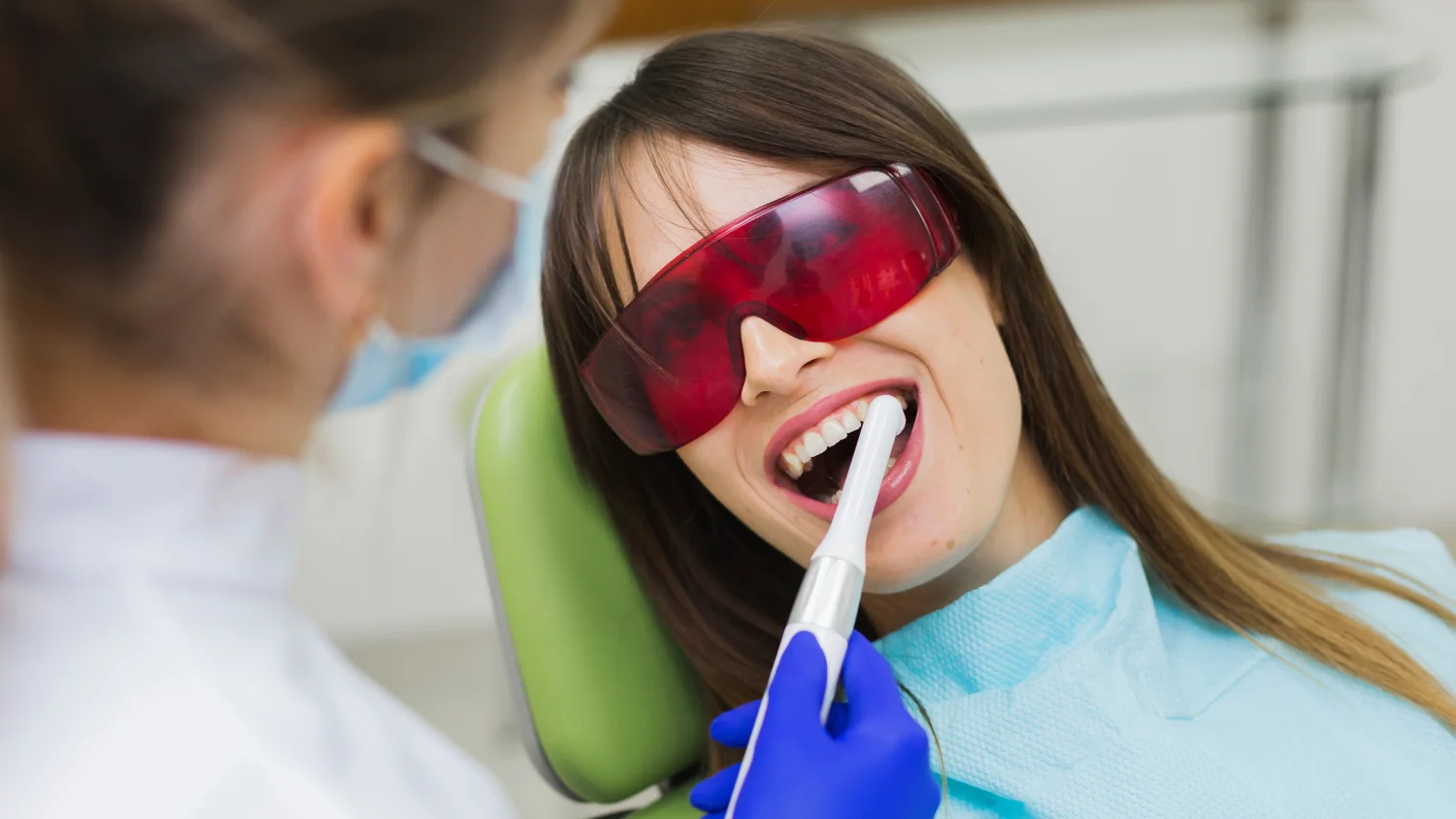
Before treatment, the dentist checks your teeth and gums to make sure whitening is suitable and to identify the type of discoloration present. The procedure may be done in the clinic, sometimes with a special light, or with custom take-home trays provided by the dentist. Professional whitening can noticeably brighten the smile while helping protect the gums and minimize sensitivity through a personalized treatment plan.

Who is Professional Teeth Whitening for?

Professional teeth whitening is ideal for people who want to brighten their smile safely and effectively under dental supervision. This treatment is particularly appropriate for:


  • Adults with yellowing or surface stains caused by coffee, tea, red wine, smoking, or natural aging.
  • People preparing for a wedding, job interview, photos, or other important event who want a fresher, cleaner-looking smile.
  • Individuals with generally healthy teeth and gums who want a noticeable cosmetic improvement without more invasive dental treatment.
  • Patients whose teeth are not as white as they would like, even after regular brushing and good oral hygiene.
  • Those with realistic expectations who understand that results vary and that whitening works best on natural tooth enamel rather than crowns, veneers, or fillings.

Professional whitening may not be suitable for everyone, especially people with untreated cavities, gum disease, severe sensitivity, or certain types of internal tooth discoloration, so a dental assessment is important before treatment.

Professional Teeth Whitening

How is Professional Teeth Whitening done?

Professional Teeth Whitening is a cosmetic dental treatment used to lighten the color of natural teeth and reduce stains caused by foods, drinks, smoking, and aging. It is usually performed in a dental clinic using a carefully controlled whitening gel, often based on hydrogen peroxide or carbamide peroxide. Compared with over-the-counter products, professional whitening is more precise, more closely monitored, and tailored to your tooth sensitivity, enamel condition, and desired shade.

  1. Consultation, Oral Exam, and Shade Assessment

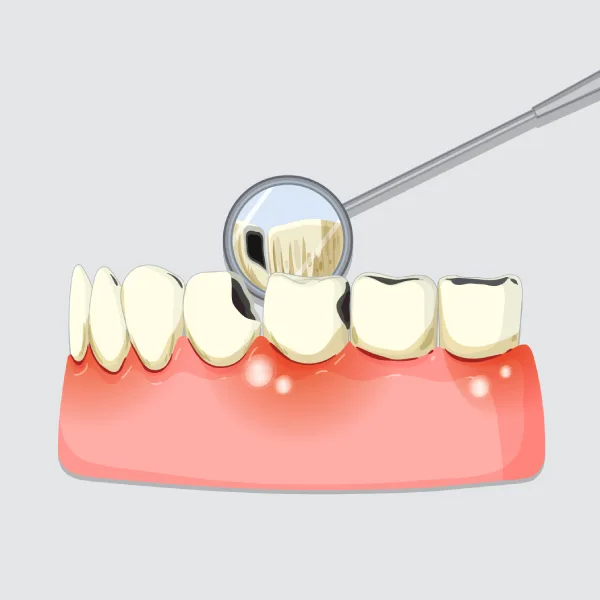
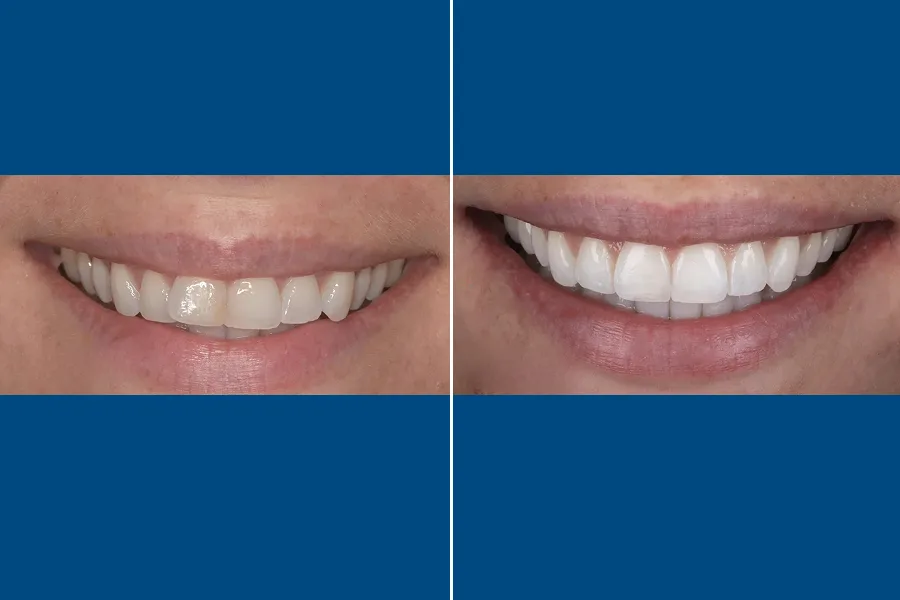
    The process begins with a dental consultation to check whether whitening is suitable for you. The dentist examines your teeth, gums, existing fillings, crowns, and overall oral health. Surface stains, internal discoloration, enamel wear, and gum recession are assessed, because these factors can affect the final result. Your current tooth shade is usually recorded so the improvement can be compared after treatment.

  2. Cleaning and Preparation of the Teeth

    Before whitening starts, the teeth are often professionally cleaned to remove plaque, tartar, and superficial staining. This helps the whitening gel contact the enamel more evenly. The dentist or hygienist then dries the teeth and prepares the mouth for treatment. If there are cavities, leaking restorations, or active gum inflammation, these may need to be treated first so whitening can be done safely and comfortably.

  3. Protection of the Gums and Soft Tissues

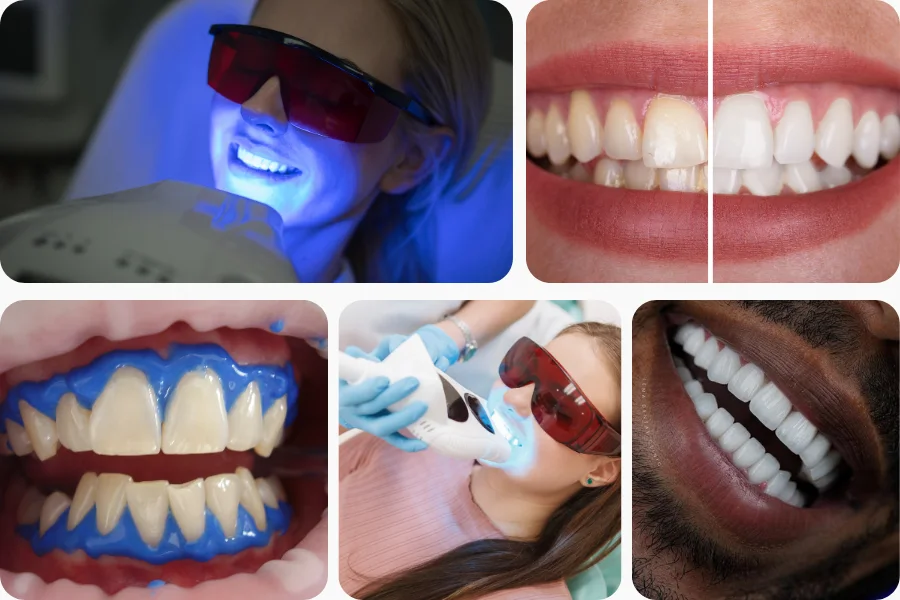
    A key part of in-office whitening is protecting the lips, cheeks, and gums from the whitening agent. A cheek retractor may be placed to keep the area open and dry. Then a protective barrier or gel is applied over the gums, especially near the gumline, and hardened if needed. This step helps reduce irritation and allows the whitening product to be applied only where it is intended, on the visible tooth surfaces.

  4. Application of the Whitening Gel

    Once the teeth are isolated, the dentist applies the whitening gel in a thin, even layer across the front surfaces of the teeth. The active ingredients work by breaking down stain molecules within the enamel and dentin, making the teeth appear lighter. The gel is left on for a controlled period, and depending on the product used, it may be refreshed and reapplied several times during the same visit to gradually build the whitening effect.

  5. Optional Light Activation and Monitoring

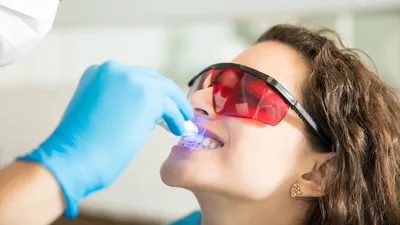
    Some whitening systems use a special LED or curing light to support the treatment process. Not all systems require this step, and the benefit can vary depending on the product and technique. During the session, the dental team monitors your comfort, checks the gums, and watches for signs of sensitivity. If needed, the gel can be removed early or adjusted to make the procedure more comfortable while still aiming for a noticeable improvement in shade.

  6. Rinsing, Final Shade Check, and Desensitizing Care

    After the final whitening cycle, the gel is thoroughly removed and the teeth are rinsed. The protective gum barrier is taken off, and the dentist compares the new tooth shade with the original one. A desensitizing gel or fluoride treatment may be applied if your teeth feel sensitive, which is a common short-term effect after whitening. The dentist also checks whether the result looks even across the smile and discusses whether another session is needed.

  7. Aftercare and Maintenance

    After treatment, you are usually advised to avoid strongly colored foods and drinks, such as coffee, tea, red wine, berries, and tobacco, for at least the first 24 to 48 hours. This is because the teeth can be more prone to picking up stains shortly after whitening. Good brushing, flossing, and regular dental cleanings help maintain the result. In some cases, the dentist may recommend custom take-home trays for future touch-ups, especially if you want to keep the shade stable over time.

Recovery and expectation?

Recovery after Professional Teeth Whitening is usually straightforward and much shorter than recovery from invasive dental procedures. Most people are able to return to work, travel, and normal daily activities immediately after treatment. The main short-term effects are typically tooth sensitivity and mild gum irritation, which can happen after in-clinic whitening gels, light-activated systems, or dentist-supervised take-home trays. While the whitening result is often visible right away, the teeth and gums may need a little time to settle, and the first few days are especially important for protecting the final shade.

  1. Right After Treatment (First 24 Hours)

    It is common to notice temporary sensitivity to cold air, cold drinks, sweets, or brushing soon after whitening. Some patients describe brief "zingers," which are short, sharp sensations in the teeth. If the whitening gel touched the gums or lips, you may also see mild whitening of the soft tissue, slight tenderness, or minor irritation, but this usually improves quickly. During this period, many dentists recommend avoiding smoking and staying away from strongly colored foods and drinks such as coffee, tea, red wine, cola, berries, tomato sauce, soy sauce, and curry, because the enamel can be more prone to picking up stains immediately after treatment.

  2. Early Sensitivity Phase (Days 1–3)

    The first few days are when sensitivity is most noticeable, especially if you already had exposed roots, enamel wear, gum recession, or naturally sensitive teeth. For most people, this discomfort is mild to moderate and temporary. Using a desensitizing toothpaste, drinking room-temperature water, and avoiding very hot or very cold foods can help. If your dentist provided custom trays for continued whitening at home, they may advise you to pause for a day or reduce wear time if sensitivity becomes bothersome. Even when the teeth feel slightly reactive, this does not usually mean damage has occurred, but it is still important to follow the aftercare plan given by your clinic.

  3. Shade Stabilization (Days 3–7)

    By the end of the first week, sensitivity and gum irritation have usually improved significantly or resolved completely. The tooth color also begins to settle into its more stable final shade. Some people notice that the teeth look especially bright immediately after treatment, then soften slightly over several days as the teeth rehydrate. This is normal. Continue brushing gently with a soft toothbrush, flossing carefully, and limiting foods that can stain. If you are using take-home whitening trays as part of a longer plan, your dentist may ask you to continue for several nights or over one to two weeks, depending on the starting shade and the result you want.

  4. Short-Term Maintenance (1–2 Weeks)

    At this stage, most patients feel fully comfortable again and can eat and drink normally, although it is still wise to be mindful of frequent exposure to staining substances. If whitening was done before another cosmetic treatment, such as bonding, veneers, or crowns, your dentist may wait about one to two weeks before matching the final restoration color, so the shade has time to stabilize. Patients who complete a series of whitening sessions or tray applications may have a follow-up visit during this period to assess the final result, check for lingering sensitivity, and decide whether any touch-up is needed.

  5. Long-Term Results and Upkeep (Several Weeks and Beyond)

    Once the early recovery period has passed, there is usually no ongoing healing required. The focus shifts from recovery to maintaining the whitening result. How long the brightness lasts depends on your diet, smoking habits, oral hygiene, and the natural color of your teeth. Many people keep their results longer by reducing tobacco use, rinsing after dark drinks, using a straw for iced beverages, and having regular dental cleanings. Some patients benefit from occasional top-up whitening with dentist-approved trays or future in-clinic sessions. Whitening does not permanently stop new staining, so maintenance is a normal part of long-term care.

Why Choose Türkiye for Professional Teeth Whitening?

Türkiye has become a popular destination for Professional Teeth Whitening, offering a combination of experienced dental professionals, modern whitening systems, and affordable, clearly structured treatment options. For many international patients, the main advantage is not only lower cost, but also the opportunity to receive treatment in well-equipped clinics with efficient scheduling and short waiting times.

Professional teeth whitening is often chosen by patients who want to improve the brightness of their smile safely and quickly under dental supervision. In Türkiye, clinics usually begin with a detailed dental examination to check for issues such as cavities, gum irritation, enamel wear, or staining causes before recommending treatment. Depending on the patient’s needs, whitening may be performed with in-office laser or LED-assisted systems, custom take-home trays, or a combination approach. Many clinics also use digital imaging and shade guides to assess the starting tooth color and help patients understand what level of whitening is realistic and suitable for their smile.

  • Türkiye offers access to qualified dentists and cosmetic dental teams who regularly perform whitening treatments and tailor the method to the patient’s enamel condition, sensitivity level, and aesthetic goals.
  • Many clinics use advanced whitening technology and modern diagnostic tools, helping improve precision, comfort, and consistency while reducing unnecessary irritation to the gums and soft tissues.
  • A strong focus on patient safety and comfort means treatment is usually preceded by an oral health assessment, with clear advice on sensitivity management, aftercare, and how to maintain results.
  • Competitive pricing makes professional whitening more accessible for many visitors, especially when compared with private dental fees in some other countries, while still allowing treatment in reputable clinics.
  • With its strong international flight network and convenient location, Türkiye is easy to reach from Europe, the Middle East, and beyond, making short dental trips practical for many patients.
  • Patients often value the chance to combine treatment with a comfortable travel experience, enjoying Türkiye’s hospitality, accommodation options, and well-known cultural destinations during their stay.

Türkiye’s success in the health tourism market comes from its experienced clinicians, internationally focused clinics, and patient-friendly service structure. The country welcomes large numbers of overseas visitors each year for dental and cosmetic treatments, supported by multilingual communication in many centers, organized appointment planning, and reliable follow-up guidance. For patients considering Professional Teeth Whitening, Türkiye offers a practical balance of quality care, accessibility, and a well-established reputation in international medical travel.

Professional Teeth Whitening

Frequently Asked Questions about Professional Teeth Whitening

Page Contributors

Heal Road Medical Reviewer

Heal Road Medical Reviewer

Medical Reviewer

Views
1286 views
Reading Time
Last Updated

Related Articles

Guides and insights connected to this treatment.

A Step-by-Step Guide to Professional Teeth Whitening in Turkey

A Step-by-Step Guide to Professional Teeth Whitening in Turkey

Professional teeth whitening is one of the most popular cosmetic dental treatments worldwide, offering a safe and effective way to achieve a brighter smile. Turkey has emerged as a leading destination for teeth whitening, thanks to its skilled dental professionals, modern clinics, and affordable prices. This step-by-step guide will walk you through the process of professional teeth whitening in Turkey, from initial consultation to post-treatment care, ensuring you are fully prepared for your dental journey.
9 min 825 reads
Oct. 1, 2025
Can Dental Treatments Be Done with Sedation?

Can Dental Treatments Be Done with Sedation?

Yes, many dental treatments can be done with sedation. It uses medication to help you relax and reduce anxiety (it’s different from local anaesthetic, which numbs the area, and you’ll usually still need local anaesthetic even with sedation). Sedation may be recommended for dental phobia, strong gag reflex, difficulty sitting still, special healthcare needs, or long/complex treatment. Common options include minimal sedation (nitrous oxide or tablets), moderate/conscious sedation (often IV), and in selected cases deep sedation or general anaesthesia (typically for major surgery or severe anxiety, with higher monitoring needs). It’s generally safe when delivered by trained teams with proper screening and monitoring, but it carries risks like nausea, dizziness, low oxygen levels, or deeper-than-intended sedation. Risk can be higher with conditions such as sleep apnoea, severe obesity, heart/lung disease, pregnancy, or use of opioids/alcohol/sedating meds. After oral/IV sedation you’ll usually need an escort and may be told not to drive, drink alcohol, or make important decisions for a period. Before booking, ask which type is recommended, who administers it, what monitoring is used, what fasting rules apply, how recovery works, and what restrictions you’ll have afterward.
4 min 525 reads
Feb. 14, 2026
What Affects the Long-Term Success of Dental Treatments?

What Affects the Long-Term Success of Dental Treatments?

Long-term dental results depend on more than the treatment itself. Success comes from how well your teeth, gums, bite, and daily habits work together over time. Fillings, crowns, implants, root canals, and orthodontic work can last for many years, but each has risk factors that may lead to repair or replacement. The biggest drivers of longevity are oral hygiene and gum health. Consistent plaque control, professional cleanings, and early treatment of gum disease reduce decay around restorations and lower implant complication risk. Smoking and active periodontal disease are linked to higher rates of implant problems and tooth loss. Bite forces and tooth strength also matter. Grinding (bruxism), cracks, large fillings, and heavy bite loads can shorten the life of crowns and restorations, and may require bite adjustments, stronger materials, or a night guard. For implants, excess force combined with poor plaque control can contribute to bone loss. Finally, outcomes depend on good diagnosis, technique, and materials, plus your general health. Diabetes, dry mouth, and certain medications can affect healing and increase decay risk. Regular follow-ups and X-rays when needed help catch small issues early before they become major failures.
4 min 480 reads
Feb. 13, 2026
How Many Clinics Will Review My Case?

How Many Clinics Will Review My Case?

In most cases, your file may be reviewed by more than one clinic, but the number depends on the service, how complete your records are, and how complex your needs are. Matching/referral programs usually share your case with clinics that fit your diagnosis, location preferences, budget, and timeline, sometimes with several clinics at once and sometimes starting with a short shortlist. Clinics decide whether to review or accept a case based on scope, specialist availability, safety, and whether key documents are included (recent imaging, reports, operative notes, doctor summary). Straightforward cases with flexible preferences can be reviewed by multiple clinics quickly, while highly specialised or complex cases may be reviewed by fewer clinics and can take longer because multiple departments may need to weigh in. You can influence the process by stating priorities (broad search vs one centre/surgeon) and sending complete records early. Also note that “review” can mean a quick eligibility screen or a deeper second opinion/treatment plan, with different timelines and fees. Finally, a review doesn’t guarantee acceptance; it’s meant to find the safest, most appropriate options and set realistic expectations.
4 min 399 reads
Feb. 12, 2026

How It Works?

File-up

Create Your
Treatment Request

Complete the form in less than 2 minutes.

Receive Offers
Privately

Offers are prepared by verified clinics without sharing your personal information.

Compare &
Choose

Review transparent pricing and package details side-by-side.

We Plan the
Entire Journey

Appointments, transfers, accommodation, and city tours are organized for you.

Your Advantages with HealRoad

Instant Offers icon

Instant Offers

Receive and compare treatment offers from top clinics within minutes—no waiting list.

Transparent Fixed Price icon

Transparent Fixed Price

Keep your budget under control with all-inclusive packages, free from hidden extra costs.

24/7 Personal Coordinator icon

24/7 Personal Coordinator

From flight booking to full recovery, get dedicated guidance whenever you need assistance.

Botan

Botan

Personal Heal Road Manager

From Discovery

to Recovery

Coordinator

WhatsApp quick contact

Coordinator

Emin

Personal Heal Road Manager

About

I am here to assist you throughout your entire medical journey with Heal Road.

By continuing, you’ll be redirected to WhatsApp.