


Dental Treatments · Teeth Grinding Treatment (Bruxism)
Dental Treatments
Teeth Grinding Treatment (Bruxism): Protect Your Smile
Learn about teeth grinding treatment in Turkey, including care that helps protect teeth, ease jaw tension, and reduce further damage.
Page Contributors


Local
Anesthesia

30-60 m
Duration

1-2 d
Recovery

Mild
Pain Level

1 d
Permission to Work

80-90 %
Success Rate
What is Teeth Grinding Treatment (Bruxism)?
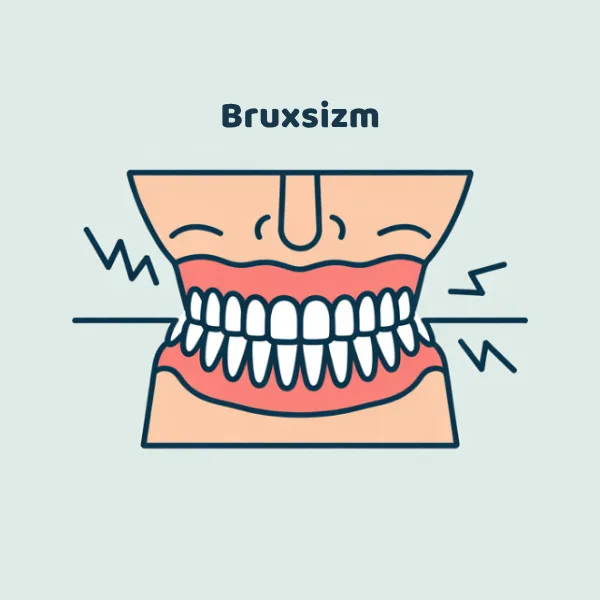
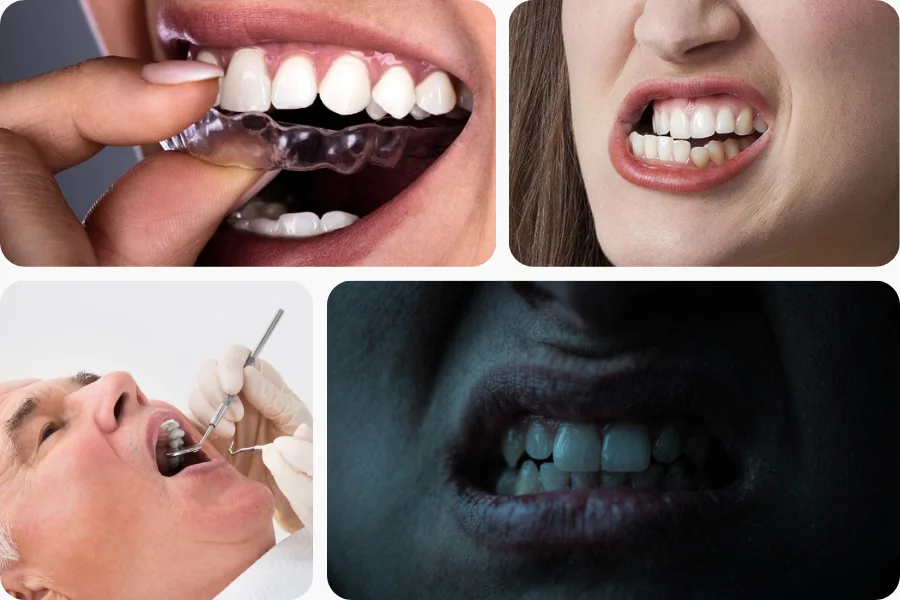
Teeth grinding treatment (bruxism) refers to the methods used to manage clenching and grinding of the teeth, which can happen during sleep or while awake. Bruxism can lead to tooth wear, jaw pain, headaches, tooth sensitivity, and strain on the jaw joints if it is not addressed.
Treatment depends on the cause and severity of the problem. It often includes a custom night guard to protect the teeth, along with steps to reduce triggers such as stress, bite problems, or sleep-related issues. In some cases, dentists may recommend adjusting the bite, repairing damaged teeth, or using muscle-relaxing or anti-inflammatory approaches. The goal is to protect the teeth, ease discomfort, and reduce further damage to the jaw and surrounding muscles.

Who is Teeth Grinding Treatment (Bruxism) for?
Teeth grinding treatment (bruxism) is suitable for people who clench or grind their teeth, whether during sleep or while awake, and are starting to notice symptoms or dental damage. This treatment is particularly appropriate for:
- Adults or teenagers who wake with jaw pain, headaches, facial tension, or tooth sensitivity linked to nighttime grinding.
- People whose dentist has identified worn enamel, chipped teeth, cracked fillings, or flattening of the biting surfaces caused by clenching or grinding.
- Individuals with jaw tightness, clicking, or discomfort in the temporomandibular joint (TMJ), especially when symptoms are made worse by stress or muscle overuse.
- Patients who want to protect their teeth, reduce strain on the jaw, and improve comfort with a personalized treatment plan, such as a night guard or related care.
A dental assessment helps confirm the cause of symptoms and determine the most appropriate treatment approach.
Teeth Grinding Treatment (Bruxism) benefits
-
Reduce jaw tension
-
Protect enamel
-
Reduce headache triggers
-
Prevent tooth fractures
-
Improve sleep quality
-
Jaw-relaxation plan
How is Teeth Grinding Treatment (Bruxism) done?
Teeth Grinding Treatment (Bruxism) is managed by identifying the cause of clenching or grinding and then choosing the most appropriate combination of treatments to protect the teeth, reduce jaw strain, and improve comfort. Bruxism can happen during sleep or while awake, and it may be linked to stress, bite problems, sleep disorders, certain medications, or lifestyle habits. Treatment often involves custom night guards, bite assessment, muscle relief measures, and habit management. In some cases, additional dental repair or medical evaluation is recommended if grinding has already caused tooth wear, jaw pain, or headaches.
-
Consultation, Symptom Review, and Examination
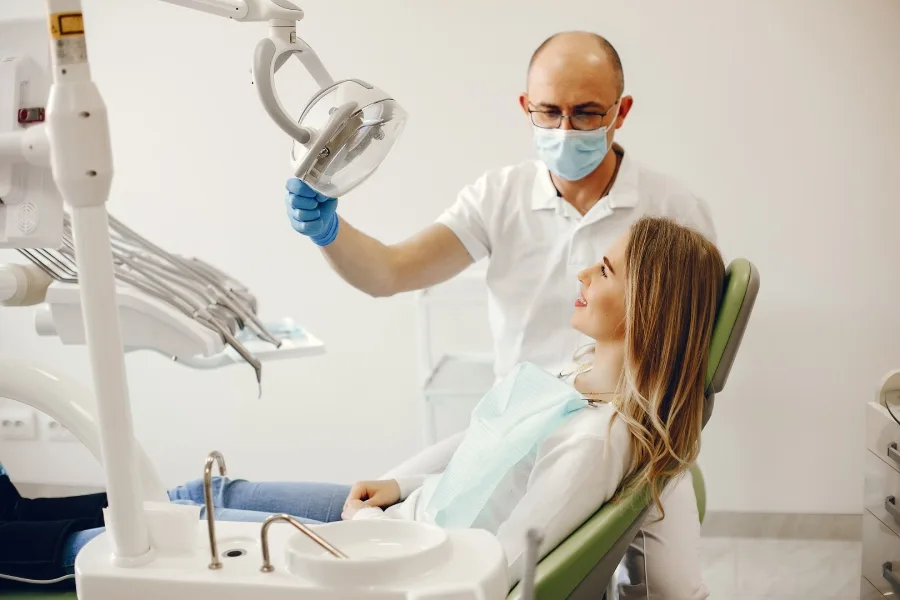
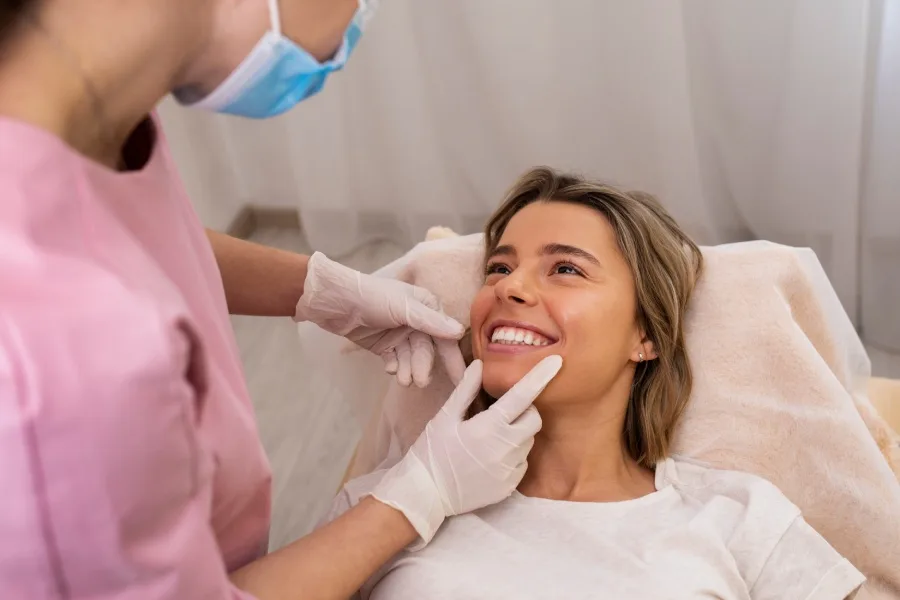
The process begins with a detailed consultation about your symptoms, such as jaw tightness, morning headaches, tooth sensitivity, worn teeth, clicking in the jaw joint, or disturbed sleep. The dentist reviews your medical history, medications, stress levels, and any habits like nail biting, gum chewing, caffeine use, or smoking. A clinical exam checks for flattened tooth surfaces, enamel cracks, gum recession, cheek biting, and tenderness in the jaw muscles. This helps confirm whether bruxism is likely and how much damage or strain it has caused.
-
Bite Analysis and Diagnostic Planning
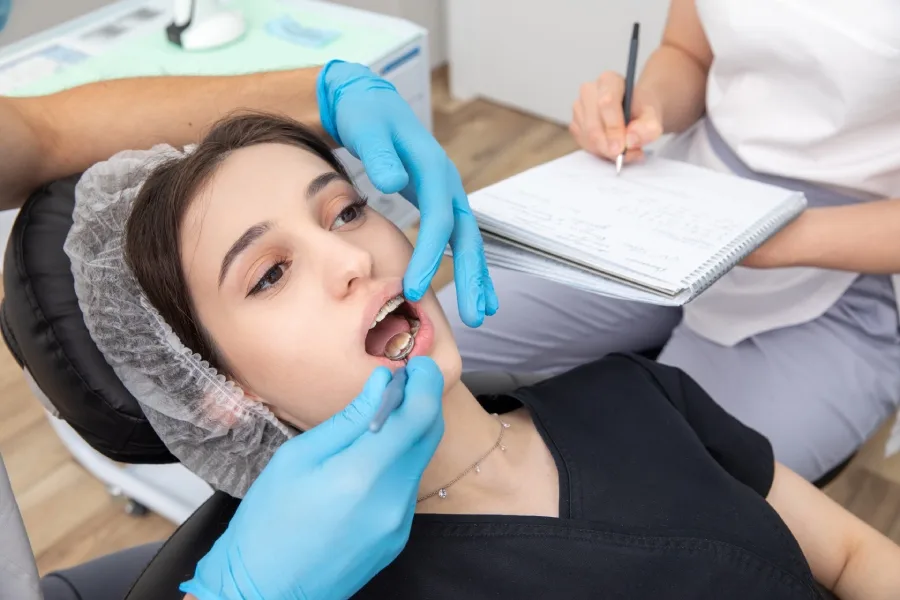
Next, the dentist evaluates how your upper and lower teeth meet when you bite and move your jaw. Digital scans, impressions, photographs, or X-rays may be taken to assess tooth wear, restorations, jaw joint condition, and any underlying dental problems. If symptoms suggest sleep bruxism linked to snoring or poor sleep quality, you may also be advised to have a sleep assessment. Based on these findings, a treatment plan is created to address both protection of the teeth and the possible triggers behind the grinding.
-
Custom Mouth Guard or Night Guard Fabrication
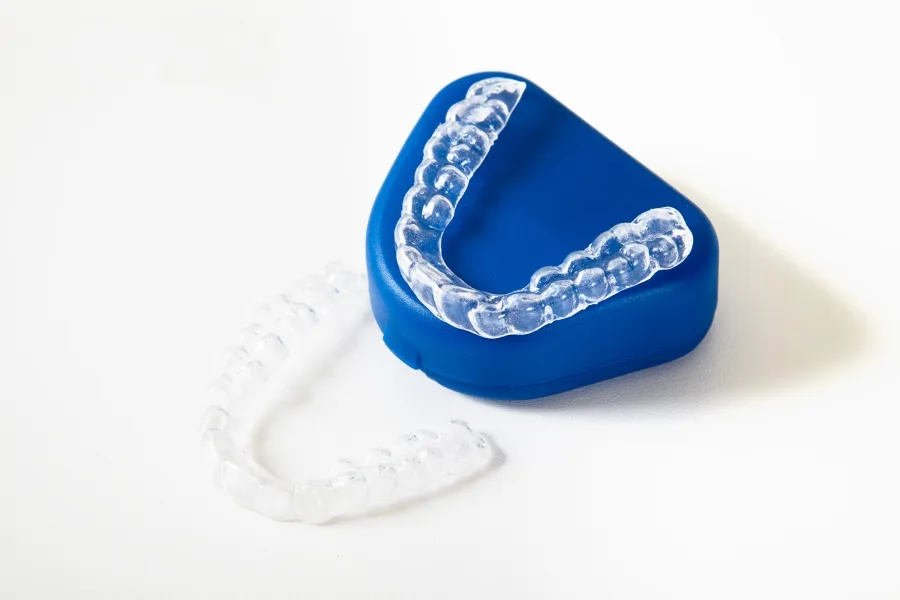
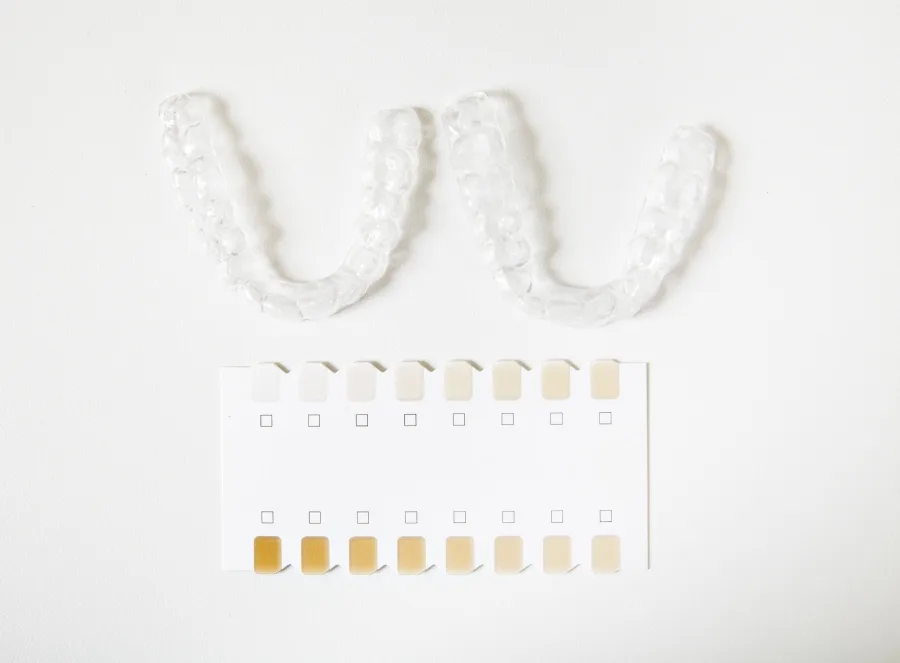
For many patients, one of the main treatments is a custom-made occlusal splint or night guard. Impressions or digital scans of your teeth are used to create an appliance that fits precisely over the upper or lower teeth. Unlike over-the-counter guards, a custom device is designed to distribute pressure more evenly, reduce direct tooth-on-tooth contact, and improve comfort during sleep. At a fitting appointment, the dentist checks the appliance carefully and adjusts it so that it sits securely and does not place extra strain on the jaw.
-
Managing the Underlying Cause
Because bruxism is often multifactorial, treatment may include more than a guard alone. If stress or daytime clenching is a major factor, the dentist may recommend relaxation techniques, jaw awareness exercises, counseling, or behavioral strategies to keep the teeth apart during the day. If the bite is affected by damaged fillings, missing teeth, or poorly fitting crowns, those issues may be corrected. In selected cases, referral to another specialist may be appropriate, such as a sleep physician, physiotherapist, or psychologist, depending on what seems to be driving the problem.
-
Muscle Relief and Additional Supportive Treatment
When grinding causes significant muscle pain, jaw fatigue, or tension headaches, supportive treatments may be added. These can include warm compresses, stretching exercises, anti-inflammatory medication when appropriate, and advice on eating softer foods for a short period. Some patients may benefit from physiotherapy for the jaw and neck muscles. In carefully selected cases, botulinum toxin (Botox) injections may be used to reduce excessive activity in the chewing muscles. This does not cure the cause of bruxism, but it can lessen the force of clenching and help protect the teeth and jaw structures.
-
Follow-Up, Monitoring, and Long-Term Protection
Bruxism treatment usually requires follow-up visits to monitor symptoms, check the fit and wear of the guard, and make adjustments if needed. If teeth have already been damaged, restorative treatment such as bonding, crowns, or repair of chipped teeth may be planned once grinding is better controlled. Long-term care focuses on protecting the teeth, reducing muscle strain, and reviewing any changes in stress, sleep, or oral habits. With consistent use of the appliance, regular dental reviews, and management of contributing factors, many patients experience less discomfort and a lower risk of further tooth wear.
Recovery and expectation?
Recovery after teeth grinding treatment (bruxism) depends on the cause of the grinding and the type of treatment used. For many patients, improvement is gradual rather than immediate, especially when treatment involves a night guard, bite adjustment, stress management, physical therapy, or Botox injections. The main goals are to reduce muscle tension, protect the teeth, ease jaw pain, and prevent further damage. Understanding the usual recovery timeline can help you know what changes to expect in your symptoms, sleep, and daily comfort.
-
First 24-72 Hours (Starting Treatment)
In the first few days, recovery is usually focused on adjusting to the treatment plan rather than healing from an invasive procedure. If you receive a custom night guard, it may feel bulky or unusual at first, and mild jaw awareness or extra saliva is common while you get used to wearing it. If your treatment includes Botox, there may be slight tenderness, redness, or minor bruising at the injection sites for a day or two. Patients who have had dental reshaping or restorative work to repair grinding damage may also notice temporary tooth sensitivity. Most people can continue normal daily activities right away.
-
Early Adjustment Period (Days 3-10)
During the first week, many patients begin to notice that the jaw feels a little less strained on waking, although clenching habits do not disappear overnight. A night guard may need small adjustments if it feels too tight, uneven, or uncomfortable. If Botox was used, the effect usually starts to become noticeable within several days, with gradual softening of the overactive jaw muscles. If stress is a major trigger, relaxation techniques, sleep improvements, and reducing caffeine or alcohol may also begin to help. Mild muscle soreness can still come and go during this stage, especially in the morning.
-
Symptom Improvement Phase (2-4 Weeks)
By this stage, patients often experience clearer improvement in jaw tension, headaches, tooth sensitivity, or facial muscle fatigue. If a night guard fits well and is worn consistently, it helps protect the teeth from further wear even if some grinding continues during sleep. Botox, when part of treatment, usually reaches fuller effect within 1 to 2 weeks and may continue improving comfort over the first month. If physical therapy, jaw exercises, or posture correction are included, they may gradually improve jaw movement and reduce strain in the neck and face. This is also the period when repaired teeth or dental restorations usually start to feel more natural.
-
Stabilization and Habit Control (1-3 Months)
Over the next several weeks, treatment is aimed at stabilizing the bite, reducing muscle overuse, and controlling triggers. Many patients report better sleep quality, less morning jaw stiffness, and fewer tension headaches. However, recovery can be uneven if stress, anxiety, sleep disorders, or daytime clenching are still present. Follow-up visits are important so your dentist or specialist can check the guard, monitor tooth wear, and adjust the plan if needed. If Botox was used, the peak benefit is often seen during this period, but the effect is temporary and may slowly begin to wear off after a few months.
-
Long-Term Management (3-6 Months and Beyond)
Bruxism treatment often works best as ongoing management rather than a one-time cure. By 3 to 6 months, many patients have a clearer sense of which combination of treatments gives the best control of symptoms. Some continue using a night guard long term, while others need repeat Botox sessions, further dental repair, or support for stress and sleep-related triggers. If tooth damage was severe, additional restorative treatment such as crowns or bonding may be part of the longer recovery process. Long-term success depends on consistency, because protecting the teeth and reducing muscle strain over time is what prevents symptoms from returning or worsening.
Why Choose Türkiye for Teeth Grinding Treatment (Bruxism)?
Türkiye has become a trusted option for patients seeking teeth grinding treatment (bruxism), thanks to its combination of experienced dental teams, modern diagnostic tools, and more accessible pricing than many countries in Europe or North America. Because bruxism can affect the teeth, jaw joints, facial muscles, sleep quality, and even existing dental work, effective care often requires more than a simple night guard. In Türkiye, many clinics offer a structured approach that focuses on identifying the cause of grinding and building a treatment plan around both symptom relief and long-term protection.
Bruxism treatment can involve several steps, depending on whether the problem is linked to stress, bite imbalance, worn teeth, temporomandibular joint strain, or sleep-related factors. Many Turkish clinics begin with a detailed examination that may include digital dental scans, bite analysis, and TMJ assessment to understand how the teeth come together and where excessive pressure is being placed. This careful planning is especially helpful for international patients, because it supports a more precise diagnosis and helps avoid temporary solutions that do not address the underlying issue. When needed, clinics may also coordinate care for custom night guards, restorative dentistry, or referral for related sleep or jaw concerns.
- Türkiye offers access to dentists and jaw function specialists with experience in managing bruxism, including cases involving tooth wear, cracked restorations, muscle pain, and clenching-related headaches.
- Many clinics use digital diagnostics and occlusal analysis to evaluate bite pressure, enamel damage, and jaw movement, helping create more individualized treatment plans.
- Patients often benefit from custom-made night guards and comprehensive dental planning, especially when grinding has already caused sensitivity, tooth shortening, or damage to crowns and fillings.
- Clinics typically place strong emphasis on patient comfort, clear communication, and follow-up guidance, including advice on appliance use, jaw relaxation, and protecting teeth from further wear.
- Cost advantages make assessment and treatment more attainable, whether the plan includes a night guard alone or a broader combination of restorative and bite-related care.
- Türkiye's well-developed medical tourism infrastructure helps international patients organize consultations, treatment visits, accommodation, and local transport with less difficulty.
Beyond the immediate treatment itself, many patients value the practical aftercare provided during and after their visit. Bruxism management often depends on consistency, because symptoms can return if the appliance is not used properly or if damaged teeth are left untreated. Turkish clinics commonly provide instructions on wearing and cleaning a night guard, monitoring jaw tension, and recognizing signs that further adjustment may be needed. If tooth wear is advanced, patients may also receive guidance on staged restorative care to rebuild function while continuing to control grinding forces.
Türkiye's strong position in the global health tourism market reflects years of investment in private healthcare facilities, international patient coordination, and high-volume clinical experience. By welcoming large numbers of dental and medical travelers each year, Türkiye has developed organized care pathways that combine professional treatment with practical travel support. This reputation for accessible, well-planned, and dependable care is one of the main reasons patients continue to choose Türkiye for teeth grinding treatment.
Customize your treatment estimate
Start with Teeth Grinding Treatment (Bruxism) selected. Adjust the answers below to refine the average estimate shown above.
Your estimate will appear here.
Frequently Asked Questions about Teeth Grinding Treatment (Bruxism)
How long does a typical teeth grinding treatment session take?

The duration of a teeth grinding (bruxism) treatment session depends on the type of treatment recommended by your dentist or specialist.
- Dental Consultation: An initial evaluation usually takes about 30–45 minutes, during which your symptoms and dental health are assessed.
- Night Guard Fitting: If a custom night guard is prescribed, the fitting appointment typically lasts 20–30 minutes, with a follow-up visit for final adjustments.
- Therapy Sessions: If stress management or behavioral therapy is recommended, each session may last 30–60 minutes.
Most treatments for bruxism are non-invasive and can be completed in a short office visit. Ongoing follow-ups may be needed to monitor progress and adjust treatment as necessary.
Are there any lifestyle changes recommended alongside bruxism treatment?
Yes, making certain lifestyle changes can help improve the effectiveness of bruxism (teeth grinding) treatment and reduce symptoms.
- Stress Management: Practice relaxation techniques such as meditation, deep breathing, or yoga to reduce stress, which is a common trigger for bruxism.
- Avoid Stimulants: Limit or avoid caffeine (coffee, tea, energy drinks) and alcohol, especially in the evening, as these can increase grinding.
- Establish a Sleep Routine: Maintain a regular sleep schedule and create a calming bedtime routine to improve sleep quality.
- Jaw Relaxation: Be mindful of jaw tension during the day and try to keep your jaw relaxed. Avoid chewing gum or biting on pens and pencils.
- Physical Activity: Regular exercise can help reduce stress and promote better sleep.
These changes, combined with dental treatments like mouthguards or splints, can help manage bruxism more effectively.
Will I need to wear a night guard every night?
If you have been prescribed a night guard for teeth grinding (bruxism), it is generally recommended to wear it every night while you sleep.
- Consistent use helps protect your teeth from damage caused by grinding or clenching.
- Wearing the night guard nightly can also reduce jaw pain, headaches, and other symptoms associated with bruxism.
Your dentist may occasionally advise breaks or adjustments, but regular nightly use is usually necessary for the best protection and relief.
Always follow your dentist’s specific instructions regarding the use and care of your night guard.
How soon can I expect to notice improvements after starting treatment?
The timeline for noticing improvements after starting teeth grinding treatment (bruxism) depends on the type of treatment and the severity of your symptoms.
- Night Guards or Splints: Many people experience relief from jaw pain and reduced tooth wear within a few nights to a couple of weeks of consistent use.
- Stress Management or Behavioral Therapy: Improvements may take several weeks as you learn and apply new techniques to reduce grinding triggers.
- Medications: If prescribed, medications may help reduce symptoms within days to weeks, depending on the individual response.
Most patients begin to notice some improvement within the first few weeks of starting treatment, especially with regular use of a night guard or mouth splint. Ongoing follow-up with your dentist or healthcare provider is important to monitor progress and adjust your treatment plan if needed.
Is it possible to travel shortly after receiving bruxism treatment?
In most cases, it is possible to travel shortly after receiving bruxism (teeth grinding) treatment, especially if your treatment involves non-invasive options such as a custom night guard or oral appliance.
- Night Guards: If you are fitted with a night guard, you can typically resume normal activities, including travel, immediately.
- Botox Injections: If your treatment includes Botox injections for bruxism, minor side effects like swelling or tenderness may occur, but these usually do not prevent travel.
- Dental Procedures: If you have had dental restorations or adjustments, your dentist may recommend waiting a short period to ensure comfort before traveling.
Always follow your dentist’s specific post-treatment instructions and let them know about any upcoming travel plans so they can provide personalized advice.
Are follow-up visits required after the initial treatment?
Yes, follow-up visits are typically recommended after starting treatment for teeth grinding (bruxism).
These appointments help your dentist or specialist to:
- Monitor your progress and check for improvements or ongoing symptoms
- Adjust your night guard or oral appliance for comfort and effectiveness
- Assess for any dental damage or changes in your bite
- Provide additional advice on stress management or lifestyle changes
Regular follow-ups ensure your treatment remains effective and help prevent further dental complications related to bruxism.
Can bruxism treatment affect my speech or eating habits?
Bruxism treatment—such as wearing a night guard or using dental splints—can temporarily affect your speech or eating habits, especially when you first start using the device.
- Speech: You may notice slight changes in the way you speak, such as a mild lisp or difficulty pronouncing certain words, particularly when first adapting to a mouthguard. Most people adjust within a few days.
- Eating: Dental appliances for bruxism are usually worn at night and should be removed while eating. If you have other treatments, such as dental corrections or muscle relaxants, your dentist will advise if any dietary changes are needed.
These effects are generally mild and temporary. If you experience ongoing discomfort or difficulty, consult your dentist for adjustments or alternative solutions.
Will insurance typically cover teeth grinding treatment?
Insurance coverage for teeth grinding treatment (bruxism) varies depending on your specific insurance plan and the type of treatment recommended.
- Dental night guards (occlusal splints) are sometimes partially covered by dental insurance, especially if prescribed by a dentist for medical reasons.
- Other treatments such as medications, stress management, or physical therapy may not be covered, as these are often considered medical rather than dental treatments.
- Cosmetic procedures to repair damage caused by bruxism (such as crowns or veneers) may have limited coverage.
It's important to check with your insurance provider to understand your specific benefits and coverage for bruxism-related treatments.
###DISCLAIMER###Coverage details can vary widely. Always consult your insurance provider for the most accurate and up-to-date information.
Are there any dietary restrictions during the course of treatment?
For Teeth Grinding Treatment (Bruxism), there are generally no strict dietary restrictions. However, certain dietary adjustments can help reduce symptoms and protect your teeth during treatment.
- Avoid hard or chewy foods: Foods like nuts, hard candies, ice, and tough meats can put extra strain on your jaw muscles and teeth.
- Limit caffeine and alcohol: These substances can increase muscle activity and worsen bruxism symptoms, especially in the evening.
- Opt for softer foods: Eating softer foods can help minimize jaw discomfort if your muscles are sore from grinding.
Your dentist or healthcare provider may offer personalized recommendations based on your specific symptoms and treatment plan.
Is there any downtime or recovery period after receiving treatment for bruxism?
Teeth grinding treatment (bruxism) usually involves non-invasive approaches, so most patients experience little to no downtime or recovery period.
- Night guards or splints: Custom-made dental appliances can be worn immediately and do not require recovery time.
- Botox injections: If used, there may be mild swelling or discomfort at the injection site, but normal activities can usually be resumed right away.
- Dental corrections: Adjustments to teeth or bite may involve minor sensitivity, but recovery is typically quick.
Most people can return to their usual routine immediately after starting bruxism treatment. If a specific dental procedure is required, your dentist will provide detailed aftercare instructions.
Clinics offering Teeth Grinding Treatment (Bruxism)
Compare verified clinic profiles connected to this treatment.



Related Articles
Guides and insights connected to this treatment.
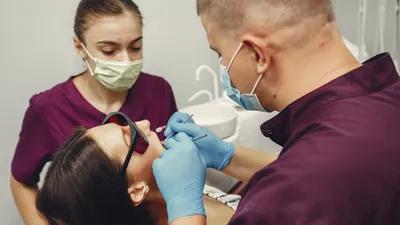
A Step-by-Step Guide to Teeth Grinding Treatment (Bruxism) in Turkey

When Is the Best Time to Travel to Turkey for Dental Care?
