


Hair Transplant · Afro-Hair FUE Transplantation
Hair Transplant
Afro-Hair FUE Transplantation: Embrace Your Roots
Afro-Hair FUE transplantation in Turkey is tailored for curly and coiled hair, helping restore a natural-looking hairline with minimal scarring.
Page Contributors


6–8 h
Duration

7–10 d
Recovery

Mild
Pain Level

Minimal
Scarring

90–95 %
Success Rate

Local
Anesthesia
What is Afro-Hair FUE Transplantation?
Afro-Hair FUE Transplantation is a specialized hair restoration technique tailored for individuals with naturally curly or coiled hair textures, commonly found in people of African descent. This procedure uses the Follicular Unit Extraction (FUE) method, which involves harvesting individual hair follicles from the donor area typically the back or sides of the scalp and meticulously implanting them into areas affected by hair loss.
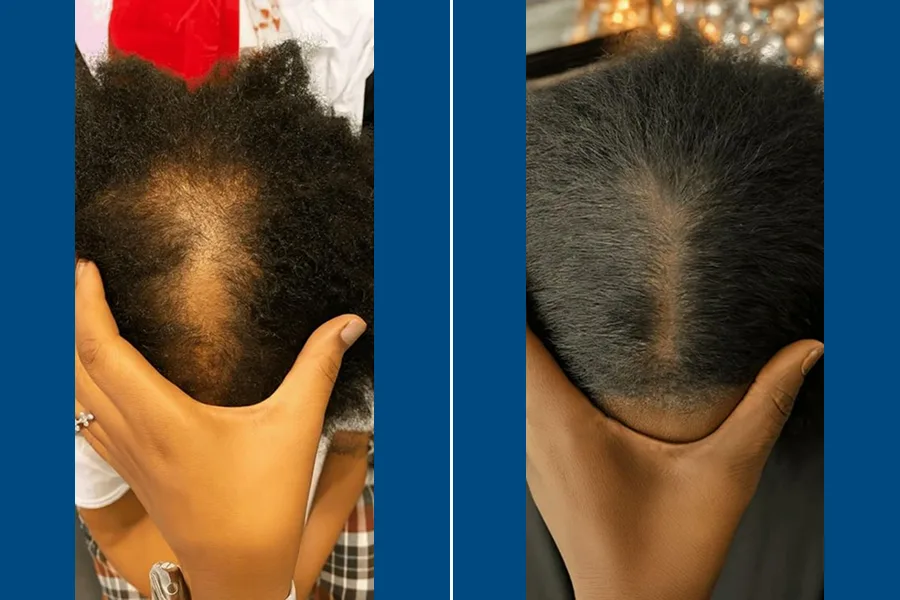
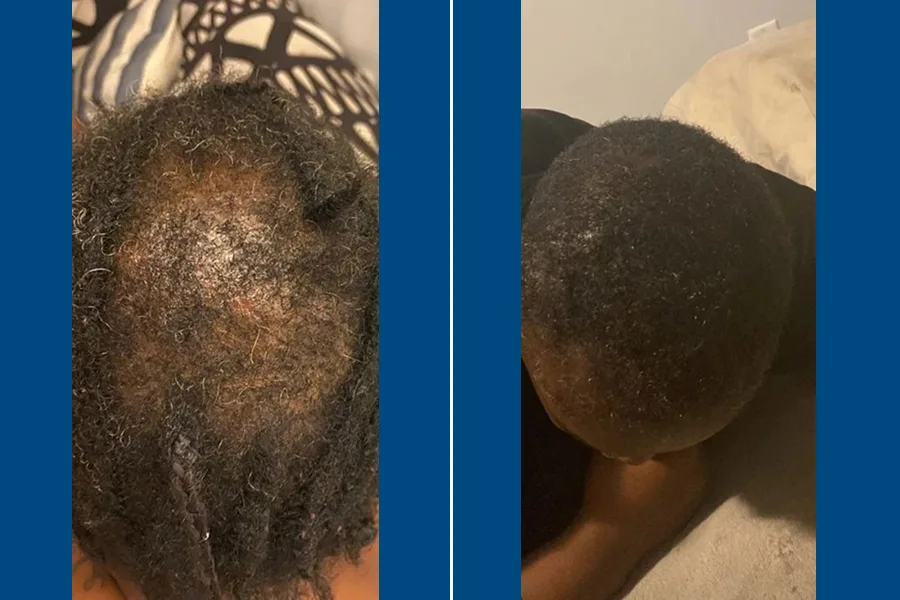
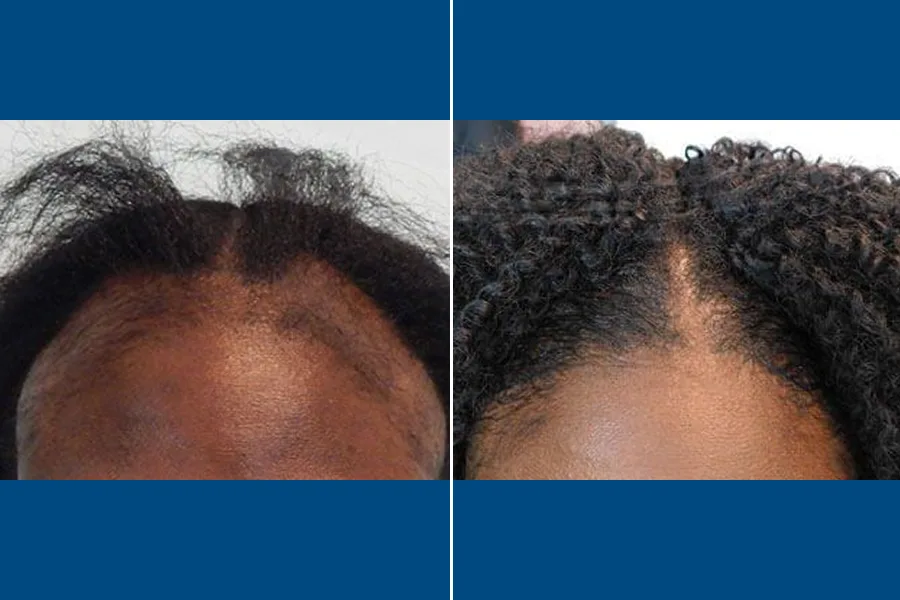
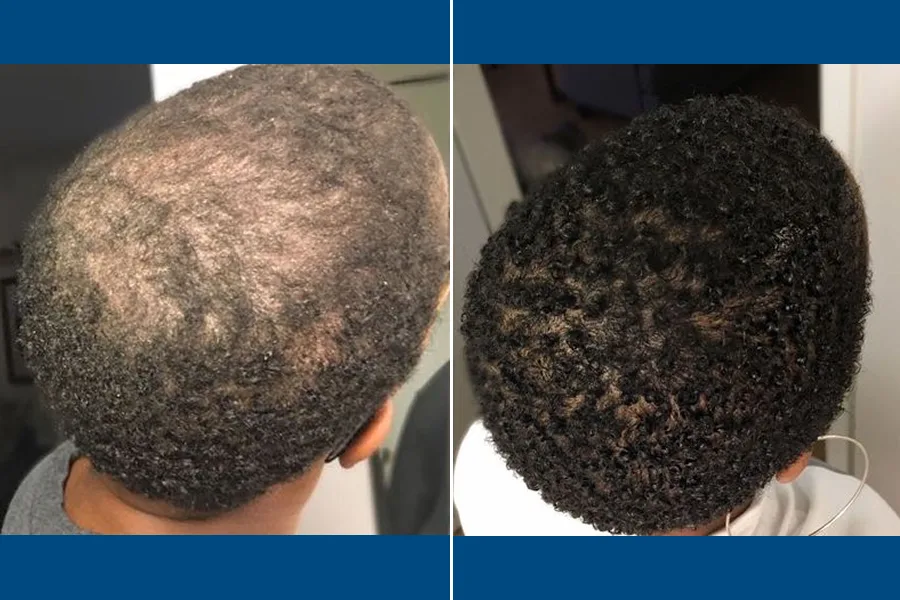
Due to the unique curl pattern and root structure of Afro-textured hair, this treatment requires advanced skill and precision to ensure natural-looking density and direction. Afro-Hair FUE Transplantation offers a minimally invasive solution, resulting in minimal scarring and a more comfortable recovery, while restoring a fuller, authentic hairline that complements the patient’s natural features.

Who is Afro-Hair FUE Transplantation for?
Afro-Hair FUE Transplantation is specifically designed for individuals of African or Afro-Caribbean descent experiencing hair loss or thinning. This treatment is particularly suitable for:
- Men and women with naturally curly, coiled, or kinky hair textures seeking a permanent solution to baldness or receding hairlines.
- Individuals who have not responded well to other hair restoration methods and desire a minimally invasive approach.
- Patients with realistic expectations about the density and appearance of transplanted hair, understanding the unique challenges of Afro-textured hair.
- Those in good general health, without underlying medical conditions that may affect healing or hair growth.
This advanced FUE technique ensures natural-looking results by addressing the specific characteristics of Afro-textured hair, offering renewed confidence and a fuller hairline.
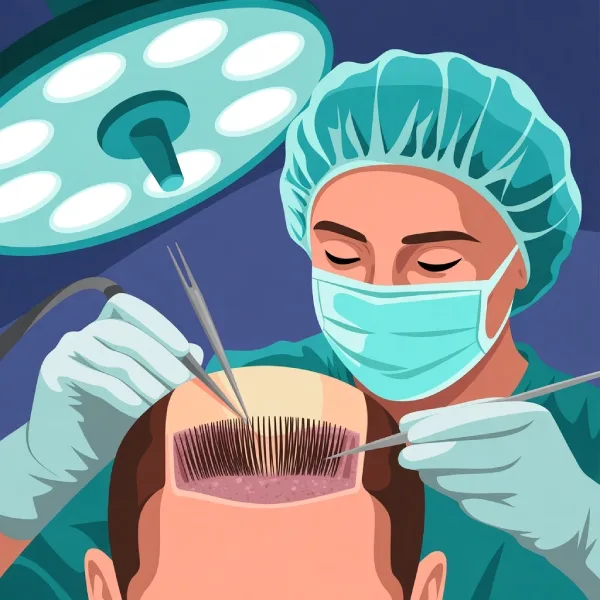
Afro-Hair FUE Transplantation benefits
-
Curl-safe graft handling
-
Natural curl orientation
-
Texture-matched planning
-
Density-focused design
-
Scar-minimization approach
-
Individualized hairline design
How is Afro-Hair FUE Transplantation done?
Afro-Hair FUE Transplantation is a specialized hair restoration technique tailored to the unique characteristics of curly and coiled Afro-textured hair. This procedure uses the Follicular Unit Extraction (FUE) method, which involves individually harvesting and transplanting hair follicles to achieve natural-looking, fuller hair while preserving the curl pattern and minimizing scarring.
-
Personalized Consultation and Assessment
The process begins with a comprehensive consultation where a hair transplant specialist evaluates your scalp, hair density, and curl pattern. Your goals and expectations are discussed, and a customized treatment plan is developed to ensure the most natural and satisfying results.
-
Preparation and Donor Area Selection
The donor area typically the back or sides of the scalp is carefully trimmed and cleaned. Local anesthesia is administered to ensure your comfort throughout the procedure. Special attention is given to the unique curvature of Afro-textured follicles to minimize damage during extraction.
-
Follicular Unit Extraction
Using precision micro-punch tools, the surgeon delicately extracts individual follicular units, taking care to follow the natural angle and curl of each hair. This meticulous approach helps preserve the integrity of the follicles and reduces the risk of transection, which is especially important for curly hair types.
-
Recipient Site Creation and Graft Placement
Tiny incisions are made in the thinning or balding areas, with careful planning to mimic the natural growth direction and curl pattern of Afro hair. The harvested follicles are then expertly implanted one by one, ensuring even distribution and a natural, dense appearance.
-
Post-Procedure Care and Recovery
After the procedure, you will receive detailed aftercare instructions to promote healing and protect the transplanted follicles. Mild swelling or redness is common and usually subsides within a few days. Follow-up appointments are scheduled to monitor progress and ensure optimal results as new hair growth emerges over the following months.
Recovery and expectation?
The recovery journey after an Afro-Hair FUE Transplantation is unique and carefully structured, reflecting the special characteristics of Afro-textured hair. Understanding each recovery phase will help you set realistic expectations, optimize healing, and achieve the most natural-looking results.
-
Immediate Post-Procedure (First 7–10 days)
In the initial days, you may experience mild swelling, redness, and scabbing around both the donor and recipient areas. Tiny crusts will form around the transplanted follicles. It is crucial to avoid touching or scratching these areas and to follow your surgeon’s cleansing instructions. Wearing loose head coverings and sleeping with your head elevated can help minimize swelling.
-
Shedding Phase (2–4 weeks)
During this period, the transplanted hairs will typically fall out a normal process called "shock loss." This is expected and does not indicate failure. The follicles remain healthy beneath the scalp and are preparing for new growth. Continue to avoid strenuous activity and protect your scalp from sun exposure.
-
Early Growth & Healing (1–3 months)
New hair growth begins to emerge as the scalp heals. The new hairs may be fine and curly at first, gradually thickening and taking on the natural texture of Afro hair. Some mild itching or tingling may occur as follicles activate. Gentle washing and moisturizing, as recommended by your clinic, will support healthy regrowth.
-
Visible Results (4–8 months)
Hair density and curl pattern become more noticeable. At this stage, you can expect significant improvement in coverage and volume. Most patients can resume regular hair care routines, including gentle styling and trimming. It is important to continue protecting the scalp from excessive heat and harsh chemicals.
-
Final Outcome & Long-Term Care (12–18 months)
Full results are typically visible within 12 to 18 months. The transplanted hair will have fully matured, blended seamlessly with your natural hair, and adopted its natural curl and thickness. To maintain optimal results, follow a healthy hair care regimen, avoid tight hairstyles that cause tension, and attend follow-up appointments as advised.
Why Choose Türkiye for Afro-Hair FUE Transplantation?
Türkiye stands out as a premier destination for Afro-Hair FUE Transplantation, offering a unique blend of specialized expertise, cutting-edge technology, and affordable, patient-centered care. Clinics across the country are renowned for their experience in treating diverse hair types, including the unique characteristics of Afro-textured hair, ensuring natural-looking and long-lasting results.
Turkish hair transplant surgeons are internationally recognized for their advanced skills in the Follicular Unit Extraction (FUE) technique, particularly for patients with curly or coiled hair. They employ the latest micro-surgical tools and customized approaches to address the specific challenges of Afro-hair, such as follicle curvature and density, minimizing the risk of follicle damage and maximizing graft survival.
- Highly experienced surgeons in Türkiye have performed thousands of successful Afro-hair FUE transplants, with a deep understanding of the unique needs of patients of African descent.
- Clinics are equipped with state-of-the-art technology and utilize the latest FUE methods, ensuring precise extraction and implantation for optimal hair growth.
- Multilingual medical teams provide personalized care and support throughout your journey, making international patients feel comfortable and understood.
- Cost-effective packages include consultation, procedure, aftercare, and accommodation offering significant savings compared to many Western countries, without compromising on quality.
- Türkiye’s strategic location and excellent flight connections make it easily accessible for patients from Africa, Europe, and beyond.
- Patients benefit from comprehensive aftercare and follow-up services, ensuring a smooth recovery and the best possible outcome.
- Combine your treatment with a memorable holiday, exploring Türkiye’s vibrant culture, cuisine, and natural wonders.
As a global leader in health tourism, Türkiye attracts millions of international patients every year. Its reputation for excellence in hair transplantation, especially for Afro-textured hair, ensures that your journey will be both successful and rewarding, supported by world-class care and hospitality.
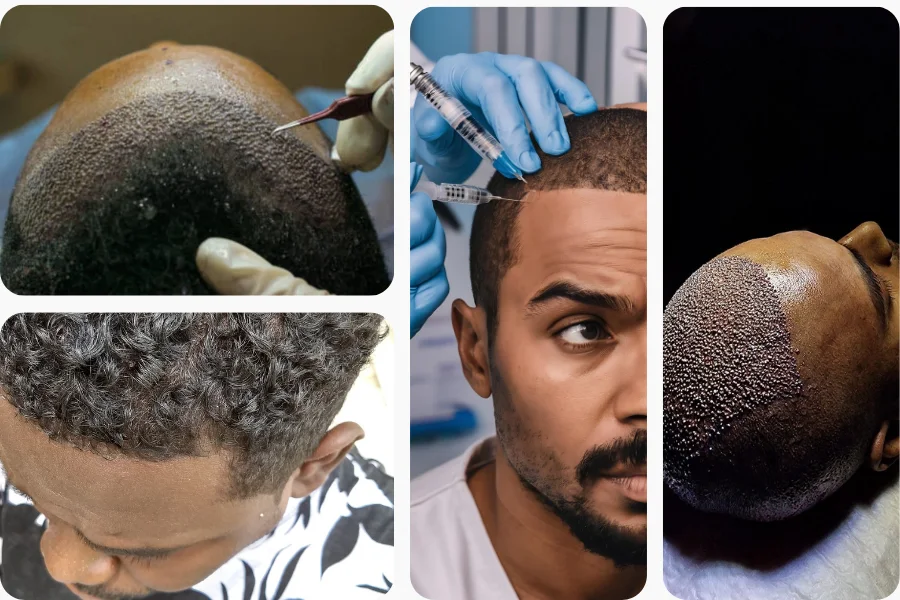
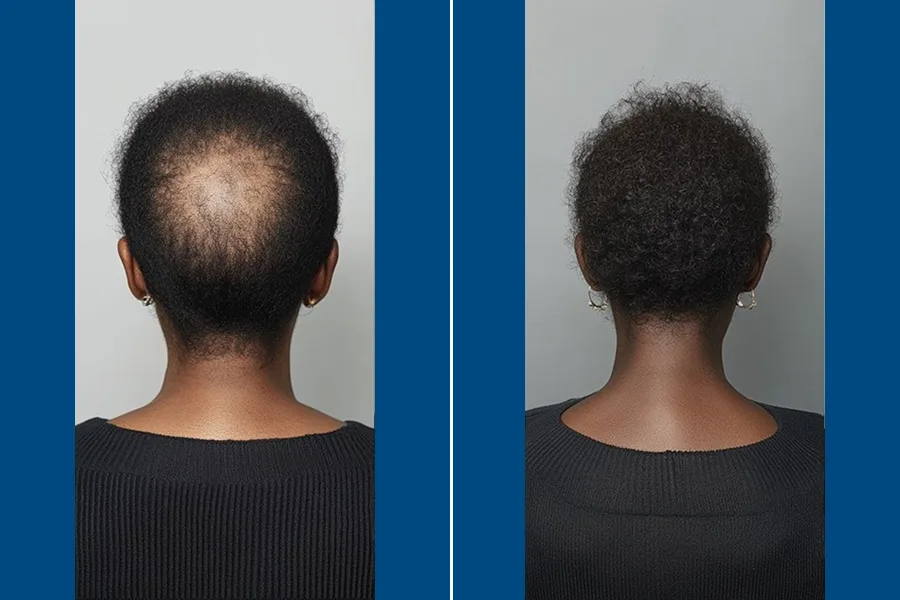
Customize your treatment estimate
Start with Afro-Hair FUE Transplantation selected. Adjust the answers below to refine the average estimate shown above.
Your estimate will appear here.
Frequently Asked Questions about Afro-Hair FUE Transplantation
Is Afro-hair FUE transplantation more expensive than standard FUE procedures?

Afro-hair FUE transplantation is often more expensive than standard FUE (Follicular Unit Extraction) procedures.
- Specialized Technique: Transplanting Afro-textured hair requires additional expertise and experience due to the unique curl pattern and follicle shape.
- Longer Procedure Time: The extraction and implantation process can take longer, increasing the overall cost.
- Customized Tools: Surgeons may use specialized instruments to minimize follicle damage and achieve natural results, which can add to the expense.
While costs vary by clinic and location, patients with Afro-textured hair should expect a higher price compared to standard FUE procedures.
How long does it usually take to see visible results after an Afro-hair FUE transplant?
After an Afro-hair FUE transplant, the timeline for visible results is similar to other hair types, but unique hair characteristics may influence the appearance of growth.
- Initial Shedding: Transplanted hairs typically shed within the first 2–4 weeks after the procedure. This is a normal part of the process.
- Early Growth: New hair usually begins to grow around 3–4 months post-transplant, but may be fine and sparse at first.
- Noticeable Results: Most patients see visible improvement between 6–9 months, with hair becoming thicker and curlier as it matures.
- Full Results: Final results are generally achieved 12–18 months after the procedure, when the transplanted hair has fully grown, curled, and blended with existing hair.
Because Afro-textured hair is naturally curly and dense, it may appear fuller sooner than straight hair, but individual experiences can vary.
###DISCLAIMER###This information is for general guidance only. Individual results and timelines may vary. Please consult your hair restoration specialist for personalized advice.
Will the texture of the transplanted hair match my natural Afro-hair?
Afro-Hair FUE Transplantation uses your own hair follicles, typically taken from the back or sides of your scalp, where the hair texture closely matches your natural Afro-hair.
- Natural Texture: The transplanted hair will retain the curl pattern, thickness, and texture of your donor area, ensuring a natural look.
- Consistency: Because the follicles are genetically identical to your original hair, the new growth will blend seamlessly with your existing Afro-hair.
It's important to discuss your goals and expectations with your hair transplant specialist to ensure the best possible match and outcome.
###DISCLAIMER### Results can vary based on individual hair characteristics and the expertise of the surgeon. Always consult a qualified medical professional for personalized advice.Are there any specific aftercare instructions for Afro-hair FUE transplants?
Afro-hair FUE transplantation requires careful aftercare to ensure optimal healing and the best possible results, as curly and coiled hair types can be more delicate during the recovery process.
- Avoid touching or scratching the transplanted area for at least the first few days to prevent dislodging grafts.
- Follow washing instructions provided by your surgeon, usually starting gentle rinsing after 2–3 days with a mild, non-irritating shampoo.
- Protect your scalp from direct sunlight, hats, or harsh weather for at least two weeks post-surgery.
- Refrain from strenuous activities and exercise for 7–10 days to reduce swelling and avoid trauma to the scalp.
- Avoid chemical hair treatments (such as relaxers, dyes, or perms) for at least 4–6 weeks after the procedure.
- Attend all follow-up appointments so your doctor can monitor healing and hair growth.
Your clinic may provide additional personalized instructions based on your hair type and procedure details. Always consult your surgeon if you have concerns or notice unusual symptoms.
Can the procedure be repeated if additional density is desired in the future?
Yes, Afro-Hair FUE Transplantation can be repeated if you wish to achieve greater hair density in the future.
- Assessment: Your surgeon will evaluate the health of your scalp and the availability of donor hair before recommending a second procedure.
- Timing: It is usually advised to wait several months after the initial transplant to allow full healing and to assess the final results.
- Donor Area: The possibility of a repeat procedure depends on the condition and remaining hair in your donor area.
A follow-up consultation with your hair restoration specialist will help determine if a repeat FUE session is suitable for your goals.
How do I choose a clinic or surgeon experienced with Afro-hair FUE transplantation?
Choosing the right clinic or surgeon for Afro-hair FUE transplantation is crucial for achieving natural-looking results and minimizing risks.
- Experience with Afro-textured hair: Look for clinics and surgeons who have a proven track record of performing FUE transplants specifically on Afro-textured hair, as it requires specialized techniques due to the unique curl pattern and follicle shape.
- Before-and-after photos: Request to see case studies or galleries of previous patients with similar hair types to assess the surgeon’s expertise.
- Patient reviews: Read testimonials and independent reviews from patients who have undergone Afro-hair transplants at the clinic.
- Qualifications and certifications: Ensure the surgeon is board-certified and a member of recognized hair restoration societies.
- Consultation process: A reputable clinic will offer a thorough consultation, explain the procedure, discuss realistic outcomes, and answer your questions.
Taking these steps can help you find a skilled professional who understands the specific needs of Afro-hair transplantation.
Is it possible to travel back home shortly after the procedure?
After a Afro-Hair FUE Transplantation, most patients can travel home within a few days of the procedure, depending on their recovery and the advice of their surgeon.
- Initial Recovery: It is common to rest for at least 1-2 days after the transplant to minimize swelling and discomfort.
- Follow-Up: Your doctor may recommend a brief follow-up visit before you leave, or provide instructions for remote follow-up care.
- Travel Safety: Flying is generally safe after the procedure, but you should avoid strenuous activities and protect your scalp from trauma or infection.
Always follow your surgeon’s specific recommendations regarding travel and post-procedure care to ensure the best results and minimize complications.
What is the recommended length of stay in the country for follow-up appointments?
For Afro-Hair FUE Transplantation, it is generally recommended to stay in the country for 5 to 7 days after your procedure.
- Initial Follow-Up: Most clinics schedule a follow-up appointment within 1–3 days after the transplant to check the grafts and clean the scalp.
- Post-Procedure Care: During your stay, you will receive instructions on washing your hair, caring for the donor and recipient areas, and managing any swelling or discomfort.
- Additional Visits: In some cases, a second follow-up may be advised before you travel home, especially if you have specific concerns or a more complex case.
Staying for at least a week allows for proper monitoring and ensures you are comfortable before returning home. Always confirm the recommended stay with your chosen clinic, as protocols may vary.
Will the transplanted Afro-hair require special products or maintenance?
Afro-hair transplanted using FUE (Follicular Unit Extraction) generally requires the same care as your natural Afro-textured hair once the healing process is complete.
- Gentle Hair Care: Use sulfate-free shampoos and moisturizing conditioners designed for curly or Afro-textured hair to maintain scalp health and hair moisture.
- Moisturizing: Regularly hydrate your hair and scalp with oils or leave-in conditioners to prevent dryness and breakage.
- Protective Styling: Consider protective hairstyles and avoid excessive heat or harsh chemical treatments, especially in the early months after transplantation.
- Follow Post-Op Instructions: Carefully follow your surgeon’s aftercare guidelines during the initial healing period, which may include avoiding certain products or activities.
After recovery, you can typically resume your usual hair care routine, but maintaining healthy hair practices is important for the best long-term results.
Are virtual consultations available for Afro-hair FUE transplantation candidates?
Yes, virtual consultations are commonly available for candidates considering Afro-hair FUE transplantation.
During a virtual consultation, you can:
- Discuss your hair restoration goals and concerns with a specialist
- Share photos or videos of your scalp for an initial assessment
- Receive personalized recommendations and information about the procedure
- Ask questions about the process, recovery, and expected results
Virtual consultations are a convenient way to determine your suitability for Afro-hair FUE transplantation before traveling for treatment.
Clinics offering Afro-Hair FUE Transplantation
Compare verified clinic profiles connected to this treatment.



Related Articles
Guides and insights connected to this treatment.
A Step-by-Step Guide to Afro-Hair FUE Transplantation in Turkey
Regenera Activa: The stem-cell boost your hair transplant needs.
