


Hair Transplant · Body Hair Transplantation
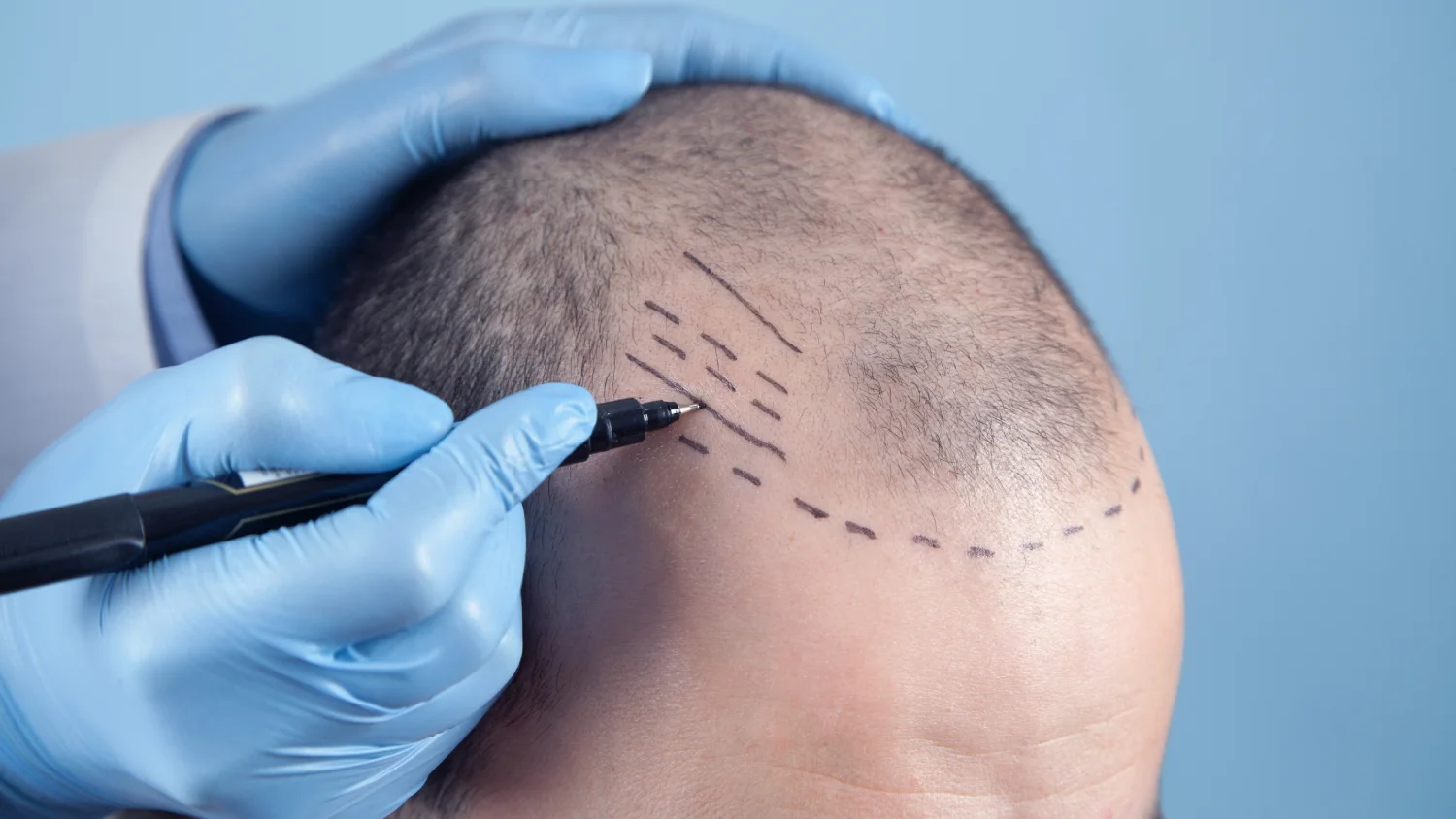
Hair Transplant
Body Hair Transplantation: Redefine Your Look
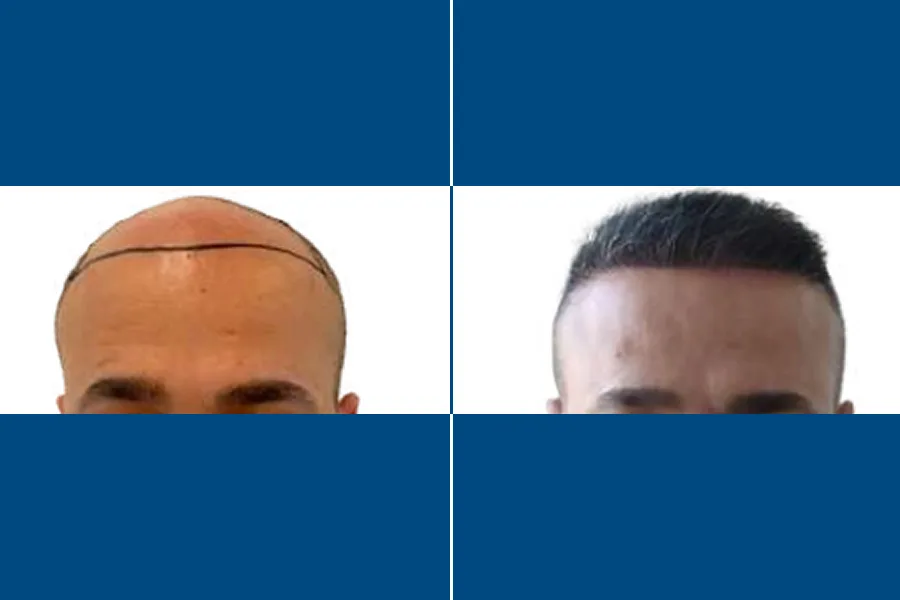
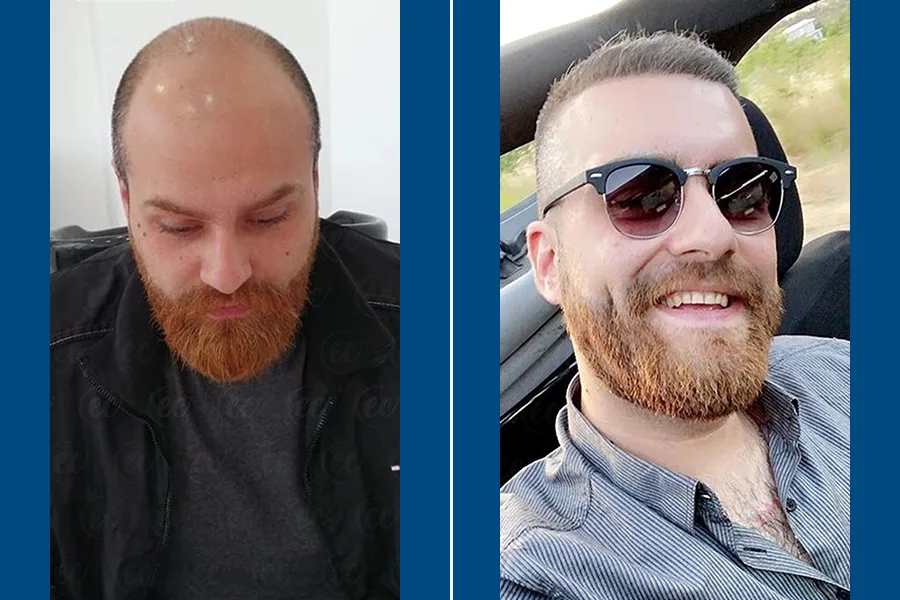
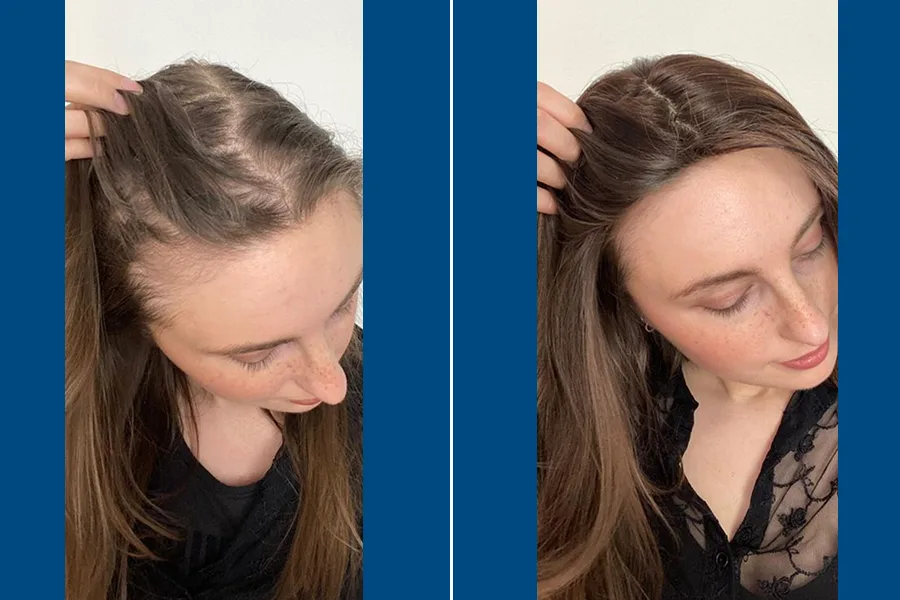
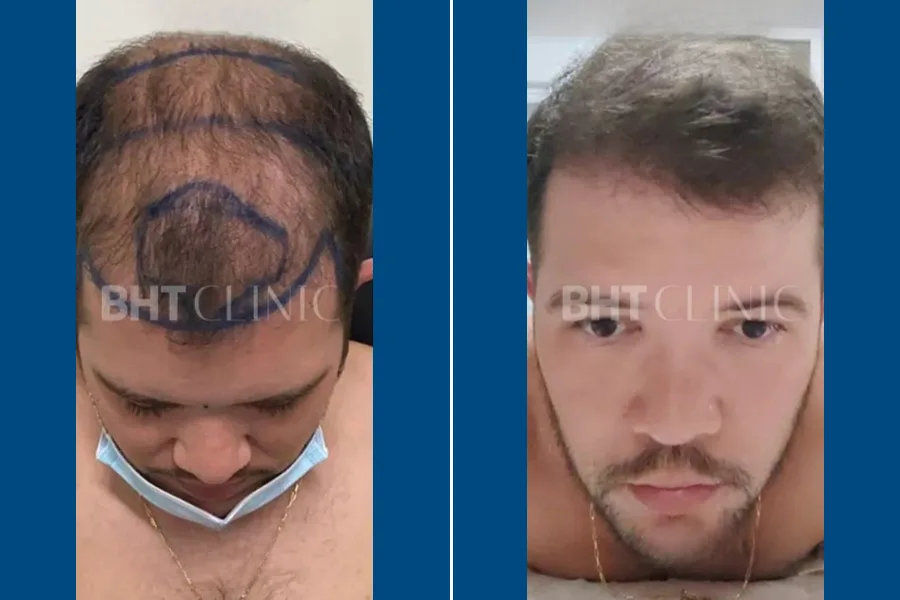
A specialized procedure that transfers body hair to the scalp to improve hair density and support a natural-looking result.
Page Contributors


6–10 h
Duration

7–10 d
Recovery

Moderate
Pain Level

Minimal
Scarring

90–95 %
Success Rate

Local
Anesthesia
What is Body Hair Transplantation?
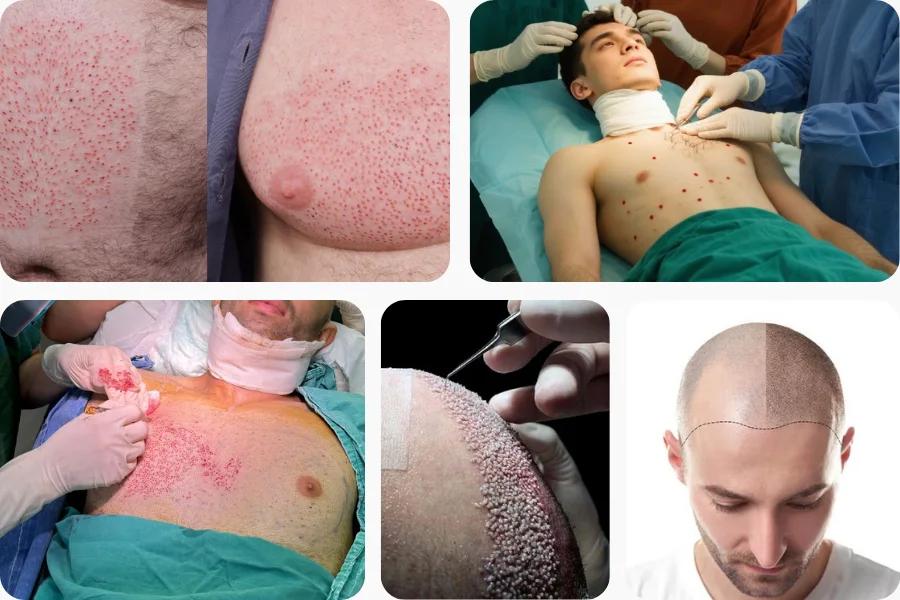
Body hair transplantation is a specialized procedure designed for individuals who lack sufficient scalp hair for traditional hair restoration treatments. This technique involves harvesting hair follicles from various parts of the body such as the chest, back, arms, or legs and transplanting them to areas of the scalp affected by hair loss. It is particularly beneficial for patients with advanced baldness or limited donor hair on the scalp.
During the procedure, skilled surgeons carefully extract individual follicles using advanced methods, ensuring minimal scarring and optimal graft survival. Body hair transplantation offers a viable solution for restoring hair density and achieving a natural-looking result, especially when conventional scalp donor areas are inadequate.

Who is Body Hair Transplantation for?
Body hair transplantation is an effective solution for individuals seeking to restore hair in areas of thinning or baldness when traditional scalp donor hair is insufficient. This treatment is particularly suitable for:
- Men and women with limited scalp donor hair who require additional grafts for hair restoration.
- Patients with advanced hair loss (Norwood scale 5-7) who wish to achieve fuller coverage.
- Individuals looking to reconstruct eyebrows, beard, mustache, or chest hair using body hair as donor follicles.
- Those in good general health, with adequate body hair (chest, back, arms, or legs) of similar texture to scalp hair.
Body hair transplantation offers a customized approach for those who have exhausted traditional scalp donor options, providing natural-looking results in both scalp and non-scalp areas.
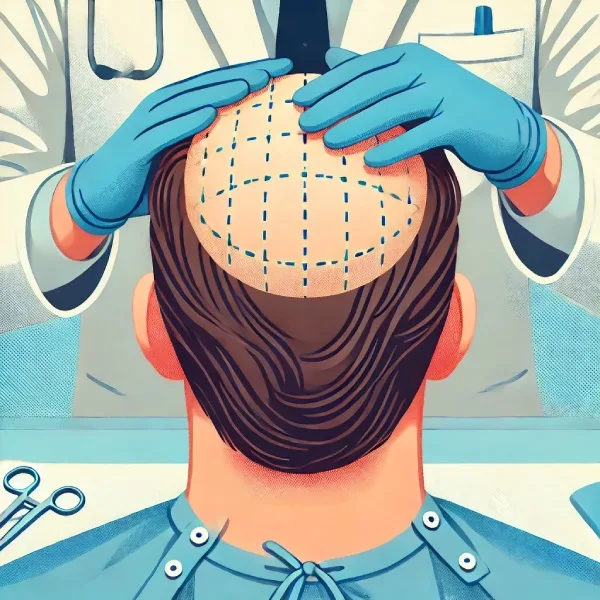
Body Hair Transplantation benefits
-
Expanded donor-pool options
-
Strategic graft placement
-
Coverage enhancement goals
-
Texture-blending plan
-
Revision-case option
-
Customized donor planning
How is Body Hair Transplantation done?
Body Hair Transplantation (BHT) is an advanced hair restoration technique that utilizes hair follicles from various parts of the body such as the chest, back, arms, or legs to restore hair in areas of thinning or baldness, most commonly the scalp. This method is especially beneficial for individuals with insufficient scalp donor hair, providing a viable solution for fuller, natural-looking hair coverage.
-
Comprehensive Consultation and Assessment
The process begins with a thorough evaluation by a hair restoration specialist. The doctor examines your scalp and body hair characteristics, discusses your goals, and determines which body areas are suitable as donor sites. A personalized treatment plan is developed based on your unique hair type and desired results.
-
Preparation and Anesthesia
On the day of the procedure, the selected donor areas are shaved and sterilized. Local anesthesia is administered to both the donor and recipient sites to ensure maximum comfort throughout the process.
-
Follicle Extraction
Using the Follicular Unit Extraction (FUE) technique, individual hair follicles are carefully harvested from the body donor area. Specialized micro-instruments are used to minimize scarring and preserve follicle integrity. The number of grafts extracted depends on the extent of hair restoration needed.
-
Graft Preparation and Implantation
The extracted follicles are meticulously prepared and sorted under a microscope. Tiny incisions are made in the recipient area (such as the scalp), and the follicles are implanted with careful attention to the natural direction, angle, and density of hair growth to achieve a seamless, natural look.
-
Post-Procedure Care and Recovery
After the transplantation, you will receive detailed aftercare instructions to promote healing and optimize results. Mild swelling, redness, or scabbing may occur but typically resolve within days. Follow-up appointments are scheduled to monitor progress and address any concerns.
Recovery and expectation?
The recovery journey after Body Hair Transplantation is a gradual process, involving several distinct phases. Understanding what to expect at each stage will help you prepare, follow your surgeon’s advice, and achieve the best possible results.
-
Immediate Post-Procedure (First 3–7 days)
Mild swelling, redness, and tiny scabs are common at both the donor (body) and recipient (scalp or beard) sites. You may experience some discomfort or tightness, which typically subsides within a few days. It’s important to avoid touching or scratching the treated areas and to follow your surgeon’s instructions regarding gentle washing and prescribed medications.
-
Early Healing Phase (1–3 weeks)
Scabs will naturally fall off within 7–10 days. Some transplanted hairs may shed during this period this is a normal part of the process called "shock loss." Redness and minor sensitivity may persist, especially for those with sensitive skin. You can usually resume light daily activities after the first week, but should continue to avoid strenuous exercise, direct sun exposure, and swimming.
-
Growth Dormancy & Transition (1–3 months)
During this stage, the transplanted follicles enter a resting phase. Visible growth is minimal, but the follicles are establishing themselves in their new location. Some mild itching or tingling may occur as the skin heals. It is important to be patient and maintain gentle scalp care as advised by your clinic.
-
Initial Hair Growth (3–6 months)
New hair begins to emerge from the transplanted follicles. These hairs may appear fine or lighter in color at first, but will gradually thicken and darken. You can typically return to your regular hair care routine, though it’s best to avoid harsh chemicals or aggressive styling for a few more months.
-
Full Results & Maturation (6–12 months)
By the end of the first year, most patients see significant density and natural-looking coverage in the transplanted area. The hair will continue to mature, matching the texture and growth pattern of the surrounding hair. Occasional follow-up visits are recommended to monitor progress and address any concerns.
Why Choose Türkiye for Body Hair Transplantation?
Türkiye stands at the forefront of body hair transplantation, offering a unique blend of medical expertise, innovative techniques, and exceptional value for patients seeking advanced hair restoration solutions. Body hair transplantation, which involves transferring hair from areas such as the chest, beard, or back to the scalp, requires a high level of skill and precision qualities that Türkiye’s leading clinics and surgeons are renowned for.
With a reputation for excellence in hair restoration, Türkiye’s specialists utilize state-of-the-art technology and the latest methods, such as FUE (Follicular Unit Extraction), to ensure natural-looking, long-lasting results even for those with limited scalp donor hair. Clinics are internationally accredited and adhere to stringent safety and hygiene standards, providing peace of mind for international patients.
- Türkiye’s hair transplant surgeons are highly experienced in body hair transplantation, successfully treating complex cases with personalized approaches.
- Clinics are equipped with the latest diagnostic and surgical equipment, ensuring minimally invasive procedures and faster recovery times.
- Affordable pricing and comprehensive packages make Türkiye a cost-effective choice for body hair transplantation often at a fraction of the price compared to Western countries.
- Multilingual staff and dedicated patient coordinators ensure a smooth and comfortable experience for international visitors.
- Türkiye’s central location and excellent flight connections make it easily accessible from Europe, the Middle East, and beyond.
- Patients can combine their treatment with a memorable holiday experience, exploring Türkiye’s vibrant culture, cuisine, and natural wonders.
As a global leader in health tourism, Türkiye attracts hundreds of thousands of hair transplant patients annually. Its commitment to quality, safety, and patient satisfaction has made it a trusted destination for those seeking body hair transplantation, ensuring a rewarding journey and outstanding results.
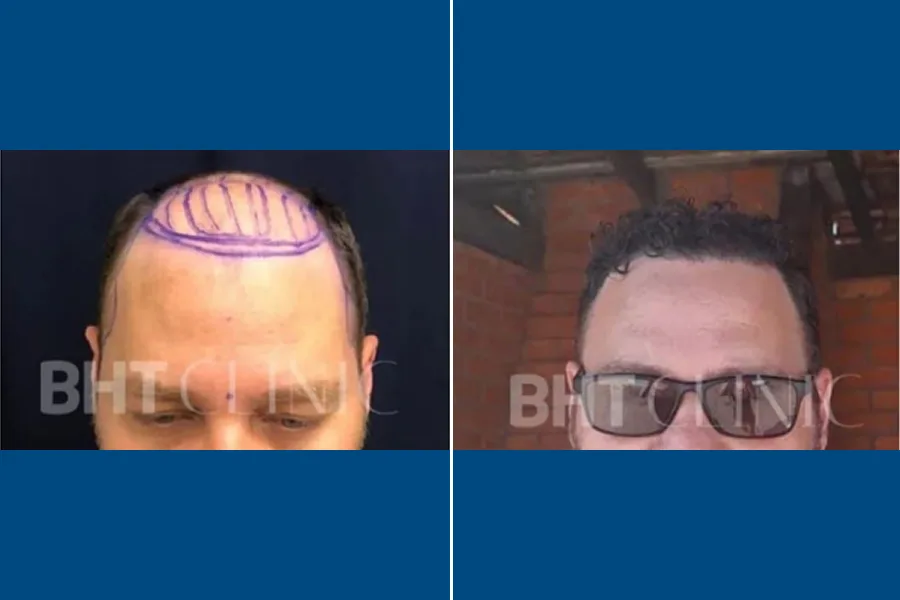
Customize the closest treatment estimate
Choose the closest active Hair Transplant calculator for Body Hair Transplantation, then adjust the answers to refine your price range.
Your estimate will appear here.
Frequently Asked Questions about Body Hair Transplantation
How long does a body hair transplantation procedure typically take?

Body hair transplantation is a specialized procedure where hair follicles are taken from areas like the chest, back, or beard and transplanted to the scalp or other regions needing hair restoration.
The duration of the procedure depends on several factors, including the number of grafts required and the size of the area being treated.
- Typical Duration: Most body hair transplant procedures take between 6 to 10 hours to complete.
- Multiple Sessions: If a large number of grafts are needed, the procedure may be divided into multiple sessions over several days.
Your surgeon will provide a more accurate estimate based on your individual needs and the complexity of your case.
Can body hair transplantation be combined with other hair restoration treatments?
Yes, body hair transplantation (BHT) can often be combined with other hair restoration treatments to enhance overall results, especially for patients with limited scalp donor hair.
- Scalp Hair Transplantation: BHT is frequently used alongside traditional scalp hair transplants to increase hair density or cover larger areas of hair loss.
- Medications: Treatments such as minoxidil or finasteride may be used in conjunction to help maintain existing hair and support new growth.
- Platelet-Rich Plasma (PRP) Therapy: PRP injections can be combined with BHT to promote healing and improve graft survival.
Your hair restoration specialist will recommend the best combination of treatments based on your individual needs, hair characteristics, and goals.
###DISCLAIMER### This answer is for informational purposes only and does not replace professional medical advice. Please consult a qualified healthcare provider for personalized recommendations.What is the typical recovery timeline after body hair transplantation?
Body Hair Transplantation involves moving hair follicles from areas like the chest, back, or beard to the scalp or other regions with hair loss. Recovery is generally straightforward, but timelines can vary depending on the extent of the procedure and individual healing factors.
- First Few Days: Mild swelling, redness, and small scabs may appear in both donor and recipient areas. Most patients can resume light activities within 1-2 days.
- 1 Week: Scabs usually fall off, and any discomfort typically subsides. Most people return to normal routines, but strenuous exercise should still be avoided.
- 2-3 Weeks: Transplanted hairs may shed (a normal part of the process called "shock loss").
- 1-3 Months: New hair growth begins to appear as follicles enter the growth phase.
- 6-12 Months: Full results become visible, with transplanted hair growing and thickening naturally.
Follow your surgeon’s aftercare instructions closely to ensure optimal healing and results.
Will the transplanted body hair grow at the same rate as scalp hair?
When body hair is transplanted to the scalp, it generally retains the growth characteristics of its original location. This means that body hair may not grow at the same rate, length, or texture as natural scalp hair.
- Growth Rate: Body hair typically grows more slowly and may not reach the same length as scalp hair.
- Texture and Cycle: The transplanted hair will usually maintain the curl, thickness, and growth cycle of the donor area (such as chest, beard, or leg hair).
- Appearance: While body hair can help improve scalp coverage, it may look and feel different from native scalp hair.
Your surgeon will discuss expected results and whether body hair transplantation is suitable for your goals.
Are there any visible differences between hair transplanted from different body areas?
Body Hair Transplantation involves using hair from areas such as the chest, beard, or legs to restore hair on the scalp or other regions.
There can be visible differences in the appearance of transplanted hair, depending on the source area:
- Texture: Body hair is often finer, curlier, or coarser than scalp hair, which may affect how it blends in after transplantation.
- Growth Rate: Hair from different body areas may grow at a different speed or have a shorter growth cycle than scalp hair.
- Color and Thickness: The color and thickness of body hair can vary, potentially making the transplanted hair look different from natural scalp hair.
Skilled surgeons can help minimize these differences by carefully selecting donor areas and blending the transplanted hair for a more natural result. However, some variation in appearance is common when using non-scalp donor hair.
How soon after the procedure can I travel or fly?
Most patients can travel or fly within 1 to 3 days after a Body Hair Transplantation procedure, depending on the extent of the surgery and individual recovery.
- It is generally safe to fly once you feel comfortable and any immediate swelling or discomfort has subsided.
- Short trips are usually possible within a day or two, but for long-haul flights, waiting at least 3 days is often recommended to minimize the risk of swelling or complications.
- Your doctor may provide specific instructions based on your health and the details of your procedure.
Always follow your surgeon’s advice regarding post-procedure care and travel plans.
###DISCLAIMER### This information is for general guidance only. Please consult your surgeon for personalized recommendations based on your specific case.Is there a recommended season or weather for undergoing body hair transplantation?
Body hair transplantation can be performed at any time of the year, as the procedure and recovery are not significantly affected by the season or weather.
- Comfort: Some patients prefer cooler months to avoid sweating, which can help keep the treated area clean and reduce irritation.
- Sun Exposure: Limiting direct sun exposure is important after the procedure, so scheduling during less sunny months or taking precautions (like wearing loose clothing) can be beneficial.
- Activity Level: Avoiding swimming, intense exercise, and sunbathing is recommended during the initial healing period, regardless of the season.
The best timing depends on your personal schedule, lifestyle, and ability to follow post-procedure care instructions. Consult your hair restoration specialist for personalized advice.
How should I care for the donor and recipient areas after the procedure?
Proper aftercare is essential for optimal healing and results following a Body Hair Transplantation procedure. Both the donor and recipient areas require special attention in the days and weeks after surgery.
- Keep the areas clean: Gently wash the donor and recipient sites as instructed by your surgeon, usually starting a day or two after the procedure.
- Avoid touching or scratching: Do not pick at scabs or touch the transplanted area to prevent dislodging grafts and reduce infection risk.
- Follow medication instructions: Use prescribed antibiotics or topical ointments to prevent infection and promote healing.
- Limit physical activity: Avoid strenuous exercise, swimming, and excessive sweating for at least a week to minimize swelling and protect grafts.
- Protect from sun exposure: Keep both areas out of direct sunlight and avoid tanning beds until fully healed.
- Monitor for complications: Watch for signs of infection, excessive swelling, or unusual pain, and contact your doctor if these occur.
Your surgeon will provide detailed post-operative instructions tailored to your specific case. Following these guidelines helps ensure the best possible outcome from your body hair transplant.
Will the results of body hair transplantation look natural?
Body hair transplantation can provide natural-looking results when performed by an experienced surgeon using advanced techniques.
- Hair Texture and Growth: Body hair differs from scalp hair in texture, thickness, and growth cycle, which may affect the final appearance.
- Blending: Skilled surgeons carefully select and place body hair grafts to blend seamlessly with existing scalp hair, enhancing naturalness.
- Density: Achieving high density may be challenging, but results can still significantly improve coverage and appearance.
Overall, while some differences in hair characteristics may be noticeable up close, most patients are satisfied with the natural look achieved through body hair transplantation.
Are there any special considerations for clothing or headwear after body hair transplantation?
Yes, after a body hair transplantation, there are important considerations regarding clothing and headwear to ensure optimal healing and graft survival.
- Loose Clothing: Wear loose, comfortable clothing that does not rub against or put pressure on the donor or recipient areas. Avoid tight collars or sleeves if the procedure involved the chest, arms, or legs.
- Avoid Friction: Prevent any friction or irritation on the transplanted area, as this can dislodge grafts and affect healing.
- Headwear: If hair was transplanted to the scalp, avoid wearing hats, caps, or helmets for at least several days or as advised by your surgeon. When permitted, choose soft, loose-fitting headwear.
- Hygiene: Keep the area clean and follow your surgeon’s instructions for washing and caring for both donor and recipient sites.
Always follow your surgeon’s specific post-operative guidelines for clothing and headwear to protect the transplanted hair and promote the best results.
###DISCLAIMER###This information is for general guidance only and does not replace professional medical advice. Always consult your surgeon for personalized recommendations.
Clinics offering Body Hair Transplantation
Compare verified clinic profiles connected to this treatment.



Related Articles
Guides and insights connected to this treatment.
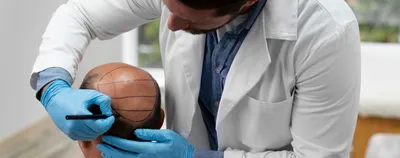
A Step-by-Step Guide to Body Hair Transplantation in Turkey
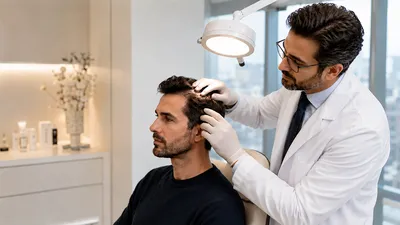
Regenera Activa: The stem-cell boost your hair transplant needs.
