


Hair Transplant · Female Hair Transplantation
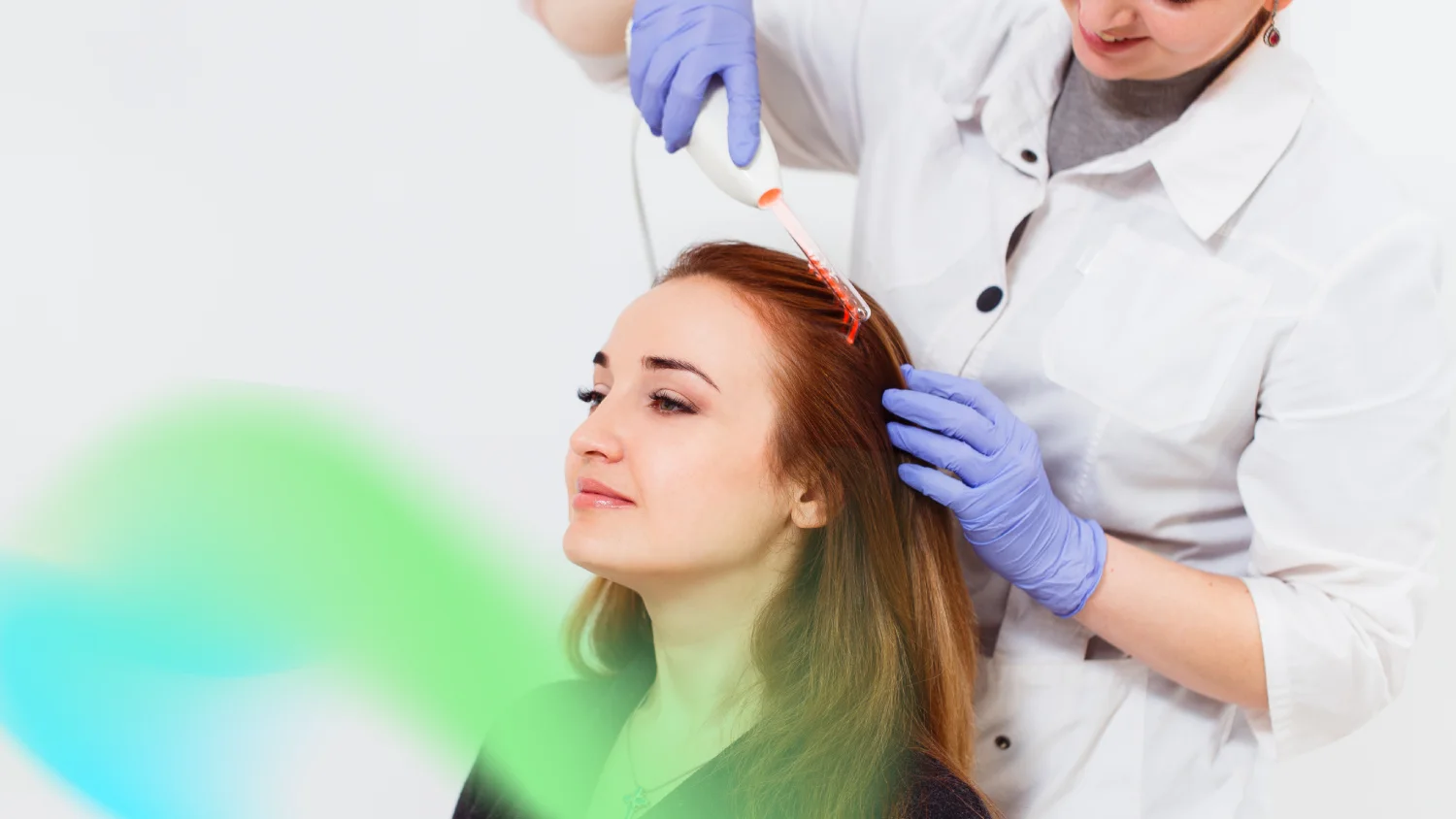
Hair Transplant
Female Hair Transplantation: Restore Your Radiance
A specialized hair restoration procedure for women with hair thinning or loss, designed to improve density and natural appearance.
Page Contributors


6–8 h
Duration

7–10 d
Recovery

Mild
Pain Level

Minimal
Scarring

90–95 %
Success Rate

7–10 d
Permission to Work
What is Female Hair Transplantation?
Female hair transplantation is a specialized procedure designed to address hair thinning or loss in women, which often presents differently than in men. Unlike male-pattern baldness, female hair loss typically involves diffuse thinning across the scalp rather than distinct bald patches. This treatment involves harvesting healthy hair follicles usually from the back or sides of the scalp and meticulously transplanting them to areas with reduced density.
Modern techniques, such as Follicular Unit Extraction (FUE) or Follicular Unit Transplantation (FUT), are tailored to preserve natural hairlines and achieve seamless, natural-looking results. Female hair transplantation offers a permanent solution to hair loss, helping restore both hair volume and self-confidence with minimal scarring and downtime.

Who is Female Hair Transplantation for?
Female hair transplantation is designed for women experiencing hair thinning or localized hair loss who seek a long-lasting, natural-looking solution. This treatment is particularly suitable for:
- Women with pattern baldness, receding hairlines, or thinning at the crown or temples.
- Those who have lost hair due to trauma, burns, or previous surgical procedures.
- Individuals with stable areas of healthy hair growth (donor sites), typically at the back or sides of the scalp.
- Patients who have not responded well to non-surgical treatments such as topical medications or supplements.
This procedure offers a personalized and effective approach for restoring hair density and confidence in women affected by various types of hair loss.

Female Hair Transplantation benefits
-
Feminine hairline design
-
Parting-density goals
-
Forelock coverage
-
Medical assessment
-
Scar-conscious planning
-
Natural density goals
How is Female Hair Transplantation done?
Female hair transplantation is a specialized procedure designed to restore thinning or lost hair in women, focusing on natural-looking results and minimal invasiveness. Using advanced techniques such as FUE (Follicular Unit Extraction) or FUT (Follicular Unit Transplantation), healthy hair follicles are carefully relocated to areas of thinning or baldness, helping to rejuvenate your hairline and boost confidence.
-
Comprehensive Consultation and Assessment
Your journey begins with a thorough consultation with a hair restoration specialist. The doctor evaluates your hair loss pattern, scalp health, and donor hair quality using advanced imaging and diagnostic tools. Together, you discuss your goals and develop a customized treatment plan tailored to your unique needs.
-
Donor Area Preparation and Follicle Harvesting
On the day of the procedure, the donor area usually the back or sides of your scalp will be gently trimmed and numbed with local anesthesia. Depending on the chosen method:
- FUE: Individual hair follicles are extracted one by one using a micro-punch tool, leaving minimal scarring.
- FUT: A thin strip of scalp is removed, and follicular units are microscopically dissected for transplantation.
-
Recipient Site Design and Graft Placement
The surgeon meticulously designs the recipient area to ensure a natural hairline and optimal density. Tiny incisions are made in the thinning or balding areas, and the harvested follicles are carefully implanted at precise angles and depths to mimic natural hair growth patterns.
-
Immediate Recovery and Aftercare
After the procedure, you will receive post-operative instructions to support healing and maximize graft survival. Most women experience only mild discomfort and can resume light activities within a few days. Swelling and redness typically subside within a week.
-
Follow-Up and Hair Growth Monitoring
Regular follow-up appointments are scheduled to monitor your progress and address any questions. Transplanted hair usually sheds within a few weeks a normal part of the process before new growth begins. Noticeable improvements are typically seen within 3 to 6 months, with full results developing over 9 to 12 months.
Recovery and expectation?
The recovery journey after female hair transplantation is a gradual process, with each stage bringing you closer to natural-looking, fuller hair. Understanding the timeline and what to expect at each step will help you feel confident and prepared as you heal and await your results.
-
Immediate Post-Procedure (First 7 Days)
In the first week, you may notice mild swelling, redness, and scabbing at the transplant and donor sites. It is normal to experience some tenderness or itching. Avoid touching or scratching the scalp, and follow your surgeon’s instructions for gentle washing and medication use. Most patients can return to non-strenuous activities within 2–3 days.
-
Early Healing Phase (2–4 Weeks)
During this period, scabs will naturally fall off and the scalp will begin to look more normal. It is common for the newly transplanted hairs to shed a process called "shock loss" which is a typical part of recovery. Continue to avoid direct sun exposure, swimming, and vigorous exercise to protect the healing follicles.
-
Growth Initiation (1–3 Months)
After the initial shedding, the transplanted follicles enter a resting phase. New hair growth typically begins to appear around the third month. The new hairs may be fine and lighter in color at first, but will gradually thicken and darken over time. You may resume most normal activities, but continue to treat your scalp gently.
-
Visible Improvement (4–6 Months)
By this stage, you will notice significant hair growth and improved density. The transplanted area will blend more naturally with surrounding hair. Any lingering redness or sensitivity should have resolved. Regular follow-up appointments help monitor your progress and address any concerns.
-
Final Results & Long-Term Care (9–12 Months and Beyond)
The full results of your female hair transplant are typically visible within 9–12 months. Your new hair will continue to mature, thicken, and behave like natural hair. To maintain optimal results, follow a healthy hair care routine, avoid harsh chemicals, and attend periodic check-ups with your specialist.
Why Choose Türkiye for Female Hair Transplantation?
Türkiye has emerged as a premier destination for female hair transplantation, offering a blend of medical expertise, cutting-edge technology, and exceptional patient care. Women from around the world choose Türkiye for hair restoration thanks to its renowned specialists and personalized treatment approaches tailored to the unique needs of female patients.
Clinics in Türkiye are recognized for their innovative techniques including FUE (Follicular Unit Extraction) and DHI (Direct Hair Implantation) which are performed by highly trained surgeons in modern, internationally accredited facilities. These advanced methods ensure natural-looking results with minimal downtime, making the journey to fuller hair both effective and comfortable.
- Türkiye’s hair transplant surgeons specialize in female hair loss, understanding the distinct patterns and causes, and customizing solutions for optimal outcomes.
- Clinics utilize the latest hair restoration technologies, ensuring precise graft placement and high survival rates for transplanted follicles.
- Comprehensive pre- and post-operative care is provided, with a focus on privacy, comfort, and emotional support for female patients.
- Affordable pricing and all-inclusive packages make high-quality hair transplantation accessible, often at a fraction of the cost compared to other countries.
- Türkiye’s central location and excellent connectivity make it easy for international patients to travel for treatment.
- Patients can enjoy a rejuvenating experience by combining their hair restoration journey with Türkiye’s rich culture, wellness retreats, and scenic attractions.
Türkiye’s leadership in health tourism is reflected in the growing number of international women who trust its clinics for hair transplantation. With a reputation for reliable, high-quality care and a welcoming environment, Türkiye continues to set the standard for excellence in female hair restoration worldwide.
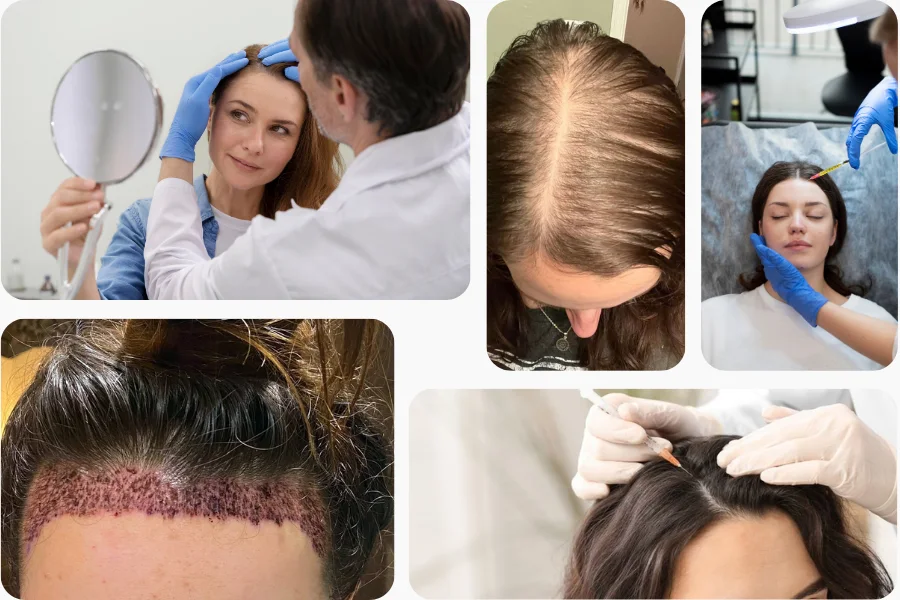
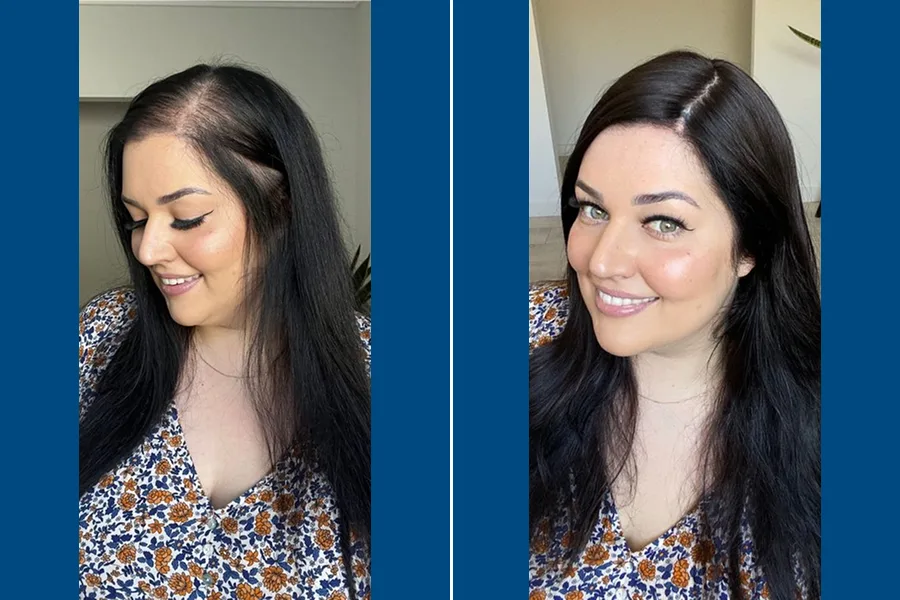
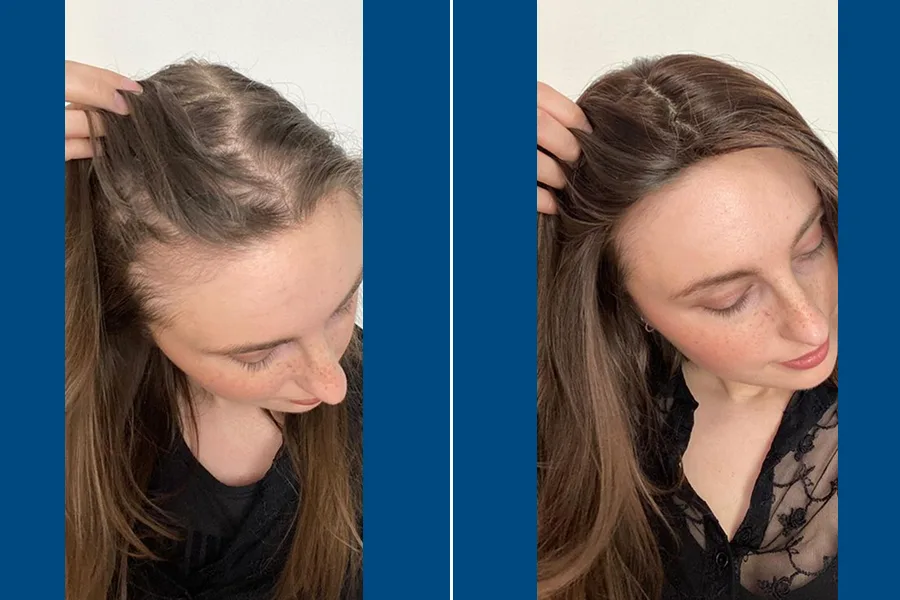
Customize the closest treatment estimate
Choose the closest active Hair Transplant calculator for Female Hair Transplantation, then adjust the answers to refine your price range.
Your estimate will appear here.
Frequently Asked Questions about Female Hair Transplantation
How long does a female hair transplant procedure typically take?

Female hair transplant procedures usually take between 4 to 8 hours, depending on the technique used and the number of grafts required.
- FUE (Follicular Unit Extraction): This method is more time-consuming and may take longer, especially for larger areas.
- FUT (Follicular Unit Transplantation): This strip method can sometimes be completed more quickly for extensive coverage.
The exact duration depends on individual factors such as the extent of hair loss, the desired density, and the specific approach chosen by your surgeon.
Can the results of a female hair transplant look completely natural?
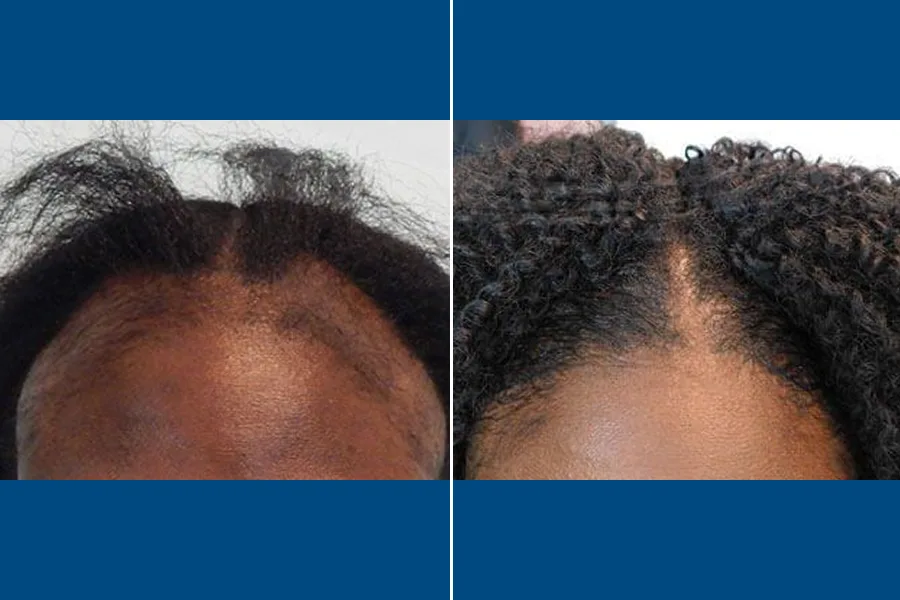
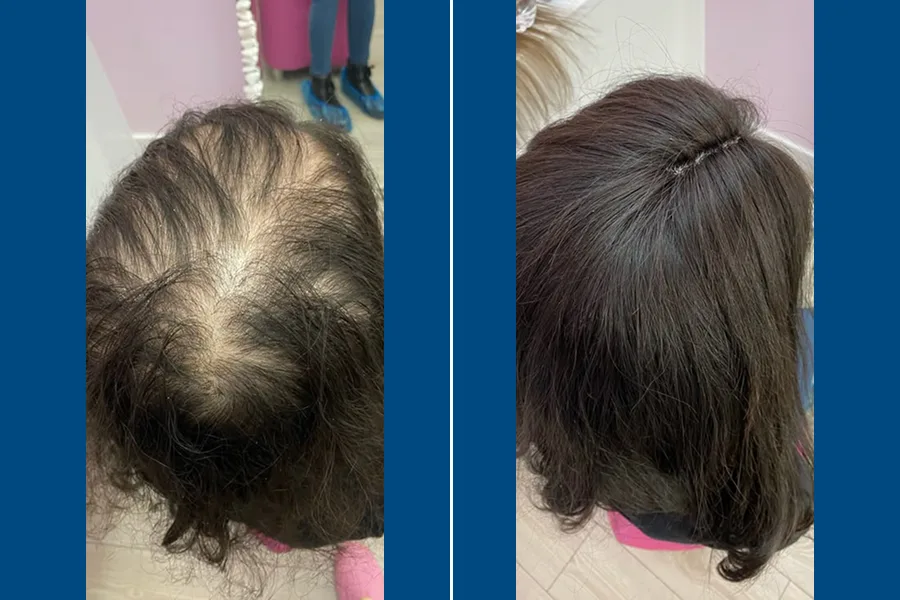
Female hair transplantation can achieve very natural-looking results when performed by an experienced specialist using advanced techniques.
- Individual hair placement: Modern methods, such as FUE (follicular unit extraction), allow for the precise placement of individual hair follicles, mimicking natural hair growth patterns.
- Customized hairline design: Surgeons carefully design the hairline to suit each woman's facial features and natural hair direction.
- Blending with existing hair: Transplanted hair is blended seamlessly with existing hair, making the results virtually undetectable.
After full healing and hair growth (usually within 9–12 months), most patients enjoy a fuller, natural-looking head of hair. The final outcome depends on factors such as hair quality, donor area, and the skill of the surgeon.
Will I need to shave my head before a female hair transplant?
In most cases, women do not need to shave their entire head before a female hair transplant. Modern techniques are designed to preserve your existing hairstyle and minimize visible signs of surgery.
- Partial shaving: Usually, only a small area at the back of the scalp (the donor area) is trimmed or shaved to harvest hair follicles. This section is often easily covered by surrounding hair.
- Long hair techniques: Some clinics offer specialized methods, such as "no-shave" or "long hair" FUE, where even the donor area is not visibly shaved.
Your surgeon will discuss the best approach for your hair type and desired results during your consultation.
How visible will the transplanted area be immediately after the procedure?
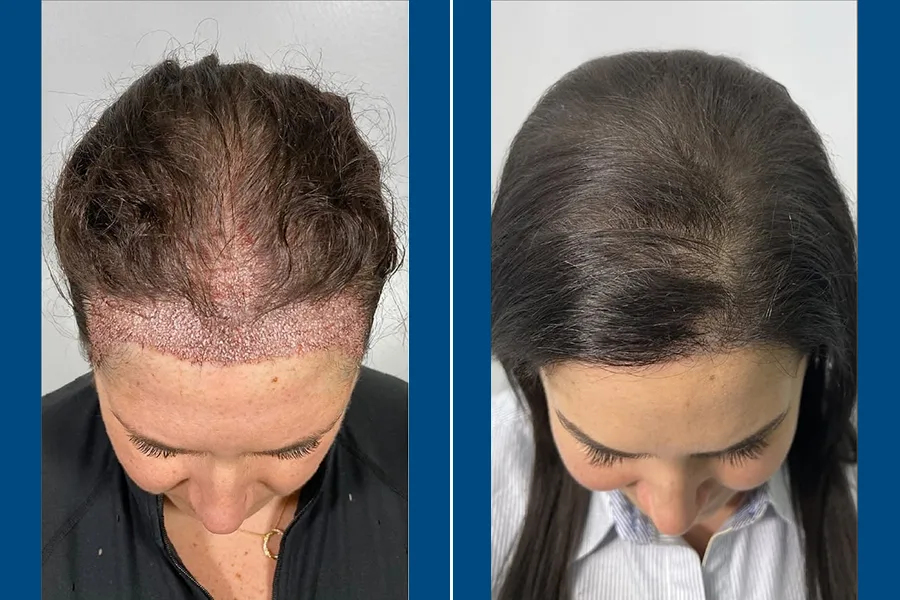
Immediately after a female hair transplantation procedure, the transplanted area will usually be somewhat visible due to small scabs, redness, and mild swelling.
- Redness and swelling: The scalp in the treated area may appear pink or red for several days.
- Small scabs: Tiny scabs will form around each transplanted hair follicle, making the area look dotted or slightly rough.
- Hair length: If you have longer hair, it can often help to conceal the transplanted area during the initial healing period.
Most visible signs typically subside within 7–10 days, after which the area becomes much less noticeable.
Is it necessary to stay overnight in the clinic after the operation?
Overnight stay is usually not required after a female hair transplantation procedure.
Most patients can return home the same day, as the procedure is typically performed on an outpatient basis under local anesthesia.
- Observation: After the procedure, you may be monitored for a short period to ensure there are no immediate complications.
- Post-operative instructions: You will receive detailed care instructions to follow at home for optimal healing and results.
However, in rare cases or if additional medical supervision is needed, your doctor may recommend an overnight stay.
How soon can I travel after having a female hair transplant?
After a female hair transplant, most patients can travel within 2–3 days following the procedure, provided there are no complications and you feel comfortable.
- Short flights: Usually safe after 2–3 days, but avoid touching or bumping the transplanted area.
- Long flights: Consider waiting 5–7 days to reduce the risk of swelling and ensure proper aftercare.
- Follow-up: Make sure to attend any scheduled post-operative check-ups or arrange remote consultations with your doctor.
Always follow your surgeon’s specific advice, as recommendations may vary depending on your individual healing process and the technique used.
###DISCLAIMER###Information provided here is for general guidance only and does not replace professional medical advice. Always consult your treating physician before making travel plans after surgery.
Are there any special aftercare products recommended for women post-transplant?
After a female hair transplantation, proper aftercare is essential to support healing and promote optimal hair growth.
While many aftercare recommendations are similar for both men and women, some products may be specially formulated for women’s scalp and hair needs.
- Gentle, sulfate-free shampoos: These help cleanse the scalp without irritation and are often recommended for women post-transplant.
- pH-balanced sprays or serums: Specially designed to soothe the scalp and support the healing process.
- Minoxidil for women: Some clinics may suggest topical minoxidil (in concentrations suitable for women) to encourage hair growth, but only under medical supervision.
- Moisturizing conditioners: Lightweight, non-greasy formulas can help maintain hair softness without clogging follicles.
- Sun protection sprays: Products that protect the scalp from UV exposure are especially important after a transplant.
Always consult your hair transplant specialist before starting any new product to ensure it is safe and appropriate for your specific case.
###DISCLAIMER###Информация не является медицинской консультацией. Для индивидуальных рекомендаций обратитесь к врачу.
How is privacy maintained during a female hair transplant procedure?
Privacy is a top priority during female hair transplant procedures to ensure patients feel comfortable and secure throughout their treatment.
- Private treatment rooms: Procedures are typically performed in dedicated, private rooms to prevent exposure to other patients or staff not involved in the procedure.
- Female staff availability: Many clinics offer the option of female medical staff for added comfort and privacy.
- Discreet scheduling: Appointments can often be scheduled to minimize waiting time and interaction with other patients.
- Confidentiality: All personal and medical information is handled with strict confidentiality in accordance with medical privacy laws.
Before your procedure, you can discuss any specific privacy concerns with your clinic to ensure your needs are fully met.
What factors can influence the overall cost of female hair transplantation?
The overall cost of female hair transplantation can vary significantly depending on several important factors.
- Extent of hair loss: The larger the area that needs to be treated, the more grafts are required, which increases the cost.
- Technique used: Different methods, such as FUE (Follicular Unit Extraction) or FUT (Follicular Unit Transplantation), have different pricing structures.
- Experience of the surgeon: Highly qualified and experienced surgeons may charge more for their expertise.
- Clinic location: Costs can vary based on the country, city, and even the neighborhood where the clinic is located.
- Additional services: Pre-operative assessments, post-operative care, medications, and follow-up visits may be included or charged separately.
- Number of sessions: Some patients may require multiple sessions to achieve the desired result, which can affect the total price.
It is important to have a thorough consultation with a qualified specialist to receive a personalized cost estimate based on your individual needs.
Are there any specific considerations for women with long hair undergoing transplantation?
Female Hair Transplantation for women with long hair involves some unique considerations to ensure the best results and a comfortable experience.
- Haircut Requirements: In many cases, only a small donor area at the back of the scalp needs to be trimmed, allowing most of the long hair to remain untouched and easily cover the area.
- Camouflage: Long hair can help conceal temporary redness, scabbing, or swelling after the procedure, making the recovery period more discreet.
- Post-Procedure Care: Gentle washing and careful handling are important to avoid tangling or damaging both the transplanted and existing long hair.
- Styling: Avoid using heat styling tools, harsh chemicals, or tight hairstyles for several weeks after the procedure to protect the new grafts.
It is important to discuss your hair length and styling preferences with your surgeon during the consultation to tailor the approach to your needs.
Clinics offering Female Hair Transplantation
Compare verified clinic profiles connected to this treatment.



Related Articles
Guides and insights connected to this treatment.
A Step-by-Step Guide to Female Hair Transplantation in Turkey
Regenera Activa: The stem-cell boost your hair transplant needs.
