


Hair Transplant · FUT Hair Transplantation
Hair Transplant
FUT Hair Transplantation: Restore Your Hairline
Hair restoration technique using a strip of scalp to transplant follicular units and achieve natural-looking hair growth.
Page Contributors


4–8 h
Duration

7–10 d
Recovery

Mild
Pain Level

Minimal
Scarring

90–95 %
Success Rate

Local
Anesthesia
What is FUT Hair Transplantation?
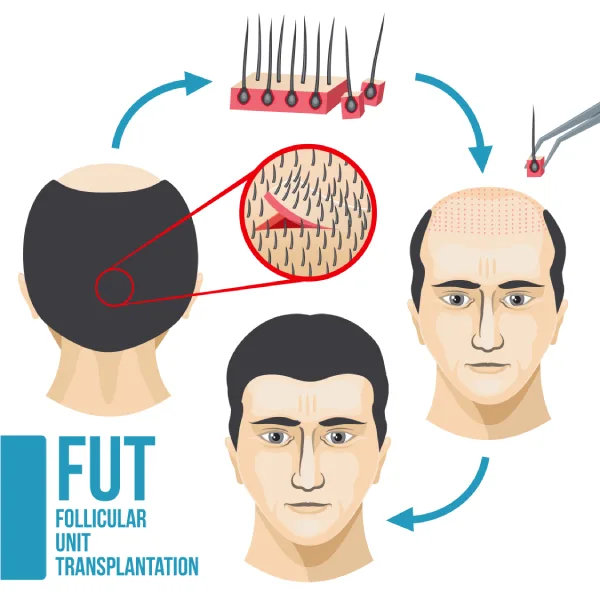
FUT hair transplantation (Follicular Unit Transplantation) is a well-established surgical technique for treating hair loss, particularly in cases of male or female pattern baldness. This method involves removing a thin strip of scalp, typically from the back or sides of the head where hair is more resistant to balding. The strip is then meticulously dissected under a microscope into individual follicular units, each containing one to four hairs.
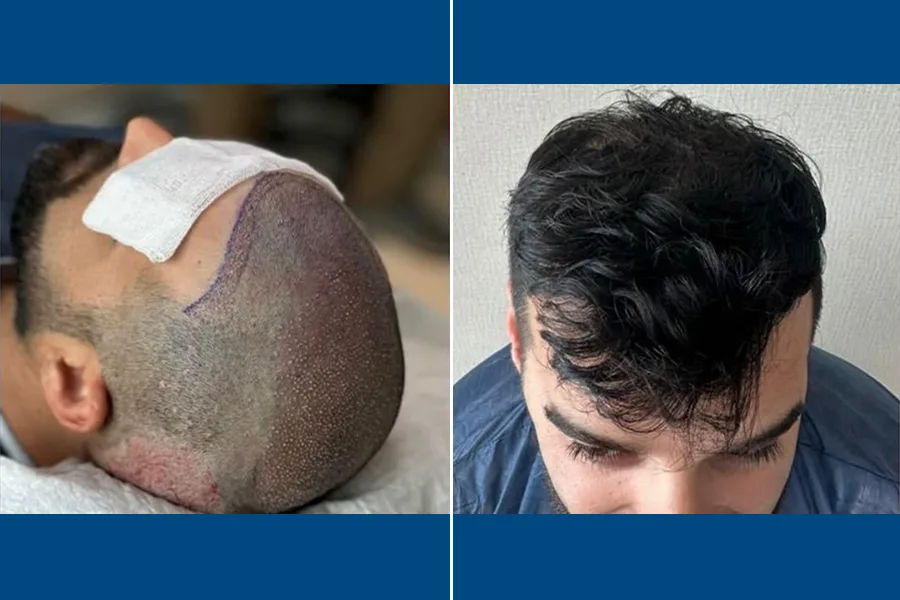
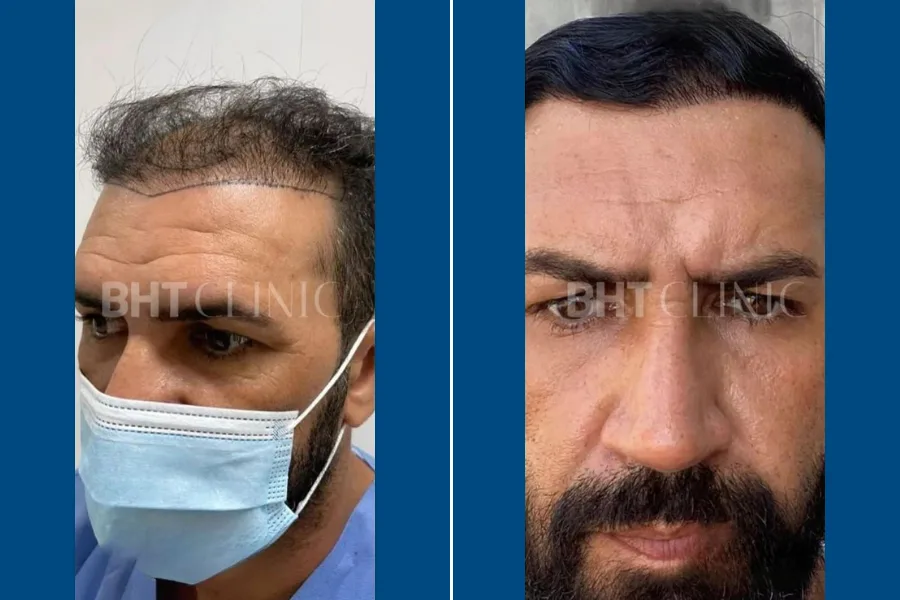
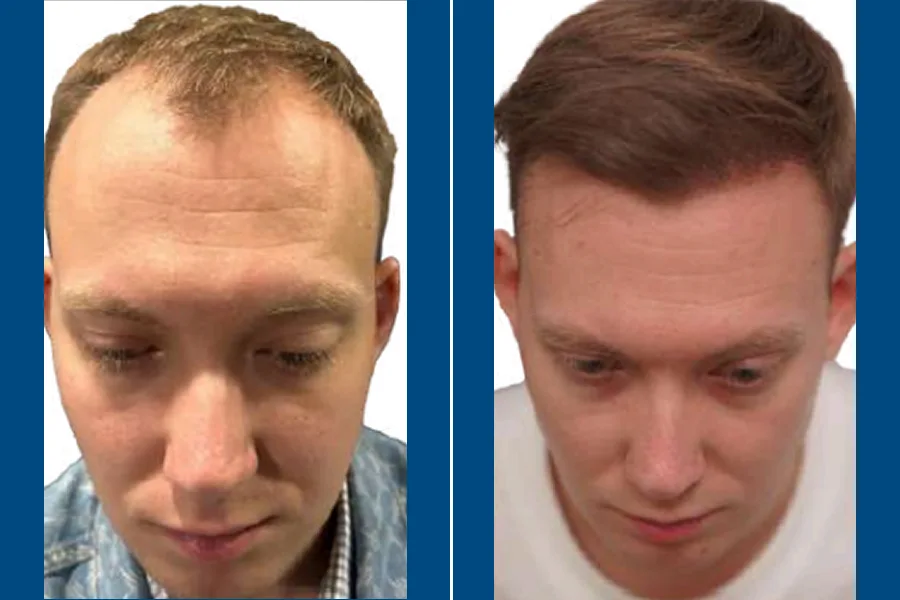
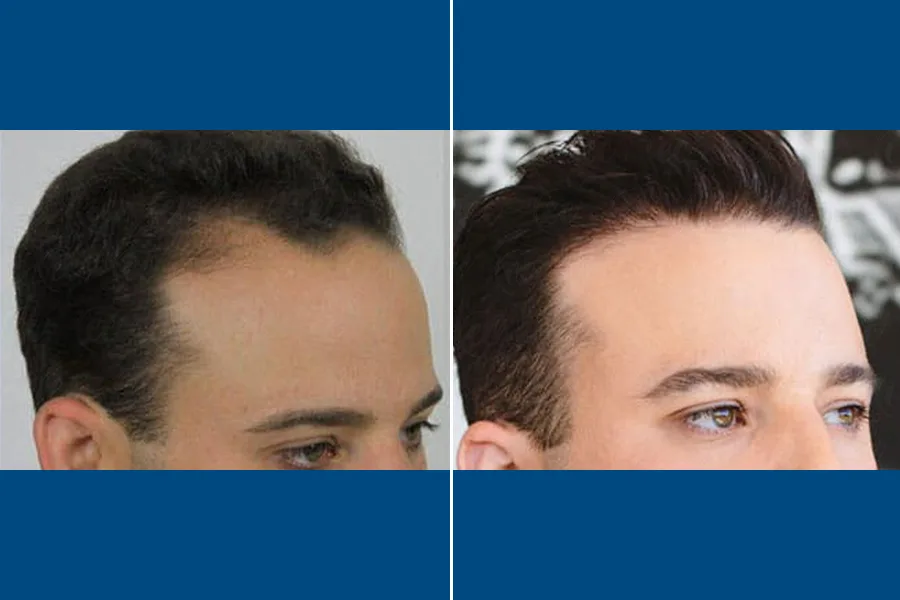
These follicular units are carefully implanted into areas experiencing thinning or baldness. The FUT approach allows for the transplantation of a large number of grafts in a single session, resulting in natural-looking hair growth and a permanent solution to hair loss. Scarring is minimal and usually concealed by surrounding hair.

Who is FUT Hair Transplantation for?
FUT (Follicular Unit Transplantation) hair transplantation is best suited for individuals seeking a permanent solution to hair loss, particularly those who:
- Have moderate to advanced hair loss or thinning, especially in the crown or hairline areas.
- Possess sufficient donor hair at the back or sides of the scalp, as these areas provide the grafts for transplantation.
- Prefer a high number of grafts in a single session, making it ideal for those needing extensive coverage.
- Are comfortable with a linear scar that can be easily concealed by longer hair.
This method is especially recommended for patients who prioritize maximum graft yield and natural-looking results, and who do not mind a slightly longer recovery period compared to other techniques.
FUT Hair Transplantation benefits
-
High-graft yield potential
-
Advanced hair-loss suitability
-
Donor-area planning
-
Cost-efficiency discussion
-
Density planning
-
Graft-handling plan
How is FUT Hair Transplantation done?
FUT (Follicular Unit Transplantation) hair transplantation is a proven surgical technique for restoring natural hair growth in areas affected by hair loss. This method involves removing a thin strip of scalp from the donor area, typically the back or sides of the head, and then transplanting individual follicular units into the thinning or balding areas.
-
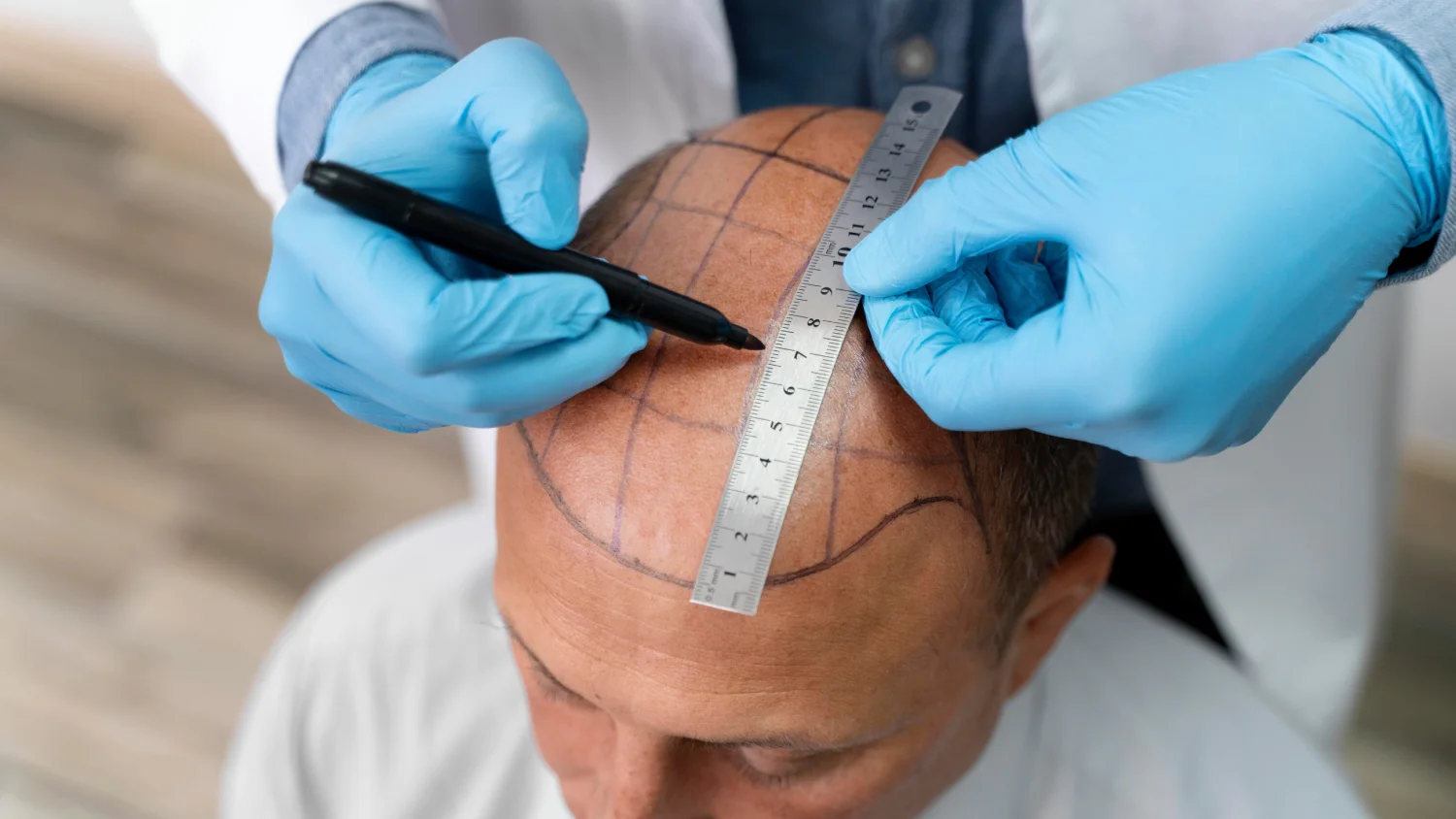
Consultation and Hairline Design
The process begins with a thorough consultation with your hair restoration specialist. Your scalp is examined, your hair loss pattern is assessed, and your goals are discussed. Together, you and your surgeon design a natural-looking hairline and plan the number of grafts needed for optimal results.
-
Donor Area Preparation and Strip Removal
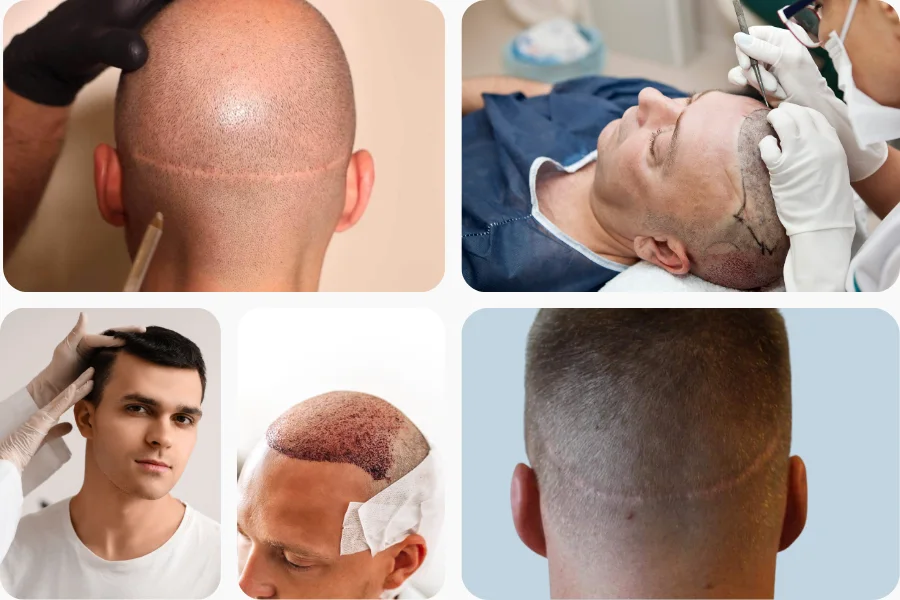
The donor area at the back or sides of your scalp is trimmed and numbed with local anesthesia. A thin, elliptical strip of scalp containing healthy hair follicles is carefully removed. The area is then sutured closed, leaving a fine, linear scar that is easily concealed by surrounding hair.
-
Follicular Unit Dissection
Under high-powered microscopes, a skilled team meticulously dissects the donor strip into individual follicular units (each containing 1–4 hairs). This careful process ensures that each graft remains healthy and intact for transplantation.
-
Recipient Site Creation
The recipient area is numbed with local anesthesia. Tiny incisions are made in the scalp, following the natural direction and pattern of your hair growth. The surgeon strategically plans the placement of each graft to achieve a dense, natural appearance.
-
Graft Placement
The dissected follicular units are carefully implanted into the prepared recipient sites. This step requires precision and artistry to ensure proper angle, depth, and distribution for a seamless, natural result.
-
Post-Operative Care and Recovery
After the procedure, you’ll receive detailed instructions on caring for both the donor and recipient areas. Mild swelling, redness, or discomfort is normal and usually subsides within a few days. Stitches in the donor area are removed after about 10–14 days. Most patients can return to normal activities within a week.
Recovery and expectation?
The recovery process after FUT (Follicular Unit Transplantation) hair transplantation is a gradual journey, with each stage playing a crucial role in achieving optimal growth and natural-looking results. Understanding the recovery timeline will help you prepare for what to expect and ensure the best possible outcome by following your surgeon’s instructions.
-
Immediate Post-Operative Period (First 1–2 weeks)
In the first few days, you may experience mild pain, swelling, and tightness in both the donor area (typically the back of the scalp) and the recipient area. Small scabs will form around the transplanted follicles, and the donor incision will be closed with sutures or staples. It is important to avoid strenuous activities, keep your head elevated while sleeping, and follow all wound care instructions. Most patients can return to non-strenuous work within 7–10 days.
-
Early Healing and Suture Removal (2–3 weeks)
By the end of the second week, scabs typically flake off, and any redness or swelling subsides. Sutures or staples in the donor area are usually removed 10–14 days after the procedure. You may notice some shedding of transplanted hairs this is a normal part of the process called "shock loss" and is temporary. Gentle hair washing can usually resume after the first week, as advised by your surgeon.
-
Initial Hair Shedding and Dormancy (1–3 months)
During this phase, most of the transplanted hairs will shed, and new growth is not yet visible. The scalp continues to heal, and any lingering numbness or tightness in the donor area gradually improves. It is important to avoid sun exposure and harsh hair treatments during this time. Most patients can resume regular exercise and daily routines after 3–4 weeks.
-
New Hair Growth (3–6 months)
Around the third month, new hair begins to emerge from the transplanted follicles. Initially, the hair may be thin and fine, but it will thicken over time. The donor area scar continues to mature and fade. Regular gentle hair care and follow-up visits with your surgeon are recommended to monitor progress.
-
Full Results and Long-Term Care (6–12 months and beyond)
By 6–12 months, significant hair growth and density become apparent, with final results typically visible at the one-year mark. The donor scar becomes less noticeable, especially as hair grows longer. To maintain your results, continue proper scalp care, avoid trauma to the area, and attend any recommended follow-up appointments. Long-term, transplanted hair will grow naturally and can be washed, cut, and styled as usual.
Why Choose Türkiye for FUT Hair Transplantation?
Türkiye stands out as a premier destination for FUT (Follicular Unit Transplantation) hair transplantation, offering a blend of medical expertise, advanced surgical techniques, and exceptional value. Patients from around the world choose Türkiye for FUT procedures because of its highly trained hair restoration specialists and modern clinics that adhere to international healthcare standards.
FUT hair transplantation, known for its effectiveness in treating extensive hair loss and delivering natural-looking results, is performed by Türkiye’s experienced surgeons who utilize the latest innovations to ensure minimal scarring and optimal hair density. The country’s commitment to patient safety and personalized care makes it a top choice for those seeking lasting solutions for hair restoration.
- Türkiye is home to world-renowned hair transplant surgeons with extensive experience in FUT procedures, ensuring precise graft placement and natural results.
- Clinics are equipped with state-of-the-art technology for hair analysis, graft preparation, and transplantation, maximizing the success of each procedure.
- Competitive pricing and comprehensive packages make FUT hair transplantation in Türkiye highly affordable compared to many Western countries, without compromising on quality.
- Clinics are accredited by international organizations, ensuring strict adherence to safety and hygiene protocols throughout your treatment journey.
- Türkiye’s convenient location and excellent transportation links make it easily accessible for international patients seeking hair restoration.
- Patients can enjoy a unique blend of medical care and tourism, exploring Türkiye’s vibrant culture, cuisine, and scenic attractions during their recovery.
Türkiye’s leadership in health tourism is reflected in the millions of international patients who trust its clinics for hair transplantation each year. With a reputation for reliable, high-quality care and a focus on patient satisfaction, Türkiye ensures your FUT hair transplant journey is both successful and memorable.
Customize the closest treatment estimate
Choose the closest active Hair Transplant calculator for FUT Hair Transplantation, then adjust the answers to refine your price range.
Your estimate will appear here.
Frequently Asked Questions about FUT Hair Transplantation
How long does the FUT hair transplant procedure typically take?

The duration of a FUT (Follicular Unit Transplantation) hair transplant procedure usually depends on the number of grafts being transplanted and the complexity of the case.
- On average, the procedure takes 4 to 8 hours to complete.
- Smaller sessions may be finished in less time, while larger cases with more grafts can take longer.
The process includes harvesting the donor strip, preparing the grafts, and carefully implanting them into the recipient area. Patients can typically go home the same day after the procedure.
Will the results of an FUT hair transplant look natural?
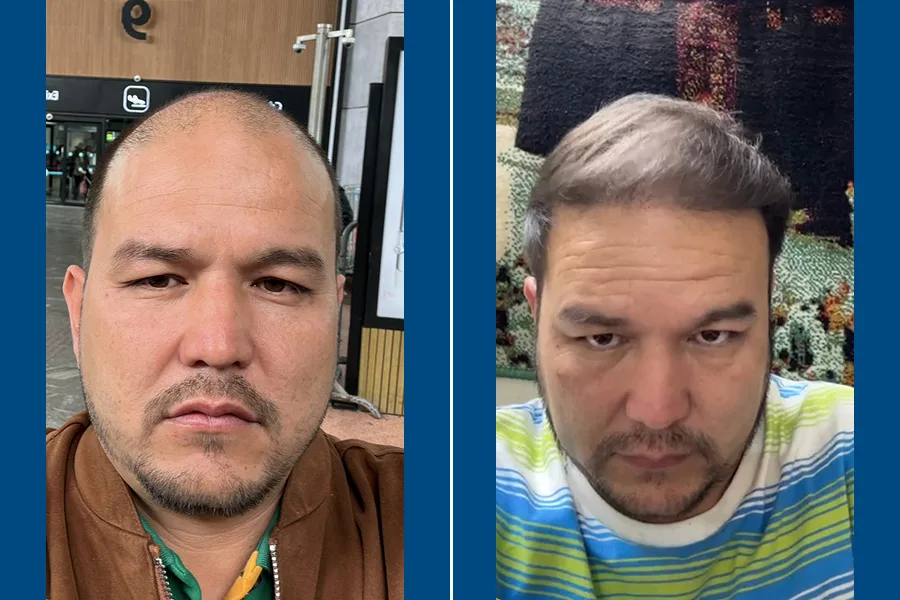
FUT (Follicular Unit Transplantation) hair transplants can provide very natural-looking results when performed by an experienced surgeon.
- Natural Hairline: Surgeons carefully design and recreate your hairline to match your facial features and age, ensuring a realistic appearance.
- Follicular Units: Hair is transplanted in small, naturally occurring groups of 1-4 hairs, mimicking natural growth patterns.
- Blending: The transplanted hair blends seamlessly with your existing hair, making the results difficult to detect.
Proper technique and post-operative care are essential for achieving the most natural results. Over time, the transplanted hair will grow and can be styled just like your natural hair.
How soon can I travel after undergoing FUT hair transplantation?
After a FUT (Follicular Unit Transplantation) hair transplant, most patients can travel within a few days, but the exact timing depends on your recovery and your doctor's advice.
- Short local trips: You may be able to travel locally within 1–2 days after the procedure.
- Domestic or international flights: It is generally safe to fly 2–5 days after FUT, once any immediate swelling or discomfort has subsided.
- Follow-up care: Make sure to attend any scheduled post-operative appointments before leaving the area.
To ensure optimal healing, avoid strenuous activities and protect your scalp from sun exposure and trauma during travel.
Always consult your hair transplant surgeon for personalized recommendations based on your individual recovery.
###DISCLAIMER### This answer is for informational purposes only and does not replace professional medical advice. Always follow your surgeon's specific instructions.Is it possible to wear a hat after an FUT hair transplant?
After a FUT (Follicular Unit Transplantation) hair transplant, it is generally recommended to avoid wearing a hat or any head covering for the first few days to prevent disturbing the grafts and the donor area.
- First 3-5 Days: Avoid hats to allow the transplanted area to heal and minimize the risk of dislodging grafts.
- After Initial Healing: Most patients can gently wear a loose-fitting, clean hat (such as a soft baseball cap) after about 5-7 days, but it should not rub or put pressure on the scalp.
- Consult Your Surgeon: Always follow your surgeon’s specific instructions, as healing times may vary.
Proper aftercare is crucial for optimal results and to avoid complications after an FUT hair transplant.
###DISCLAIMER###This information is for general guidance only and does not replace professional medical advice. Always consult your hair transplant surgeon for personalized recommendations.
How visible is the donor area after FUT surgery?
After a FUT (Follicular Unit Transplantation) hair transplant, the donor area is where a thin strip of scalp is removed, usually from the back of the head, to harvest hair follicles.
- Linear Scar: The main sign of surgery is a linear scar where the strip was taken. This scar is typically thin and can be concealed by surrounding hair if it is kept at a moderate length.
- Visibility: For most patients, the scar is not noticeable unless the hair is cut very short (such as a buzz cut or shaved head).
- Healing: The donor area usually heals well, and modern surgical techniques help minimize scarring.
If you are concerned about scar visibility, discuss your hairstyle preferences and healing expectations with your surgeon before the procedure.
Does FUT hair transplantation require a hospital stay?
FUT (Follicular Unit Transplantation) hair transplantation is typically performed as an outpatient procedure and does not require an overnight hospital stay.
- The procedure is usually completed within several hours at a specialized clinic or surgical center.
- Most patients can return home the same day after a short observation period.
Patients are given local anesthesia, and recovery instructions are provided to ensure proper healing at home.
How many days should I plan to stay in the city after the procedure?
For a FUT Hair Transplantation (Follicular Unit Transplantation), it is generally recommended to stay in the city for 5 to 7 days after the procedure.
- Initial Recovery: The first few days are important for monitoring healing and managing any swelling or discomfort.
- Follow-Up Visit: A follow-up appointment is usually scheduled within 5 to 7 days to check your progress and remove any stitches.
- Travel Readiness: Staying for this period ensures you can safely travel home and address any immediate concerns with your medical team.
Your doctor may provide specific recommendations based on your individual case and travel plans.
When can I wash my hair after an FUT hair transplant?
After a FUT (Follicular Unit Transplantation) hair transplant, it is important to follow your surgeon’s instructions regarding hair washing to protect the grafts and promote healing.
- Most clinics recommend waiting 48 to 72 hours (2–3 days) before washing your hair for the first time after surgery.
- Use a gentle, non-medicated shampoo and avoid direct water pressure on the transplanted area.
- Pat your scalp gently—do not rub or scratch the grafts.
- Follow any specific aftercare instructions provided by your surgeon regarding washing technique and frequency.
Proper aftercare helps ensure the best possible results and reduces the risk of complications.
###DISCLAIMER###This information is for general guidance only. Always follow the specific instructions provided by your hair transplant surgeon.
Is there a recommended age range for FUT hair transplantation?
FUT (Follicular Unit Transplantation) hair transplantation does not have a strict age limit, but most surgeons recommend the procedure for adults aged 25 and older.
- Under 25: Hair loss patterns may not be fully established, making it harder to predict future hair loss and plan the transplant effectively.
- 25 and older: Candidates typically have more stable hair loss, allowing for better long-term results and planning.
The most important factors are the stability of hair loss, overall health, and realistic expectations rather than age alone.
A thorough evaluation by a qualified hair restoration specialist is essential to determine if FUT is appropriate for your individual situation.
Are follow-up visits necessary after an FUT hair transplant?
Yes, follow-up visits are essential after an FUT (Follicular Unit Transplantation) hair transplant to ensure proper healing and optimal results.
- Initial Check-Up: Usually scheduled within a few days to a week after the procedure to monitor healing and remove any stitches.
- Progress Monitoring: Additional visits help your surgeon assess hair growth, address any concerns, and provide guidance on aftercare.
- Managing Complications: Follow-ups allow early detection and management of any potential issues, such as infection or scarring.
Attending all recommended follow-up appointments is important for achieving the best possible outcome from your FUT hair transplant.
Clinics offering FUT Hair Transplantation
Compare verified clinic profiles connected to this treatment.



Related Articles
Guides and insights connected to this treatment.
A Step-by-Step Guide to FUT Hair Transplantation in Turkey
Regenera Activa: The stem-cell boost your hair transplant needs.
