


Hair Transplant · Needle-Free Hair Transplantation
Hair Transplant
Needle-Free Hair Transplantation: Regrow Hair Comfortably
Minimally invasive hair restoration using pressure-based delivery instead of traditional needles, with reduced discomfort.
Page Contributors


6–8 h
Duration

7–10 d
Recovery

Minimal
Pain Level

None
Scarring

95–98 %
Success Rate

5–7 d
Permission to Work
What is Needle-Free Hair Transplantation?
Needle-Free Hair Transplantation is a cutting-edge procedure designed to restore hair without the use of traditional needles. This innovative technique employs advanced jet injection or pressure-based delivery systems to insert hair follicles into the scalp, minimizing discomfort and reducing the anxiety often associated with needles. The method is particularly beneficial for individuals with needle phobia or sensitive skin.
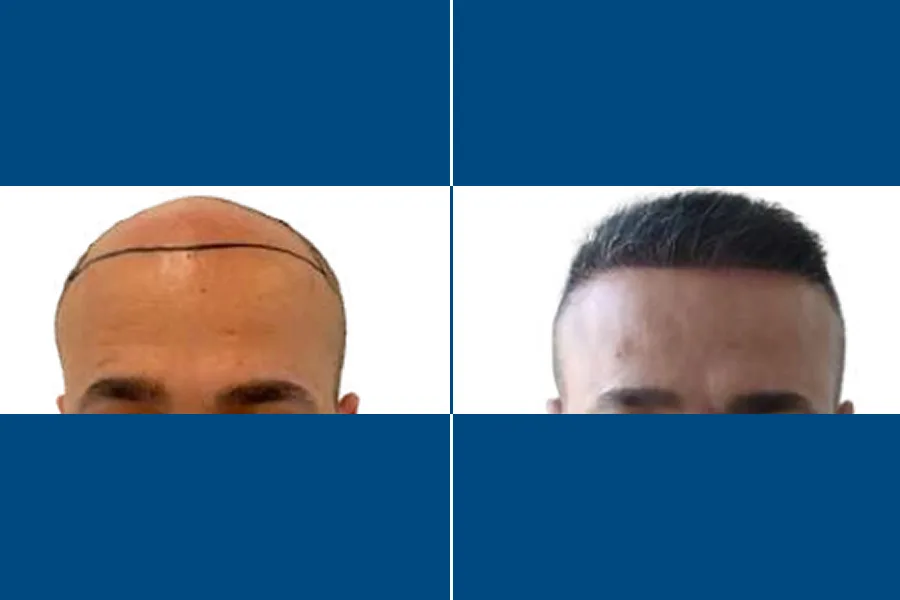
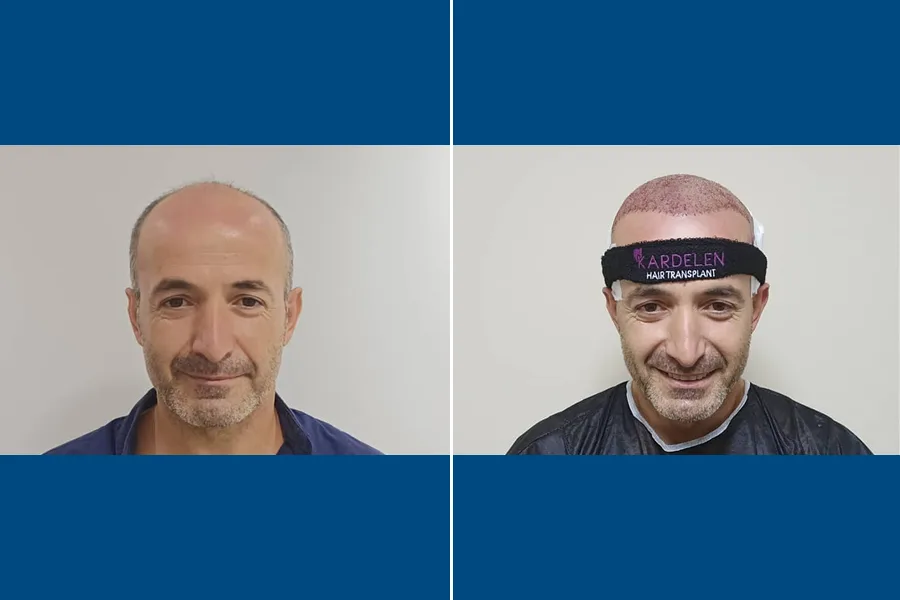
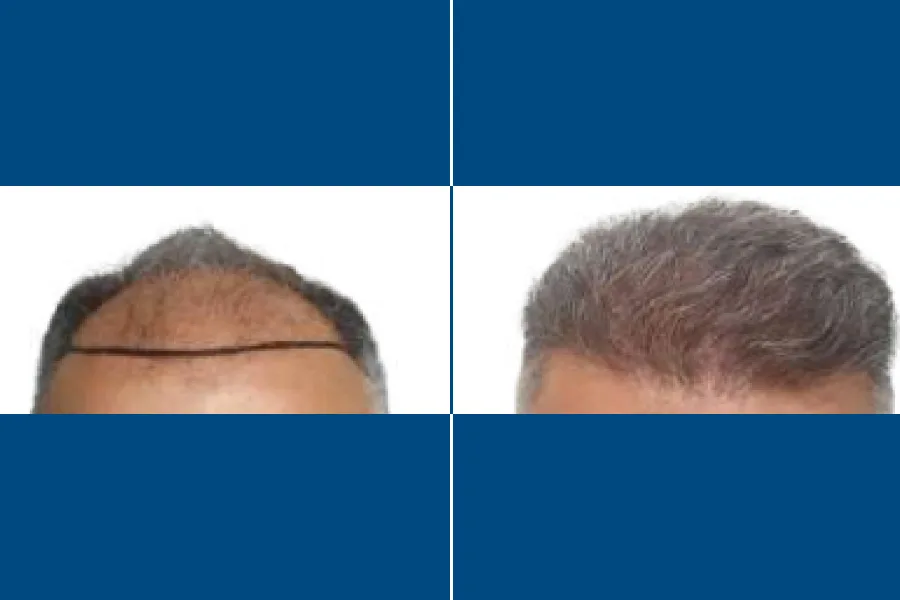
During the treatment, healthy hair follicles are harvested typically from the back of the scalp and then implanted into thinning or balding areas using a specialized device. The process is minimally invasive, resulting in less trauma to the scalp, faster recovery times, and natural-looking hair growth. Needle-free transplantation offers a comfortable and effective solution for hair restoration.

Who is Needle-Free Hair Transplantation for?
Needle-Free Hair Transplantation is an excellent option for individuals seeking a minimally invasive solution to hair loss without the discomfort of traditional needles. This treatment is particularly suitable for:
- Men and women experiencing pattern baldness, thinning hair, or localized hair loss who desire natural-looking results.
- Patients with a low pain threshold or anxiety about needles and injections.
- Individuals who prefer a faster recovery with minimal swelling, bruising, or scarring.
- Those who have not responded well to other hair restoration methods or wish to avoid surgical procedures.
By utilizing advanced technology to deliver anesthesia and transplant hair follicles without needles, this method offers a comfortable and effective alternative for restoring hair confidence.

Needle-Free Hair Transplantation benefits
-
Needle-free anesthesia option
-
Reduced injection anxiety
-
Gentler numbing approach
-
Less discomfort goals
-
Quick preparation
-
Patient-comfort focus
How is Needle-Free Hair Transplantation done?
Needle-Free Hair Transplantation is an innovative approach to hair restoration that eliminates the use of traditional needles for both anesthesia and graft implantation. This technique offers a virtually painless and minimally invasive experience, making it ideal for patients with needle phobia or those seeking a more comfortable procedure.
-
Comprehensive Consultation and Assessment
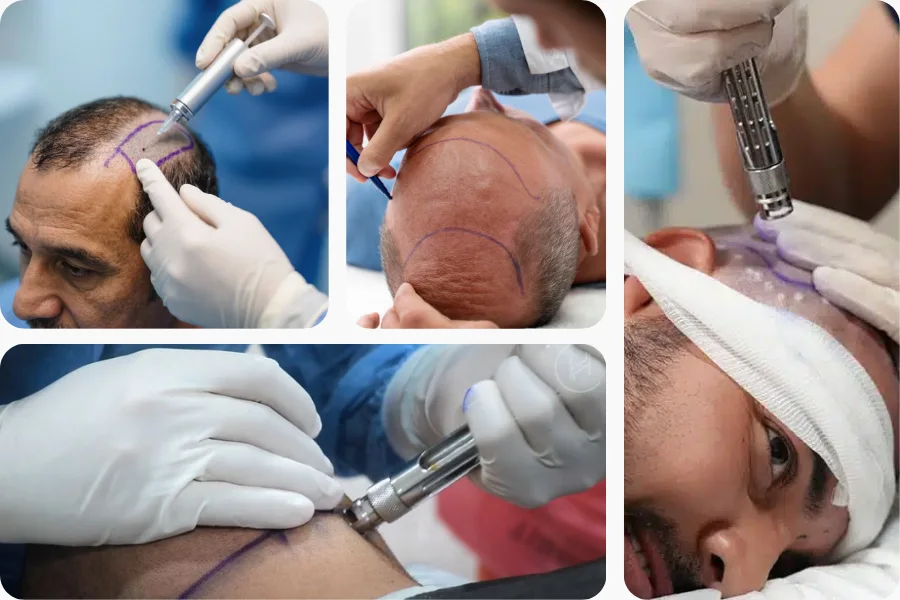
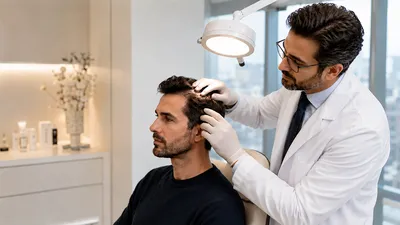
The process begins with a thorough evaluation of your scalp and hair loss pattern. The specialist discusses your goals, examines donor and recipient areas, and uses imaging tools to design a personalized hairline and determine the number of grafts needed.
-
Needle-Free Anesthesia Application
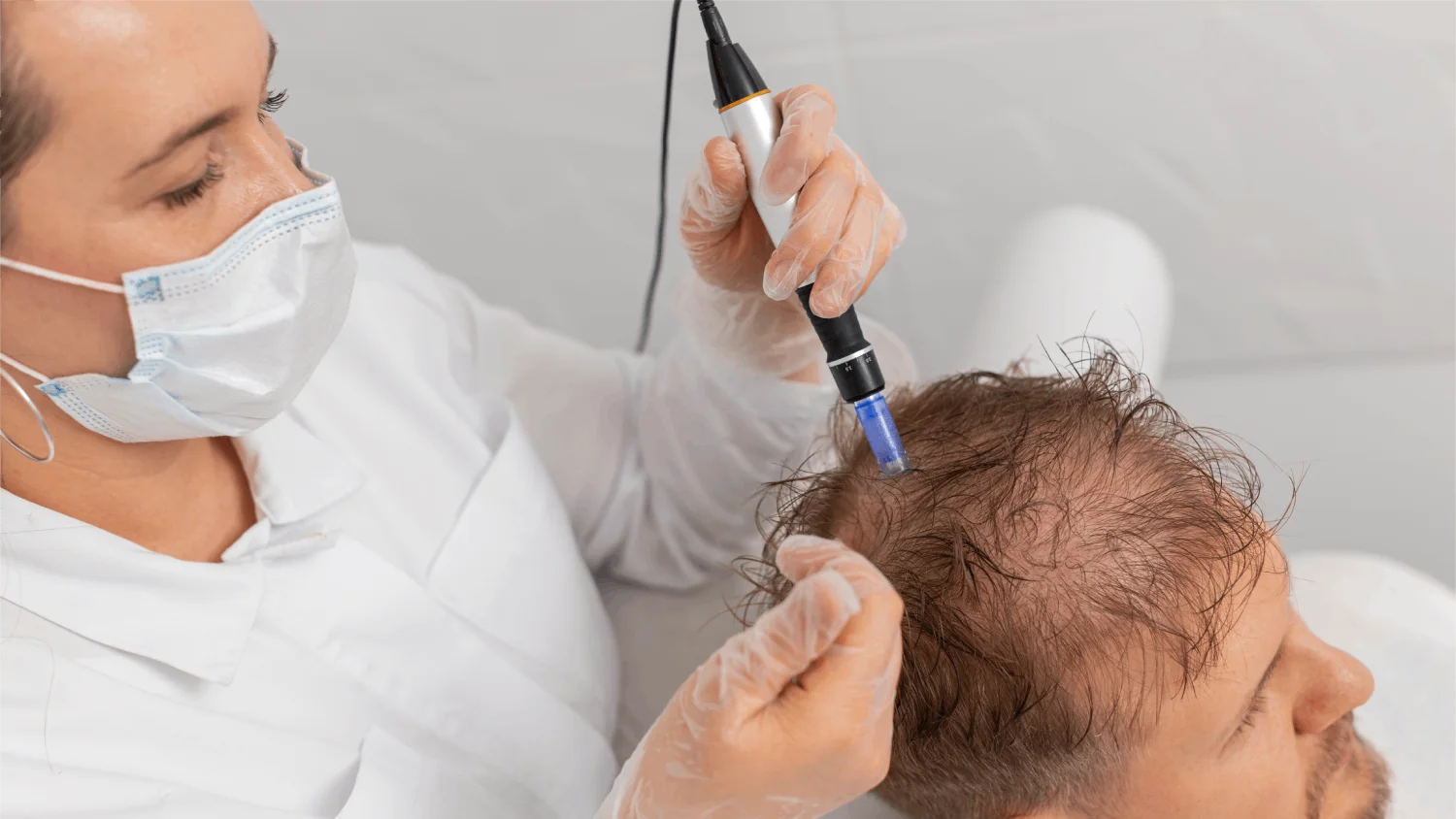
Instead of traditional needles, a needle-free injector delivers local anesthesia using high-pressure technology. This device sprays anesthetic solution through the skin in a fine, controlled jet, ensuring the area is numb without causing pain or tissue trauma associated with needles.
-
Graft Extraction
Using advanced FUE (Follicular Unit Extraction) techniques, individual hair follicles are gently harvested from the donor area, typically the back or sides of the scalp. The extraction is performed with precision tools to minimize scarring and preserve graft viability.
-
Needle-Free Graft Implantation
The harvested follicles are implanted into the recipient area using a needle-free implanter or specialized jet injector. This device creates tiny entry points and places the grafts without the need for incisions or needles, resulting in less discomfort, reduced bleeding, and faster healing.
-
Post-Procedure Care and Follow-Up
After the procedure, you will receive clear aftercare instructions to promote healing and optimize results. Mild swelling or redness may occur but typically resolves quickly. Follow-up appointments are scheduled to monitor progress and ensure successful hair growth.
Recovery and expectation?
The recovery journey after Needle-Free Hair Transplantation is generally smoother and more comfortable compared to traditional methods, thanks to the minimally invasive nature of the procedure. Understanding each recovery phase will help you prepare, follow aftercare instructions, and achieve optimal results.
-
Immediate Post-Procedure (First 24–48 hours)
Mild redness, swelling, or a tingling sensation may occur in the treated areas. Because the procedure is needle-free, discomfort is minimal and there are no visible puncture marks. Patients are usually able to resume light activities within a day, but should avoid touching or washing the scalp during this period.
-
Early Healing Phase (Days 2–7)
Any minor swelling or redness typically subsides within the first week. Tiny scabs may form at the implantation sites but will fall off naturally without intervention. Gentle scalp care is recommended avoid scratching, direct sunlight, and strenuous exercise. You may begin to wash your hair with a gentle shampoo as advised by your physician.
-
Shedding and Resting Phase (Weeks 2–4)
It is normal for the transplanted hairs to shed during this period a natural part of the hair growth cycle. This phase is temporary and should not be a cause for concern. The scalp continues to heal, and most patients experience little to no discomfort.
-
New Hair Growth (1–3 months)
New hair follicles begin to enter the growth phase. You may notice fine, soft hairs emerging in the treated areas. The scalp should appear fully healed, and any redness or sensitivity will have resolved. Patients can return to their normal hair care routines, including styling and gentle coloring if desired.
-
Full Results and Maturation (6–12 months)
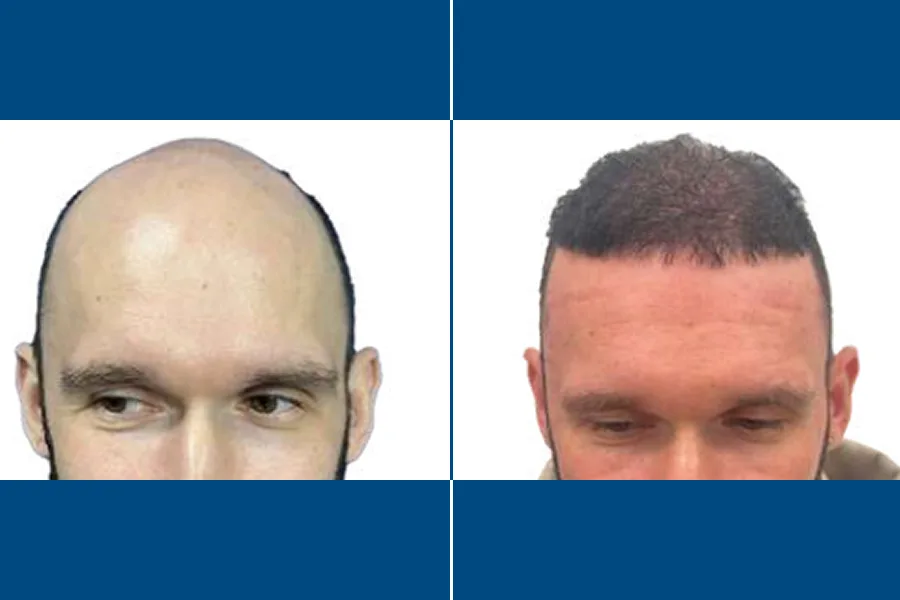
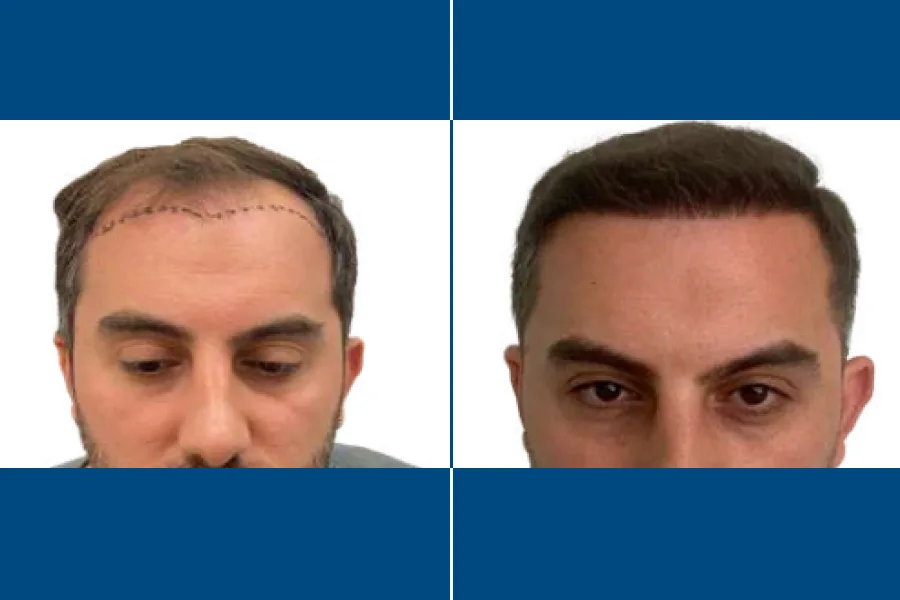
The transplanted hair continues to thicken and mature, blending seamlessly with your natural hair. By the end of this period, most patients achieve their final, natural-looking results. Ongoing gentle care and regular check-ins with your specialist will help maintain the health and appearance of your new hair.
Why Choose Türkiye for Needle-Free Hair Transplantation?
Türkiye has emerged as a top destination for needle-free hair transplantation, offering patients the latest advancements in hair restoration with minimal discomfort and exceptional results. This innovative technique, which utilizes advanced jet injection systems instead of traditional needles, is performed by highly trained specialists in modern, internationally accredited clinics throughout the country.
Turkish hair transplant surgeons are renowned for their expertise in minimally invasive procedures, ensuring a pain-free experience and natural-looking outcomes. The needle-free approach significantly reduces anxiety, swelling, and recovery time, making it especially appealing for patients seeking a comfortable and effective solution to hair loss. Clinics in Türkiye are equipped with state-of-the-art technology and adhere to strict hygiene protocols, providing a safe and welcoming environment for international patients.
- Türkiye’s hair transplant surgeons have extensive experience with needle-free techniques, ensuring precise application and optimal hair growth.
- The latest needle-free devices are used to deliver anesthesia and implant grafts, resulting in virtually painless procedures and faster healing.
- Clinics are fully equipped with advanced diagnostic and treatment technologies, meeting international standards for patient safety and care.
- Affordable pricing and comprehensive packages make Türkiye an attractive option for high-quality hair transplantation without high costs.
- Türkiye’s central location and excellent flight connections make travel easy for patients from Europe, the Middle East, and beyond.
- Patients can combine their hair restoration journey with a relaxing holiday, enjoying Türkiye’s vibrant culture, cuisine, and scenic attractions.
Türkiye’s reputation as a global leader in health tourism is built on its commitment to quality, innovation, and patient satisfaction. Each year, thousands of international patients choose Türkiye for needle-free hair transplantation, benefiting from world-class care and a seamless medical travel experience.
Customize the closest treatment estimate
Choose the closest active Hair Transplant calculator for Needle-Free Hair Transplantation, then adjust the answers to refine your price range.
Your estimate will appear here.
Frequently Asked Questions about Needle-Free Hair Transplantation
What are the main differences between needle-free and traditional hair transplantation techniques?

Needle-Free Hair Transplantation is an innovative method that uses special devices to deliver anesthesia and sometimes implant grafts without traditional needles.
- No needles for anesthesia: Anesthetic is delivered through high-pressure devices, reducing pain and anxiety for patients who fear needles.
- Less discomfort: The procedure is generally more comfortable, with minimal sensation during anesthesia administration.
- Reduced risk of bruising: Without needles, there is a lower chance of swelling or bruising at the injection sites.
- Similar hair transplantation results: The actual hair implantation process and final results are comparable to traditional techniques; the main difference is in how anesthesia is administered.
This technique is especially suitable for patients with needle phobia or those seeking a more comfortable experience during hair transplantation.
Is the recovery time shorter with needle-free hair transplantation compared to conventional methods?
Needle-free hair transplantation is a modern technique that uses special devices to deliver anesthesia and perform the procedure without traditional needles.
One of the main advantages of this method is reduced trauma to the scalp, which can lead to a shorter and more comfortable recovery period compared to conventional hair transplant methods.
- Less swelling and discomfort: The absence of needles often results in less post-procedure swelling and pain.
- Faster healing: Many patients experience quicker healing of the donor and recipient areas.
- Minimal downtime: Patients may return to normal activities sooner after the procedure.
However, individual recovery times can vary depending on personal health factors and the extent of the procedure. It is important to follow your surgeon’s aftercare instructions for the best results.
Are there specific aftercare instructions unique to needle-free hair transplants?
Needle-free hair transplantation is designed to minimize discomfort and trauma to the scalp, but proper aftercare remains essential for optimal healing and results.
- Avoid touching or scratching the transplanted area, as even without needle punctures, the follicles are still delicate.
- Gentle washing: Follow your surgeon’s instructions on when and how to wash your hair, typically using a mild shampoo and avoiding direct water pressure for the first few days.
- Limit physical activity for several days to reduce swelling and prevent dislodging grafts.
- Avoid sun exposure and extreme temperatures on the scalp for at least 2 weeks.
- Do not apply hair products (gels, sprays, dyes) until your doctor approves.
While needle-free techniques may reduce swelling and bruising, adhering to all aftercare guidelines provided by your clinic is crucial for the best outcome.
###DISCLAIMER### This information is for general guidance only. Always follow the specific aftercare instructions given by your treating physician or clinic.How long do the results of needle-free hair transplantation typically last?
Needle-free hair transplantation offers long-lasting results, similar to traditional hair transplant methods, because the transplanted hair follicles are usually resistant to hair loss.
- Permanent growth: The transplanted hair typically continues to grow for a lifetime, as it is taken from areas not affected by pattern baldness.
- Natural hair cycle: After the procedure, transplanted hairs may shed initially but will regrow within a few months and continue to grow naturally.
While the results are considered permanent, factors such as aging, genetics, and overall health can influence the appearance and density of hair over time.
Can needle-free hair transplantation be combined with other hair restoration treatments?
Needle-free hair transplantation can often be combined with other hair restoration treatments to enhance results and support hair growth.
- Medications: Treatments like minoxidil or finasteride may be used alongside transplantation to stimulate existing hair and prevent further loss.
- Platelet-rich plasma (PRP) therapy: PRP injections can promote healing and improve hair density after transplantation.
- Low-level laser therapy (LLLT): This non-invasive treatment can support hair growth and recovery post-transplant.
It is important to consult with a qualified specialist to determine the best combination of treatments for your individual needs and to ensure safety and effectiveness.
Is needle-free hair transplantation suitable for all hair types and textures?
Needle-free hair transplantation is an innovative technique that uses special devices to deliver anesthesia and sometimes implant grafts without traditional needles.
In general, this method can be suitable for most hair types and textures, including straight, wavy, curly, and coily hair. However, certain factors may affect the suitability and results:
- Hair density and thickness: Very thick or tightly curled hair may require special expertise or adjustments in technique.
- Scalp condition: The overall health and elasticity of the scalp can influence the effectiveness of needle-free methods.
- Individual goals: The desired hairline, density, and style may impact the choice of technique.
It is important to have a thorough consultation with a qualified hair transplant specialist, who can assess your unique hair type and recommend the best approach for optimal results.
Are there any visible marks or swelling after a needle-free hair transplant?
Needle-free hair transplantation is designed to minimize trauma to the scalp, which significantly reduces the risk of visible marks or noticeable swelling compared to traditional methods.
- Visible marks: Most patients experience only minimal redness or tiny dots at the transplant sites, which usually fade within a few days.
- Swelling: Mild swelling may occur in the forehead or scalp area, but it is generally less pronounced and resolves quickly, often within 2–3 days.
Most people can return to their daily activities soon after the procedure, as the recovery is typically fast and discreet.
How soon can I wash my hair following a needle-free hair transplant?
After a needle-free hair transplant, it is generally recommended to wait 48–72 hours before washing your hair for the first time. This allows the transplanted grafts to stabilize and reduces the risk of dislodging them.
- Use only lukewarm water and a gentle, non-irritating shampoo as advised by your doctor.
- Avoid strong water pressure, rubbing, or scratching the scalp during the first washes.
- Pat your hair dry gently with a soft towel instead of rubbing.
Your clinic will provide specific aftercare instructions tailored to your procedure. Always follow their guidance for the best results and to minimize complications.
###DISCLAIMER### This information is for general guidance only and does not replace professional medical advice. Always consult your treating physician for personalized recommendations.Does needle-free hair transplantation require multiple sessions for optimal results?
Needle-free hair transplantation is a modern technique that uses specialized devices to implant hair follicles without traditional needles, making the procedure less invasive and more comfortable.
The number of sessions required for optimal results depends on several factors:
- Extent of hair loss: Patients with larger areas of thinning or baldness may need multiple sessions to achieve desired density.
- Individual goals: The patient’s expectations and desired hair thickness can influence the number of procedures.
- Donor hair availability: The amount of healthy donor hair can limit how much can be transplanted in a single session.
In many cases, significant improvement can be seen after just one session, but some patients may benefit from additional procedures for fuller results. Your doctor will recommend a personalized treatment plan based on your needs.
Is the cost of needle-free hair transplantation higher than standard procedures?
Needle-free hair transplantation often involves advanced technology to minimize discomfort by avoiding traditional needles during anesthesia or graft implantation.
As a result, the cost of needle-free procedures is usually higher than that of standard hair transplantation methods. This is due to:
- Specialized equipment and consumables required for needle-free techniques
- Additional training for medical staff
- Potentially longer procedure times depending on the method used
However, the exact price difference varies by clinic, region, and the extent of the procedure. It's important to consult with your provider for a detailed cost estimate.
Clinics offering Needle-Free Hair Transplantation
Compare verified clinic profiles connected to this treatment.



Related Articles
Guides and insights connected to this treatment.
A Step-by-Step Guide to Needle-Free Hair Transplantation in Turkey
Regenera Activa: The stem-cell boost your hair transplant needs.
