


Hair Transplant · Revision Hair Transplantation

Hair Transplant
Revision Hair Transplantation: Restore Your Roots
Corrective hair transplant procedure for improving density, hairline appearance, and overall results after an unsatisfactory transplant.
Page Contributors


6–8 h
Duration

Local
Anesthesia

7–10 d
Recovery

Mild
Pain Level

Minimal
Scarring

90–95 %
Success Rate
What is Revision Hair Transplantation?
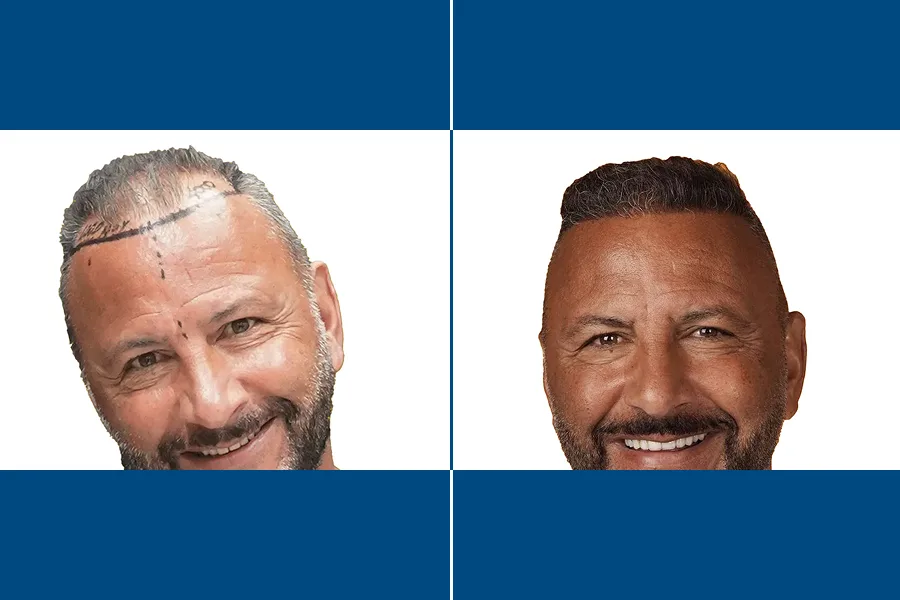
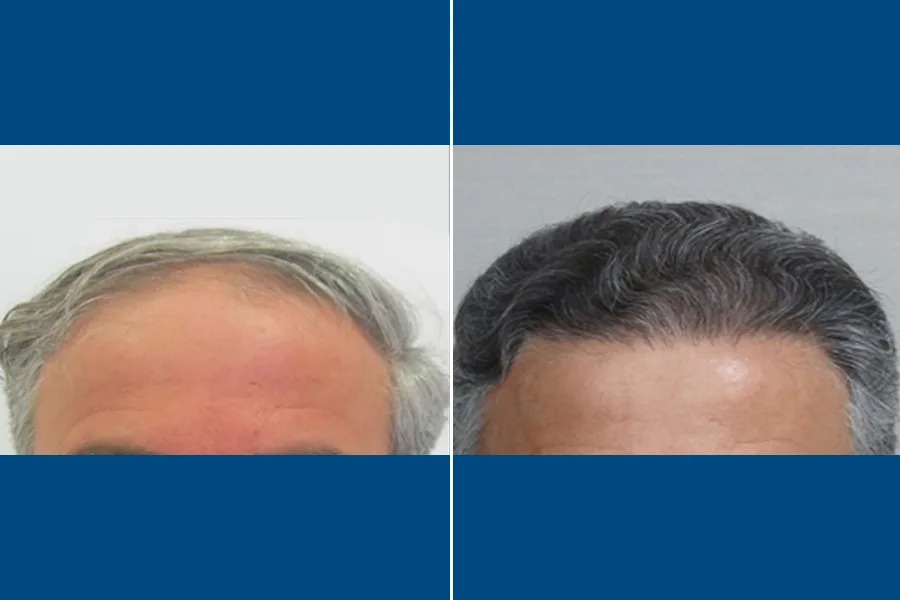
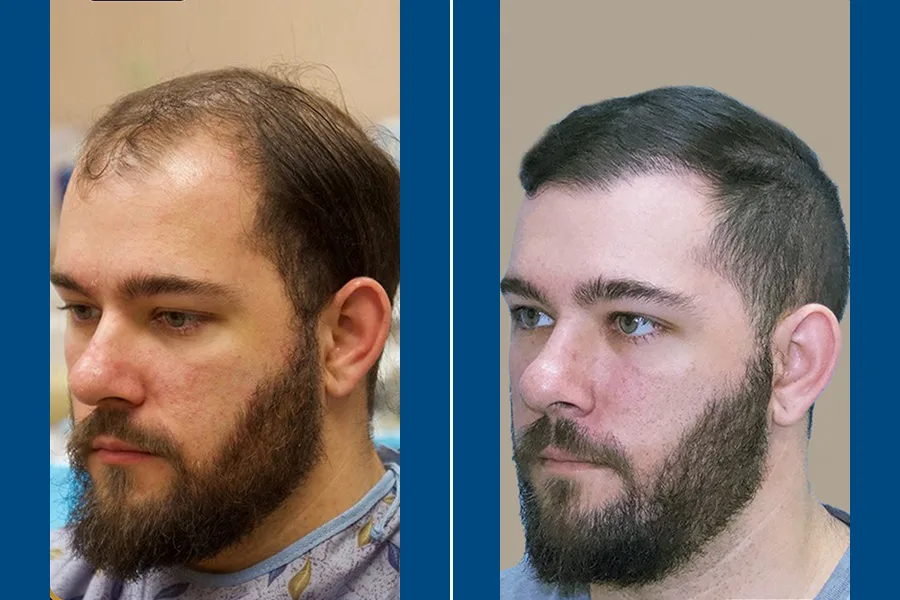
Revision hair transplantation is a specialized procedure designed for individuals who are dissatisfied with the results of a previous hair transplant. This advanced treatment addresses issues such as unnatural hairlines, poor hair density, visible scarring, or misplaced grafts from earlier surgeries. By utilizing modern techniques like Follicular Unit Extraction (FUE) or Follicular Unit Transplantation (FUT), skilled surgeons carefully remove, redistribute, or add new hair follicles to achieve a more natural and aesthetically pleasing appearance.
Each revision is highly personalized, focusing on correcting prior mistakes and optimizing hair growth patterns. The ultimate goal is to deliver improved coverage, enhanced density, and a seamless, natural-looking hairline for greater patient satisfaction and confidence.

Who is Revision Hair Transplantation for?
Revision hair transplantation is designed for individuals who have previously undergone hair transplant procedures but are dissatisfied with the results. This treatment is particularly suitable for:
- Patients experiencing unnatural hairlines, visible scarring, or uneven hair growth from earlier transplants.
- Individuals who have suffered poor graft survival or patchy density after their initial procedure.
- Those seeking to correct outdated techniques, such as pluggy or doll-like appearances, with modern, natural-looking results.
- People in good general health with sufficient donor hair available for corrective work.
By addressing previous unsatisfactory outcomes, revision hair transplantation offers a customized solution to restore confidence and achieve a more aesthetically pleasing appearance.
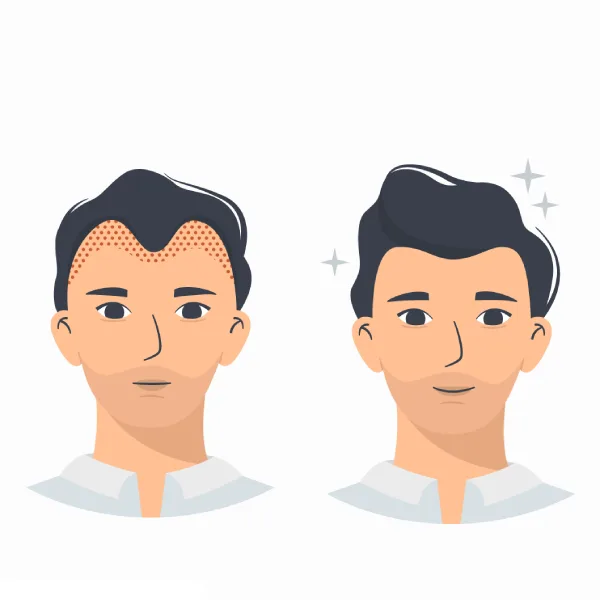
Revision Hair Transplantation benefits
-
Hairline correction
-
Scar-repair planning
-
Graft redistribution
-
Density-improvement goals
-
Natural finish
-
Previous-result correction
How is Revision Hair Transplantation done?
Revision hair transplantation is a highly specialized procedure designed to correct or improve the results of a previous hair transplant. Whether due to unnatural hairline design, poor graft survival, scarring, or unsatisfactory density, this treatment aims to restore a natural, aesthetically pleasing appearance and boost your confidence.
-
Comprehensive Assessment and Planning
The process begins with a thorough consultation and evaluation by a hair restoration specialist. Your scalp is examined to assess the previous transplant results, donor area availability, hair characteristics, and scalp health. Advanced imaging and digital analysis may be used to design a personalized revision plan tailored to your goals.
-
Preparation and Anesthesia
On the day of the procedure, the scalp is cleaned and marked for the areas requiring correction. Local anesthesia is administered to ensure maximum comfort throughout the surgery. Sedation may also be offered for enhanced relaxation.
-
Removal or Camouflage of Unnatural Grafts
If previous grafts were placed at unnatural angles or in the wrong locations, they may be carefully extracted using minimally invasive techniques. Alternatively, camouflage techniques such as implanting new grafts in front of or around existing ones can soften harsh hairlines or fill in sparse areas.
-
Harvesting and Transplantation of New Grafts
Healthy hair follicles are harvested from the donor area (usually the back or sides of the scalp) using advanced techniques like FUE (Follicular Unit Extraction) or, in select cases, FUT (Follicular Unit Transplantation). These grafts are then meticulously implanted into the recipient areas, following a natural hairline and growth pattern to achieve seamless results.
-
Scar Revision and Refinement
If visible scarring from previous surgeries is present, scar revision techniques such as grafting into the scar tissue or surgical scar excision may be performed to improve scalp appearance.
-
Post-Operative Care and Follow-Up
After the procedure, you will receive detailed aftercare instructions to promote healing and optimize results. Follow-up appointments are scheduled to monitor progress, address any concerns, and ensure the transplanted hair is growing as expected.
Recovery and expectation?
The recovery journey after a Revision Hair Transplantation is unique, as it addresses previous transplant challenges while aiming for natural-looking, lasting results. Understanding the stages of healing will help you set realistic expectations and follow your surgeon’s advice for optimal recovery.
-
Immediate Post-Procedure (First 7–10 days)
In the initial days, you may experience swelling, redness, and mild discomfort in both the donor and recipient areas. Tiny scabs will form around the transplanted follicles. It is important to avoid touching or scratching the scalp, follow prescribed medication regimens, and sleep with your head elevated to minimize swelling. Gentle hair washing, as instructed by your surgeon, is typically allowed after a few days.
-
Early Healing Phase (2–4 weeks)
Most scabs fall off by the end of the second week. Some transplanted hairs may shed a normal process called "shock loss." The scalp may remain slightly pink or sensitive, especially in areas previously treated. You can usually return to work and light activities within 7–10 days, but should avoid strenuous exercise, swimming, and direct sun exposure for at least 3–4 weeks.
-
Growth and Regeneration (1–4 months)
After the initial shedding, new hair growth begins around the third or fourth month. The scalp continues to heal, and any lingering redness or sensitivity gradually subsides. It is important to maintain gentle scalp care and attend all follow-up appointments to monitor progress and address any concerns from previous procedures.
-
Visible Results (6–9 months)
By this stage, significant hair growth becomes noticeable, with improved density and coverage. The transplanted hair will thicken and blend more naturally with existing hair. Most patients can resume all normal activities, including hair styling and moderate sun exposure, but should continue to use gentle hair products and protect the scalp as advised.
-
Final Results and Long-Term Care (12–18 months)
Full results are typically achieved within 12 to 18 months. The hair will appear thicker, healthier, and more natural. To maintain your results, follow a healthy hair care routine, avoid harsh treatments, and schedule periodic check-ins with your hair restoration specialist. If you have any concerns related to previous transplants, discuss them promptly with your provider.
Why Choose Türkiye for Revision Hair Transplantation?
Türkiye is a top destination for Revision Hair Transplantation, offering a unique blend of medical expertise, cutting-edge technology, and affordable treatment options. Patients from around the world trust Turkish clinics to correct and enhance previous hair transplant results, thanks to the country’s reputation for excellence and innovation in hair restoration procedures.
Turkish hair transplant surgeons are renowned for their advanced skills in revision procedures, which require a higher level of precision and artistry compared to primary transplants. Clinics in Türkiye utilize the latest techniques such as FUE, DHI, and Sapphire FUE to address issues like unnatural hairlines, poor density, scarring, and graft misplacement, ensuring natural-looking and satisfying outcomes for each patient.
- Türkiye’s hair restoration specialists have extensive experience with complex revision cases, delivering tailored solutions for optimal results.
- Clinics are equipped with state-of-the-art technology and operate under international standards for safety and hygiene.
- High success rates in revision hair transplantation have made Türkiye a trusted choice for patients seeking corrective procedures.
- Competitive pricing and comprehensive packages (including accommodation and transfers) make treatment in Türkiye accessible and cost-effective.
- Türkiye’s strategic location allows for easy travel from Europe, the Middle East, and beyond, simplifying the journey for international patients.
- Patients can enjoy a restorative experience, combining their medical journey with Türkiye’s rich culture, cuisine, and scenic attractions.
As a global leader in health tourism, Türkiye welcomes hundreds of thousands of hair transplant patients annually. The country’s commitment to quality care, patient satisfaction, and innovation ensures that your revision hair transplant journey is both successful and memorable.
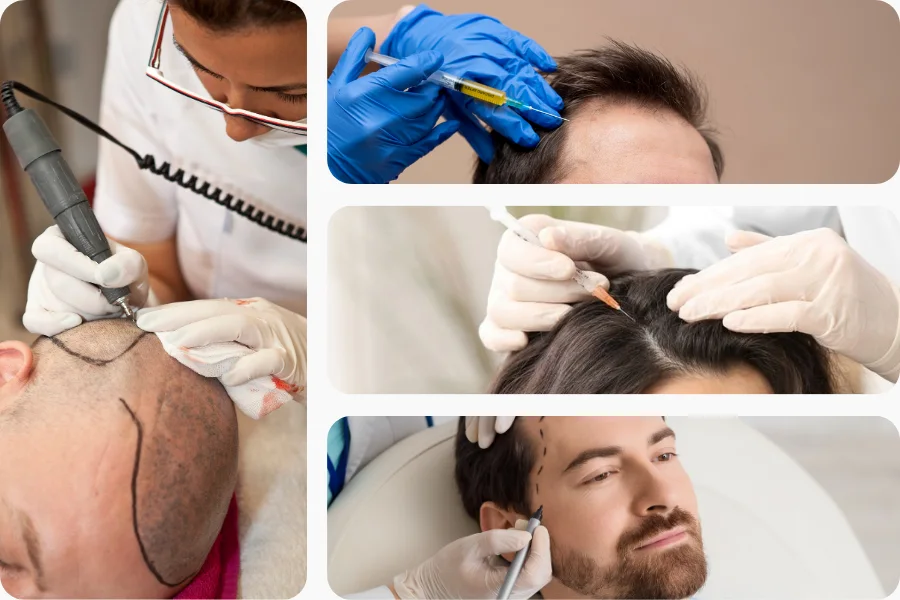
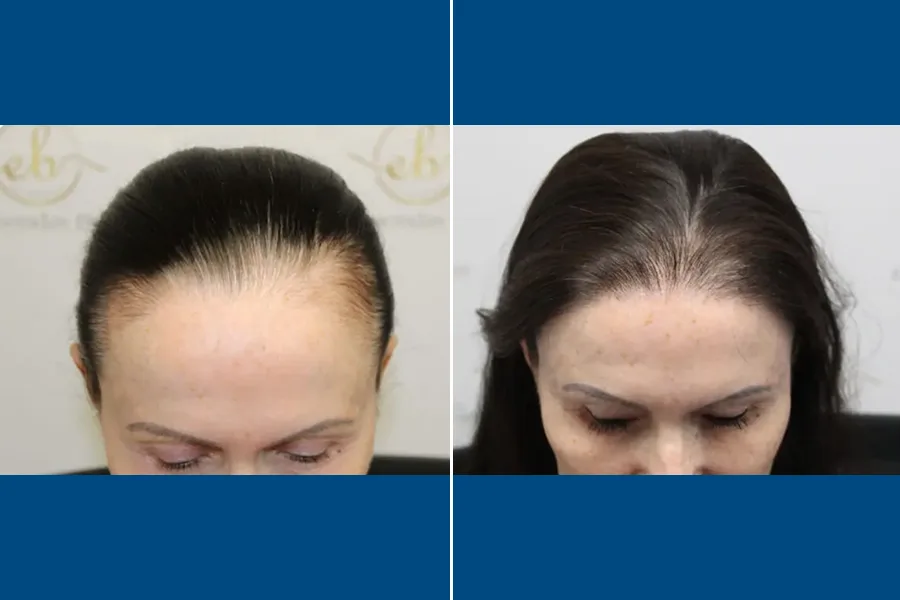
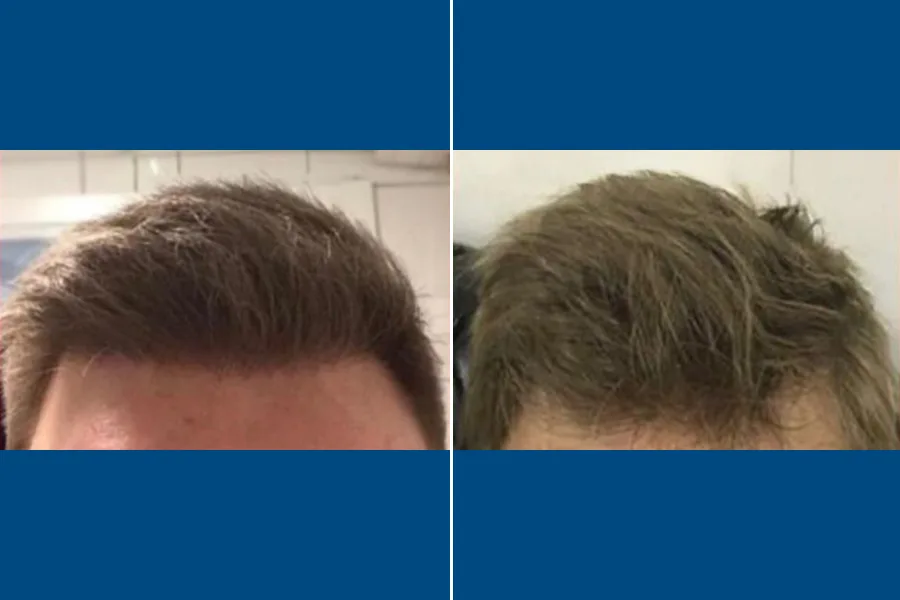
Customize the closest treatment estimate
Choose the closest active Hair Transplant calculator for Revision Hair Transplantation, then adjust the answers to refine your price range.
Your estimate will appear here.
Frequently Asked Questions about Revision Hair Transplantation
What are the most common reasons people seek revision hair transplantation?

Revision hair transplantation is a corrective procedure performed when a previous hair transplant did not achieve the desired results or led to complications.
- Poor Aesthetic Outcome: Unnatural hairline design, uneven density, or visible grafts can prompt patients to seek revision.
- Scarring: Noticeable scars from previous procedures, such as strip surgery (FUT), may require correction.
- Graft Failure: Some transplanted hair may not grow as expected, leading to patchy or thin areas.
- Outdated Techniques: Older methods (like plug grafts) can result in an unnatural appearance, which modern techniques can improve.
- Progression of Hair Loss: Ongoing hair loss around the transplanted area may create new bald spots or unnatural patterns.
Consulting an experienced hair restoration specialist is essential to assess your situation and determine the best approach for revision.
How does the cost of revision hair transplant compare to the initial procedure?
Revision hair transplant procedures are often more complex and can be more expensive than initial hair transplant surgeries.
- Increased Complexity: Revision surgeries may require correcting scarring, redistributing grafts, or addressing poor results from previous procedures, which can increase the time and skill required.
- Specialized Techniques: Surgeons may need to use advanced techniques or additional resources, contributing to higher costs.
- Variable Pricing: The final cost depends on the extent of correction needed, the number of grafts, and the surgeon's expertise.
On average, revision hair transplants tend to be more expensive than the initial procedure due to these additional challenges and requirements.
What should I look for when choosing a clinic or surgeon for a revision hair transplant?
When considering a revision hair transplant, selecting the right clinic and surgeon is crucial for achieving natural-looking, successful results.
- Experience with Revision Cases: Choose a surgeon who specializes in revision or corrective hair transplants, as these procedures are more complex than first-time transplants.
- Board Certification: Look for a board-certified hair restoration surgeon with recognized credentials and memberships in reputable medical associations.
- Before-and-After Photos: Review the surgeon’s portfolio of previous revision cases to assess their skill and aesthetic results.
- Advanced Techniques: Ensure the clinic uses modern techniques such as FUE (Follicular Unit Extraction) or FUT (Follicular Unit Transplantation), and has access to the latest technology.
- Personalized Consultation: A thorough, honest consultation is essential to discuss your goals, evaluate your scalp, and create a tailored treatment plan.
- Patient Reviews: Check independent reviews and testimonials to gauge patient satisfaction and clinic reputation.
- Aftercare Support: Comprehensive post-procedure care and follow-up are important for optimal healing and results.
Taking time to research and consult with qualified professionals can significantly improve your chances of a successful revision hair transplant.
Are there any additional travel considerations for revision procedures?
Yes, there are important travel considerations for patients undergoing Revision Hair Transplantation.
- Longer Recovery: Revision procedures can be more complex, potentially requiring a longer recovery period before you are fit to travel back home.
- Follow-Up Visits: You may need more frequent or extended follow-up appointments to monitor healing and address any complications.
- Special Instructions: Surgeons may provide specific aftercare instructions, such as avoiding certain activities or environments, which could affect your travel plans.
- Travel Insurance: Consider comprehensive travel insurance that covers medical complications related to revision surgery.
- Communication: Ensure you have a way to stay in touch with your surgeon after returning home in case you need additional advice or support.
Planning extra time for your stay and discussing all travel-related concerns with your medical team is recommended for a safe and smooth experience.
Can previous hair transplant techniques affect the approach to revision surgery?
Yes, previous hair transplant techniques can significantly influence the planning and approach for revision hair transplantation.
- Type of Technique Used: Earlier methods like strip harvesting (FUT) or older plug grafts may leave different types of scars or hair patterns compared to modern FUE (Follicular Unit Extraction).
- Scarring and Donor Area: The amount and location of scarring, as well as the remaining donor hair, will impact what is possible in revision surgery.
- Graft Survival and Placement: Poorly placed or low-density grafts from previous procedures may need correction or removal, affecting the revision plan.
A thorough evaluation by a hair restoration specialist is essential to assess the results of prior procedures and develop a customized revision strategy for optimal, natural-looking outcomes.
How long should I wait after my first transplant before considering a revision?
The recommended waiting period before considering a revision hair transplant is typically 12 to 18 months after your initial procedure.
- This allows time for the transplanted hair to fully grow, mature, and for the final results to become visible.
- It also gives your scalp adequate time to heal and recover from the first surgery.
Consult your hair restoration specialist to assess your results and determine the best timing for a revision based on your individual healing and goals.
###DISCLAIMER###This information is for general guidance only and does not replace professional medical advice. Always consult your surgeon or healthcare provider for personalized recommendations.
Is the recovery process for revision hair transplant different from the original procedure?
The recovery process for revision hair transplant is generally similar to that of an initial hair transplant, but there can be some important differences depending on the complexity of the case and the condition of the scalp.
- Healing Time: Recovery may take slightly longer if there is significant scar tissue or if the scalp has been previously altered.
- Sensitivity: The scalp may be more sensitive or have reduced blood supply in areas that have undergone prior surgery.
- Aftercare: Post-operative care instructions are usually similar, but your surgeon may recommend additional precautions to protect the scalp and optimize healing.
Most patients can expect some swelling, redness, and minor discomfort, which typically subside within a week or two. Final results may take several months to become fully visible.
It's important to follow your surgeon's advice closely, as each revision case is unique and may require tailored care.
Will a revision hair transplant affect the appearance of the donor area?
Revision hair transplantation can potentially impact the appearance of the donor area, depending on several factors.
- Previous Harvesting: If a significant amount of hair was already taken during the initial procedure, there may be less density available for further extraction, which could make thinning or scarring more noticeable.
- Technique Used: Advanced techniques such as FUE (Follicular Unit Extraction) tend to leave minimal scarring, while older methods like FUT (strip method) may result in a visible linear scar, especially after multiple surgeries.
- Surgeon Skill: The experience and skill of the surgeon play a crucial role in minimizing visible changes to the donor area during a revision.
A thorough consultation with a qualified hair restoration specialist is essential to assess your donor area and discuss realistic expectations before undergoing a revision hair transplant.
###DISCLAIMER###This answer is for informational purposes only and does not replace professional medical advice. Please consult a qualified healthcare provider for personalized recommendations.Are there specific questions I should ask during my consultation for a revision procedure?
Yes, preparing the right questions for your Revision Hair Transplantation consultation is essential to ensure you understand the procedure, expected outcomes, and potential risks.
- What caused the need for revision? (e.g., poor growth, unnatural appearance, scarring)
- What techniques will you use to correct previous issues?
- How much donor hair is available for the revision?
- What results can I realistically expect?
- What are the risks and possible complications of revision surgery?
- How long is the recovery period?
- Can I see before-and-after photos of similar revision cases?
- What is the estimated cost and are there additional fees?
Bringing a list of your concerns and previous medical records can help your surgeon provide the best recommendations for your situation.
What documentation or records from my previous hair transplant should I bring to my revision consultation?
For a revision hair transplant consultation, bringing comprehensive documentation from your previous procedure helps your surgeon assess your case and plan the best approach.
- Surgical Records: Operative notes, details of the technique used (FUE, FUT, etc.), and the number of grafts transplanted.
- Before-and-After Photos: Images showing your hair before the first transplant, immediately after, and your current results.
- Medical History: Any relevant medical records, including medications, allergies, and previous scalp conditions.
- Correspondence: Any written communication or instructions from your previous surgeon.
Bringing these records allows your new surgeon to understand your hair restoration history and tailor the revision procedure to your needs.
Clinics offering Revision Hair Transplantation
Compare verified clinic profiles connected to this treatment.



Related Articles
Guides and insights connected to this treatment.

A Step-by-Step Guide to Revision Hair Transplantation in Turkey
Regenera Activa: The stem-cell boost your hair transplant needs.
