


Hair Transplant · SDHI Hair Transplantation
Hair Transplant
SDHI Hair Transplantation: Restore Fuller Hair
Advanced hair restoration using the SDHI method to support natural-looking hairlines, dense coverage, and long-lasting results.
Page Contributors


6–8 h
Duration

7–10 d
Recovery

Mild
Pain Level

Minimal
Scarring

95–98 %
Success Rate

5–7 d
Permission to Work
What is SDHI Hair Transplantation?
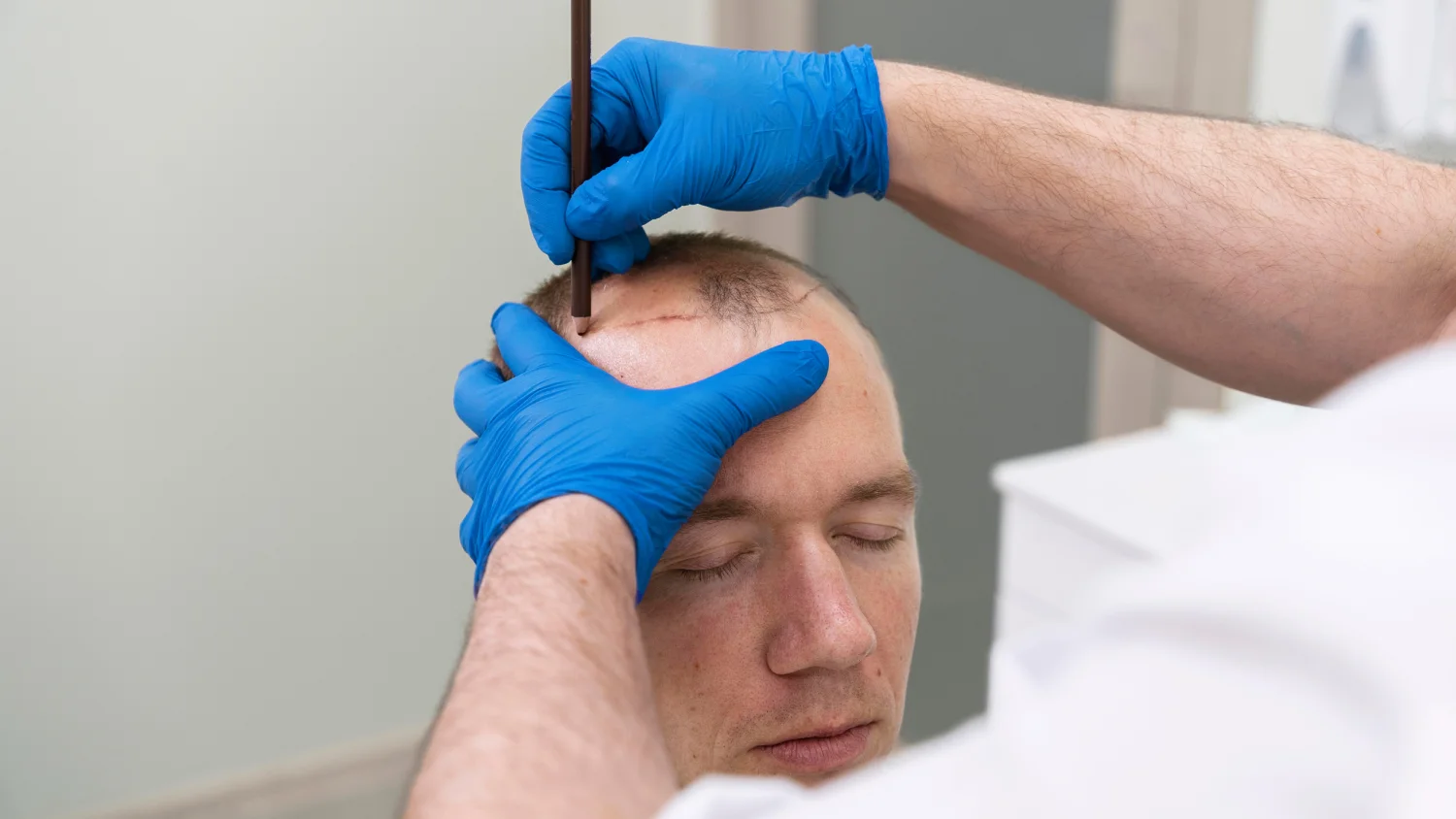
SDHI hair transplantation is a cutting-edge technique designed to restore hair in areas affected by thinning or baldness. SDHI stands for Sapphire Direct Hair Implantation, which combines the precision of sapphire blades with the advanced direct implantation method. This approach allows for the creation of finer, more natural-looking hairlines and denser coverage, as each follicle is implanted individually without the need for pre-made incisions.
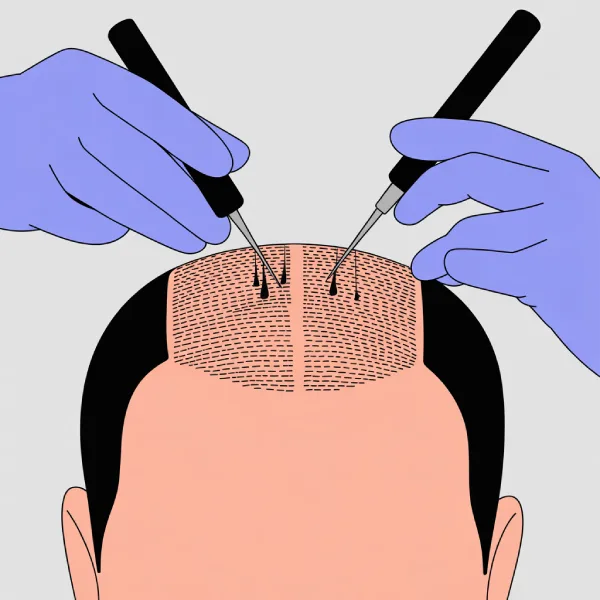
During the procedure, healthy hair follicles are harvested typically from the back of the scalp and then directly implanted into the target area using specialized sapphire-tipped instruments. This minimally invasive method promotes faster healing, reduces trauma to the scalp, and delivers natural, long-lasting results for both men and women experiencing hair loss.

Who is SDHI Hair Transplantation for?
SDHI Hair Transplantation is designed for individuals seeking a minimally invasive and natural-looking solution to hair loss. This advanced technique is particularly suitable for:
- Men and women experiencing androgenetic alopecia (male or female pattern baldness) who desire fuller hair coverage.
- Patients with localized thinning or small bald patches, especially at the hairline, temples, or crown.
- Individuals who have sufficient donor hair at the back or sides of the scalp for transplantation.
- Those looking for a procedure with minimal scarring and a quicker recovery compared to traditional methods.
SDHI Hair Transplantation offers a precise and gentle approach, making it ideal for those who prioritize natural results and minimal downtime.
SDHI Hair Transplantation benefits
-
Hybrid Sapphire DHI approach
-
Precise graft placement
-
Dense-packing goals
-
Graft-survival planning
-
Less tissue trauma
-
Recovery timeline planning
How is SDHI Hair Transplantation done?
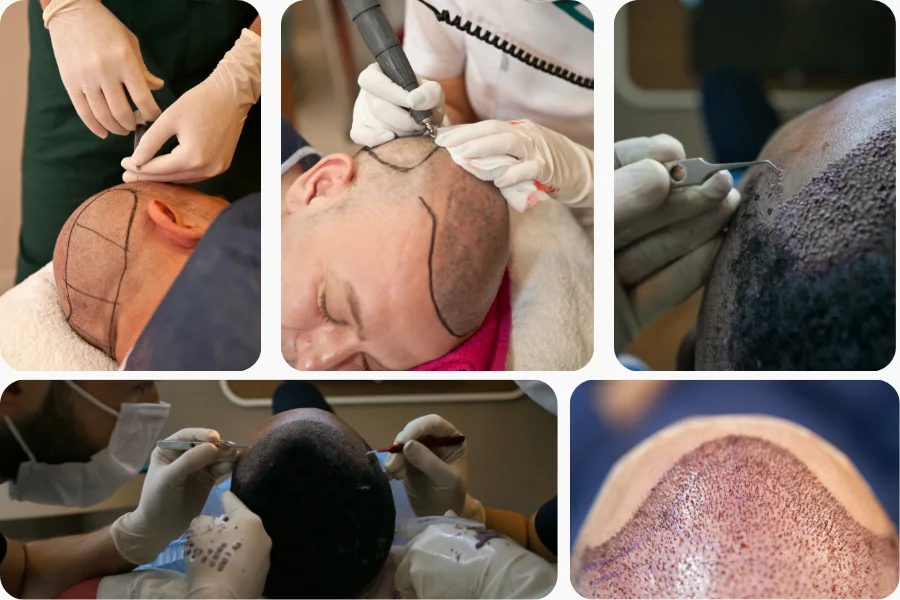
SDHI (Sapphire Direct Hair Implantation) hair transplantation is an advanced, minimally invasive technique designed to deliver natural-looking, dense hair restoration with high precision. By combining the use of sapphire blades and direct implantation technology, SDHI offers faster healing, minimal scarring, and optimal graft survival rates.
-
Comprehensive Consultation and Assessment
The process begins with a detailed scalp analysis and discussion of your expectations. The specialist evaluates your hair density, donor area quality, and hairline design to develop a personalized treatment plan tailored to your needs.
-
Preparation and Local Anesthesia
The donor and recipient areas are carefully prepared and sterilized. Local anesthesia is administered to ensure maximum comfort throughout the procedure, making the process virtually painless.
-
Graft Extraction Using Sapphire Blades
Hair follicles are individually extracted from the donor area (usually the back of the scalp) using ultra-fine sapphire blades. These blades create precise, micro-incisions that minimize tissue trauma and promote rapid healing.
-
Direct Implantation of Hair Follicles
Extracted grafts are immediately implanted into the recipient area using a specialized implanter pen. This technique allows for exact control over the angle, depth, and direction of each hair, ensuring a natural hairline and dense coverage.
-
Post-Procedure Care and Recovery
After the procedure, you will receive detailed aftercare instructions and any necessary medications to reduce swelling and support healing. Follow-up appointments are scheduled to monitor progress and ensure optimal results.
Recovery and expectation?
The recovery journey after SDHI (Sapphire Direct Hair Implantation) hair transplantation is a gradual process, with each stage bringing you closer to natural-looking, permanent results. Understanding the recovery timeline will help you set realistic expectations and follow the best practices for optimal healing and hair growth.
-
Immediate Post-Procedure (First 7–10 Days)
In the first week, you may notice mild swelling, redness, and scabbing in both the donor and recipient areas. Tiny crusts will form around the implanted follicles and typically fall off within 7–10 days. It is crucial to avoid touching or scratching the scalp and to follow your surgeon’s cleaning instructions carefully. Most patients can return to non-strenuous work within 2–3 days, but should avoid heavy exercise and direct sun exposure.
-
Early Healing & Shedding Phase (2–6 Weeks)
During this period, the transplanted hairs often enter a shedding phase (shock loss), which is a normal part of the process. The underlying follicles remain healthy and will soon begin new growth. Any lingering redness or sensitivity usually subsides. Continue to avoid harsh hair products and protect your scalp from trauma or sunburn.
-
Initial Regrowth (2–4 Months)
New hair growth typically becomes visible by the end of the third or fourth month. The new hairs may appear fine and thin at first, but will gradually thicken over time. You can usually resume normal hair care routines, including gentle washing and styling, as advised by your medical team.
-
Noticeable Improvement (6–9 Months)
At this stage, significant hair growth and density become apparent. The transplanted hair blends more naturally with your existing hair, and you can enjoy greater styling flexibility. Any minor numbness or tightness in the donor area should have resolved. Regular follow-up visits are recommended to monitor progress.
-
Final Results & Long-Term Care (12–18 Months)
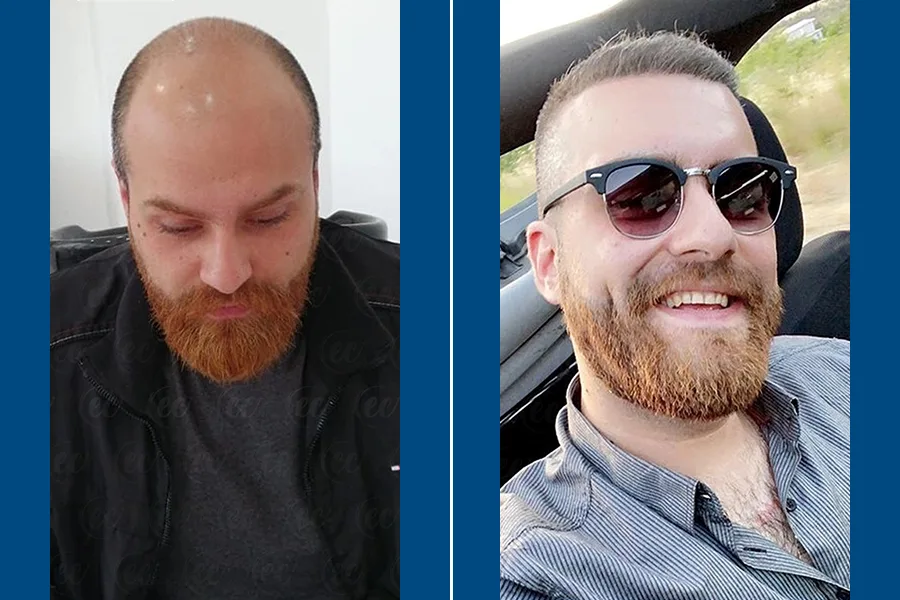
By 12–18 months post-procedure, full results are typically achieved your transplanted hair will have matured, thickened, and settled into its permanent pattern. To maintain healthy hair and scalp, continue with good hair care practices and attend periodic check-ups as recommended by your specialist.
Why Choose Türkiye for SDHI Hair Transplantation?
Türkiye stands out as a premier destination for SDHI (Sapphire Direct Hair Implantation) hair transplantation, offering a unique blend of medical expertise, cutting-edge technology, and affordable pricing. The SDHI technique, which uses ultra-fine sapphire blades for precise and minimally invasive hair follicle implantation, is performed by some of the most experienced hair restoration specialists in the world.
Turkish hair transplant clinics are renowned for their high success rates and natural-looking results. With a strong focus on patient safety and satisfaction, Türkiye’s medical teams are adept at delivering personalized treatment plans tailored to each individual’s needs. The SDHI method is especially popular for its ability to achieve dense, natural hairlines with minimal scarring and rapid recovery times.
- Türkiye’s hair transplant surgeons are internationally recognized for their skill and artistry in the SDHI technique, ensuring optimal graft survival and aesthetic outcomes.
- Clinics utilize state-of-the-art sapphire instruments and advanced DHI technology, providing patients with the latest innovations in hair restoration.
- Competitive pricing and comprehensive packages make SDHI hair transplantation in Türkiye highly cost-effective compared to many Western countries.
- Facilities are accredited and meet international healthcare standards, ensuring a safe and comfortable experience for all patients.
- Türkiye’s central location and excellent transport links make it easily accessible for international patients seeking world-class hair restoration.
- Patients can enjoy a memorable travel experience, combining their hair transplant journey with the opportunity to explore Türkiye’s vibrant culture and scenic beauty.
Türkiye’s leadership in health tourism is reflected in the hundreds of thousands of international patients who visit each year for hair transplantation. With its reputation for reliable, high-quality care and outstanding patient support, Türkiye ensures your SDHI hair transplant journey is both successful and enriching.
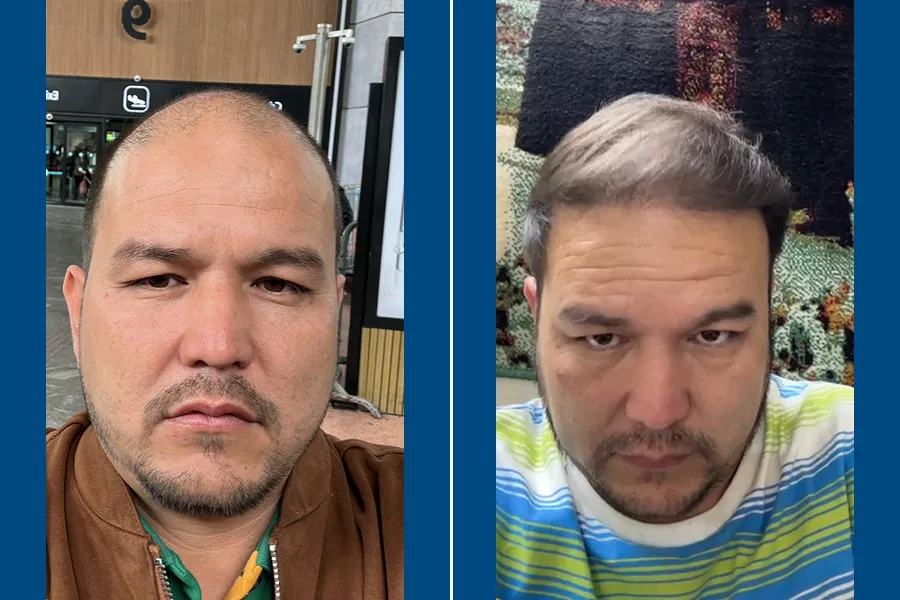
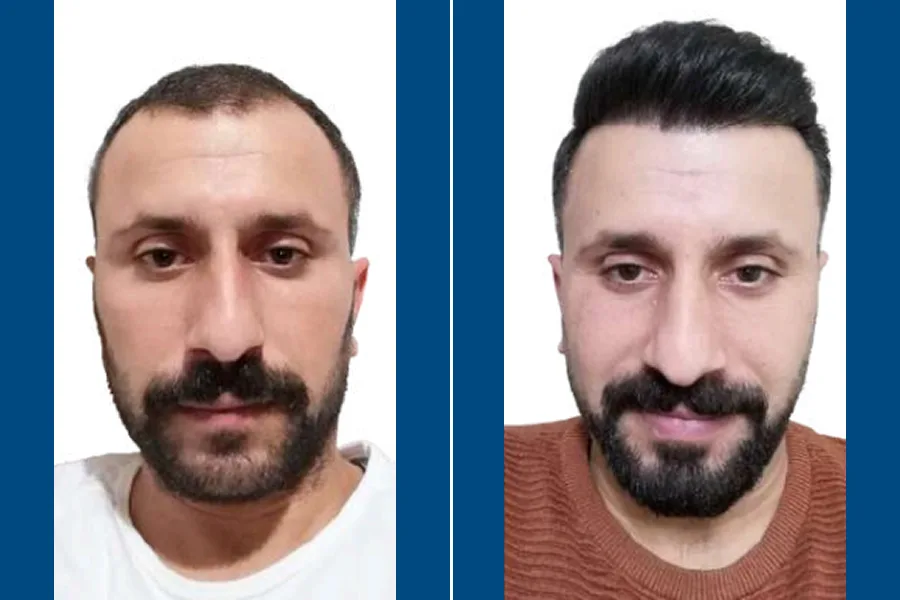

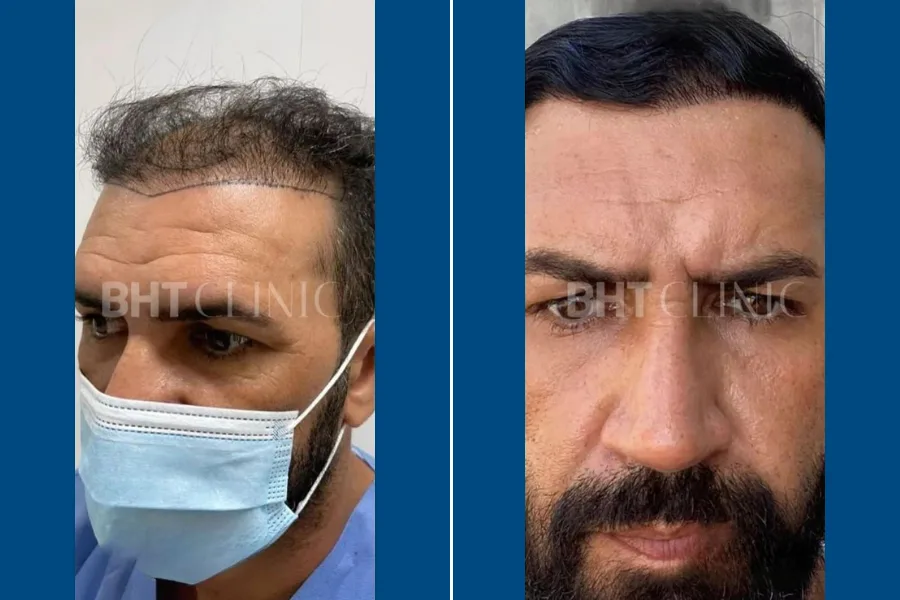
Customize the closest treatment estimate
Choose the closest active Hair Transplant calculator for SDHI Hair Transplantation, then adjust the answers to refine your price range.
Your estimate will appear here.
Frequently Asked Questions about SDHI Hair Transplantation
How long does an SDHI hair transplant procedure typically take to complete?

SDHI Hair Transplantation (Sapphire Direct Hair Implantation) is a meticulous procedure, and the total duration depends on the number of grafts being transplanted and the individual characteristics of the patient.
- On average, an SDHI hair transplant takes between 4 to 8 hours to complete.
- Smaller sessions with fewer grafts may be finished in as little as 3–4 hours.
- Larger procedures requiring more grafts can extend to 8 hours or more, sometimes split into two sessions on consecutive days.
The process includes preparation, extraction, and precise implantation of hair follicles, all performed with great care to ensure natural-looking results.
What kind of aftercare is required following an SDHI hair transplant?
SDHI Hair Transplantation (Sapphire Direct Hair Implantation) requires careful aftercare to ensure optimal healing and successful hair growth.
- Protect the transplanted area: Avoid touching, scratching, or rubbing the scalp for the first few days.
- Gentle washing: Follow your surgeon’s instructions on when and how to wash your hair, typically starting 2–3 days after the procedure using a mild shampoo.
- Avoid physical activity: Refrain from strenuous exercise, swimming, and heavy lifting for at least 1–2 weeks to prevent swelling and dislodging grafts.
- Sleep with your head elevated: Use extra pillows to reduce swelling for the first few nights.
- Medication: Take prescribed antibiotics, pain relievers, or anti-inflammatory medications as directed.
- Sun protection: Avoid direct sun exposure on the scalp for several weeks; wear a loose hat if needed.
Follow-up appointments with your doctor are essential to monitor healing and address any concerns.
###DISCLAIMER###Always follow your surgeon’s specific aftercare instructions, as recommendations may vary depending on your individual case.
Will I need to take time off work after an SDHI hair transplant?
SDHI (Sapphire Direct Hair Implantation) is a minimally invasive hair transplant technique, but you may still need to take some time off work to ensure proper healing and comfort.
- Recovery time: Most patients can return to non-physical work within 2–5 days after the procedure.
- Swelling and redness: Mild swelling, redness, or scabbing may be visible on the scalp for several days, which could influence your decision to return to work sooner or later.
- Physical jobs: If your work involves strenuous activity or exposure to dust and dirt, you may need a longer break (up to 7–10 days) to protect the transplanted area.
Discuss your specific work situation with your hair transplant specialist to get personalized advice on when it's best to resume your duties.
###DISCLAIMER###Information provided here is for general guidance and does not replace professional medical advice. Please consult your doctor for recommendations tailored to your case.
How soon can I wash my hair after undergoing SDHI hair transplantation?
After SDHI hair transplantation, it is generally recommended to wait 48–72 hours before washing your hair for the first time. This allows the grafts to stabilize and reduces the risk of dislodging newly transplanted follicles.
- Use only the special shampoo and instructions provided by your clinic for the first washes.
- Wash your hair gently without rubbing or scratching the scalp.
- Avoid using hot water, strong water pressure, or hair dryers for at least the first week.
Always follow your surgeon’s specific recommendations, as individual protocols may vary.
###DISCLAIMER### This information is for general guidance only and does not replace medical advice from your treating physician.Are there any restrictions on sun exposure after an SDHI hair transplant?
Yes, after a SDHI (Sapphire Direct Hair Implantation) hair transplant, it is important to limit sun exposure to protect the healing scalp and ensure optimal results.
- Avoid direct sunlight: For at least 2–4 weeks after the procedure, avoid exposing the transplanted area to direct sunlight, as UV rays can damage sensitive skin and hair follicles.
- Wear protective headwear: If you need to go outside, use a loose-fitting hat or cap to shield your scalp from the sun.
- No sunscreen on grafts: Do not apply sunscreen directly to the transplanted area until your doctor confirms it is safe, as some products may irritate the healing skin.
- Gradual exposure: After the initial healing period, gradually increase sun exposure, but continue to protect your scalp as needed.
Following these guidelines helps reduce the risk of complications such as redness, irritation, and poor graft survival.
###DISCLAIMER### This information is for general guidance only. Always follow your surgeon’s specific post-operative instructions.What should I expect in terms of hair growth timeline after SDHI transplantation?
SDHI Hair Transplantation (Sapphire Direct Hair Implantation) offers natural-looking results, but hair growth is a gradual process that unfolds over several months.
- First 2–4 weeks: Transplanted hairs may shed (a normal process called "shock loss").
- 1–3 months: New hair follicles enter a resting phase; visible growth is minimal.
- 3–4 months: Initial new hair begins to emerge, usually thin and soft.
- 6–9 months: Noticeable hair growth; hair becomes thicker and denser.
- 12–18 months: Final results are typically visible, with full density and natural texture.
Individual results and timelines can vary based on factors like age, health, and adherence to post-procedure care instructions.
Can I travel shortly after an SDHI hair transplant procedure?
SDHI (Sapphire Direct Hair Implantation) is a minimally invasive hair transplant technique, but it still requires proper aftercare and some recovery time.
Most patients can travel short distances (within the city) soon after the procedure. However, for longer journeys—especially flights—it's generally recommended to wait at least 3–7 days after your SDHI hair transplant.
- Short trips: Local travel is usually safe, but avoid crowded places to reduce infection risk.
- Air travel: Wait several days to minimize swelling and avoid pressure changes that may affect healing.
- Post-op care: Follow your surgeon’s instructions regarding washing, medication, and activity restrictions.
Always consult your hair transplant specialist before making travel plans to ensure your recovery is on track and to receive personalized advice.
Is it necessary to use special shampoos or products after an SDHI hair transplant?
After a SDHI (Sapphire Direct Hair Implantation) hair transplant, it is generally recommended to use special shampoos and hair care products designed for sensitive or post-transplant scalps.
- Mild, non-irritating shampoos: These help to gently cleanse the scalp without causing irritation or damaging newly implanted grafts.
- Special post-transplant products: Some clinics may provide or recommend specific products that promote healing and reduce the risk of infection.
- Avoid harsh chemicals: Shampoos with strong fragrances, sulfates, or alcohol should be avoided during the initial healing period.
Your surgeon or clinic will give you detailed instructions on which products to use and how to care for your scalp after the procedure. Following these recommendations is important for optimal healing and results.
Are there age restrictions for undergoing SDHI hair transplantation?
SDHI (Sapphire Direct Hair Implantation) hair transplantation does not have strict age restrictions, but there are important considerations regarding the ideal timing for the procedure.
- Minimum age: Обычно рекомендуется дождаться достижения 21–25 лет, чтобы стабилизировалось выпадение волос и можно было оценить окончательный рисунок облысения.
- Максимальный возраст: Верхнего возрастного порога нет, однако важны общее состояние здоровья и отсутствие противопоказаний к хирургическому вмешательству.
Кандидатам любого возраста необходима индивидуальная консультация с трихологом или трансплантологом для оценки причин выпадения волос, состояния кожи головы и общего здоровья.
How can I verify the experience or credentials of a clinic offering SDHI hair transplantation?
To ensure you choose a reputable clinic for SDHI Hair Transplantation, it’s important to verify their experience and credentials before proceeding with treatment.
- Check certifications: Confirm that the clinic and its medical staff are licensed and certified by recognized national or international medical boards.
- Review surgeon qualifications: Look for information about the surgeon’s education, years of experience, and specific training in SDHI or other hair transplantation techniques.
- Ask about case studies: Request before-and-after photos of previous patients and inquire about the number of SDHI procedures performed at the clinic.
- Read patient reviews: Search for independent reviews and testimonials to learn about other patients’ experiences and satisfaction levels.
- Verify clinic accreditation: Ensure the clinic is accredited by reputable healthcare organizations or associations.
Taking these steps can help you make an informed decision and increase the likelihood of a successful and safe hair transplant experience.
Clinics offering SDHI Hair Transplantation
Compare verified clinic profiles connected to this treatment.



Related Articles
Guides and insights connected to this treatment.
A Step-by-Step Guide to SDHI Hair Transplantation in Turkey
Regenera Activa: The stem-cell boost your hair transplant needs.
