


Hair Transplant · Shaven Hair Transplantation

Hair Transplant
Shaven Hair Transplantation: Renew Your Roots
Hair restoration procedure involving scalp shaving before transplantation for precise follicle placement and natural-looking results.
Page Contributors


6–8 h
Duration

7–10 d
Recovery

Mild
Pain Level

Minimal
Scarring

95–98 %
Success Rate

7 d
Permission to Work
What is Shaven Hair Transplantation?
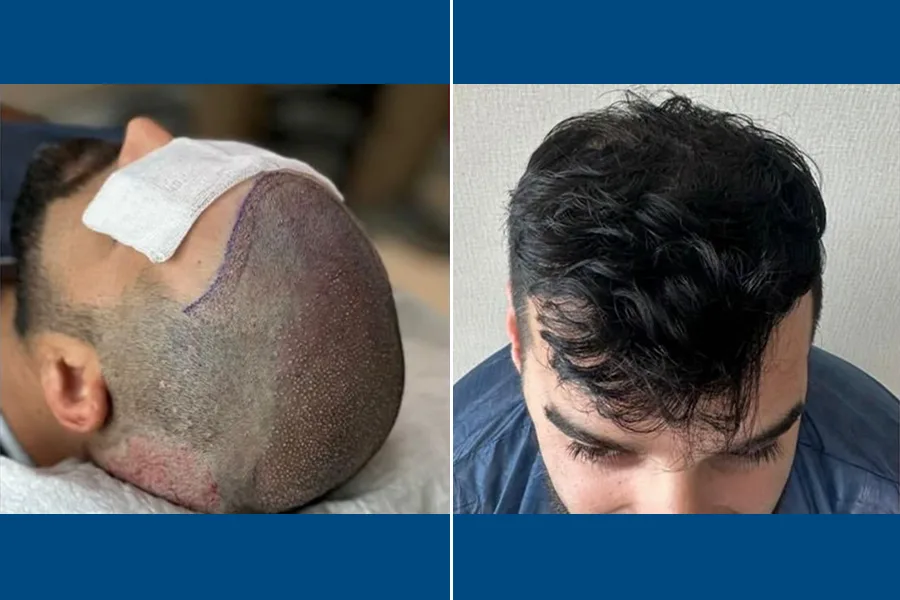
Shaven hair transplantation is a specialized hair restoration procedure in which the recipient’s scalp is fully or partially shaved before follicular unit extraction (FUE) or follicular unit transplantation (FUT). This approach allows for optimal visibility and precision during the harvesting and implantation of hair follicles, resulting in more accurate placement and natural-looking results. Shaving the scalp also helps minimize the risk of follicle damage and ensures a cleaner, more efficient surgical process.
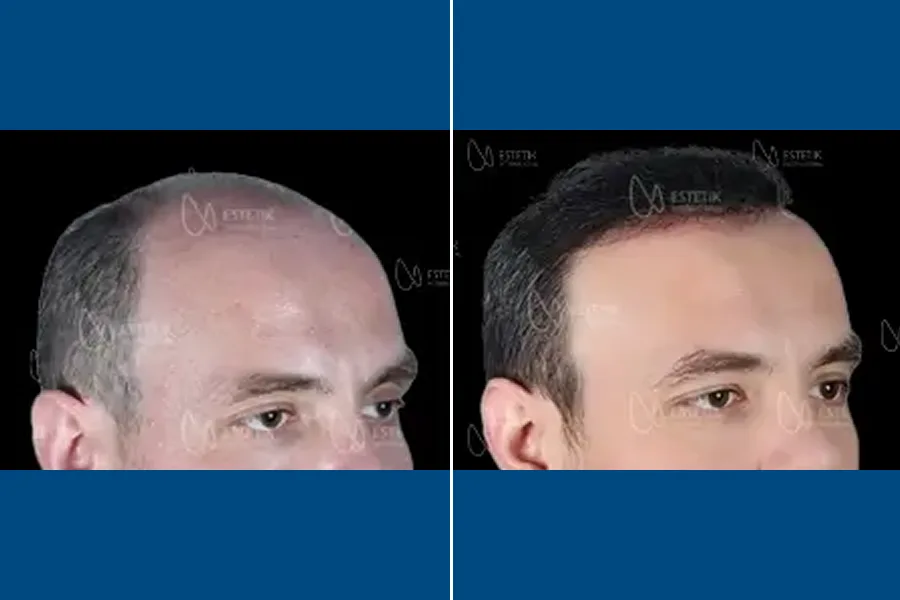
Typically recommended for individuals seeking significant hair density restoration, shaven hair transplantation is suitable for both men and women experiencing moderate to advanced hair loss. While the temporary shaved appearance may require some adjustment, the procedure offers long-lasting, natural hair growth and improved scalp health.

Who is Shaven Hair Transplantation for?
Shaven hair transplantation is best suited for individuals seeking a highly effective solution for hair loss who do not mind shaving their scalp prior to the procedure. This treatment is particularly recommended for:
- Men and women experiencing moderate to advanced hair thinning or baldness who desire natural-looking, long-lasting results.
- Patients who are comfortable with a temporary shaved appearance during the recovery phase.
- Individuals with sufficient donor hair at the back or sides of the scalp to ensure successful graft harvesting.
- Those who wish to maximize graft survival and minimize procedure time, as shaving allows for greater precision and efficiency.
This approach is ideal for candidates prioritizing optimal outcomes over immediate cosmetic discretion during the early healing period.
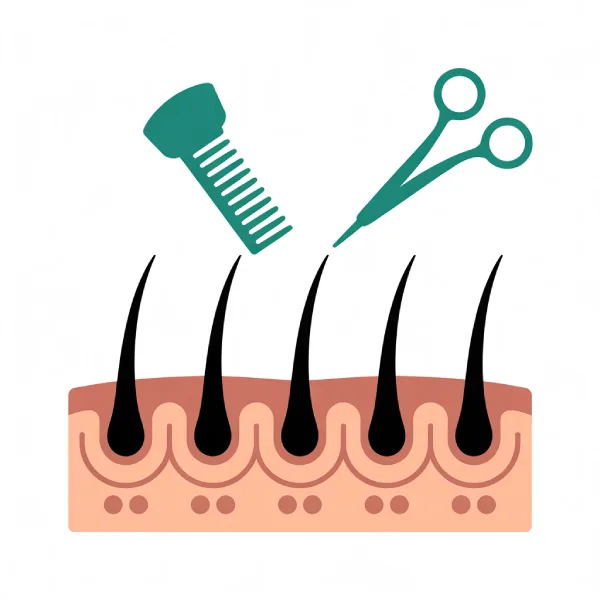
Shaven Hair Transplantation benefits
-
Clean treatment field
-
Easier graft access
-
Uniform implantation
-
Efficient procedure flow
-
Optimal visibility
-
Procedure planning
How is Shaven Hair Transplantation done?
Shaven hair transplantation is a modern hair restoration technique where the recipient's scalp and often the donor area are shaved to facilitate precise extraction and implantation of hair follicles. This approach allows for greater accuracy, improved graft survival, and a more natural-looking result.
-
Consultation and Assessment
The process begins with a comprehensive consultation where the surgeon evaluates your hair loss pattern, scalp condition, and donor hair density. Personalized treatment planning ensures the best approach and hairline design for your unique needs.
-
Preparation and Shaving
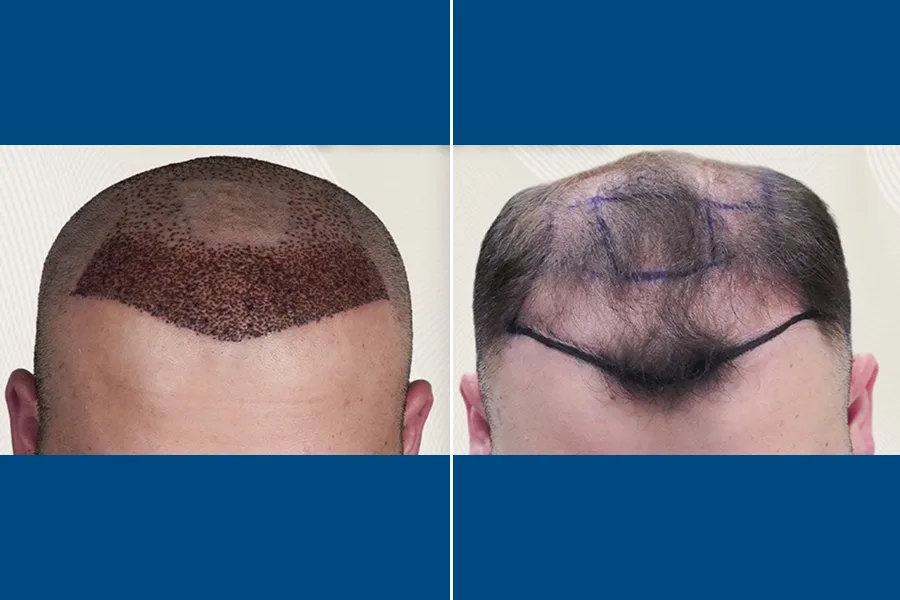
On the day of the procedure, the donor area (usually the back and sides of the scalp) and the recipient area are carefully shaved. This step allows the surgeon to clearly visualize hair follicles and ensures precise extraction and implantation.
-
Local Anesthesia
Local anesthesia is administered to the scalp to ensure your comfort throughout the procedure. You will remain awake but pain-free during the entire process.
-
Follicular Unit Extraction (FUE)
Using specialized micro-punch tools, the surgeon extracts individual hair follicles from the shaved donor area. Each graft is carefully selected to maximize density and natural appearance.
-
Recipient Site Creation and Graft Implantation
Tiny incisions are made in the recipient area according to the planned hairline and density. The extracted follicles are then meticulously implanted into these sites, ensuring the correct angle and direction for a natural look.
-
Post-Procedure Care
After the procedure, you will receive aftercare instructions and medications to minimize discomfort and promote healing. Follow-up appointments are scheduled to monitor your progress and address any concerns.
Recovery and expectation?
The recovery journey after a shaven hair transplantation is a gradual process, marked by distinct stages that guide you from immediate post-surgery care to full hair regrowth. Understanding each phase will help you manage your expectations, follow aftercare instructions, and achieve optimal results.
-
Immediate Post-Operative Period (First 7 days)
In the first week, you may experience swelling, redness, and mild discomfort around the donor and recipient areas. Tiny scabs will form at the graft sites. It is crucial to avoid touching or scratching the scalp, follow prescribed medications, and sleep with your head elevated. Gentle washing as instructed by your surgeon can begin after a few days to promote healing.
-
Early Healing & Shedding Phase (2–4 weeks)
During this period, most scabs will naturally fall off, and the transplanted hairs may begin to shed a normal part of the process called shock loss. The scalp may remain slightly pink or sensitive. Continue to avoid strenuous activities, direct sunlight, and harsh hair products. Adhering to your surgeon’s aftercare routine is essential for proper follicle healing.
-
Regrowth Initiation (1–3 months)
New hair growth typically starts to appear around the third month. The new hairs may be fine or thin at first but will gradually thicken over time. Mild itching or tingling can occur as follicles become active. You can usually resume normal hair washing and styling routines, but continue to treat your scalp gently.
-
Visible Improvement (4–6 months)
Hair growth becomes more noticeable, with increased density and improved texture. Most patients feel comfortable returning to regular social and professional activities. You may consult your surgeon about haircuts or styling options as the transplanted area blends naturally with existing hair.
-
Final Results & Long-Term Care (9–12 months and beyond)
By the end of the first year, full results are typically visible your transplanted hair will have matured, thickened, and blended seamlessly with your natural hair. To maintain healthy hair growth, continue with good scalp hygiene, avoid harsh treatments, and attend any recommended follow-up appointments.
Why Choose Türkiye for Shaven Hair Transplantation?
Türkiye has established itself as a premier destination for shaven hair transplantation, offering a blend of medical expertise, advanced techniques, and affordable pricing. This popular hair restoration method, which involves shaving the scalp for optimal graft placement and natural-looking results, is performed by experienced specialists in state-of-the-art clinics throughout the country.
Renowned for their skill and precision, Turkish hair transplant surgeons are at the forefront of the latest innovations in the field, ensuring minimally invasive procedures and high graft survival rates. Clinics in Türkiye adhere to international standards of hygiene and patient safety, providing a comfortable and supportive environment for every stage of your treatment journey.
- Türkiye’s hair transplant specialists have extensive experience with shaven techniques, ensuring precise graft placement and natural hairlines.
- Clinics are equipped with the latest technology, such as high-resolution imaging and micro-surgical tools, for optimal results and patient comfort.
- Thousands of successful shaven hair transplants are performed annually, with high patient satisfaction and proven outcomes.
- Competitive pricing and comprehensive packages make Türkiye a cost-effective choice, often including accommodation, transfers, and aftercare.
- Türkiye’s central location and excellent flight connections make it easily accessible for international patients seeking hair restoration.
- Patients can enjoy a memorable travel experience, combining their treatment with Türkiye’s rich culture, cuisine, and scenic beauty.
As a global leader in health tourism, Türkiye attracts hundreds of thousands of international patients each year for hair transplantation. With its reputation for quality care, experienced professionals, and patient-focused service, Türkiye ensures your shaven hair transplant journey is both successful and rewarding.
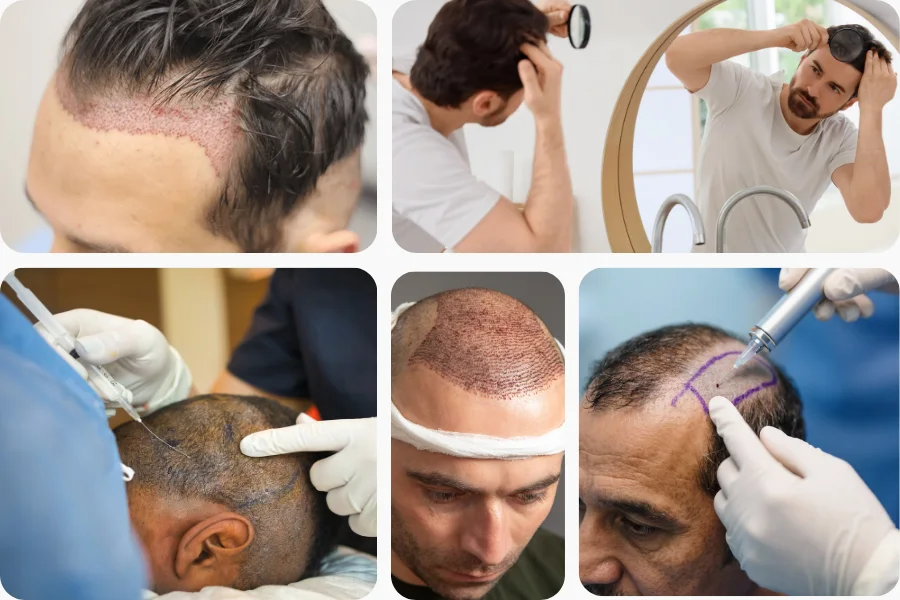
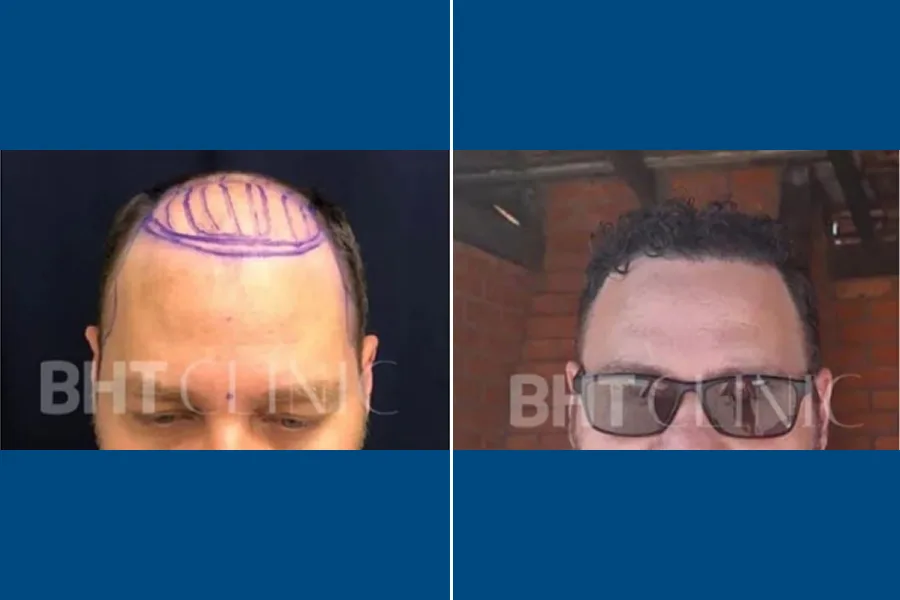
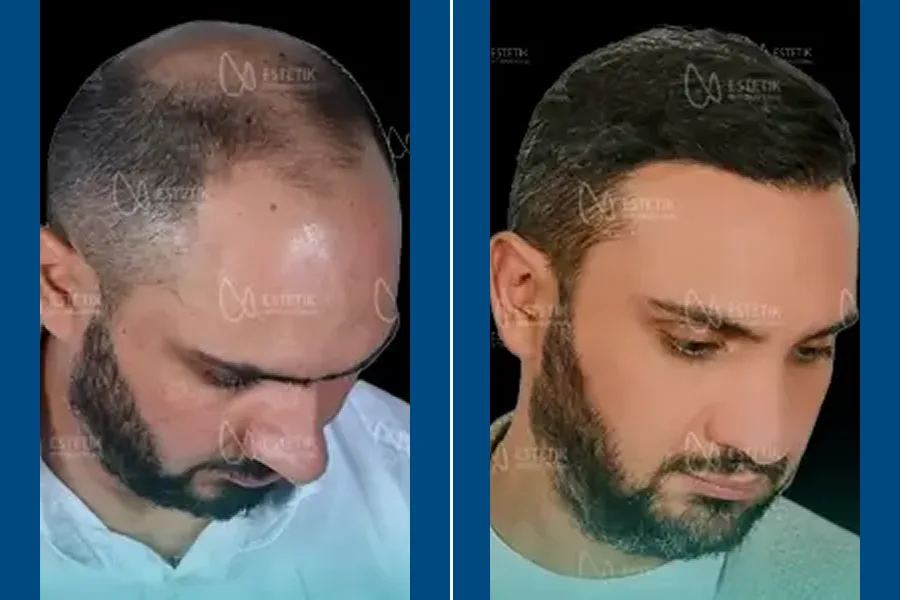
Customize the closest treatment estimate
Choose the closest active Hair Transplant calculator for Shaven Hair Transplantation, then adjust the answers to refine your price range.
Your estimate will appear here.
Frequently Asked Questions about Shaven Hair Transplantation
How long does it take for the hair to grow back after a shaven hair transplant?

After a shaven hair transplant, the initial hair growth process follows a typical timeline:
- First 2–3 weeks: Transplanted hairs often shed (this is normal and called "shock loss").
- 1–3 months: New hair begins to grow from the transplanted follicles, usually appearing as fine, thin hairs.
- 4–6 months: Noticeable hair growth is seen, with hair becoming thicker and denser.
- 9–12 months: Final results are typically visible, with most patients enjoying full, natural-looking hair growth.
Individual results may vary depending on factors such as hair type, health, and adherence to post-procedure care instructions.
Will people notice that I had a shaven hair transplant?
Shaven hair transplantation involves shaving the donor and/or recipient areas of the scalp to allow for precise implantation of hair follicles.
Whether others notice your procedure depends on several factors:
- Immediate post-op period: Right after surgery, there may be visible redness, small scabs, or short hair stubble in the treated areas, which can be noticeable for about 1–2 weeks.
- Hair length and style: If you typically wear your hair very short, the difference may be less obvious. For those with longer hair, the shaved areas may be more noticeable until the hair grows back.
- Healing process: As the scalp heals and hair regrows (usually within a few weeks), signs of the procedure become less visible.
Many patients choose to schedule their procedure during a vacation or time off work to allow for initial healing and regrowth, minimizing the chance that others will notice.
Are there any special aftercare instructions for the scalp following a shaven hair transplant?
After a shaven hair transplant, proper scalp care is crucial for optimal healing and successful results.
- Avoid touching or scratching the transplanted area to prevent dislodging grafts and introducing infection.
- Follow your surgeon’s washing instructions—usually, gentle rinsing with a mild shampoo is allowed after a few days.
- Protect your scalp from direct sunlight and wear a loose hat if needed, as the skin will be sensitive.
- Refrain from strenuous exercise and activities that cause sweating for at least a week.
- Do not apply hair products (gels, sprays, dyes) until your doctor approves.
- Watch for signs of infection such as redness, swelling, or pus, and contact your clinic if these occur.
Your doctor will provide detailed, personalized aftercare instructions—be sure to follow them closely for the best outcome.
###DISCLAIMER### This answer is for informational purposes only and does not replace professional medical advice. Always consult your healthcare provider for personalized recommendations.How soon can I wear hats or head coverings after the procedure?
After a Shaven Hair Transplantation, it is important to protect the newly transplanted grafts and allow your scalp to heal properly.
- First 3–5 days: Avoid wearing any hats or head coverings to prevent pressure or friction on the grafts.
- After 5–7 days: You may begin to wear a loose, clean hat (such as a soft baseball cap or surgical cap), but avoid anything tight or rough that could disturb the healing area.
- After 10–14 days: Most patients can safely wear hats or head coverings as usual, as the grafts are typically well-secured by this time.
Always follow your surgeon’s specific instructions, as recommendations may vary based on your individual healing process and the technique used.
Can I travel shortly after undergoing a shaven hair transplant?
After a shaven hair transplant, it is generally possible to travel, but there are important considerations to ensure optimal healing and avoid complications.
- Timing: Most clinics recommend waiting at least 2–3 days before flying or taking long journeys. This allows initial healing and reduces the risk of swelling or infection.
- Post-op care: You will need to follow specific aftercare instructions, including avoiding touching or rubbing the transplanted area, and keeping the scalp clean and protected.
- Comfort: Swelling, mild discomfort, or sensitivity are common in the first few days, which may make travel less comfortable.
- Sun and infection risk: Avoid direct sunlight and crowded environments where the risk of infection is higher, especially in the first week.
If you plan to travel soon after your procedure, discuss your itinerary with your surgeon to ensure it is safe and to receive personalized advice.
###DISCLAIMER### This information is for general guidance only and does not replace professional medical advice. Always consult your healthcare provider for recommendations specific to your situation.Is it necessary to shave the entire head for this type of transplant?
Shaven hair transplantation is a common technique used to facilitate the precise extraction and implantation of hair follicles. However, it is not always necessary to shave the entire head for every hair transplant procedure.
- Full Shave: In many cases, especially with FUE (Follicular Unit Extraction), the donor area or the entire scalp may be shaved to ensure optimal results and easier access for the surgeon.
- Partial Shave: Some clinics offer partial shaving or unshaven (long hair) techniques, where only small strips or sections of the donor area are shaved, leaving the rest of the hair intact to cover shaved spots.
- Unshaven Transplant: For those who prefer not to shave at all, unshaven FUE is available, though it may be more time-consuming and costly, and is typically suitable for smaller sessions.
The necessity of shaving depends on the chosen technique, the extent of the transplant, and your individual preferences. Discuss your options with your surgeon to determine the best approach for your needs.
Does the procedure affect the natural hair growth pattern?
Shaven Hair Transplantation is designed to restore hair in areas of thinning or baldness while maintaining a natural appearance.
The procedure involves transplanting healthy hair follicles from a donor area (usually the back or sides of the scalp) to the recipient area. These transplanted follicles retain their original growth characteristics.
- Natural Growth Direction: Surgeons carefully place each graft to match the natural angle and direction of your existing hair.
- Growth Pattern: The transplanted hair will grow in the same pattern as it did in the donor area, blending with your natural hair.
- Permanent Results: Once healed, the new hair typically grows permanently and can be cut, styled, or shaved like the rest of your hair.
When performed by an experienced specialist, shaven hair transplantation should not negatively affect your natural hair growth pattern.
How should I protect my scalp from sun exposure after a shaven hair transplant?
After a shaven hair transplant, it is crucial to protect your scalp from sun exposure to ensure proper healing and prevent complications.
- Avoid direct sunlight: Stay out of the sun as much as possible, especially during the first 2–4 weeks after the procedure.
- Wear a loose hat: Use a clean, breathable hat or cap to shield your scalp when going outdoors. Avoid anything tight that could rub against the grafts.
- Do not use sunscreen immediately: Refrain from applying sunscreen directly to the scalp until your doctor confirms it is safe, usually after the initial healing phase.
- Plan outdoor activities: If you must be outside, try to stay in shaded areas and limit exposure during peak sunlight hours (10 AM to 4 PM).
Following these steps helps minimize the risk of sunburn, discoloration, and damage to the newly transplanted hair follicles.
Will the transplanted area look different from the rest of my scalp at first?
After a shaven hair transplantation, it is normal for the transplanted area to look different from the rest of your scalp during the initial healing period.
- Redness and swelling: The transplanted area may appear red, swollen, or dotted with tiny scabs for several days to a couple of weeks.
- Short hair length: Since the scalp is shaved for the procedure, both the donor and recipient areas will have very short hair, making the transplanted grafts more noticeable at first.
- Temporary contrast: The difference in hair density or texture between the transplanted and non-transplanted areas may be visible until the new hair grows and blends in.
These differences are temporary. As your scalp heals and the transplanted hair begins to grow (usually within a few months), the area will gradually blend in with the rest of your scalp.
Are there any restrictions on using hair products after a shaven hair transplant?
After a shaven hair transplant, it is important to follow specific guidelines regarding the use of hair products to ensure proper healing and optimal results.
- First 2 weeks: Avoid using any hair styling products such as gels, sprays, waxes, or mousses. These can irritate the scalp and interfere with the healing process.
- Shampoo: Use only the gentle, doctor-recommended shampoo for the first 10–14 days. Do not use regular or medicated shampoos unless prescribed by your surgeon.
- After 2 weeks: You may gradually reintroduce mild hair products, but always consult your doctor before using anything new on your scalp.
- Harsh chemicals: Avoid products with alcohol, strong fragrances, or harsh chemicals for at least a month, as these can damage sensitive grafts.
Always follow your surgeon’s aftercare instructions and contact your clinic if you are unsure about any product.
Clinics offering Shaven Hair Transplantation
Compare verified clinic profiles connected to this treatment.



Related Articles
Guides and insights connected to this treatment.
A Step-by-Step Guide to Shaven Hair Transplantation in Turkey
Regenera Activa: The stem-cell boost your hair transplant needs.
