




5.0/5
I was worried about scars after blepharoplasty, but the results are seamless. My friends keep saying I look so rested. Thank you so much Estetik!
Read original reviewPlastic Surgery · Blepharoplasty
Plastic Surgery
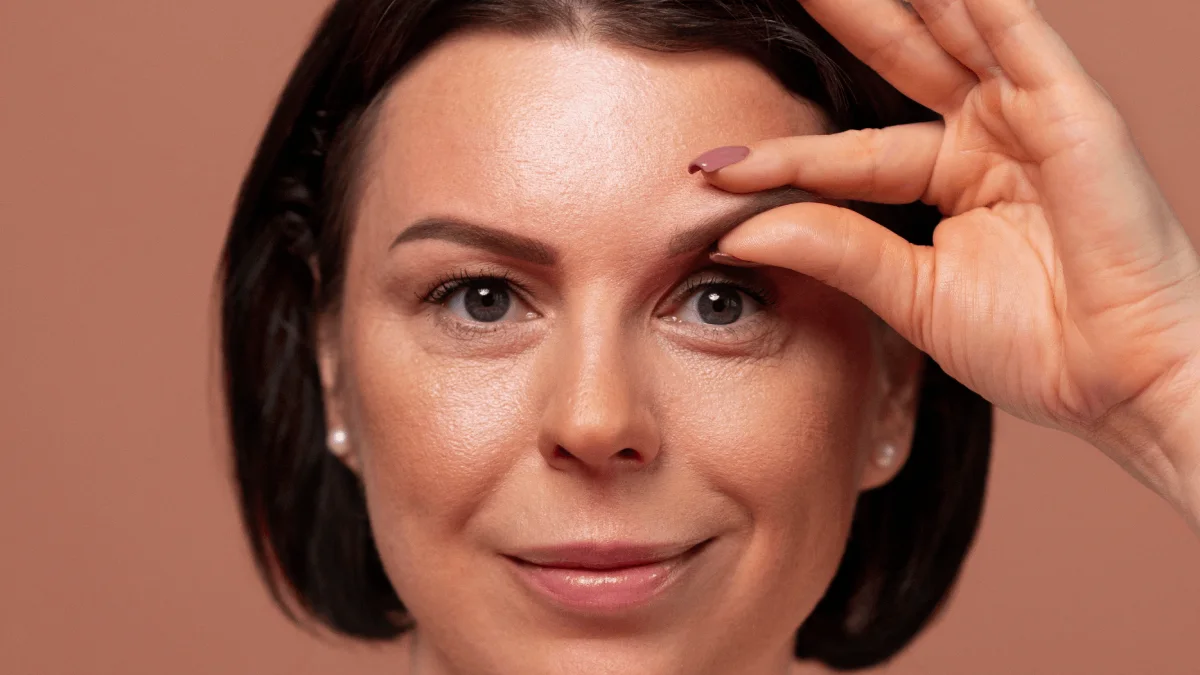
Blepharoplasty in Turkey is an eyelid procedure that removes excess tissue to refresh appearance and improve vision when sagging affects sight.

1–2 h
Duration

7–14 d
Recovery

Mild
Pain Level

Minimal
Scarring

90–95 %
Success Rate

7–10 d
Permission to Work
Blepharoplasty is a specialized surgical procedure aimed at improving the appearance and function of the eyelids. This treatment can be performed on the upper eyelids, lower eyelids, or both, depending on the patient’s needs. Blepharoplasty addresses issues such as drooping upper eyelids, excess skin, puffiness, and under-eye bags, which may result from aging, genetics, or other factors.
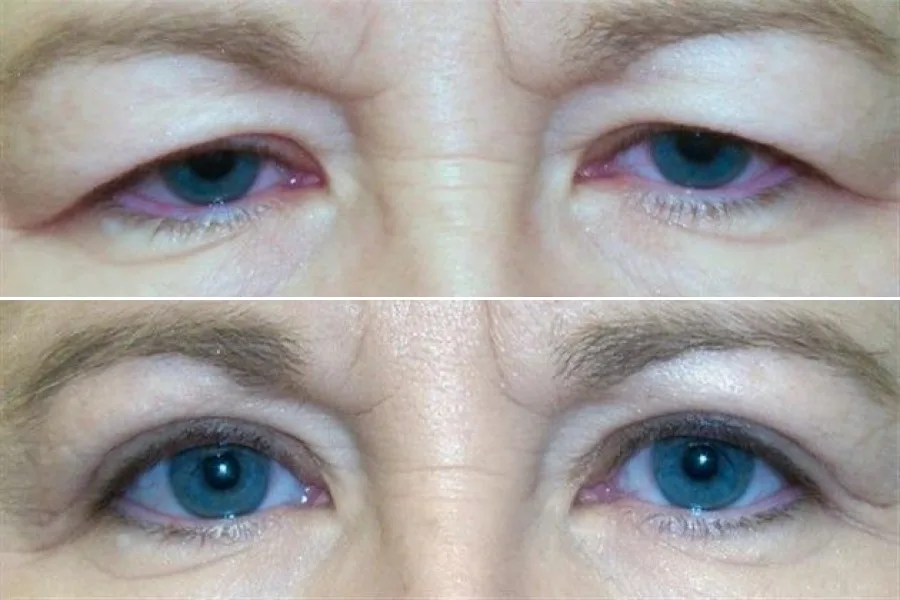
During the procedure, a surgeon carefully removes or repositions excess skin, muscle, and fat to create a more youthful and refreshed look. In addition to cosmetic benefits, blepharoplasty can also improve vision in cases where sagging upper eyelid skin interferes with sight, offering both aesthetic and functional improvements.

Blepharoplasty, also known as eyelid surgery, is best suited for individuals looking to rejuvenate the appearance of their eyes by addressing sagging or drooping eyelids. This treatment is particularly appropriate for:
Blepharoplasty offers a customizable solution for anyone wishing to enhance their facial aesthetics and improve their quality of life.
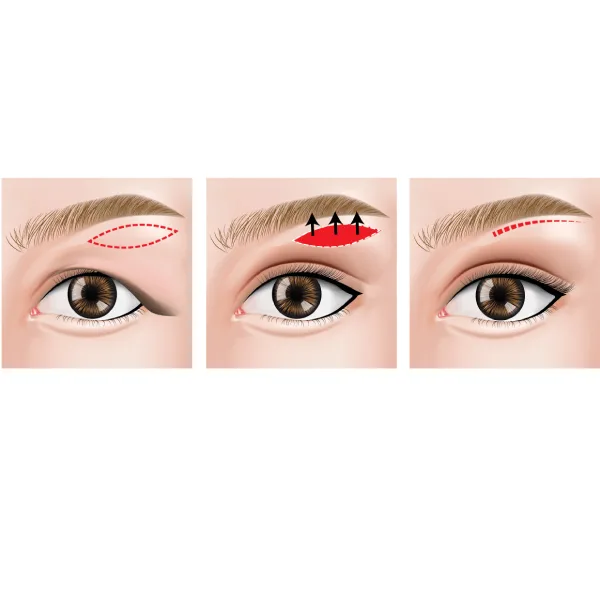
Blepharoplasty, also known as eyelid surgery, is a highly effective procedure designed to rejuvenate the appearance of the upper and/or lower eyelids. By removing excess skin, fat, and sometimes muscle, blepharoplasty can restore a youthful, refreshed look to the eyes, while also improving vision in cases where drooping eyelids obstruct sight.
Your journey begins with a thorough consultation with a plastic surgeon or oculoplastic specialist. During this visit, your medical history, eyelid structure, skin quality, and specific concerns are carefully evaluated. The surgeon discusses your goals and creates a tailored surgical plan to address your needs.
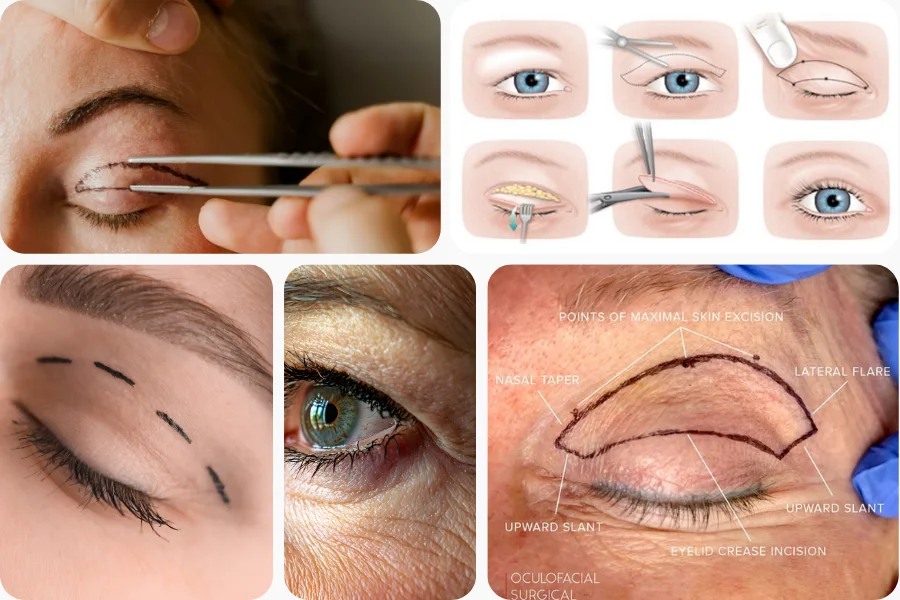
On the day of surgery, the treatment area is cleansed and marked to guide precise incisions. Blepharoplasty is typically performed under local anesthesia with sedation, though general anesthesia may be used for more extensive procedures or patient comfort.
For upper eyelid surgery, the surgeon makes a discreet incision along the natural crease of the eyelid. For lower eyelid surgery, the incision is typically placed just below the lash line or inside the lower lid (transconjunctival approach). Through these incisions, excess skin, fat, and sometimes muscle are carefully removed or repositioned to achieve a smooth, natural contour.
Once the desired adjustments are made, the incisions are closed with fine sutures or surgical glue to minimize scarring. The area is gently cleaned, and cold compresses may be applied to reduce swelling. Most procedures are completed within 1–2 hours, and patients can usually return home the same day.
You will receive comprehensive aftercare instructions to promote healing and comfort. This includes guidance on eye care, medication use, and activity restrictions. Swelling and bruising are common but subside within 1–2 weeks. Follow-up visits are scheduled to monitor your recovery and remove sutures if needed.
The recovery process following blepharoplasty (eyelid surgery) is generally straightforward, with most patients experiencing a steady improvement in comfort and appearance over several weeks. Understanding each recovery stage will help you prepare for what to expect and ensure optimal healing and results.
Swelling, bruising, and mild discomfort are common during the first few days after surgery. You may also experience watery eyes, light sensitivity, or temporary blurred vision. Applying cold compresses and keeping your head elevated can help reduce swelling. It is important to rest, avoid strenuous activities, and follow your surgeon’s instructions regarding eye drops or ointments.
Bruising and swelling will gradually subside during this period. Stitches are typically removed within 5–7 days, and most patients feel comfortable returning to light activities after about a week. You should continue to avoid rubbing your eyes, wearing contact lenses, and exposing your eyes to direct sunlight. Wearing dark sunglasses outdoors is recommended to protect the healing area.
By the end of the second week, most visible bruising and swelling have resolved, though subtle changes may persist. You can usually return to work and resume most daily activities, including light exercise. Makeup can often be applied to conceal any residual discoloration, but always consult your surgeon before doing so. Continue to avoid heavy lifting and vigorous exercise until cleared by your doctor.
At four to six weeks, your eyelids should look and feel much improved, with scars continuing to fade over the following months. Most patients see natural-looking, rejuvenated results and can fully resume all normal activities. Minor swelling or tightness may persist but typically resolves with time.
To maintain your results, protect your eyes from sun exposure, use recommended skincare products, and attend all follow-up appointments. If you notice any unusual symptoms, such as severe pain or vision changes, contact your surgeon promptly.
Türkiye has emerged as a top destination for blepharoplasty (eyelid surgery), offering a blend of medical excellence, cutting-edge techniques, and affordable pricing. Patients from around the world trust Turkish surgeons for their expertise in both functional and aesthetic eyelid procedures, performed in modern, internationally accredited clinics.
Turkish plastic surgeons are renowned for their artistic approach and meticulous attention to detail, ensuring natural-looking results that rejuvenate the eyes while preserving facial harmony. Clinics in Türkiye utilize the latest technologies and minimally invasive methods, prioritizing patient safety, comfort, and rapid recovery.
Türkiye’s strong reputation in health tourism is built on high patient satisfaction, world-class care, and millions of international visitors each year. Choosing Türkiye for your blepharoplasty ensures a seamless, rewarding experience with trusted professionals in a welcoming environment.
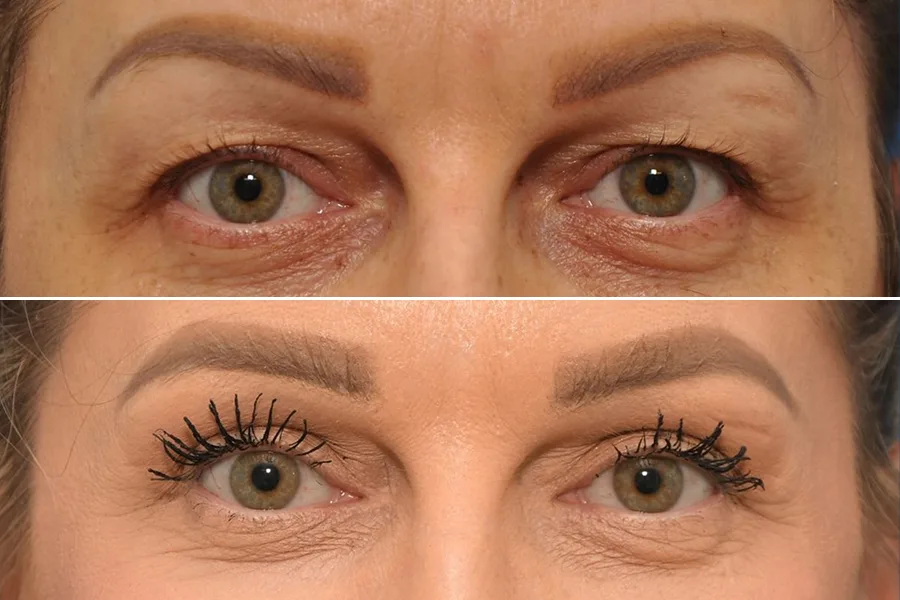
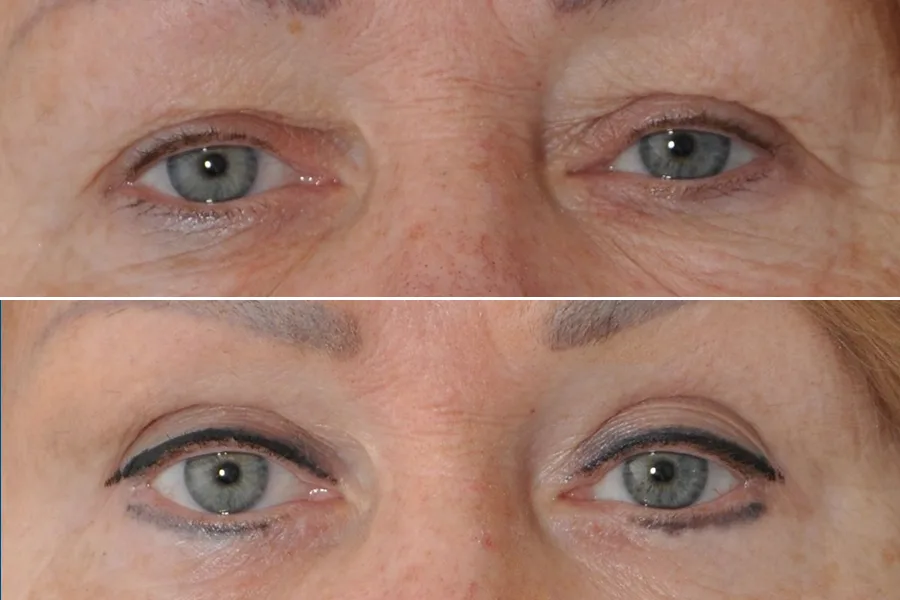
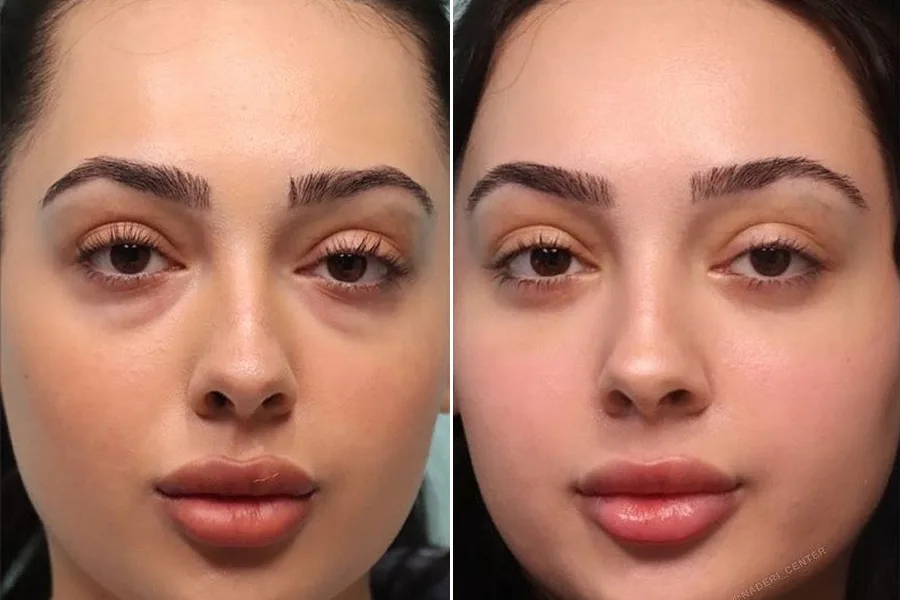
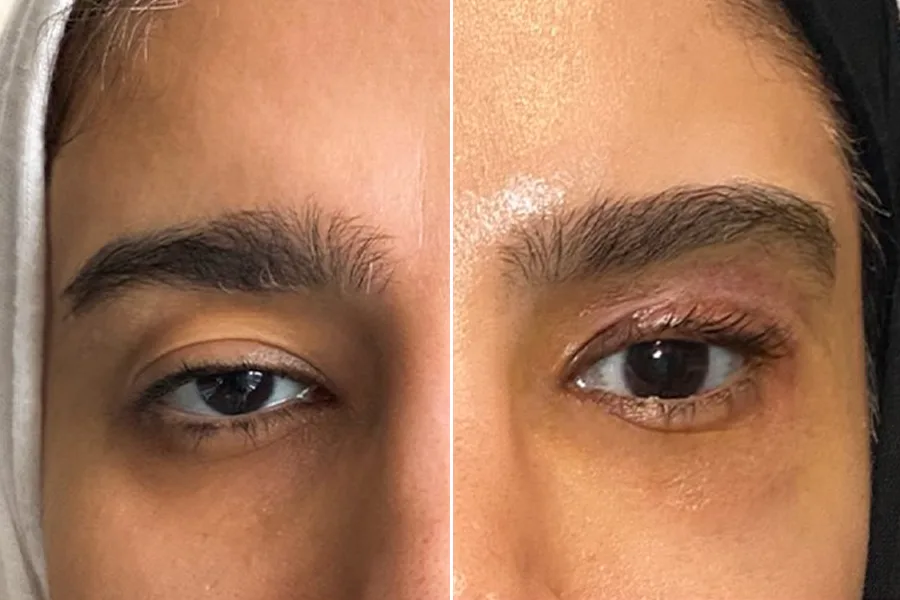
Start with Blepharoplasty selected. Adjust the answers below to refine the average estimate shown above.
Your estimate will appear here.
Blepharoplasty (eyelid surgery) can be performed under different types of anesthesia, depending on the extent of the procedure and patient preference.
Your surgeon will discuss the best anesthesia option for you based on your health, the complexity of the surgery, and your comfort level.
After a blepharoplasty (eyelid surgery), it is normal to experience some swelling and bruising around the eyes.
Applying cold compresses and keeping your head elevated can help reduce swelling and bruising. Most patients feel comfortable returning to normal activities within 10–14 days, although complete healing may take a few weeks.
If swelling or bruising persists longer than expected, or if you notice severe pain or other unusual symptoms, contact your surgeon for advice.
Yes, it is strongly recommended to have someone accompany you after a blepharoplasty (eyelid surgery).
Your surgeon will provide specific instructions, but arranging for a responsible adult to accompany you and stay with you for the first 24 hours is usually required.
After a blepharoplasty (eyelid surgery), you may have visible stitches along the incision lines, especially if non-dissolvable sutures are used. These are usually removed within 5–7 days after the procedure.
Bandages are typically not required after blepharoplasty. However, small adhesive strips or ointment may be applied to protect the area and aid healing.
Most swelling, bruising, and any visible stitches will subside within 1–2 weeks, and your surgeon will provide instructions for care during recovery.
Most patients can return to work or social activities about 7 to 10 days after a blepharoplasty (eyelid surgery), depending on individual healing and the nature of your job or activities.
Makeup can usually be worn after about 10 days, once healing has progressed. Your surgeon will provide specific guidance based on your recovery.
After a blepharoplasty (eyelid surgery), you will need to avoid wearing contact lenses for a period of time to allow your eyes and eyelids to heal properly.
Your surgeon will let you know when it is safe to start wearing contact lenses again. In the meantime, you may need to use glasses and follow all post-operative care instructions.
###DISCLAIMER###Yes, follow-up visits are typically required after a blepharoplasty (eyelid surgery) to ensure proper healing and monitor your recovery.
Your surgeon will provide a personalized follow-up schedule based on your individual needs and recovery progress.
The results of blepharoplasty (eyelid surgery) are generally long-lasting, but the exact duration can vary depending on individual factors such as skin type, age, and lifestyle.
While blepharoplasty can significantly rejuvenate your appearance, it does not stop the aging process. Maintaining a healthy lifestyle and protecting your skin from sun damage can help prolong your results.
After a blepharoplasty (eyelid surgery), it is generally recommended to wait before flying to reduce the risk of complications such as swelling, bruising, or infection.
Always follow your surgeon’s specific advice, as recommendations may vary based on your individual recovery and any additional procedures performed.
###DISCLAIMER###This information is for general guidance only and does not replace professional medical advice. Always consult your surgeon for personalized recommendations.
Before your blepharoplasty (eyelid surgery) appointment, proper preparation can help ensure a smooth experience and optimal results.
Check with your clinic for any additional requirements specific to your case.
Compare verified clinic profiles connected to this treatment.
Patient reviews
These reviews are linked to Blepharoplasty and published from clinic review sources.
I was worried about scars after blepharoplasty, but the results are seamless. My friends keep saying I look so rested. Thank you so much Estetik!
Read original reviewI do eyelid surgery because I before have droopy eyelids make me look tired all time. After surgery, I look more refresh, and people always are telling me how much younger I look. Staff so very professional, and recovery was fast. Thanks Estetik!
Read original reviewGöz kapağı ameliyatı yaptırdım. Çok memnunum. Doktorum Cengizhan Ekizceli ❤️ harika kendisine hayranım. Klinikte tüm çalışanlar asistan hanım son derece ilgili ve kibarlar. Hepsine sonsuz teşekkürler
Read original reviewGuides and insights connected to this treatment.