




5.0/5
I had a breast reduction, and it was the best decision of my life. No more back pain, and my shape looks great! After a lot of research I choose Estetik International, and I'm so happy about it.
Read original reviewPlastic Surgery · Breast Reduction

Plastic Surgery
Breast reduction in Turkey removes excess tissue, fat, and skin to ease discomfort and improve body proportion and mobility.

2–4 h
Duration

1 d
Hospital Stay

4–6 w
Recovery

Moderate
Pain Level

Anchor
Scarring

General
Anesthesia
Breast reduction, also called reduction mammoplasty, is a surgical procedure that removes excess breast tissue, fat, and skin to make the breasts smaller, lighter, and more proportionate to the body. It is often chosen by people whose large breasts cause physical discomfort such as back, neck, or shoulder pain, skin irritation, or difficulty with exercise and daily activities.
During the procedure, the surgeon reshapes the breasts and usually repositions the nipples to create a more balanced contour. Liposuction may also be used in some cases to improve the final shape. Breast reduction can improve comfort, mobility, and clothing fit, while also aiming to maintain a natural-looking appearance.

Breast reduction is generally suitable for people whose breast size is causing ongoing physical discomfort, limitations in daily life, or emotional distress. This treatment is often a good option for:
A consultation with a qualified plastic surgeon helps determine whether breast reduction is appropriate, based on symptoms, breast development, medical history, and personal goals.
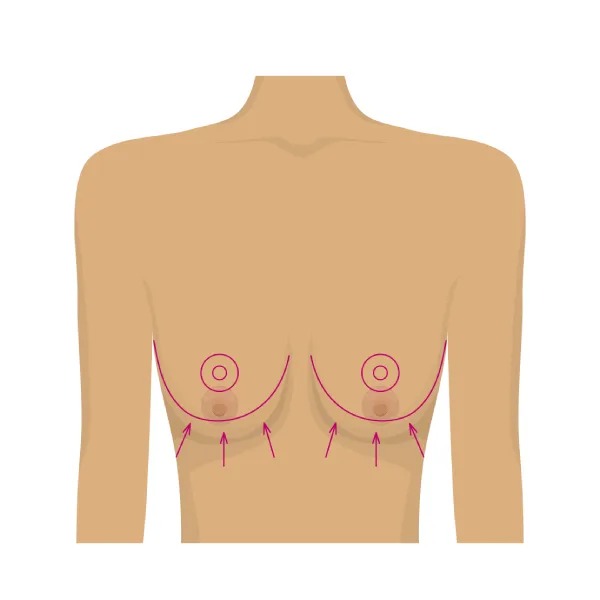
Breast Reduction, also called reduction mammaplasty, is a surgical procedure that removes excess breast tissue, fat, and skin to make the breasts smaller, lighter, and better proportioned to the body. It is commonly performed for women who experience back, neck, or shoulder pain, skin irritation under the breasts, posture problems, or difficulty with exercise and clothing because of overly large breasts. The operation is carefully planned to reduce size while also improving breast shape and repositioning the nipples to a more natural height.
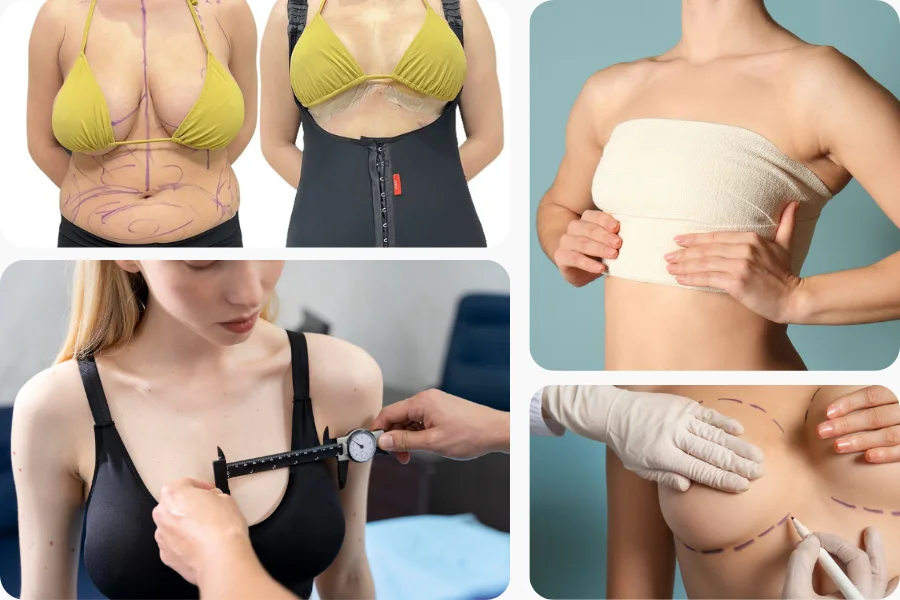
The process begins with a detailed consultation with a plastic surgeon. Your medical history, current symptoms, medications, previous surgeries, and future pregnancy or breastfeeding plans are reviewed. The surgeon examines the breasts, checks skin quality and symmetry, and takes measurements to plan how much tissue should be removed. Clinical photographs are often taken for planning and records. In some patients, especially depending on age or breast history, imaging such as a mammogram or ultrasound may be recommended before surgery.
On the day of surgery, the surgeon usually draws detailed markings on the breasts while you are standing upright. These markings guide the new breast shape, the amount of skin to remove, and the planned position of the nipple and areola. Breast reduction is most commonly performed under general anesthesia, so you are asleep and comfortable throughout the procedure. The chest area is cleaned, sterile drapes are placed, and the surgical team confirms the treatment plan before starting.
The surgeon makes incisions based on the amount of reduction needed and the natural shape of the breasts. The most common patterns are around the areola, around the areola with a vertical line down to the breast crease, or an anchor-shaped incision that also follows the fold under the breast. These incision patterns allow the surgeon to remove tissue and reshape the breast in a controlled way. The exact technique is chosen to balance effective reduction, breast contour, and scar placement.
After the incisions are made, the surgeon removes excess glandular tissue, fat, and stretched skin from the lower and outer parts of the breast, or from other planned areas depending on your anatomy. In some cases, liposuction may also be used to refine the sides of the chest or underarm area. The goal is not only to reduce volume, but also to create a lighter breast that remains balanced with your frame. Care is taken to preserve blood supply and sensation as much as possible.
Once the extra tissue has been removed, the remaining breast tissue is reshaped to create a firmer, more lifted contour. The nipple and areola are usually moved higher on the breast to match the new size and shape, while staying attached to underlying tissue in most standard techniques. If the areola has become enlarged, it can also be reduced. In very large reductions, a free nipple graft technique may occasionally be considered, but this is less common and depends on individual surgical needs.
After symmetry and shape are checked, the incisions are closed with layered sutures to support healing. Small drains may be placed in some cases, although many surgeons do not use them routinely. Dressings or surgical tape are applied, and you are usually fitted with a supportive surgical bra to reduce swelling and protect the breasts. Most patients go home the same day or after a short stay, depending on the extent of surgery and recovery. Over the following weeks, swelling gradually improves, scars begin to mature, and follow-up visits are used to monitor healing, remove drains if present, and guide your return to normal activities.
Recovery after breast reduction surgery is usually gradual and very manageable, but it does require patience during the first few weeks. Most patients notice early relief from the heaviness of large breasts quite quickly, while the breasts themselves continue to settle, soften, and refine in shape over the following months. Understanding the typical recovery timeline can help you plan time away from work, travel, exercise, and daily responsibilities with more realistic expectations.
It is normal to feel groggy, tight, sore, and tired during the first couple of days. The breasts are usually swollen, firm, and sensitive, and you may notice mild bruising or a feeling of pressure across the chest. Dressings, surgical tape, and a supportive surgical bra are commonly used to protect the incisions and reduce movement. Some patients also have temporary drains, depending on the technique used. Pain is usually controlled with prescribed medication, and short walks are encouraged to support circulation, but heavy lifting, reaching overhead, and sleeping on your stomach should be avoided.
Swelling and bruising often peak within the first several days and then begin to improve. Many patients feel better each day, although the breasts may still feel tight, heavy, numb in some areas, or unusually sensitive in others. Itching around the incisions can also happen as healing begins. You will usually continue wearing a surgical or compression bra day and night, except when showering if your surgeon allows it. Light daily activity is fine, and many people return to desk-based work within about 1 to 2 weeks, but strenuous activity and lifting should still be limited. Follow-up visits during this stage are important so your surgeon can check the incisions and remove drains or change dressings if needed.
By this stage, much of the initial discomfort has usually settled, and many patients are moving more comfortably through normal daily routines. Swelling is still present, but it is often less dramatic than in the first week. The breasts may sit higher than expected and can look somewhat boxy or firm at first, which is a normal part of healing. Most incisions are closing well during this period, though scar lines may appear pink or slightly raised. Many patients can resume driving, light household tasks, and non-strenuous work if they are no longer taking strong pain medication and can move comfortably. However, running, upper body workouts, swimming, and lifting heavier objects are usually postponed until your surgeon confirms it is safe.
Between one and two months after surgery, the breasts typically begin to look more natural as swelling continues to decrease and the tissues start to soften. Energy levels are usually much improved, and many patients can gradually return to more exercise, depending on healing progress and their surgeon's advice. Nipple sensation may still be altered during this time, with some areas feeling numb and others more sensitive than usual. This often improves gradually, but changes in sensation can take longer to settle. Supportive bras remain important, and underwire bras are often delayed until the incisions are fully healed and no longer tender. Although you may feel mostly recovered by now, internal healing is still ongoing, so it is important not to rush back into intense chest-focused activity too quickly.
The final stage of recovery is slower and less noticeable day to day. Over the next several months, the breasts continue to settle into their long-term position and shape, and scars gradually begin to fade from pink or red to a lighter tone. It is common for one breast to heal a little faster than the other early on, and small asymmetries often improve with time. Scar care, sun protection, and regular follow-up all play a role in the final result. Most patients are enjoying the functional benefits of surgery by this point, including less neck, shoulder, and back strain, easier exercise, and improved clothing fit. Final scar appearance and breast softness can continue to improve for up to a year or longer.
Türkiye has become a well-known destination for breast reduction surgery, offering a combination of experienced plastic surgeons, modern hospital infrastructure, and more accessible pricing than many countries in Europe or North America. For patients living with back pain, shoulder grooving, skin irritation, or limitations in daily activity caused by overly large breasts, treatment in Türkiye can provide a practical path to both physical relief and improved body balance.
Breast reduction is not only a cosmetic procedure, it is also a functional operation that requires careful planning, surgical precision, and thoughtful aftercare. Many clinics in Türkiye begin with a detailed consultation that looks at breast size, skin quality, nipple position, body proportions, and the patient’s symptoms and expectations. Surgeons often use preoperative imaging, medical evaluation, and personalized surgical planning to decide how much tissue to remove and which technique is most appropriate. This is especially important for international patients, because a clear plan helps support safe surgery and realistic results.
Another reason patients choose Türkiye is the emphasis many clinics place on recovery and communication. Breast reduction requires time for swelling to settle and scars to mature, so clear instructions are essential. International patient teams often help explain what to expect in the first days after surgery, when to return for dressing changes, how long to wear a surgical bra, and when normal activities can be resumed. This practical support can make the overall experience feel more manageable, especially for patients traveling from overseas.
For many people, the goal of breast reduction is not simply a smaller cup size, but better comfort, easier movement, improved clothing fit, and relief from long-term physical strain. Turkish clinics commonly approach the procedure with this broader perspective, aiming to create results that are proportionate, medically appropriate, and aligned with the patient’s lifestyle. When needed, surgeons can also discuss related considerations such as future breastfeeding, scar placement, and how weight changes may affect long-term outcomes.
Türkiye’s success in the global health tourism market reflects years of investment in private healthcare facilities, international patient coordination, and high-volume surgical experience. By welcoming large numbers of medical travelers each year, the country has built a strong reputation for organized care, reliable hospitality, and accessible specialist treatment. This combination has made Türkiye a trusted choice for patients seeking breast reduction surgery abroad.
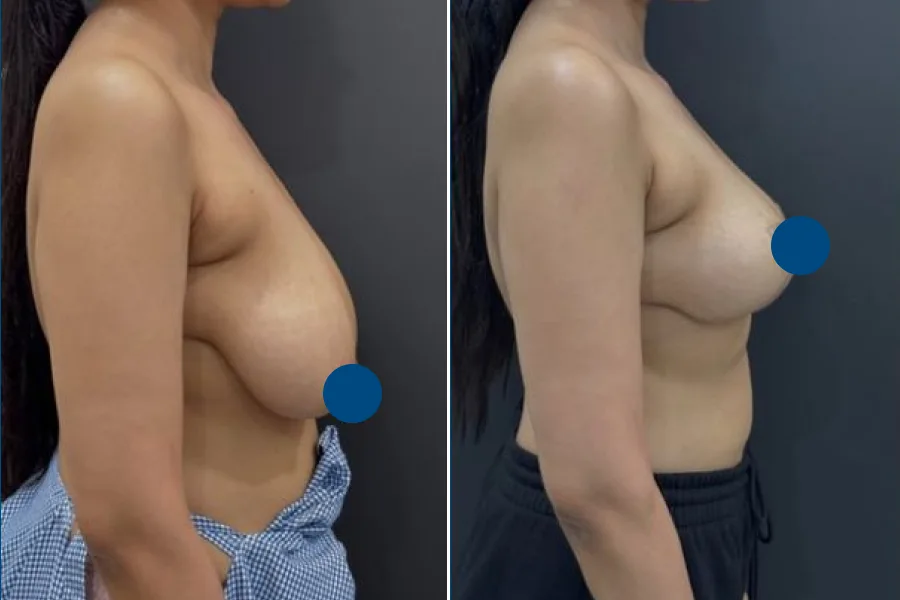
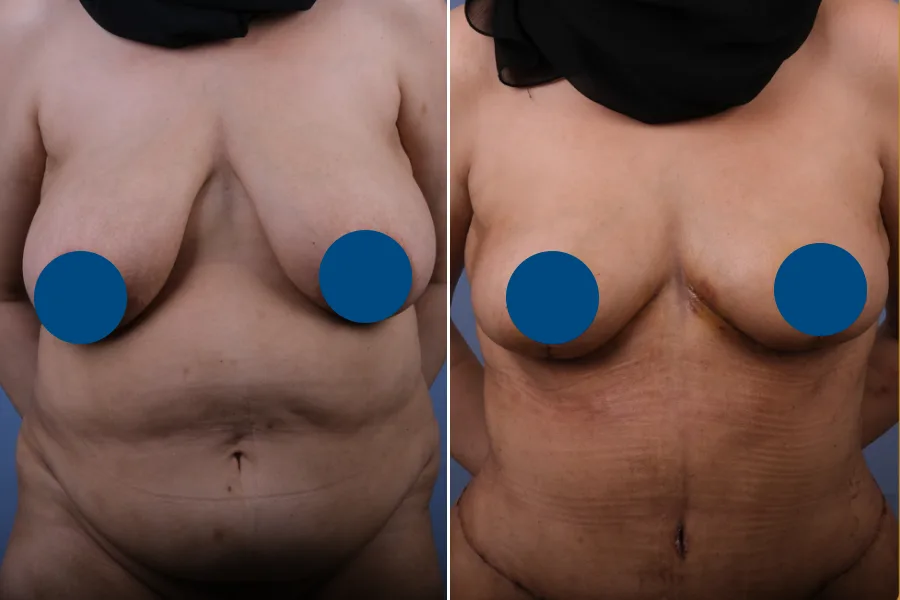
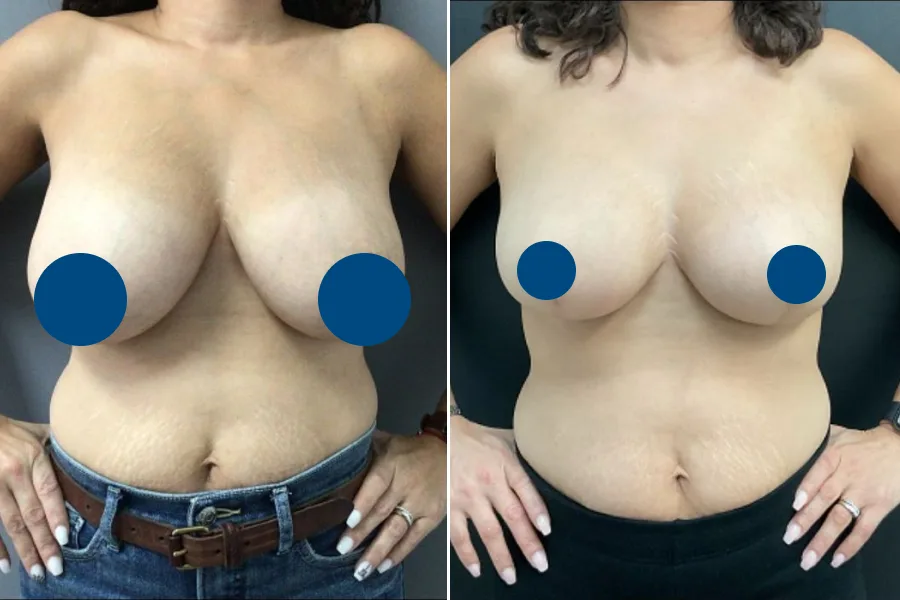
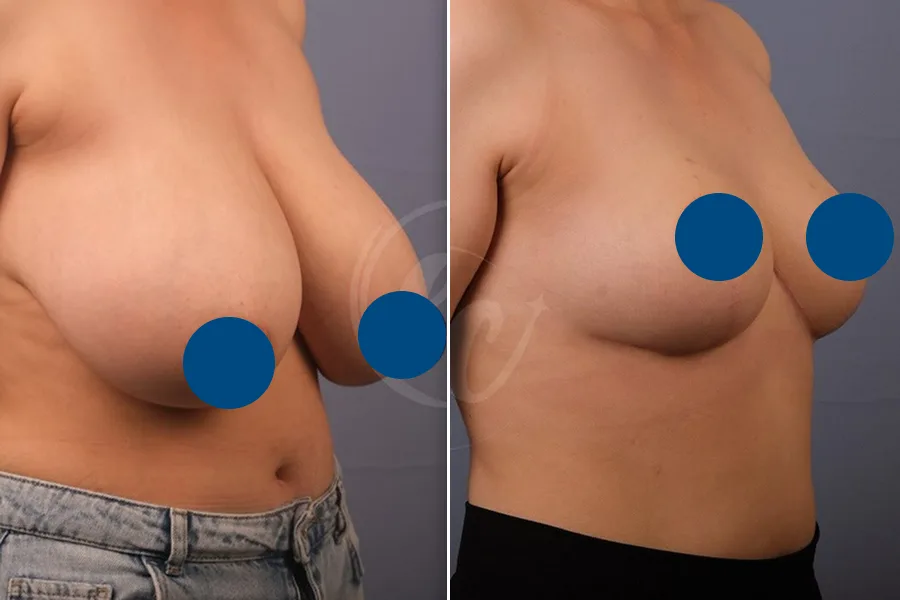
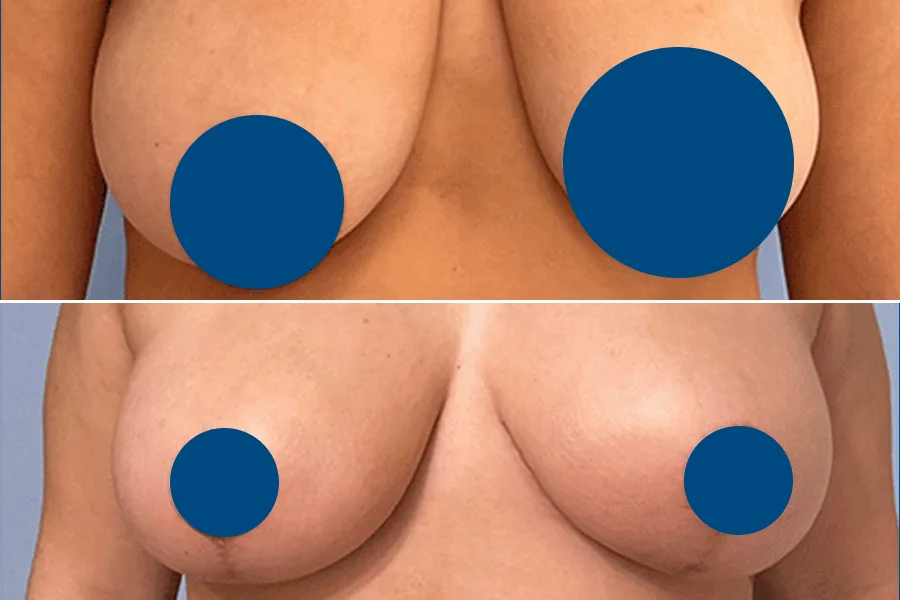
Start with Breast Reduction selected. Adjust the answers below to refine the average estimate shown above.
Your estimate will appear here.
Most breast reduction surgeries are performed as outpatient procedures, meaning you can usually go home the same day once you have recovered from anesthesia and are medically stable.
Always follow your surgeon’s instructions regarding post-operative care and when it is safe to return home.
Breast reduction surgery involves incisions that will leave scars, but skilled surgeons aim to make them as discreet as possible. Over time, most scars fade and become less noticeable.
Most patients find that scars are easily concealed under bras and swimwear. Your surgeon will discuss incision patterns and scar care to help minimize their appearance.
Most patients can return to work or school about 1 to 2 weeks after a breast reduction procedure, depending on the nature of their activities and how quickly they heal.
It is important to follow your surgeon’s instructions and attend all follow-up appointments to ensure a smooth recovery.
###DISCLAIMER###After a breast reduction surgery, it is generally recommended to avoid flying or traveling long distances for at least 1 to 2 weeks, depending on your recovery and your surgeon’s advice.
Always consult your surgeon for personalized advice before making travel plans after breast reduction surgery.
###DISCLAIMER###After a breast reduction surgery, it is important to wear the right type of bra to support healing and ensure the best results.
Duration: Most surgeons recommend wearing the surgical or support bra continuously (day and night) for at least 4–6 weeks after surgery. After this period, you may transition to a soft, supportive sports bra as advised by your doctor.
Always follow your surgeon’s specific instructions, as recommendations may vary based on your individual recovery.
After a breast reduction, it is important to allow your body sufficient time to heal before returning to physical activities such as swimming or yoga.
Always follow your surgeon’s specific instructions and attend all follow-up appointments to ensure a safe recovery.
###DISCLAIMER### This information is for general guidance only. Always consult your surgeon for advice tailored to your individual recovery.Breast reduction surgery can potentially affect your ability to breastfeed in the future, but the impact varies depending on the surgical technique used and individual factors.
It is important to discuss your desire to breastfeed in the future with your surgeon before the procedure. They can explain the risks and recommend the most suitable surgical approach for your needs.
###DISCLAIMER###Breast reduction surgery can be performed on adults of various ages, but there are some important considerations regarding the ideal timing.
There is no strict upper age limit, but candidates should be in good overall health to minimize surgical risks. A consultation with a qualified plastic surgeon is essential to determine the best timing based on individual needs and health status.
Preparing for your breast reduction surgery can help ensure a smoother and more comfortable hospital stay and recovery.
Follow your surgeon’s specific instructions regarding eating, drinking, and medication use before your procedure. Arrange for someone to drive you home and assist you during the initial recovery period.
Yes, it is highly recommended to have someone assist you at home during the initial recovery period after a breast reduction surgery.
Most surgeons recommend arranging for help at home for at least the first few days after surgery to ensure a safe and smooth recovery.
Compare verified clinic profiles connected to this treatment.
Patient reviews
These reviews are linked to Breast Reduction and published from clinic review sources.
I had a breast reduction, and it was the best decision of my life. No more back pain, and my shape looks great! After a lot of research I choose Estetik International, and I'm so happy about it.
Read original reviewI've struggled with large breasts for long years, and the discomfort was unbearable. I decided to get a breast reduction at Estetik International, and I couldn’t be happier. The procedure was smooth, and now I feel so much more comfortable in my body. The doc…
Read original reviewGuides and insights connected to this treatment.