


Plastic Surgery · Cheek Augmentation
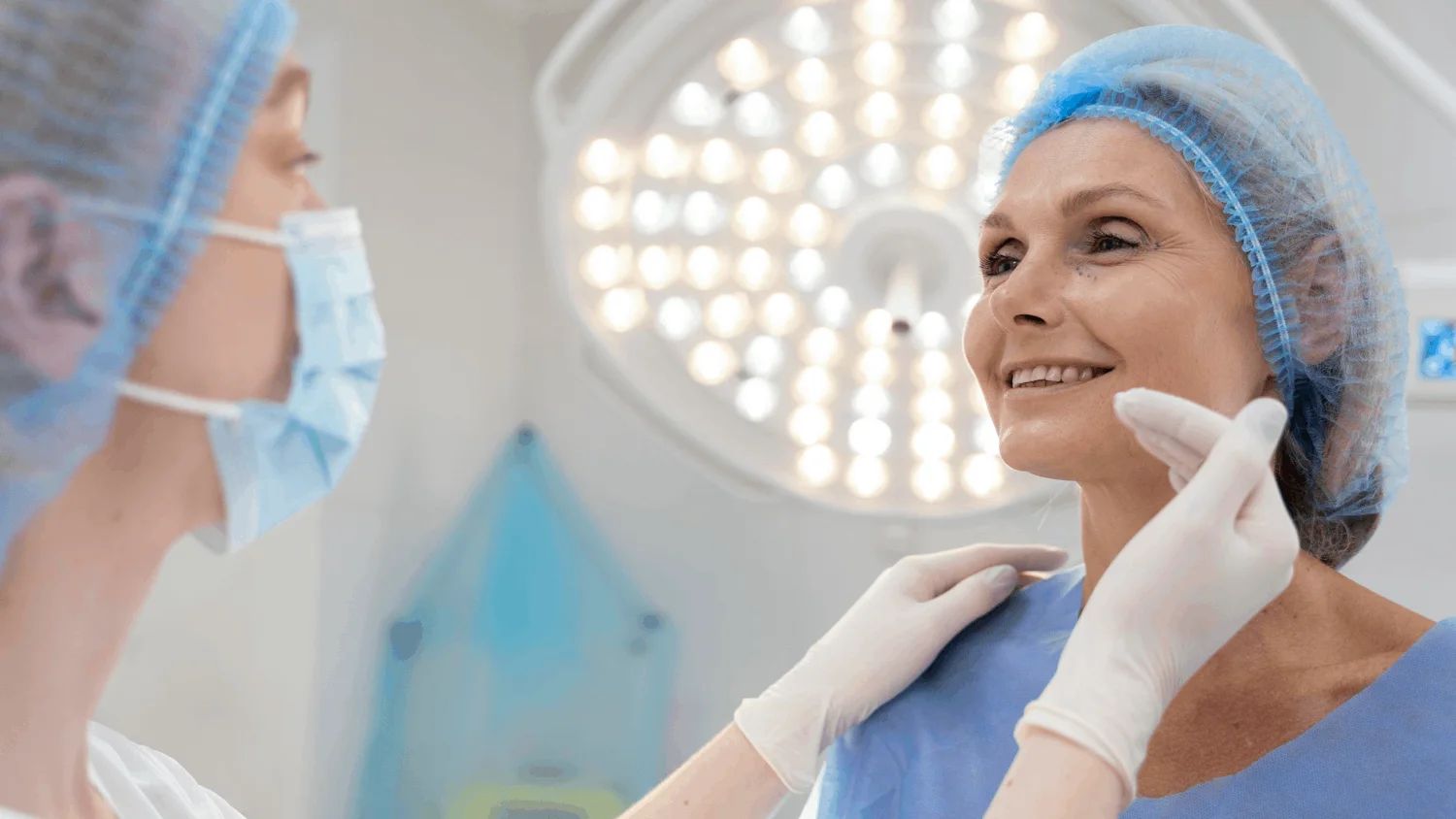
Plastic Surgery
Cheek Augmentation: Enhance Facial Balance
Cheek Augmentation in Türkiye: A cosmetic procedure that enhances cheek volume and contour, creating a fuller, more balanced facial appearance.
Page Contributors


1–1.5 h
Duration

1–2 w
Recovery

Mild
Pain Level

1 m
Result Appearance

Intra‑oral
Scarring

Local+Sed.
Anesthesia
What is Cheek Augmentation?
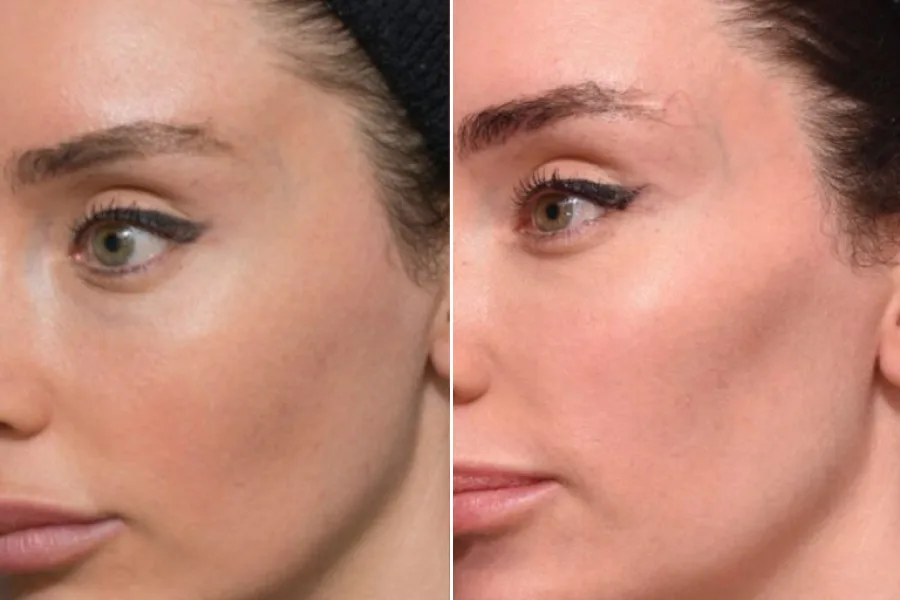
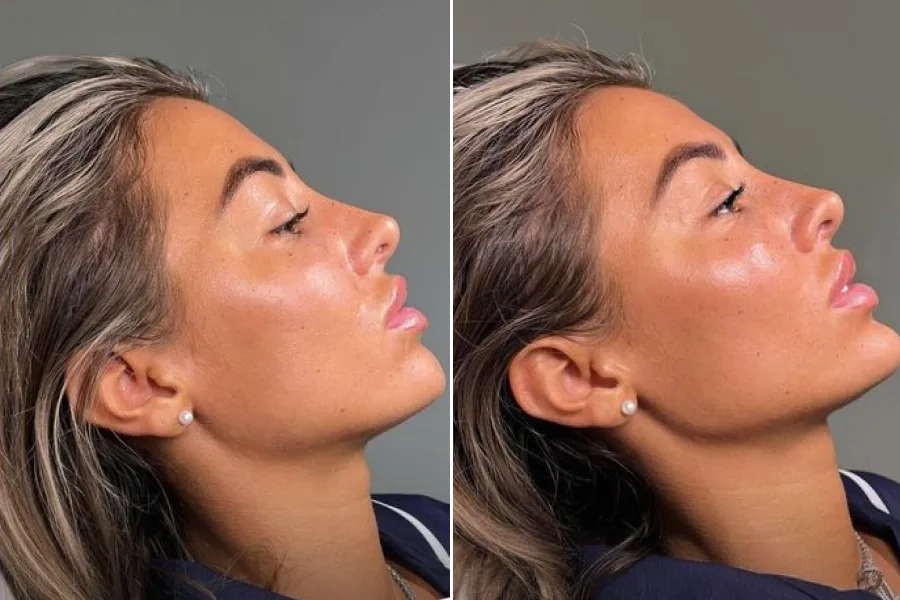
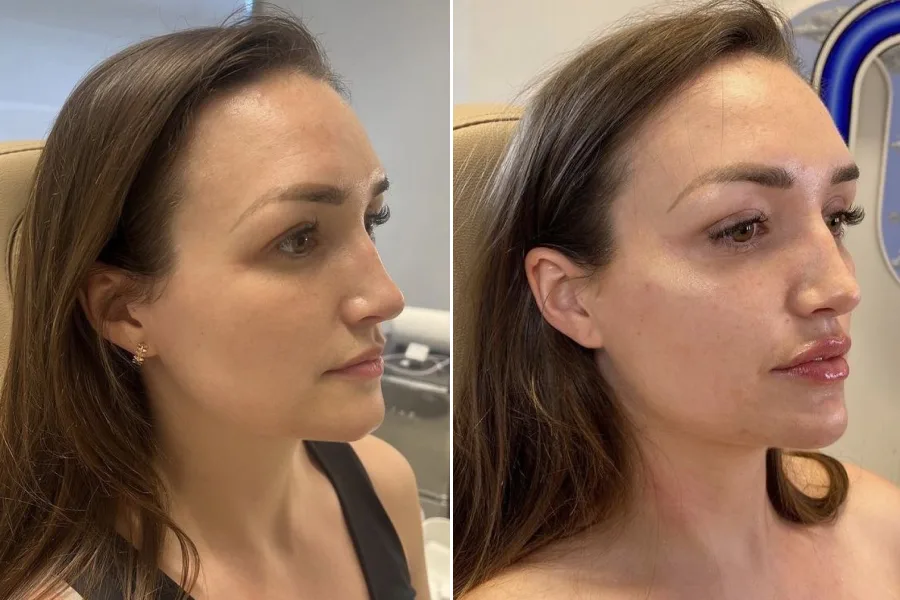
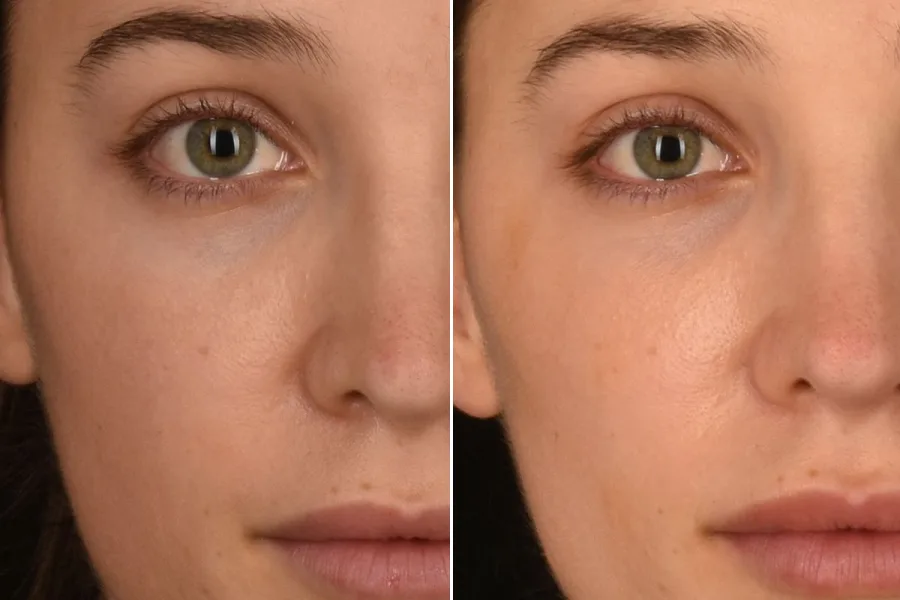
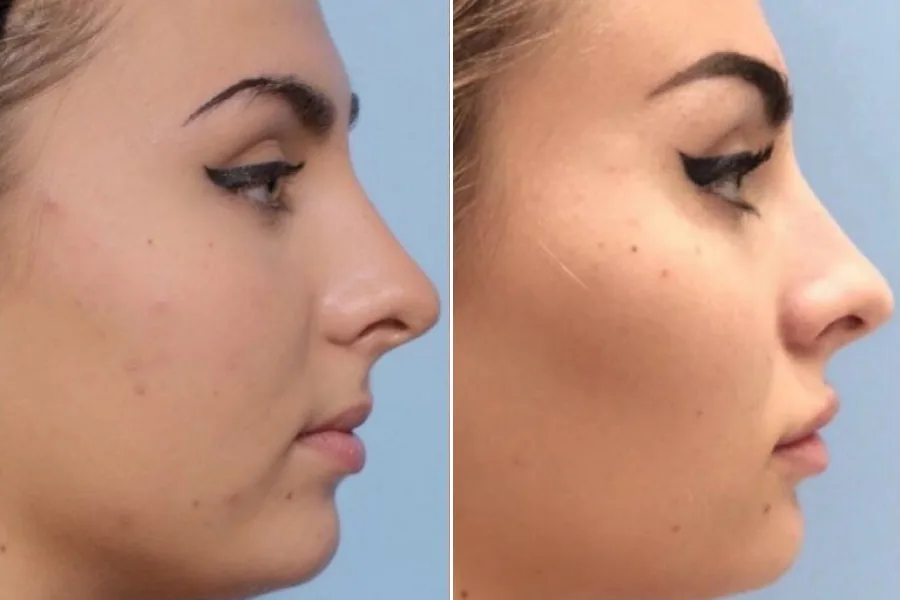
Cheek augmentation is a cosmetic treatment used to add volume, shape, and definition to the cheeks. It is often chosen by people who have naturally flat cheeks, age-related volume loss, or facial asymmetry, and want a fuller or more lifted appearance. Enhancing the cheek area can also improve overall facial balance and make the midface look more youthful.
The treatment can be done using dermal fillers, fat transfer, or solid cheek implants, depending on the person’s goals and anatomy. Fillers offer a non-surgical option with temporary results, while fat transfer and implants provide longer-lasting enhancement. The approach is tailored to create natural-looking contour and support the surrounding facial features.

Who is Cheek Augmentation for?
Cheek augmentation is best suited for people who want to improve facial balance by adding volume, definition, or contour to the midface area. This treatment is often appropriate for:
- Adults with naturally flat, low, or less defined cheeks who want a more sculpted facial appearance.
- People who have lost cheek volume due to aging, weight loss, or changes in facial fat distribution.
- Patients seeking better harmony between the cheeks, jawline, nose, and overall facial profile.
- Individuals in good general health who have realistic expectations and understand the benefits and limits of surgical or non-surgical options.
A consultation with a qualified specialist helps determine whether cheek augmentation is suitable, and which approach, such as implants or fillers, best matches the person’s anatomy and goals.
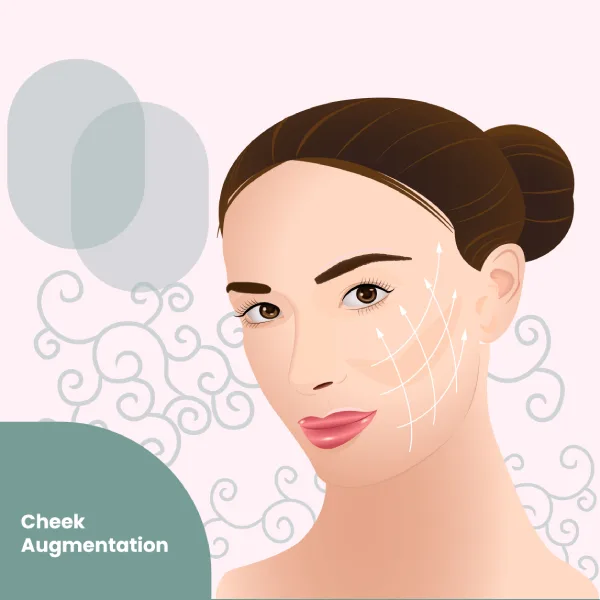
Cheek Augmentation benefits
-
Midface volume
-
Cheekbone definition
-
Youthful contour
-
Customized volume plan
-
Balanced proportions
-
Natural appearance goals
How is Cheek Augmentation done?
Cheek Augmentation is a cosmetic procedure used to add volume, definition, and contour to the midface. It can be performed with dermal fillers for a non-surgical result, or with cheek implants or fat transfer for a longer-lasting surgical option. The best approach depends on your facial structure, skin quality, desired outcome, and whether you want a temporary, adjustable enhancement or a more permanent change.
-
Consultation, Facial Assessment, and Planning
The process begins with a detailed consultation. Your surgeon or aesthetic doctor reviews your medical history, previous cosmetic treatments, allergies, and any medications that may affect bleeding or healing. Your face is examined from different angles to assess cheek volume, bone structure, facial symmetry, and skin elasticity. Photos may be taken, and the provider discusses whether fillers, implants, or fat grafting are most suitable. The goal is to create a balanced result that fits your natural features rather than simply adding fullness.
-
Preparation and Anesthesia
On the day of treatment, the skin is cleaned carefully and the planned injection or incision sites are marked. For filler-based cheek augmentation, a topical numbing cream or local anesthetic is usually enough, and many fillers also contain lidocaine to improve comfort. For fat transfer or cheek implants, local anesthesia with sedation or general anesthesia may be used, depending on the extent of the procedure. The team confirms the treatment plan, checks facial landmarks, and prepares the area to reduce the risk of infection and bruising.
-
Volume Enhancement With Fillers or Fat Transfer
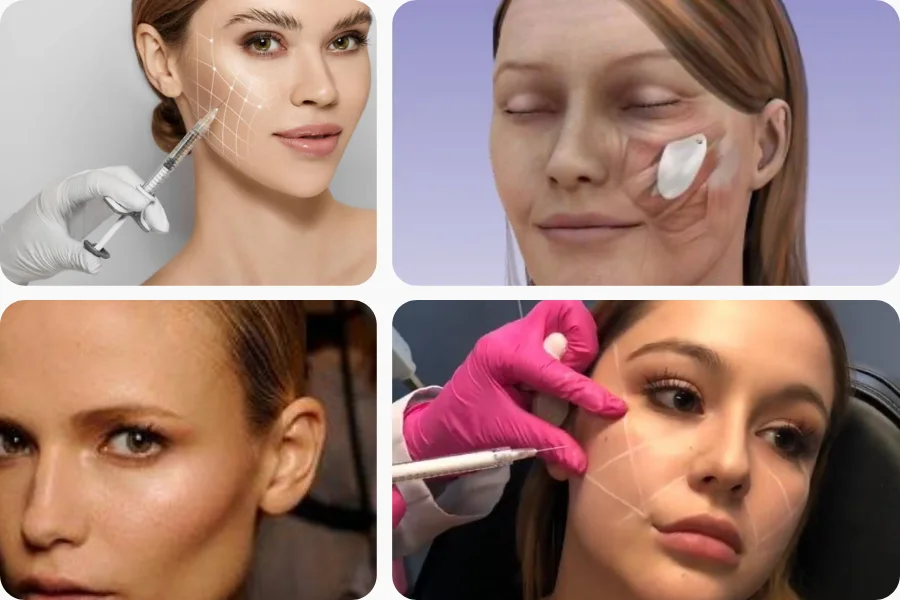
If the treatment is done with fillers, the practitioner injects a measured amount of product, commonly hyaluronic acid filler, into specific points over the cheekbone or deeper midface tissues. The filler is placed gradually to lift and contour the area while maintaining a natural shape. If fat transfer is chosen, fat is first removed from another part of the body, such as the abdomen or thighs, using gentle liposuction. The fat is then purified and carefully injected into the cheeks in small layers to improve survival of the transferred cells and create smooth, even volume.
-
Cheek Implant Placement (Surgical Option)
For patients choosing implants, the surgeon makes a small incision, often inside the mouth or sometimes just below the lower eyelid, depending on the technique. A pocket is created over the cheekbone, and a preselected implant is positioned to enhance projection and definition. The implant may be adjusted carefully to improve symmetry and fit. In some cases, it is secured in place to reduce movement. Once the position is confirmed, the incision is closed with sutures. This method is designed to provide a more stable and long-lasting increase in cheek prominence.
-
Shaping, Symmetry Check, and Immediate Recovery
After the cheeks are augmented, the provider checks the contour from both front and side views. With fillers or fat grafting, gentle molding may be done to distribute volume evenly. With implants, the surgeon confirms that both sides appear balanced before finishing the procedure. Cold compresses may be applied to help limit swelling. Most patients notice an immediate change in facial shape, although the final appearance is partly hidden at first by temporary swelling, tightness, or mild bruising. Recovery instructions are reviewed before you leave.
-
Healing, Follow-Up, and Final Result
Recovery depends on the technique used. After fillers, most people return to normal activities quickly, though minor swelling or bruising can last several days. After fat transfer or implants, healing usually takes longer, and you may need to sleep with your head elevated, avoid pressure on the face, and follow special instructions for eating and oral hygiene if incisions were made inside the mouth. Follow-up visits allow the provider to monitor healing and assess the result. Filler results are temporary and may last months to over a year, while fat transfer and implants can offer longer-lasting improvement, although some fat reabsorption is expected.
Recovery and expectation?
Recovery after cheek augmentation depends on the technique used, such as dermal fillers, fat transfer, or cheek implants, but most patients can expect a period of swelling, tenderness, and gradual settling of the final contour. The cheeks are a prominent facial feature, so even mild swelling can make the face look different at first. Understanding the usual healing timeline helps you plan social activities, travel, work, and follow-up care with more confidence.
-
Immediate Recovery Period (First 24-72 Hours)
In the first few days, it is common to have swelling, tightness, tenderness, and mild bruising in the cheeks and nearby areas. If implants were placed or fat was transferred, the swelling may be more noticeable than with fillers alone. Some patients also feel pressure when smiling, chewing, or talking. Cold compresses, keeping your head elevated, and taking prescribed or recommended pain relief can help. If incisions were made inside the mouth, your surgeon may also advise a special mouth rinse and a soft diet to reduce irritation.
-
Early Healing and Appearance Changes (Days 3-10)
Swelling often peaks around day 2 or 3, then begins to improve gradually. During this stage, the cheeks may look overcorrected, uneven, or firmer than expected, which is usually part of normal healing rather than a sign of a poor result. Bruising may shift downward slightly with gravity before fading. Many people feel well enough to return to desk work and light daily activities within several days, especially after filler treatment, but recovery after implants or fat grafting may take longer. It is best to avoid strenuous exercise, heavy lifting, and sleeping face down.
-
Settling Phase and Comfort Improvement (2-4 Weeks)
By 2 to 4 weeks, most visible bruising has usually resolved and swelling is much less noticeable, although some residual puffiness can remain. The cheeks begin to look more natural as the tissues relax and the new volume settles into place. Patients who had fillers often see a near-final appearance during this period, while those who had fat transfer or implants may still be healing. Numbness, firmness, or mild asymmetry can still be present early on and often improves with time. Follow your surgeon's instructions carefully, especially regarding facial pressure, massage, and sleeping position, since these recommendations vary by technique.
-
Intermediate Healing and Final Contour Development (1-3 Months)
This is the stage when the result becomes easier to judge. After fat transfer, some of the transferred fat is naturally reabsorbed during the first weeks, so the cheeks may become slightly less full before stabilizing. After cheek implants, swelling continues to soften and the tissues adapt to the implant shape. If you had fillers, the product is usually well integrated by this point. Most patients feel socially comfortable long before 3 months, but subtle changes can still occur as the cheeks settle. Follow-up visits are important so your provider can assess symmetry, healing, and whether any refinements are needed.
-
Long-Term Recovery and Maintenance (3-6 Months and Beyond)
For surgical cheek augmentation, the final result is usually clearer by 3 to 6 months, once lingering swelling has resolved and the soft tissues have fully adapted. Implant patients typically have a stable long-term outcome if healing is uncomplicated. Fat transfer results can also be long-lasting once the surviving fat cells establish a blood supply, although weight changes can affect facial fullness over time. Filler-based augmentation does not involve the same long healing process, but the effect is temporary and may need maintenance treatments depending on the product used. Protecting your face from trauma, attending follow-up appointments, and reporting any unusual changes promptly all support a smoother recovery.
Why Choose Türkiye for Cheek Augmentation?
Türkiye has become a well-known destination for cheek augmentation, offering patients access to experienced facial plastic surgeons, modern aesthetic clinics, and more accessible pricing than many countries in Europe or North America. For people who want better facial balance, more defined cheekbones, or restoration of lost midface volume, clinics in Türkiye often provide a structured treatment journey that combines careful assessment, clear communication, and attention to natural-looking results.
Cheek augmentation is not only about adding volume. It requires a detailed understanding of facial proportions, skin quality, bone structure, and how the cheeks relate to the eyes, nose, jawline, and overall profile. Many Turkish clinics use 3D facial analysis, high-resolution imaging, and detailed pre-treatment consultations to decide whether the most suitable option is dermal fillers, fat transfer, or cheek implants. This planning is especially helpful for international patients, because it supports realistic expectations and helps create a treatment plan tailored to the individual face rather than a standard approach.
- Türkiye offers access to skilled plastic surgeons and aesthetic specialists who regularly perform facial contouring procedures and understand how to enhance cheek definition while preserving a natural expression.
- Many clinics use advanced imaging, detailed facial mapping, and modern surgical techniques, which can improve precision in implant placement, filler distribution, or fat grafting for balanced and symmetrical results.
- Patients often receive personalized treatment planning, including discussion of facial anatomy, desired projection, skin elasticity, and whether cheek augmentation should be combined with procedures such as rhinoplasty, facelift, or chin contouring.
- Clinics typically place strong focus on patient safety, sterilization standards, anesthesia planning, and recovery guidance, with clear instructions for swelling management, sleeping position, and follow-up after treatment.
- Cost advantages make cheek augmentation more attainable for many international patients, often with transparent packages that may include consultation, procedure fees, medication, and post-treatment checks.
- Türkiye's strong travel connections and established medical tourism services help patients organize airport transfers, accommodation, interpreters, and clinic visits in a more convenient way.
Another reason patients choose Türkiye is the range of treatment options available in one place. Some people want a non-surgical solution with hyaluronic acid fillers, while others need a longer-lasting approach such as fat transfer or implants. Turkish clinics often provide all of these options under one roof, allowing the treatment plan to be based on anatomy, goals, and recovery expectations rather than convenience alone. This flexibility is valuable for patients seeking subtle enhancement instead of an overfilled or artificial look.
Beyond the procedure itself, aftercare is an important part of the experience. Patients are usually given practical advice about swelling, bruising, facial movement, and when to return to normal activities. Follow-up communication is especially important in facial aesthetics, because the final outcome depends not only on technical skill, but also on healing, tissue response, and careful review of symmetry as recovery progresses.
Türkiye's success in the global health tourism market reflects years of investment in private healthcare infrastructure, international patient coordination, and high-volume aesthetic experience. By welcoming large numbers of medical travelers each year, the country has developed organized systems that support consultation, treatment, and recovery for overseas visitors. This combination of clinical expertise, patient-focused service, and reliable medical tourism experience is one of the main reasons many people feel confident choosing Türkiye for cheek augmentation.
Customize your treatment estimate
Start with Cheek Augmentation selected. Adjust the answers below to refine the average estimate shown above.
Your estimate will appear here.
Frequently Asked Questions about Cheek Augmentation
How long does swelling typically last after cheek augmentation?

Swelling is a common side effect after cheek augmentation, whether the procedure is performed using implants or dermal fillers.
Most patients experience the most noticeable swelling during the first 2 to 3 days after the procedure.
- Initial swelling: Peaks within 48 to 72 hours.
- Improvement: Begins to subside after the first few days.
- Resolution: Most swelling resolves within 1 to 2 weeks, but minor residual swelling can persist for up to a month.
Applying cold compresses and keeping your head elevated can help reduce swelling. Always follow your surgeon’s post-procedure instructions for the best recovery.
###DISCLAIMER###This information is for general guidance only and does not replace professional medical advice. Always consult your healthcare provider for personalized recommendations.
Are there visible scars following cheek augmentation procedures?
Cheek augmentation procedures are designed to minimize visible scarring.
- For cheek implants, incisions are usually made inside the mouth or along natural creases, making scars virtually invisible from the outside.
- With dermal fillers, no incisions are required, so there are no scars.
Most patients do not have noticeable scars after cheek augmentation. Your surgeon will discuss incision placement and scar care during your consultation.
When can I return to work or social activities after cheek augmentation?
Most patients can return to work and social activities within a few days to one week after cheek augmentation, depending on the type of procedure performed (fillers vs. implants) and individual healing.
- Dermal Fillers: Recovery is usually quick, with many people resuming normal activities within 1–2 days. Mild swelling or bruising may occur but typically resolves quickly.
- Cheek Implants: Recovery may take a bit longer, with most patients returning to work and social events within 5–7 days. Swelling and discomfort can persist for up to two weeks.
Your surgeon will provide personalized advice based on your procedure and healing progress. Avoid strenuous activities and follow all post-procedure instructions for the best results.
Is there a significant difference in recovery time between surgical and non-surgical cheek augmentation?
Yes, there is a significant difference in recovery time between surgical and non-surgical cheek augmentation procedures.
- Surgical Cheek Augmentation: This typically involves placing implants or performing fat grafting. Recovery may take 1 to 2 weeks, with swelling, bruising, and some discomfort common during the initial days.
- Non-Surgical Cheek Augmentation: This uses injectable fillers and usually has minimal downtime. Most patients can return to normal activities immediately or within a day, with mild swelling or bruising resolving in a few days.
Overall, non-surgical options offer a much faster recovery compared to surgical procedures, but the results are temporary and may require repeat treatments.
How soon after the procedure can I wear makeup or facial skincare products?
After cheek augmentation, it is important to avoid applying makeup or facial skincare products directly over the treated area for a certain period to reduce the risk of infection and irritation.
- Makeup: Most surgeons recommend waiting at least 24 to 48 hours before applying makeup to the cheeks, but this may vary depending on the specific procedure (fillers vs. implants) and your provider's instructions.
- Skincare Products: Gentle cleansing is usually allowed after the first day, but avoid harsh exfoliants, active ingredients (like retinoids or acids), and heavy creams for several days or until your provider advises.
Always follow your surgeon's post-procedure instructions for the safest and best results. If you notice redness, swelling, or irritation, wait longer before resuming your usual products.
###DISCLAIMER###This information is for general guidance only. Please consult your healthcare provider for personalized advice based on your specific procedure and healing progress.
Are there any restrictions on air travel after cheek augmentation?
After cheek augmentation, it is generally recommended to wait before flying to minimize the risk of complications and ensure proper healing.
- Immediate Post-Op Period: Most surgeons advise avoiding air travel for at least 5–7 days after the procedure, as changes in cabin pressure and limited access to medical care can increase risks.
- Swelling and Bruising: Flying too soon may worsen swelling or discomfort due to pressure changes.
- Follow-Up Care: It is important to attend your initial follow-up appointments before traveling, so your surgeon can monitor your healing and clear you for air travel.
Always follow your surgeon’s specific recommendations, as restrictions may vary based on the technique used (implants, fillers, or fat transfer) and your individual recovery.
###DISCLAIMER### This answer is for informational purposes only and does not replace professional medical advice. Always consult your surgeon for personalized guidance.What kind of anesthesia is usually used during cheek augmentation?
Cheek augmentation procedures can be performed using different types of anesthesia, depending on the technique used and patient preference.
- Local anesthesia: Numbs only the cheek area; often used for minimally invasive procedures like dermal fillers.
- Local anesthesia with sedation: Combines local numbing with medication to help you relax; commonly used for implant-based cheek augmentation.
- General anesthesia: You are completely asleep; may be recommended for more extensive surgical procedures or if combined with other facial surgeries.
Your surgeon will discuss the best anesthesia option for your comfort and safety during the consultation.
How do I choose the right clinic or surgeon for cheek augmentation abroad?
Selecting the right clinic or surgeon for cheek augmentation abroad is essential for your safety and satisfaction with the results.
- Check Qualifications: Ensure the surgeon is board-certified in plastic or cosmetic surgery and has specialized training in facial procedures.
- Experience Matters: Look for clinics and surgeons with extensive experience performing cheek augmentation and ask to see before-and-after photos of previous patients.
- Accreditation: Choose clinics that are accredited by recognized international or national health organizations, ensuring high standards of care and hygiene.
- Patient Reviews: Read reviews and testimonials from previous patients to gauge satisfaction and learn about their experiences.
- Consultation: Arrange a virtual or in-person consultation to discuss your goals, ask questions, and assess the surgeon’s communication and professionalism.
- Aftercare Support: Confirm that the clinic provides comprehensive aftercare and support during your recovery, especially since you will be traveling.
- Transparent Pricing: Make sure you receive a clear breakdown of costs, including all fees, to avoid unexpected expenses.
Taking the time to research and compare options will help you choose a reputable clinic and skilled surgeon for your cheek augmentation abroad.
Can cheek augmentation results be reversed or adjusted if I am not satisfied?
Cheek augmentation results can often be reversed or adjusted, depending on the type of procedure performed.
- Dermal Fillers: If your augmentation was done with hyaluronic acid-based fillers, the results are temporary and can be dissolved with an enzyme called hyaluronidase if you are not satisfied.
- Fat Transfer: Adjustments may be possible, but reversing the results can be more complex. Some fat may be reabsorbed naturally over time.
- Cheek Implants: If permanent implants were used, they can be surgically removed or repositioned if necessary.
It is important to discuss your concerns and desired outcomes with your provider, who can recommend the best solution based on your specific situation.
Is it safe to combine cheek augmentation with other facial procedures during the same trip?
Cheek augmentation can often be safely combined with other facial procedures, such as rhinoplasty, eyelid surgery, or facelift, during the same surgical session or trip.
- Comprehensive Results: Combining procedures can provide more harmonious facial enhancement and balanced results.
- Single Recovery Period: Undergoing multiple treatments at once means you only need to go through one recovery period, which can be more convenient for medical travelers.
- Cost and Time Efficiency: It may reduce overall costs and minimize time away from work or daily activities.
However, your overall health, the extent of the procedures, and your surgeon’s recommendations are important factors. A thorough pre-surgical evaluation is essential to ensure safety and optimal outcomes.
###DISCLAIMER### Always consult with a qualified plastic surgeon to determine if combining procedures is safe and appropriate for your individual needs.Clinics offering Cheek Augmentation
Compare verified clinic profiles connected to this treatment.



Related Articles
Guides and insights connected to this treatment.

A Step-by-Step Guide to Cheek Augmentation in Turkey

A Step-by-Step Guide to Jalupro Youth Serum in Turkey
