Create Your
Treatment Request
Create Your
Treatment
Request
Complete the form in less than 2 minutes.
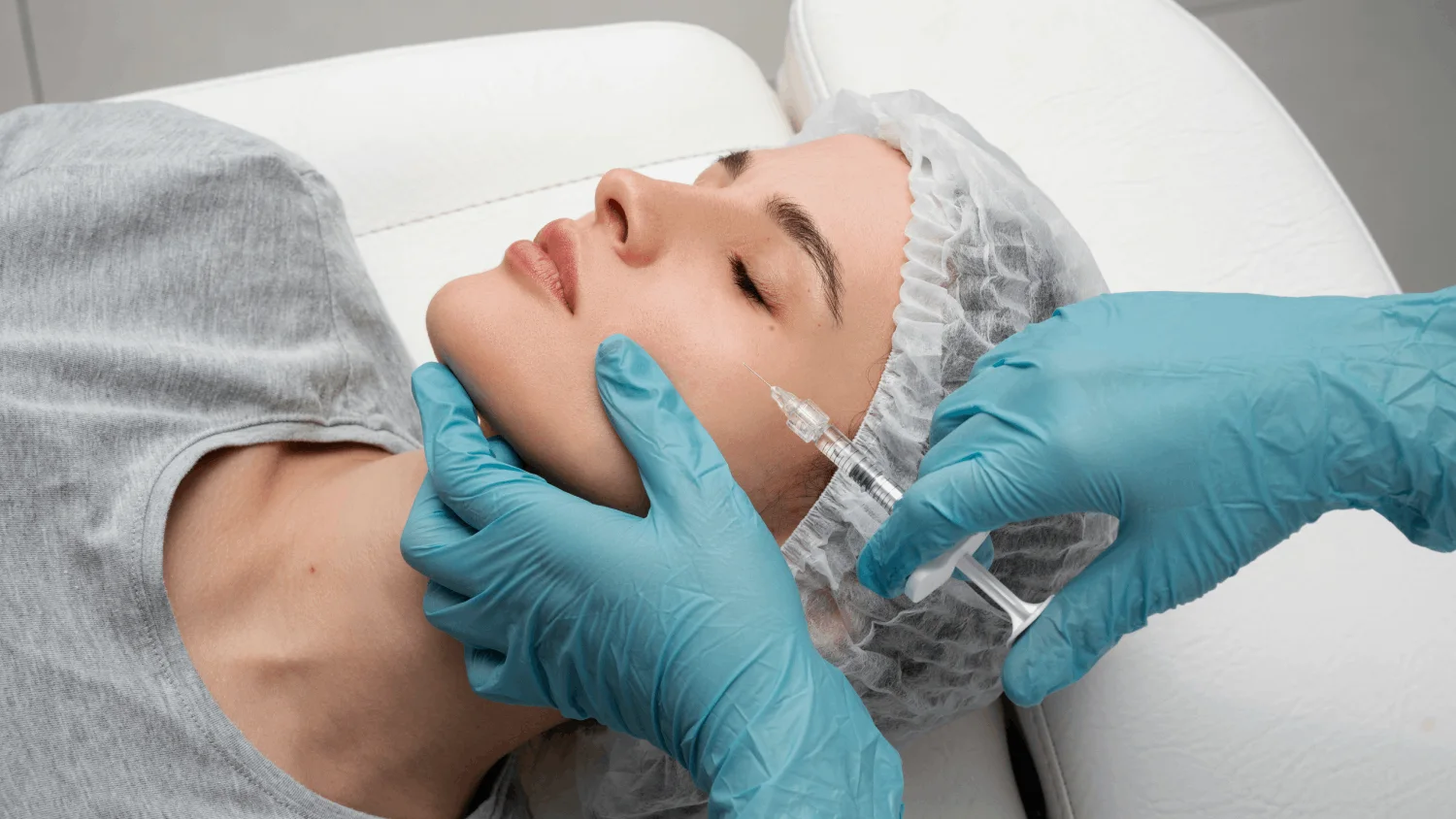
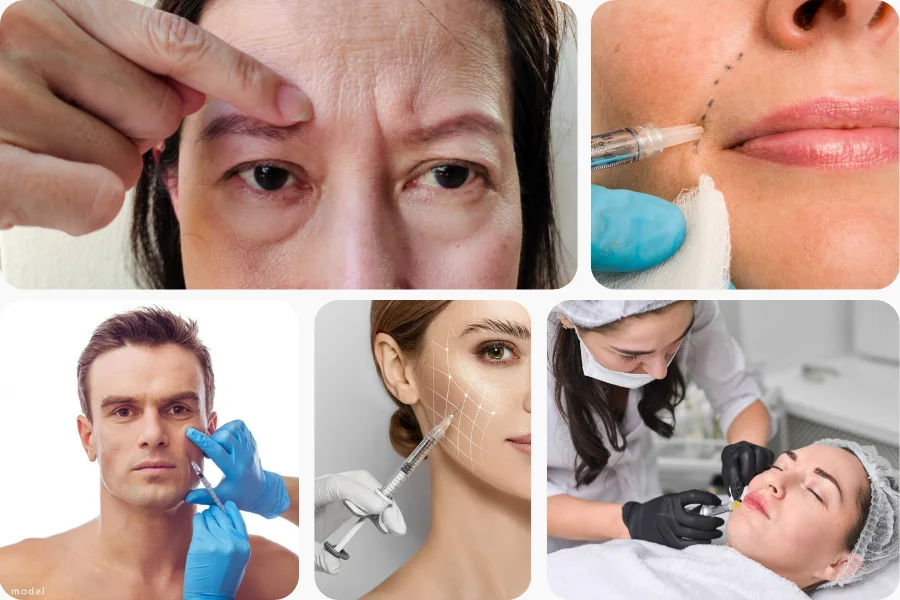
Dermal fillers are injectable treatments used to restore lost volume, soften lines, and enhance facial contours. They are commonly used in areas such as the cheeks, lips, jawline, under the eyes, and around the mouth. Most fillers are made from hyaluronic acid, a substance naturally found in the body that helps the skin stay hydrated and plump.
The treatment is performed with a fine needle or cannula, and results are usually visible right away. Depending on the type of filler used and the area treated, the effects can last from several months to over a year. Dermal fillers are non-surgical, but they still require careful assessment and precise technique to achieve safe, natural-looking results.
Dermal fillers are best suited for adults who want to restore lost facial volume, soften lines, or enhance certain features without surgery. This treatment is particularly appropriate for:
A consultation with a qualified medical professional helps determine whether dermal fillers are suitable, which product is most appropriate, and how to achieve balanced, safe results.
Dermal Fillers are injectable treatments used to restore lost volume, soften lines, enhance facial contours, and improve balance in areas such as the lips, cheeks, jawline, chin, and under-eye region. Most fillers are made from hyaluronic acid, a substance naturally found in the body, although other filler types may be used in selected cases. The treatment is performed in a clinic setting and is usually completed in a short appointment, with results visible immediately in many patients.
The process begins with a detailed consultation to understand your goals, medical history, allergies, previous cosmetic treatments, and any history of cold sores, bleeding problems, or autoimmune conditions. The practitioner examines your facial structure both at rest and in motion, looking at volume loss, skin quality, symmetry, and proportions. Photos may be taken for planning and comparison. Based on this assessment, a personalized plan is created, including the type of filler, the amount needed, the injection points, and the areas that should be treated conservatively for a natural result.
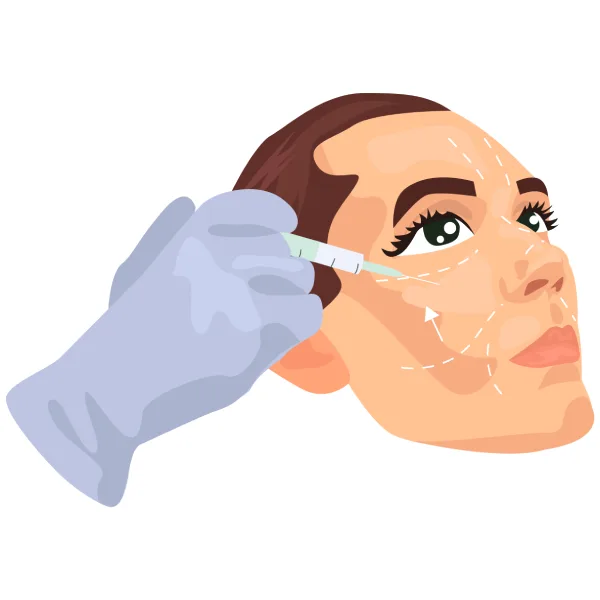
Before the injections, the skin is cleansed carefully to reduce the risk of infection. The treatment areas may be marked with a pencil while you are sitting upright, because facial contours can look different when lying down. To improve comfort, the practitioner may apply a topical numbing cream, use ice, or choose a filler that already contains lidocaine. In some areas, such as the lips, a dental block or local anesthetic may be used. The product is then prepared, and the correct needle or blunt-tipped cannula is selected depending on the area and technique.
The filler is injected in small, controlled amounts into specific layers of the skin or deeper tissues, depending on the treatment goal. For example, deeper placement may be used to restore cheek or chin support, while more superficial placement may be chosen for fine lines. The practitioner may use a needle or cannula and often injects gradually, checking symmetry and tissue response throughout the session. Common techniques include linear threading, small bolus injections, fanning, or cross-hatching. The aim is to build shape and support carefully rather than overfill the area.
After each small amount is placed, the practitioner may gently massage or mold the filler so it settles evenly and blends with the surrounding tissues. You may be shown the progress during the appointment, especially when treating areas such as the lips, cheeks, or jawline, so adjustments can be made in a balanced way. This step is important because successful filler treatment is not only about adding volume, it is also about preserving natural facial movement and proportion. In many cases, less product is used first, with the option to add more later if needed.
Once the injections are complete, the treated areas are checked for symmetry, skin color, circulation, and early swelling. Mild redness, tenderness, or pinpoint bleeding can happen and usually settles quickly. The practitioner watches for uncommon but important complications, such as significant blanching, severe pain, or changes in skin color, which may suggest a blood vessel issue and require prompt treatment. If a hyaluronic acid filler has been used, an enzyme called hyaluronidase can be used in certain situations to dissolve the product. This safety-focused review is an important part of the procedure.
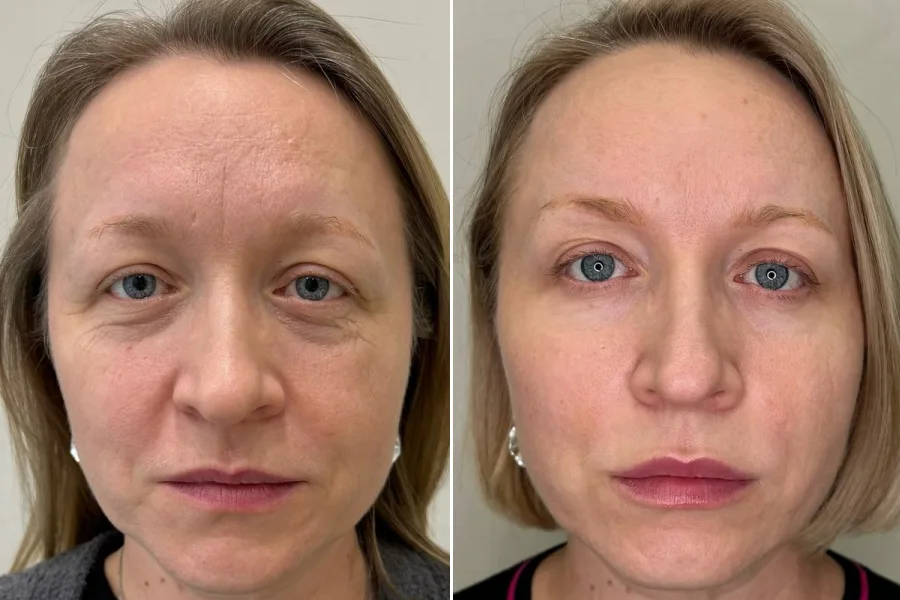
After treatment, you are usually able to return to normal daily activities the same day, although temporary swelling or bruising is common. Patients are often advised to avoid heavy exercise, alcohol, excessive heat, facials, and firm pressure on the treated area for the first 24 to 48 hours. Depending on the area treated and the type of filler used, the final result may settle over several days to two weeks. A follow-up visit may be recommended to review the outcome, take after photos, and decide whether a small touch-up is needed. Results can last from several months to over a year, depending on the product, area treated, and individual metabolism.
Recovery after dermal fillers is usually quick, but it is still helpful to know what is normal in the hours and days after treatment. Most people return to regular daily activities the same day, with only mild swelling, tenderness, redness, or small bruises at the injection sites. Results can often be seen right away, but the final look becomes clearer once early swelling settles. Understanding the typical recovery timeline can help you plan social events, travel, exercise, and any follow-up appointments with realistic expectations.
Right after filler injections, it is common to notice mild puffiness, pinpoint marks, redness, and a feeling of firmness or pressure in the treated area. Lips tend to swell more than cheeks or jawline, so recovery can vary depending on where the filler was placed. Some patients also develop small bruises, especially around delicate areas such as the lips or under-eyes. Your provider may advise using a cold compress, keeping your head elevated, and avoiding touching or massaging the area unless specifically instructed. It is also usually recommended to avoid alcohol, intense heat, and strenuous exercise for the rest of the day, as these can make swelling or bruising more noticeable.
During the first few days, swelling often peaks within 24 to 48 hours and then begins to improve. The treated area may feel slightly uneven, firm, or fuller than expected at first, but this is often part of the normal settling process. Bruising, if it occurs, may become more visible before it fades. Most people feel comfortable returning to work, social activities, and light routines almost immediately, though some prefer to allow a few days before important events, especially after lip filler. Gentle skin care is usually fine, but it is best to avoid facials, strong pressure, and high-heat environments such as saunas until your provider says it is safe.
By the end of the first week, most swelling and tenderness have settled significantly, and the filler begins to look more natural within the surrounding tissues. Minor bruising may still be fading, and any small injection marks are usually gone. Areas that felt firm at first often soften gradually. This is the stage when patients usually get a better sense of their true result, although subtle changes can continue for up to two weeks. If a review appointment is planned, it often takes place during this period so your provider can assess symmetry, volume, and whether any small touch-up is needed.
At this point, the filler has generally settled into its final position, and the treated area should feel comfortable and look stable. Most patients are fully back to normal exercise, skin care, and social routines well before this stage. If you had filler in a high-movement area such as the lips, you may notice that the final softness and shape continue to refine slightly over time. Any lingering firmness, sensitivity, or mild asymmetry should be reviewed with your injector, especially if it does not improve. For many people, this is also when they become used to their refreshed appearance and can judge whether the amount of correction feels balanced and natural.
Dermal fillers do not require a long healing period, but the longevity of results varies depending on the product used, the treatment area, your metabolism, and how much filler was placed. Some fillers last around 6 to 12 months, while others may last longer in lower-movement areas. Follow-up treatments are often scheduled gradually rather than waiting for the effect to disappear completely. Good skin care, sun protection, and choosing an experienced injector can all support a smoother long-term outcome. If you are combining fillers with other treatments, your provider may recommend spacing them appropriately to allow swelling to fully settle before the next step.
Türkiye has become a popular destination for dermal fillers, offering patients access to experienced aesthetic doctors, modern facial assessment techniques, and more accessible pricing than many countries in Europe or North America. For people seeking subtle volume restoration, facial contouring, or softening of lines without surgery, clinics in Türkiye often provide a well-structured experience that balances medical care, comfort, and convenience.
Dermal filler treatment is not only about adding volume. It requires a careful understanding of facial anatomy, skin quality, symmetry, and the way different areas of the face age over time. Many Turkish clinics use detailed facial analysis, high-quality hyaluronic acid fillers, and individualized treatment planning to decide how much product is appropriate and where it should be placed. This is especially important for international patients, because a personalized plan helps support natural-looking results while reducing the risk of overcorrection. In suitable cases, practitioners may also combine fillers with other non-surgical treatments, always based on a proper consultation and medical evaluation.
Another reason patients choose Türkiye is the convenience of combining treatment with a short stay. Dermal fillers usually involve minimal downtime, so many visitors can return to light daily activities quickly after their appointment. Clinics commonly provide practical aftercare instructions about swelling, pressure on treated areas, makeup use, sun exposure, and when final results are likely to settle. This guidance is valuable because even non-surgical aesthetic treatments depend on proper technique, suitable product choice, and careful follow-up.
Patients also appreciate that many providers in Türkiye take time to discuss whether fillers are the right option at all. In some cases, a practitioner may recommend less product, staged treatment, or an alternative approach if this is more appropriate for the patient's anatomy and expectations. This more measured approach can help build trust, especially for first-time patients who want enhancement without losing their natural facial expression.
Türkiye's strong position in the global health tourism market reflects years of investment in private healthcare facilities, international patient coordination, and high-volume aesthetic experience. By welcoming large numbers of medical and cosmetic visitors each year, Türkiye has developed organized care pathways and dependable support services, which helps explain why it continues to be a successful and trusted choice for dermal fillers.
Get a tailored average price for your needs.
Medical Reviewer
Writer
Guides and insights connected to this treatment.
Complete the form in less than 2 minutes.
Offers are prepared by verified clinics without sharing your personal information.
Review transparent pricing and package details side-by-side.
Appointments, transfers, accommodation, and city tours are organized for you.
Receive and compare treatment offers from top clinics within minutes—no waiting list.
Keep your budget under control with all-inclusive packages, free from hidden extra costs.
From flight booking to full recovery, get dedicated guidance whenever you need assistance.
Botan
Personal Heal Road Manager
From Discovery
to Recovery
with you, every step of the journey
Share a few details and we’ll get back to you with the best options.
WhatsApp quick contact