


Plastic Surgery · Hyperhidrosis Treatment (Excessive Sweating)
Plastic Surgery
Hyperhidrosis Treatment (Excessive Sweating): Stay Dry, Stay Confident
Medical treatments for excessive sweating, including antiperspirants, medicines, Botox, and surgical options for severe cases.
Page Contributors


Local
Anesthesia

1–2 h
Duration

1–2 d
Recovery

Mild
Pain Level

80–90 %
Success Rate

None
Scarring
What is Hyperhidrosis Treatment (Excessive Sweating)?
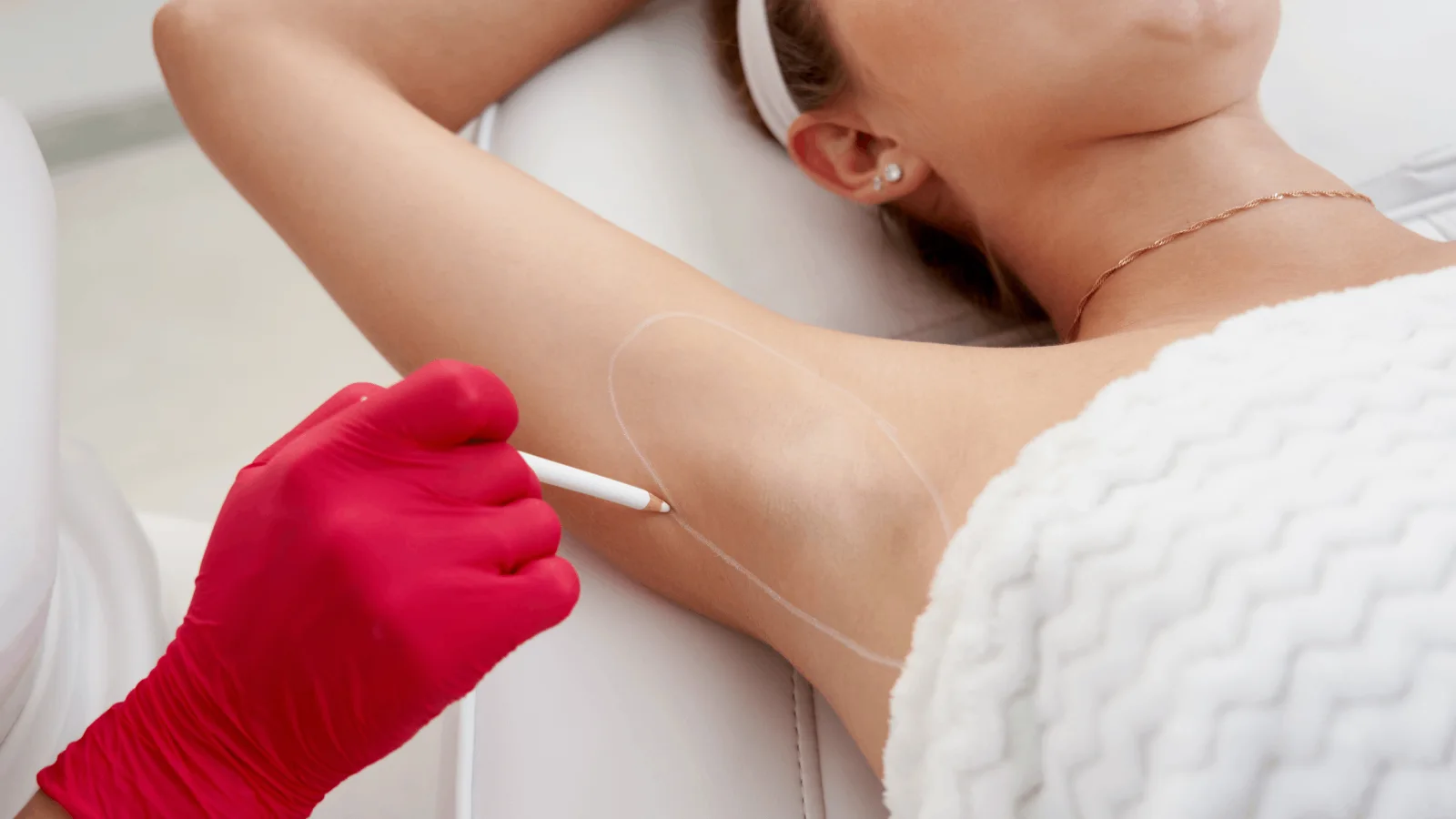
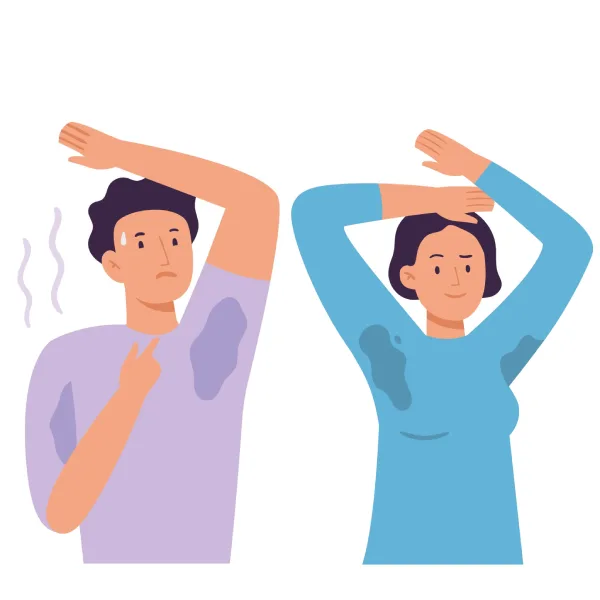
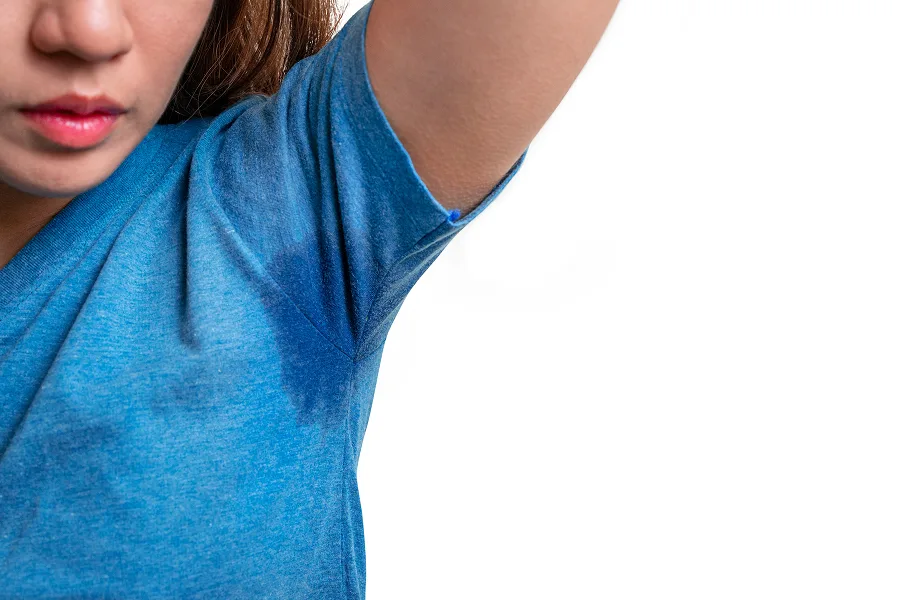
Hyperhidrosis treatment encompasses a range of medical interventions aimed at managing excessive sweating, a condition that can significantly impact daily life and self-esteem. This condition, known as hyperhidrosis, often affects areas such as the underarms, palms, feet, and face. Treatments are designed to reduce or eliminate excessive sweat production, thereby improving comfort and quality of life.
Options for managing hyperhidrosis include topical antiperspirants, oral medications, and minimally invasive procedures like Botox injections, which temporarily block the nerves responsible for sweat production. In more severe cases, surgical interventions such as sympathectomy may be considered. These treatments offer effective solutions for achieving long-lasting relief and confidence in social and professional settings.

Who is Hyperhidrosis Treatment (Excessive Sweating) for?
Hyperhidrosis treatment is designed for individuals who experience excessive sweating that interferes with daily activities and affects their quality of life. This treatment is particularly beneficial for:
- People who suffer from primary hyperhidrosis, where excessive sweating occurs without an underlying medical condition.
- Individuals who have tried over-the-counter antiperspirants and other non-invasive methods without success.
- Patients seeking a long-term solution to manage sweating in areas such as the underarms, palms, feet, or face.
- Those who experience emotional or social distress due to excessive sweating.
By targeting the overactive sweat glands, hyperhidrosis treatments provide a significant reduction in sweating, enhancing comfort and confidence in everyday situations.
Hyperhidrosis Treatment (Excessive Sweating) benefits
-
Sweat reduction
-
Odor control
-
Dry-skin comfort goals
-
Quick treatment visit
-
Result-duration planning
-
Everyday comfort support
How is Hyperhidrosis Treatment (Excessive Sweating) done?
Hyperhidrosis treatment offers effective relief from excessive sweating through various approaches tailored to your specific needs. These treatments aim to reduce sweat production and improve your quality of life.
-
Initial Consultation and Assessment
During the initial consultation, a healthcare provider will evaluate your medical history and assess the severity of your hyperhidrosis. This may involve a physical examination and tests to determine the most suitable treatment option for you.
-
Botulinum Toxin Injections
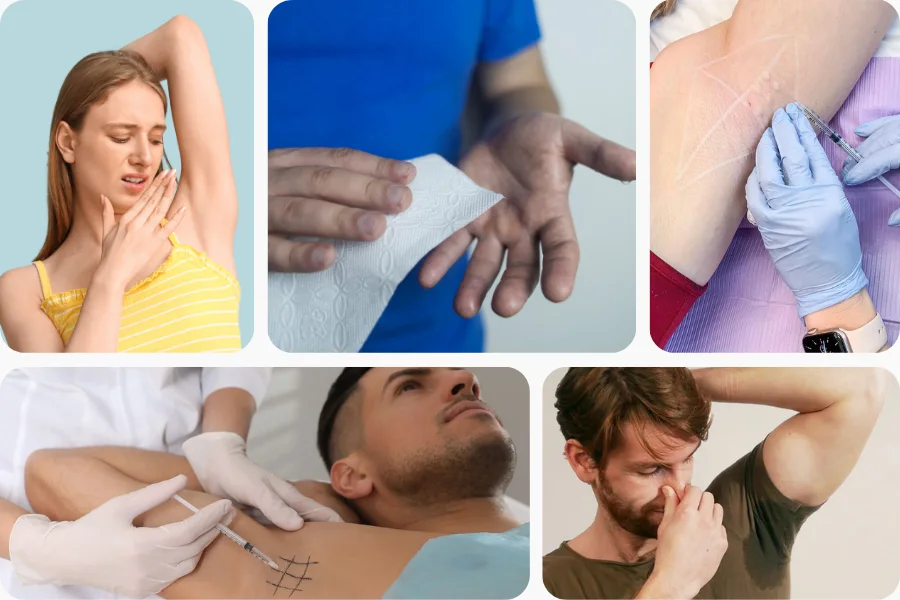
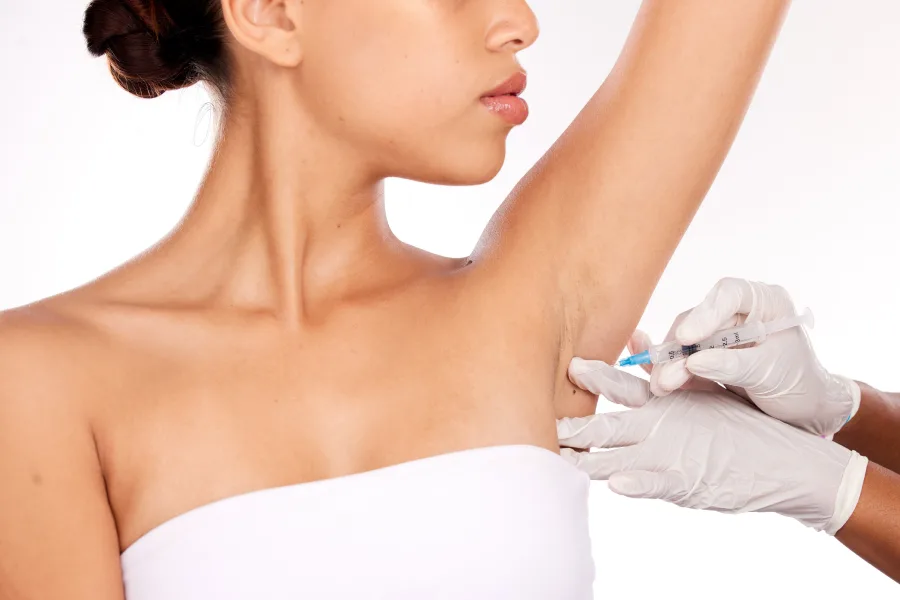
One of the most common treatments involves injecting botulinum toxin into the affected areas, such as the underarms, hands, or feet. This procedure is performed under local anesthesia and works by blocking the nerves responsible for activating sweat glands.
-
Iontophoresis
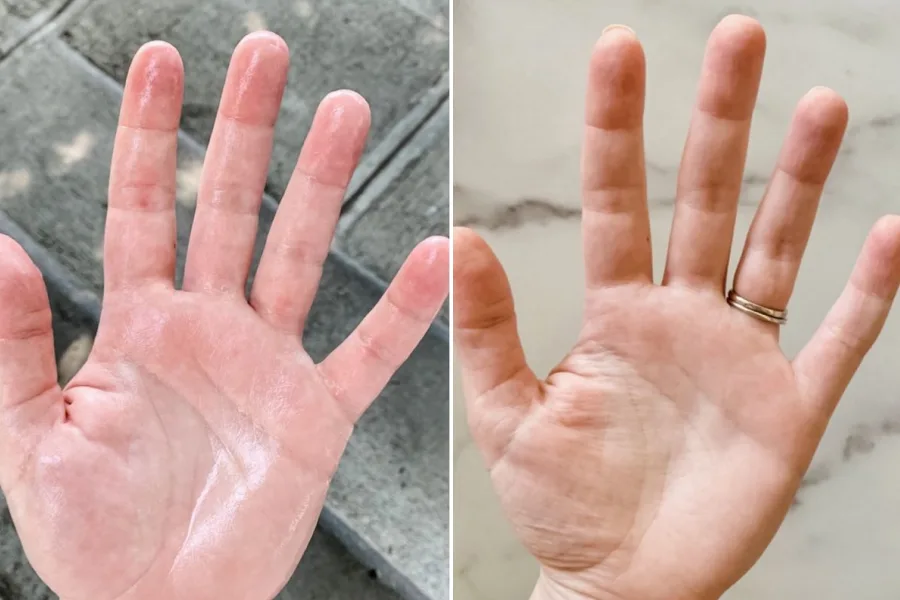
For those with excessive sweating in the hands and feet, iontophoresis may be recommended. This involves immersing the affected areas in water while a gentle electrical current is passed through, reducing sweat production over several sessions.
-
Surgical Options
In severe cases, surgical interventions such as sympathectomy may be considered. This procedure involves cutting or clamping the nerves that trigger sweating. It is typically reserved for patients who do not respond to other treatments.
-
Post-Treatment Care
After treatment, you will receive guidance on managing side effects and maintaining results. Follow-up appointments are important to monitor progress and make any necessary adjustments to your treatment plan.
Recovery and expectation?
The recovery process following hyperhidrosis treatment varies depending on the method used, but generally involves a series of stages that lead to a noticeable reduction in excessive sweating. Understanding these stages will help you manage expectations and adhere to post-treatment guidelines for optimal results.
-
Immediate Post-Treatment Phase (1–2 days)
In the first few days, you may experience mild swelling, redness, or tenderness in the treated areas. It is important to avoid strenuous activities and apply cold compresses to alleviate discomfort. Follow your healthcare provider's instructions regarding any prescribed medications or topical treatments.
-
Initial Results Observation (1–2 weeks)
During this period, you should start noticing a reduction in sweating. Continue to avoid activities that may irritate the treated areas, such as hot showers or saunas. Attend any follow-up appointments to monitor your progress and address any concerns.
-
Full Effectiveness Phase (3–4 weeks)
By this time, the treatment should reach its full effectiveness, significantly reducing sweating in the targeted areas. You can gradually resume normal activities, but continue to practice good skincare to maintain results. Report any unexpected side effects to your healthcare provider.
-
Maintenance and Follow-Up (3–6 months)
Depending on the treatment type, results may last several months. Regular follow-up appointments are crucial to assess the need for additional treatments. Your provider may recommend lifestyle adjustments or additional therapies to prolong the benefits.
-
Long-Term Management
For sustained results, adhere to a consistent skincare routine and avoid triggers that exacerbate sweating. Discuss long-term strategies with your healthcare provider, which may include periodic treatments or alternative therapies to manage hyperhidrosis effectively.
Why Choose Türkiye for Hyperhidrosis Treatment (Excessive Sweating)?
Türkiye is emerging as a premier destination for hyperhidrosis treatment, offering a blend of expert medical care, cutting-edge technology, and affordable solutions for those suffering from excessive sweating. The country's healthcare facilities are renowned for their state-of-the-art equipment and highly qualified specialists who are dedicated to providing effective and lasting relief for hyperhidrosis patients.
In Türkiye, patients benefit from the expertise of dermatologists and medical professionals who are well-versed in the latest techniques and treatments for hyperhidrosis, including Botox injections, iontophoresis, and surgical options. These treatments are conducted in modern clinics that adhere to international healthcare standards, ensuring safety and efficacy.
- Türkiye's medical professionals have extensive experience in treating hyperhidrosis, providing personalized care tailored to each patient's needs.
- Clinics utilize the latest technologies and techniques to ensure effective treatment outcomes and patient satisfaction.
- Patients can take advantage of competitive pricing and comprehensive packages, making treatment in Türkiye a cost-effective choice without sacrificing quality.
- Türkiye's strategic location makes it easily accessible from numerous international locations, facilitating convenient travel for medical tourists.
- Patients can combine their treatment with a cultural and relaxing vacation, exploring Türkiye's rich heritage and stunning landscapes.
Türkiye's strong reputation in health tourism attracts millions of international patients annually, offering a reliable and high-quality healthcare experience. With its commitment to excellence, Türkiye ensures that your journey to manage hyperhidrosis is both successful and memorable.


Customize your treatment estimate
Start with Hyperhidrosis Treatment (Excessive Sweating) selected. Adjust the answers below to refine the average estimate shown above.
Your estimate will appear here.
Frequently Asked Questions about Hyperhidrosis Treatment (Excessive Sweating)
Is hyperhidrosis treatment covered by health insurance?

Coverage for hyperhidrosis treatment by health insurance can vary significantly depending on your insurance provider and policy.
- Some insurance plans may cover treatments if hyperhidrosis is deemed a medical necessity, rather than a cosmetic issue.
- Common treatments that might be covered include prescription medications, iontophoresis, or botulinum toxin injections.
- Surgical options, such as sympathectomy, may also be covered if other treatments have failed.
It is important to check with your insurance provider to understand the specifics of your coverage, including any required documentation or pre-authorization.
Your healthcare provider can assist in providing necessary information to support your claim.
###DISCLAIMER### Coverage details can vary, so it is essential to consult your insurance provider for accurate information regarding your specific policy.How long do the effects of hyperhidrosis treatment typically last?
The duration of effects from hyperhidrosis treatment varies depending on the type of treatment used.
- Botox Injections: Typically last for about 4 to 6 months. Regular follow-up treatments are needed to maintain results.
- Prescription Antiperspirants: Effects can last as long as the product is used regularly, usually requiring daily application.
- Oral Medications: Provide relief as long as the medication is taken, with effects varying based on individual response.
- Microwave Therapy (e.g., miraDry): Can provide long-lasting results, often requiring one or two sessions for significant reduction in sweating.
- Surgery: Procedures like sympathectomy may offer permanent results, but are typically considered only when other treatments are ineffective.
The effectiveness and duration of each treatment can vary based on individual factors and the severity of hyperhidrosis. Consult with a healthcare provider to determine the best treatment plan for your needs.
Are there any lifestyle changes recommended after undergoing hyperhidrosis treatment?
After undergoing hyperhidrosis treatment, certain lifestyle changes may help enhance the effectiveness of the treatment and manage symptoms.
- Clothing Choices: Wear loose-fitting, breathable fabrics to help reduce sweating and improve comfort.
- Hygiene Practices: Maintain good hygiene by showering regularly and using antiperspirants as recommended by your healthcare provider.
- Dietary Adjustments: Consider reducing intake of spicy foods, caffeine, and alcohol, which can trigger sweating.
- Stress Management: Practice stress-reducing techniques such as yoga, meditation, or deep breathing exercises, as stress can exacerbate sweating.
- Follow-up Appointments: Attend all scheduled follow-up appointments to monitor the effectiveness of the treatment and make any necessary adjustments.
Your healthcare provider will offer personalized advice based on your specific treatment and needs.
###DISCLAIMER### This information is not a substitute for professional medical advice. Always consult your healthcare provider for personalized guidance.What are the common side effects associated with hyperhidrosis treatments?
Treatments for hyperhidrosis (excessive sweating) can vary, and so can the side effects. Here are some common side effects associated with different treatment options:
- Topical Antiperspirants: May cause skin irritation or a burning sensation.
- Botox Injections: Possible side effects include pain at the injection site, bruising, and temporary muscle weakness.
- Oral Medications: Can lead to dry mouth, blurred vision, and urinary retention.
- Iontophoresis: Skin irritation or discomfort during treatment sessions.
- Surgery: Risks include infection, nerve damage, and compensatory sweating (increased sweating in other areas).
It's important to discuss potential side effects with your healthcare provider to choose the best treatment option for your needs.
###DISCLAIMER### This information is for educational purposes only and should not replace professional medical advice. Always consult with a healthcare provider for personalized guidance.Is there any downtime required after receiving treatment for hyperhidrosis?
The downtime required after hyperhidrosis treatment depends on the type of treatment you receive.
- Botox Injections: Minimal downtime is required. Most patients can return to their normal activities immediately after the procedure, although it's advised to avoid strenuous exercise for 24 hours.
- Prescription Antiperspirants: No downtime is needed, as these are applied topically.
- Microwave Therapy: Patients may experience some swelling and discomfort, but most can resume normal activities within a day or two.
- Surgery: If surgical options are chosen, such as sympathectomy, a longer recovery period may be necessary, and specific post-operative care instructions will be provided by your healthcare provider.
Your healthcare provider will give you specific aftercare instructions based on the treatment you receive to ensure optimal results and recovery.
###DISCLAIMER### This information is for educational purposes only and should not be considered medical advice. Always consult with a healthcare professional for medical advice and treatment options tailored to your individual needs.Can hyperhidrosis treatment be combined with other cosmetic procedures?
Hyperhidrosis treatment, such as Botox injections, can often be combined with other cosmetic procedures. This is particularly common in aesthetic practices where patients seek multiple treatments for convenience and comprehensive results.
- Botox for Hyperhidrosis: Botox injections are commonly used to treat excessive sweating and can be administered alongside other Botox treatments for cosmetic purposes, such as reducing facial wrinkles.
- Facial Treatments: Patients may combine hyperhidrosis treatment with facial treatments like fillers or laser therapy, depending on their aesthetic goals.
- Body Contouring: Some patients opt to address sweating issues while undergoing body contouring procedures.
It is important to discuss your goals and medical history with your healthcare provider to ensure that combining treatments is safe and effective for you.
###DISCLAIMER### Always consult with a qualified healthcare professional to determine the best treatment plan for your specific needs and to understand any potential risks associated with combining procedures.Are there any non-surgical options available for treating hyperhidrosis?
Yes, there are several non-surgical options available for treating hyperhidrosis (excessive sweating).
- Topical Antiperspirants: Over-the-counter or prescription-strength antiperspirants containing aluminum chloride can help reduce sweating.
- Oral Medications: Anticholinergic drugs may be prescribed to block the nerves that trigger sweat glands.
- Botulinum Toxin Injections: Botox injections can temporarily block the nerves responsible for sweating in targeted areas.
- Iontophoresis: A device that uses electrical currents to temporarily shut down sweat glands, often used for hands and feet.
- Lifestyle Modifications: Wearing breathable clothing, using absorbent powders, and managing stress can also help control symptoms.
These treatments can be effective for many individuals, but results may vary. It is important to consult with a healthcare professional to determine the best treatment plan for your specific needs.
###DISCLAIMER### This information is not a substitute for professional medical advice. Always consult with a healthcare provider for a diagnosis and treatment options.How soon can I expect to see results after hyperhidrosis treatment?
The timeline for seeing results after hyperhidrosis treatment depends on the type of treatment used.
- Botox Injections: Results typically appear within 2 to 4 days, with full effects visible in about 2 weeks. The effects usually last for 4 to 6 months.
- Antiperspirants: Clinical-strength antiperspirants can start working within 1 to 2 days of application.
- Iontophoresis: This treatment may require 6 to 10 sessions before significant results are noticed, with maintenance sessions needed thereafter.
- Prescription Medications: Oral medications may take a few days to weeks to show noticeable results.
- Surgical Options: Results from surgical interventions like sympathectomy are immediate, but recovery time varies.
Your healthcare provider will discuss the expected timeline for your specific treatment during your consultation.
###DISCLAIMER### This information is for educational purposes only and should not be considered medical advice. Always consult with a healthcare professional for medical concerns.Are there any specific aftercare instructions to follow post-treatment?
After undergoing Hyperhidrosis Treatment, it is important to follow specific aftercare instructions to ensure optimal results and minimize any potential side effects.
- Avoid Strenuous Activity: Refrain from intense physical activities for at least 24 hours post-treatment to prevent excessive sweating in the treated area.
- Keep the Area Clean: Gently clean the treated area with mild soap and water, avoiding any harsh scrubs or exfoliants.
- Avoid Heat Exposure: Stay away from hot showers, saunas, and direct sunlight for a few days to reduce irritation and swelling.
- Monitor for Side Effects: Be aware of any unusual symptoms such as prolonged redness, swelling, or discomfort, and contact your healthcare provider if they occur.
- Follow-Up Appointments: Attend any scheduled follow-up visits to assess the effectiveness of the treatment and discuss any concerns with your healthcare provider.
Your healthcare provider will provide personalized aftercare instructions based on your specific treatment and needs.
###DISCLAIMER### This information is not a substitute for professional medical advice. Always consult your healthcare provider for personalized guidance.How does the cost of hyperhidrosis treatment vary by location?
The cost of hyperhidrosis treatment can vary significantly depending on several factors, including the type of treatment, the healthcare provider, and the geographic location.
- Type of Treatment: Options such as Botox injections, prescription medications, or surgical procedures each have different price points.
- Healthcare Provider: Costs may vary between specialists, dermatologists, and general practitioners.
- Geographic Location: Treatment prices can differ widely between countries, cities, and even within different areas of the same city due to variations in cost of living and healthcare infrastructure.
It is advisable to consult with healthcare providers in your area to get a personalized cost estimate based on your specific needs and treatment plan.
###DISCLAIMER### Costs mentioned are estimates and can vary based on individual circumstances and provider pricing.Clinics offering Hyperhidrosis Treatment (Excessive Sweating)
Compare verified clinic profiles connected to this treatment.



Related Articles
Guides and insights connected to this treatment.

A Step-by-Step Guide to Hyperhidrosis Treatment (Excessive Sweating) in Turkey

A Step-by-Step Guide to Jalupro Youth Serum in Turkey
