


Plastic Surgery · Laser Lipolysis
Plastic Surgery
Laser Lipolysis: Refine Your Contours
Learn about laser lipolysis in Turkey, a minimally invasive treatment that reduces localized fat and improves body contour.
Page Contributors


1–2 h
Duration

3–5 d
Recovery

Mild
Pain Level

Tiny
Scarring

2 w
Exercise

Local
Anesthesia
What is Laser Lipolysis?
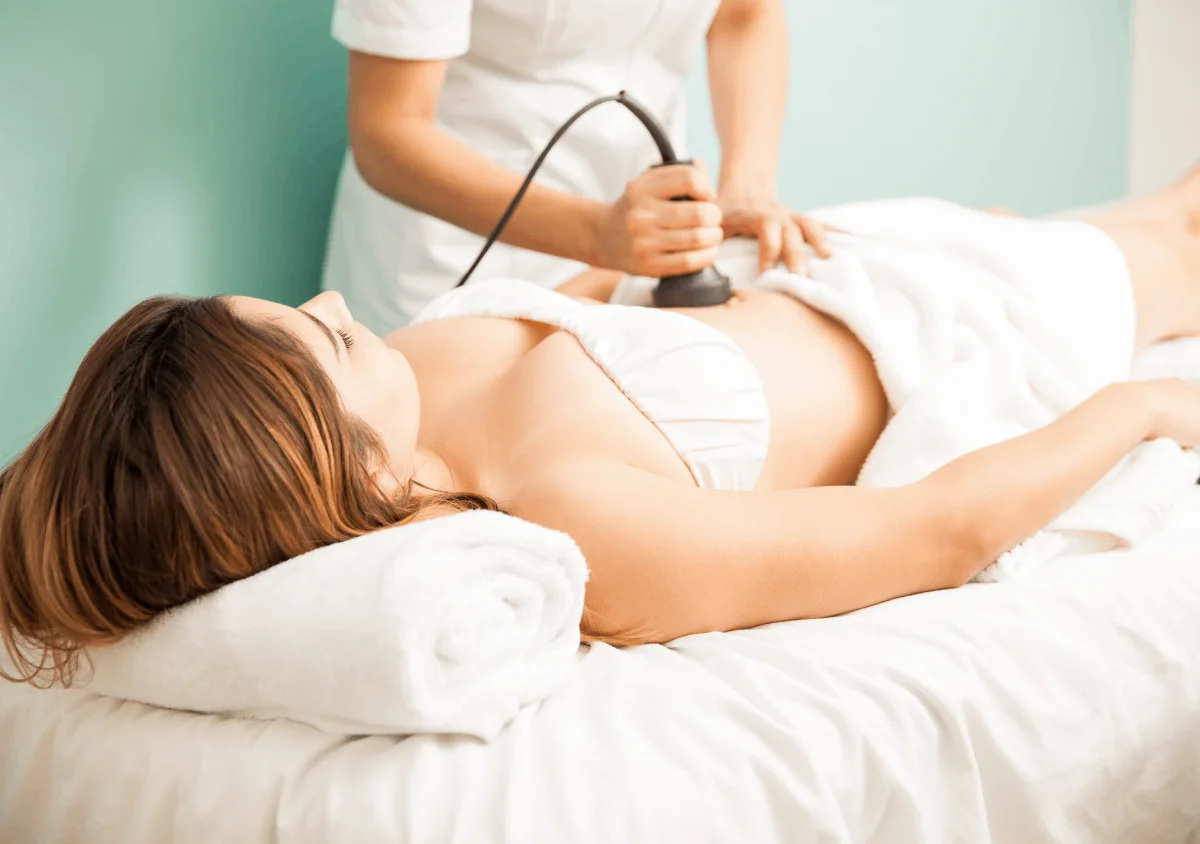
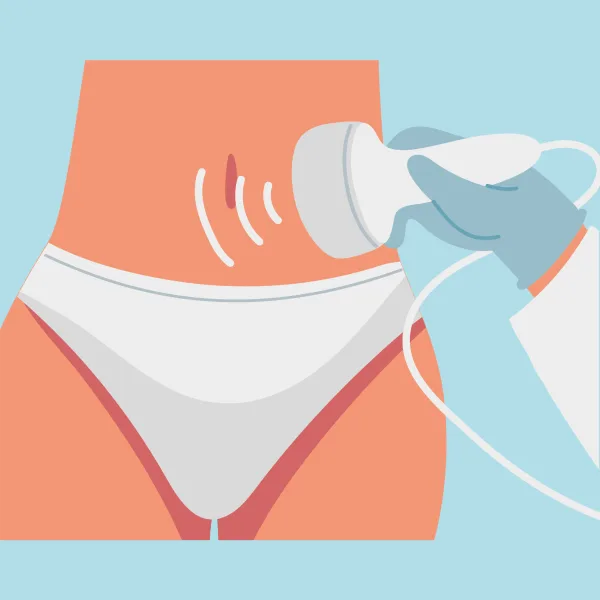
Laser lipolysis is a minimally invasive body contouring treatment used to reduce small, stubborn areas of fat and improve the shape of specific parts of the body. It uses laser energy delivered through a thin fiber inserted under the skin to break down fat cells, which are then removed or naturally processed by the body.
The heat from the laser also helps stimulate collagen production, which may tighten the skin in the treated area. Laser lipolysis is commonly used on the abdomen, thighs, arms, chin, or flanks, and is generally chosen by people who are close to their target weight but want to address localized fat that does not respond well to diet and exercise.

Who is Laser Lipolysis for?
Laser lipolysis is best suited for adults who want to reduce small, stubborn areas of fat and improve body contour without undergoing more invasive surgery. This treatment is generally most appropriate for:
- People who are close to their ideal body weight but have localized fat deposits that do not respond well to diet and exercise, such as around the abdomen, thighs, arms, chin, or flanks.
- Patients looking for mild to moderate fat reduction with less downtime than traditional liposuction.
- Individuals with reasonably good skin elasticity, since firmer skin may adapt better after fat reduction.
- Adults in good overall health who have realistic expectations and understand that laser lipolysis is a body contouring treatment, not a weight loss solution.
A medical consultation helps determine whether this approach matches your goals, skin quality, and the area being treated.
Laser Lipolysis benefits
-
Targeted fat reduction
-
Small-incision approach
-
Local anesthesia option
-
Precision contouring
-
Skin-tightening support
-
Recovery timeline planning
How is Laser Lipolysis done?
Laser Lipolysis is a minimally invasive body contouring procedure that uses laser energy to break down fat cells beneath the skin. It is commonly chosen for small to moderate areas of stubborn fat, such as the abdomen, flanks, thighs, arms, chin, or back, especially when diet and exercise have not produced the desired shape. In many cases, the heat from the laser also helps tighten the skin by stimulating collagen, which can improve contour after fat removal.
-
Consultation, Assessment, and Treatment Planning
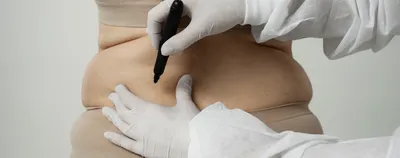
The process begins with a detailed consultation to determine whether laser lipolysis is suitable for you. The doctor reviews your medical history, current medications, previous surgeries, and any conditions that may affect healing. The treatment areas are examined for fat distribution, skin elasticity, and overall body proportions. Photos and measurements may be taken, and the surgeon marks the target zones while discussing realistic expectations, likely results, and whether the procedure will be done alone or combined with traditional liposuction for greater fat removal.
-
Preparation and Anesthesia
On the day of treatment, the marked areas are cleaned and prepared in a sterile setting. Local anesthesia is commonly used, often with a tumescent solution that contains fluid, anesthetic, and medication to reduce bleeding and discomfort. Some patients may also receive oral or intravenous sedation, depending on the size of the area being treated and the clinic's protocol. Once the area is numb, the surgeon confirms the treatment plan and makes very small skin openings to allow the laser cannula or fiber to enter.
-
Inserting the Laser Fiber Under the Skin
A thin cannula or micro-tube containing the laser fiber is gently inserted through the tiny incision into the fatty layer beneath the skin. The surgeon carefully guides it through the treatment area using controlled movements. Because the entry points are small, scarring is usually minimal. The depth and direction of the fiber are monitored closely to target fat evenly and to protect surrounding tissues. This step is important for creating a smooth contour and reducing the risk of irregularities.
-
Laser Energy Melts Fat and Coagulates Tissue
Once in position, the laser delivers focused thermal energy into the fat layer. This heat disrupts the membranes of fat cells, turning the fat into an oily or liquefied form that is easier for the body to process or remove. At the same time, the laser helps coagulate small blood vessels, which can reduce bleeding and bruising compared with more aggressive techniques. The heat also affects the deeper layers of the skin, encouraging collagen remodeling that may lead to some skin tightening during recovery.
-
Fat Removal or Natural Absorption
After the fat has been loosened by the laser, the next step depends on the treatment plan. In some cases, the liquefied fat is gently suctioned out through a small cannula to improve contour more immediately and precisely. In smaller areas, some of the disrupted fat may be left for the body to gradually absorb and clear through natural metabolic processes over the following weeks. The choice depends on the amount of fat present, the area treated, and the result the surgeon is aiming to achieve.
-
Finishing the Procedure, Recovery, and Follow-Up
Once the contour looks balanced, the small entry points are closed or covered with dressings, and a compression garment is usually applied to help reduce swelling and support the new shape. Most patients go home the same day. Mild swelling, bruising, soreness, and fluid drainage from the tiny openings can occur for a short time after treatment. Follow-up visits allow the doctor to monitor healing and check the contour. While some improvement may be visible early, the final result usually becomes clearer over several weeks to a few months as swelling settles and the skin adapts.
Recovery and expectation?
Recovery after laser lipolysis is usually quicker and easier than recovery after traditional liposuction, but it still takes time for swelling to settle and for the body to adapt to the treated areas. Because the procedure uses laser energy to break down fat and tighten tissue, many patients notice early contour changes within days, while the final result develops more gradually over several weeks to months. Understanding the normal recovery timeline can help you plan travel, work, exercise, and follow-up care with realistic expectations.
-
Immediate Post-Procedure Period (First 24-72 Hours)
In the first couple of days, it is common to have mild to moderate swelling, soreness, tenderness, and some bruising in the treated area. Small amounts of fluid drainage from the entry points can also happen, especially if a cannula was used to remove liquefied fat. Most patients describe the discomfort as similar to muscle soreness or a deep bruise rather than sharp pain. Your doctor may recommend pain medication, antibiotics in some cases, and a compression garment to reduce swelling and support the new contour. Light walking is usually encouraged soon after treatment to support circulation, but rest is still important.
-
Early Healing Phase (Days 3-10)
Swelling often peaks during the first few days and then begins to improve. Bruising may become more visible before it fades, and the treated area can feel firm, numb, lumpy, or slightly uneven at this stage, which is usually part of normal healing. Many people are able to return to desk work and routine daily activities within 2 to 5 days, depending on the size and location of the treated area and whether fat was suctioned out after the laser treatment. Continue wearing your compression garment as instructed, avoid heavy lifting, and follow wound care guidance carefully to lower the risk of irritation or infection.
-
Visible Improvement and Tissue Settling (2-4 Weeks)
By this stage, most of the early discomfort has eased, and many patients feel comfortable returning to a more normal routine. Swelling is still present, but it is usually less obvious, and the body contour often starts to look more refined. It is also normal for the skin and underlying tissue to feel tight, firm, itchy, or mildly numb as healing continues. Light exercise is often possible after about 1 to 2 weeks, but more intense workouts should wait until your surgeon says it is safe. Keeping up with hydration, gentle movement, and compression use can help support a smoother recovery.
-
Ongoing Remodeling Phase (4-8 Weeks)
Laser lipolysis results continue to evolve during this period as residual swelling decreases and the skin contracts around the treated area. This is often when patients begin to appreciate a clearer change in shape, especially in smaller areas such as the chin, arms, abdomen, flanks, or thighs. Some firmness or patchy numbness can still remain, and minor asymmetry may improve gradually as the tissues soften. Follow-up visits are important so your provider can assess healing, answer questions, and make sure the contour is progressing as expected. If you were advised to massage the area or continue compression, this stage is often when those instructions remain especially helpful.
-
Final Contour Development (2-6 Months)
Although many patients see noticeable improvement within the first month, final results usually take several months to fully appear. The body continues clearing disrupted fat cells, and collagen remodeling may improve skin firmness over time. By around 2 to 3 months, much of the swelling has resolved, but subtle refinement can continue up to 6 months, particularly in larger treatment areas. Maintaining a stable weight is important, because laser lipolysis removes targeted fat cells but does not prevent future weight gain in remaining fat cells. Long-term results are best supported by regular exercise, balanced nutrition, and attending any recommended follow-up appointments.
Why Choose Türkiye for Laser Lipolysis?
Türkiye has become a popular destination for laser lipolysis, offering a combination of experienced cosmetic surgeons, modern body contouring technology, and more accessible pricing than many countries in Europe or North America. For patients looking to reduce small, stubborn fat deposits with a less invasive approach than traditional liposuction, clinics in Türkiye often provide a well-structured treatment journey that balances safety, comfort, and realistic expectations.
Laser lipolysis is typically chosen for areas such as the chin, abdomen, flanks, arms, thighs, or back, where diet and exercise may not fully address localized fat. Because the procedure also involves heat-based tissue tightening, careful patient selection and treatment planning are important. Many clinics in Türkiye begin with a detailed consultation, assessing skin elasticity, fat distribution, body proportions, and overall health before recommending treatment. This is especially helpful for international patients, because it supports a clearer understanding of what laser lipolysis can and cannot achieve, and whether another contouring method may be more suitable.
- Türkiye offers access to plastic surgeons and aesthetic doctors with strong experience in minimally invasive body contouring, including treatment of delicate or visible areas where precision matters.
- Many clinics use advanced laser-assisted lipolysis systems and modern imaging or assessment tools to plan treatment depth, target zones, and expected skin response more accurately.
- Patients often receive clear pre-treatment evaluation and personalized treatment plans, including advice on ideal target areas, expected swelling, compression garments, and recovery timelines.
- Clinics typically place strong emphasis on sterility, local anesthesia protocols, and post-procedure monitoring, which is important for reducing risks such as uneven contour, burns, or prolonged swelling.
- Cost advantages make laser lipolysis more attainable for many patients, often with transparent packages that may include consultation, procedure fees, garments, medication, and follow-up checks.
- Türkiye's well-developed medical tourism infrastructure helps international visitors organize appointments, accommodation, airport transfers, and interpreter support with less difficulty.
Another reason patients choose Türkiye is the practical focus on recovery and aftercare. Although laser lipolysis is less invasive than traditional liposuction, healing still requires attention to swelling, bruising, fluid drainage, and compression. Many clinics provide detailed instructions on when to walk, when to return to light activity, how long to wear compression garments, and when final contour changes are likely to become visible. This kind of guidance is valuable because good results depend not only on the procedure itself, but also on proper healing and realistic follow-up.
For some patients, laser lipolysis can also be combined with other aesthetic procedures, depending on medical suitability and the treatment plan. Turkish clinics that regularly treat international patients are often experienced in coordinating these plans carefully, while keeping safety and recovery time in mind. This organized approach can make the overall experience smoother for people traveling from abroad.
Türkiye's strong position in the global health tourism market reflects years of investment in private hospitals, accredited aesthetic clinics, and international patient services. By welcoming large numbers of medical travelers each year, the country has developed efficient care pathways, multilingual support, and high-volume clinical experience across cosmetic treatments. This broader success in health tourism gives many patients added confidence when choosing Türkiye for laser lipolysis.
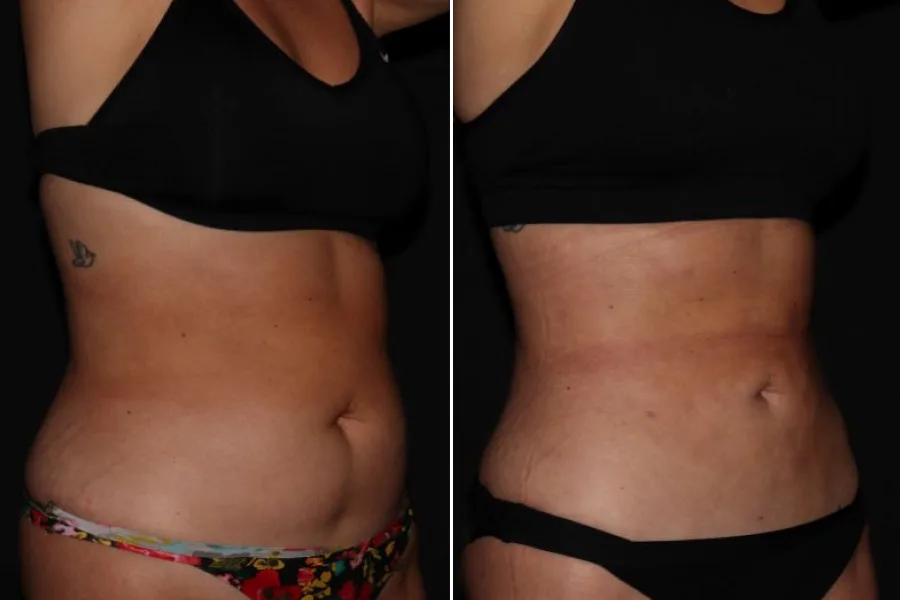
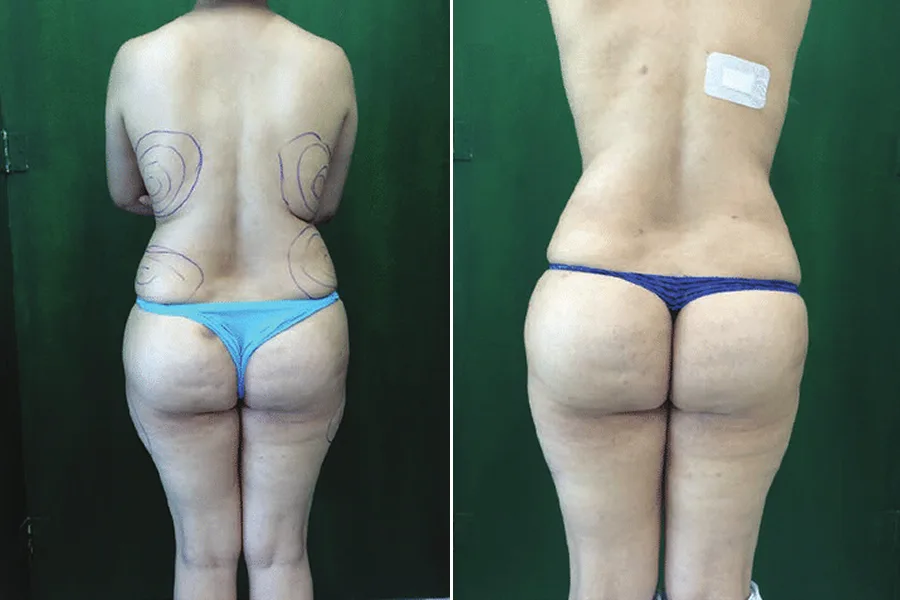
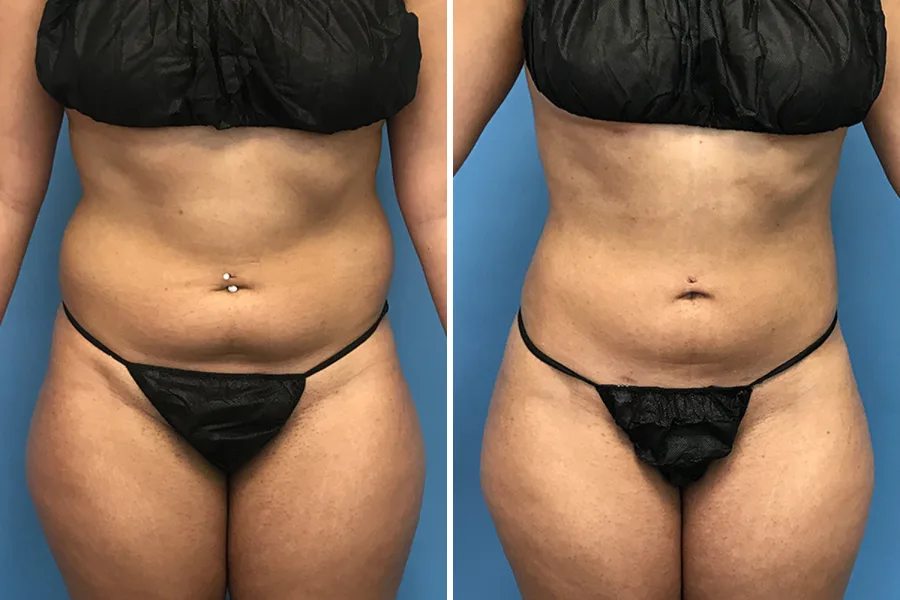
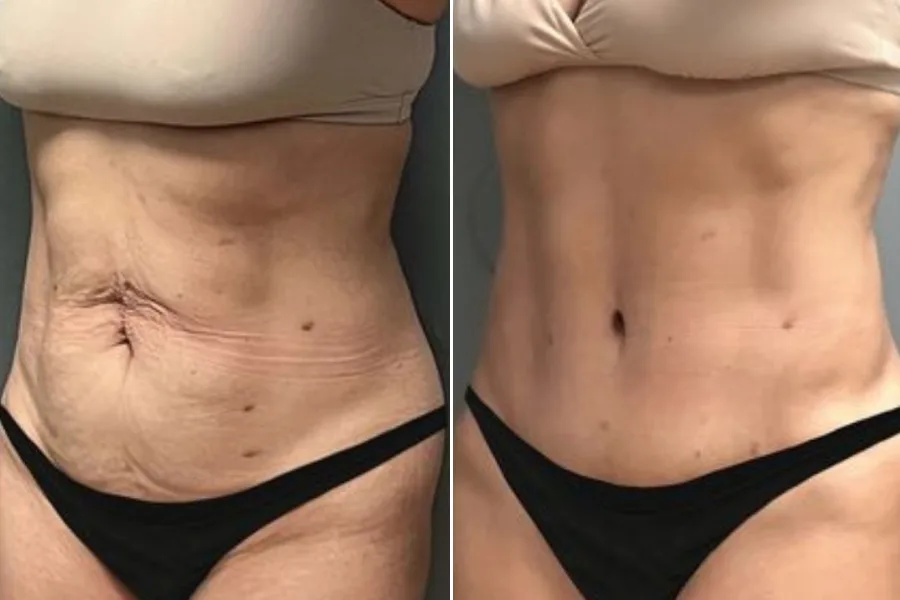
Customize your treatment estimate
Start with Laser Lipolysis selected. Adjust the answers below to refine the average estimate shown above.
Your estimate will appear here.
Frequently Asked Questions about Laser Lipolysis
Is there any downtime required after laser lipolysis?

Laser lipolysis is a minimally invasive body contouring procedure that uses laser energy to break down fat cells.
Most patients experience minimal downtime after laser lipolysis compared to traditional liposuction.
- Recovery Time: Many people return to work and normal activities within 1–2 days after the procedure.
- Side Effects: Mild swelling, bruising, or discomfort may occur but typically resolve within a few days.
- Aftercare: Wearing a compression garment as recommended can help reduce swelling and support healing.
It is important to follow your provider’s aftercare instructions for the best results and to minimize any potential complications.
###DISCLAIMER###This information is for general guidance only and does not replace medical advice. Always consult your healthcare provider for personalized recommendations.
How long do the results of laser lipolysis typically last?
Laser lipolysis provides long-lasting results by permanently removing targeted fat cells from treated areas.
However, the longevity of your results depends on maintaining a stable weight and a healthy lifestyle after the procedure.
- Permanence: The fat cells removed during laser lipolysis do not return.
- Weight Management: Gaining significant weight after the procedure can cause remaining fat cells to enlarge, potentially affecting your results.
- Lifestyle: Regular exercise and a balanced diet help preserve your slimmer contour.
Most patients enjoy their results for many years, provided they maintain healthy habits.
Are there any visible marks or discoloration after the procedure?
Laser Lipolysis is a minimally invasive fat reduction procedure that typically results in minimal visible marks or discoloration.
- Small Incision Marks: Tiny incisions are made to insert the laser fiber, which may leave small marks that usually fade over time.
- Bruising: Mild bruising or redness can occur in the treated area, but this usually resolves within a few days to weeks.
- Swelling: Some swelling is common and generally subsides as the area heals.
Most patients find that any marks or discoloration are temporary and can be easily concealed. Following your provider’s aftercare instructions can help minimize these effects.
When can I return to work following laser lipolysis?
Laser lipolysis is a minimally invasive procedure designed to remove localized fat deposits using laser energy.
Most patients can return to work and normal daily activities within 1 to 3 days after the procedure, depending on the extent of treatment and individual healing rates.
- Mild swelling or bruising may occur, but these effects are usually temporary.
- Strenuous exercise and heavy lifting should be avoided for about 1 to 2 weeks.
Your doctor will provide personalized advice based on your specific case and recovery progress.
###DISCLAIMER###This information is for general guidance only and does not replace professional medical advice. Always follow your healthcare provider's recommendations regarding post-procedure care and returning to work.
Is special clothing or compression wear recommended after treatment?
Yes, wearing compression garments is typically recommended after Laser Lipolysis treatment.
- Compression wear helps reduce swelling and bruising.
- It supports the treated area, promoting proper skin retraction and contouring.
- Wearing the garment as instructed can enhance comfort and improve final results.
Your doctor will provide specific guidance on how long to wear the compression garment, usually for several days to a few weeks after the procedure.
How soon after laser lipolysis can I travel by plane?
Laser lipolysis is a minimally invasive cosmetic procedure used to remove localized fat deposits.
Most patients can safely travel by plane within 24 to 48 hours after the procedure, provided there are no complications and you feel well enough.
- Follow your surgeon’s specific recommendations, as recovery times can vary based on the extent of treatment and your individual health.
- Wear any prescribed compression garments during travel to help reduce swelling and support healing.
- Stay hydrated and move around during the flight to promote circulation and minimize the risk of blood clots.
If you experience excessive pain, swelling, or signs of infection, consult your doctor before flying.
###DISCLAIMER###This information is for general guidance only and does not replace medical advice. Always follow your healthcare provider’s instructions regarding travel after any procedure.
Are multiple sessions required to achieve the desired results?
The number of sessions needed for Laser Lipolysis depends on individual goals, the treatment area, and the amount of fat to be removed.
- Some patients achieve their desired results after a single session, especially for small areas.
- Others may require multiple sessions (usually 2–3) to reach optimal results, particularly for larger or multiple areas.
Your doctor will assess your needs during the consultation and recommend a personalized treatment plan.
Will I need to follow a specific diet or lifestyle after the procedure?
After Laser Lipolysis, it is important to follow certain dietary and lifestyle guidelines to support healing and maintain your results.
- Healthy Diet: Focus on a balanced diet rich in fruits, vegetables, lean proteins, and whole grains to promote healing and prevent weight gain in treated areas.
- Hydration: Drink plenty of water to help your body flush out the liquefied fat and reduce swelling.
- Avoid Alcohol and Smoking: Refrain from alcohol and smoking for at least a few days after the procedure, as these can delay healing.
- Activity: Light activity, such as walking, is encouraged soon after the procedure, but avoid strenuous exercise until your doctor advises it is safe.
Your doctor will provide personalized instructions based on your specific case. Following these recommendations can help ensure optimal results and a smooth recovery.
###DISCLAIMER###This information is for general guidance only and does not replace professional medical advice. Always follow your healthcare provider's instructions.
Can laser lipolysis be combined with other cosmetic treatments?
Laser lipolysis can often be safely combined with other cosmetic treatments to enhance overall results and address multiple concerns in one procedure.
- Liposuction: Laser lipolysis is frequently used alongside traditional liposuction to help tighten skin and improve contour.
- Skin Tightening: Non-surgical skin tightening treatments, such as radiofrequency or ultrasound, may be performed after laser lipolysis for additional firmness.
- Body Contouring: Procedures like CoolSculpting or injectable treatments can complement laser lipolysis for more comprehensive body shaping.
- Facial Treatments: In some cases, laser lipolysis can be combined with facial rejuvenation procedures, such as fillers or laser resurfacing, for a more youthful appearance.
Your suitability for combination treatments depends on your goals, medical history, and the areas being treated. A qualified cosmetic surgeon can recommend the best approach for your needs.
###DISCLAIMER### Always consult a certified medical professional before combining cosmetic procedures to ensure safety and optimal results.Is there a recommended age range for undergoing laser lipolysis?
Laser lipolysis is a minimally invasive cosmetic procedure designed to remove localized fat deposits and contour the body.
There is no strict age limit for laser lipolysis, but it is generally recommended for adults over 18 years old who are in good overall health.
- Ideal candidates are typically between their mid-20s and late 50s, as skin elasticity tends to be better in this age range, which helps achieve optimal results.
- Older adults may still be eligible, but results can vary depending on skin quality and general health.
A thorough consultation with a qualified cosmetic surgeon is essential to determine if laser lipolysis is appropriate for your age, health status, and aesthetic goals.
###DISCLAIMER### This information is for general guidance only and does not replace professional medical advice. Always consult a qualified healthcare provider for personalized recommendations.Clinics offering Laser Lipolysis
Compare verified clinic profiles connected to this treatment.



Related Articles
Guides and insights connected to this treatment.
A Step-by-Step Guide to Laser Lipolysis in Turkey

A Step-by-Step Guide to Jalupro Youth Serum in Turkey
