


Plastic Surgery · Laser Skin Resurfacing
Plastic Surgery
Laser Skin Resurfacing: Reveal Radiant Skin
Explore laser skin resurfacing in Turkey, a cosmetic procedure that improves skin texture and helps reduce visible imperfections.
Page Contributors


Local
Anesthesia

30–60 m
Duration

7–10 d
Recovery

Mild
Pain Level

None
Scarring

90–95 %
Success Rate
What is Laser Skin Resurfacing?
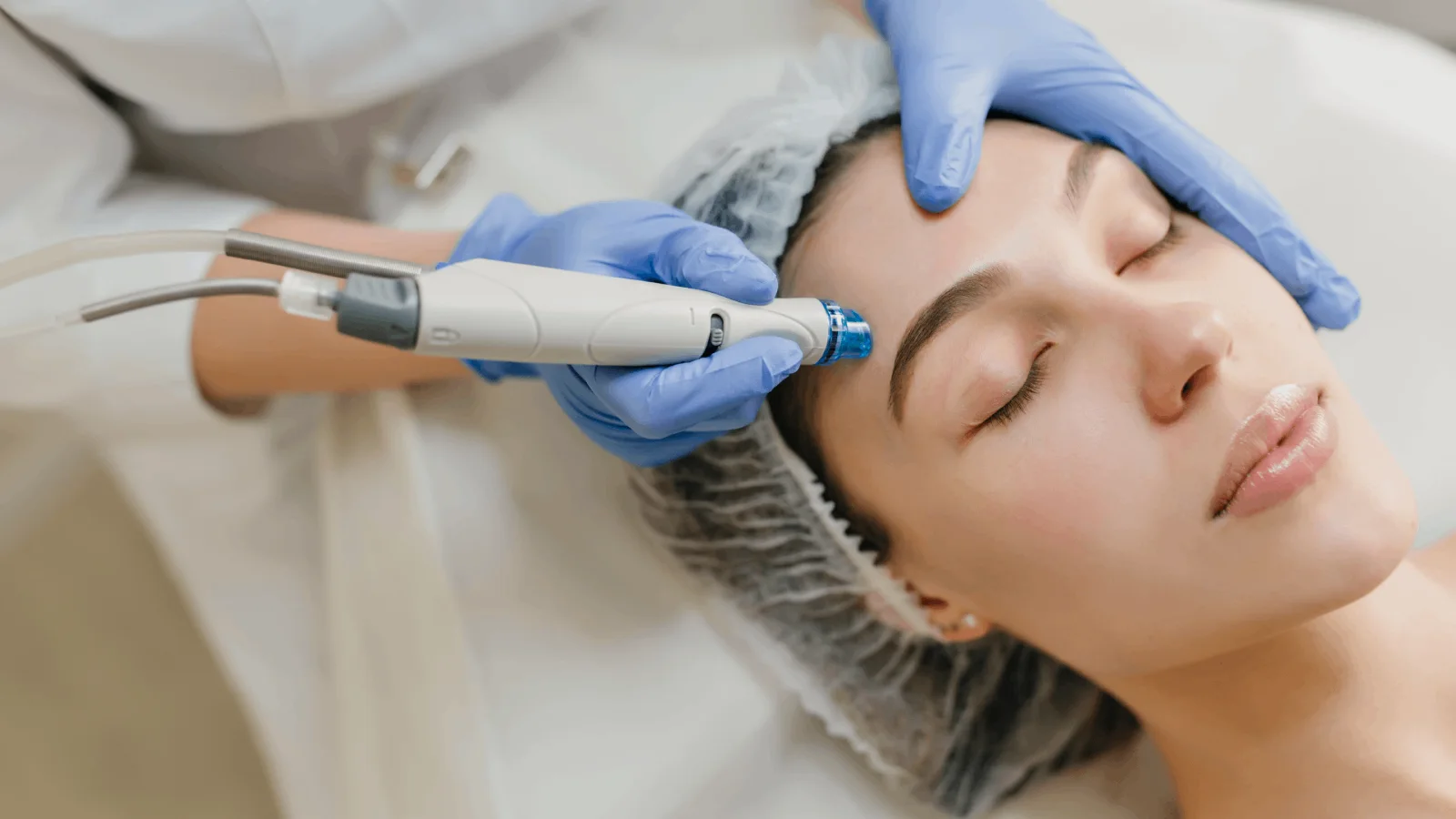
Laser skin resurfacing is a cutting-edge cosmetic procedure designed to improve the appearance and texture of the skin. By using concentrated beams of light energy, this treatment precisely removes damaged outer layers of skin while stimulating the growth of new, healthy skin cells underneath. The process targets common concerns such as fine lines, wrinkles, acne scars, sun damage, and uneven pigmentation.
Depending on the specific laser technology used ablative or non-ablative patients can experience varying degrees of skin renewal and downtime. Laser skin resurfacing offers smoother, firmer, and more youthful-looking skin, making it a popular choice for those seeking noticeable rejuvenation with minimal invasiveness.

Who is Laser Skin Resurfacing for?
Laser skin resurfacing is an excellent option for individuals looking to improve the appearance and texture of their skin. This treatment is particularly suitable for:
- Adults with fine lines, wrinkles, or sun-damaged skin who wish to achieve a smoother, more youthful complexion.
- People with acne scars, uneven skin tone, or superficial skin irregularities seeking noticeable improvement.
- Those in good general health, with realistic expectations, and who do not have active skin infections or certain medical conditions affecting healing.
- Individuals with lighter skin tones, as they tend to have a lower risk of pigmentation changes post-treatment.
Laser skin resurfacing offers a minimally invasive solution for rejuvenating the skin and addressing a variety of cosmetic concerns.
Laser Skin Resurfacing benefits
-
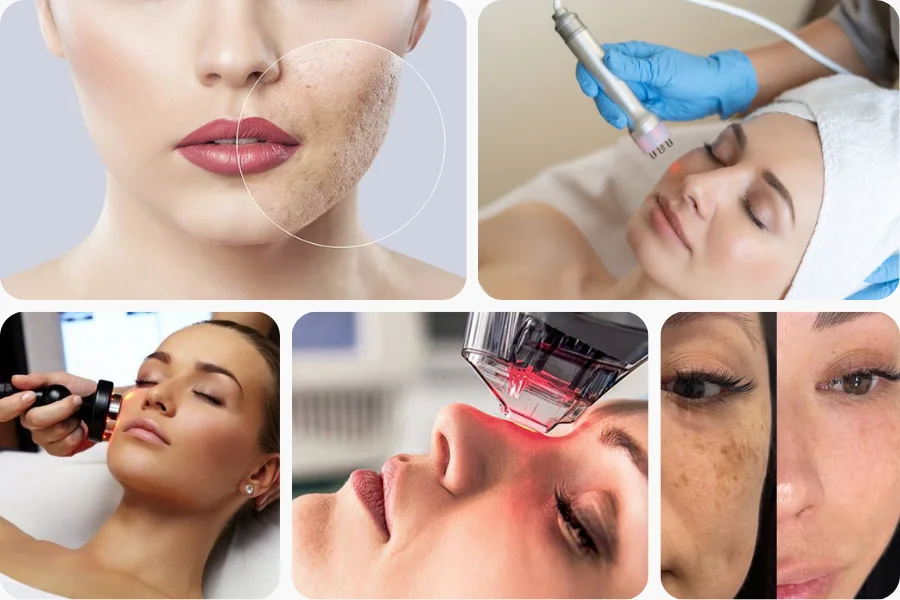
Fine-line reduction
-
Acne-scar refinement
-
Texture smoothing
-
Pore refinement
-
Even skin tone
-
Collagen support
How is Laser Skin Resurfacing done?
Laser skin resurfacing is an advanced cosmetic procedure that uses concentrated beams of light to improve skin texture, tone, and appearance. By precisely removing damaged outer layers and stimulating collagen production, this treatment helps reduce wrinkles, scars, and pigmentation, revealing smoother, more youthful skin.
-
Consultation and Skin Assessment
The process begins with a thorough consultation with a dermatologist or aesthetic specialist. Your skin type, concerns, and medical history are evaluated to determine if laser resurfacing is suitable for you. The provider will discuss treatment goals, expected outcomes, and potential risks.
-
Preparation and Anesthesia
On the day of the procedure, the treatment area is cleansed and prepped. Depending on the depth and type of laser used, a topical anesthetic, local anesthesia, or mild sedation may be administered to ensure your comfort throughout the session.
-
Laser Application
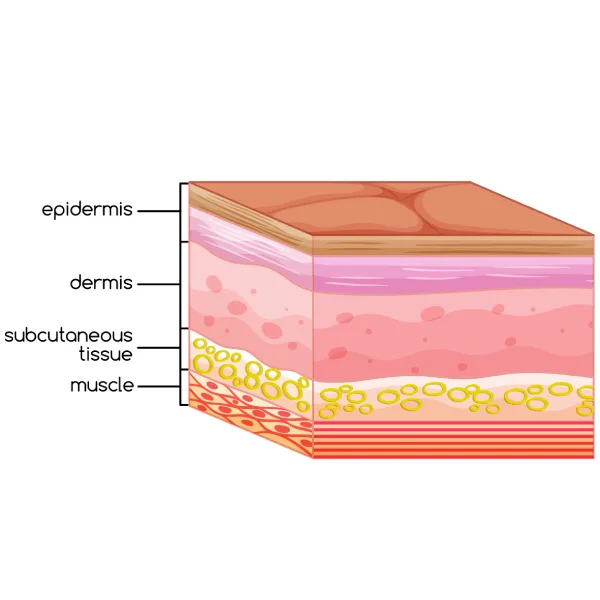
The specialist uses a fractional or ablative laser device to deliver controlled pulses of light energy to the targeted skin areas. The laser removes the outer skin layers (epidermis) and heats the underlying dermis, which stimulates new collagen formation. The device settings are adjusted based on your skin type and the specific issues being addressed.
-
Cooling and Soothing
After the laser treatment, cooling devices or soothing gels are applied to minimize discomfort and reduce swelling. The provider may apply a protective ointment or dressing to support healing and prevent infection.
-
Post-Treatment Care and Recovery
You will receive detailed aftercare instructions, including how to cleanse and moisturize your skin, avoid sun exposure, and manage any redness or peeling. Recovery time varies depending on the depth of treatment, but most people experience noticeable improvements as the skin heals over several days to weeks.
Recovery and expectation?
The recovery journey after Laser Skin Resurfacing is a carefully managed process that unfolds over several stages. Understanding what to expect at each phase will help you prepare, minimize discomfort, and achieve the best possible results for your skin.
-
Immediate Post-Treatment Period (First 1–3 Days)
Right after the procedure, your skin will likely feel warm, tight, and sensitive, similar to a sunburn. Redness, swelling, and mild discomfort are common. Your doctor may recommend cold compresses and prescribe soothing ointments to ease symptoms. It is crucial to avoid touching or picking at the skin and to stay out of direct sunlight.
-
Peeling and Healing Phase (Days 4–7)
During this stage, your skin will begin to peel and flake as the outer damaged layers shed. This is a normal part of the healing process. Continue to gently cleanse your face and apply any recommended moisturizers. Do not pick at peeling skin to avoid scarring. Redness may persist, but swelling usually subsides.
-
Early Recovery (1–2 Weeks)
By the end of the first week, most of the peeling will have resolved. Your skin may still be pink or red, and some sensitivity can linger. At this point, you can usually resume gentle skincare routines and may return to work or social activities, depending on your comfort level. Strict sun protection is essential to prevent pigmentation changes.
-
Continued Improvement (2–6 Weeks)
Over the next several weeks, redness will gradually fade and your skin’s texture and tone will improve. Makeup can typically be used to cover residual redness after the first week. Continue to moisturize and use broad-spectrum sunscreen daily. Avoid harsh products or exfoliants until your provider advises otherwise.
-
Final Results and Long-Term Care (2–3 Months and Beyond)
By the two- to three-month mark, most patients see significant improvements in skin clarity, smoothness, and radiance. Any lingering redness typically resolves, revealing your final results. For optimal long-term benefits, maintain a consistent skincare regimen, avoid direct sun exposure, and schedule follow-up visits as recommended by your dermatologist.
Why Choose Türkiye for Laser Skin Resurfacing?
Türkiye has emerged as a top destination for laser skin resurfacing, offering a blend of medical excellence, cutting-edge technology, and affordable pricing. Patients from around the world choose Türkiye for advanced skin rejuvenation procedures performed by highly trained dermatologists and aesthetic specialists in modern, internationally accredited clinics.
Laser skin resurfacing in Türkiye is renowned for its precision, safety, and outstanding results. Clinics utilize the latest generation of laser devices, including fractional CO2 and Er:YAG lasers, to address a wide range of skin concerns from fine lines and wrinkles to acne scars and pigmentation. Every treatment is tailored to the patient’s unique skin type and goals, ensuring a personalized and effective experience.
- Türkiye’s dermatologists and cosmetic surgeons are internationally trained, with extensive experience in advanced laser technologies and skin care protocols.
- Clinics offer a comprehensive range of laser treatments, allowing for customized solutions that target everything from sun damage to deep wrinkles and uneven texture.
- Facilities are equipped with state-of-the-art laser systems and adhere to strict international safety standards for optimal patient comfort and results.
- Competitive pricing and all-inclusive packages make Türkiye an attractive choice for those seeking high-quality aesthetic procedures at a fraction of the cost found in many Western countries.
- Türkiye’s convenient location and excellent transport links make it easily accessible for international patients seeking world-class cosmetic care.
- Patients can enjoy a restorative recovery in beautiful surroundings, combining their treatment with a memorable cultural or leisure experience.
Türkiye’s reputation in health tourism continues to grow, with millions of international visitors each year seeking cosmetic and medical treatments. By choosing laser skin resurfacing in Türkiye, patients benefit from trusted expertise, innovative technology, and a seamless care journey making it an ideal destination for achieving radiant, youthful skin.
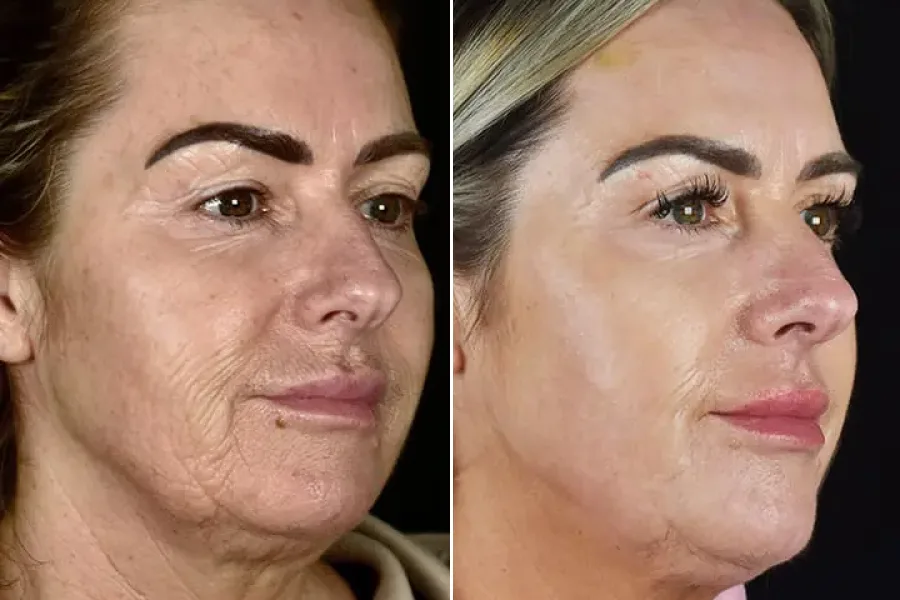
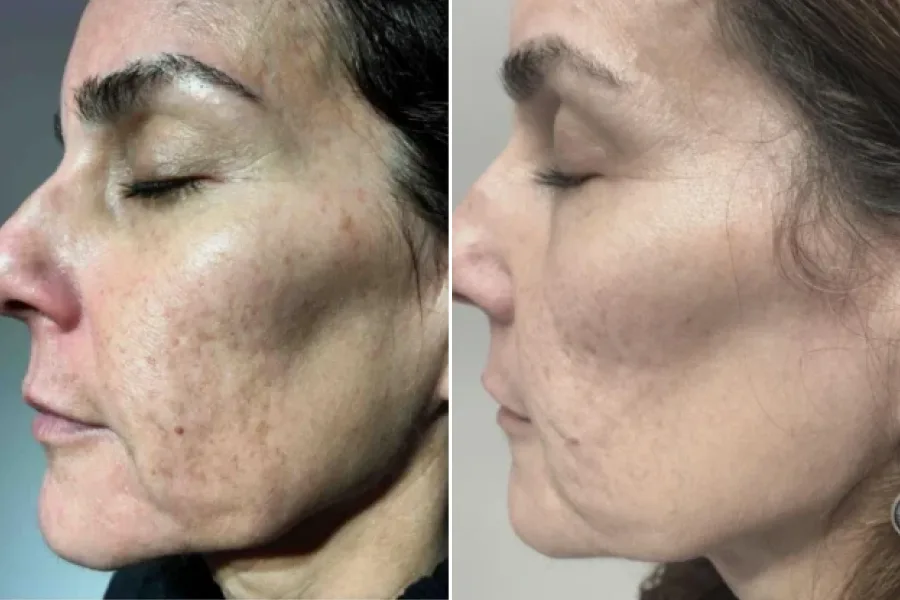
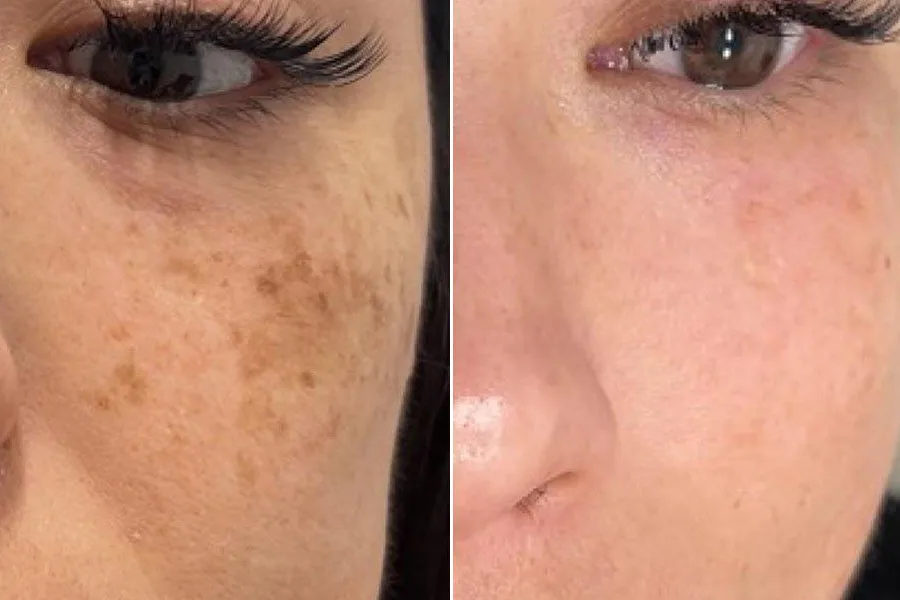
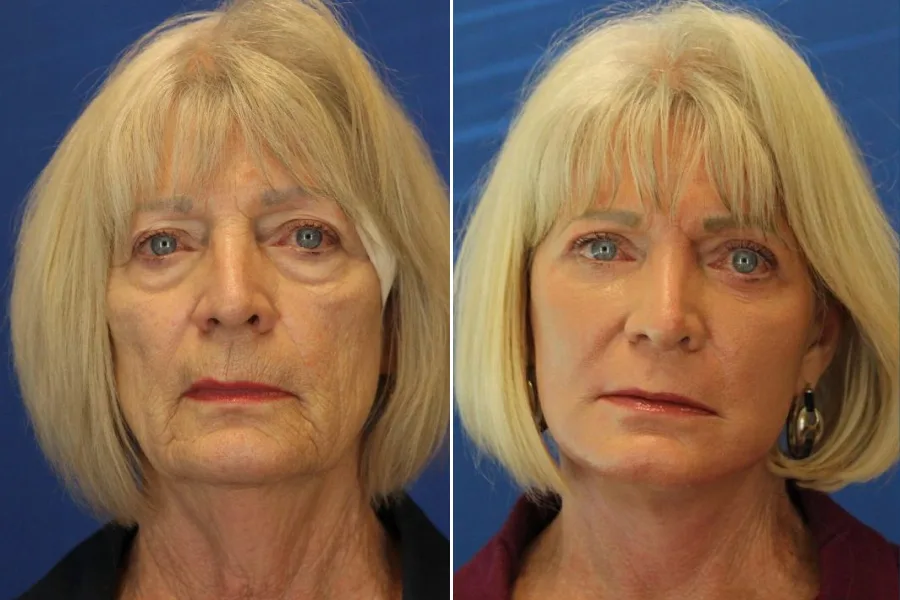
Customize your treatment estimate
Start with Laser Skin Resurfacing selected. Adjust the answers below to refine the average estimate shown above.
Your estimate will appear here.
Frequently Asked Questions about Laser Skin Resurfacing
Is laser skin resurfacing considered a minimally invasive procedure?

Laser skin resurfacing is generally considered a minimally invasive cosmetic procedure.
It uses focused laser energy to remove damaged outer layers of skin and stimulate collagen production, improving skin texture, tone, and appearance.
- No surgical incisions: The procedure does not require cutting or stitches.
- Local anesthesia: Most treatments are performed with topical or local anesthesia, reducing recovery time.
- Short downtime: Recovery is typically faster than with traditional surgical procedures, though some redness and peeling may occur.
While laser skin resurfacing is less invasive than surgery, it is still a medical procedure and should be performed by a qualified professional.
Will I need to take time off work after laser skin resurfacing?
Laser skin resurfacing is a cosmetic procedure that removes damaged outer layers of skin to improve texture, tone, and appearance.
Most people will need to take some time off work to allow their skin to heal and to minimize discomfort or visible redness.
- Downtime varies: Recovery time depends on the type of laser used (ablative vs. non-ablative) and the depth of treatment.
- Ablative lasers: May require 7–14 days off work due to redness, swelling, and peeling.
- Non-ablative lasers: Usually involve minimal downtime, with most people returning to work within 1–3 days.
- Sun protection: It is important to avoid sun exposure and follow aftercare instructions during recovery.
Your doctor will provide specific guidance based on your treatment plan and skin type.
How long does it typically take to see visible results from the treatment?
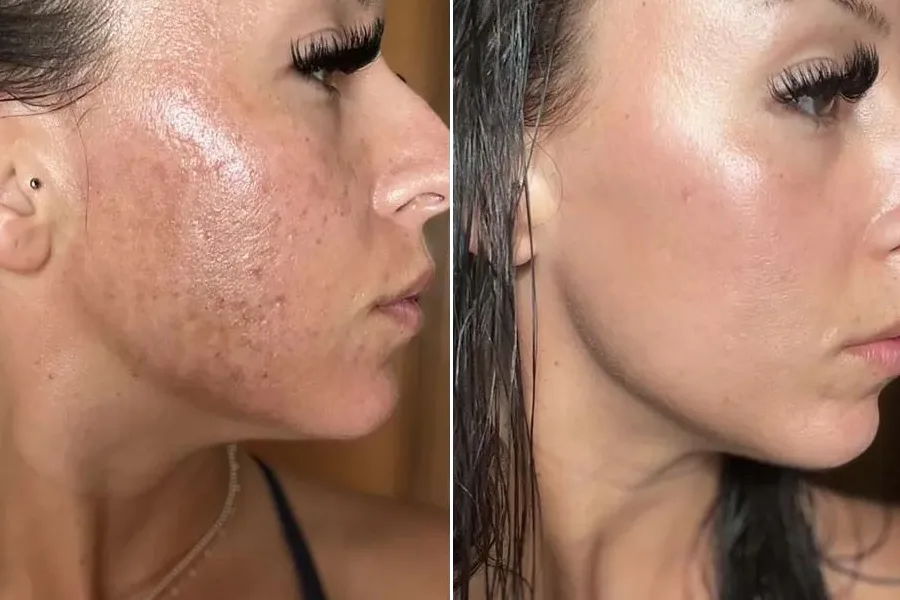
With Laser Skin Resurfacing, most patients begin to notice visible improvements in their skin within 1 to 2 weeks after the procedure.
- Initial Redness and Swelling: These effects are common and usually subside within a few days to a week.
- Peeling and Healing: As the skin heals and peels, fresher, smoother skin is revealed over the first 7–14 days.
- Continued Improvement: Skin texture, tone, and pigmentation often continue to improve for several weeks to months as collagen production increases.
The exact timeline can vary depending on the type of laser used, the depth of treatment, and individual healing factors.
Are there any activities or products I should avoid after the procedure?
After Laser Skin Resurfacing, it's important to follow your provider's aftercare instructions to ensure proper healing and the best results.
- Avoid direct sun exposure and always use a broad-spectrum sunscreen when outdoors.
- Do not use harsh skincare products such as exfoliants, retinoids, or products containing alcohol until your skin has fully healed.
- Refrain from picking, scratching, or rubbing the treated area to prevent scarring or infection.
- Avoid swimming pools, hot tubs, and saunas until your provider says it's safe, as these can increase the risk of infection.
- Minimize strenuous exercise for a few days, as sweating can irritate healing skin.
Your provider may recommend gentle cleansers and moisturizers suitable for sensitive skin during the recovery period.
###DISCLAIMER### This information is for general guidance only. Always follow your healthcare provider's specific instructions after your procedure.Can laser skin resurfacing be combined with other cosmetic treatments?
Laser skin resurfacing can often be safely combined with other cosmetic treatments to enhance overall results and address multiple skin concerns at once.
- Injectables: Treatments like Botox or dermal fillers can be performed alongside or after laser resurfacing to smooth wrinkles and restore facial volume.
- Chemical Peels: Mild chemical peels may be used in combination, but timing and skin sensitivity must be carefully considered.
- Microneedling: Some patients benefit from alternating microneedling and laser sessions for improved skin texture and tone.
- Topical Treatments: Prescription creams or serums may be recommended to support healing and maximize results.
It is important to consult with a qualified dermatologist or cosmetic surgeon to create a personalized treatment plan and ensure the safest, most effective combination of procedures for your skin type and goals.
How many sessions are usually recommended for optimal results?
The number of Laser Skin Resurfacing sessions needed for optimal results depends on the type of laser used, your skin concerns, and your desired outcome.
- Ablative lasers (such as CO2 or Er:YAG): Often require just one session for significant improvement, but some patients may benefit from a second treatment after several months.
- Non-ablative lasers: Typically require a series of 3 to 6 sessions, spaced 3–6 weeks apart, to achieve the best results.
Your dermatologist or cosmetic specialist will recommend a personalized treatment plan based on your skin type and goals.
Is there a particular season or time of year that's best for this procedure?
Laser Skin Resurfacing can be performed year-round, but many experts recommend scheduling the procedure during the fall or winter months.
- Less Sun Exposure: Cooler seasons mean you are less likely to be exposed to strong sunlight, which is important because your skin will be more sensitive to UV rays after treatment.
- Easier Recovery: Staying indoors during the healing period is often more comfortable in colder weather, reducing the risk of complications from sun exposure.
Regardless of the season, it is essential to follow your provider's aftercare instructions and use sun protection to ensure optimal results and minimize risks.
What kind of aftercare is generally required following laser skin resurfacing?
Laser skin resurfacing is a cosmetic procedure that removes damaged outer layers of skin to reveal smoother, younger-looking skin beneath. Proper aftercare is essential for optimal healing and results.
- Keep the area clean: Gently cleanse your skin as directed by your provider to prevent infection.
- Moisturize: Apply recommended ointments or moisturizers to keep the skin hydrated and promote healing.
- Sun protection: Avoid direct sun exposure and use a broad-spectrum sunscreen, as treated skin is highly sensitive to UV rays.
- Avoid picking or scratching: Let any scabs or peeling skin fall off naturally to minimize scarring.
- Follow medication instructions: Use any prescribed antibiotics or antiviral medications as directed to prevent complications.
- Limit makeup: Avoid makeup until your provider says it is safe to use.
Always follow your healthcare provider’s specific aftercare instructions for the best results and to reduce the risk of side effects.
How long does the redness or sensitivity usually last after the treatment?
After Laser Skin Resurfacing, it is common to experience redness and sensitivity in the treated area.
- Redness: Typically lasts from a few days up to 2–3 weeks, depending on the depth and type of laser used.
- Sensitivity: Mild discomfort or sensitivity may persist for several days to a week as the skin heals.
Most people notice gradual improvement each day. Deeper treatments may result in longer-lasting redness, sometimes up to several weeks. It is important to follow your provider’s aftercare instructions to support healing and minimize side effects.
###DISCLAIMER###This information is for general guidance only and does not replace medical advice. Always consult your healthcare provider for personalized recommendations.
Will I need someone to accompany me on the day of the procedure?
For Laser Skin Resurfacing, it is generally recommended to have someone accompany you on the day of your procedure.
- Aftercare: You may experience redness, swelling, or mild discomfort immediately after the treatment, which can make it helpful to have support getting home safely.
- Sedation: If sedation or anesthesia is used, you will not be able to drive yourself and will need someone to assist you.
- Emotional Support: Having a friend or family member present can provide reassurance and help with any immediate needs following the procedure.
Always follow your doctor’s specific instructions regarding transportation and post-procedure care.
Clinics offering Laser Skin Resurfacing
Compare verified clinic profiles connected to this treatment.
Related Articles
Guides and insights connected to this treatment.
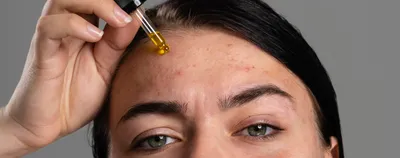
A Step-by-Step Guide to Laser Skin Resurfacing in Turkey
A Step-by-Step Guide to Jalupro Youth Serum in Turkey
