Plastic Surgery · Otoplasty

Otoplasty

Page Contributors

Views
3022 views
Reading Time
Last Updated
Duration

1–2 h

Duration

Recovery

7–14 d

Recovery

Pain Level

Mild

Pain Level

Scarring

Minimal

Scarring

Success Rate

90–95 %

Success Rate

Permission to Work

7 d

Permission to Work

Plastic Surgery

Otoplasty: Shape Your Ears

Cosmetic ear surgery to reshape or reposition the ears for a more balanced appearance and improved self-confidence.

What is Otoplasty?

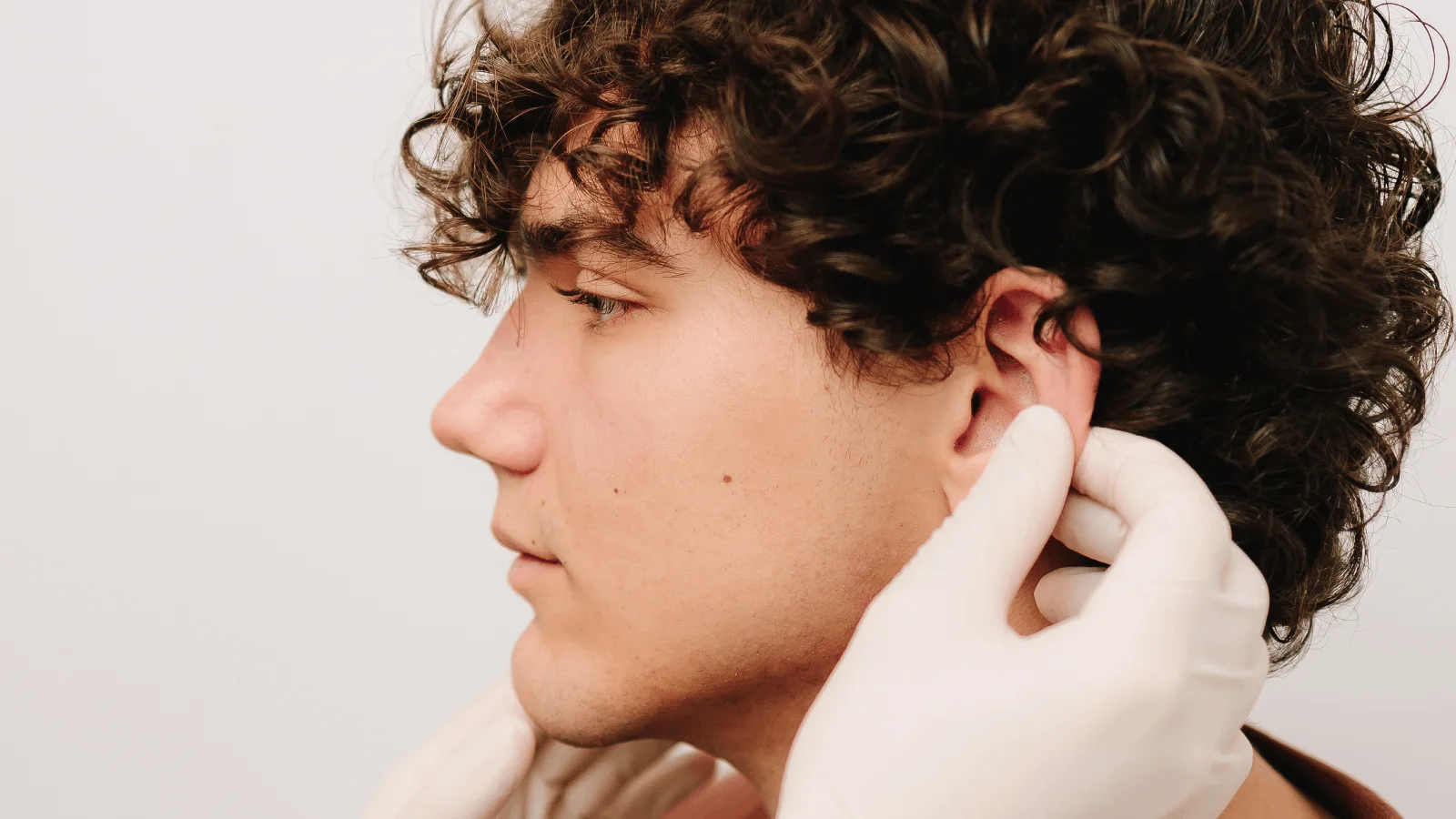
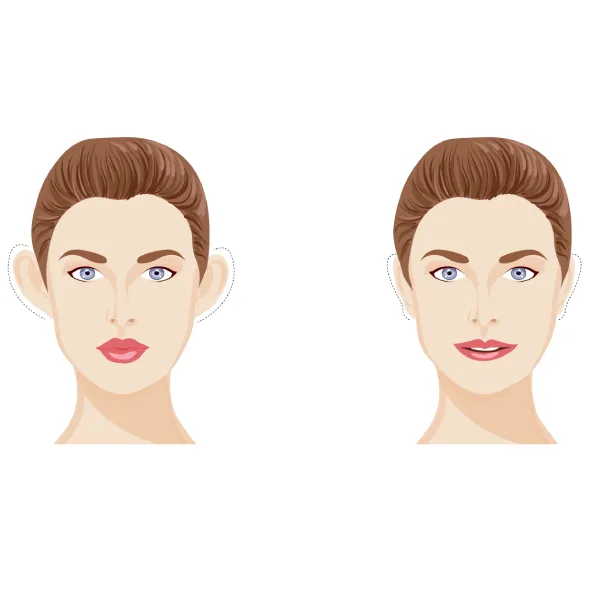
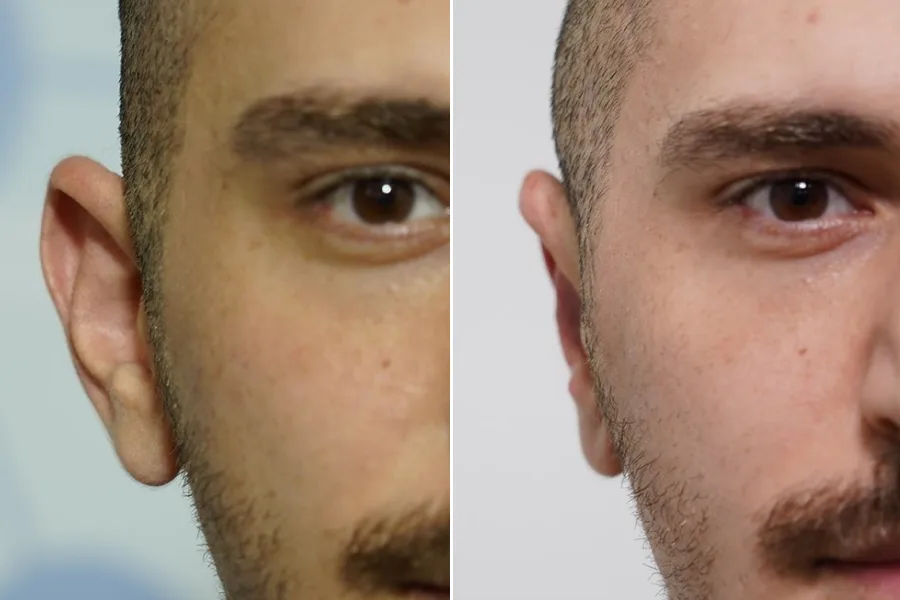
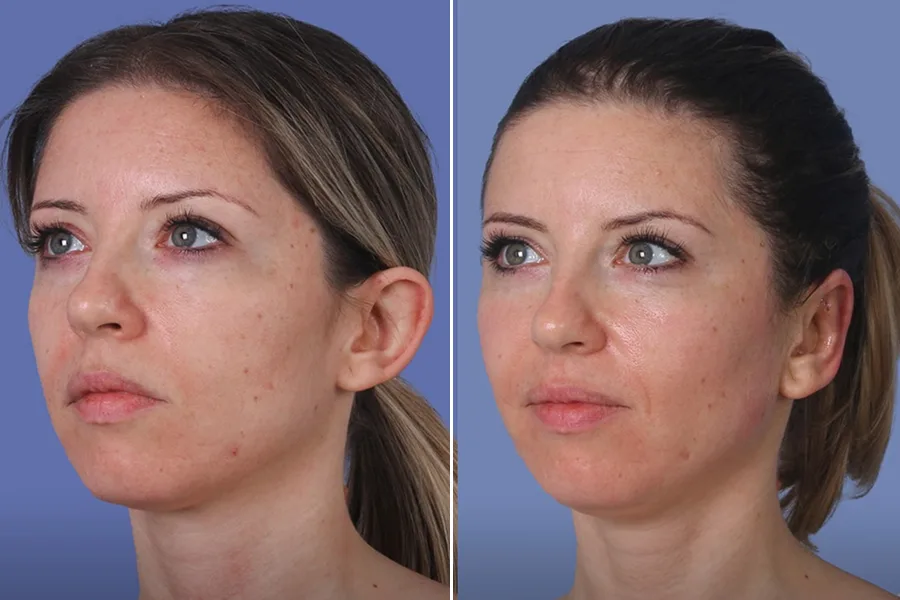
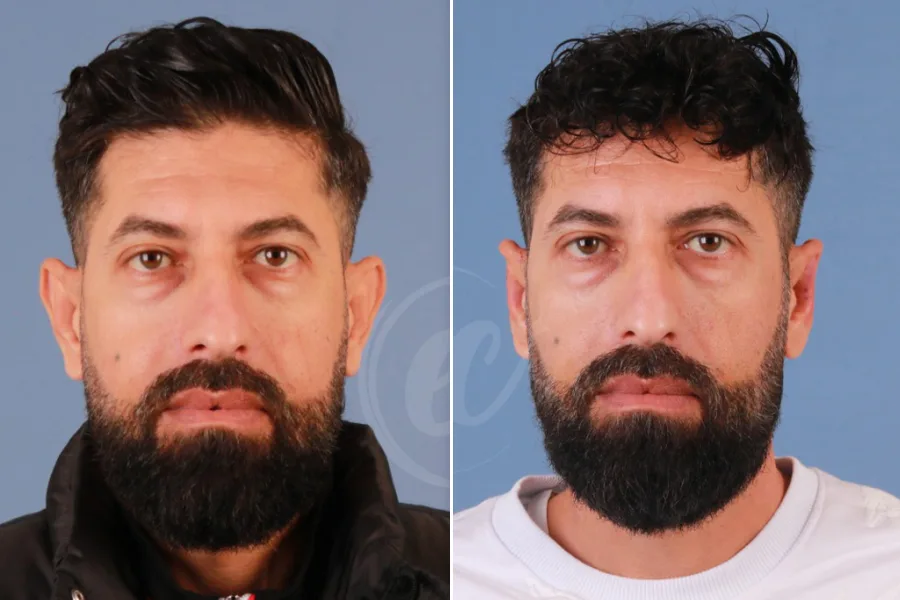
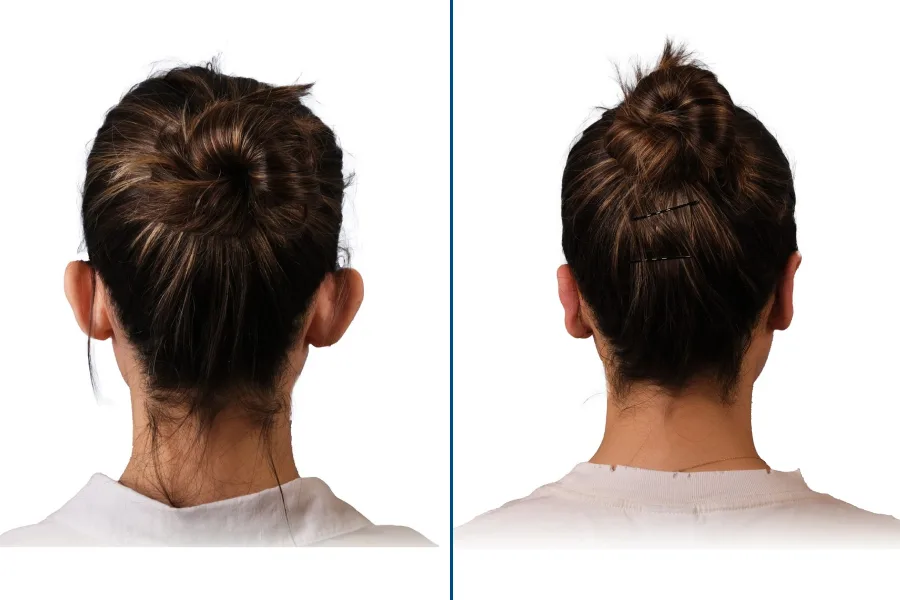
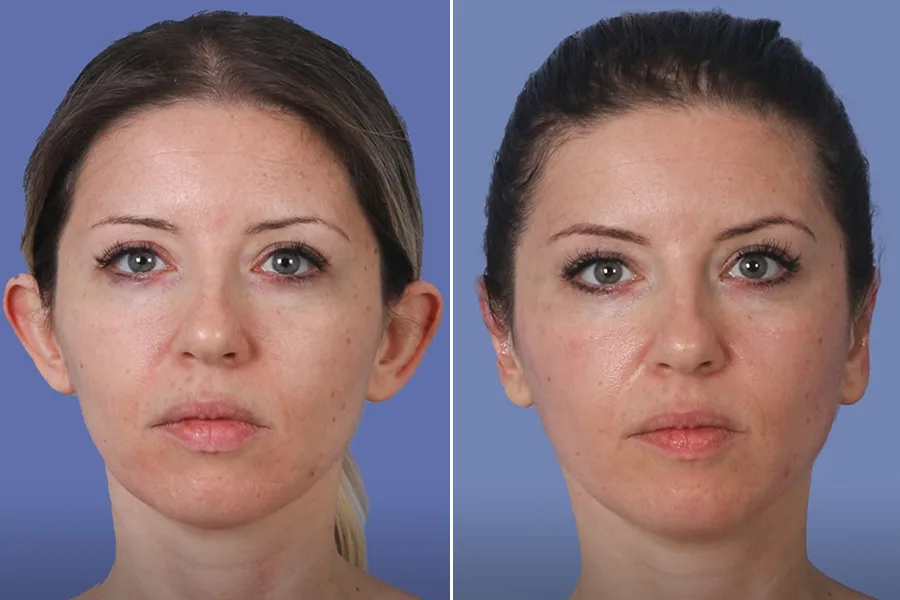
Otoplasty, commonly referred to as ear reshaping surgery, is a specialized cosmetic procedure designed to alter the shape, position, or size of the ears. This treatment is often sought by individuals who feel self-conscious about prominent, protruding, or misshapen ears, whether due to genetics or injury. Otoplasty can be performed on both children and adults, typically after the ears have reached full development.


During the procedure, the surgeon makes discreet incisions usually behind the ear to access and sculpt the cartilage, repositioning the ears closer to the head or refining their contours. The result is a more balanced and natural appearance, helping to boost self-confidence and overall facial harmony.

Who is Otoplasty for?

Otoplasty, also known as ear reshaping surgery, is ideal for individuals who are dissatisfied with the shape, size, or position of their ears. This treatment is particularly suitable for:


  • Children aged 5 and older whose ear cartilage is stable enough for correction.
  • Teens and adults who feel self-conscious about prominent, protruding, or misshapen ears.
  • Individuals with congenital ear deformities or those who have experienced ear injury or trauma.
  • Patients in good general health, with realistic expectations about the outcome of the procedure.

Otoplasty offers a lasting solution for enhancing facial harmony and boosting self-confidence by creating a more balanced ear appearance.

Otoplasty
Otoplasty

Benefits

Benefits of Otoplasty with HealRoad

Use these points to compare Otoplasty options with clearer expectations before speaking with clinics.

Clear procedure guidance

Otoplasty, commonly referred to as ear reshaping surgery, is a specialized cosmetic procedure designed to alter the shape, position, or size of the e…

Verified clinic options

3 active clinic options are connected to this treatment on HealRoad.

Transparent cost planning

Use the treatment estimate as a starting point, then refine it with your medical needs and travel details.

Human support from first question

A HealRoad coordinator helps compare clinic options, next steps, and quote details before you commit.

How is Otoplasty done?

Otoplasty, also known as ear reshaping surgery, is a cosmetic procedure designed to improve the shape, position, or proportion of the ears. This treatment is commonly performed to correct prominent ears or address congenital or injury-related ear deformities, helping patients achieve a more balanced and natural appearance.

  1. Comprehensive Consultation and Planning

    The process begins with a thorough consultation with a plastic surgeon. During this visit, your medical history, ear structure, and aesthetic goals are carefully assessed. The surgeon explains the available techniques and creates a personalized surgical plan tailored to your needs.

  2. Anesthesia and Preparation

    On the day of surgery, local anesthesia with sedation or general anesthesia is administered, depending on your age and the complexity of the procedure. The surgical area is cleansed and marked to guide the incisions.

  3. Incision and Cartilage Reshaping

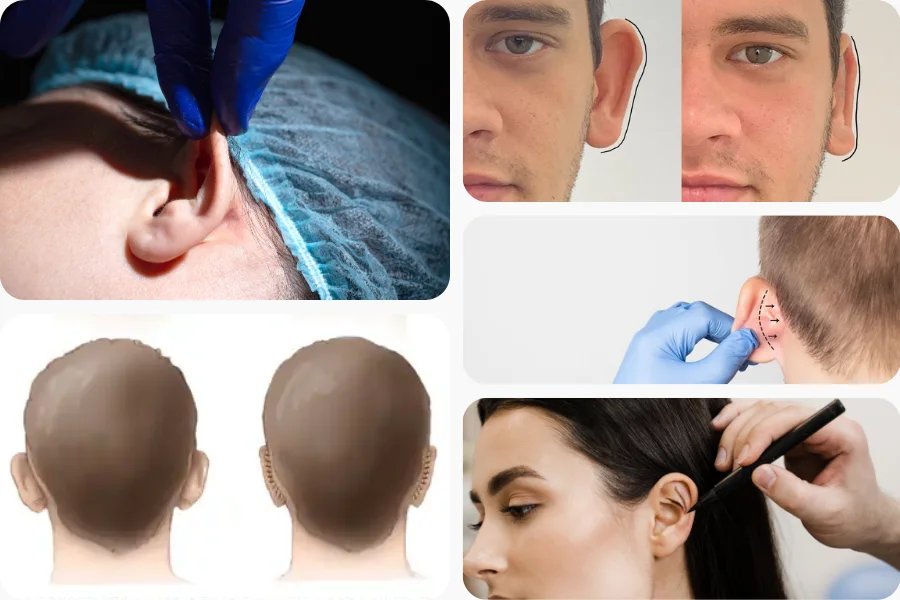
    The surgeon makes a small incision behind the ear, within the natural crease, to minimize visible scarring. Through this incision, excess cartilage and skin may be removed or reshaped. The cartilage is then sculpted and repositioned closer to the head, creating a more natural contour.

  4. Securing and Closing

    The new ear shape is secured using internal, non-removable sutures. The incision is closed with fine external stitches. The surgeon ensures both ears are symmetrical and harmonious with your facial features.

  5. Recovery and Aftercare

    After surgery, a protective bandage or head dressing is applied to support healing and maintain the new ear position. You will receive post-operative instructions on wound care, activity restrictions, and medications to manage discomfort. Follow-up appointments are scheduled to monitor healing and remove sutures if necessary.

Recovery and expectation?

The recovery journey after otoplasty (ear reshaping surgery) is a gradual process that involves several distinct stages. Understanding what to expect at each phase can help you prepare, minimize discomfort, and achieve the best possible outcome from your procedure.

  1. Immediate Post-Operative Period (First 1–2 weeks)

    Right after surgery, your ears will be bandaged to support their new shape and protect the area. Mild pain, swelling, and bruising are common during this time. You may experience some numbness or itching as well. Most patients are advised to rest with their head elevated and avoid sleeping on their side. It’s important to keep the bandages clean and dry, and to take prescribed medications as directed.

  2. Bandage Removal & Early Healing (2–3 weeks)

    After about a week, your surgeon will typically remove the bulky bandages and replace them with a lighter headband, which should be worn as instructed often at night to protect your ears while you sleep. Swelling and bruising gradually subside, and stitches (if not dissolvable) are usually removed within this period. Most patients can return to work or school after 7–10 days, but should avoid strenuous activities and contact sports.

  3. Continued Recovery & Scar Maturation (1–3 months)

    Over the next several weeks, your ears will continue to heal and settle into their new position. Minor swelling and sensitivity may persist but will steadily improve. Scars behind the ears will begin to fade and soften. You can usually resume most normal activities, but it’s still important to protect your ears from trauma and avoid wearing earrings or headphones that put pressure on the area.

  4. Final Results (3–6 months)

    By the third to sixth month, swelling should be fully resolved and your ears will have reached their final shape and position. Scars will continue to fade and become less noticeable. You can typically return to all activities, including sports, but should always be cautious to avoid direct impact to the ears.

  5. Long-Term Care

    To maintain your results, follow your surgeon’s aftercare instructions, protect your ears from sun exposure, and avoid unnecessary trauma. Most otoplasty results are permanent, and with proper care, you can enjoy your new ear shape for life.

Why Choose Türkiye for Otoplasty?

Türkiye stands out as a premier destination for otoplasty (ear reshaping surgery), offering a blend of medical expertise, cutting-edge facilities, and affordable pricing. Patients from around the world choose Türkiye for otoplasty to benefit from highly skilled plastic surgeons, modern clinics, and a patient-centered approach that prioritizes both safety and aesthetics.

Turkish plastic surgeons are internationally recognized for their precision in cosmetic procedures and their commitment to achieving natural-looking results. Otoplasty in Türkiye is performed in state-of-the-art hospitals that adhere to global standards of hygiene and technology, ensuring a comfortable and secure experience for every patient.

  • Türkiye’s plastic surgeons have extensive experience in otoplasty, performing thousands of successful ear surgeries for both adults and children each year.
  • Clinics are equipped with the latest surgical technologies, enabling minimally invasive techniques and faster recovery times.
  • Surgeons focus on personalized treatment plans to ensure results that harmonize with each patient’s facial features and expectations.
  • Competitive pricing and comprehensive packages make otoplasty in Türkiye highly cost-effective, often including accommodation, transfers, and aftercare.
  • Türkiye’s central location and excellent flight connections make it easily accessible for international patients seeking quality cosmetic surgery.
  • Patients can combine their otoplasty journey with a memorable holiday, exploring Türkiye’s vibrant culture, cuisine, and scenic destinations.

With a proven track record in health tourism, Türkiye attracts millions of international patients each year. Its reputation for high-quality, reliable care and outstanding patient satisfaction makes Türkiye a top choice for otoplasty and other cosmetic procedures worldwide.

Otoplasty

Customize your treatment estimate

Start with Otoplasty selected. Adjust the answers below to refine the average estimate shown above.

Loading...
Calculating...
Start by selecting a service.

Your estimate will appear here.

Frequently Asked Questions about Otoplasty

Is otoplasty surgery performed under local or general anesthesia?

Otoplasty (ear reshaping surgery) can be performed under either local anesthesia or general anesthesia, depending on several factors.

  • Local Anesthesia: Commonly used for adults and older children. The ear area is numbed, and you remain awake but comfortable during the procedure.
  • General Anesthesia: Often recommended for younger children or patients who may feel anxious. You will be completely asleep and unaware during the surgery.

The choice of anesthesia depends on your age, health, preferences, and your surgeon’s recommendation. This will be discussed in detail during your consultation.

Will I need to stay overnight in the hospital after otoplasty?

In most cases, otoplasty (ear surgery) is performed as an outpatient procedure, meaning you can go home the same day once you have recovered from anesthesia.

  • No overnight hospital stay is typically required for standard otoplasty.
  • Your surgeon will monitor you for a short time after the procedure to ensure you are safe to be discharged.

However, in rare cases—such as when otoplasty is combined with other procedures or if there are specific medical concerns—an overnight stay may be recommended. Your surgeon will advise you based on your individual situation.

How long does it typically take to see the final results after otoplasty?

After otoplasty (ear surgery), you can expect to see noticeable improvements in the shape and position of your ears almost immediately after the procedure. However, the final results will become fully apparent once healing is complete and any swelling or bruising has subsided.

  • Initial Recovery: Most swelling and bruising diminish within 2 to 3 weeks after surgery.
  • Final Results: The final appearance of your ears is typically visible within 4 to 6 weeks, although minor changes may continue for several months as tissues settle.

Your surgeon will provide specific aftercare instructions to help ensure optimal healing and results.

Are there visible scars after ear reshaping surgery?

Otoplasty (ear reshaping surgery) is designed to minimize visible scarring.

  • Incisions are usually made behind the ear, in the natural crease where the ear meets the head.
  • This placement helps conceal scars, making them difficult to notice once healed.
  • In most cases, scars fade significantly over time and are not easily visible.

Your surgeon will provide instructions on how to care for your incisions to promote optimal healing and minimize scarring.

What is the usual recovery time before returning to work or school after otoplasty?

The typical recovery time after otoplasty (ear surgery) is relatively short for most patients.

  • Most people can return to work, school, or normal daily activities within 5 to 7 days after the procedure.
  • Some swelling, bruising, or mild discomfort may persist for a couple of weeks, but these symptoms usually do not prevent resuming light activities.
  • Strenuous exercise, contact sports, or activities that might impact the ears should be avoided for at least 4 to 6 weeks to ensure proper healing.

Your surgeon will provide specific guidance based on your individual recovery and the nature of your work or school activities.

Can both ears be treated in a single otoplasty procedure?

Yes, it is common for both ears to be treated during a single otoplasty procedure, especially if the goal is to achieve a balanced and symmetrical appearance.

  • Surgeons often perform otoplasty on both ears in one session to ensure they match in shape and position.
  • Treating both ears at once does not significantly increase recovery time compared to treating one ear.

Your surgeon will assess your individual needs and recommend the best approach during your consultation.

Are follow-up visits required after otoplasty, and how many are typical?

Yes, follow-up visits are required after an otoplasty (ear surgery) to monitor healing and ensure optimal results.

  • First follow-up: Usually scheduled within the first week after surgery to check the incisions, remove bandages, and assess initial healing.
  • Subsequent visits: 1–2 additional appointments may be needed over the next few weeks or months to monitor progress and address any concerns.

The exact number of follow-up visits can vary depending on your surgeon’s protocol and your individual recovery. Your doctor will provide a personalized schedule and instructions.

Is there an ideal age range for otoplasty?

Otoplasty (ear pinning surgery) can be performed on both children and adults, but there is an ideal age range for the procedure.

  • Children: Otoplasty is commonly performed on children as young as 5 or 6 years old, once the ears have reached about 85–90% of their adult size. Performing the surgery at this age can help prevent teasing or self-esteem issues related to prominent ears.
  • Adults: There is no upper age limit for otoplasty, and many adults choose to have the procedure for cosmetic or reconstructive reasons.

The best timing depends on individual development, health, and personal preference. A consultation with a qualified surgeon can help determine the most appropriate time for otoplasty.

Can I wear glasses or headphones soon after otoplasty?

After a otoplasty (ear surgery), it is generally recommended to avoid wearing glasses or headphones that rest on your ears for at least 2 to 4 weeks following the procedure.

  • Glasses: The pressure from the arms of glasses can interfere with healing and affect the final shape of your ears. If you must wear glasses, ask your surgeon about special supports or alternatives.
  • Headphones: Over-ear or on-ear headphones can put pressure on the surgical area and should be avoided until your surgeon confirms it is safe.

Your surgeon will provide specific guidance based on your healing progress. Always follow their instructions to ensure the best results and minimize complications.

###DISCLAIMER###

This information is for general guidance only and does not replace professional medical advice. Always consult your surgeon for personalized recommendations.

Are there any travel restrictions after undergoing otoplasty?

After otoplasty (ear surgery), there are some important considerations regarding travel, especially if you are planning to fly or take long journeys soon after your procedure.

  • Immediate Post-Op Period: It is generally recommended to stay near your surgical clinic for at least a few days after otoplasty to monitor for any complications and attend follow-up appointments.
  • Flying: Most surgeons advise waiting at least 5–7 days before flying, as changes in cabin pressure and the risk of swelling or bleeding are higher immediately after surgery.
  • Wound Care: You should avoid activities that may put pressure on your ears or expose them to infection, including swimming or strenuous exercise, for several weeks.
  • Compression Bandage: You may need to wear a headband or bandage for support, which could be uncomfortable during travel.

Always follow your surgeon’s specific advice regarding travel after otoplasty, as recommendations may vary based on your individual recovery and the complexity of your procedure.

Clinics offering Otoplasty

Compare verified clinic profiles connected to this treatment.

Patient reviews

Patient reviews for Otoplasty

These reviews are linked to Otoplasty and published from clinic review sources.

3.0/5
2 reviews
5.0/5

I came to Aslı Tarcan for a hairline procedure and otoplasty, and everything was excellent from the airport pickup to the 5-star hotel. The entire Aslı Tarcan team was amazing! A special shout-out to Naz for perfectly coordinating and planning my trip and tr…

Hassan Ahmed Aslı Tarcan Clinic Google
Read original review
1.0/5

am writing to express my deep dissatisfaction with the experience I had at your facility. I underwent an ear procedure, and the results have left me with two completely different ears, which is extremely distressing.Throughout the process, the service was una…

Hakim Mortada Turkeyana Clinic Trustpilot
Read original review

Related Articles

Guides and insights connected to this treatment.