Create Your
Treatment Request
Create Your
Treatment
Request
Complete the form in less than 2 minutes.
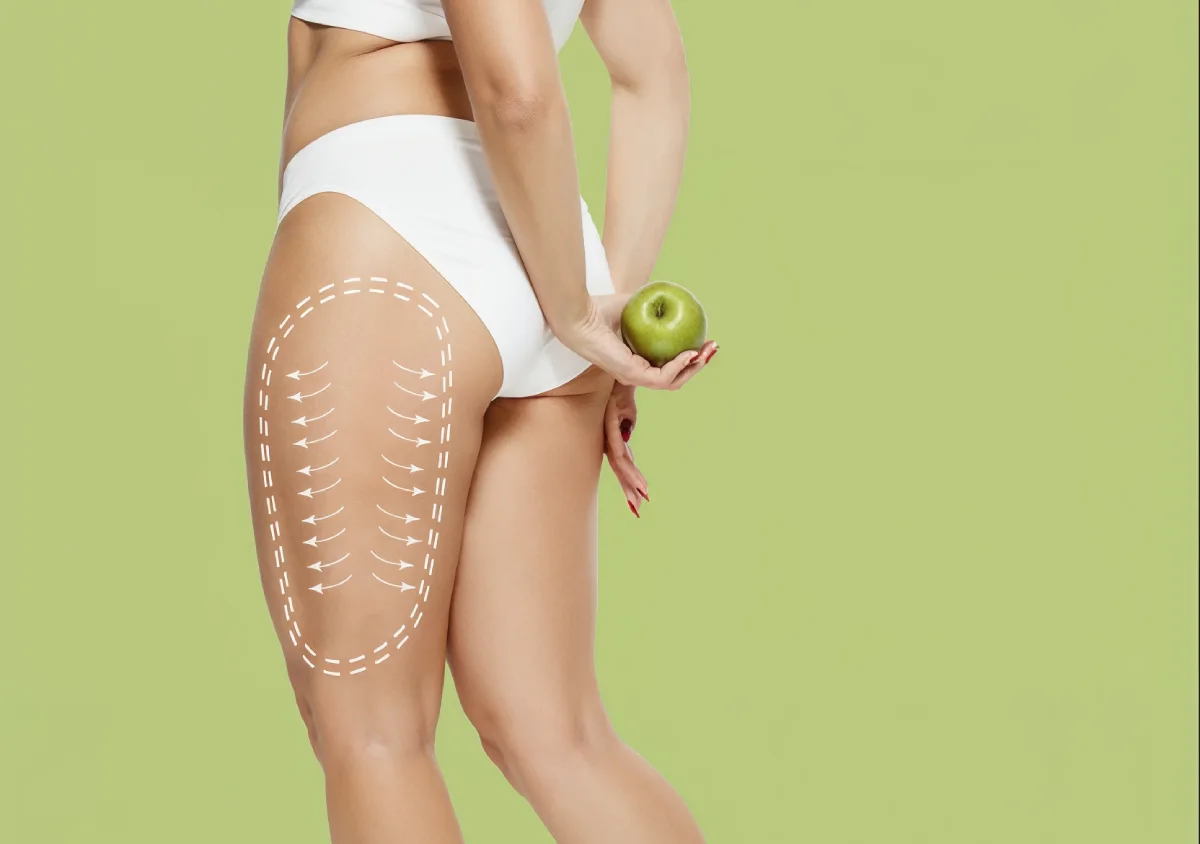
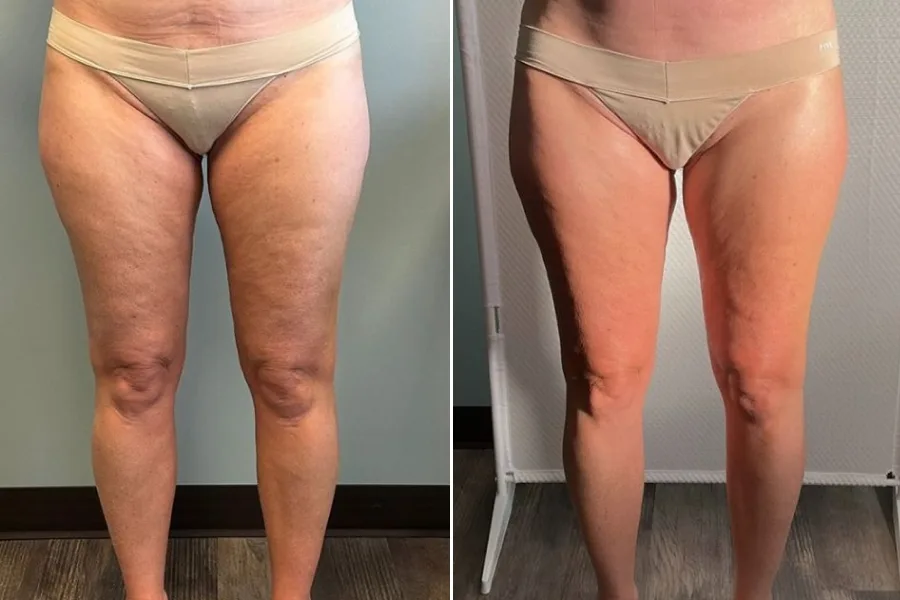
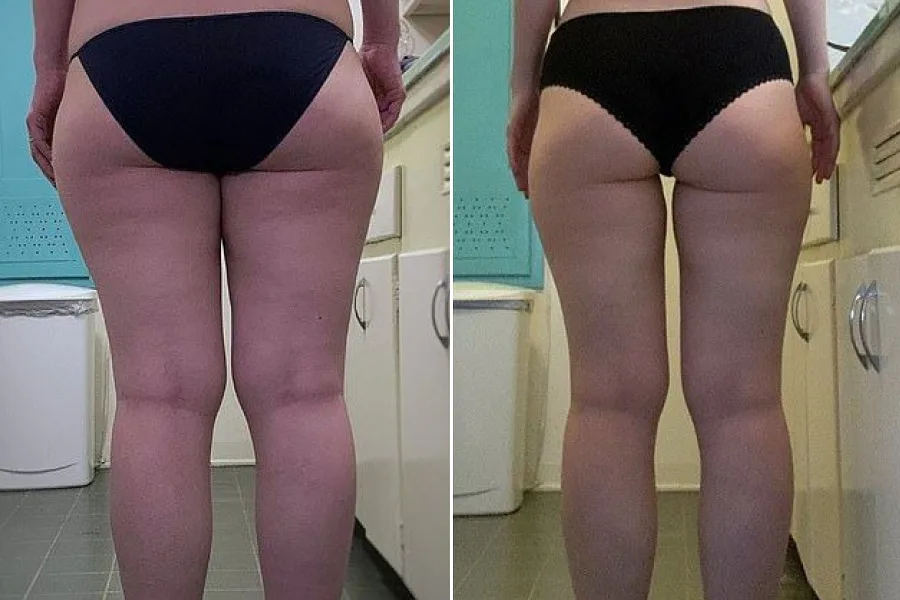
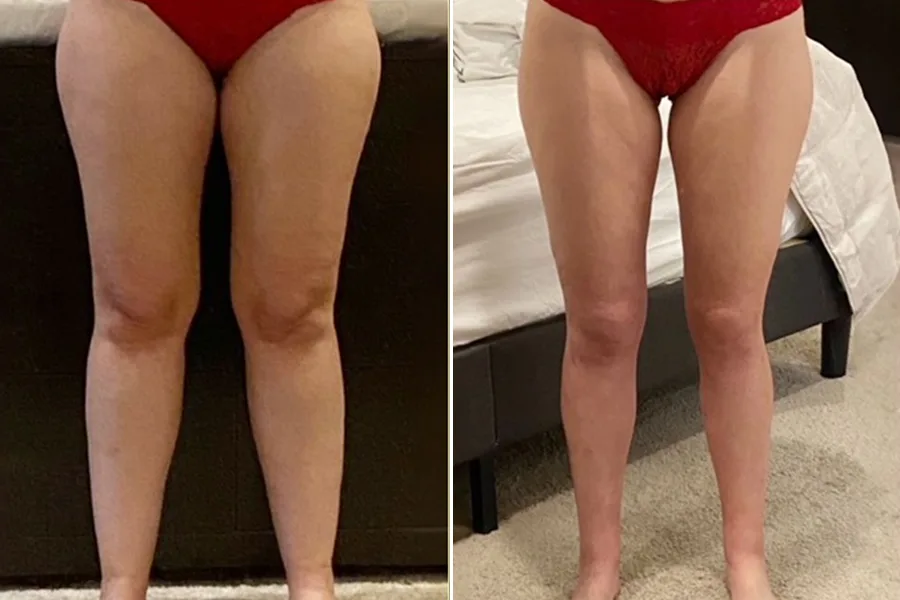
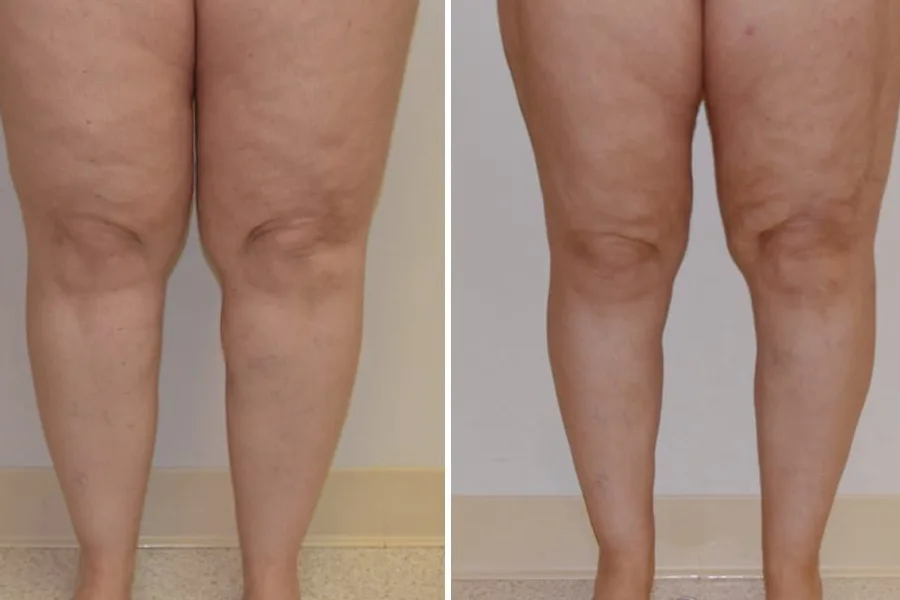
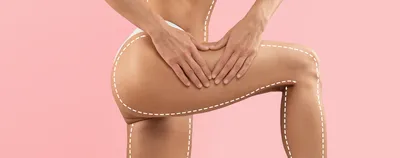
Thigh lift, also called thighplasty, is a cosmetic surgical procedure that reshapes the thighs by removing excess skin and, in some cases, fat. It is often chosen by people who have loose, sagging skin after significant weight loss, aging, or changes in skin elasticity, especially when exercise and weight control have not improved the area.
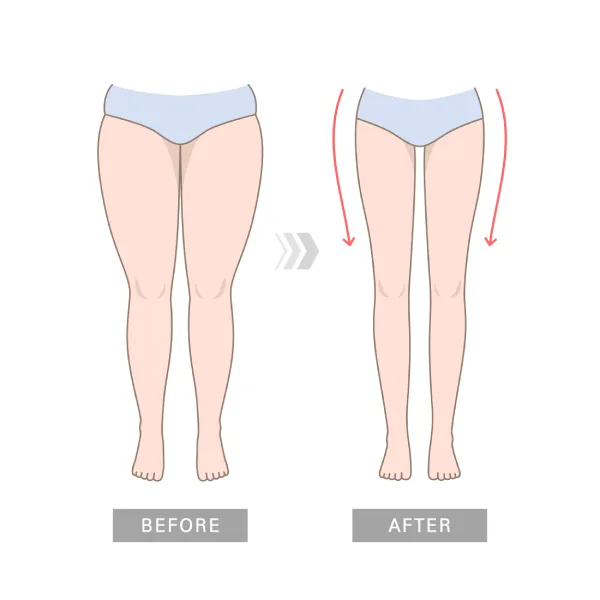
The procedure is designed to create a firmer, smoother contour on the inner or outer thighs and improve how clothing fits and feels. Depending on the amount of tissue involved, a thigh lift may be combined with liposuction to refine the result. The surgery does not replace weight loss, but it can help improve body shape and reduce discomfort caused by skin rubbing or chafing.
Thigh lift surgery is best suited for people who want to improve the shape and firmness of the thighs by removing excess skin and tissue. This treatment is particularly appropriate for:
A surgical consultation helps determine whether a thigh lift is the right option, and whether it should be combined with liposuction or other body contouring procedures for the best outcome.
Thigh Lift, also called thighplasty, is a body contouring procedure that removes excess skin and, in some cases, localized fat from the inner or outer thighs. It is commonly chosen by people who have loose, sagging thigh skin after significant weight loss, aging, or changes in skin elasticity. The goal is to create a smoother, firmer thigh contour and reduce rubbing or discomfort caused by excess tissue. In some cases, liposuction is combined with surgery to improve shape, but the exact technique depends on how much skin laxity is present and where it is located.
The process begins with a detailed consultation with a plastic surgeon. Your medical history, weight stability, skin quality, and treatment goals are reviewed carefully. The surgeon examines the thighs to assess the amount of excess skin, the distribution of fat, and whether the laxity is mainly limited to the upper inner thigh or extends further down the leg. Photos may be taken for planning, and the expected scar placement is discussed in advance. Based on this evaluation, the surgeon decides whether an inner thigh lift, vertical thigh lift, or a combined approach is most appropriate.
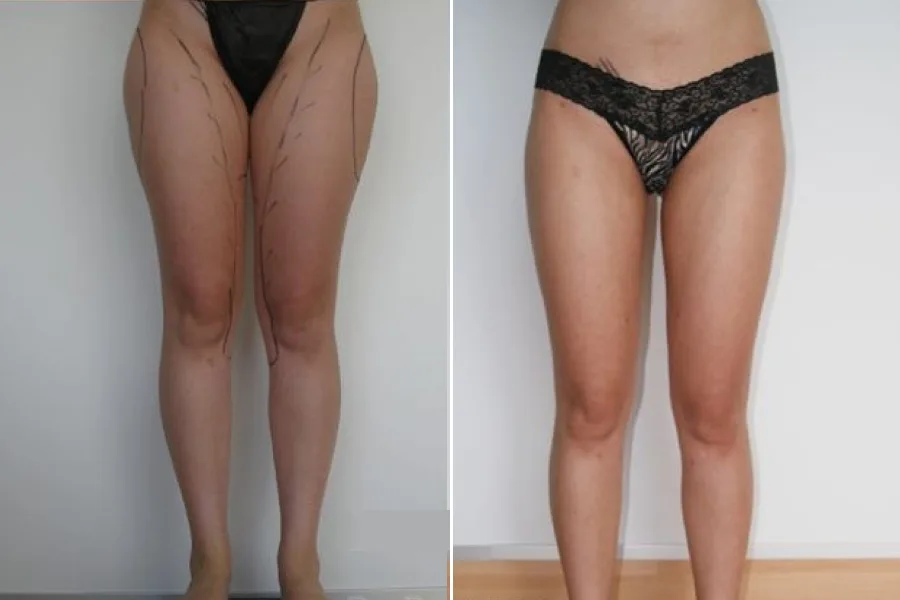
On the day of surgery, the treatment areas are marked while you are standing, because this helps the surgeon see the natural folds and where skin needs to be removed. A thigh lift is usually performed under general anesthesia, although the exact anesthesia plan depends on the extent of surgery and whether other procedures are being done at the same time. Once you are in the operating room, the skin is cleaned with antiseptic solution, sterile drapes are placed, and the surgical team confirms the planned incisions and safety checks before starting.
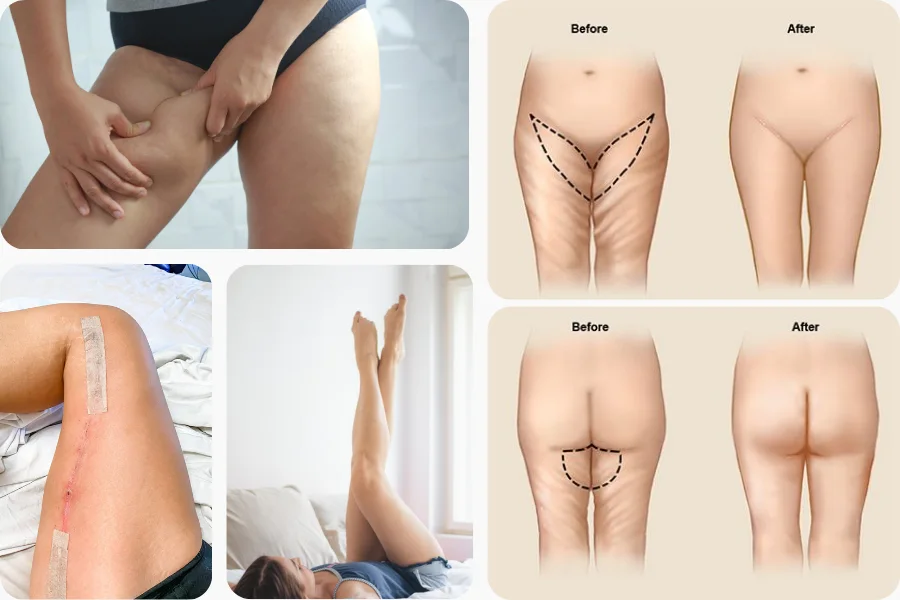
The surgeon makes incisions based on the type of thigh lift being performed. For a more limited inner thigh lift, the incision is often placed in the groin crease, where it can be better concealed. If there is more extensive loose skin, a longer incision may extend downward along the inner thigh. In selected cases involving the outer thigh, the incision pattern may be different and can extend toward the hip area. The goal is to place scars as discreetly as possible while still allowing enough access to remove excess tissue and reshape the thigh effectively.
After the incisions are made, the surgeon lifts and repositions the underlying tissue. Excess skin is carefully measured and removed so the thigh can be tightened without creating too much tension on the wound. If there are pockets of stubborn fat, liposuction may be used either before or during the lift to improve contour and help create a smoother transition. The deeper supportive tissues are often secured with internal sutures to help maintain the new shape and reduce strain on the skin closure. This step is important for both contour and scar quality.
Once the desired contour has been achieved, the incisions are closed in layers using sutures. Layered closure helps support healing and can improve the final appearance of the scar. In some cases, small drains are placed temporarily to remove fluid that may collect under the skin, especially when a larger amount of tissue has been removed. The thighs are then covered with dressings, and a compression garment is usually applied to help reduce swelling, support the tissues, and protect the surgical area during the early recovery period.
After surgery, you are monitored as the anesthesia wears off, and most patients go home the same day or stay overnight depending on the extent of the procedure. Swelling, bruising, tightness, and some discomfort are expected in the first days and are managed with medication, compression, and limited activity. Walking is encouraged early to support circulation, but strenuous exercise, heavy lifting, and wide leg movements usually need to be avoided for several weeks. Follow-up visits are scheduled to check healing, remove drains if used, and monitor the scars. Over the following months, swelling gradually settles and the scars soften, allowing the final contour to become more visible.
Recovery after a thigh lift is gradual and involves both wound healing and the slow settling of swelling, tightness, and contour changes. Most patients notice an immediate improvement in the shape of the inner or outer thighs, but the final result takes time as the tissues recover and scars mature. Understanding the usual stages of healing can help you plan time away from work, travel, exercise, and follow-up care with realistic expectations.
It is normal to have swelling, bruising, soreness, and a feeling of tightness in the thighs right after surgery. Walking may feel uncomfortable at first, especially if the lift involved the inner thighs or was combined with liposuction. Many patients go home the same day, while others may stay overnight depending on the extent of surgery. You will usually wear a compression garment to reduce swelling and support the tissues. Small drains are sometimes placed and are typically removed within a few days, depending on output. Short, gentle walks are encouraged early to support circulation, but you should avoid straining, squatting, or wide leg movements.
Swelling and bruising often peak during the first several days and then begin to improve. The incisions may feel tender, firm, or slightly numb, and it is common to feel pulling when standing fully upright or walking. Your surgeon may ask you to keep your movements controlled and to avoid stretching the incision lines. Pain is usually manageable with prescribed or recommended medication. Many patients can return to light daily activities within about 1 week, but comfort levels vary. Careful hygiene, keeping the incision area dry, and attending follow-up visits are important during this stage, especially because thigh incisions are located in areas exposed to friction and moisture.
By this point, much of the early discomfort has usually eased, though swelling, tightness, and skin sensitivity can still be present. Bruising often fades significantly over the first 2 to 3 weeks. Many patients feel more comfortable walking and moving around, and some can return to desk-based work within 10 to 14 days if their job is not physically demanding. Compression garments are often continued for several weeks, depending on your surgeon's advice. It is still important to avoid heavy lifting, vigorous exercise, running, cycling, and lower body workouts that place tension on the healing tissues. The thighs may look uneven or firmer than expected at this stage, which is usually part of normal healing rather than the final result.
Around 4 to 6 weeks, many patients are able to resume more normal daily movement with much less discomfort. Swelling continues to decrease, and the thighs generally begin to look smoother and more natural in contour. If healing is progressing well, your surgeon may gradually clear you for more exercise, starting with low-impact activity before returning to more demanding workouts. Some residual numbness, firmness, or sensitivity along the scars can still be present. Scar care may begin or continue during this period, often including silicone sheets, gels, or massage if recommended. Even when you feel better, it is important not to rush back into intense activity too soon, because excess tension can affect scar quality and healing.
A thigh lift result continues to refine over several months. Most visible swelling improves within the first 6 to 12 weeks, but subtle swelling can last longer, especially after longer days on your feet or exercise. Scars are usually more noticeable early on, then gradually soften and fade over time, often taking 6 to 12 months or more to mature. The final contour becomes easier to judge once the tissues have settled and the scars have relaxed. Maintaining a stable weight, following scar care instructions, and wearing supportive garments when advised can all help support a smoother long-term outcome.
Türkiye is a well-known destination for thigh lift surgery, offering patients access to experienced plastic surgeons, modern hospital facilities, and more accessible pricing than many countries in Europe or North America. For people considering treatment after major weight loss, aging-related skin laxity, or changes in body contour, clinics in Türkiye often provide a structured process that supports safety, comfort, and realistic expectations from consultation through recovery.
A thigh lift is not only about removing excess skin. It also requires careful planning around skin quality, scar placement, body proportions, and healing. Many Turkish clinics use detailed preoperative assessment, digital photography, and thorough physical examination to determine whether an inner thigh lift, medial thigh lift, or a more extended contouring approach is most appropriate. This planning is especially important for international patients, because it helps define the surgical plan clearly before travel and reduces uncertainty about the expected result. When needed, surgeons may also discuss combining the procedure with liposuction or other body contouring treatments, always based on individual anatomy and medical suitability.
Beyond the operation itself, many patients value the practical support they receive during recovery. After a thigh lift, aftercare can include wound care guidance, compression garment use, mobility advice, scar management, and follow-up checks to monitor healing. Turkish clinics that regularly treat international patients often provide clear discharge instructions and recovery timelines, helping patients understand when they can walk more comfortably, return to daily activities, and travel home safely. This focus on aftercare is important, because the final result depends not only on the surgery, but also on proper healing, scar maturation, and adherence to postoperative recommendations.
Another reason patients choose Türkiye is the balance between medical quality and convenience. In major cities such as Istanbul, Ankara, and Izmir, patients can find clinics with dedicated international departments, coordinated scheduling, and teams familiar with the needs of overseas visitors. This can make the overall experience feel more organized and less stressful, especially for those combining treatment with a short recovery stay.
Türkiye's success in the global health tourism market reflects continued investment in private healthcare infrastructure, international patient services, and high-volume surgical experience. By welcoming large numbers of medical travelers each year, the country has built a strong reputation for organized care, accessible treatment pathways, and dependable patient support, making Türkiye a trusted choice for thigh lift surgery abroad.
Get a tailored average price for your needs.
Medical Reviewer
Writer
Guides and insights connected to this treatment.
Complete the form in less than 2 minutes.
Offers are prepared by verified clinics without sharing your personal information.
Review transparent pricing and package details side-by-side.
Appointments, transfers, accommodation, and city tours are organized for you.
Receive and compare treatment offers from top clinics within minutes—no waiting list.
Keep your budget under control with all-inclusive packages, free from hidden extra costs.
From flight booking to full recovery, get dedicated guidance whenever you need assistance.
Botan
Personal Heal Road Manager
From Discovery
to Recovery
with you, every step of the journey
Share a few details and we’ll get back to you with the best options.
WhatsApp quick contact