


Plastic Surgery · Ultherapy
Plastic Surgery
Ultherapy: Lift, Tighten, Renew
Ultherapy in Türkiye: A noninvasive ultrasound skin tightening treatment that lifts, firms, and stimulates collagen for gradual rejuvenation.
Page Contributors


None
Anesthesia

1–2 h
Duration

0 d
Recovery

Mild
Pain Level

90–95 %
Success Rate

None
Scarring
What is Ultherapy?
Ultherapy is a non-surgical skin tightening treatment that uses focused ultrasound energy to lift and firm areas such as the face, neck, chin, and brow. It is commonly chosen by people with mild to moderate skin laxity who want a more refreshed appearance without incisions or a long recovery period.
During the procedure, ultrasound energy is delivered to deeper layers of tissue beneath the skin’s surface, where it stimulates the body’s natural collagen production. This gradual collagen rebuilding can improve skin firmness and definition over the following weeks and months. Ultherapy is usually performed in a clinic setting, and while results vary, many people notice a subtle, natural-looking lift rather than a dramatic change.

Who is Ultherapy for?
Ultherapy is best suited for adults who want a non-surgical option to lift and tighten mildly to moderately loose skin. It is often a good choice for:
- People noticing early signs of aging, such as mild sagging along the jawline, under the chin, on the neck, or around the brows.
- Individuals who want gradual, natural-looking improvement without surgery, scars, or significant downtime.
- Patients whose skin still has enough elasticity to respond to collagen stimulation, rather than those with very advanced skin laxity.
- Adults in good general health who have realistic expectations and understand that results develop over time, usually over several weeks to months.
Ultherapy may be less suitable for people with severe skin sagging or those seeking dramatic changes, who may benefit more from a surgical consultation. A professional assessment helps determine whether this treatment matches your skin condition and goals.
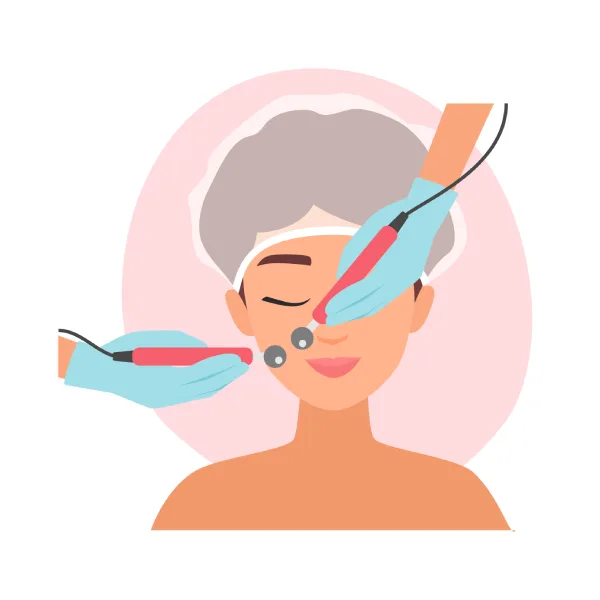
Ultherapy benefits
-
Non-surgical lifting
-
Ultrasound energy
-
Collagen stimulation
-
Brow-lift goals
-
Jawline definition
-
Minimal downtime
How is Ultherapy done?
Ultherapy is a non-surgical skin tightening treatment that uses focused ultrasound energy to stimulate the body’s natural collagen production. It is commonly used to lift and firm areas such as the brow, lower face, jawline, neck, and under the chin, and in some cases to improve lines on the upper chest. Unlike lasers or radiofrequency devices that mainly target more superficial layers, Ultherapy can reach deeper structural tissue while leaving the skin surface intact. The treatment is performed in a clinic setting and usually does not require downtime, although results develop gradually over time.
-
Consultation, Skin Assessment, and Treatment Planning
The process begins with a detailed consultation to understand your concerns, medical history, and treatment goals. The practitioner examines the degree of skin laxity, facial anatomy, and the areas that may benefit most from lifting or tightening. Photographs may be taken for comparison, and the provider explains what Ultherapy can realistically achieve. This step is important because the treatment works best for mild to moderate skin looseness, and it is not a replacement for surgical lifting when sagging is more advanced.
-
Preparing the Skin and Marking the Treatment Areas
On the day of treatment, the skin is cleansed to remove makeup, oils, and skincare products. The provider then marks the planned treatment zones on the face, neck, or chest to guide accurate energy delivery. In some clinics, patients may be offered pain relief measures before starting, such as oral medication or topical comfort strategies, because the sensation can be intense in certain areas. The goal is to keep you comfortable while allowing the practitioner to complete the treatment thoroughly.
-
Ultrasound Imaging to See the Tissue Layers
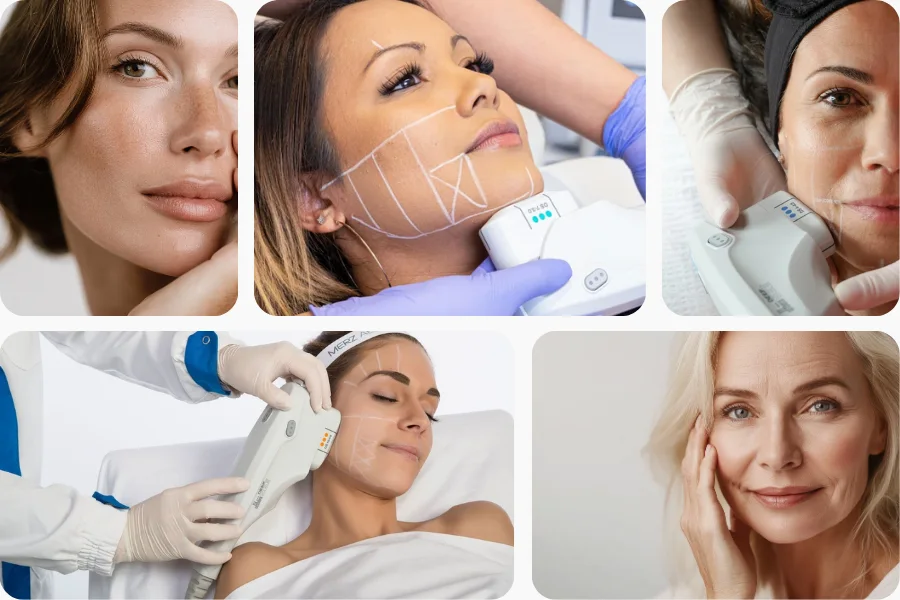
A key part of Ultherapy is the use of real-time ultrasound imaging. Before energy is delivered, the handpiece allows the practitioner to see beneath the skin and identify the tissue layers being targeted. This helps them avoid treating too superficially or too deeply and improves precision in delicate areas. Because the provider can visualize the anatomy during the procedure, treatment can be tailored to your skin thickness and the specific structures that need support.
-
Delivering Focused Ultrasound Energy
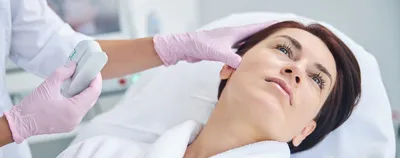
Once the treatment plan is confirmed, a smooth layer of ultrasound gel is applied so the device can make proper contact with the skin. The handpiece is then placed against the marked areas, and short lines of focused ultrasound energy are delivered at selected depths. These energy points create controlled thermal effects in the deeper tissue, including the layer often associated with structural support. This process is designed to trigger a healing response that leads to new collagen formation and gradual tightening.
-
What You Feel During the Session
As each line of energy is delivered, you may feel brief heat, tingling, or a deep pulling sensation under the skin. The intensity varies depending on the treatment area, your pain tolerance, and the energy settings used. Most sessions last around 30 to 90 minutes, depending on whether a small area such as the brow is treated or a larger area such as the full face and neck. The practitioner may pause periodically to check your comfort and adjust technique while maintaining effective coverage.
-
Aftercare, Recovery, and Gradual Results
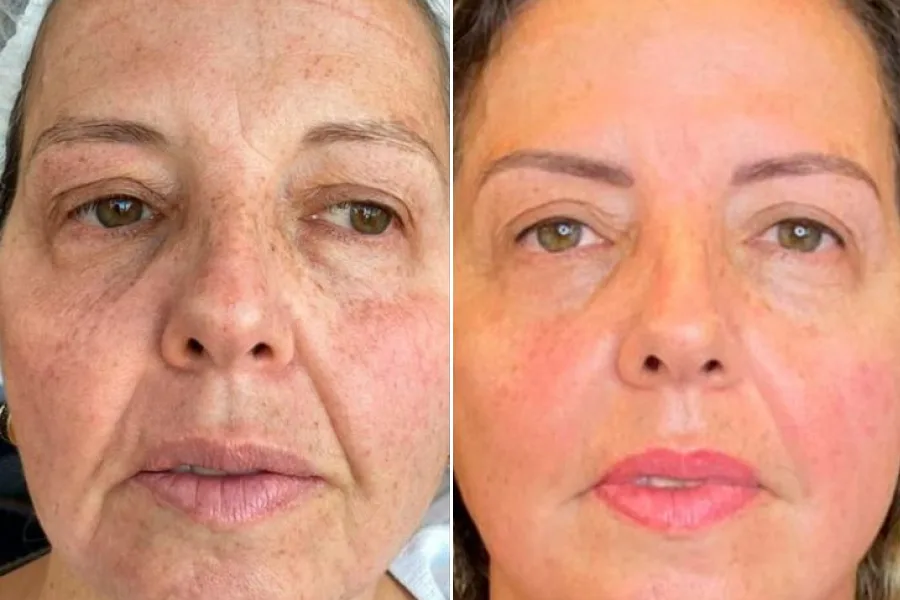
After the procedure, the gel is removed and you can usually return to normal daily activities right away. Some people notice mild redness, swelling, tenderness, or tingling, but these effects are usually temporary. Because Ultherapy works by stimulating collagen remodeling, the lifting and firming effect appears gradually rather than immediately. Early changes may be seen within a few weeks, but the full result often develops over 2 to 3 months, and sometimes continues to improve for up to 6 months. Follow-up may be recommended to assess results and decide whether future maintenance treatment would be helpful.
Recovery and expectation?
Recovery after Ultherapy is usually straightforward because it is a non-surgical ultrasound skin tightening treatment that does not involve cuts, stitches, or significant downtime. Most people return to normal daily activities right away or within the same day. That said, the treatment works by stimulating your body’s natural collagen-building response, so recovery is less about wound healing and more about understanding the short-term skin reactions and the gradual timeline for visible improvement.
-
Immediate Post-Treatment Period (First 24 Hours)
Right after Ultherapy, it is common to notice mild redness, slight swelling, tenderness, or a warm sensation in the treated area. Some patients also describe temporary tingling or sensitivity to touch, especially along the jawline, neck, or brow. These effects are usually mild and often settle within a few hours to a day. Because the skin surface remains intact, there is typically no need for dressings or special wound care. Most people can resume work, social activities, and light routines immediately, although it is sensible to avoid anything that causes excessive heat or irritation to the skin on the same day.
-
Early Recovery and Skin Sensitivity (Days 1-7)
During the first week, any lingering redness or puffiness usually continues to improve. You may still feel mild soreness, sensitivity, or a bruised feeling beneath the skin, particularly when pressing on the treated area. In some cases, there can be slight swelling around the cheeks, under the chin, or along the neck, depending on the treatment depth and intensity. Makeup and regular skincare can usually be resumed unless your provider advises otherwise, but it is best to use gentle products and daily sun protection. Strenuous exercise is often fine after the first day if you feel comfortable, though patients with more tenderness may prefer to ease back in gradually.
-
Settling Phase and Early Changes (1-4 Weeks)
By this stage, most short-term treatment effects have resolved, and the skin generally looks normal from the outside. Some people notice an early feeling of firmness or subtle lifting, but it is important to understand that Ultherapy does not usually produce a dramatic immediate transformation. The main benefit comes from collagen remodeling, which takes time. A small number of patients may continue to feel intermittent tenderness, tingling, or sensitivity in deeper tissues for a few weeks, especially in thinner or more delicate areas. These sensations are usually temporary and gradually fade without affecting normal activities.
-
Collagen Stimulation Phase (2-3 Months)
This is the period when many patients begin to appreciate the treatment more clearly. As new collagen develops, the skin may appear tighter, smoother, and slightly more lifted, particularly around the brow, lower face, jawline, or neck. Results tend to emerge gradually rather than all at once, which can make the change look natural. There is usually no special recovery care required during this phase beyond maintaining a healthy skincare routine, protecting the skin from sun exposure, and attending any recommended follow-up review. If your provider has combined Ultherapy with other non-surgical treatments, they may advise spacing and timing to support the best overall result.
-
Peak Improvement and Longer-Term Expectations (3-6 Months and Beyond)
Many patients see their best visible improvement between 3 and 6 months after treatment, once collagen remodeling is more established. The final effect depends on factors such as age, skin laxity, collagen quality, lifestyle, and how much lifting was realistically possible without surgery. Ultherapy can improve mild to moderate looseness, but it does not replace a surgical facelift when significant sagging is present. Results can last a year or longer in suitable candidates, and some people choose maintenance sessions in the future based on their skin goals and the natural aging process.
Why Choose Türkiye for Ultherapy?
Türkiye has become a popular destination for Ultherapy, offering patients access to experienced aesthetic doctors, advanced skin imaging and treatment planning, and more accessible pricing than many countries in Europe or North America. For people seeking a non-surgical lift for areas such as the brow, jawline, neck, or under the chin, clinics in Türkiye often provide a structured and reassuring experience, combining medical assessment, realistic expectations, and attentive follow-up.
Ultherapy uses focused ultrasound energy to target deeper layers of tissue and stimulate collagen production without surgery or significant downtime. Because results depend on correct patient selection, energy delivery, and treatment depth, experience matters. Many clinics in Türkiye place strong emphasis on individual facial assessment, skin laxity grading, and treatment mapping before the session begins. This is especially helpful for international patients, because it supports a clearer understanding of what Ultherapy can and cannot achieve, whether it is best used alone, and when another treatment may be more suitable.
- Türkiye offers access to qualified dermatologists, plastic surgeons, and aesthetic physicians who regularly perform non-surgical facial rejuvenation and understand how to tailor Ultherapy to different skin types and age-related concerns.
- Many clinics use modern consultation tools and ultrasound-based treatment planning, helping practitioners choose the right depth and treatment lines for areas such as the lower face, neck, and brow.
- Patients often benefit from personalized treatment plans that consider skin quality, degree of laxity, collagen loss, and whether combination approaches such as fillers, skin boosters, or energy-based treatments may improve the overall result.
- Clinics typically focus on patient comfort, hygiene standards, and careful aftercare guidance, including advice about temporary tenderness, mild swelling, and the gradual timeline of collagen remodeling.
- Cost advantages make Ultherapy more attainable for many patients, often without compromising access to reputable clinics, detailed consultations, and high-quality care.
- Türkiye's well-developed medical travel infrastructure makes it easier for international visitors to organize appointments, accommodation, airport transfers, and short recovery stays.
Another reason patients choose Türkiye is the balance between efficiency and medical oversight. Ultherapy is often completed in a single session, but it still requires a thoughtful approach to facial anatomy and treatment goals. Reputable clinics usually explain that results appear gradually over the following weeks and months, rather than immediately, and that outcomes vary depending on age, baseline skin laxity, and collagen response. This honest communication helps patients make informed decisions and reduces the risk of unrealistic expectations.
Beyond the procedure itself, many international patients value the practical support they receive before and after treatment. Clinics commonly provide pre-treatment instructions, explain what sensations to expect during the session, and offer follow-up recommendations for skincare, sun protection, and timing of any additional aesthetic procedures. Since Ultherapy is often chosen by people who want visible improvement without surgery, this combination of convenience, professional guidance, and minimal downtime is especially appealing.
Türkiye's success in the global health tourism market reflects sustained investment in private healthcare facilities, international patient coordination, and high-volume experience in aesthetic medicine. By welcoming large numbers of overseas patients each year, Türkiye has developed organized care pathways, multilingual support, and dependable clinic systems that help visitors feel informed and well looked after. This strong reputation in medical travel is one of the main reasons patients continue to choose Türkiye for Ultherapy.
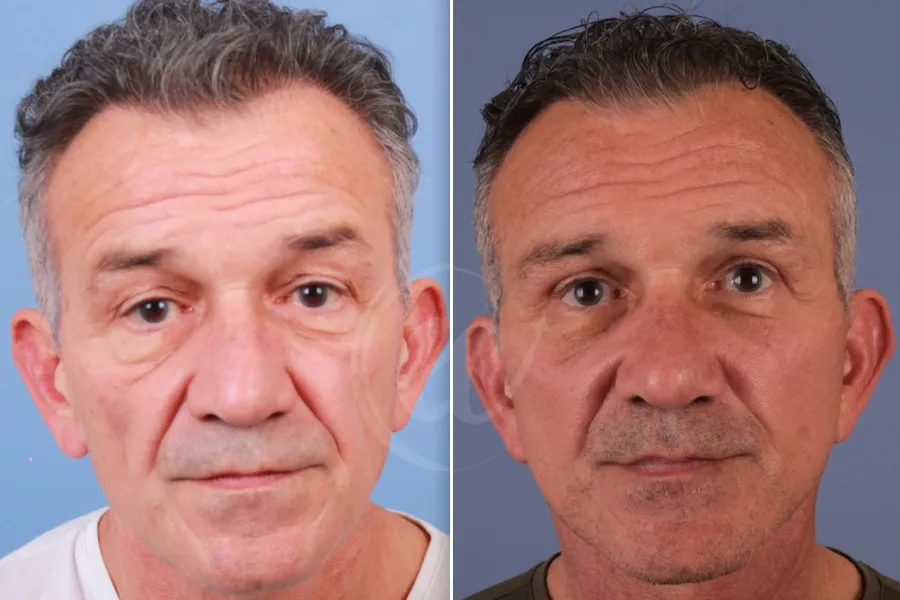
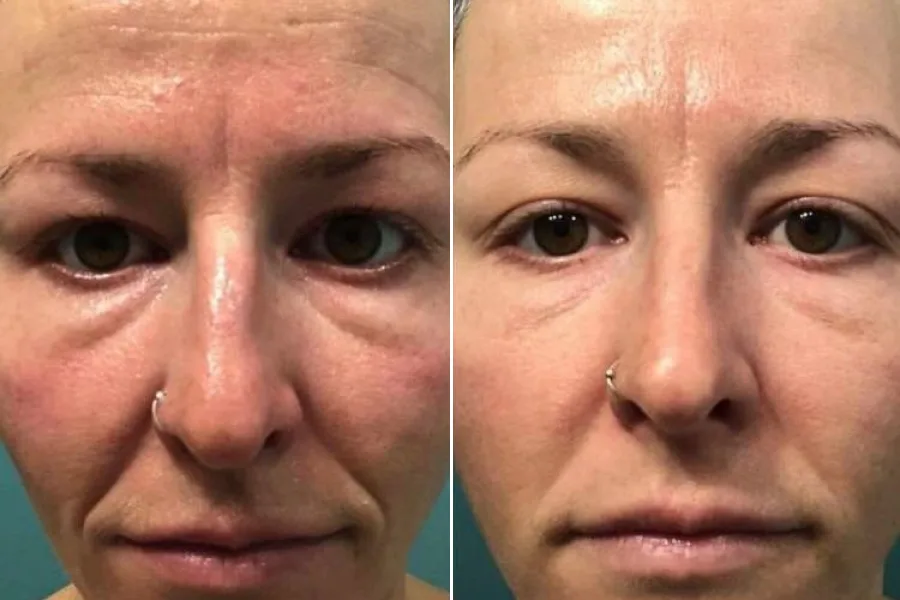
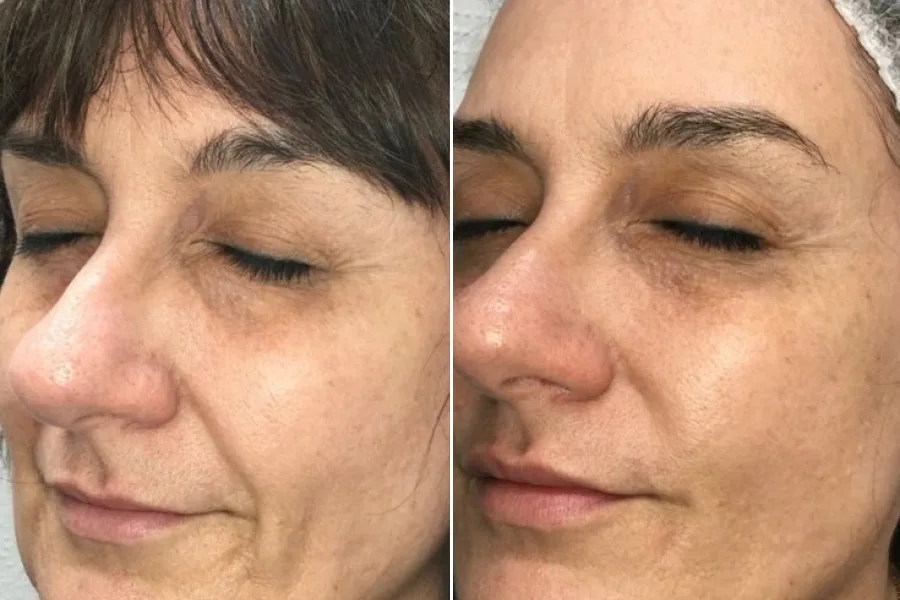
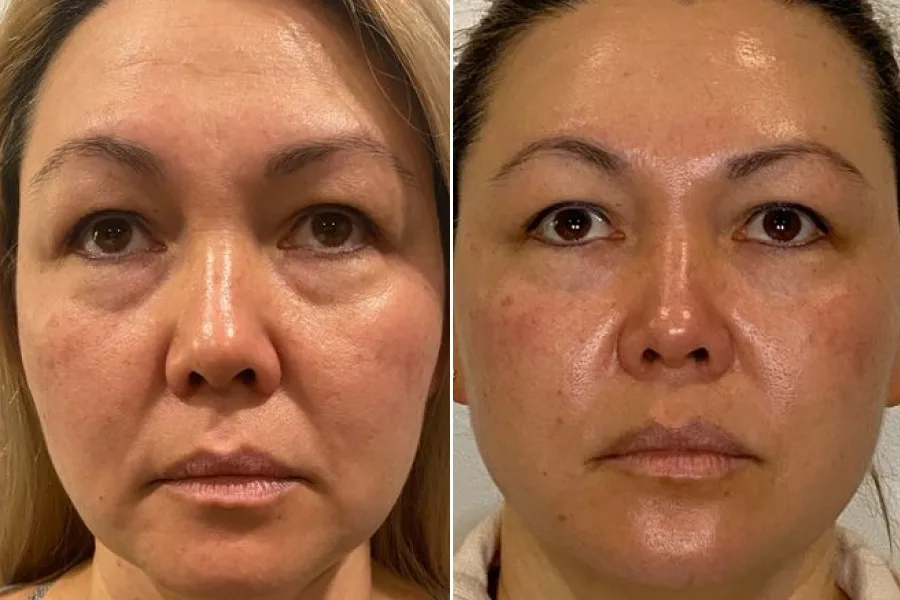
Customize your treatment estimate
Start with Ultherapy selected. Adjust the answers below to refine the average estimate shown above.
Your estimate will appear here.
Frequently Asked Questions about Ultherapy
Is there any visible redness or swelling immediately after Ultherapy?

Yes, it is common to experience some redness or swelling immediately after an Ultherapy treatment.
- Redness: Most patients notice mild to moderate redness in the treated area, which usually fades within a few hours.
- Swelling: Some swelling may occur, but it is typically mild and subsides within a few days.
These side effects are temporary and are part of the normal healing process after Ultherapy. Most people can resume normal activities right away.
How long do the effects of Ultherapy typically last?
Ultherapy results can last between 12 to 18 months for most patients.
The longevity of the effects depends on factors such as your age, skin condition, lifestyle, and how your body naturally ages.
- Most people notice initial tightening within a few weeks, with full results developing over 2–3 months as new collagen forms.
- Maintenance treatments every 1–2 years can help sustain the lifting and tightening effects.
Individual results may vary, and a consultation with a qualified provider can help determine the best treatment plan for your needs.
Can Ultherapy be combined with other cosmetic treatments?
Ultherapy can often be safely combined with other cosmetic treatments to enhance overall results and address multiple aesthetic concerns.
- Injectables: Treatments like Botox or dermal fillers can complement Ultherapy by targeting wrinkles and restoring volume.
- Laser Treatments: Procedures such as laser resurfacing or IPL can improve skin texture and tone alongside Ultherapy’s lifting effects.
- Microneedling and Chemical Peels: These can be scheduled at different times to further rejuvenate the skin.
It’s important to discuss your goals with a qualified provider, who can create a personalized treatment plan and recommend the best timing and combination of procedures for your needs.
Are there any age restrictions for undergoing Ultherapy?
Ultherapy does not have strict age restrictions, but it is generally recommended for adults who are experiencing mild to moderate skin laxity and want a non-surgical skin tightening treatment.
- Most candidates are typically in their 30s or older, when the first signs of aging appear.
- It is not suitable for children or teenagers.
- Older adults can also benefit, as long as they have realistic expectations and good overall health.
A consultation with a qualified provider is necessary to determine if Ultherapy is appropriate for your age and skin condition.
How soon can I wear makeup after an Ultherapy session?
Most patients can safely apply makeup immediately after an Ultherapy session, as the procedure is non-invasive and does not break the skin.
- If you experience mild redness, swelling, or sensitivity, you may wish to wait a few hours or until these effects subside before applying makeup.
- Use gentle, non-irritating products to avoid further sensitivity.
Your provider may give you specific aftercare instructions based on your skin type and treatment area.
What areas of the face and body can be treated with Ultherapy?
Ultherapy is a non-invasive cosmetic treatment that uses focused ultrasound energy to lift and tighten skin by stimulating collagen production.
It is FDA-cleared for use on several areas of the face and body, including:
- Brow: Lifting and tightening sagging brows
- Chin: Improving the appearance of a double chin
- Neck: Reducing laxity and tightening the skin on the neck
- Jawline: Defining and contouring the jawline
- Décolletage (chest): Smoothing lines and wrinkles on the upper chest
Some clinics may also offer Ultherapy for other areas of the body with mild to moderate skin laxity, such as the knees, arms, or abdomen, but these uses may be considered off-label.
A consultation with a qualified provider is recommended to determine the best treatment areas for your individual needs.
Will I need to take time off work following an Ultherapy treatment?
Ultherapy is a non-invasive cosmetic procedure that uses focused ultrasound energy to lift and tighten the skin.
Most patients do not need to take time off work after an Ultherapy treatment. The procedure typically has minimal downtime, allowing you to return to your normal activities immediately.
- Mild Redness or Swelling: Some people may experience temporary redness, swelling, or tenderness, but these effects usually resolve within a few hours to a couple of days.
- No Special Aftercare: There are generally no restrictions on activities, makeup, or skincare following the treatment.
In most cases, you can resume work and daily routines right after your Ultherapy session.
How many sessions are usually recommended for best results?
Ultherapy typically requires just one treatment session to achieve noticeable lifting and tightening effects.
However, the exact number of sessions can vary based on individual skin condition, age, and desired results.
- Most patients: See results after a single session.
- Some individuals: May benefit from a second session 6–12 months later, especially if they have significant skin laxity or wish to enhance their results.
Your provider will recommend a personalized treatment plan based on your specific needs and goals.
Is there any special skincare routine to follow after Ultherapy?
After Ultherapy, most patients can return to their normal skincare routine almost immediately, as there is minimal downtime. However, following some simple aftercare tips can help maximize your results and comfort.
- Gentle Cleansing: Use a mild cleanser and avoid harsh scrubs or exfoliants for a few days.
- Moisturize: Keep your skin well-hydrated with a gentle moisturizer.
- Sun Protection: Apply a broad-spectrum sunscreen daily, as your skin may be more sensitive to sunlight after the procedure.
- Avoid Irritants: Refrain from using products with retinoids, acids, or strong active ingredients for about a week, unless advised otherwise by your provider.
If you experience mild redness, swelling, or tenderness, these effects usually resolve within a few hours to days. Always follow your provider’s specific aftercare instructions for the best results.
###DISCLAIMER### This information is for general guidance only and does not replace professional medical advice. Always consult your provider for personalized recommendations after Ultherapy.Are results from Ultherapy noticeable right away or do they develop over time?
Ultherapy results typically develop gradually over time, rather than being immediately noticeable after treatment.
- Initial Effects: Some patients may notice a slight immediate tightening or lifting effect due to mild swelling, but this is usually temporary.
- Gradual Improvement: The main results appear over 2 to 3 months as your body produces new collagen, leading to firmer, more lifted skin.
- Continued Enhancement: Improvements can continue for up to 6 months after the procedure as collagen remodeling progresses.
Patience is important, as Ultherapy works by stimulating your body’s natural processes for a subtle, natural-looking lift.
Clinics offering Ultherapy
Compare verified clinic profiles connected to this treatment.



Related Articles
Guides and insights connected to this treatment.
A Step-by-Step Guide to Ultherapy in Turkey

A Step-by-Step Guide to Jalupro Youth Serum in Turkey
