


Plastic Surgery · Under-Eye Light Filler

Plastic Surgery
Under-Eye Light Filler: Brighten Tired Eyes
Under-Eye Light Filler in Türkiye: A subtle filler treatment that brightens under-eye hollows, reducing tired appearance and restoring freshness.
Page Contributors


15 min
Duration

Same day
Recovery

Low
Pain Level

Immediate
Result Appearance

24 h
Exercise

Topical
Anesthesia
What is Under-Eye Light Filler?
Under-Eye Light Filler is a non-surgical cosmetic treatment used to improve hollowness, shadows, and a tired appearance beneath the eyes. It usually involves carefully injecting a soft hyaluronic acid based dermal filler into the tear trough area to restore subtle volume and create a smoother transition between the lower eyelid and the cheek.
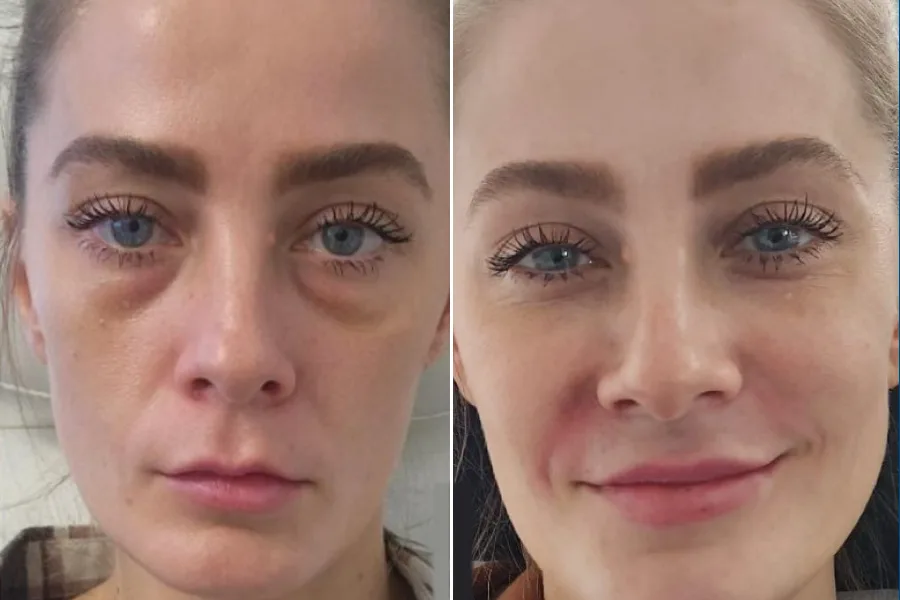
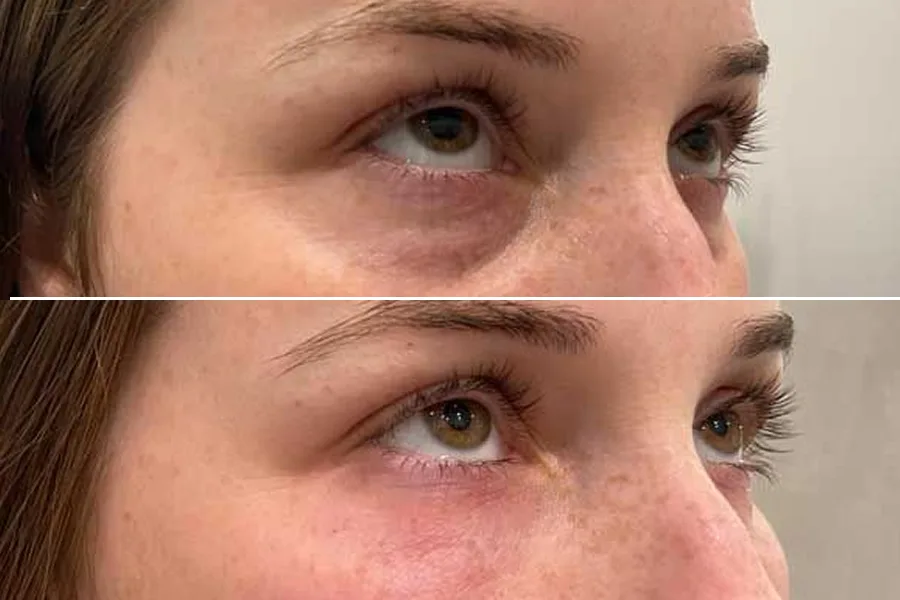
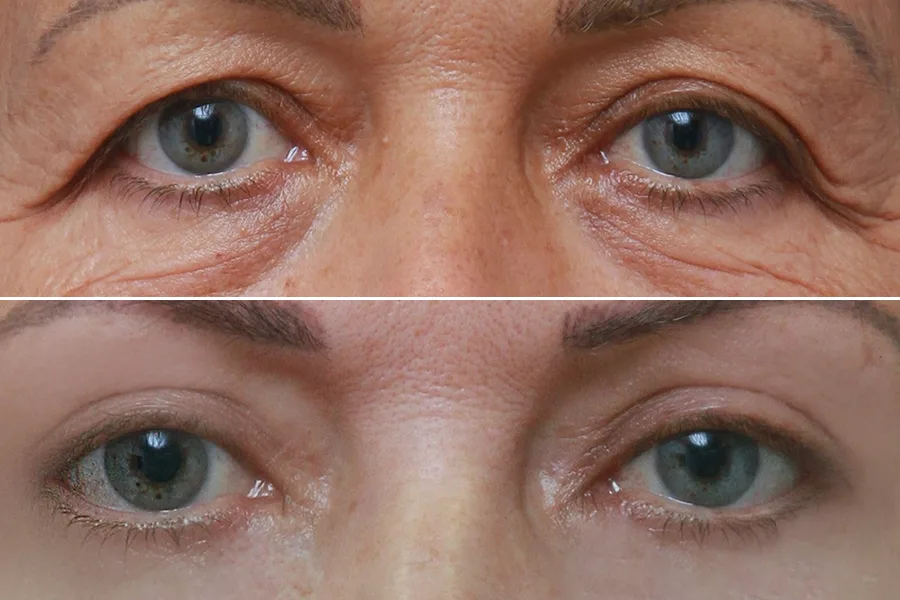
The goal is not to make the area look puffy or overfilled, but to reduce the look of dark circles caused by volume loss and contour changes. The treatment is typically performed in small amounts with precise technique, and results can often be seen soon after the procedure. Suitability depends on skin quality, anatomy, and the cause of the under-eye concern.

Who is Under-Eye Light Filler for?
Under-eye light filler is best suited for people who want to soften hollowing, shadows, or a tired appearance beneath the eyes without surgery. This treatment is particularly appropriate for:
- Adults with mild to moderate tear trough hollowness that creates dark shadows or makes the under-eye area look sunken.
- People who feel they look tired or drawn even when they are well rested, and want a subtle, refreshed result.
- Patients with good skin quality and minimal under-eye puffiness, since filler is generally more effective for volume loss than for prominent eye bags.
- Individuals in good general health who have realistic expectations and understand that careful assessment is needed for this delicate area.
A consultation helps determine whether under-eye filler is the right option, or whether concerns such as pigmentation, loose skin, or significant fat pads may be better treated with another approach.
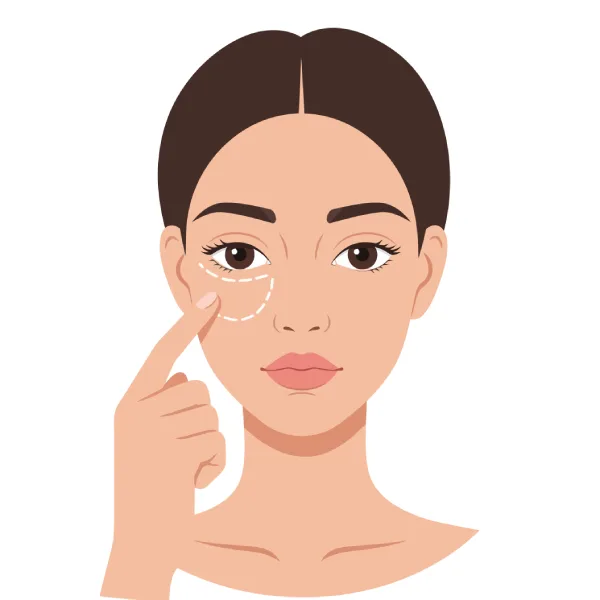
Under-Eye Light Filler benefits
-
Tear-trough filling
-
Shadow reduction
-
Brighter under-eye appearance
-
Smoother transition
-
Natural refresh goals
-
Minimal downtime
How is Under-Eye Light Filler done?
Under-Eye Light Filler is a non-surgical aesthetic treatment used to improve the appearance of tear trough hollowness, shadowing, and tired-looking under-eyes. It usually involves placing a small amount of soft hyaluronic acid filler in carefully selected areas beneath the eyes to reflect light more evenly and create a smoother transition between the lower eyelid and the cheek. The goal is not to overfill the area, but to restore subtle support and reduce the hollow, dark appearance that can make the eyes look fatigued.
-
Consultation, Facial Assessment, and Suitability Check
The treatment begins with a detailed consultation. The practitioner reviews your medical history, allergies, previous filler treatments, and any tendency toward swelling or bruising. Your under-eye area is examined both at rest and with facial movement to determine whether the concern is mainly caused by volume loss, skin quality, pigmentation, puffiness, or fat pads. This step is important because filler works best for selected patients with hollowness and contour changes, but it may not be the right option if under-eye bags, significant skin laxity, or fluid retention are the main issue.
-
Planning the Injection Strategy
Once you are considered a suitable candidate, the injector plans exactly where and how the filler will be placed. In many cases, the treatment is not limited to the tear trough itself. The practitioner may also assess the upper cheek and midface, because restoring support in this area can improve the under-eye transition more naturally. The amount of filler is usually kept conservative, since the skin under the eyes is thin and delicate. The aim is a refreshed look, not a dramatic change.
-
Skin Cleansing, Marking, and Comfort Measures
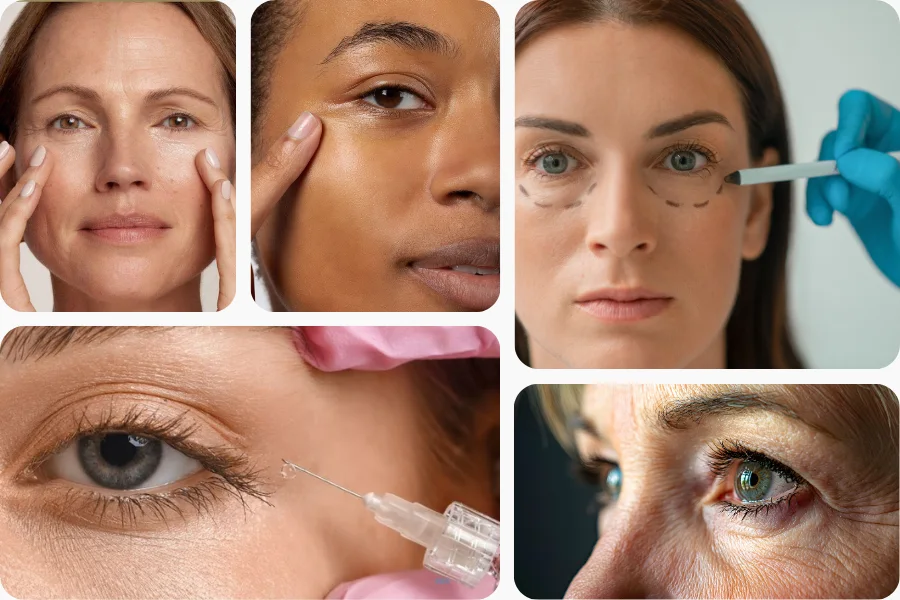
On the day of treatment, the skin is thoroughly cleansed and disinfected to reduce the risk of infection. The injector may take photographs for planning and before-and-after comparison. Small markings are often made to identify the safest entry points and the areas of hollowing. A topical numbing cream may be applied, although many modern fillers already contain lidocaine to improve comfort. Ice or vibration devices can also be used to make the injections easier to tolerate.
-
Precise Filler Placement Under the Eye
The filler is then placed using either a fine needle or, more commonly in many clinics, a blunt-tip cannula. A cannula can reduce the number of skin punctures and may lower the risk of bruising in some patients. The product is injected in very small amounts, often deep along the bone or in carefully chosen tissue planes, to smooth the hollow without creating puffiness. The practitioner works slowly and checks symmetry throughout the procedure. Gentle molding may be done to help the filler settle evenly.
-
Immediate Review and Fine Adjustments
After the initial placement, the under-eye area is reassessed from different angles and in different lighting. Because this area can change quickly with swelling, experienced injectors usually prefer a less-is-more approach. If needed, tiny additional amounts of filler may be added to refine the contour, but overcorrection is generally avoided. The skin is cleaned again, and the practitioner checks circulation, symmetry, and the overall transition between the eyelid and cheek.
-
Aftercare, Healing, and Follow-Up
Mild swelling, tenderness, or bruising can occur for a few days after treatment, and the final result is usually assessed once the area has settled. Patients are commonly advised to avoid rubbing the eyes, intense exercise, alcohol, excessive heat, and lying face down for the first day or two, depending on the clinic's protocol. A follow-up visit may be scheduled after 1 to 2 weeks to review the result and decide whether a small touch-up is appropriate. If necessary, hyaluronic acid filler can be dissolved with hyaluronidase, which adds an extra margin of flexibility and safety.
Recovery and expectation?
Recovery after under-eye light filler is usually straightforward, but the area beneath the eyes is delicate and can show even small changes in swelling, bruising, or asymmetry. Most patients return to normal daily activities quickly, yet the final result is not judged immediately after treatment. It often takes several days, and sometimes a couple of weeks, for the filler to settle and for the skin to look smoother and more balanced. Understanding the normal recovery timeline can help you plan social activities, travel, and follow-up appointments with realistic expectations.
-
Immediate Post-Treatment Period (First 24 Hours)
Right after the procedure, it is common to notice mild swelling, tenderness, redness, and small raised areas where the filler was placed. Some patients also see pinpoint marks from the needle or cannula. Because the under-eye region has thin skin, the area may look slightly uneven or fuller than expected at first. This is usually temporary. Applying a cool compress gently, keeping your head elevated, and avoiding rubbing the area can help reduce swelling. Most clinics advise avoiding heavy exercise, alcohol, excessive heat, and makeup on the treated area for the rest of the day.
-
Early Settling Phase (Days 1-3)
During the first few days, swelling and bruising may become more noticeable before they improve. This can be especially true if you are prone to bruising or if the tear trough area required more precise correction. Mild puffiness in the morning is common and often settles as the day goes on. Most people feel comfortable returning to work and routine activities within 24 to 48 hours, although visible bruising may still be present. It is best to sleep on your back with your head slightly elevated and to avoid pressing, massaging, or manipulating the filler unless your injector specifically instructs you to do so.
-
Bruising Resolution and Appearance Improvement (Days 4-10)
By this stage, most of the early swelling begins to settle, and the treated area usually starts to look more natural. Bruising, if present, often fades gradually over about 5 to 10 days, though some patients recover faster and others take a little longer. You may still notice slight asymmetry or fullness while the filler integrates with the surrounding tissue and attracts water. This does not necessarily mean the final result is uneven. Light makeup can often be used after the first day or as advised by your clinic to help cover residual bruising. Social downtime is generally limited, but patients with important events often prefer to allow at least one to two weeks for the area to fully settle.
-
Settled Result and Review Appointment (2-4 Weeks)
The under-eye filler result is usually assessed more accurately after about 2 weeks, and sometimes up to 4 weeks, depending on the product used and how your tissues respond. At this point, most swelling has resolved, the filler has softened into place, and your injector can judge whether the correction is balanced. If a touch-up is needed, it is often planned at this stage rather than immediately after treatment. Patients should remember that the goal in the under-eye area is often a subtle, refreshed look, not dramatic volume. Overcorrection can create puffiness, so careful review after healing is an important part of the process.
-
Longer-Term Recovery and Maintenance (1-12 Months and Beyond)
Once healed, the area should feel comfortable and look smoother, with less shadowing or hollowness under the eyes. Depending on the type of filler, your metabolism, and the anatomy of the tear trough, results may last from around 6 to 12 months, and sometimes longer in selected patients. Minor fluctuations in puffiness can still happen with sleep, allergies, hydration, or salt intake, and these are not always caused by the filler itself. Follow-up visits help monitor the result over time and determine when maintenance treatment may be appropriate. Because the under-eye area is sensitive, repeat treatments are usually approached conservatively.
Why Choose Türkiye for Under-Eye Light Filler?
Türkiye has become a popular destination for under-eye light filler treatment, offering patients access to experienced aesthetic doctors, modern facial assessment techniques, and more accessible pricing than many countries in Europe or North America. For people who want to soften hollowness, reduce the tired appearance under the eyes, and achieve a fresher look without surgery, clinics in Türkiye often provide a careful and well-structured treatment journey that balances safety, precision, and natural-looking results.
The under-eye area is delicate, and filler treatment here requires a detailed understanding of facial anatomy, skin quality, volume loss, and vascular safety. Many clinics in Türkiye use advanced facial analysis, high-quality hyaluronic acid fillers, and in some cases cannula-based techniques to improve precision and reduce trauma to the area. This is especially important for international patients, because proper planning helps determine whether someone is a good candidate for filler, or whether concerns such as puffiness, pigmentation, or skin laxity may need a different approach. A responsible consultation is one of the main reasons patients feel confident seeking this treatment in Türkiye.
- Türkiye offers access to skilled aesthetic practitioners who regularly perform tear trough and under-eye rejuvenation treatments, with attention to subtle correction rather than an overfilled appearance.
- Many clinics work with modern diagnostic and assessment methods, including facial symmetry evaluation, skin quality review, and careful product selection based on the thin and sensitive nature of the under-eye area.
- Patients often benefit from personalized treatment planning, with doctors deciding whether filler is appropriate, how much product is needed, and whether combination treatments may provide a better result.
- Clinics typically place strong emphasis on patient safety, sterile technique, and complication management, including conservative injection strategies and clear aftercare instructions to minimize swelling and bruising.
- Cost advantages make under-eye filler more attainable for many patients, often without compromising access to reputable products, qualified professionals, and structured consultation processes.
- Türkiye's well-developed medical tourism infrastructure helps international visitors organize appointments, accommodation, airport transfers, and recovery time with greater ease.
Another reason patients choose Türkiye is the focus on natural outcomes and realistic expectations. Under-eye filler is not simply about adding volume, it is about restoring smoother transitions between the lower eyelid and cheek while preserving facial expression. Experienced clinics usually explain both the benefits and the limitations of treatment, including the possibility of temporary swelling, the need for touch-ups, and the importance of avoiding overcorrection. This honest approach helps patients make informed decisions and supports more satisfying long-term results.
Beyond the procedure itself, many patients value the practical support they receive before and after treatment. Clinics commonly provide guidance on preparing for the appointment, reducing bruising risk, and caring for the area in the first few days after injection. Follow-up communication is also important, especially for international patients who may return home soon after treatment and want reassurance about healing, results, and when to seek review if needed.
Türkiye's strong position in the global health tourism market reflects years of investment in private healthcare facilities, international patient coordination, and high-volume aesthetic experience. By welcoming large numbers of visitors each year, Türkiye has built a reputation for organized care, accessible treatment pathways, and dependable patient support. This continued success in health tourism is one of the reasons many people feel comfortable choosing Türkiye for under-eye light filler treatment.
Customize your treatment estimate
Start with Under-Eye Light Filler selected. Adjust the answers below to refine the average estimate shown above.
Your estimate will appear here.
Frequently Asked Questions about Under-Eye Light Filler
How long does the effect of under-eye light filler typically last?

Under-eye light filler (also known as tear trough filler) is a cosmetic treatment designed to reduce dark circles, hollowness, and fine lines under the eyes.
The effects of under-eye filler are temporary and typically last between 6 to 18 months, depending on several factors:
- Type of filler used: Most commonly, hyaluronic acid fillers are used, which gradually dissolve over time.
- Individual metabolism: People with faster metabolisms may notice the filler breaks down more quickly.
- Lifestyle factors: Sun exposure, smoking, and certain medications can affect how long results last.
- Amount of filler injected: The longevity can also depend on the volume and technique used by your provider.
Touch-up treatments may be recommended to maintain your desired results.
###DISCLAIMER###This information is for general guidance only and does not replace professional medical advice. Always consult a qualified healthcare provider for personalized recommendations.
Is there any downtime after getting under-eye light filler?
Under-eye light filler is a minimally invasive cosmetic procedure designed to reduce dark circles and hollowness beneath the eyes.
Most patients experience little to no downtime after the treatment, but some mild side effects can occur.
- Swelling and Bruising: Mild swelling or bruising is common and usually resolves within a few days.
- Redness or Tenderness: The treated area may feel slightly tender or appear red for a short period.
- Normal Activities: Most people can return to work and daily activities immediately after the procedure.
Your provider may recommend avoiding strenuous exercise, alcohol, and excessive sun exposure for 24-48 hours to minimize swelling and bruising.
Always follow your provider’s aftercare instructions for the best results and to reduce the risk of complications.
###DISCLAIMER###This information is for general guidance only and does not replace professional medical advice. Please consult your provider for personalized recommendations.
When can makeup be applied after the procedure?
After receiving Under-Eye Light Filler, it is generally recommended to wait at least 24 hours before applying makeup to the treated area.
- This waiting period helps reduce the risk of irritation, infection, or interference with the healing process.
- If you experience redness, swelling, or bruising, you may want to wait until these symptoms subside before using makeup.
Always use clean brushes and gentle, non-irritating products when you resume makeup application.
###DISCLAIMER### Please follow your provider’s specific aftercare instructions, as recommendations may vary based on your individual treatment and skin type.Are there any visible signs immediately after the treatment?
After receiving Under-Eye Light Filler treatment, you may notice some temporary visible signs in the treated area.
- Mild Swelling: It is common to experience slight swelling under the eyes for a few days.
- Redness or Bruising: Some redness or minor bruising at the injection sites can occur, but usually fades within a week.
- Tenderness: The area may feel tender or sensitive immediately after the procedure.
These effects are generally mild and resolve on their own. Most patients can resume normal activities soon after treatment.
How soon are results noticeable after under-eye light filler?
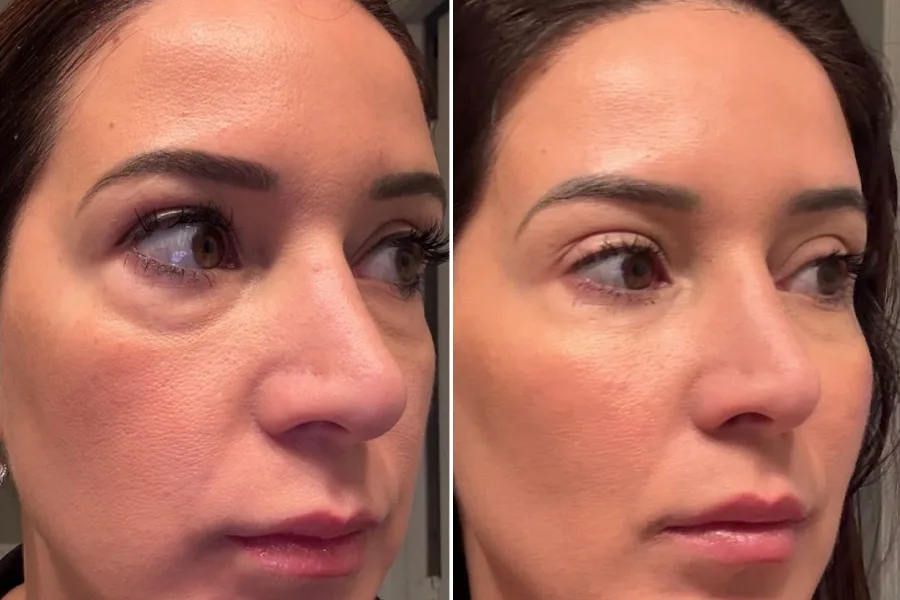
Under-eye light filler provides immediate improvement in the appearance of dark circles, hollows, or tired-looking eyes right after the procedure.
- Immediate Results: Most patients notice a visible difference as soon as the filler is injected.
- Initial Swelling: Mild swelling or bruising is common and may temporarily affect the final look.
- Final Results: The full, settled results are typically seen within 1–2 weeks as swelling subsides and the filler integrates with the tissue.
Results are long-lasting but not permanent, and touch-ups may be needed over time.
Can under-eye light filler be combined with other cosmetic treatments?
Under-eye light filler can often be safely combined with other cosmetic treatments to enhance overall facial rejuvenation and achieve more comprehensive results.
- Botox or Dysport: These can be used to relax wrinkles around the eyes (crow's feet) in addition to filling under-eye hollows.
- Laser treatments: Procedures like fractional laser or intense pulsed light (IPL) can improve skin texture and pigmentation, complementing the effects of fillers.
- Chemical peels or microneedling: These treatments can help with fine lines and skin quality in the under-eye area.
- Other dermal fillers: Fillers in the cheeks or midface may be combined to further support the under-eye area and create a balanced look.
It is important to consult with an experienced provider, as the timing and order of treatments may vary based on your individual needs and goals.
###DISCLAIMER### Always consult a qualified medical professional to determine the safest and most effective treatment plan for your specific situation.Is there anything that should be avoided before or after the procedure?
Yes, there are several things you should avoid before and after a Under-Eye Light Filler treatment to ensure the best results and minimize side effects.
- Before the procedure:
- Avoid blood-thinning medications and supplements (such as aspirin, ibuprofen, vitamin E, fish oil) for at least 3-7 days, unless prescribed by your doctor.
- Do not consume alcohol for 24 hours prior to treatment.
- Avoid excessive sun exposure or tanning before your appointment.
- After the procedure:
- Do not rub, massage, or apply pressure to the treated area for at least 24 hours.
- Avoid strenuous exercise, saunas, and hot baths for 24-48 hours.
- Refrain from applying makeup to the under-eye area for at least 12 hours.
- Stay away from alcohol and blood-thinning medications for another 24 hours, if possible.
Following these guidelines can help reduce the risk of bruising, swelling, and other complications.
###DISCLAIMER###This information is for general guidance only. Always follow your provider's specific instructions and consult them with any concerns.
How often can the procedure be repeated?
Under-Eye Light Filler treatments are typically repeated every 6 to 18 months, depending on the type of filler used, your body’s metabolism, and your desired results.
- Hyaluronic acid fillers (the most common type) gradually dissolve and are safely absorbed by the body over time.
- Most patients schedule maintenance treatments once or twice a year to keep their results looking fresh and natural.
- Your provider may recommend a personalized schedule based on your unique needs and how your body responds to the filler.
It’s important to consult with a qualified medical professional before repeating the procedure to ensure the area is ready and to avoid overfilling.
###DISCLAIMER### This information is for general guidance only and does not replace professional medical advice. Always consult your healthcare provider for recommendations tailored to your individual situation.Do results look natural or is there a risk of puffiness?
Under-Eye Light Filler treatments are designed to create a natural, refreshed appearance by carefully adding volume to hollow or dark under-eye areas.
- Natural Results: When performed by an experienced injector using the right technique and product, the results typically look smooth and subtle, blending seamlessly with your facial features.
- Risk of Puffiness: There is a small risk of temporary swelling or puffiness after the procedure. Overfilling or incorrect placement can also cause a puffy or uneven look.
Choosing a skilled, qualified provider is essential to minimize risks and achieve the most natural-looking outcome.
Is travel safe shortly after receiving under-eye light filler?
In most cases, travel is generally safe shortly after receiving under-eye light filler, but there are a few important considerations to keep in mind.
- Initial Recovery: Mild swelling, redness, or bruising can occur after treatment. These effects usually subside within a few days.
- Air Travel: Flying is typically safe, but changes in cabin pressure may temporarily worsen swelling for some individuals.
- Follow-Up: It is recommended to remain available for a follow-up appointment in case of any concerns or complications.
- Aftercare: Avoid strenuous activities, excessive sun exposure, and touching or massaging the treated area for at least 24-48 hours.
Always follow your provider’s specific aftercare instructions and let them know about your travel plans in advance.
###DISCLAIMER###This information is for general guidance only and does not replace professional medical advice. Consult your healthcare provider for recommendations tailored to your individual situation.
Clinics offering Under-Eye Light Filler
Compare verified clinic profiles connected to this treatment.



Related Articles
Guides and insights connected to this treatment.

A Step-by-Step Guide to Under-Eye Light Filler in Turkey

A Step-by-Step Guide to Jalupro Youth Serum in Turkey
