


Plastic Surgery · Vaginoplasty

Plastic Surgery
Vaginoplasty: Embrace Your Confidence
Surgical creation or reconstruction of the vagina to support function, anatomy, and personal comfort, tailored to individual needs.
Page Contributors


General
Anesthesia

3–5 h
Duration

4–6 w
Recovery

Moderate
Pain Level

2–3 d
Hospital Stay

90–95 %
Success Rate
What is Vaginoplasty?
Vaginoplasty is a surgical procedure designed to construct or reconstruct the vagina. It is commonly performed for transgender women as part of gender-affirming surgery, as well as for cisgender women who require vaginal reconstruction due to congenital conditions, trauma, or cancer treatment. The surgery involves creating a functional and aesthetically natural vaginal canal and external genitalia, often using tissue from the patient’s own body, such as penile or scrotal tissue, or grafts from other areas.
Vaginoplasty aims to provide both anatomical and psychological benefits, improving comfort, sexual function, and self-confidence. The procedure is highly individualized, with techniques tailored to meet each patient’s unique goals and medical needs.

Who is Vaginoplasty for?
Vaginoplasty is a surgical procedure designed for individuals seeking to create or reconstruct the vaginal canal and surrounding structures. This treatment is particularly suitable for:
- Transgender women (male-to-female) who desire gender-affirming surgery as part of their transition process.
- Women with congenital conditions such as Mayer-Rokitansky-Küster-Hauser (MRKH) syndrome or vaginal agenesis who wish to construct a functional vagina.
- Individuals who have experienced trauma, injury, or cancer-related surgeries resulting in loss or damage to vaginal tissue.
- Patients seeking vaginal reconstruction for improved function, comfort, or aesthetics.
This procedure is best suited for those in good general health, with realistic expectations and a commitment to pre- and post-operative care for optimal healing and results.
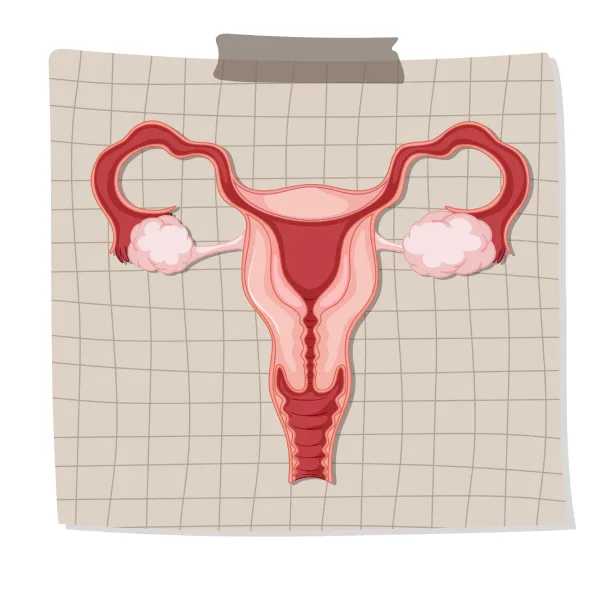
Vaginoplasty benefits
-
Vaginal canal repair
-
Pelvic support
-
Improved function goals
-
Tailored surgical plan
-
Tighter canal goals
-
Comfort goals
How is Vaginoplasty done?
Vaginoplasty is a surgical procedure designed to create or reconstruct the vaginal canal and surrounding structures. It is most commonly performed as part of gender-affirming surgery for transgender women, or to repair congenital or acquired conditions affecting the vagina. The procedure aims to achieve natural appearance, function, and sensation.
-
Comprehensive Consultation and Planning
The process begins with a thorough consultation with your surgical team. Your medical history, goals, and expectations are discussed in detail. Physical examinations and laboratory tests are performed to ensure you are a suitable candidate. Preoperative instructions, including hormone management and cessation of certain medications, are provided.
-
Anesthesia and Preparation
On the day of surgery, you will receive general anesthesia to ensure you are comfortable and pain-free throughout the procedure. The surgical area is carefully cleaned and prepped, and a urinary catheter is placed for postoperative care.
-
Surgical Creation of the Neovagina
The most common technique for vaginoplasty in transgender women is the penile inversion method. The surgeon carefully dissects and repositions penile and scrotal skin to form the vaginal canal and external genitalia. In some cases, additional tissue grafts (such as from the colon or peritoneum) may be used to create adequate vaginal depth and lining. Clitoral reconstruction is performed using the sensitive glans tissue to preserve sexual sensation.
-
Shaping and Closure
The newly created vaginal canal is carefully shaped and secured. The labia majora and minora are sculpted for a natural, feminine appearance. The surgical site is meticulously closed with dissolvable sutures, and dressings are applied to support healing.
-
Postoperative Care and Recovery
After surgery, you will be monitored in a recovery area. Pain management, antibiotics, and wound care instructions are provided. A vaginal stent or dilator is used to maintain canal depth during healing. Follow-up visits are essential to monitor progress, manage dilation, and address any concerns. Most patients can resume light activities within a few weeks, with full recovery over several months.
Recovery and expectation?
The recovery journey after vaginoplasty is a gradual process involving several distinct stages. Understanding what to expect at each phase will help you prepare, promote optimal healing, and achieve the best possible results.
-
Immediate Post-Operative Period (First 1–2 weeks)
In the days following surgery, you can expect swelling, bruising, and discomfort in the surgical area. You will likely have a urinary catheter and vaginal packing in place for several days. It is essential to rest, avoid strenuous activity, and follow your surgeon’s instructions for wound care and hygiene. Pain and discomfort are typically managed with prescribed medications.
-
Early Healing Phase (2–6 weeks)
During this period, most patients can gradually resume light activities and may return to non-physical work within 2–4 weeks. Swelling and bruising will steadily improve. You will begin vaginal dilation as instructed by your surgeon to maintain vaginal depth and width. Diligent hygiene, gentle movement, and avoiding heavy lifting or strenuous exercise are crucial.
-
Ongoing Recovery (6–12 weeks)
By this stage, most swelling and discomfort subside, and you may gradually return to more regular activities. Dilation remains a key part of your routine, and you may notice increased comfort and mobility. It is important to continue avoiding sexual activity, swimming, and baths until cleared by your surgeon. Regular follow-up appointments help monitor healing and address any concerns.
-
Resuming Normal Activities (3–6 months)
Most patients can return to all normal activities by 3 months post-surgery, including exercise and sexual activity, with their surgeon’s approval. The appearance and function of the neovagina continue to improve. Dilation frequency may decrease, but ongoing maintenance is necessary for long-term results. Any lingering numbness or sensitivity typically continues to resolve.
-
Long-Term Care
For optimal outcomes, lifelong vaginal dilation is generally recommended, though frequency decreases over time. Maintain good personal hygiene, attend all scheduled follow-ups, and promptly report any issues such as pain, bleeding, or discharge. With proper care, most patients enjoy excellent functional and aesthetic results for many years.
Why Choose Türkiye for Vaginoplasty?
Türkiye has emerged as a premier destination for vaginoplasty, offering a blend of medical expertise, cutting-edge technology, and affordable, patient-centered care. Patients seeking gender-affirming surgery or reconstructive vaginal procedures benefit from the country’s highly qualified surgeons and modern medical facilities that adhere to international standards.
Turkish clinics and hospitals are renowned for their comprehensive approach to vaginoplasty, providing not only surgical excellence but also personalized support throughout the entire journey. With a strong emphasis on privacy, safety, and holistic well-being, Türkiye’s healthcare professionals ensure every patient receives compassionate and respectful care.
- Türkiye’s surgeons are internationally trained and have extensive experience in performing vaginoplasty, utilizing the latest techniques for optimal functional and aesthetic outcomes.
- Clinics are equipped with state-of-the-art technology and maintain strict safety protocols, ensuring a comfortable and secure environment for all patients.
- Patients benefit from comprehensive pre- and post-operative care, including psychological support and tailored recovery plans.
- Competitive pricing and all-inclusive packages make vaginoplasty in Türkiye accessible, often at a fraction of the cost compared to many Western countries without compromising on quality.
- Türkiye’s central location and excellent international flight connections make it a convenient choice for patients from Europe, the Middle East, and beyond.
- Patients can combine their treatment with a restorative holiday, enjoying Türkiye’s rich culture, history, and scenic beauty during their recovery.
With its proven track record in health tourism, Türkiye attracts hundreds of thousands of international patients each year. The country’s commitment to excellence, safety, and patient satisfaction makes it a trusted choice for vaginoplasty, ensuring a supportive and rewarding experience for every individual.
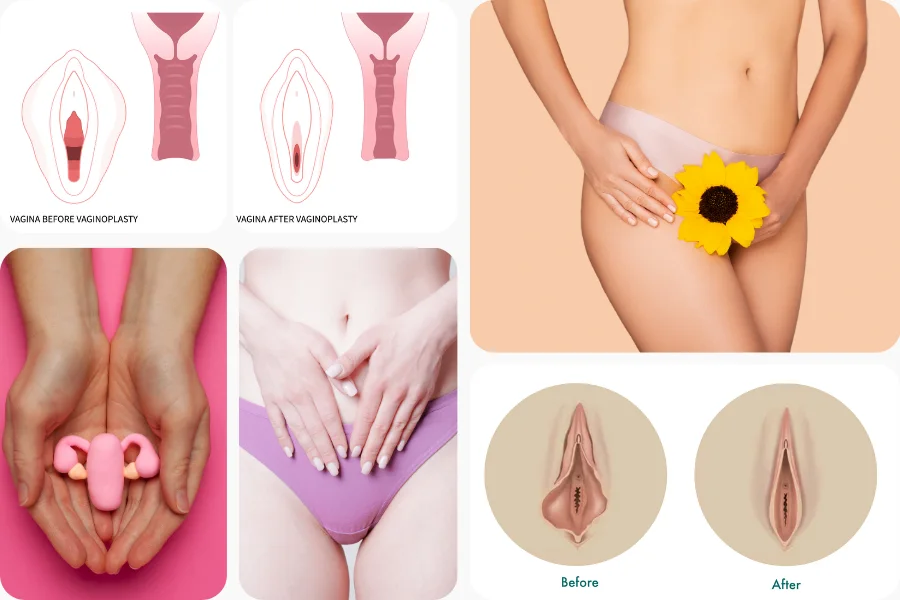




Customize your treatment estimate
Start with Vaginoplasty selected. Adjust the answers below to refine the average estimate shown above.
Your estimate will appear here.
Frequently Asked Questions about Vaginoplasty
How long does a typical vaginoplasty procedure take?

Vaginoplasty is a surgical procedure designed to create or reconstruct the vagina.
The typical vaginoplasty surgery usually takes between 2 to 4 hours to complete, depending on the specific technique used and the individual patient's anatomy.
- Primary vaginoplasty: Often takes about 3 to 4 hours.
- Revision or less complex procedures: May take less time, around 2 to 3 hours.
Additional time may be needed for preparation and recovery immediately after surgery.
What type of anesthesia is used during vaginoplasty?
Vaginoplasty is typically performed under general anesthesia, which means you will be completely asleep and unaware during the procedure.
- General anesthesia: Most common choice for patient comfort and safety during vaginoplasty.
- Regional anesthesia: In some cases, spinal or epidural anesthesia may be used, often combined with sedation, depending on the patient's health and the surgeon's preference.
Your anesthesiologist and surgical team will discuss the best anesthesia option for you based on your medical history and the specifics of your surgery.
Is it necessary to stay overnight at the clinic after vaginoplasty?
Vaginoplasty is a major surgical procedure, and an overnight stay at the clinic or hospital is usually required for monitoring and initial recovery.
- Postoperative Monitoring: Medical staff will observe you for any immediate complications, such as bleeding or infection.
- Pain Management: Pain and discomfort are managed with medications during the first hours after surgery.
- Support: Nurses and doctors provide assistance with mobility and personal care as you begin to recover.
The exact length of stay can vary depending on the surgical technique used and your individual health, but most patients spend at least one night in the clinic after vaginoplasty.
###DISCLAIMER### This information is for general guidance only. Always follow your surgeon's specific recommendations regarding postoperative care and hospital stay.How long should I plan to stay in the country after the surgery before traveling home?
After a vaginoplasty, it is generally recommended to stay in the country for 2 to 4 weeks before traveling home. This allows for proper initial healing, post-operative monitoring, and follow-up appointments with your surgeon.
- First 7-10 days: Most patients need close medical supervision to monitor for complications such as infection or bleeding.
- 2-4 weeks: Stitches begin to dissolve, swelling reduces, and you will receive instructions for ongoing care and dilation.
Your surgeon will assess your recovery and advise when it is safe to travel. Leaving too early may increase the risk of complications or make it difficult to address any issues that arise.
###DISCLAIMER###This information is general guidance. Your individual recovery time may vary. Always follow your surgeon's specific recommendations regarding travel and aftercare.
When can I return to work or school following vaginoplasty?
The recommended time to return to work or school after a vaginoplasty depends on the type of procedure performed, your overall health, and the nature of your daily activities.
- Most patients can return to non-strenuous work or school activities within 2 to 4 weeks after surgery.
- If your job or studies involve heavy lifting, physical exertion, or long periods of standing, you may need to wait 4 to 6 weeks or longer.
- Always follow your surgeon’s specific instructions, as recovery times can vary from person to person.
It’s important to attend all follow-up appointments and monitor your healing progress before resuming regular routines.
###DISCLAIMER###This information is for general guidance only and does not replace medical advice from your surgeon or healthcare provider. Always consult your medical team for recommendations tailored to your individual situation.
Are there any restrictions on sexual activity after vaginoplasty, and for how long?
Yes, there are important restrictions on sexual activity after a vaginoplasty to ensure proper healing and reduce the risk of complications.
- Sexual intercourse is usually not recommended for at least 8–12 weeks after surgery, but the exact timeframe may vary depending on your surgeon’s advice and your individual healing progress.
- Engaging in sexual activity too soon can increase the risk of infection, bleeding, or injury to the surgical site.
- Your surgeon will typically assess your healing during follow-up visits and let you know when it is safe to resume sexual activity.
It is important to follow your surgeon’s instructions closely and communicate any concerns during your recovery.
###DISCLAIMER### This information is for general guidance only and does not replace medical advice from your surgeon or healthcare provider.Will there be visible scars after vaginoplasty?
Vaginoplasty is a surgical procedure that involves creating or reconstructing the vagina. Surgeons use advanced techniques to minimize visible scarring and place incisions in areas where scars are less noticeable.
- Most scars are hidden inside the vaginal canal or along natural skin folds.
- External scars, if present, are usually small and fade significantly over time.
- Proper wound care and following post-operative instructions can help scars heal more discreetly.
While some minor scarring is possible, it is generally not visible in everyday situations and does not affect the overall appearance or function of the vagina.
###DISCLAIMER###This answer is for informational purposes only and does not replace professional medical advice. Please consult your surgeon for details specific to your case.
What kind of post-surgery care or follow-up is typically required?
Vaginoplasty requires careful post-surgery care and regular follow-up to ensure proper healing and the best possible results.
- Wound Care: Keep the surgical area clean and follow your surgeon’s instructions for hygiene and dressing changes.
- Dilation: Regular vaginal dilation is usually necessary to maintain depth and prevent narrowing. Your medical team will provide a specific schedule and guidance.
- Pain Management: Take prescribed medications as directed to manage discomfort and reduce swelling.
- Activity Restrictions: Avoid strenuous activities, heavy lifting, and sexual intercourse until your surgeon advises it is safe.
- Follow-Up Visits: Attend all scheduled follow-up appointments so your surgeon can monitor healing, address any concerns, and guide your recovery.
Adhering to your surgeon’s aftercare instructions is essential for optimal healing and long-term satisfaction with your results.
Are there any activities or exercises that should be avoided after vaginoplasty?
Yes, after a vaginoplasty, certain activities and exercises should be avoided to ensure proper healing and reduce the risk of complications.
- Strenuous exercise: Avoid heavy lifting, running, cycling, or high-impact workouts for at least 4–6 weeks or as advised by your surgeon.
- Sexual activity: Penetrative sex and use of sex toys should be avoided until your surgeon confirms it is safe, often for 8–12 weeks or longer.
- Swimming and baths: Stay out of pools, hot tubs, and bathtubs until incisions are fully healed to prevent infection.
- Squatting or stretching: Avoid deep squats, splits, or any movement that puts strain on the pelvic area during early recovery.
Always follow your surgeon’s specific post-operative instructions, as recovery timelines can vary based on individual healing and surgical technique.
###DISCLAIMER### This information is for general guidance only and does not replace medical advice from your surgeon or healthcare provider.How do most patients manage travel arrangements for vaginoplasty abroad?
Most patients seeking vaginoplasty abroad carefully plan their travel to ensure a safe and comfortable experience before, during, and after surgery.
- Pre-Trip Planning: Patients typically coordinate with their chosen clinic or hospital, which may offer assistance with travel logistics, airport transfers, and accommodation recommendations.
- Travel Companions: Many patients bring a friend or family member for support, especially during the initial recovery period.
- Accommodation: It is common to book accommodation close to the clinic for easy access to follow-up appointments and post-operative care.
- Length of Stay: Patients usually plan to stay in the destination country for 2–4 weeks to allow for surgery, initial recovery, and necessary check-ups before traveling home.
- Travel Insurance: Comprehensive travel and medical insurance is often arranged to cover unexpected events or complications.
It is important to follow the clinic’s pre- and post-operative instructions and to plan travel dates with the surgeon’s guidance to ensure a safe recovery.
###DISCLAIMER### This answer is for informational purposes only and does not replace professional medical advice. Always consult your healthcare provider and surgical team for personalized recommendations.Clinics offering Vaginoplasty
Compare verified clinic profiles connected to this treatment.



Related Articles
Guides and insights connected to this treatment.

A Step-by-Step Guide to Vaginoplasty in Turkey

A Step-by-Step Guide to Jalupro Youth Serum in Turkey
