 101 views
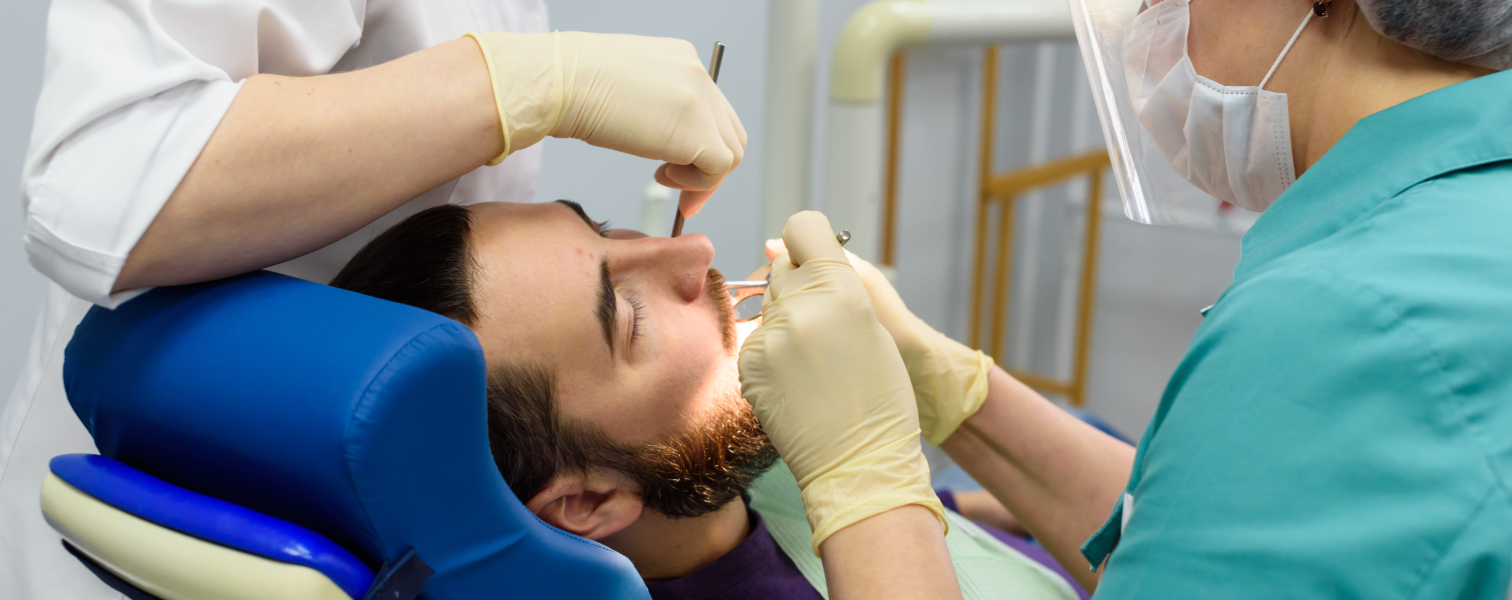
Can Dental Treatments Be Done with Sedation?
Don't know
where to start ?
Find the right specialist with the best price guarantee
Which Dental Procedures Commonly Offer Sedation Options
Many dental visits can be done with local anesthetic alone, but sedation is often available when treatment is longer, more involved, or anxiety is a concern. Your dentist will suggest options based on your health history and the complexity of the procedure.
Procedures where sedation is commonly discussed include:
- Tooth removal, especially impacted wisdom teeth or multiple extractions
- Dental implants, including implant placement and some bone or gum procedures
- Root canal treatment when the tooth is difficult to numb or the appointment is expected to be lengthy
- Complex restorative work such as multiple crowns, bridges, or extensive fillings in one visit
- Full mouth or smile makeover plans where several treatments are combined across longer sessions
- Patients with strong gag reflex or dental phobia, even for routine care
Availability and the type of sedation (for example, inhaled, oral, or IV) can vary by clinic and your medical suitability, so confirm what is offered during your consultation.
HealRoad can help you compare clinics in Turkey and see which ones offer sedation for the procedures you are considering, with support for planning and questions along the way.
Which Dental Procedures Commonly Offer Sedation Options
Many dental visits can be done with local anesthetic alone, but sedation is often available when treatment is longer, more involved, or anxiety is a concern. Your dentist will suggest options based on your health history and the complexity of the procedure.
Procedures where sedation is commonly discussed include:
- Tooth removal, especially impacted wisdom teeth or multiple extractions
- Dental implants, including implant placement and some bone or gum procedures
- Root canal treatment when the tooth is difficult to numb or the appointment is expected to be lengthy
- Complex restorative work such as multiple crowns, bridges, or extensive fillings in one visit
- Full mouth or smile makeover plans where several treatments are combined across longer sessions
- Patients with strong gag reflex or dental phobia, even for routine care
Availability and the type of sedation (for example, inhaled, oral, or IV) can vary by clinic and your medical suitability, so confirm what is offered during your consultation.
HealRoad can help you compare clinics in Turkey and see which ones offer sedation for the procedures you are considering, with support for planning and questions along the way.
Sedation Types Explained: Nitrous Oxide, Oral Medication, IV, and General Anesthesia
Nitrous oxide (laughing gas)
Breathed through a small mask. It helps take the edge off anxiety and can be adjusted during the visit. Most people feel normal soon after, but your dentist will advise if driving is appropriate.
Oral sedation (tablet or liquid)
Taken before treatment to promote relaxation. Effects can last longer than the appointment, so you typically need an escort home. You may remember little, but you are usually still able to respond to instructions.
IV sedation
Medication is given through a vein for deeper, closely monitored sedation. It is often used for longer procedures or significant dental fear. You will need a responsible adult to accompany you afterward.
General anesthesia
You are fully asleep. This is usually reserved for select cases, such as complex surgery or specific medical needs, and requires a suitable facility and medical assessment.
Which option fits depends on your health history, the procedure, and how you handle dental care. Ask what monitoring is used and what recovery rules apply.
HealRoad can help you compare clinics in Turkey and ask clear questions about sedation options, monitoring, and aftercare while you plan your trip.
Sedation Types Explained: Nitrous Oxide, Oral Medication, IV, and General Anesthesia
Nitrous oxide (laughing gas)
Breathed through a small mask. It helps take the edge off anxiety and can be adjusted during the visit. Most people feel normal soon after, but your dentist will advise if driving is appropriate.
Oral sedation (tablet or liquid)
Taken before treatment to promote relaxation. Effects can last longer than the appointment, so you typically need an escort home. You may remember little, but you are usually still able to respond to instructions.
IV sedation
Medication is given through a vein for deeper, closely monitored sedation. It is often used for longer procedures or significant dental fear. You will need a responsible adult to accompany you afterward.
General anesthesia
You are fully asleep. This is usually reserved for select cases, such as complex surgery or specific medical needs, and requires a suitable facility and medical assessment.
Which option fits depends on your health history, the procedure, and how you handle dental care. Ask what monitoring is used and what recovery rules apply.
HealRoad can help you compare clinics in Turkey and ask clear questions about sedation options, monitoring, and aftercare while you plan your trip.
Who Should Consider Sedation and When It May Be Unsafe
Sedation can be a helpful option if you feel very anxious about dental care, have a strong gag reflex, find it hard to sit still for long appointments, or need several procedures completed in one visit. It may also be considered for some patients with special healthcare needs, depending on the setting and the type of sedation offered.
Situations where extra caution is needed
- Pregnancy (especially in the first trimester) unless your dentist and obstetrician agree it is necessary
- Breathing or airway conditions such as sleep apnea, severe asthma, or COPD
- Heart, liver, or kidney disease that may affect how medicines are handled
- History of adverse reactions to sedatives, opioids, or local anesthetics
- Use of alcohol, recreational drugs, or medications that can interact (for example, some anxiety or pain medicines)
- Recent illness, fever, or uncontrolled medical problems
Your dentist should review your medical history, current medications, and allergies, and explain the level of monitoring needed. If sedation is not appropriate, they can often adjust the plan with shorter visits, stronger local anesthesia, or other comfort measures.
HealRoad can help you share your medical history and questions with clinics in advance, so you can compare sedation options and safety protocols before you travel.
Who Should Consider Sedation and When It May Be Unsafe
Sedation can be a helpful option if you feel very anxious about dental care, have a strong gag reflex, find it hard to sit still for long appointments, or need several procedures completed in one visit. It may also be considered for some patients with special healthcare needs, depending on the setting and the type of sedation offered.
Situations where extra caution is needed
- Pregnancy (especially in the first trimester) unless your dentist and obstetrician agree it is necessary
- Breathing or airway conditions such as sleep apnea, severe asthma, or COPD
- Heart, liver, or kidney disease that may affect how medicines are handled
- History of adverse reactions to sedatives, opioids, or local anesthetics
- Use of alcohol, recreational drugs, or medications that can interact (for example, some anxiety or pain medicines)
- Recent illness, fever, or uncontrolled medical problems
Your dentist should review your medical history, current medications, and allergies, and explain the level of monitoring needed. If sedation is not appropriate, they can often adjust the plan with shorter visits, stronger local anesthesia, or other comfort measures.
HealRoad can help you share your medical history and questions with clinics in advance, so you can compare sedation options and safety protocols before you travel.

What to Expect Before, During, and After a Sedated Dental Visit
A sedated appointment is usually planned a bit differently than a standard visit. Your dental team will explain the type of sedation, what it is meant to do, and whether you will be awake, drowsy, or fully asleep.
Before your visit
- Share your medical history, allergies, and all medicines or supplements.
- Ask about fasting rules, especially for deeper sedation.
- Plan a ride home and consider taking the rest of the day off.
During treatment
You will be monitored (such as breathing, pulse, and blood pressure). Local anesthetic is often still used so you stay comfortable. Many people remember little of the procedure, depending on the method used.
Afterwards
- Expect grogginess and slower reaction time for several hours.
- Follow written instructions on eating, pain control, and activity.
- Call the clinic if you have persistent nausea, unusual bleeding, or worsening pain.
If you are planning dental care in Turkey, HealRoad can help you compare clinics and clarify sedation options and pre-visit instructions so your planning feels straightforward.
What to Expect Before, During, and After a Sedated Dental Visit
A sedated appointment is usually planned a bit differently than a standard visit. Your dental team will explain the type of sedation, what it is meant to do, and whether you will be awake, drowsy, or fully asleep.
Before your visit
- Share your medical history, allergies, and all medicines or supplements.
- Ask about fasting rules, especially for deeper sedation.
- Plan a ride home and consider taking the rest of the day off.
During treatment
You will be monitored (such as breathing, pulse, and blood pressure). Local anesthetic is often still used so you stay comfortable. Many people remember little of the procedure, depending on the method used.
Afterwards
- Expect grogginess and slower reaction time for several hours.
- Follow written instructions on eating, pain control, and activity.
- Call the clinic if you have persistent nausea, unusual bleeding, or worsening pain.
If you are planning dental care in Turkey, HealRoad can help you compare clinics and clarify sedation options and pre-visit instructions so your planning feels straightforward.
Conclusion
References


- What Is Sedation Dentistry? (Sedation dentistry overview, types, and safety) - Cleveland Clinic
- Dental Treatment under Intravenous Sedation and Local Anaesthetic (patient leaflet) - Manchester University NHS Foundation Trust
- Nitrous Oxide (oral health topic: use in dentistry, conscious sedation) - American Dental Association
- Sedasyon ve Genel Anestezi Hangi Durumlarda Uygulanır? - Eskişehir Ağız ve Diş Sağlığı Hastanesi (saglik.gov.tr)
- Cochrane - Sedation of anxious children undergoing dental treatment
Article Contributors

Heal Road Medical Reviewer
Medical Reviewer

Heal Road Writer
Writer
- Views
- 101 views
- Reading Time
- Last Updated