 135 views
Can I Combine Dental Treatment with a Holiday?
Don't know
where to start ?
Find the right specialist with the best price guarantee
Planning Your Trip Around Appointments, Lab Work, and Follow Ups
A dental holiday works best when your travel dates are built around the clinical schedule, not the other way around. Many treatments include steps that depend on lab turnaround and short check-ins.
- Start with a clear visit plan: Ask how many in-person appointments are needed and which days must be consecutive.
- Allow time for lab work: Crowns, veneers, and aligners may require scans, design, fabrication, and a fitting visit. Confirm whether the lab is on-site or external.
- Build in a buffer: Keep at least one flexible day for bite adjustments, sensitivity, or minor refinements before your flight.
- Plan follow up care: Know what needs checking before you leave and what can be handled remotely once you are home.
Before booking flights or hotels, confirm the timeline in writing with your dentist and share any fixed travel commitments.
HealRoad can help you compare clinic timelines and coordinate questions about appointment spacing, lab steps, and follow ups so your trip plan feels realistic.
Planning Your Trip Around Appointments, Lab Work, and Follow Ups
A dental holiday works best when your travel dates are built around the clinical schedule, not the other way around. Many treatments include steps that depend on lab turnaround and short check-ins.
- Start with a clear visit plan: Ask how many in-person appointments are needed and which days must be consecutive.
- Allow time for lab work: Crowns, veneers, and aligners may require scans, design, fabrication, and a fitting visit. Confirm whether the lab is on-site or external.
- Build in a buffer: Keep at least one flexible day for bite adjustments, sensitivity, or minor refinements before your flight.
- Plan follow up care: Know what needs checking before you leave and what can be handled remotely once you are home.
Before booking flights or hotels, confirm the timeline in writing with your dentist and share any fixed travel commitments.
HealRoad can help you compare clinic timelines and coordinate questions about appointment spacing, lab steps, and follow ups so your trip plan feels realistic.
Quick question to send before you book tours:
“Which days should I plan as rest days, and are there any activities (walking tours, swimming, nightlife, alcohol, smoking) you want me to avoid after my procedure?”
Vacation Friendly Procedures vs. Ones That Limit Sightseeing
Not every dental visit fits neatly into a holiday schedule. Some treatments let you enjoy the city the same day, while others can leave you sore, swollen, or tied to follow-up checks.
Often easier to combine with sightseeing(when your dentist agrees):
- Consultation, scans, and treatment planning
- Professional cleaning or simple fillings
- Minor cosmetic work such as bonding or whitening (sensitivity can still happen)
- Try-ins or adjustments that do not involve surgery
More likely to restrict your plans:
- Extractions, gum procedures, or any surgical step (swelling and bleeding risk)
- Implant surgery or bone grafting (often needs rest and careful aftercare)
- Multiple long appointments in a short window (jaw fatigue, headaches)
- Procedures that require several checks before you fly
Ask your clinic what you should avoid afterward: long walking days, alcohol, smoking, hot baths, or certain foods can interfere with recovery. Your best itinerary is the one built around your specific treatment plan and health history.
HealRoad can help you compare clinics and clarify which procedures fit a travel schedule. You can also get support planning treatment days around your trip.
Vacation Friendly Procedures vs. Ones That Limit Sightseeing
Not every dental visit fits neatly into a holiday schedule. Some treatments let you enjoy the city the same day, while others can leave you sore, swollen, or tied to follow-up checks.
Often easier to combine with sightseeing(when your dentist agrees):
- Consultation, scans, and treatment planning
- Professional cleaning or simple fillings
- Minor cosmetic work such as bonding or whitening (sensitivity can still happen)
- Try-ins or adjustments that do not involve surgery
More likely to restrict your plans:
- Extractions, gum procedures, or any surgical step (swelling and bleeding risk)
- Implant surgery or bone grafting (often needs rest and careful aftercare)
- Multiple long appointments in a short window (jaw fatigue, headaches)
- Procedures that require several checks before you fly
Ask your clinic what you should avoid afterward: long walking days, alcohol, smoking, hot baths, or certain foods can interfere with recovery. Your best itinerary is the one built around your specific treatment plan and health history.
HealRoad can help you compare clinics and clarify which procedures fit a travel schedule. You can also get support planning treatment days around your trip.
Quick question to send before you book tours:
“Which days should I plan as rest days, and are there any activities (walking tours, swimming, nightlife, alcohol, smoking) you want me to avoid after my procedure?”
Recovery on the Road: Eating, Flying, and Managing Discomfort
Planning a holiday around dental work is easiest when you build in time for healing, not just sightseeing.
Right after treatment, your mouth may feel tender or swollen. Keep your schedule flexible and choose activities that do not require long days, heavy exercise, or lots of talking.
- Eating: Start with soft, lukewarm foods and plenty of fluids. Avoid crunchy, sticky, very hot, or spicy items if they irritate the area. Follow any bite or chewing limits your dentist gives.
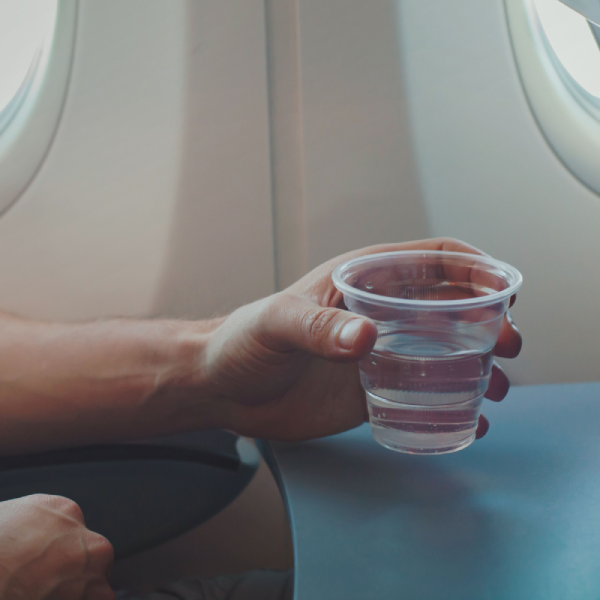
- Flying: Many people fly without issues, but timing can matter after extractions, implants, or sedation. Ask your clinician when it is sensible to travel and whether pressure changes could affect your specific procedure.
- Comfort: Use only the pain relief and mouth rinses recommended to you. Cold compresses, rest, and good oral hygiene usually help, but contact your clinic if pain increases, bleeding persists, or swelling worsens.
Your exact recovery plan depends on the treatment and your health history, so confirm restrictions before you book tours or flights.
HealRoad can help you compare clinics and clarify practical recovery questions before you finalize your travel plan. It also supports you during the trip if new questions come up.
Recovery on the Road: Eating, Flying, and Managing Discomfort
Planning a holiday around dental work is easiest when you build in time for healing, not just sightseeing.
Right after treatment, your mouth may feel tender or swollen. Keep your schedule flexible and choose activities that do not require long days, heavy exercise, or lots of talking.
- Eating: Start with soft, lukewarm foods and plenty of fluids. Avoid crunchy, sticky, very hot, or spicy items if they irritate the area. Follow any bite or chewing limits your dentist gives.
- Flying: Many people fly without issues, but timing can matter after extractions, implants, or sedation. Ask your clinician when it is sensible to travel and whether pressure changes could affect your specific procedure.
- Comfort: Use only the pain relief and mouth rinses recommended to you. Cold compresses, rest, and good oral hygiene usually help, but contact your clinic if pain increases, bleeding persists, or swelling worsens.
Your exact recovery plan depends on the treatment and your health history, so confirm restrictions before you book tours or flights.
HealRoad can help you compare clinics and clarify practical recovery questions before you finalize your travel plan. It also supports you during the trip if new questions come up.
Choosing a Destination and Clinic That Fit Your Travel Itinerary
Planning dental care around a holiday works best when the destination and clinic match the pace of your trip, not the other way around.
Before booking, think through practical details that can affect your schedule:
- Number of visits: Some treatments need multiple appointments on different days, while others can be done in one session.
- Lab turnaround: Crowns, veneers, and aligners may depend on local lab capacity and timing.
- Location and transport: Choose a clinic near your accommodation or with easy transfers to avoid losing half-days in traffic.
- Recovery-friendly plans: Leave quieter days after longer procedures, and avoid activities that could worsen swelling or discomfort.
- Contingency time: Keep a buffer for adjustments, checks, or unexpected delays.
A clinic that is used to treating travelers can often outline a realistic day-by-day plan, but exact timing varies and should be confirmed after your clinical assessment.
HealRoad can help you compare clinics and see which ones fit your travel dates and preferred city, then support you with planning questions before and during your trip.
Choosing a Destination and Clinic That Fit Your Travel Itinerary
Planning dental care around a holiday works best when the destination and clinic match the pace of your trip, not the other way around.
Before booking, think through practical details that can affect your schedule:
- Number of visits: Some treatments need multiple appointments on different days, while others can be done in one session.
- Lab turnaround: Crowns, veneers, and aligners may depend on local lab capacity and timing.
- Location and transport: Choose a clinic near your accommodation or with easy transfers to avoid losing half-days in traffic.
- Recovery-friendly plans: Leave quieter days after longer procedures, and avoid activities that could worsen swelling or discomfort.
- Contingency time: Keep a buffer for adjustments, checks, or unexpected delays.
A clinic that is used to treating travelers can often outline a realistic day-by-day plan, but exact timing varies and should be confirmed after your clinical assessment.
HealRoad can help you compare clinics and see which ones fit your travel dates and preferred city, then support you with planning questions before and during your trip.
Conclusion
References


- Medical Tourism | Yellow Book | CDC
- Treatment abroad checklist - NHS
- Dental tourists: treat, re-treat or do not treat? - PubMed
- Yetki Belgesi Listeleri Güncellenmiştir - T.C. Sağlık Bakanlığı (Sağlık Hizmetleri Genel Müdürlüğü / Turizm Daire Başkanlığı)
- Centers for Disease Control and Prevention (CDC) - Antibiotic Use and Antimicrobial Resistance
- World Health Organization (WHO) - Oral health fact sheet
Article Contributors

Heal Road Medical Reviewer
Medical Reviewer

Heal Road Writer
Writer
- Views
- 135 views
- Reading Time
- Last Updated