
 154 views
Do I Need Multiple Visits for Dental Treatment?
Don't know
where to start ?
Find the right specialist with the best price guarantee
Single Appointment or Staged Care: How Dentists Decide the Visit Plan
Whether your care can be completed in one visit or needs several appointments depends on what must happen safely and accurately.
Dentists usually plan a single appointment when the work is straightforward and can be checked immediately, such as small repairs or simple cosmetic adjustments. Staged care is more common when the treatment has multiple steps that cannot be rushed.
- Diagnosis and planning: Exams, X-rays, or digital scans may be needed before starting.
- Lab or fabrication time: Restorations like crowns or veneers often require design and production outside the chair.
- Fit and bite checks: trying in a piece and making adjustments can prevent discomfort later.
- Healing and comfort: Surgical or gum-related procedures may need recovery time between stages.
- Complexity and number of teeth: Larger cases may be split to reduce fatigue and improve precision.
Your dentist can outline the sequence and expected spacing between visits after reviewing your mouth and goals.
HealRoad can help you compare clinics and see how each one structures the visit schedule, so you can plan travel days with fewer surprises.
Single Appointment or Staged Care: How Dentists Decide the Visit Plan
Whether your care can be completed in one visit or needs several appointments depends on what must happen safely and accurately.
Dentists usually plan a single appointment when the work is straightforward and can be checked immediately, such as small repairs or simple cosmetic adjustments. Staged care is more common when the treatment has multiple steps that cannot be rushed.
- Diagnosis and planning: Exams, X-rays, or digital scans may be needed before starting.
- Lab or fabrication time: Restorations like crowns or veneers often require design and production outside the chair.
- Fit and bite checks: trying in a piece and making adjustments can prevent discomfort later.
- Healing and comfort: Surgical or gum-related procedures may need recovery time between stages.
- Complexity and number of teeth: Larger cases may be split to reduce fatigue and improve precision.
Your dentist can outline the sequence and expected spacing between visits after reviewing your mouth and goals.
HealRoad can help you compare clinics and see how each one structures the visit schedule, so you can plan travel days with fewer surprises.
Helpful question to send before your next booking:
“What needs to be completed between visit 1 and visit 2 (healing, lab steps, checks), and what is the earliest safe date for the next session?”
Between Visits: What Must Happen Before the Next Session
The time between appointments is often part of the treatment, not a delay.
Depending on what you are having done, your dentist may need to wait for certain steps to settle before moving forward. Common reasons include:
- Tissue recovery after extractions, gum therapy, or surgical work, so the next procedure is done on stable, comfortable tissue.
- Temporary restorations being worn for a short period to check bite, comfort, and appearance before the final version is made.
- Lab work such as crowns, veneers, bridges, or dentures, which require impressions or scans, design, fabrication, and quality checks.
- Medication and home care instructions that reduce swelling and infection risk and help healing stay on track.
- Re-evaluation to confirm fit, gum health, and occlusion before cementing or finalizing.
If you are traveling, ask your clinic to map these steps to your dates. Timing varies by case, so confirm what must be completed before you book flights.
HealRoad can help you compare clinics and clarify what happens between visits, so your trip plan matches the clinical timeline.
Between Visits: What Must Happen Before the Next Session
The time between appointments is often part of the treatment, not a delay.
Depending on what you are having done, your dentist may need to wait for certain steps to settle before moving forward. Common reasons include:
- Tissue recovery after extractions, gum therapy, or surgical work, so the next procedure is done on stable, comfortable tissue.
- Temporary restorations being worn for a short period to check bite, comfort, and appearance before the final version is made.
- Lab work such as crowns, veneers, bridges, or dentures, which require impressions or scans, design, fabrication, and quality checks.
- Medication and home care instructions that reduce swelling and infection risk and help healing stay on track.
- Re-evaluation to confirm fit, gum health, and occlusion before cementing or finalizing.
If you are traveling, ask your clinic to map these steps to your dates. Timing varies by case, so confirm what must be completed before you book flights.
HealRoad can help you compare clinics and clarify what happens between visits, so your trip plan matches the clinical timeline.
Helpful question to send before your next booking:
“What needs to be completed between visit 1 and visit 2 (healing, lab steps, checks), and what is the earliest safe date for the next session?”
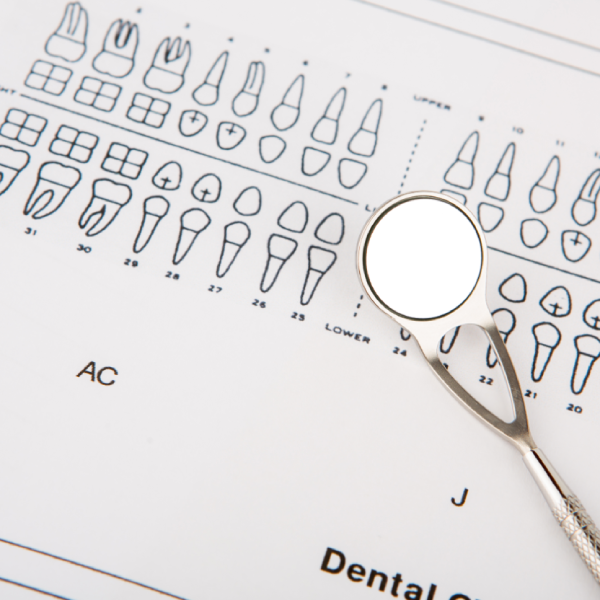
Factors That Can Add (or Reduce) Appointments in Your Case
The number of visits is not only about the procedure. Your starting point and your goals can change how many appointments are needed.
Common reasons a plan may take more visits include:
- Active decay, gum inflammation, or a tooth infection that needs treatment first
- Older crowns, bridges, or root canals that must be evaluated or replaced
- Complex bite issues, jaw discomfort, or heavy grinding that requires extra checks
- Healing time after extractions, implants, or gum procedures
- Wanting multiple try-ins for shade, shape, or smile design
On the other hand, appointments may be fewer when your mouth is stable, records are complete, and the treatment can be planned in one coordinated sequence.
The most accurate estimate comes after an exam and imaging, so ask your dentist to outline which steps are essential and which are optional for your priorities and travel schedule.
HealRoad can help you share your case details and compare clinics in Turkey so you can understand likely visit counts before you book travel.
Factors That Can Add (or Reduce) Appointments in Your Case
The number of visits is not only about the procedure. Your starting point and your goals can change how many appointments are needed.
Common reasons a plan may take more visits include:
- Active decay, gum inflammation, or a tooth infection that needs treatment first
- Older crowns, bridges, or root canals that must be evaluated or replaced
- Complex bite issues, jaw discomfort, or heavy grinding that requires extra checks
- Healing time after extractions, implants, or gum procedures
- Wanting multiple try-ins for shade, shape, or smile design
On the other hand, appointments may be fewer when your mouth is stable, records are complete, and the treatment can be planned in one coordinated sequence.
The most accurate estimate comes after an exam and imaging, so ask your dentist to outline which steps are essential and which are optional for your priorities and travel schedule.
HealRoad can help you share your case details and compare clinics in Turkey so you can understand likely visit counts before you book travel.
Coordinating Treatment Abroad: How Clinics Compress the Schedule Safely
When you travel for dental care, clinics often try to reduce the number of appointments by organizing steps in a tight, planned sequence. The goal is to use your time efficiently while still following the clinical process.
Safe schedule compression usually depends on:
- Pre-trip review of x-rays, photos, and medical history so the first in-person visit is productive
- Same-day diagnostics (exam and imaging) to confirm the plan before any irreversible work
- In-house or fast lab coordination for crowns, veneers, or temporary restorations
- Team-based care so different clinicians can handle separate steps without unnecessary gaps
- Built-in buffer time for bite adjustments, comfort checks, and unexpected findings
Even with good coordination, some treatments still require healing time or staged visits. Ask the clinic to outline what must happen on each day and what could change if your mouth responds differently than expected.
HealRoad can help you compare clinic schedules and understand which steps can realistically fit into your travel dates, so you can plan with fewer surprises.
Coordinating Treatment Abroad: How Clinics Compress the Schedule Safely
When you travel for dental care, clinics often try to reduce the number of appointments by organizing steps in a tight, planned sequence. The goal is to use your time efficiently while still following the clinical process.
Safe schedule compression usually depends on:
- Pre-trip review of x-rays, photos, and medical history so the first in-person visit is productive
- Same-day diagnostics (exam and imaging) to confirm the plan before any irreversible work
- In-house or fast lab coordination for crowns, veneers, or temporary restorations
- Team-based care so different clinicians can handle separate steps without unnecessary gaps
- Built-in buffer time for bite adjustments, comfort checks, and unexpected findings
Even with good coordination, some treatments still require healing time or staged visits. Ask the clinic to outline what must happen on each day and what could change if your mouth responds differently than expected.
HealRoad can help you compare clinic schedules and understand which steps can realistically fit into your travel dates, so you can plan with fewer surprises.
Conclusion
References


Article Contributors

Heal Road Medical Reviewer
Medical Reviewer

Heal Road Writer
Writer
- Views
- 154 views
- Reading Time
- Last Updated