


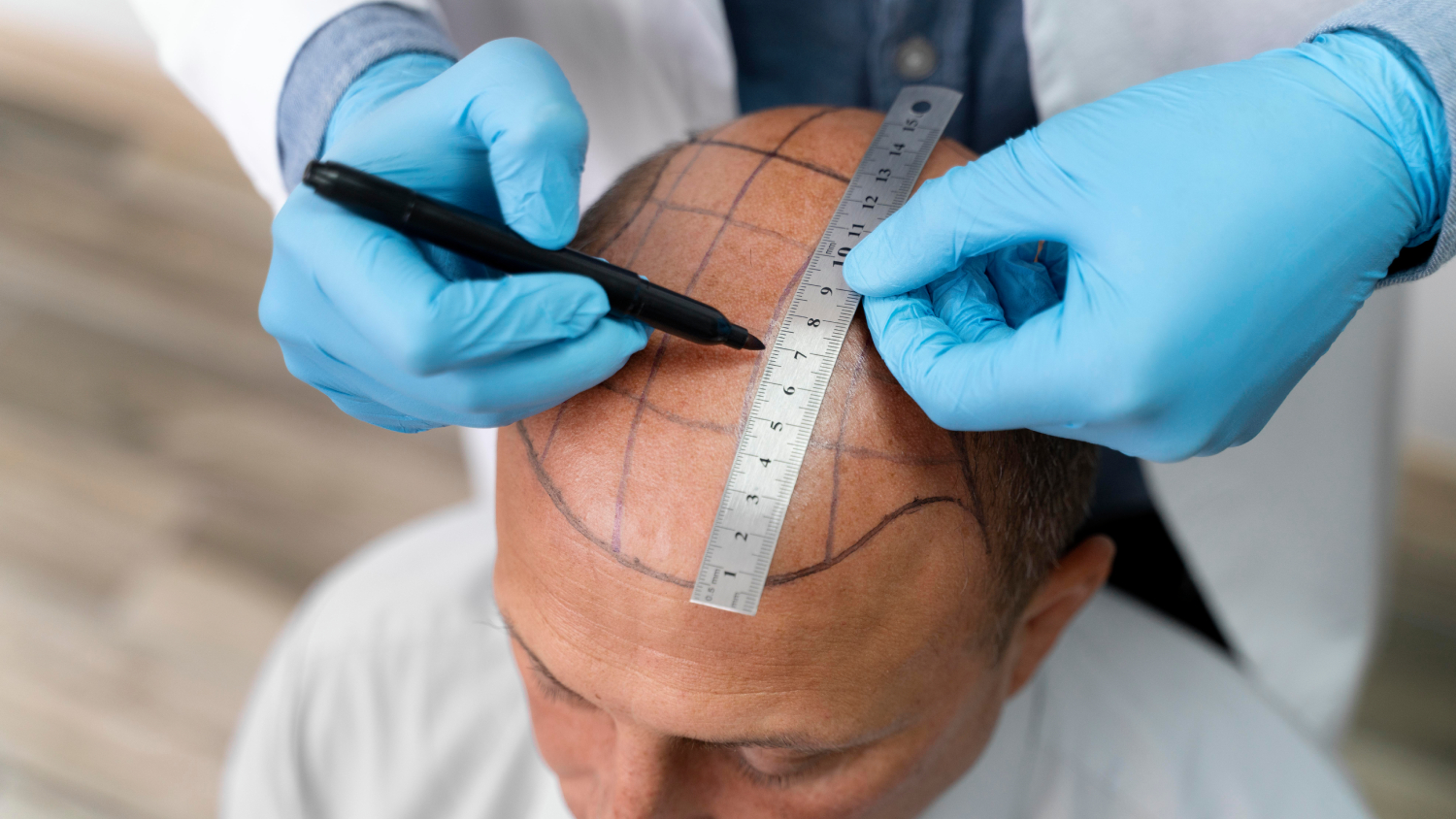
FUT Hair Transplantation: Restore Your Hairline
-
 Mejor precio garantizado
-
Solo clínicas acreditadas
-
Asistencia médica gratuita 24/7
 4–8 h
Duración
4–8 h
Duración
 7–10 d
Recuperación
7–10 d
Recuperación
 Mild
Dolor
Mild
Dolor
 Minimal
Cicatrices
Minimal
Cicatrices
 90–95 %
Éxito %
90–95 %
Éxito %
 Local
Anestesia
Local
Anestesia
 3–5 d
Estancia en Turquía
3–5 d
Estancia en Turquía
¿Qué es FUT Hair Transplantation?
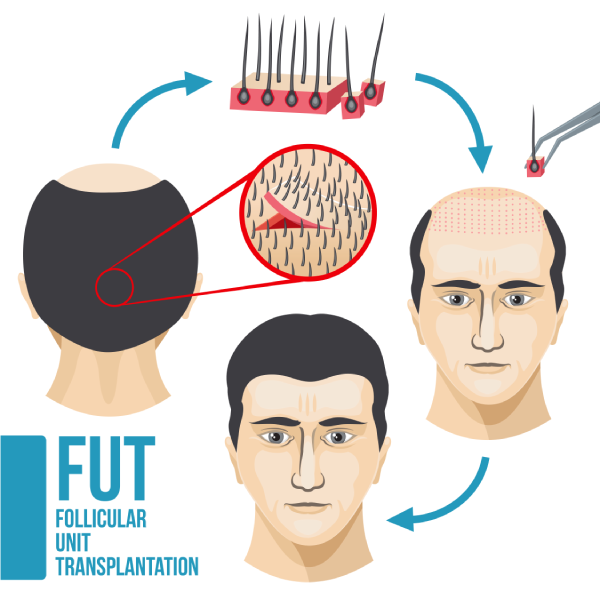
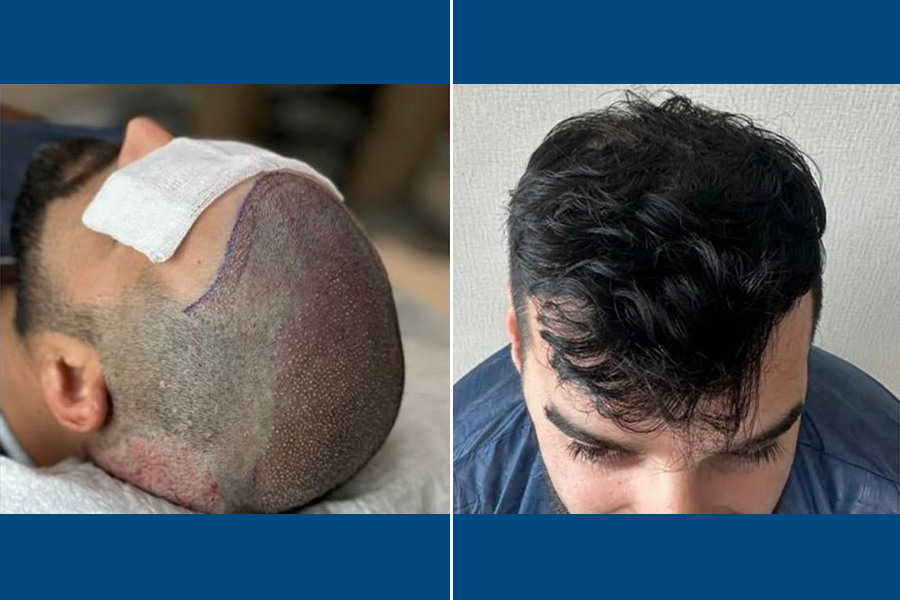
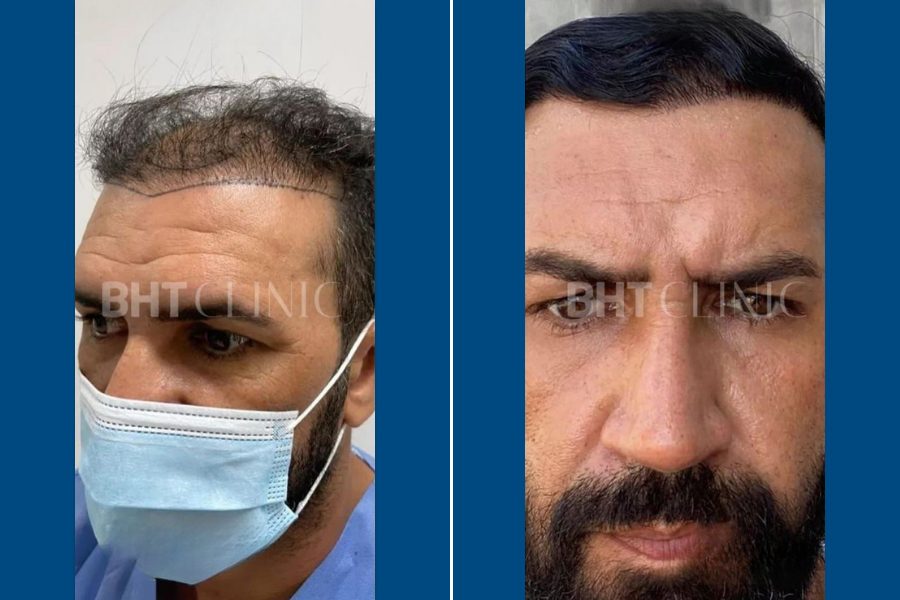
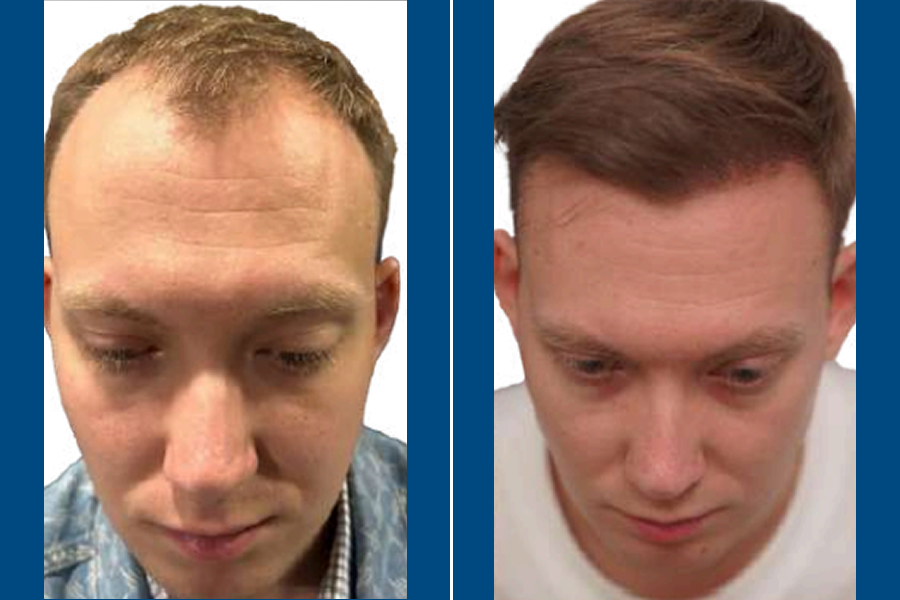
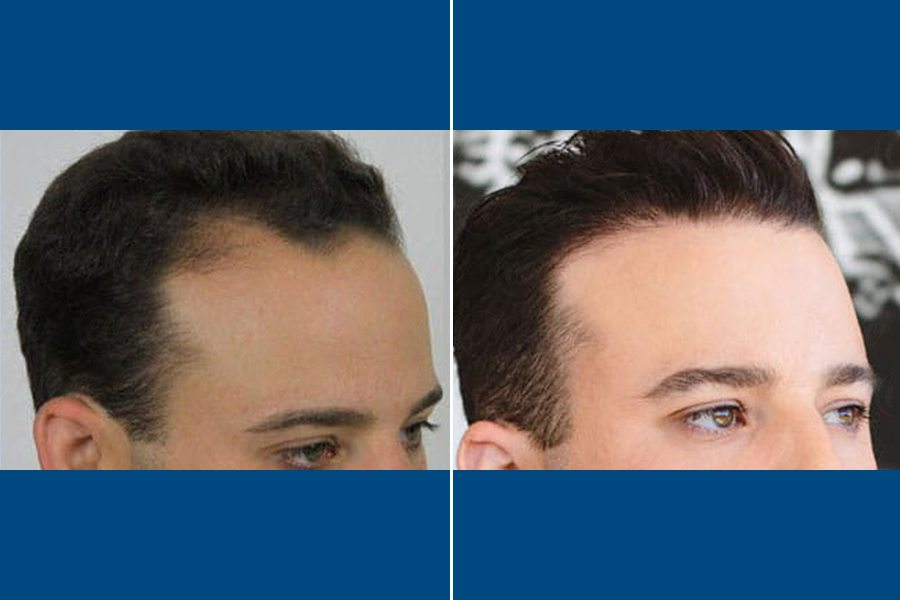
FUT hair transplantation (Follicular Unit Transplantation) is a well-established surgical technique for treating hair loss, particularly in cases of male or female pattern baldness. This method involves removing a thin strip of scalp, typically from the back or sides of the head where hair is more resistant to balding. The strip is then meticulously dissected under a microscope into individual follicular units, each containing one to four hairs.
These follicular units are carefully implanted into areas experiencing thinning or baldness. The FUT approach allows for the transplantation of a large number of grafts in a single session, resulting in natural-looking hair growth and a permanent solution to hair loss. Scarring is minimal and usually concealed by surrounding hair.

¿Para quién es FUT Hair Transplantation?
FUT (Follicular Unit Transplantation) hair transplantation is best suited for individuals seeking a permanent solution to hair loss, particularly those who:
- Have moderate to advanced hair loss or thinning, especially in the crown or hairline areas.
- Possess sufficient donor hair at the back or sides of the scalp, as these areas provide the grafts for transplantation.
- Prefer a high number of grafts in a single session, making it ideal for those needing extensive coverage.
- Are comfortable with a linear scar that can be easily concealed by longer hair.
This method is especially recommended for patients who prioritize maximum graft yield and natural-looking results, and who do not mind a slightly longer recovery period compared to other techniques.

¿Cómo se realiza FUT Hair Transplantation?
FUT (Follicular Unit Transplantation) hair transplantation is a proven surgical technique for restoring natural hair growth in areas affected by hair loss. This method involves removing a thin strip of scalp from the donor area, typically the back or sides of the head, and then transplanting individual follicular units into the thinning or balding areas.
-
Consultation and Hairline Design
The process begins with a thorough consultation with your hair restoration specialist. Your scalp is examined, your hair loss pattern is assessed, and your goals are discussed. Together, you and your surgeon design a natural-looking hairline and plan the number of grafts needed for optimal results.
-
Donor Area Preparation and Strip Removal
The donor area at the back or sides of your scalp is trimmed and numbed with local anesthesia. A thin, elliptical strip of scalp containing healthy hair follicles is carefully removed. The area is then sutured closed, leaving a fine, linear scar that is easily concealed by surrounding hair.
-
Follicular Unit Dissection
Under high-powered microscopes, a skilled team meticulously dissects the donor strip into individual follicular units (each containing 1–4 hairs). This careful process ensures that each graft remains healthy and intact for transplantation.
-
Recipient Site Creation
The recipient area is numbed with local anesthesia. Tiny incisions are made in the scalp, following the natural direction and pattern of your hair growth. The surgeon strategically plans the placement of each graft to achieve a dense, natural appearance.
-
Graft Placement
The dissected follicular units are carefully implanted into the prepared recipient sites. This step requires precision and artistry to ensure proper angle, depth, and distribution for a seamless, natural result.
-
Post-Operative Care and Recovery
After the procedure, you’ll receive detailed instructions on caring for both the donor and recipient areas. Mild swelling, redness, or discomfort is normal and usually subsides within a few days. Stitches in the donor area are removed after about 10–14 days. Most patients can return to normal activities within a week.
¿Recuperación y expectativas?
The recovery process after FUT (Follicular Unit Transplantation) hair transplantation is a gradual journey, with each stage playing a crucial role in achieving optimal growth and natural-looking results. Understanding the recovery timeline will help you prepare for what to expect and ensure the best possible outcome by following your surgeon’s instructions.
-
Immediate Post-Operative Period (First 1–2 weeks)
In the first few days, you may experience mild pain, swelling, and tightness in both the donor area (typically the back of the scalp) and the recipient area. Small scabs will form around the transplanted follicles, and the donor incision will be closed with sutures or staples. It is important to avoid strenuous activities, keep your head elevated while sleeping, and follow all wound care instructions. Most patients can return to non-strenuous work within 7–10 days.
-
Early Healing and Suture Removal (2–3 weeks)
By the end of the second week, scabs typically flake off, and any redness or swelling subsides. Sutures or staples in the donor area are usually removed 10–14 days after the procedure. You may notice some shedding of transplanted hairs this is a normal part of the process called "shock loss" and is temporary. Gentle hair washing can usually resume after the first week, as advised by your surgeon.
-
Initial Hair Shedding and Dormancy (1–3 months)
During this phase, most of the transplanted hairs will shed, and new growth is not yet visible. The scalp continues to heal, and any lingering numbness or tightness in the donor area gradually improves. It is important to avoid sun exposure and harsh hair treatments during this time. Most patients can resume regular exercise and daily routines after 3–4 weeks.
-
New Hair Growth (3–6 months)
Around the third month, new hair begins to emerge from the transplanted follicles. Initially, the hair may be thin and fine, but it will thicken over time. The donor area scar continues to mature and fade. Regular gentle hair care and follow-up visits with your surgeon are recommended to monitor progress.
-
Full Results and Long-Term Care (6–12 months and beyond)
By 6–12 months, significant hair growth and density become apparent, with final results typically visible at the one-year mark. The donor scar becomes less noticeable, especially as hair grows longer. To maintain your results, continue proper scalp care, avoid trauma to the area, and attend any recommended follow-up appointments. Long-term, transplanted hair will grow naturally and can be washed, cut, and styled as usual.
¿Por qué elegir Türkiye para FUT Hair Transplantation?
Türkiye stands out as a premier destination for FUT (Follicular Unit Transplantation) hair transplantation, offering a blend of medical expertise, advanced surgical techniques, and exceptional value. Patients from around the world choose Türkiye for FUT procedures because of its highly trained hair restoration specialists and modern clinics that adhere to international healthcare standards.
FUT hair transplantation, known for its effectiveness in treating extensive hair loss and delivering natural-looking results, is performed by Türkiye’s experienced surgeons who utilize the latest innovations to ensure minimal scarring and optimal hair density. The country’s commitment to patient safety and personalized care makes it a top choice for those seeking lasting solutions for hair restoration.
- Türkiye is home to world-renowned hair transplant surgeons with extensive experience in FUT procedures, ensuring precise graft placement and natural results.
- Clinics are equipped with state-of-the-art technology for hair analysis, graft preparation, and transplantation, maximizing the success of each procedure.
- Competitive pricing and comprehensive packages make FUT hair transplantation in Türkiye highly affordable compared to many Western countries, without compromising on quality.
- Clinics are accredited by international organizations, ensuring strict adherence to safety and hygiene protocols throughout your treatment journey.
- Türkiye’s convenient location and excellent transportation links make it easily accessible for international patients seeking hair restoration.
- Patients can enjoy a unique blend of medical care and tourism, exploring Türkiye’s vibrant culture, cuisine, and scenic attractions during their recovery.
Türkiye’s leadership in health tourism is reflected in the millions of international patients who trust its clinics for hair transplantation each year. With a reputation for reliable, high-quality care and a focus on patient satisfaction, Türkiye ensures your FUT hair transplant journey is both successful and memorable.
Calculadora de costos del tratamiento
Obtén un precio promedio adaptado a tus necesidades.
Precio
Precios de otros países

Preguntas frecuentes sobre FUT Hair Transplantation
Colaboradores de la página

Revisor médico de Heal Road
Revisor médico

Redactor de Heal Road
Redactor
- Vistas
- 1058 vistas
- Tiempo de lectura
- Última actualización
Artículos relacionados
Guías e información relacionadas con este tratamiento.
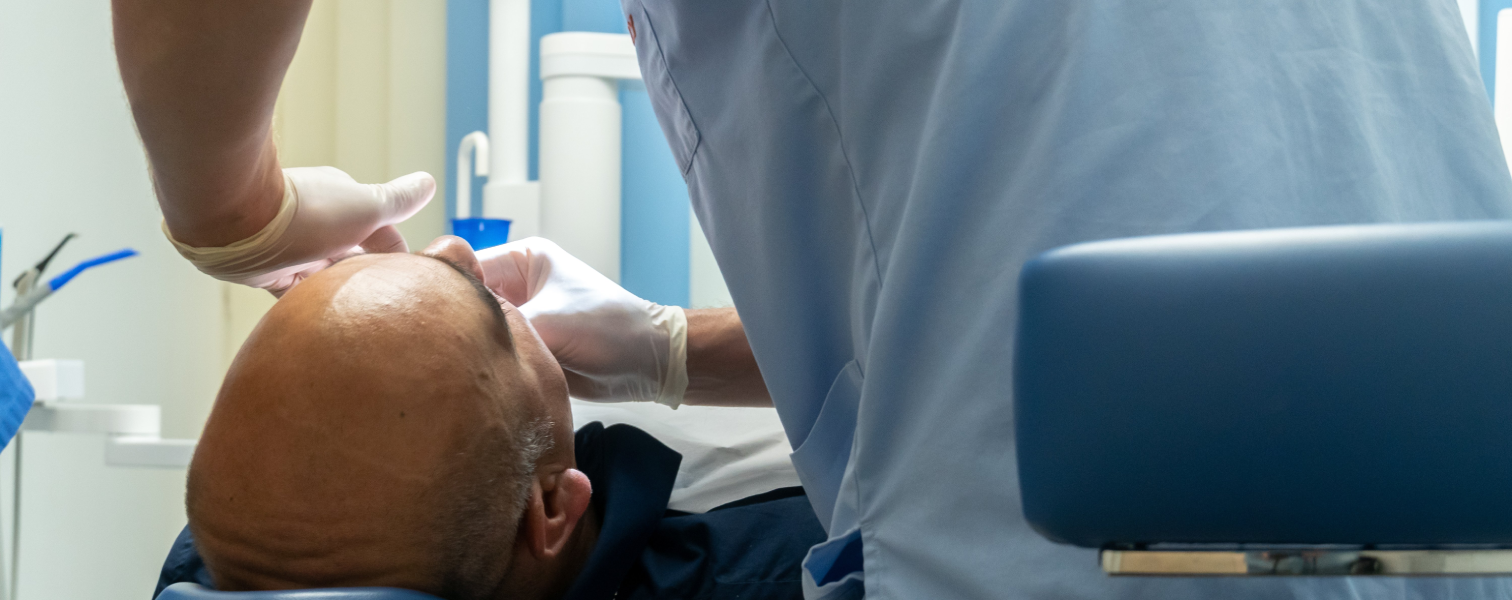
Guía paso a paso del trasplante capilar FUT en Turquía
La trasplantación de unidades foliculares (FUT), a menudo llamada "método de la tira", es una técnica quirúrgica de restauración capilar en la que se extrae una fina tira de cuero cabelludo, por lo general de la parte posterior de la cabeza, se divide en injertos de unidades foliculares bajo microscopio y luego se implanta en zonas con adelgazamiento o calvicie. Turquía es un destino habitual para la FUT porque muchas clínicas ofrecen un alto volumen de procedimientos, equipos con experiencia y paquetes integrales que pueden reducir los costos totales del viaje y del tratamiento. Esta guía paso a paso explica qué suele ocurrir antes, durante y después de una FUT en Turquía, qué plazos esperar y cómo elegir un proveedor seguro y de buena reputación.
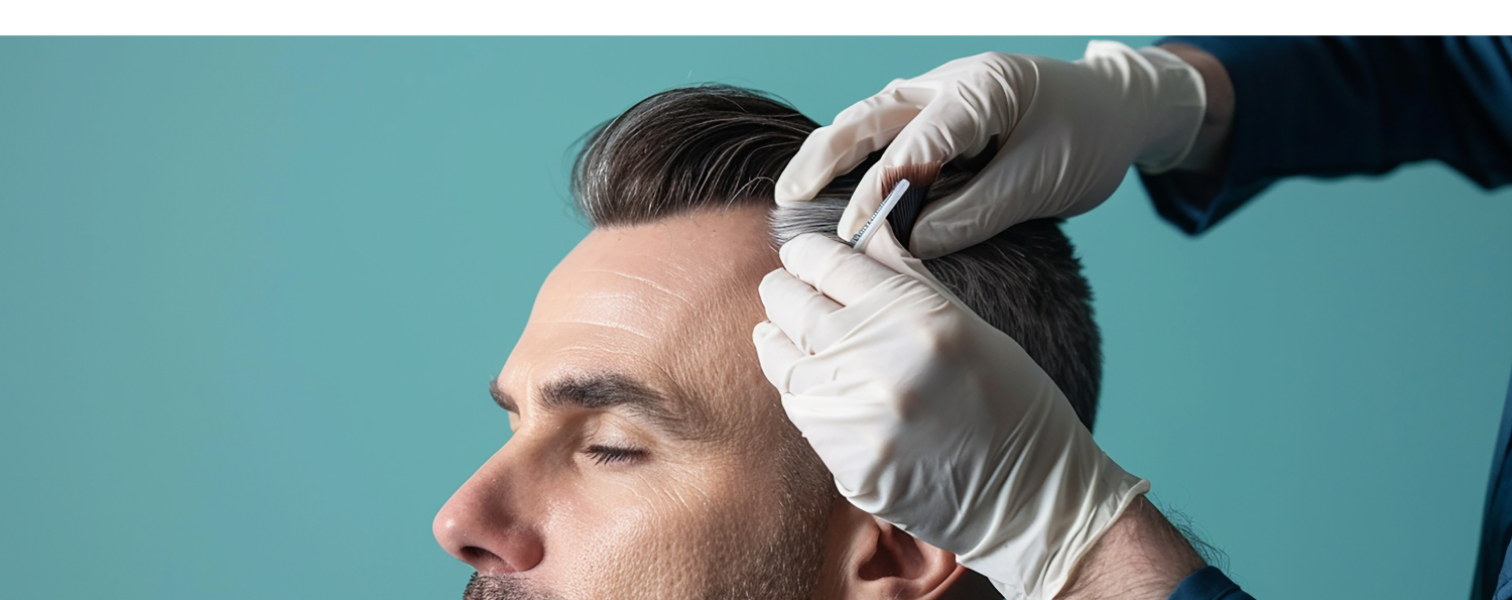
Guía paso a paso del trasplante capilar Long DHI en Turquía
Long DHI (implantación capilar directa) es una variante del trasplante capilar FUE en la que las unidades foliculares extraídas se implantan directamente en el cuero cabelludo con un implantador tipo bolígrafo, conocido habitualmente como pluma de Choi. "Long DHI" suele referirse a la implantación de injertos mientras el cabello de la zona receptora se mantiene más largo, lo que puede ayudar a disimular el aspecto en el postoperatorio temprano en candidatos adecuados. Turquía es un destino popular para este procedimiento debido al alto volumen de casos, los equipos quirúrgicos con experiencia y los costes comparativamente más bajos. Esta guía paso a paso explica qué ocurre antes, durante y después de un trasplante capilar Long DHI, cómo suelen ser los plazos de los resultados y cómo reducir riesgos y evitar errores frecuentes al elegir una clínica en el extranjero.
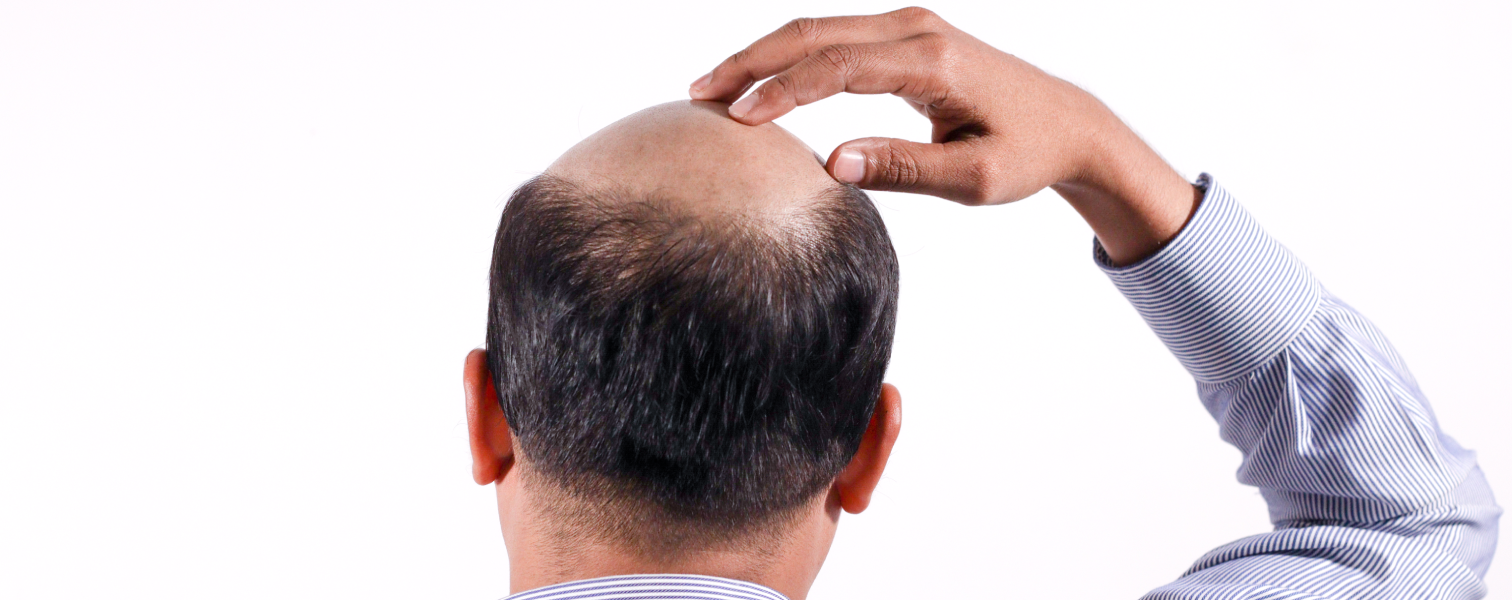
Guía paso a paso del trasplante capilar con rapado en Turquía
El trasplante capilar con rapado es una técnica en la que se rasura la zona donante, normalmente la parte posterior y los laterales del cuero cabelludo, y a menudo también la zona receptora, para permitir una extracción y colocación precisas de los injertos. En Turquía, el trasplante con rapado se utiliza habitualmente con la técnica FUE (extracción de unidades foliculares) y puede mejorar la visibilidad para el equipo quirúrgico, lo que potencialmente favorece una manipulación eficiente de los injertos y patrones de implantación uniformes. Esta guía explica lo que suele ocurrir antes, durante y después de un trasplante capilar con rapado en Turquía, qué conviene llevar y planificar, y cómo abordar los cuidados posteriores y el seguimiento para lograr una recuperación lo más segura posible y la mejor probabilidad de un crecimiento con aspecto natural.
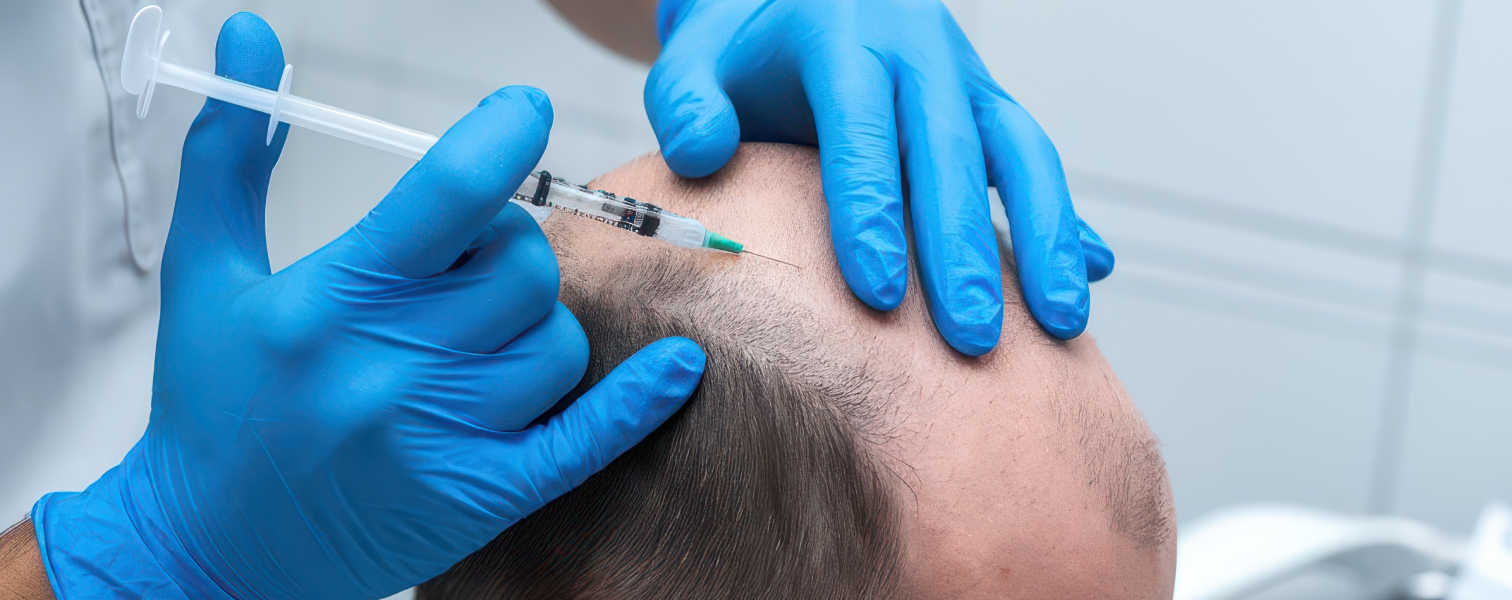
Guía paso a paso del trasplante capilar SDHI en Turquía
El SDHI (implantación capilar directa con zafiro) es un enfoque moderno de restauración capilar utilizado en Turquía que combina aspectos de la implantación tipo DHI con hojas de zafiro para crear los sitios receptores. El objetivo es colocar las unidades foliculares con gran precisión mientras se minimiza el trauma en el tejido circundante, lo que puede favorecer una recuperación más rápida y una densidad de aspecto natural cuando lo realiza un equipo con experiencia. Esta guía paso a paso explica lo que suele ocurrir antes, durante y después de un trasplante capilar SDHI en Turquía, incluida la preparación, el día del procedimiento, los cuidados posteriores y los plazos realistas de crecimiento.
CómoFunciona HealRoad
Contigo. En cada paso del camino | Del descubrimiento a la recuperación

Crear una solicitud de tratamiento
Cuéntanos tu tratamiento y las fechas ideales; envía una sola vez (menos de 2 minutos). Tu coordinador personal te saluda y confirma los detalles.

Recibe ofertas de clínicas
Clínicas verificadas revisan tu solicitud y envían ofertas transparentes. Tu coordinador comparte una lista clara de opciones y responde preguntas.

Compara y elige
Consulta los perfiles de la clínica y del médico, mira qué está incluido y elige la mejor opción para ti, con la orientación de tu coordinador.

Reserva tu tratamiento y viaje
El mismo coordinador programa tus citas, cuidados posteriores y logística (recogida en el aeropuerto, intérprete). Visitas ligeras opcionales si tu médico lo aprueba. Disfruta tu experiencia en Türkiye.
Tus ventajas con HealRoad

Ofertas instantáneas
Recibe y compara ofertas de tratamiento de las mejores clínicas en cuestión de minutos, sin lista de espera.

Precio fijo transparente
Mantén tu presupuesto bajo control con paquetes todo incluido, sin costos adicionales ocultos.

Coordinador personal 24/7
Desde la reserva del vuelo hasta la recuperación completa, recibe orientación dedicada siempre que necesites ayuda.
Botan
Gerente personal de Heal Road
Desde el descubrimiento
hasta la recuperación


Del descubrimiento a la recuperación
contigo, en cada paso del camino
Comparte algunos detalles y te responderemos con las mejores opciones.

Coordinador
Contacto rápido por WhatsApp
Emin
Gerente personal de Heal Road

Acerca de
Estoy aquí para ayudarte durante todo tu proceso médico con Heal Road.