


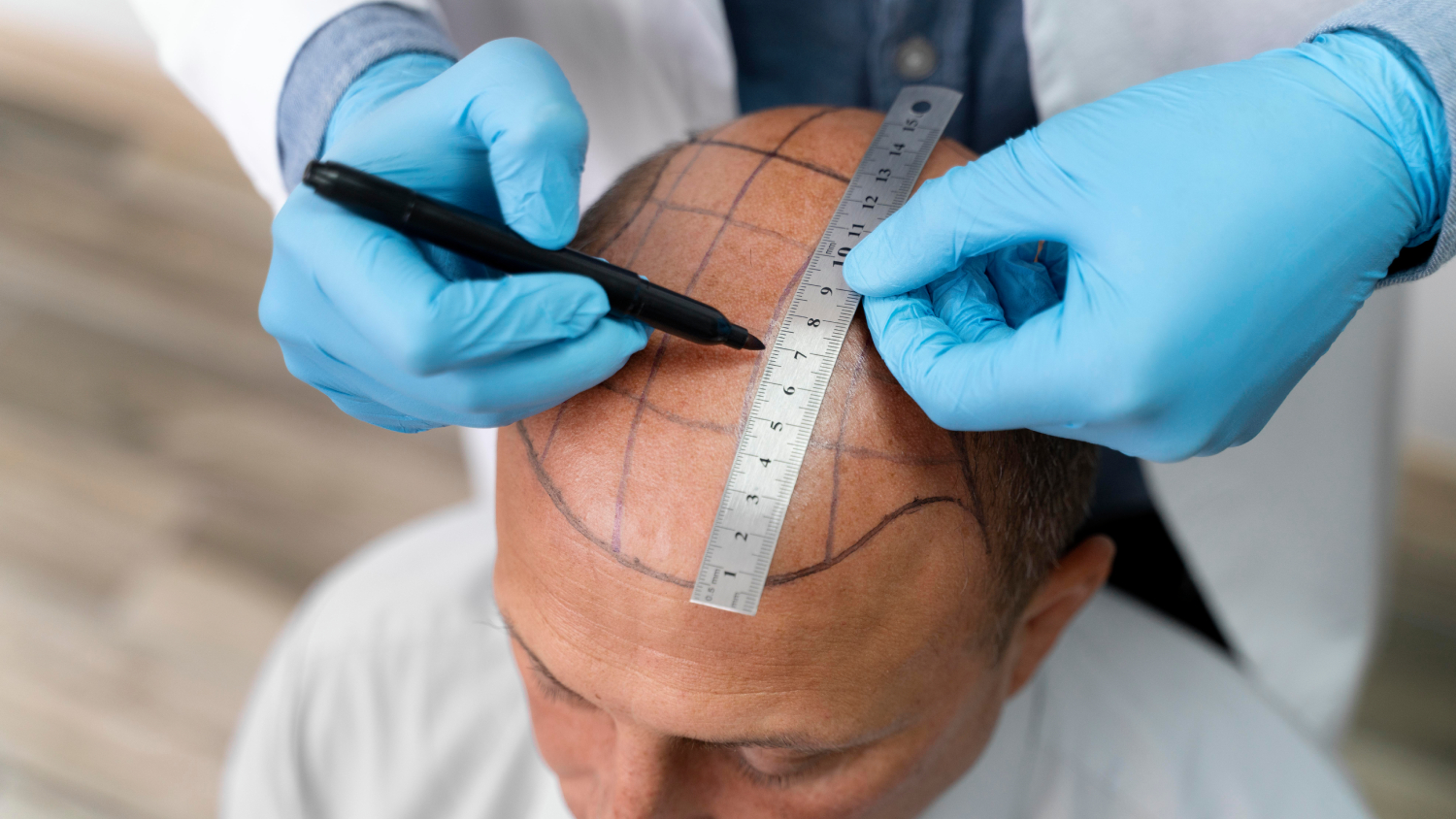
FUT Hair Transplantation: Restore Your Hairline
-
 Best Price Guaranteed
-
Accredited Clinics Only
-
Free 24/7 Medical Assistance
 4–8 h
Durata
4–8 h
Durata
 7–10 d
Recupero
7–10 d
Recupero
 Mild
Dolore
Mild
Dolore
 Minimal
Cicatrice
Minimal
Cicatrice
 90–95 %
Tasso successo
90–95 %
Tasso successo
 Local
Anestesia
Local
Anestesia
 3–5 d
Soggiorno in Turchia
3–5 d
Soggiorno in Turchia
What is FUT Hair Transplantation?
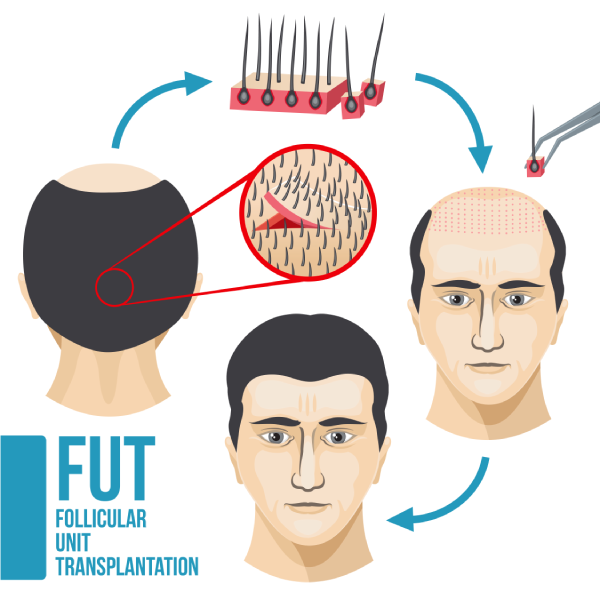
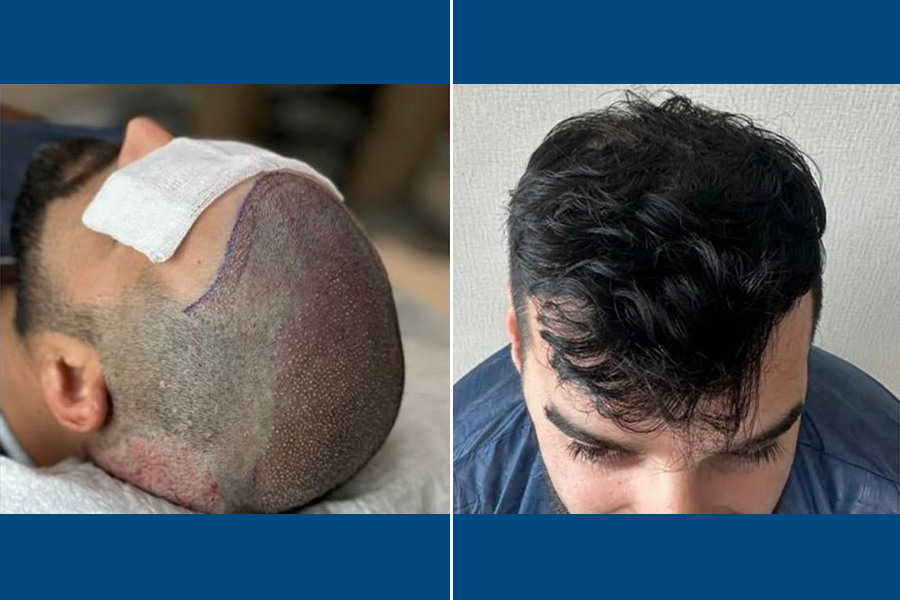
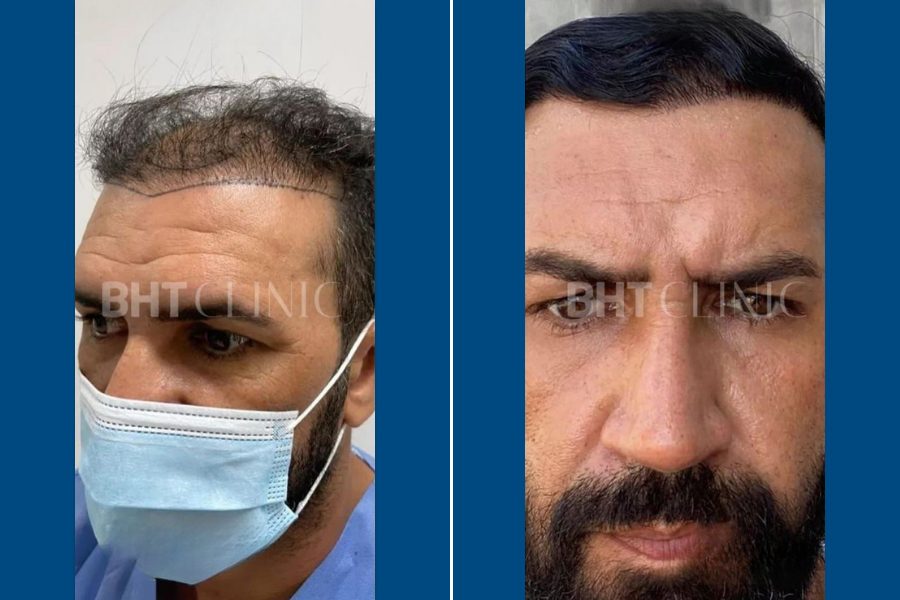
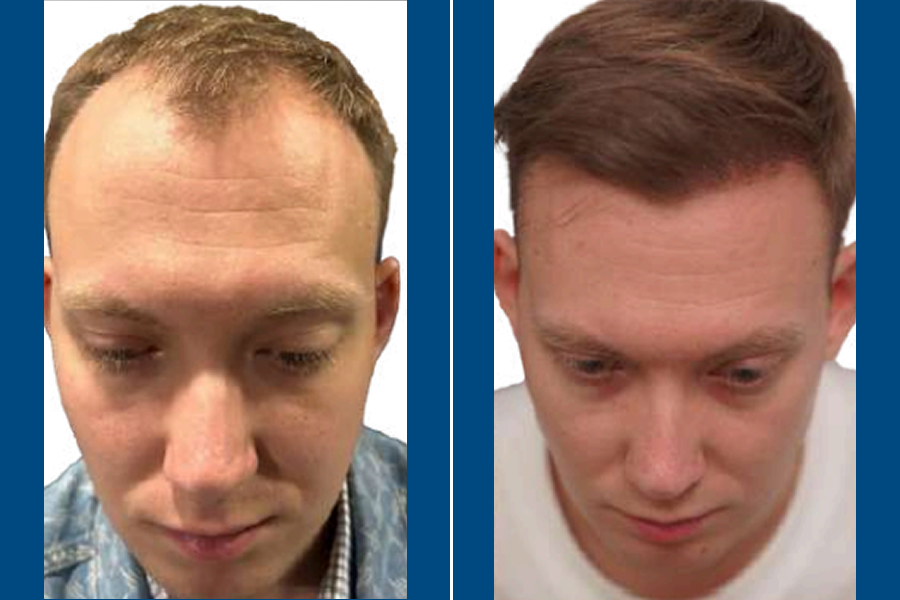
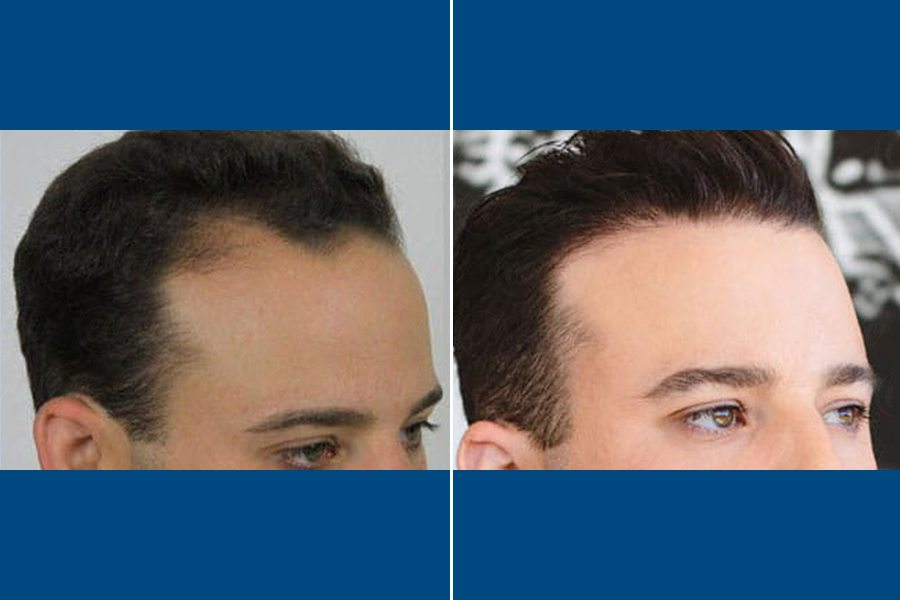
FUT hair transplantation (Follicular Unit Transplantation) is a well-established surgical technique for treating hair loss, particularly in cases of male or female pattern baldness. This method involves removing a thin strip of scalp, typically from the back or sides of the head where hair is more resistant to balding. The strip is then meticulously dissected under a microscope into individual follicular units, each containing one to four hairs.
These follicular units are carefully implanted into areas experiencing thinning or baldness. The FUT approach allows for the transplantation of a large number of grafts in a single session, resulting in natural-looking hair growth and a permanent solution to hair loss. Scarring is minimal and usually concealed by surrounding hair.

Who is FUT Hair Transplantation for?
FUT (Follicular Unit Transplantation) hair transplantation is best suited for individuals seeking a permanent solution to hair loss, particularly those who:
- Have moderate to advanced hair loss or thinning, especially in the crown or hairline areas.
- Possess sufficient donor hair at the back or sides of the scalp, as these areas provide the grafts for transplantation.
- Prefer a high number of grafts in a single session, making it ideal for those needing extensive coverage.
- Are comfortable with a linear scar that can be easily concealed by longer hair.
This method is especially recommended for patients who prioritize maximum graft yield and natural-looking results, and who do not mind a slightly longer recovery period compared to other techniques.

How is FUT Hair Transplantation done?
FUT (Follicular Unit Transplantation) hair transplantation is a proven surgical technique for restoring natural hair growth in areas affected by hair loss. This method involves removing a thin strip of scalp from the donor area, typically the back or sides of the head, and then transplanting individual follicular units into the thinning or balding areas.
-
Consultation and Hairline Design
The process begins with a thorough consultation with your hair restoration specialist. Your scalp is examined, your hair loss pattern is assessed, and your goals are discussed. Together, you and your surgeon design a natural-looking hairline and plan the number of grafts needed for optimal results.
-
Donor Area Preparation and Strip Removal
The donor area at the back or sides of your scalp is trimmed and numbed with local anesthesia. A thin, elliptical strip of scalp containing healthy hair follicles is carefully removed. The area is then sutured closed, leaving a fine, linear scar that is easily concealed by surrounding hair.
-
Follicular Unit Dissection
Under high-powered microscopes, a skilled team meticulously dissects the donor strip into individual follicular units (each containing 1–4 hairs). This careful process ensures that each graft remains healthy and intact for transplantation.
-
Recipient Site Creation
The recipient area is numbed with local anesthesia. Tiny incisions are made in the scalp, following the natural direction and pattern of your hair growth. The surgeon strategically plans the placement of each graft to achieve a dense, natural appearance.
-
Graft Placement
The dissected follicular units are carefully implanted into the prepared recipient sites. This step requires precision and artistry to ensure proper angle, depth, and distribution for a seamless, natural result.
-
Post-Operative Care and Recovery
After the procedure, you’ll receive detailed instructions on caring for both the donor and recipient areas. Mild swelling, redness, or discomfort is normal and usually subsides within a few days. Stitches in the donor area are removed after about 10–14 days. Most patients can return to normal activities within a week.
Recovery and expectation?
The recovery process after FUT (Follicular Unit Transplantation) hair transplantation is a gradual journey, with each stage playing a crucial role in achieving optimal growth and natural-looking results. Understanding the recovery timeline will help you prepare for what to expect and ensure the best possible outcome by following your surgeon’s instructions.
-
Immediate Post-Operative Period (First 1–2 weeks)
In the first few days, you may experience mild pain, swelling, and tightness in both the donor area (typically the back of the scalp) and the recipient area. Small scabs will form around the transplanted follicles, and the donor incision will be closed with sutures or staples. It is important to avoid strenuous activities, keep your head elevated while sleeping, and follow all wound care instructions. Most patients can return to non-strenuous work within 7–10 days.
-
Early Healing and Suture Removal (2–3 weeks)
By the end of the second week, scabs typically flake off, and any redness or swelling subsides. Sutures or staples in the donor area are usually removed 10–14 days after the procedure. You may notice some shedding of transplanted hairs this is a normal part of the process called "shock loss" and is temporary. Gentle hair washing can usually resume after the first week, as advised by your surgeon.
-
Initial Hair Shedding and Dormancy (1–3 months)
During this phase, most of the transplanted hairs will shed, and new growth is not yet visible. The scalp continues to heal, and any lingering numbness or tightness in the donor area gradually improves. It is important to avoid sun exposure and harsh hair treatments during this time. Most patients can resume regular exercise and daily routines after 3–4 weeks.
-
New Hair Growth (3–6 months)
Around the third month, new hair begins to emerge from the transplanted follicles. Initially, the hair may be thin and fine, but it will thicken over time. The donor area scar continues to mature and fade. Regular gentle hair care and follow-up visits with your surgeon are recommended to monitor progress.
-
Full Results and Long-Term Care (6–12 months and beyond)
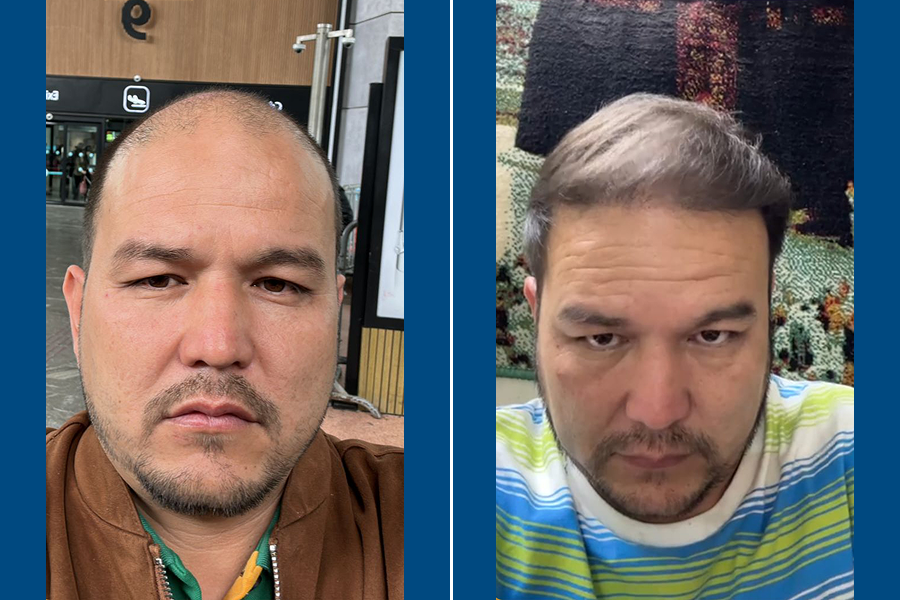
By 6–12 months, significant hair growth and density become apparent, with final results typically visible at the one-year mark. The donor scar becomes less noticeable, especially as hair grows longer. To maintain your results, continue proper scalp care, avoid trauma to the area, and attend any recommended follow-up appointments. Long-term, transplanted hair will grow naturally and can be washed, cut, and styled as usual.
Why Choose Türkiye for FUT Hair Transplantation?
Türkiye stands out as a premier destination for FUT (Follicular Unit Transplantation) hair transplantation, offering a blend of medical expertise, advanced surgical techniques, and exceptional value. Patients from around the world choose Türkiye for FUT procedures because of its highly trained hair restoration specialists and modern clinics that adhere to international healthcare standards.
FUT hair transplantation, known for its effectiveness in treating extensive hair loss and delivering natural-looking results, is performed by Türkiye’s experienced surgeons who utilize the latest innovations to ensure minimal scarring and optimal hair density. The country’s commitment to patient safety and personalized care makes it a top choice for those seeking lasting solutions for hair restoration.
- Türkiye is home to world-renowned hair transplant surgeons with extensive experience in FUT procedures, ensuring precise graft placement and natural results.
- Clinics are equipped with state-of-the-art technology for hair analysis, graft preparation, and transplantation, maximizing the success of each procedure.
- Competitive pricing and comprehensive packages make FUT hair transplantation in Türkiye highly affordable compared to many Western countries, without compromising on quality.
- Clinics are accredited by international organizations, ensuring strict adherence to safety and hygiene protocols throughout your treatment journey.
- Türkiye’s convenient location and excellent transportation links make it easily accessible for international patients seeking hair restoration.
- Patients can enjoy a unique blend of medical care and tourism, exploring Türkiye’s vibrant culture, cuisine, and scenic attractions during their recovery.
Türkiye’s leadership in health tourism is reflected in the millions of international patients who trust its clinics for hair transplantation each year. With a reputation for reliable, high-quality care and a focus on patient satisfaction, Türkiye ensures your FUT hair transplant journey is both successful and memorable.
Calcolatore del costo del trattamento
Get a tailored average price for your needs.
Prezzo
Prezzi di altri paesi

Frequently Asked Questions about FUT Hair Transplantation
Page Contributors

Heal Road Medical Reviewer
Medical Reviewer

Autore di Heal Road
Autore
- Visualizzazioni
- 1055 visualizzazioni
- Tempo di lettura
- Ultimo aggiornamento
Related Articles
Guide e approfondimenti collegati a questo trattamento.
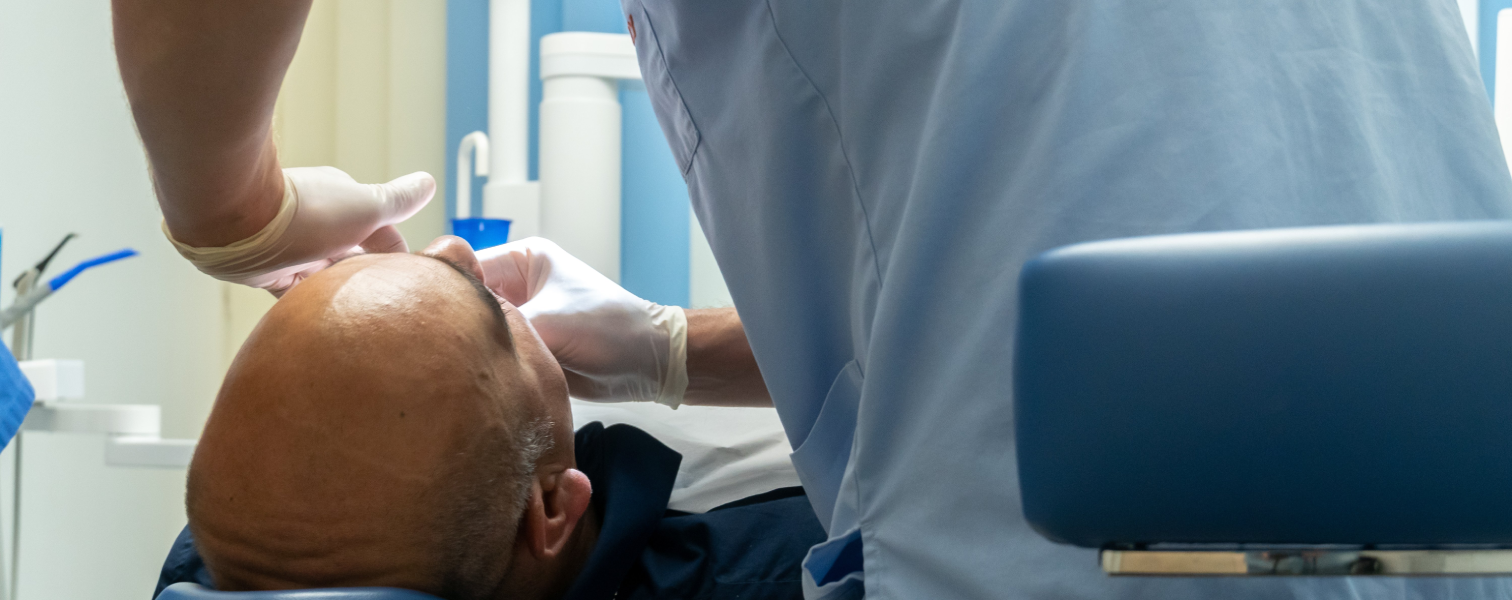
Guida passo dopo passo al trapianto di capelli FUT in Turchia
Il trapianto di unità follicolari (FUT), spesso chiamato "metodo della striscia", è una tecnica chirurgica di ripristino dei capelli in cui viene rimossa una sottile striscia di cuoio capelluto, di solito dalla parte posteriore della testa, sezionata al microscopio in innesti di unità follicolari e poi impiantata nelle aree diradate o calve. La Turchia è una destinazione comune per la FUT perché molte cliniche offrono un elevato volume di interventi, team esperti e pacchetti completi che possono ridurre i costi complessivi di viaggio e trattamento. Questa guida passo dopo passo spiega cosa accade di solito prima, durante e dopo una FUT in Turchia, quali tempistiche aspettarsi e come scegliere un fornitore sicuro e affidabile.
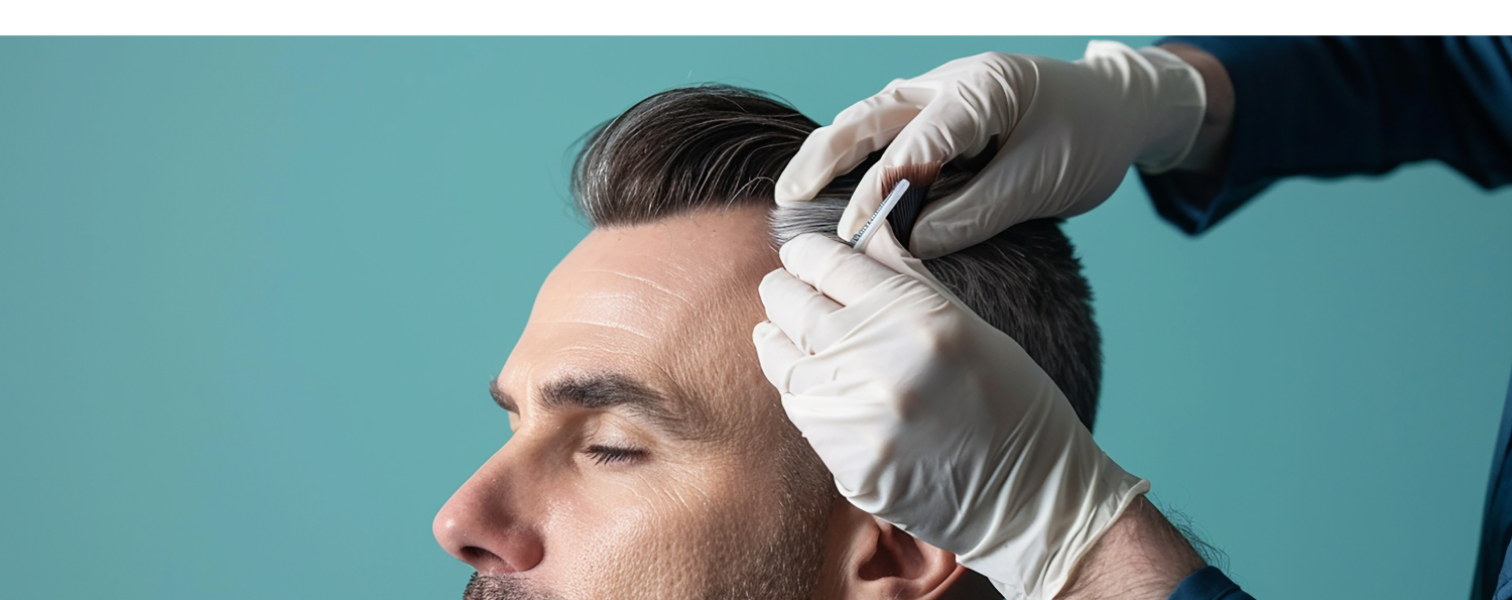
Guida passo dopo passo al trapianto di capelli Long DHI in Turchia
Il Long DHI (Direct Hair Implantation) è una variante del trapianto di capelli FUE in cui le unità follicolari estratte vengono impiantate direttamente nel cuoio capelluto con un impiantatore a forma di penna, comunemente chiamato penna di Choi. Con "Long DHI" si intende in genere l'impianto degli innesti mantenendo più lunghi i capelli nell'area ricevente, il che può aiutare a mascherare l'aspetto nei primi giorni post-operatori nei candidati idonei. La Turchia è una destinazione molto richiesta per questa procedura grazie all'elevato numero di casi trattati, ai team chirurgici esperti e ai costi relativamente più contenuti. Questa guida passo dopo passo spiega cosa accade prima, durante e dopo un trapianto di capelli Long DHI, quali sono le tempistiche dei risultati e come ridurre i rischi ed evitare gli errori più comuni nella scelta di una clinica all'estero.
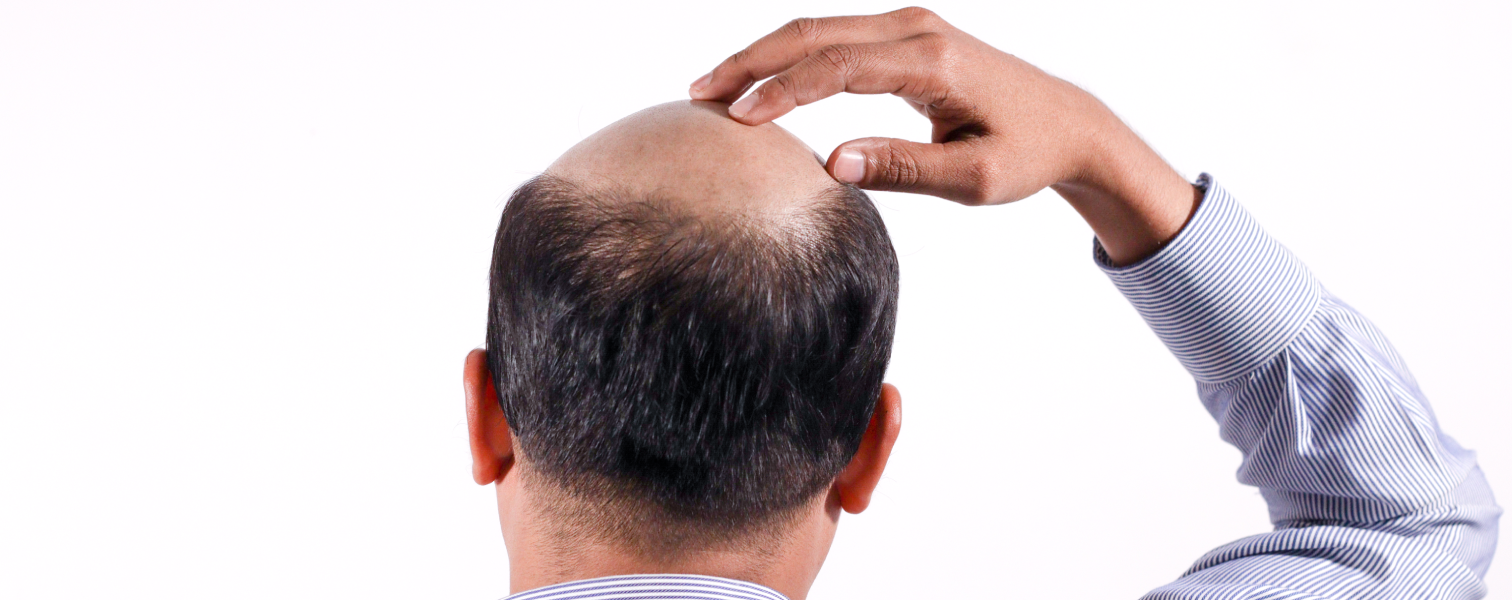
Guida passo dopo passo al trapianto di capelli rasati in Turchia
Il trapianto di capelli rasati è una tecnica in cui l'area donatrice, di solito la parte posteriore e i lati del cuoio capelluto, e spesso anche l'area ricevente, vengono rasate per consentire un'estrazione e un posizionamento precisi degli innesti. In Turchia, il trapianto con rasatura è comunemente eseguito con la FUE (estrazione di unità follicolari) e può migliorare la visibilità per il team chirurgico, favorendo una gestione efficiente degli innesti e schemi di impianto uniformi. Questa guida spiega cosa accade di solito prima, durante e dopo un trapianto di capelli rasati in Turchia, cosa mettere in valigia e come organizzarsi, e come affrontare le cure post-operatorie e il follow-up per un recupero il più possibile sicuro e la migliore probabilità di una ricrescita dall'aspetto naturale.
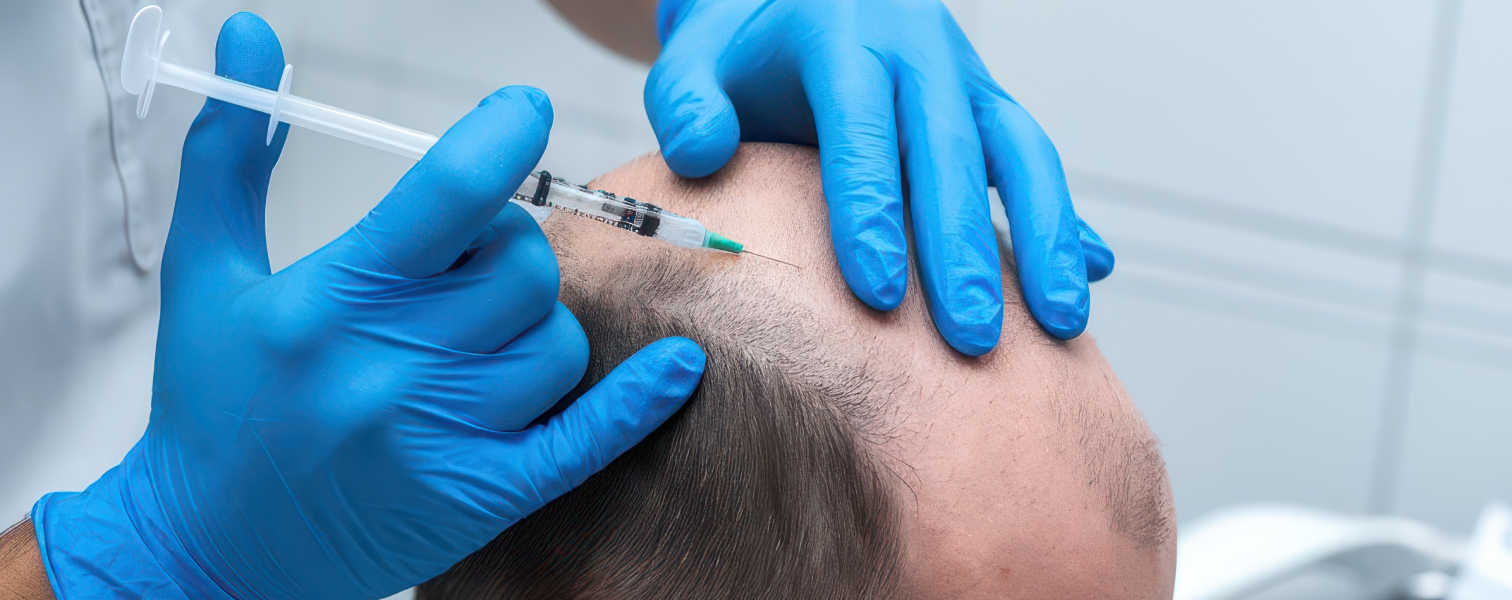
Guida passo dopo passo al trapianto di capelli SDHI in Turchia
L'SDHI (Sapphire Direct Hair Implantation) è un moderno approccio di ripristino dei capelli utilizzato in Turchia che combina alcuni aspetti dell'impianto in stile DHI con lame in zaffiro per la creazione dei siti riceventi. L'obiettivo è posizionare le unità follicolari con elevata precisione, riducendo al minimo il trauma ai tessuti circostanti, il che può favorire un recupero più rapido e una densità dall'aspetto naturale quando la procedura viene eseguita da un team esperto. Questa guida passo dopo passo spiega cosa accade di solito prima, durante e dopo un trapianto di capelli SDHI in Turchia, inclusi la preparazione, la giornata dell'intervento, le cure post-operatorie e tempistiche realistiche di ricrescita.
ComeFunziona HealRoad
Con te. Ogni passo del percorso | Dalla scoperta al recupero

Crea una richiesta di trattamento
Dicci il trattamento che desideri e le date ideali: invia una sola volta (meno di 2 minuti). Il tuo coordinatore personale ti saluta e conferma i dettagli.

Ricevi offerte dalle cliniche
Le cliniche verificate esaminano la tua richiesta e inviano offerte trasparenti. Il tuo coordinatore ti propone una chiara selezione e risponde alle domande.

Confronta e scegli
Controlla i profili di cliniche e medici, vedi cosa è incluso e scegli la soluzione migliore per te, con la guida del tuo coordinatore.

Prenota il tuo trattamento e viaggio
Lo stesso coordinatore programma i tuoi appuntamenti, l’assistenza post-operatoria e la logistica (transfer dall’aeroporto, interprete). Visite leggere opzionali se approvate dal tuo medico. Goditi la tua esperienza in Türkiye.
I tuoi vantaggi con HealRoad

Offerte Istantanee
Ricevi e confronta le offerte di trattamento dalle migliori cliniche in pochi minuti, senza lista d’attesa.

Prezzo fisso trasparente
Tieni il tuo budget sotto controllo con pacchetti tutto incluso, senza costi extra nascosti.

Coordinatore personale 24/7
Dalla prenotazione del volo al pieno recupero, ricevi assistenza dedicata ogni volta che ne hai bisogno.

Botan
Personal Heal Road Manager
Dalla scoperta
alla guarigione


Dalla Scoperta al Recupero
with you, every step of the journey
Condividi alcuni dettagli e ti ricontatteremo con le migliori opzioni.

Coordinatore
Contatto rapido WhatsApp
Emin
Personal Heal Road Manager

Informazioni
Sono qui per assisterti durante tutto il tuo percorso medico con Heal Road.