



Revision Hair Transplantation: Restore Your Roots
-
 Best Price Guaranteed
-
Accredited Clinics Only
-
Free 24/7 Medical Assistance
 6–8 h
Durata
6–8 h
Durata
 Local
Anestesia
Local
Anestesia
 7–10 d
Recupero
7–10 d
Recupero
 Mild
Dolore
Mild
Dolore
 Minimal
Cicatrice
Minimal
Cicatrice
 90–95 %
Tasso successo
90–95 %
Tasso successo
 3–5 d
Soggiorno in Turchia
3–5 d
Soggiorno in Turchia
What is Revision Hair Transplantation?
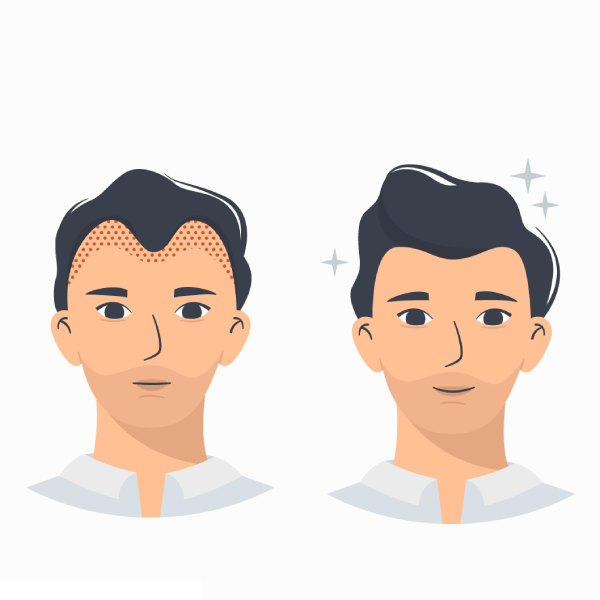
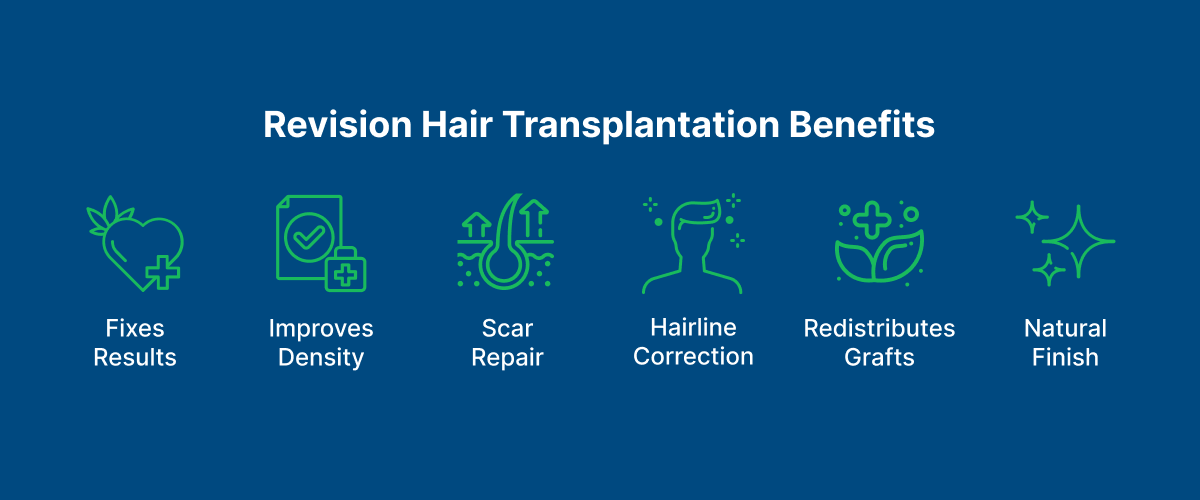
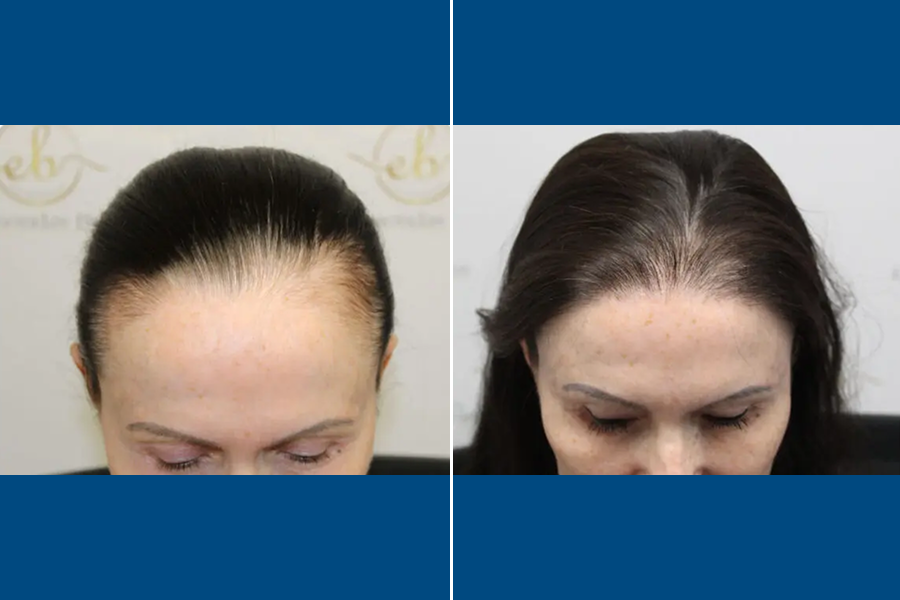
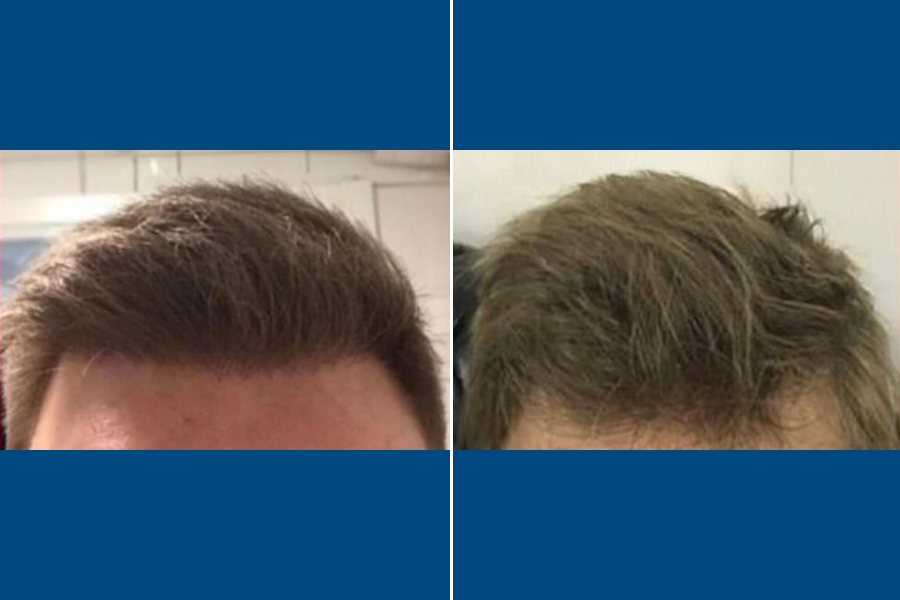
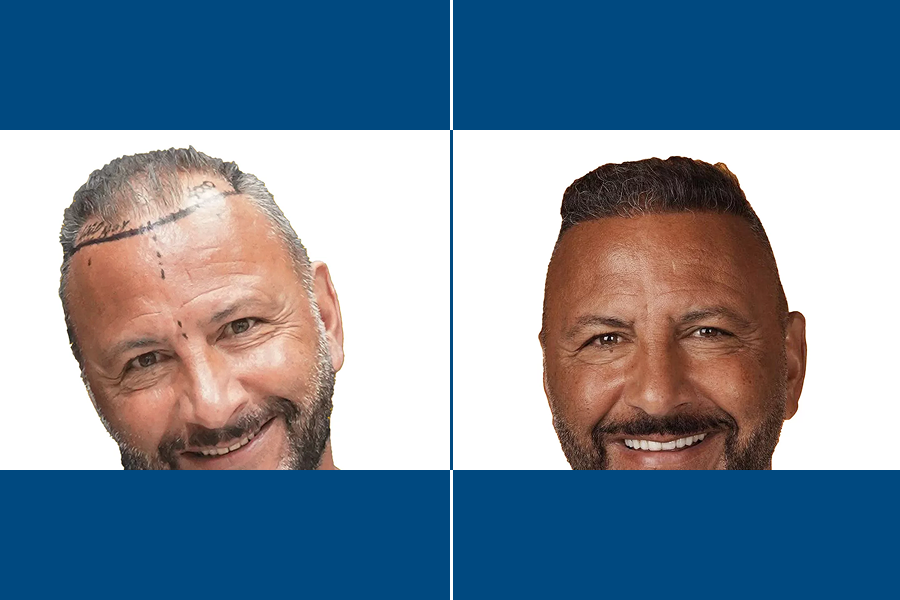
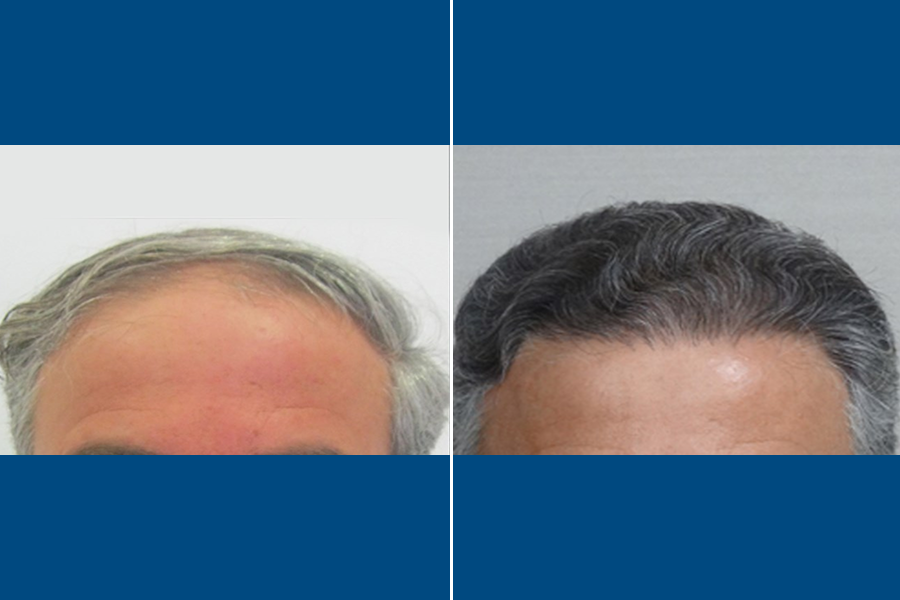
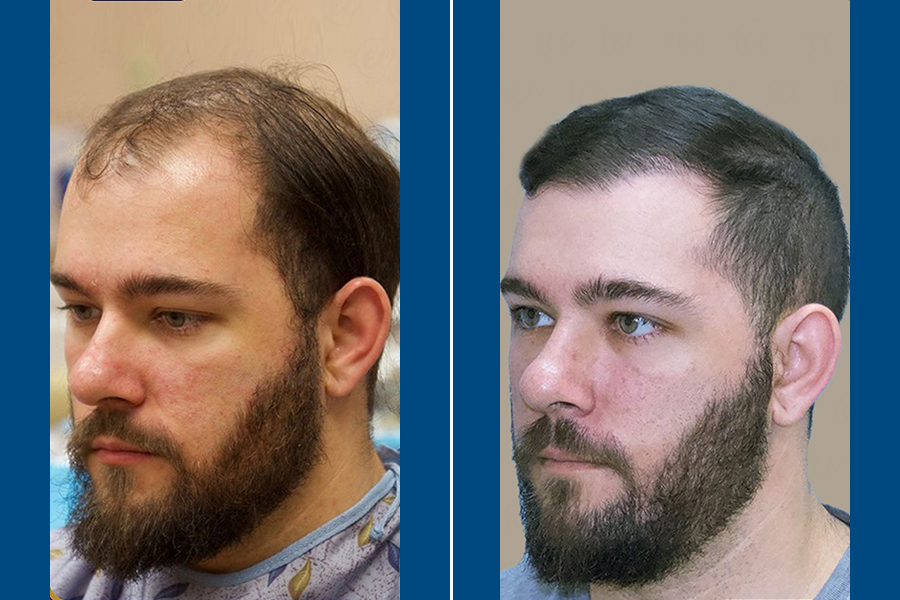
Revision hair transplantation is a specialized procedure designed for individuals who are dissatisfied with the results of a previous hair transplant. This advanced treatment addresses issues such as unnatural hairlines, poor hair density, visible scarring, or misplaced grafts from earlier surgeries. By utilizing modern techniques like Follicular Unit Extraction (FUE) or Follicular Unit Transplantation (FUT), skilled surgeons carefully remove, redistribute, or add new hair follicles to achieve a more natural and aesthetically pleasing appearance.
Each revision is highly personalized, focusing on correcting prior mistakes and optimizing hair growth patterns. The ultimate goal is to deliver improved coverage, enhanced density, and a seamless, natural-looking hairline for greater patient satisfaction and confidence.

Who is Revision Hair Transplantation for?
Revision hair transplantation is designed for individuals who have previously undergone hair transplant procedures but are dissatisfied with the results. This treatment is particularly suitable for:
- Patients experiencing unnatural hairlines, visible scarring, or uneven hair growth from earlier transplants.
- Individuals who have suffered poor graft survival or patchy density after their initial procedure.
- Those seeking to correct outdated techniques, such as pluggy or doll-like appearances, with modern, natural-looking results.
- People in good general health with sufficient donor hair available for corrective work.
By addressing previous unsatisfactory outcomes, revision hair transplantation offers a customized solution to restore confidence and achieve a more aesthetically pleasing appearance.
How is Revision Hair Transplantation done?
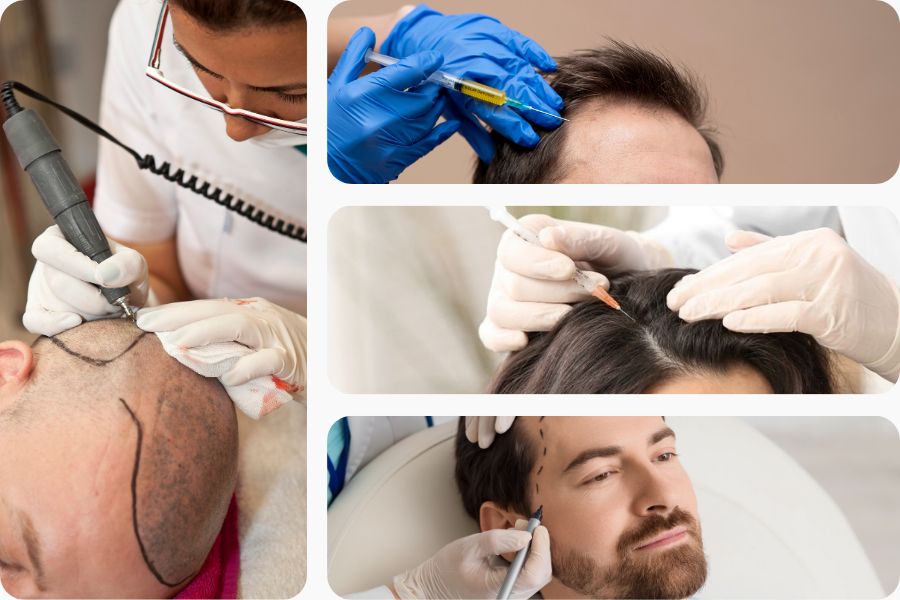
Revision hair transplantation is a highly specialized procedure designed to correct or improve the results of a previous hair transplant. Whether due to unnatural hairline design, poor graft survival, scarring, or unsatisfactory density, this treatment aims to restore a natural, aesthetically pleasing appearance and boost your confidence.
-
Comprehensive Assessment and Planning
The process begins with a thorough consultation and evaluation by a hair restoration specialist. Your scalp is examined to assess the previous transplant results, donor area availability, hair characteristics, and scalp health. Advanced imaging and digital analysis may be used to design a personalized revision plan tailored to your goals.
-
Preparation and Anesthesia
On the day of the procedure, the scalp is cleaned and marked for the areas requiring correction. Local anesthesia is administered to ensure maximum comfort throughout the surgery. Sedation may also be offered for enhanced relaxation.
-
Removal or Camouflage of Unnatural Grafts
If previous grafts were placed at unnatural angles or in the wrong locations, they may be carefully extracted using minimally invasive techniques. Alternatively, camouflage techniques such as implanting new grafts in front of or around existing ones can soften harsh hairlines or fill in sparse areas.
-
Harvesting and Transplantation of New Grafts
Healthy hair follicles are harvested from the donor area (usually the back or sides of the scalp) using advanced techniques like FUE (Follicular Unit Extraction) or, in select cases, FUT (Follicular Unit Transplantation). These grafts are then meticulously implanted into the recipient areas, following a natural hairline and growth pattern to achieve seamless results.
-
Scar Revision and Refinement
If visible scarring from previous surgeries is present, scar revision techniques such as grafting into the scar tissue or surgical scar excision may be performed to improve scalp appearance.
-
Post-Operative Care and Follow-Up
After the procedure, you will receive detailed aftercare instructions to promote healing and optimize results. Follow-up appointments are scheduled to monitor progress, address any concerns, and ensure the transplanted hair is growing as expected.
Recovery and expectation?
The recovery journey after a Revision Hair Transplantation is unique, as it addresses previous transplant challenges while aiming for natural-looking, lasting results. Understanding the stages of healing will help you set realistic expectations and follow your surgeon’s advice for optimal recovery.
-
Immediate Post-Procedure (First 7–10 days)
In the initial days, you may experience swelling, redness, and mild discomfort in both the donor and recipient areas. Tiny scabs will form around the transplanted follicles. It is important to avoid touching or scratching the scalp, follow prescribed medication regimens, and sleep with your head elevated to minimize swelling. Gentle hair washing, as instructed by your surgeon, is typically allowed after a few days.
-
Early Healing Phase (2–4 weeks)
Most scabs fall off by the end of the second week. Some transplanted hairs may shed a normal process called "shock loss." The scalp may remain slightly pink or sensitive, especially in areas previously treated. You can usually return to work and light activities within 7–10 days, but should avoid strenuous exercise, swimming, and direct sun exposure for at least 3–4 weeks.
-
Growth and Regeneration (1–4 months)
After the initial shedding, new hair growth begins around the third or fourth month. The scalp continues to heal, and any lingering redness or sensitivity gradually subsides. It is important to maintain gentle scalp care and attend all follow-up appointments to monitor progress and address any concerns from previous procedures.
-
Visible Results (6–9 months)
By this stage, significant hair growth becomes noticeable, with improved density and coverage. The transplanted hair will thicken and blend more naturally with existing hair. Most patients can resume all normal activities, including hair styling and moderate sun exposure, but should continue to use gentle hair products and protect the scalp as advised.
-
Final Results and Long-Term Care (12–18 months)
Full results are typically achieved within 12 to 18 months. The hair will appear thicker, healthier, and more natural. To maintain your results, follow a healthy hair care routine, avoid harsh treatments, and schedule periodic check-ins with your hair restoration specialist. If you have any concerns related to previous transplants, discuss them promptly with your provider.
Why Choose Türkiye for Revision Hair Transplantation?
Türkiye is a top destination for Revision Hair Transplantation, offering a unique blend of medical expertise, cutting-edge technology, and affordable treatment options. Patients from around the world trust Turkish clinics to correct and enhance previous hair transplant results, thanks to the country’s reputation for excellence and innovation in hair restoration procedures.
Turkish hair transplant surgeons are renowned for their advanced skills in revision procedures, which require a higher level of precision and artistry compared to primary transplants. Clinics in Türkiye utilize the latest techniques such as FUE, DHI, and Sapphire FUE to address issues like unnatural hairlines, poor density, scarring, and graft misplacement, ensuring natural-looking and satisfying outcomes for each patient.
- Türkiye’s hair restoration specialists have extensive experience with complex revision cases, delivering tailored solutions for optimal results.
- Clinics are equipped with state-of-the-art technology and operate under international standards for safety and hygiene.
- High success rates in revision hair transplantation have made Türkiye a trusted choice for patients seeking corrective procedures.
- Competitive pricing and comprehensive packages (including accommodation and transfers) make treatment in Türkiye accessible and cost-effective.
- Türkiye’s strategic location allows for easy travel from Europe, the Middle East, and beyond, simplifying the journey for international patients.
- Patients can enjoy a restorative experience, combining their medical journey with Türkiye’s rich culture, cuisine, and scenic attractions.
As a global leader in health tourism, Türkiye welcomes hundreds of thousands of hair transplant patients annually. The country’s commitment to quality care, patient satisfaction, and innovation ensures that your revision hair transplant journey is both successful and memorable.
Calcolatore del costo del trattamento
Get a tailored average price for your needs.
Prezzo
Prezzi di altri paesi
Frequently Asked Questions about Revision Hair Transplantation
Page Contributors

Heal Road Medical Reviewer
Medical Reviewer

Autore di Heal Road
Autore
- Visualizzazioni
- 1085 visualizzazioni
- Tempo di lettura
- Ultimo aggiornamento
Related Articles
Guide e approfondimenti collegati a questo trattamento.

Guida passo dopo passo al trapianto di capelli correttivo in Turchia
Il trapianto di capelli correttivo è una procedura successiva pensata per migliorare l'aspetto, la densità, la direzione o la naturalezza complessiva di un precedente trapianto di capelli che non ha soddisfatto le aspettative. Si può ricorrere a un intervento correttivo dopo problemi come scarsa ricrescita, un'attaccatura dall'aspetto innaturale o irregolare, cicatrici visibili, angolazione inadeguata degli innesti o una perdita progressiva dei capelli che ha reso il lavoro precedente diradato o poco naturale. La Turchia è una destinazione frequente per i casi di revisione perché molte cliniche offrono un elevato volume di procedure, un'ampia gamma di tecniche (FUE, DHI, revisione della cicatrice FUT, innesti con capelli della barba o del corpo) e pacchetti di assistenza post operatoria per i pazienti internazionali. Poiché la chirurgia di revisione è spesso più complessa di un primo trapianto, a causa della limitata disponibilità dell'area donatrice, del tessuto cicatriziale e della necessità di proteggere gli innesti esistenti, una valutazione accurata e un piano in più fasi sono essenziali per ottenere risultati sicuri e realistici.
Guida passo dopo passo al trapianto di capelli Long DHI in Turchia
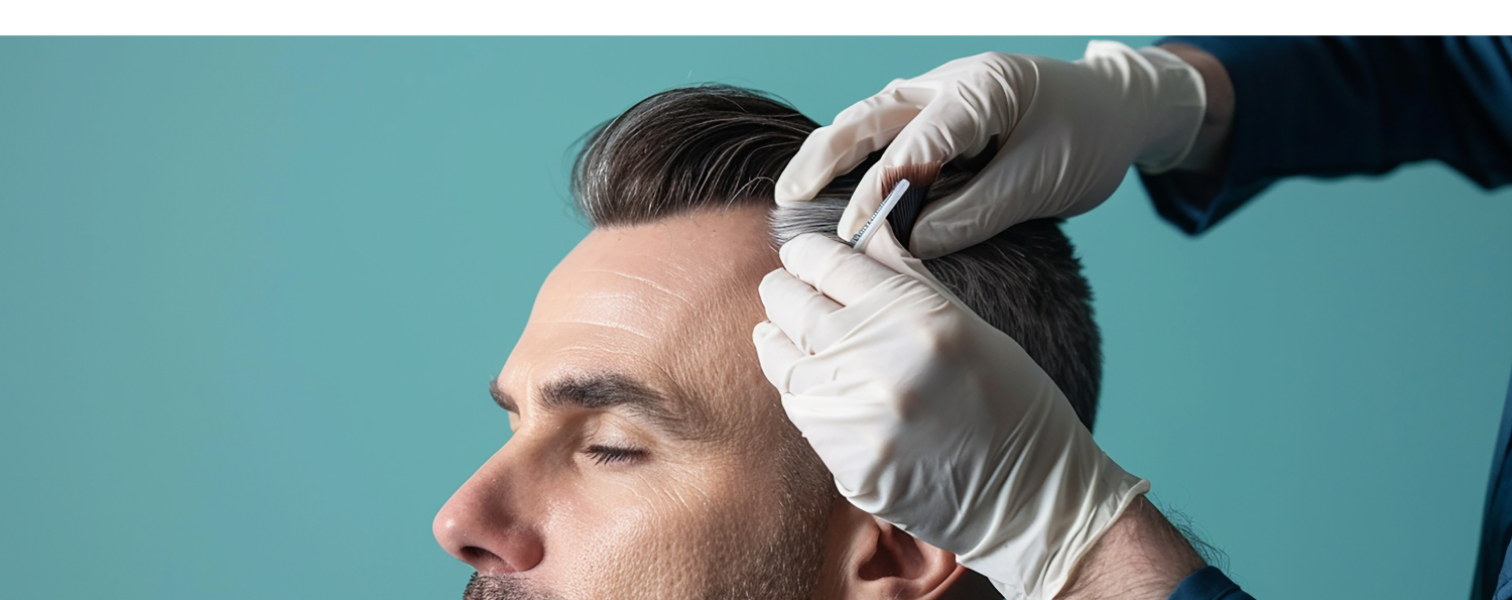
Il Long DHI (Direct Hair Implantation) è una variante del trapianto di capelli FUE in cui le unità follicolari estratte vengono impiantate direttamente nel cuoio capelluto con un impiantatore a forma di penna, comunemente chiamato penna di Choi. Con "Long DHI" si intende in genere l'impianto degli innesti mantenendo più lunghi i capelli nell'area ricevente, il che può aiutare a mascherare l'aspetto nei primi giorni post-operatori nei candidati idonei. La Turchia è una destinazione molto richiesta per questa procedura grazie all'elevato numero di casi trattati, ai team chirurgici esperti e ai costi relativamente più contenuti. Questa guida passo dopo passo spiega cosa accade prima, durante e dopo un trapianto di capelli Long DHI, quali sono le tempistiche dei risultati e come ridurre i rischi ed evitare gli errori più comuni nella scelta di una clinica all'estero.
Guida passo dopo passo al trapianto di capelli rasati in Turchia
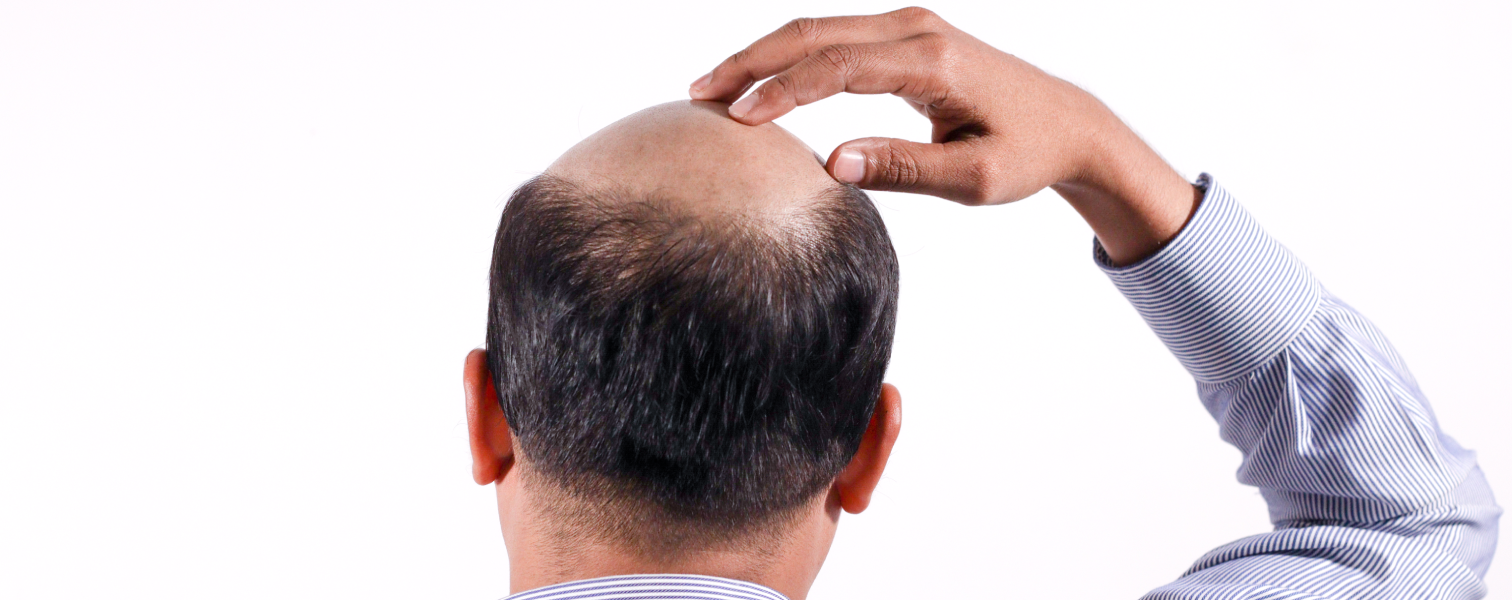
Il trapianto di capelli rasati è una tecnica in cui l'area donatrice, di solito la parte posteriore e i lati del cuoio capelluto, e spesso anche l'area ricevente, vengono rasate per consentire un'estrazione e un posizionamento precisi degli innesti. In Turchia, il trapianto con rasatura è comunemente eseguito con la FUE (estrazione di unità follicolari) e può migliorare la visibilità per il team chirurgico, favorendo una gestione efficiente degli innesti e schemi di impianto uniformi. Questa guida spiega cosa accade di solito prima, durante e dopo un trapianto di capelli rasati in Turchia, cosa mettere in valigia e come organizzarsi, e come affrontare le cure post-operatorie e il follow-up per un recupero il più possibile sicuro e la migliore probabilità di una ricrescita dall'aspetto naturale.
Guida passo dopo passo al trapianto di capelli SDHI in Turchia
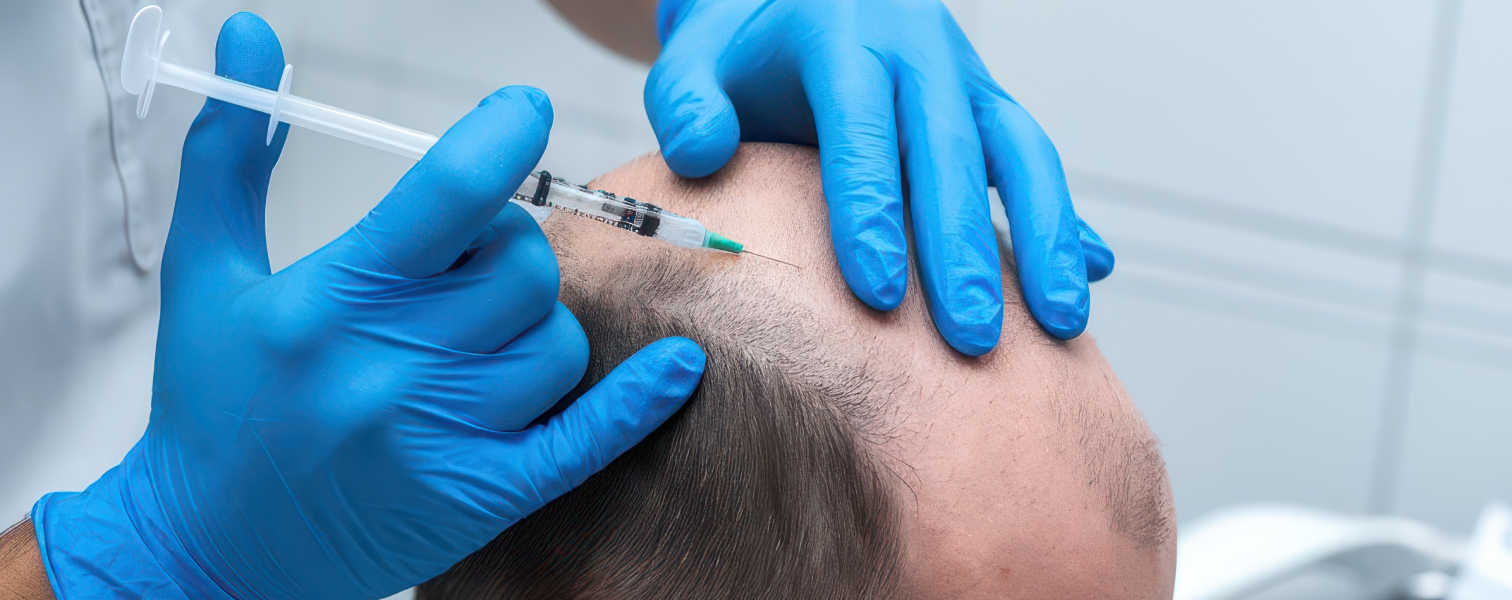
L'SDHI (Sapphire Direct Hair Implantation) è un moderno approccio di ripristino dei capelli utilizzato in Turchia che combina alcuni aspetti dell'impianto in stile DHI con lame in zaffiro per la creazione dei siti riceventi. L'obiettivo è posizionare le unità follicolari con elevata precisione, riducendo al minimo il trauma ai tessuti circostanti, il che può favorire un recupero più rapido e una densità dall'aspetto naturale quando la procedura viene eseguita da un team esperto. Questa guida passo dopo passo spiega cosa accade di solito prima, durante e dopo un trapianto di capelli SDHI in Turchia, inclusi la preparazione, la giornata dell'intervento, le cure post-operatorie e tempistiche realistiche di ricrescita.
ComeFunziona HealRoad
Con te. Ogni passo del percorso | Dalla scoperta al recupero

Crea una richiesta di trattamento
Dicci il trattamento che desideri e le date ideali: invia una sola volta (meno di 2 minuti). Il tuo coordinatore personale ti saluta e conferma i dettagli.

Ricevi offerte dalle cliniche
Le cliniche verificate esaminano la tua richiesta e inviano offerte trasparenti. Il tuo coordinatore ti propone una chiara selezione e risponde alle domande.

Confronta e scegli
Controlla i profili di cliniche e medici, vedi cosa è incluso e scegli la soluzione migliore per te, con la guida del tuo coordinatore.

Prenota il tuo trattamento e viaggio
Lo stesso coordinatore programma i tuoi appuntamenti, l’assistenza post-operatoria e la logistica (transfer dall’aeroporto, interprete). Visite leggere opzionali se approvate dal tuo medico. Goditi la tua esperienza in Türkiye.
I tuoi vantaggi con HealRoad

Offerte Istantanee
Ricevi e confronta le offerte di trattamento dalle migliori cliniche in pochi minuti, senza lista d’attesa.

Prezzo fisso trasparente
Tieni il tuo budget sotto controllo con pacchetti tutto incluso, senza costi extra nascosti.

Coordinatore personale 24/7
Dalla prenotazione del volo al pieno recupero, ricevi assistenza dedicata ogni volta che ne hai bisogno.

Botan
Personal Heal Road Manager
Dalla scoperta
alla guarigione


Dalla Scoperta al Recupero
with you, every step of the journey
Condividi alcuni dettagli e ti ricontatteremo con le migliori opzioni.

Coordinatore
Contatto rapido WhatsApp
Emin
Personal Heal Road Manager

Informazioni
Sono qui per assisterti durante tutto il tuo percorso medico con Heal Road.