


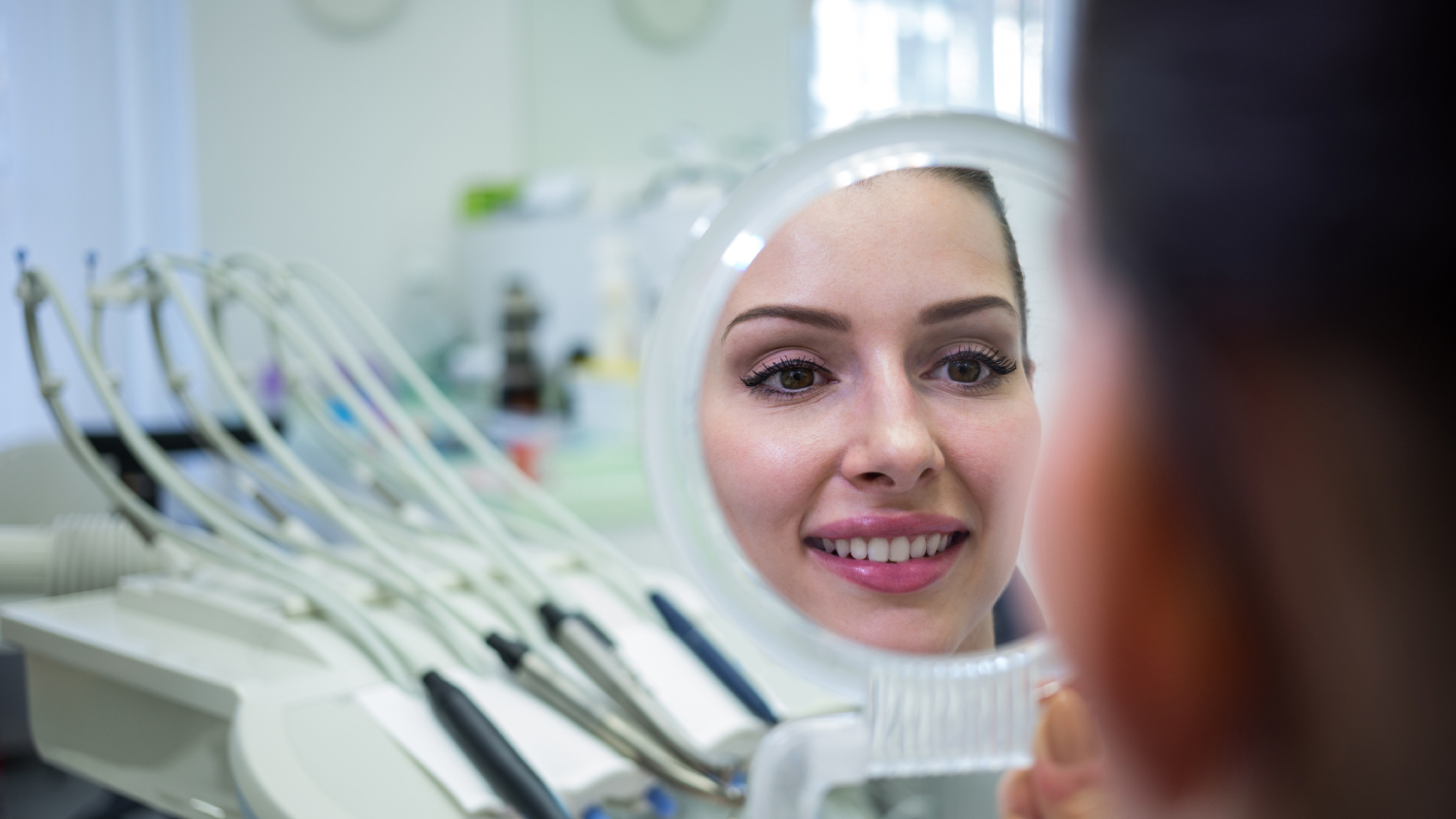
Dental Bridges: Connecting Every Smile
-
 Гарантія найкращої ціни
-
Лише акредитовані клініки
-
Безкоштовна медична допомога 24/7
 Lleol
Анестезія
Lleol
Анестезія
 1-2 hr
Тривалість
1-2 hr
Тривалість
 1-3 дні
Відновлення
1-3 дні
Відновлення
 Легкий
Рівень болю
Легкий
Рівень болю
 Немає
Шрами
Немає
Шрами
 90-98%
Успішн. %
90-98%
Успішн. %
 3-5 days
Перебування у Туреччині
3-5 days
Перебування у Туреччині
Що таке Dental Bridges?
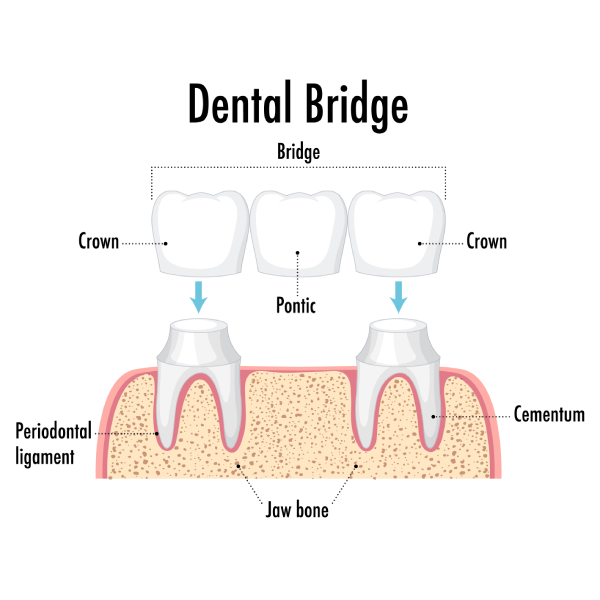
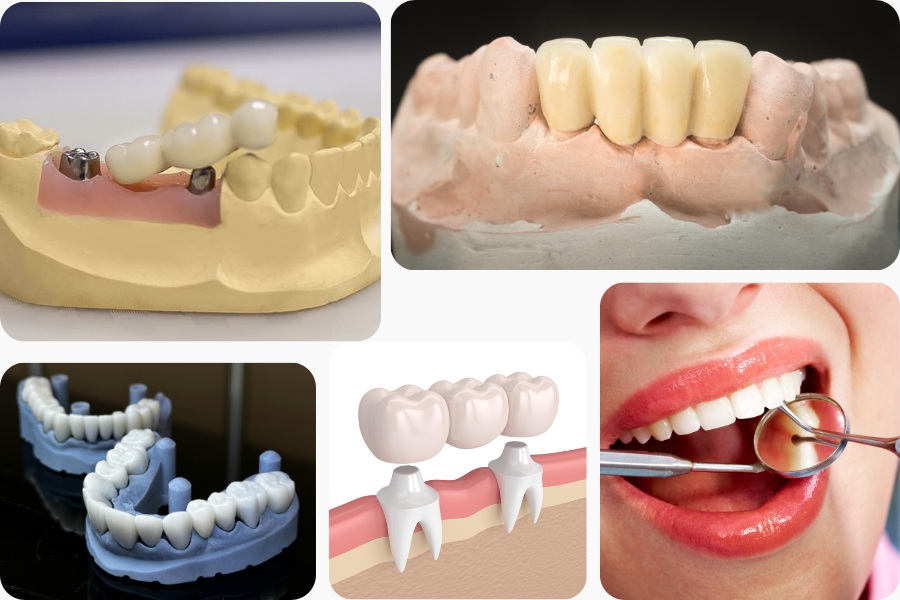
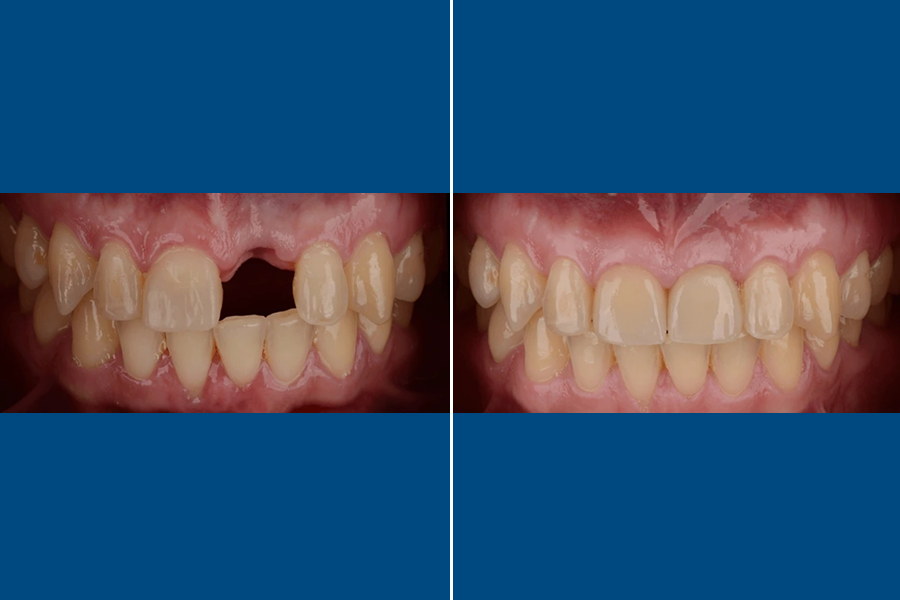
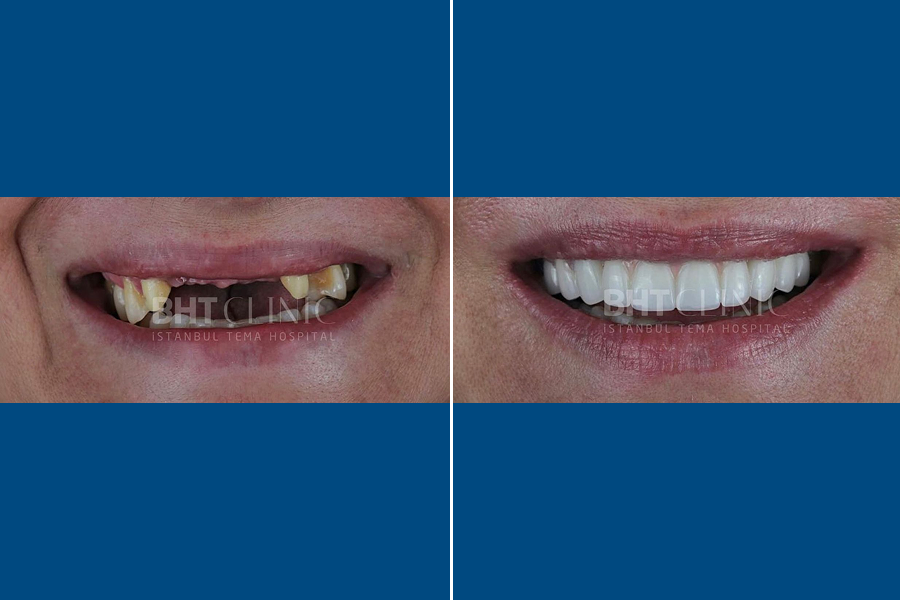
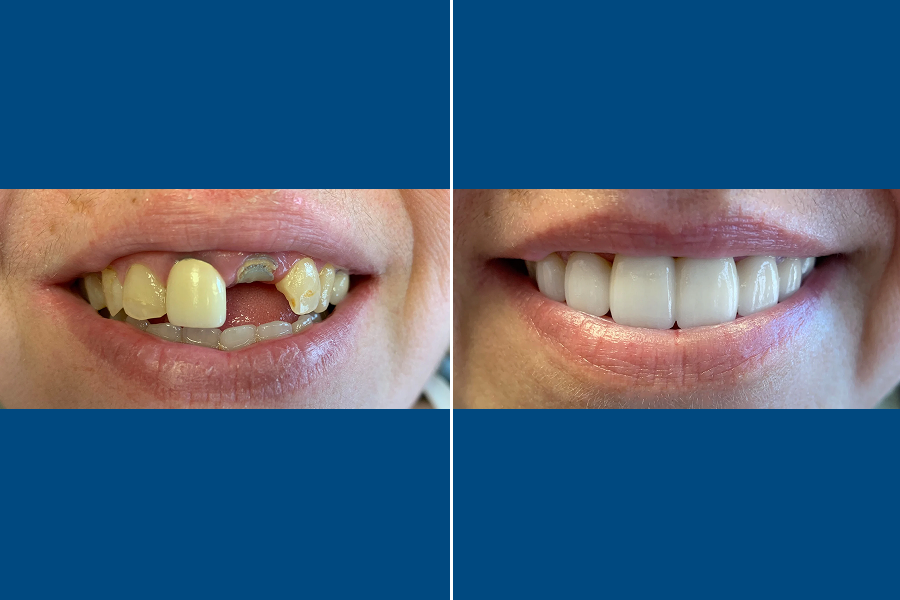
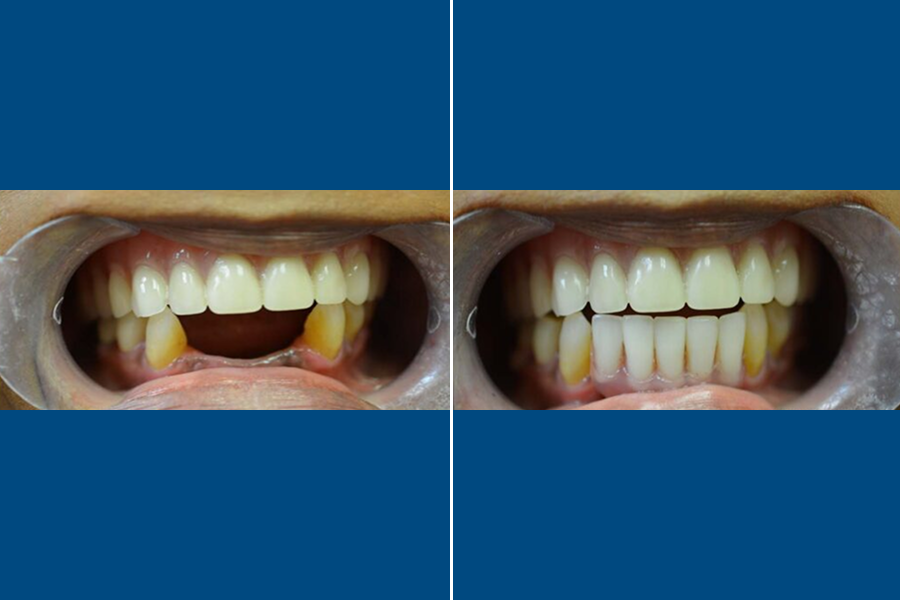
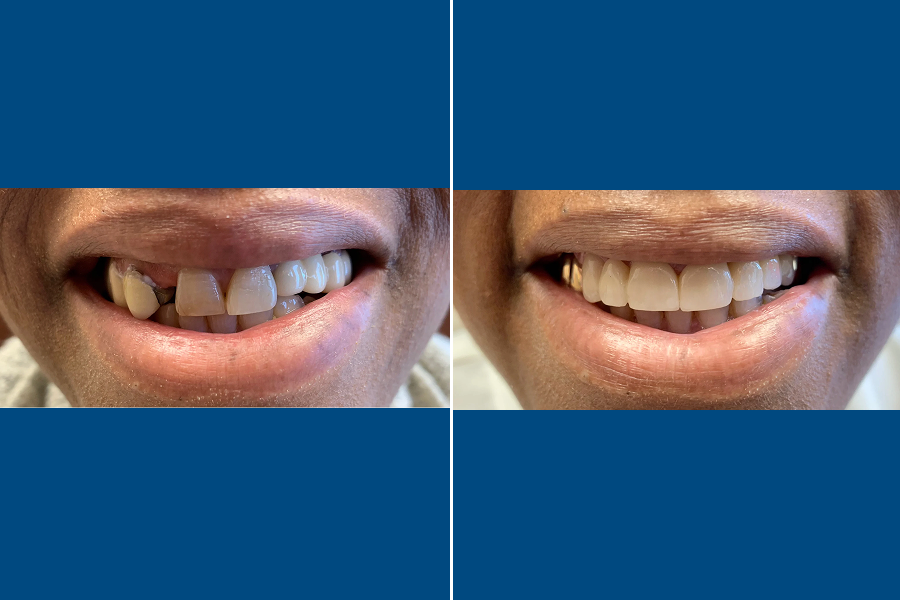
Dental bridges are fixed dental restorations used to replace one or more missing teeth by filling the gap with an artificial tooth, or teeth, supported by the natural teeth or dental implants on either side. The supporting teeth are usually fitted with crowns, which hold the bridge securely in place and help restore the shape and function of the bite.
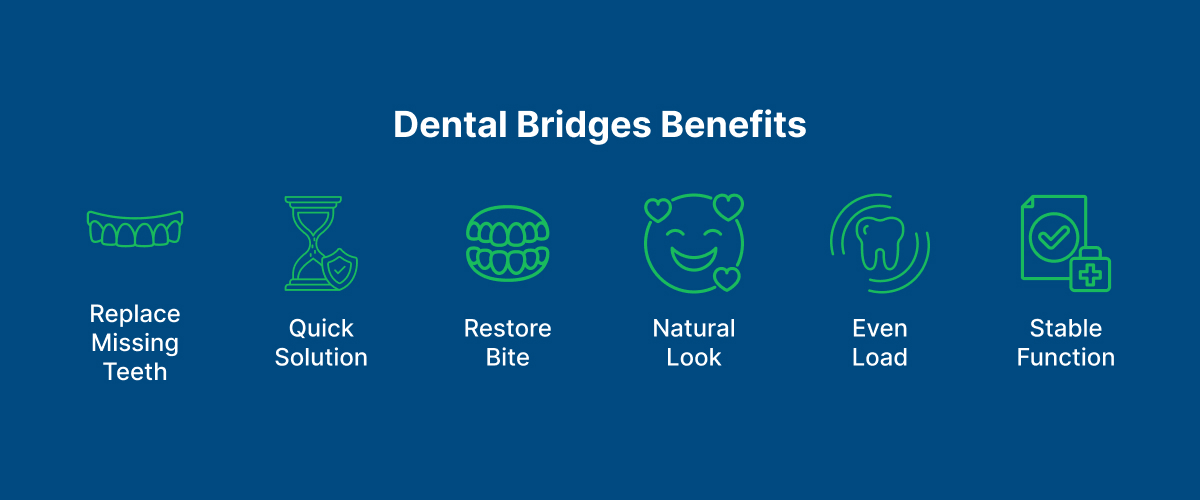
Before treatment, the dentist examines the teeth, gums, and jawbone, and may take X-rays or digital scans to plan the fit. Dental bridges can improve chewing, speech, and appearance, while also helping prevent nearby teeth from shifting out of position. They are a common option for restoring both function and a natural-looking smile.

Для кого підходить Dental Bridges?
Dental bridges are ideal for people who have one or more missing teeth and want to restore their smile, chewing ability, and overall dental function. This treatment is particularly suitable for:
- Adults with a single missing tooth or a small gap caused by tooth loss, injury, or extraction.
- Patients who have healthy natural teeth or dental implants on either side of the gap that can support the bridge.
- People who want a fixed, non-removable solution that feels more stable than a partial denture.
- Individuals who have difficulty chewing, speaking clearly, or maintaining proper bite balance because of missing teeth.
- Those who want to prevent nearby teeth from shifting into the empty space and help maintain facial support.
- Patients with good oral hygiene and healthy gums, or those willing to treat gum disease or decay first before bridge placement.
A dental bridge can be a practical option for restoring appearance and function, especially for patients looking for a reliable replacement for a small number of missing teeth.
Як проводиться Dental Bridges?
A dental bridge is a fixed restoration used to replace one or more missing teeth by filling the gap with an artificial tooth (or teeth) that is supported by the neighbouring natural teeth or, in some cases, by dental implants. The exact method depends on the type of bridge, the health of the surrounding teeth and gums, and the position of the missing tooth. The aim is to restore appearance, chewing function, and bite stability while helping to prevent nearby teeth from shifting.
Consultation, Examination, and Treatment Planning
The process begins with a detailed dental examination. The dentist checks the gap, the condition of the supporting teeth, gum health, and your bite. X-rays are usually taken, and some clinics may also use digital scans or photographs. This step helps determine whether a traditional bridge, cantilever bridge, Maryland bridge, or implant-supported bridge is the most suitable option.
Preparing the Mouth and Supporting Teeth
Before the bridge is made, the mouth needs to be healthy and stable. If there is decay, gum inflammation, or old restorations that need replacing, these are usually treated first. For a traditional bridge, the teeth on either side of the gap, called abutment teeth, are carefully reshaped so they can support dental crowns. Local anaesthetic is commonly used to keep the area comfortable during this stage.
Impressions or Digital Scans
Once the supporting teeth are prepared, the dentist takes precise impressions or digital scans of your teeth and bite. These records are used to design a bridge that matches the shape, size, and alignment of your natural teeth. Shade selection is also carried out at this stage so the final restoration blends in as naturally as possible with the rest of your smile.
Temporary Bridge Placement
In many cases, a temporary bridge or temporary crowns are placed while the final bridge is being made in the dental laboratory. This temporary restoration helps protect the prepared teeth, reduces sensitivity, and maintains appearance and basic function. It is not as strong as the final bridge, so you are usually advised to avoid very hard or sticky foods until the permanent restoration is ready.
Laboratory Fabrication of the Final Bridge
The final bridge is custom-made based on your scans or impressions. Dental technicians create the restoration so that it fits the prepared teeth accurately and restores the missing tooth space in a balanced way. Bridges may be made from porcelain, zirconia, metal-ceramic, or other durable dental materials, depending on the position in the mouth, cosmetic goals, and biting forces.
Fitting, Bite Check, and Final Cementation
At the fitting appointment, the temporary restoration is removed and the dentist places the final bridge to check its fit, contact points, colour, and bite. Small adjustments may be made so it feels comfortable and does not interfere with chewing. Once everything looks and feels right, the bridge is permanently fixed in place using dental cement or bonding materials, depending on the bridge design.
Aftercare, Cleaning, and Follow-Up
After placement, the dentist explains how to care for the bridge and the surrounding teeth. Good oral hygiene is very important because the supporting teeth and gums must stay healthy for the bridge to last. You may be shown how to clean under the artificial tooth using floss threaders, interdental brushes, or water flossers. Follow-up visits may be recommended to check comfort, bite balance, and gum health, especially in the first few weeks after treatment.
Відновлення та очікування?
Recovery after having a dental bridge fitted is usually manageable and far less demanding than major oral surgery, but it still takes time for your teeth, gums, and bite to adjust. A bridge may be placed after reshaping the supporting teeth, after fitting temporary restorations, or as part of a treatment plan following extractions or implant treatment. Because of this, your recovery timeline may vary slightly. Most patients are able to return to normal routines quickly, but it is common to have mild sensitivity, gum tenderness, and an adjustment period while chewing and speaking begin to feel natural again.
Immediate Aftercare(First 24-48 Hours)
In the first day or two, you may notice tender gums, slight soreness around the prepared teeth, and sensitivity to hot or cold foods. If local anaesthetic was used, numbness can last for several hours, so it is best to avoid chewing until normal feeling returns. If you received a temporary bridge, it may feel a little bulky or unfamiliar at first. Choose softer foods, chew gently, and avoid sticky items such as chewing gum or caramel, which can loosen a temporary restoration. Most discomfort is mild and can usually be managed with the medication or advice provided by your dentist.
Early Adjustment Period(Days 3-7)
During the first week, the mouth usually begins to settle. Any soreness in the supporting teeth or surrounding gums should gradually improve, although some temperature sensitivity or pressure sensitivity when biting can still occur. It is also normal to need a few days to adapt to the shape of the bridge, especially if it replaces a visible front tooth or several missing teeth. Speech may feel slightly different at first, and food can collect around the bridge until you learn the best way to clean it. Your dentist may recommend gentle brushing, rinsing, and using special floss threaders or interdental cleaners to keep the area healthy.
Final Fit and Bite Adjustment(1-2 Weeks)
If your treatment involved a temporary bridge first, this is often the stage when the permanent bridge is cemented into place. After placement, it is common to feel that the bridge is new or slightly different, but it should not feel painfully high or unstable. Mild gum irritation can occur for a short time as the tissues adapt around the margins. Chewing should become easier over several days, although it is still sensible to avoid very hard foods on the treated side until the bite feels comfortable. If the bridge feels too high, traps food excessively, or causes pain when biting, a small adjustment by your dentist may be needed.
Settling In(2-6 Weeks)
Over the next few weeks, most patients become fully accustomed to the bridge. The gums should look calmer, chewing should feel more balanced, and any lingering sensitivity should continue to fade. This is also the period when good cleaning habits become especially important, because plaque can build up around the bridge and under the artificial tooth if the area is not cleaned properly. Your dentist may advise avoiding very hard foods such as ice, hard sweets, or cracking nuts with the bridge, particularly if the supporting teeth were heavily restored. If the bridge was placed after recent dental work, healing in the surrounding tissues may continue quietly even after you feel back to normal.
Long-Term Comfort and Maintenance(2-3 Months and Beyond)
By this stage, the bridge should feel like a natural part of your mouth, and the result is generally considered stable. Long-term success depends on careful oral hygiene, regular dental check-ups, and protecting the supporting teeth and gums. You may need to continue using floss threaders, super floss, or interdental brushes every day to clean beneath the bridge. If you grind or clench your teeth, your dentist may recommend a night guard to reduce stress on the restoration. With proper care, a dental bridge can last for many years, but it should still be monitored for changes in fit, gum health, or wear.
Чому варто обрати Türkiye для Dental Bridges?
Turkey has become a widely preferred destination for Dental Bridges, offering a combination of experienced restorative dentists, modern dental technology, and cost-effective treatment options. For many international patients, the decision is based not only on affordability, but also on the opportunity to receive well-planned care in clinics that are familiar with the needs of overseas visitors. Shorter waiting times and organised treatment schedules also make the process more convenient.
Dental bridge treatment is used to replace one or more missing teeth by anchoring an artificial tooth to neighbouring natural teeth or implants. In Turkey, clinics often begin with a detailed examination that may include digital X-rays, 3D imaging, and bite analysis to assess the health of the surrounding teeth and gums. This careful planning helps determine whether a traditional bridge, cantilever bridge, Maryland bridge, or implant-supported bridge is the most suitable option. Many centres also use digital impressions and modern laboratory techniques to improve fit, comfort, and appearance.
- Turkey offers access to skilled prosthodontists and restorative dental teams who regularly carry out bridge treatments for both local and international patients, with attention to function as well as aesthetics.
- Many clinics use advanced diagnostics, digital scanning, and high-quality dental materials, helping to create bridges that are durable, natural-looking, and accurately matched to the patient's bite.
- A strong focus on patient safety and treatment planning includes checking gum health, supporting teeth, oral hygiene status, and long-term suitability before the bridge is placed.
- Competitive pricing makes dental bridges in Turkey attractive for patients seeking quality care, especially when compared with treatment costs in many European countries, the UK, or North America.
- With good international flight connections and treatment plans often designed for visitors, Turkey is a practical option for patients who want efficient care within a shorter travel period.
- Many patients value the chance to combine treatment with a comfortable stay and recovery period, supported by Turkey's hospitality, accommodation options, and well-known cultural destinations.
Turkey's success in the health tourism market is closely linked to its experienced clinicians, internationally oriented dental clinics, and patient-centred service approach. Every year, the country welcomes a large number of international visitors for restorative and cosmetic dental care, supported by multilingual communication in many centres, coordinated appointments, and clear treatment pathways. For patients considering Dental Bridges, Turkey offers a reliable balance of quality, accessibility, and strong experience in treating medical travellers.
Калькулятор вартості лікування
Отримайте індивідуально розраховану середню ціну відповідно до ваших потреб.
Ціна
Ціни в інших країнах
Часті запитання про Dental Bridges
Автори сторінки

Медичний рецензент Heal Road
Медичний рецензент

Автор Heal Road
Автор
- Перегляди
- 1050 перегляди
- Час читання
- Останнє оновлення
Пов’язані статті
Гіди та корисна інформація, пов’язані з цим лікуванням.
Покроковий посібник із зубних мостів у Туреччині
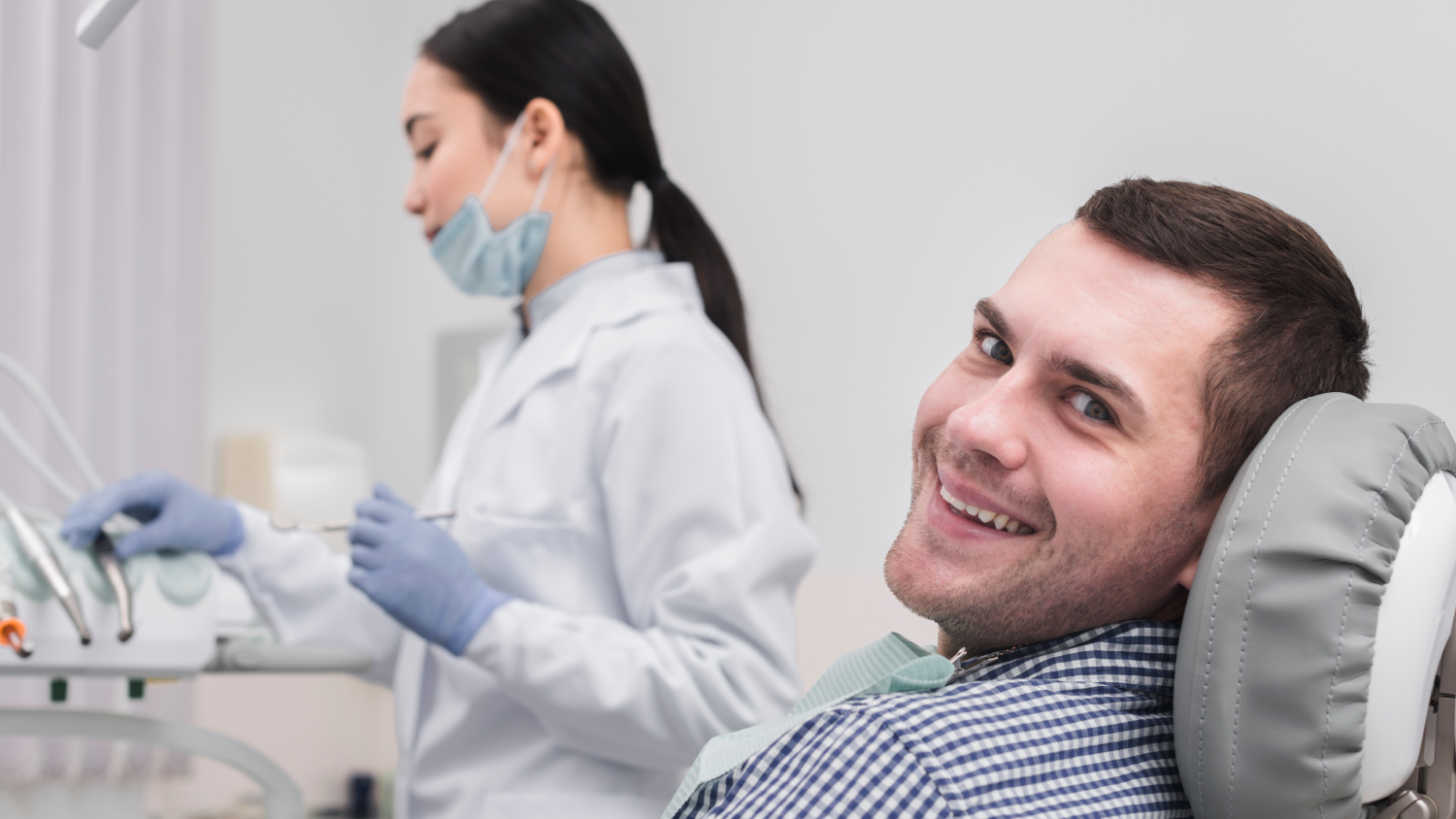
Зубні мости є популярним рішенням для заміни втрачених зубів, відновлюючи як функціональність, так і естетику вашої усмішки. Туреччина стала одним із провідних напрямків для встановлення зубних мостів завдяки сучасним стоматологічним клінікам, висококваліфікованим стоматологам і доступним цінам. Цей покроковий посібник допоможе вам зрозуміти процес встановлення зубного моста в Туреччині - від первинної консультації до подальшого догляду, забезпечуючи комфортний і успішний шлях до здорової усмішки.
Чи можна проводити стоматологічне лікування із седацією?
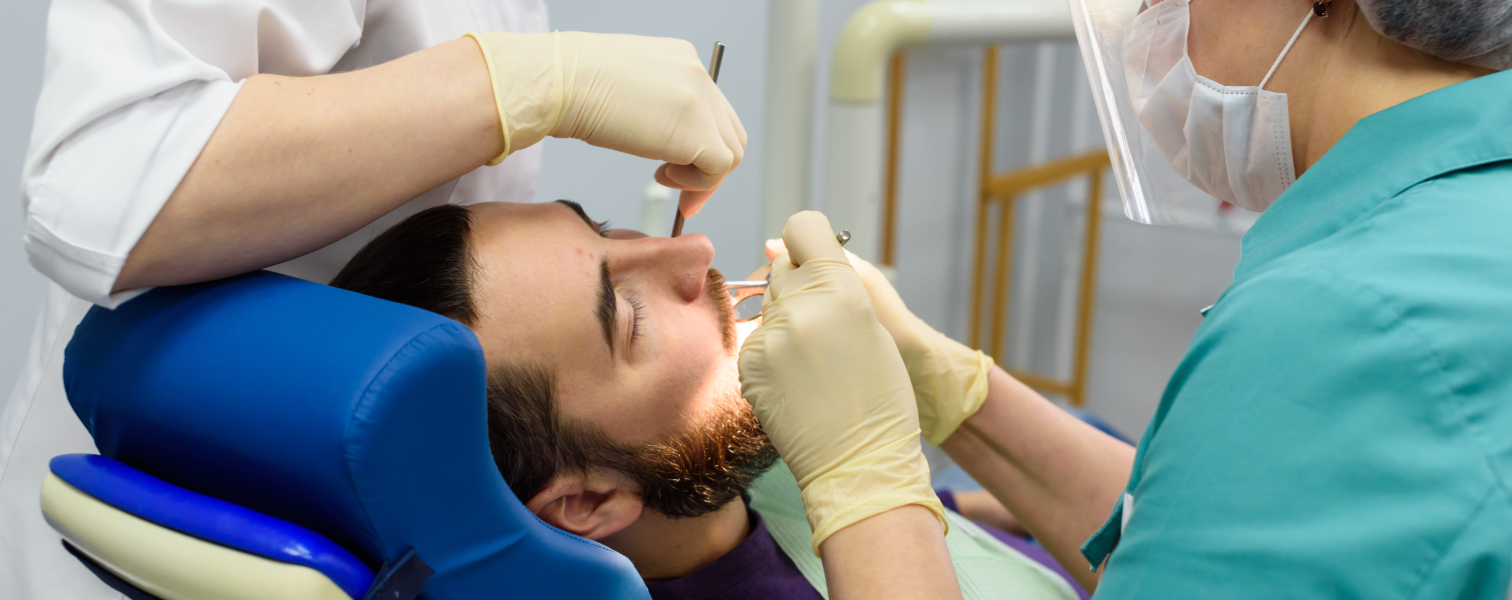
Так, багато стоматологічних процедур можна проводити із седацією. Для цього застосовують ліки, які допомагають розслабитися та зменшити тривожність (це не те саме, що місцева анестезія, яка знеболює ділянку, і зазвичай навіть при седації місцева анестезія все одно потрібна). Седацію можуть рекомендувати при стоматологічній фобії, вираженому блювотному рефлексі, труднощах із тим, щоб сидіти нерухомо, особливих медичних потребах або тривалому чи складному лікуванні. Поширені варіанти включають мінімальну седацію (закис азоту або таблетки), помірну/свідому седацію (часто внутрішньовенну), а в окремих випадках - глибоку седацію або загальну анестезію (зазвичай для великих хірургічних втручань або при сильній тривожності, коли потрібен ретельніший моніторинг). Загалом це безпечно, якщо седацію проводить підготовлена команда з належним обстеженням і моніторингом, але вона пов'язана з такими ризиками, як нудота, запаморочення, зниження рівня кисню або глибша, ніж планувалося, седація. Ризик може бути вищим за наявності таких станів, як апное сну, виражене ожиріння, захворювання серця чи легень, вагітність, а також при вживанні опіоїдів, алкоголю або седативних препаратів. Після пероральної чи внутрішньовенної седації вам зазвичай знадобиться супровід, а також можуть порадити певний час не керувати автомобілем, не вживати алкоголь і не ухвалювати важливих рішень. Перш ніж записуватися, запитайте, який тип седації рекомендують, хто її проводить, який моніторинг застосовують, які правила щодо голодування діють, як відбувається відновлення та які обмеження будуть після процедури.
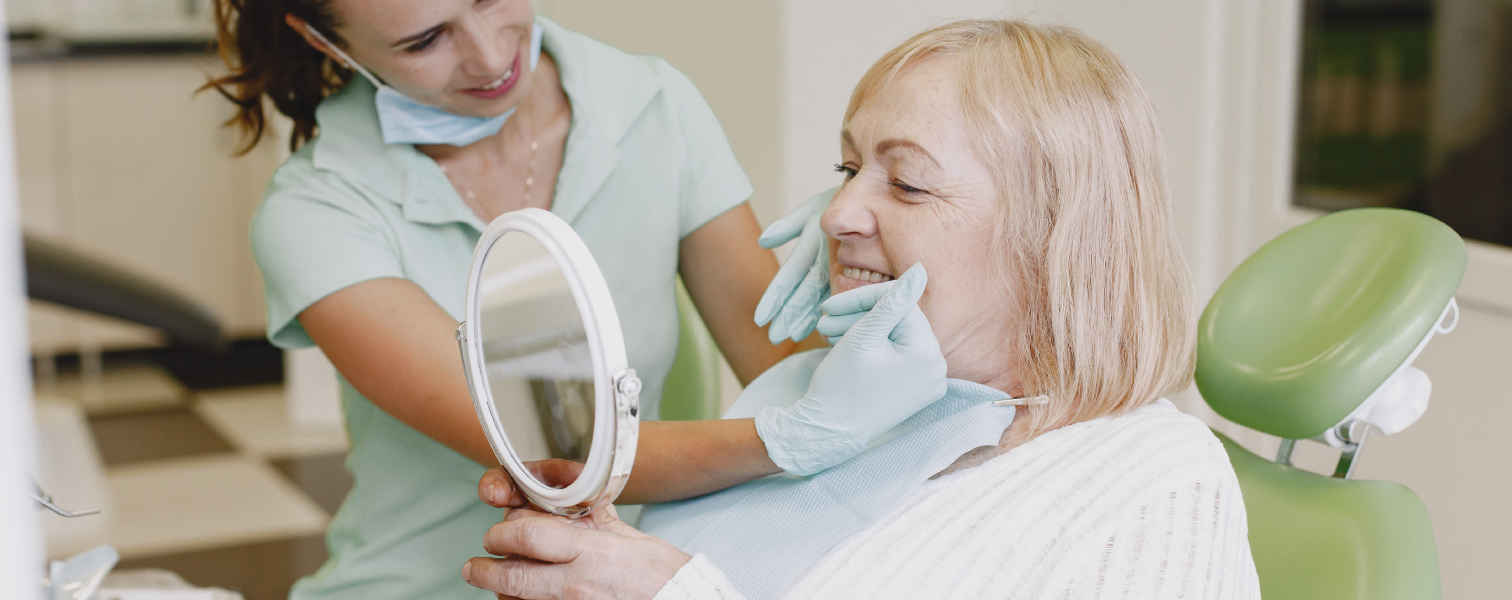
Що впливає на довгостроковий успіх стоматологічного лікування?
Довгострокові результати стоматологічного лікування залежать не лише від самої процедури. Успіх визначається тим, наскільки добре з часом узгоджено працюють ваші зуби, ясна, прикус і щоденні звички. Пломби, коронки, імплантати, лікування кореневих каналів і ортодонтичні конструкції можуть служити багато років, але для кожного виду лікування існують фактори ризику, які можуть призвести до ремонту або заміни. Найважливішими чинниками довговічності є гігієна порожнини рота та здоров'я ясен. Регулярний контроль зубного нальоту, професійне чищення та раннє лікування захворювань ясен зменшують ризик карієсу навколо реставрацій і знижують імовірність ускладнень з імплантатами. Куріння та активні пародонтальні захворювання пов'язані з вищою частотою проблем з імплантатами і втратою зубів. Сила прикусу та міцність зубів також мають значення. Скреготіння зубами (бруксизм), тріщини, великі пломби та надмірне жувальне навантаження можуть скоротити строк служби коронок і реставрацій та вимагати корекції прикусу, міцніших матеріалів або нічної капи. Для імплантатів надмірне навантаження в поєднанні з недостатнім контролем нальоту може сприяти втраті кісткової тканини. Зрештою, результат залежить від правильної діагностики, техніки та матеріалів, а також від вашого загального стану здоров'я. Діабет, сухість у роті та деякі ліки можуть впливати на загоєння і підвищувати ризик карієсу. Регулярні контрольні огляди та рентгенівські знімки за потреби допомагають виявити невеликі проблеми на ранньому етапі, перш ніж вони переростуть у серйозні ускладнення.

Скільки клінік розглядатимуть мій випадок?
У більшості випадків вашу медичну справу може розглянути не одна клініка, але точна кількість залежить від послуги, повноти ваших медичних документів і складності ваших потреб. Програми підбору або направлення зазвичай передають ваш випадок клінікам, які відповідають вашому діагнозу, побажанням щодо місця лікування, бюджету та строків, інколи одразу кільком клінікам, а інколи починають з короткого списку. Клініки вирішують, чи розглядати або приймати випадок, з огляду на профіль допомоги, наявність потрібних спеціалістів, безпеку та наявність ключових документів (свіжі знімки, висновки, протоколи операцій, підсумок від лікаря). Простіші випадки за гнучких побажань можуть швидко розглядатися кількома клініками, тоді як вузькоспеціалізовані або складні випадки можуть розглядати менше клінік, і це може тривати довше, оскільки до оцінки можуть долучатися кілька відділень. Ви можете вплинути на процес, якщо одразу зазначите свої пріоритети (широкий пошук чи один центр/хірург) і завчасно надішлете повний пакет документів. Також варто пам'ятати, що «розгляд» може означати як швидку перевірку відповідності, так і більш глибоку другу думку або план лікування, і для цього можуть бути різні строки та тарифи. І насамкінець, розгляд не гарантує прийняття; його мета - знайти найбезпечніші та найдоречніші варіанти і сформувати реалістичні очікування.
ЯкПрацює HealRoad
Поруч із вами. На кожному етапі подорожі | Від пошуку до відновлення

Створити запит на лікування
Розкажіть нам про ваше лікування та бажані дати — надішліть один раз (менше ніж за 2 хвилини). Ваш персональний координатор вітає вас і підтверджує деталі.

Отримайте пропозиції від клінік
Перевірені клініки розглядають ваш запит і надсилають прозорі пропозиції. Ваш координатор ділиться зрозумілим коротким списком і відповідає на запитання.

Порівняйте та оберіть
Перегляньте профілі клініки та лікаря, подивіться, що включено, і оберіть найкращий варіант — за підтримки вашого координатора.

Забронюйте лікування та подорож
Той самий координатор планує ваші візити, післяопераційний догляд і логістику (зустріч в аеропорту, перекладач). За бажанням — легкі екскурсії, якщо ваш лікар схвалить. Насолоджуйтеся своїм досвідом у Türkiye.
Ваші переваги з HealRoad

Миттєві пропозиції
Отримуйте та порівнюйте пропозиції на лікування від провідних клінік за лічені хвилини — без листа очікування.

Прозора фіксована ціна
Тримайте свій бюджет під контролем завдяки пакетам «усе включено», без прихованих додаткових витрат.

Персональний координатор 24/7
Від бронювання авіаквитків до повного одужання — отримуйте індивідуальний супровід щоразу, коли вам потрібна допомога.

Botan
Персональний менеджер Heal Road
Від першого знайомства
до відновлення


Від відкриття до одужання
з вами на кожному етапі шляху
Поділіться кількома деталями, і ми зв’яжемося з вами, запропонувавши найкращі варіанти.

Координатор
Швидкий контакт у WhatsApp
Emin
Персональний менеджер Heal Road

Про себе
Я тут, щоб супроводжувати вас протягом усього вашого медичного шляху з Heal Road.