 123 views
What If I’m Afraid of Dentists? (Dental Anxiety Explained)
Quick facts
- Dental anxiety is common and can affect people of any age.
- You can ask for a clear plan, a stop signal, and extra time, these are standard patient-centered supports.
- Options range from simple comfort measures to sedation, depending on your needs and medical history.
Don't know
where to start ?
Find the right specialist with the best price guarantee
Why Dental Fear Happens: Triggers, Past Experiences, and the Anxiety Loop
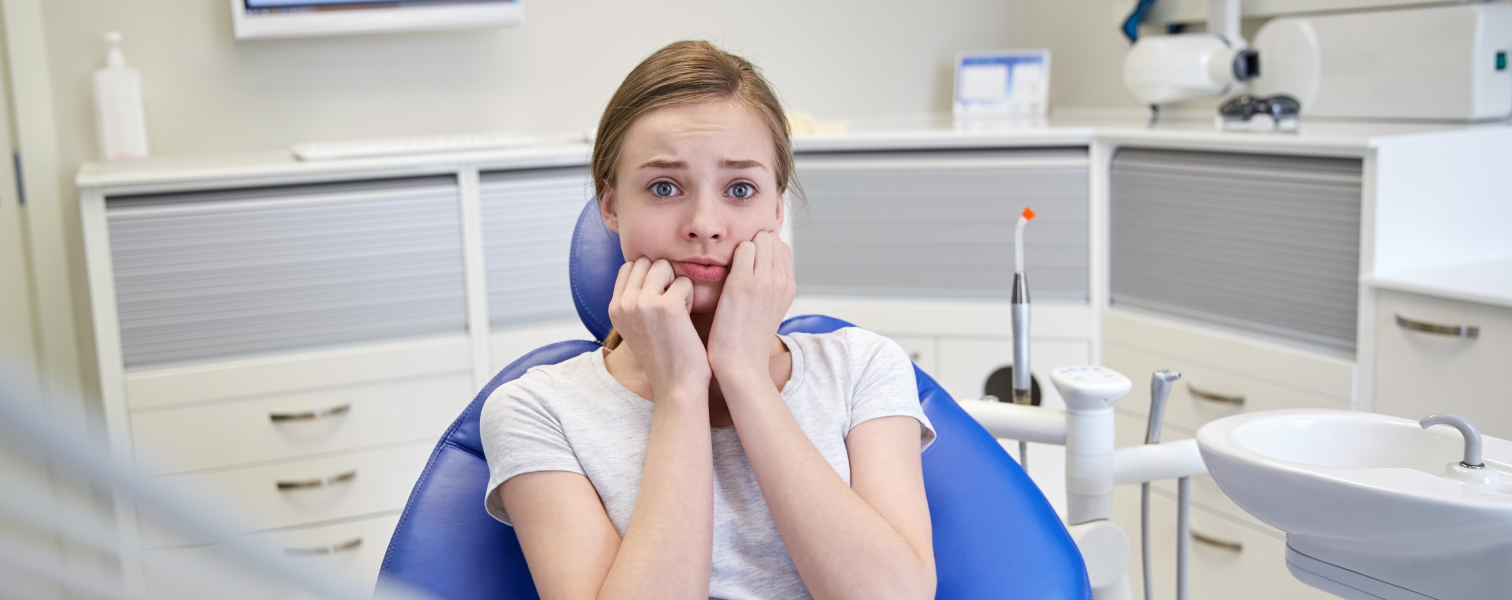
Being afraid of the dentist is common, and it usually has a clear reason. Your brain is trying to protect you from something it expects to be uncomfortable, embarrassing, or out of your control.
Common triggers can include:
- Memories of pain or feeling rushed during a past visit
- Needles, drilling sounds, or the smell of a clinic
- Gag reflex, trouble breathing through your nose, or sensitivity to touch
- Fear of bad news, judgment, or costs you did not plan for
- Feeling trapped in the chair or not knowing what will happen next
Dental anxiety often grows through an avoidance cycle: You delay appointments, small problems get bigger, and the next visit feels more urgent and intense. That can reinforce the fear, even if the last experience was years ago.
The good news is that identifying your specific triggers is a practical first step. Once you can name what sets off the anxiety, you and your dentist can plan around it.
If you are considering treatment in Turkey, HealRoad can help you compare clinics and ask questions ahead of time so fewer details feel uncertain.
Why Dental Fear Happens: Triggers, Past Experiences, and the Anxiety Loop
Being afraid of the dentist is common, and it usually has a clear reason. Your brain is trying to protect you from something it expects to be uncomfortable, embarrassing, or out of your control.
Common triggers can include:
- Memories of pain or feeling rushed during a past visit
- Needles, drilling sounds, or the smell of a clinic
- Gag reflex, trouble breathing through your nose, or sensitivity to touch
- Fear of bad news, judgment, or costs you did not plan for
- Feeling trapped in the chair or not knowing what will happen next
Dental anxiety often grows through an avoidance cycle: You delay appointments, small problems get bigger, and the next visit feels more urgent and intense. That can reinforce the fear, even if the last experience was years ago.
The good news is that identifying your specific triggers is a practical first step. Once you can name what sets off the anxiety, you and your dentist can plan around it.
If you are considering treatment in Turkey, HealRoad can help you compare clinics and ask questions ahead of time so fewer details feel uncertain.
Your First Visit Without Pressure: What to Ask for Before You Sit in the Chair
Dental anxiety often improves when you know you can pause, ask questions, and stay in control. Before you recline, tell the team what helps you feel safe and what you want to avoid.
Helpful requests to make up front
- Ask for a short chat first, away from tools, to agree on the plan.
- Request a clear stop signal (like raising your hand) that pauses everything immediately.
- Ask them to explain each step before it happens, or to keep talk minimal if that is easier for you.
- Confirm you can take breaks, sit up, or rinse whenever you need.
- If numbing is needed, ask about options to make injections gentler and how long numbness may last (it can vary).
- Ask what will be done today: exam only, X-rays, cleaning, or treatment, and what can be postponed.
One sentence that works: “I get anxious at the dentist, and I need a slower pace and a stop signal.”
If you are comparing clinics in Turkey, HealRoad can help you review options with clear information and support, so you can ask for the right comfort steps before your appointment.
Your First Visit Without Pressure: What to Ask for Before You Sit in the Chair
Dental anxiety often improves when you know you can pause, ask questions, and stay in control. Before you recline, tell the team what helps you feel safe and what you want to avoid.
Helpful requests to make up front
- Ask for a short chat first, away from tools, to agree on the plan.
- Request a clear stop signal (like raising your hand) that pauses everything immediately.
- Ask them to explain each step before it happens, or to keep talk minimal if that is easier for you.
- Confirm you can take breaks, sit up, or rinse whenever you need.
- If numbing is needed, ask about options to make injections gentler and how long numbness may last (it can vary).
- Ask what will be done today: exam only, X-rays, cleaning, or treatment, and what can be postponed.
One sentence that works: “I get anxious at the dentist, and I need a slower pace and a stop signal.”
If you are comparing clinics in Turkey, HealRoad can help you review options with clear information and support, so you can ask for the right comfort steps before your appointment.

Comfort Options That Actually Help: From Numbing Choices to Sedation and Signals
If dental visits make you tense, ask about comfort tools before the appointment starts. Many people feel better when they know what is available and can choose a plan.
Local numbing:Most treatments can be done with local anesthetic. You can also ask about a topical gel first, slower injection, or extra time to let numbness fully set in.
Calming options:Some clinics offer nitrous oxide (laughing gas) or oral medication to take the edge off. For longer or more complex work, deeper sedation may be possible in certain settings. Not every option is right for every person, so share your medical history, medications, and past reactions.
Simple control signals:Agree on a stop signal (like raising a hand), and ask for check-ins during the procedure. Some patients prefer short breaks, music, or a step-by-step explanation; others do better with minimal details.
Plan for after:If you use sedatives, you may need an escort and should avoid driving. Confirm instructions with your dentist.
If you are comparing clinics in Turkey, HealRoad can help you ask the right questions about numbing and sedation options and plan around any aftercare needs.
Comfort Options That Actually Help: From Numbing Choices to Sedation and Signals
If dental visits make you tense, ask about comfort tools before the appointment starts. Many people feel better when they know what is available and can choose a plan.
Local numbing:Most treatments can be done with local anesthetic. You can also ask about a topical gel first, slower injection, or extra time to let numbness fully set in.
Calming options:Some clinics offer nitrous oxide (laughing gas) or oral medication to take the edge off. For longer or more complex work, deeper sedation may be possible in certain settings. Not every option is right for every person, so share your medical history, medications, and past reactions.
Simple control signals:Agree on a stop signal (like raising a hand), and ask for check-ins during the procedure. Some patients prefer short breaks, music, or a step-by-step explanation; others do better with minimal details.
Plan for after:If you use sedatives, you may need an escort and should avoid driving. Confirm instructions with your dentist.
If you are comparing clinics in Turkey, HealRoad can help you ask the right questions about numbing and sedation options and plan around any aftercare needs.

Finding a Dentist Who Gets It: Screening Questions and Red Flags to Watch For
If dental visits make you tense, choosing the right clinic matters as much as the treatment. A good fit is usually clear within the first call or consultation.
Questions that can reveal the right match
- How do you handle anxious patients?
Listen for specific options (slower pace, breaks, clear signals) rather than vague reassurance. - Can we agree on a stop signal?
You should feel confident you can pause at any time. - Will you explain each step before you do it?
Some people prefer details; others prefer minimal information. A flexible team will ask your preference. - What comfort options are available?
Ask about topical numbing, local anesthesia, sedation where appropriate, and how they monitor you. - What is the plan if I cannot tolerate the visit?
A supportive clinic can suggest shorter appointments or staged care.
Red flags to take seriously
- Rushing, dismissing fear, or pressuring you to proceed
- Refusing to answer questions about pain control or consent
- No clear discussion of alternatives, pros and cons, or follow-up
If you are comparing clinics in Turkey, HealRoad can help you review options with clear information and support so you can choose a team that respects your comfort.
Finding a Dentist Who Gets It: Screening Questions and Red Flags to Watch For
If dental visits make you tense, choosing the right clinic matters as much as the treatment. A good fit is usually clear within the first call or consultation.
Questions that can reveal the right match
- How do you handle anxious patients?
Listen for specific options (slower pace, breaks, clear signals) rather than vague reassurance. - Can we agree on a stop signal?
You should feel confident you can pause at any time. - Will you explain each step before you do it?
Some people prefer details; others prefer minimal information. A flexible team will ask your preference. - What comfort options are available?
Ask about topical numbing, local anesthesia, sedation where appropriate, and how they monitor you. - What is the plan if I cannot tolerate the visit?
A supportive clinic can suggest shorter appointments or staged care.
Red flags to take seriously
- Rushing, dismissing fear, or pressuring you to proceed
- Refusing to answer questions about pain control or consent
- No clear discussion of alternatives, pros and cons, or follow-up
If you are comparing clinics in Turkey, HealRoad can help you review options with clear information and support so you can choose a team that respects your comfort.
Conclusion
Dental anxiety is treatable, and small steps like choosing a supportive clinic, agreeing on a stop signal, and using proven calming strategies can make visits manageable. If fear is severe or you have avoided care for a long time, ask about sedation options and consider support from a mental health professional, because protecting your oral health also protects your overall health.
References


- Dentophobia (Fear of Dentists): Causes, Symptoms & Treatments
- Clinical guide for dental anxiety management (NHS England)
- Dental anxiety and fear: relationship with oral health behavior in a Turkish population (PubMed)
- Diş Hekimi Korkusu (Tunceli Ağız ve Diş Sağlığı Merkezi, T.C. Sağlık Bakanlığı)
- Cochrane Review: Sedation of anxious children undergoing dental treatment
Article Contributors

Heal Road Medical Reviewer
Medical Reviewer

Heal Road Writer
Writer
- Views
- 123 views
- Reading Time
- Last Updated