 142 views
Will My New Teeth Look Natural?
Don't know
where to start ?
Find the right specialist with the best price guarantee
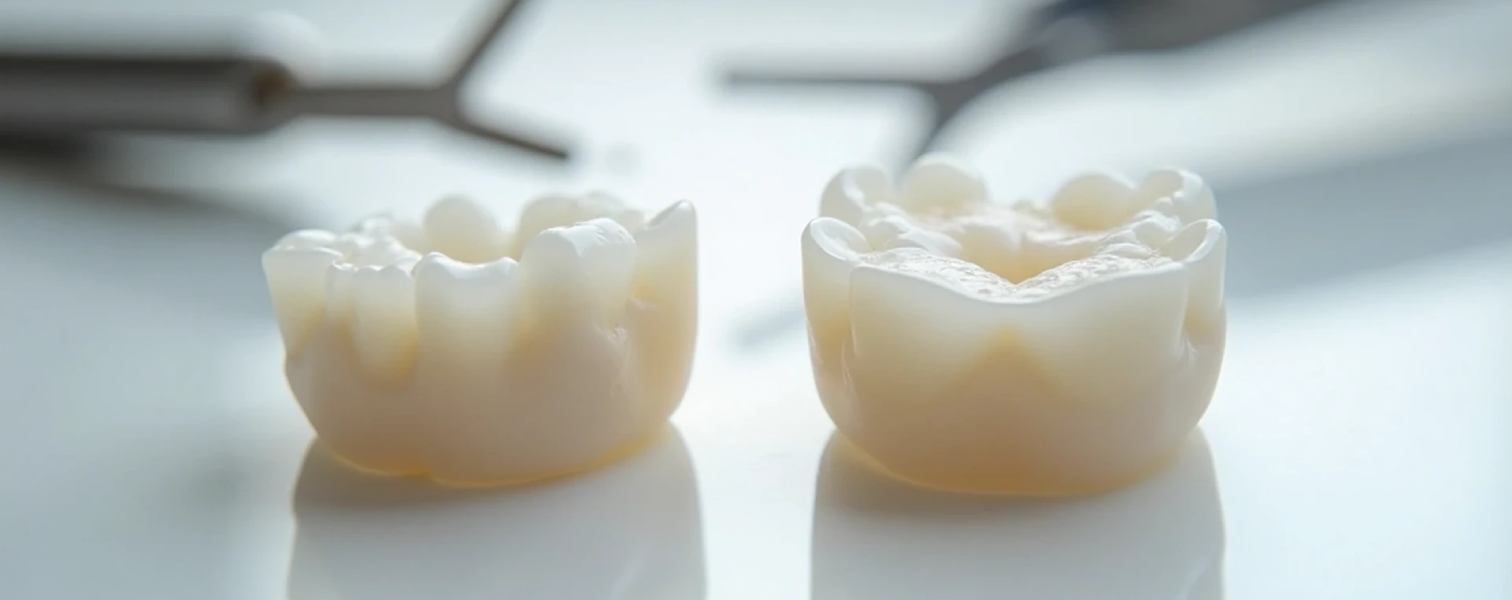
What Makes Dental Work Look “Real” Up Close and in Photos
Natural-looking dental work is less about one magic material and more about small details working together. When something looks “fake,” it is usually because one or two features do not match the rest of your smile.
What dentists and labs focus on:
- Color layering:Real teeth are not one flat shade. Subtle variation, translucency near the edge, and a gentle brightness gradient help restorations blend in.
- Shape and proportions:The length, width, and corner softness should fit your face and the neighboring teeth, not a generic template.
- Surface texture:Tiny grooves and a natural shine pattern affect how light reflects in close-up photos.
- Gum harmony:Even great teeth can look off if the gumline is uneven or the crown edge is visible.
- Spacing and alignment:Slight individuality (not perfectly identical teeth) often reads as more believable.
If you care about how your smile looks on camera, ask to review a mock-up or digital preview and discuss lighting, shade selection, and finish before the final work is made.
If you are comparing clinics in Turkey, HealRoad can help you ask the right aesthetic questions and review options side by side with clear, transparent info.
What Makes Dental Work Look “Real” Up Close and in Photos
Natural-looking dental work is less about one magic material and more about small details working together. When something looks “fake,” it is usually because one or two features do not match the rest of your smile.
What dentists and labs focus on:
- Color layering:Real teeth are not one flat shade. Subtle variation, translucency near the edge, and a gentle brightness gradient help restorations blend in.
- Shape and proportions:The length, width, and corner softness should fit your face and the neighboring teeth, not a generic template.
- Surface texture:Tiny grooves and a natural shine pattern affect how light reflects in close-up photos.
- Gum harmony:Even great teeth can look off if the gumline is uneven or the crown edge is visible.
- Spacing and alignment:Slight individuality (not perfectly identical teeth) often reads as more believable.
If you care about how your smile looks on camera, ask to review a mock-up or digital preview and discuss lighting, shade selection, and finish before the final work is made.
If you are comparing clinics in Turkey, HealRoad can help you ask the right aesthetic questions and review options side by side with clear, transparent info.
Matching Shade, Shape, and Texture to Your Face (Not Just Your Old Teeth)
Natural-looking new teeth are designed to suit your whole face, not simply copy what you had before. Your dentist typically looks at how your teeth relate to your lips, smile line, and facial proportions, then chooses details that fit you.
What “natural” usually depends on:
- Shade:Bright is not always better. A believable color often matches your skin tone and the whites of your eyes, with slight variation rather than one flat white.
- Shape:Tooth length, width, and corner softness can change the feel of a smile. Subtle rounding can look softer; sharper edges can look more bold.
- Texture and translucency:Real enamel reflects light in a complex way. Fine surface texture and a bit of translucency at the edges can prevent a plastic look.
- Symmetry:Perfect mirror-image teeth can look artificial. Small, planned differences can help.
Ask to preview options (photos, shade tabs, or a mock-up) and confirm what can be adjusted before anything is finalized.
HealRoad can help you compare clinics in Turkey and understand how each one approaches smile design, materials, and previews before treatment.
Matching Shade, Shape, and Texture to Your Face (Not Just Your Old Teeth)
Natural-looking new teeth are designed to suit your whole face, not simply copy what you had before. Your dentist typically looks at how your teeth relate to your lips, smile line, and facial proportions, then chooses details that fit you.
What “natural” usually depends on:
- Shade:Bright is not always better. A believable color often matches your skin tone and the whites of your eyes, with slight variation rather than one flat white.
- Shape:Tooth length, width, and corner softness can change the feel of a smile. Subtle rounding can look softer; sharper edges can look more bold.
- Texture and translucency:Real enamel reflects light in a complex way. Fine surface texture and a bit of translucency at the edges can prevent a plastic look.
- Symmetry:Perfect mirror-image teeth can look artificial. Small, planned differences can help.
Ask to preview options (photos, shade tabs, or a mock-up) and confirm what can be adjusted before anything is finalized.
HealRoad can help you compare clinics in Turkey and understand how each one approaches smile design, materials, and previews before treatment.
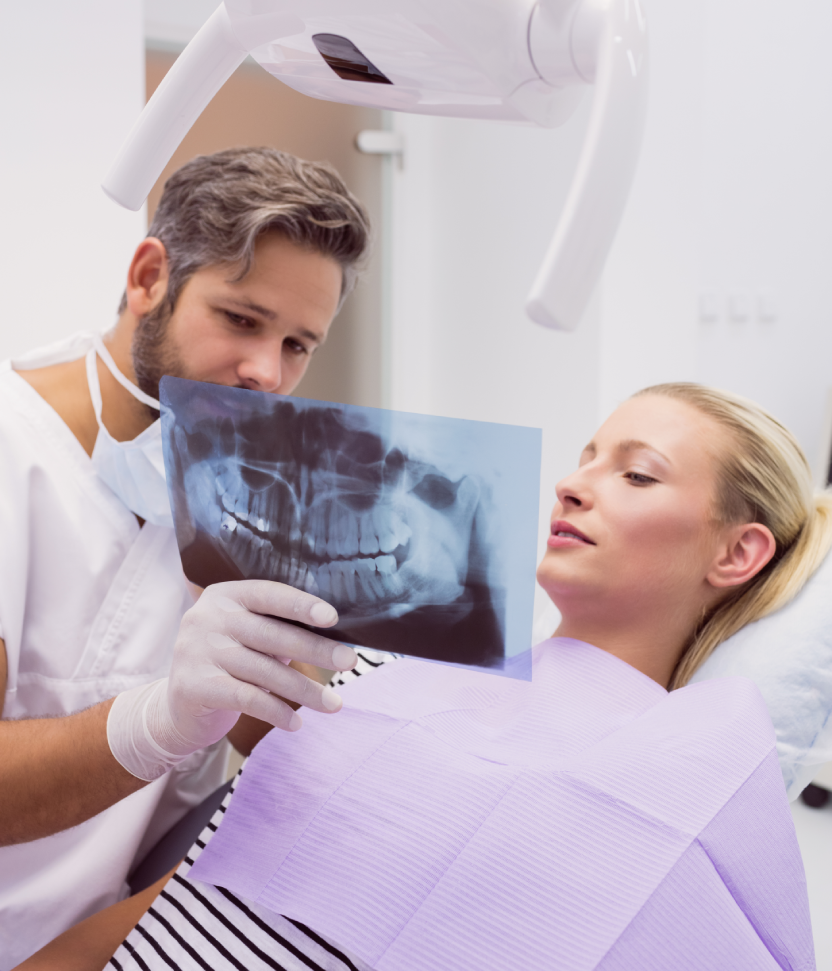
Which Restoration Type Delivers the Most Natural Result for Your Case
The most natural-looking option depends on what you are replacing, how much healthy tooth you have, and how your bite works. A dentist can often predict the best match by looking at your enamel, gumline, and smile line.
A quick guide to what tends to look most lifelike
- Small shape or color changes:Bonding or a conservative veneer can blend well when enamel is strong and the edge of the tooth is intact.
- Moderate damage or large fillings:A crown may hide underlying discoloration better and can be layered to mimic natural depth.
- Missing tooth:An implant crown often gives the most tooth-like emergence, especially when gum and bone levels are stable.
- Several missing teeth:Bridges or implant-supported bridges can look natural, but design matters to avoid a flat, uniform appearance.
Material choice (ceramic type), shade mapping, and surface texture usually matter as much as the restoration category. Ask to see similar cases and discuss how the lab will match translucency and gum contours.
HealRoad can help you compare clinic recommendations for veneers, crowns, implants, or bridges side by side, so you can choose the plan most likely to look natural for your smile.
Which Restoration Type Delivers the Most Natural Result for Your Case
The most natural-looking option depends on what you are replacing, how much healthy tooth you have, and how your bite works. A dentist can often predict the best match by looking at your enamel, gumline, and smile line.
A quick guide to what tends to look most lifelike
- Small shape or color changes:Bonding or a conservative veneer can blend well when enamel is strong and the edge of the tooth is intact.
- Moderate damage or large fillings:A crown may hide underlying discoloration better and can be layered to mimic natural depth.
- Missing tooth:An implant crown often gives the most tooth-like emergence, especially when gum and bone levels are stable.
- Several missing teeth:Bridges or implant-supported bridges can look natural, but design matters to avoid a flat, uniform appearance.
Material choice (ceramic type), shade mapping, and surface texture usually matter as much as the restoration category. Ask to see similar cases and discuss how the lab will match translucency and gum contours.
HealRoad can help you compare clinic recommendations for veneers, crowns, implants, or bridges side by side, so you can choose the plan most likely to look natural for your smile.
Compare treatment plans with confidence
Get help reviewing options and the proof each clinic provides.
Questions to Ask and Proof to Request Before You Commit to Treatment
Natural-looking results are rarely an accident. Before you say yes, ask for clear evidence of what will be done and what the final smile is intended to look like.
Bring these questions to your consultation
- What will you change and what will you keep?
Ask how tooth shape, length, and edge texture will be designed to match your face and age. - How will you choose the shade?
Request guidance on brightness and translucency so the teeth do not look flat or overly white. - How will my bite be checked?
Confirm how chewing forces and grinding habits are evaluated, since this can affect both comfort and appearance. - How much natural tooth will be removed?
Have them explain the planned reduction and alternatives if you prefer a more conservative approach.
Proof worth requesting
- Before-and-after cases similar to yours (not just the best ones).
- A mock-up or digital preview you can approve before final work.
- Material details (brand/type) and who makes the restorations.
HealRoad can help you compare trusted clinics in Turkey using transparent plan details, photos, and materials information. You can also ask questions along the way and get support with planning.
Questions to Ask and Proof to Request Before You Commit to Treatment
Natural-looking results are rarely an accident. Before you say yes, ask for clear evidence of what will be done and what the final smile is intended to look like.
Bring these questions to your consultation
- What will you change and what will you keep?
Ask how tooth shape, length, and edge texture will be designed to match your face and age. - How will you choose the shade?
Request guidance on brightness and translucency so the teeth do not look flat or overly white. - How will my bite be checked?
Confirm how chewing forces and grinding habits are evaluated, since this can affect both comfort and appearance. - How much natural tooth will be removed?
Have them explain the planned reduction and alternatives if you prefer a more conservative approach.
Proof worth requesting
- Before-and-after cases similar to yours (not just the best ones).
- A mock-up or digital preview you can approve before final work.
- Material details (brand/type) and who makes the restorations.
HealRoad can help you compare trusted clinics in Turkey using transparent plan details, photos, and materials information. You can also ask questions along the way and get support with planning.
Compare treatment plans with confidence
Get help reviewing options and the proof each clinic provides.
Conclusion
References


- Dental Crowns: Types, Procedure & Care (Cleveland Clinic)
- Dental crowns (MedlinePlus Medical Encyclopedia)
- Shade match comparison of CAD-CAM single crowns to a lithium disilicate crown (J Prosthodont, 2024) - PubMed
- Zirconium Crown Istanbul: What to Expect, Procedure, Cost (Acıbadem Beauty Center, Turkey)
Article Contributors

Heal Road Medical Reviewer
Medical Reviewer

Heal Road Writer
Writer
- Views
- 142 views
- Reading Time
- Last Updated