Revision Rhinoplasty: Refine Your Profile page background

Revision Rhinoplasty: Refine Your Profile

  • Гарантія найкращої ціни
  • Лише акредитовані клініки
  • Безкоштовна медична допомога 24/7
Тривалість 3-4 hr Тривалість
Перебування 1 day Перебування
Відновлення 3-4 weeks Відновлення
Рівень болю Лека Рівень болю
Шрами Internal Шрами
Анестезія General Анестезія
Перебування у Туреччині 8-10 days Перебування у Туреччині

Що таке Revision Rhinoplasty?

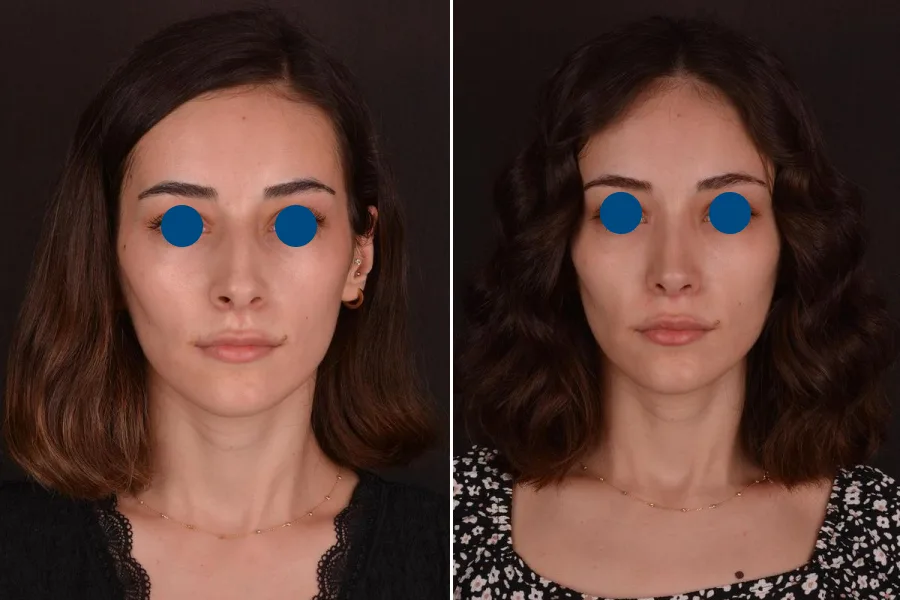
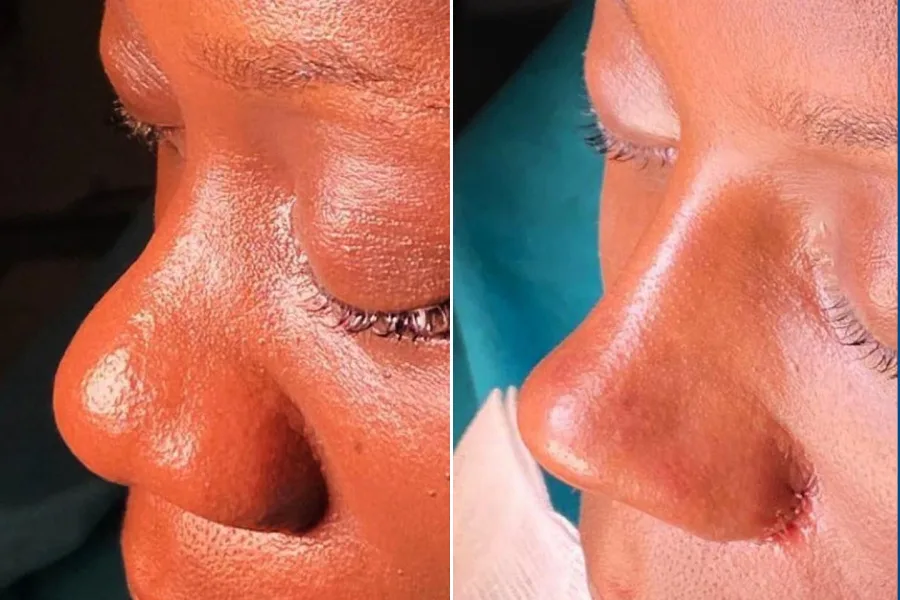
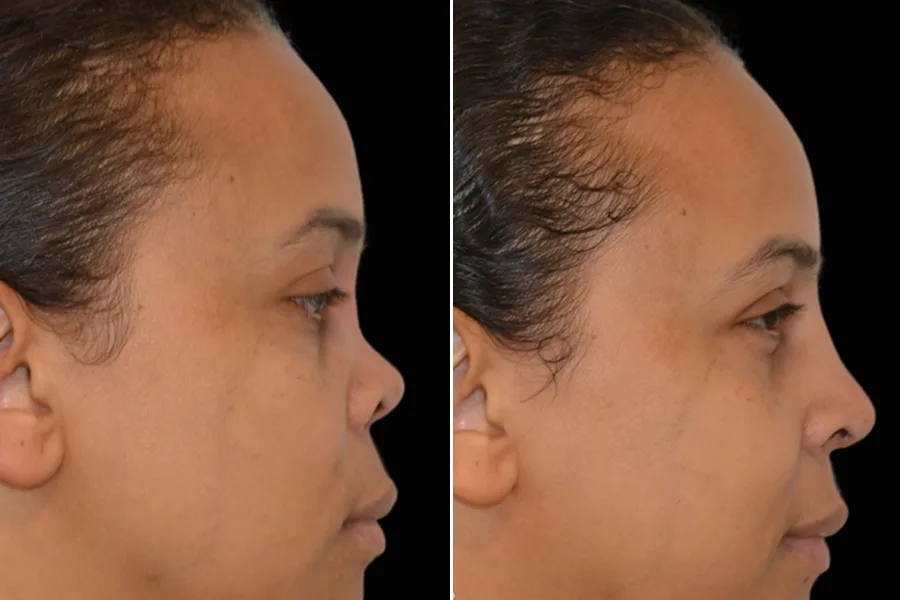
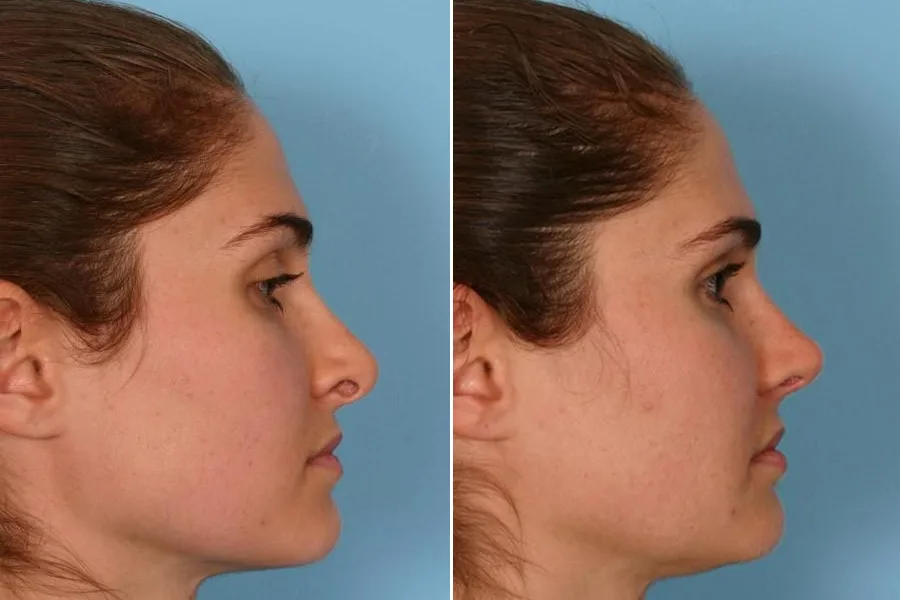
Revision rhinoplasty is a secondary nose operation carried out to improve appearance, function, or both after a previous rhinoplasty. It is usually considered when the first procedure did not fully achieve the desired result, or when healing, scar tissue, or structural changes led to breathing problems, asymmetry, collapse, or other concerns.


This procedure is often more complex than an initial rhinoplasty because the nasal tissues have already been altered. The surgeon may need to reshape cartilage, rebuild support, or use cartilage grafts from the nose, ear, or rib to correct the problem. Revision rhinoplasty is tailored to each person's anatomy and goals, with careful planning to restore balance, stability, and nasal airflow.

Для кого підходить Revision Rhinoplasty?

Revision rhinoplasty is intended for people who have already had nose surgery but are unhappy with the result, or who continue to have functional problems after healing. This procedure is often most suitable for:


  • Adults who have concerns about the appearance of the nose after a previous rhinoplasty, such as asymmetry, irregularities, collapse, or an unnatural shape.
  • Patients who still have breathing difficulties, nasal blockage, or structural issues that were not fully corrected, or that developed after the first surgery.
  • Individuals whose nose has healed completely from the original procedure, usually after an adequate waiting period, so that the tissues can be assessed accurately.
  • People in good general health who have realistic expectations and understand that revision surgery can be more complex than a first rhinoplasty.

A detailed consultation with an experienced surgeon is important to assess scar tissue, nasal support, and whether revision rhinoplasty is the right option.

Revision Rhinoplasty

Як проводиться Revision Rhinoplasty?

Revision rhinoplasty is a secondary nose operation carried out to correct problems that remain after a previous rhinoplasty, or to improve changes that developed during healing. It may be performed for cosmetic reasons, functional breathing problems, or both. Because the nose has already been operated on, the procedure is usually more complex than a first rhinoplasty. Scar tissue, altered anatomy, weakened cartilage support, and limited available tissue often mean that the surgeon must work very carefully and may need to rebuild parts of the nose using cartilage grafts.

  1. Detailed consultation, examination, and surgical planning

    The process begins with a thorough review of your previous nasal surgery, current concerns, breathing symptoms, and healing history. The surgeon examines the external shape of the nose as well as the internal structures, including the septum, valves, and airway. Standard photographs are usually taken, and in some cases imaging or nasal endoscopy may be recommended. This step is especially important in revision cases because the surgeon must identify what was changed previously, what support is missing, and what can realistically be improved while keeping the nose stable and natural-looking.

  2. Anaesthesia and preoperative preparation

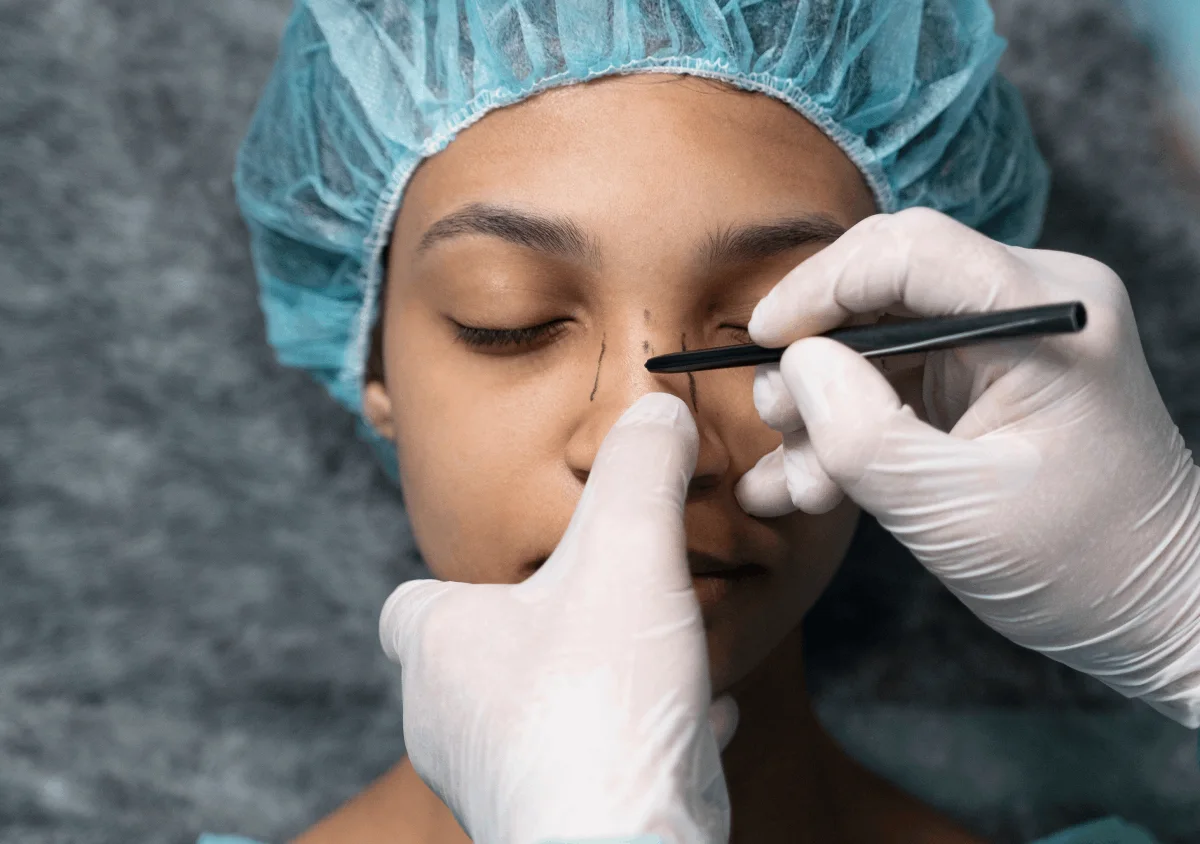
    Revision rhinoplasty is most often performed under general anaesthesia, although selected cases may be carried out with deep sedation and local anaesthesia. Before surgery, the treatment plan is reviewed carefully, including the areas to be corrected and whether graft material may be needed from the septum, ear, or rib. On the day of the procedure, the nose is marked, the face is cleaned, and medicines may be given to reduce bleeding and support comfort during recovery.

  3. Opening the nose and reaching the scarred structures

    The surgeon then accesses the nasal framework using either a closed approach(incisions inside the nostrils) or, more commonly in revision surgery, an open approach with a small incision across the columella between the nostrils. The skin is lifted carefully to expose the underlying cartilage and bone. This stage can take time because revision surgery often involves dense scar tissue and distorted anatomy. Gentle dissection helps protect the blood supply and allows the surgeon to see clearly what support remains and where correction is needed.

  4. Correcting structural problems and restoring support

    Once the nose is exposed, the surgeon addresses the specific issues from the previous operation. This may include straightening a crooked nose, smoothing irregularities, narrowing or rebuilding the tip, correcting asymmetry, or improving a pinched or collapsed area. If breathing is affected, the surgeon may also repair the septum or internal nasal valves. In many revision cases, the goal is not simply to remove tissue, but to reconstruct support so the nose functions well and maintains its shape over time.

  5. Using cartilage grafts when extra support is needed

    Cartilage grafting is common in revision rhinoplasty. If enough septal cartilage is still available, it may be used first. If not, cartilage can be taken from the ear or, in more complex cases, from the rib. These grafts are shaped and placed to strengthen weak areas, improve contour, open the airway, or rebuild parts of the bridge and tip. Grafts are often essential in revision surgery because previous rhinoplasty may have removed too much cartilage, leaving the nose less stable than before.

  6. Closing the incisions, splinting, and recovery follow-up

    After the corrections are completed, the skin is redraped and the incisions are closed with fine sutures. A small external nasal splint is usually placed to protect the new shape during the first stage of healing. Some patients also need soft internal supports or packing, depending on the work performed inside the nose. Swelling and bruising are expected, and they may last longer than after a primary rhinoplasty. Follow-up appointments are important so the surgeon can monitor healing, remove splints or sutures, and check both appearance and breathing. Although early improvement is visible within weeks, the final result often takes many months, and sometimes up to a year or more, as swelling gradually settles.

Відновлення та очікування?

Recovery after revision rhinoplasty is often more gradual and less predictable than recovery after a first nose operation, because the tissues may be scarred, the skin may be tighter or thinner, and cartilage grafts are sometimes used to rebuild support. Most patients can expect an initial healing period of a few weeks, followed by a much longer phase of subtle refinement as swelling slowly settles. Understanding the usual timeline can help you plan travel, work, social activities, and follow-up appointments with realistic expectations.

  1. Immediate Post-Procedure Period(First 24-72 Hours)

    During the first few days, it is normal to have swelling, congestion, pressure, and mild to moderate discomfort. If osteotomies or grafting were performed, bruising around the eyes and cheeks is also common. A splint is usually placed on the nose, and some patients may have internal supports or soft packing depending on the technique used. Breathing through the nose often feels limited at first because of internal swelling. Keeping your head elevated, using cold compresses around the eyes as advised, taking prescribed medication, and avoiding bending or strenuous activity can help reduce early swelling and discomfort.

  2. Early Healing and Splint Removal(Days 4-10)

    Swelling and bruising usually peak within the first few days and then begin to improve. Many patients return to the clinic around day 5 to 7 for splint removal, although timing can vary. Once the splint comes off, the nose may look more swollen than expected, especially at the tip, and this is completely normal after revision surgery. You may also notice numbness, stiffness, and uneven swelling from one side to the other. Most people feel well enough for light daily activities within a week, but the nose remains delicate, so glasses, pressure on the bridge, and accidental knocks should be avoided unless your surgeon advises otherwise.

  3. Visible Recovery and Return to Routine(2-4 Weeks)

    By the second to fourth week, bruising has usually faded significantly, and much of the obvious facial swelling has improved. Many patients feel comfortable returning to work, social settings, and non-strenuous routines during this stage, especially if their job does not involve physical exertion. Even so, the nose often still feels firm, puffy, and congested, and the final shape is not yet visible. Internal healing continues beneath the surface, and the tip commonly remains swollen for longer than the bridge. Gentle walking is usually fine, but strenuous exercise, contact sports, swimming, and anything that raises blood pressure significantly should still be limited until cleared by your surgeon.

  4. Intermediate Healing and Swelling Refinement(1-3 Months)

    This stage is when many patients start to see clearer improvement, but it is also when patience becomes especially important. After revision rhinoplasty, swelling can settle unevenly and more slowly than after primary surgery. The bridge may look improved earlier, while the tip, sidewalls, or grafted areas can remain fuller for longer. Breathing often continues to improve as internal swelling decreases, although temporary dryness or crusting may still occur. Your surgeon may recommend saline sprays, scar care, taping, or other measures depending on your anatomy and the type of revision performed. Follow-up appointments are important so healing can be monitored and any concerns addressed early.

  5. Long-Term Refinement and Final Result(6-12 Months and Beyond)

    The most meaningful part of recovery after revision rhinoplasty is the long-term settling phase. While you may look socially presentable much earlier, final definition can take 6 to 12 months, and in some complex cases even longer, especially in the nasal tip or when thick skin, scar tissue, or structural grafts are involved. Small changes continue over time as swelling softens and the tissues adapt to their new framework. It is important not to judge the final result too early. Protecting the nose from trauma, avoiding smoking, following all aftercare instructions, and attending scheduled reviews all support a smoother recovery and a more stable outcome.

Чому варто обрати Türkiye для Revision Rhinoplasty?

Türkiye has become a well-regarded destination for revision rhinoplasty, offering access to experienced facial plastic surgeons, advanced surgical planning, and more accessible pricing than many countries in Europe or North America. Patients seeking a second or corrective nose surgery often need a team that understands both the cosmetic and functional challenges of a previously operated nose. In Türkiye, many clinics are familiar with these complex cases and provide a structured process that supports careful assessment, realistic planning, and close follow-up.

Revision rhinoplasty is usually more demanding than a first nose operation, because scar tissue, altered anatomy, breathing problems, or loss of structural support can make surgery technically difficult. Many Turkish clinics use detailed facial analysis, high-resolution imaging, and 3D simulation tools to assess nasal shape, skin thickness, symmetry, and airway concerns before surgery. This level of planning is especially important for international patients, because it helps clarify what can realistically be improved and whether cartilage grafts from the septum, ear, or rib may be needed. A thorough consultation also helps identify whether the main goal is aesthetic refinement, functional correction, or both.

  • Türkiye offers access to surgeons with strong experience in complex secondary nose surgery, including cases involving asymmetry, collapse, over-resection, tip deformities, and persistent breathing issues.
  • Many clinics work with modern diagnostics, detailed preoperative assessment, and refined surgical techniques, which are important when operating on scarred or previously altered nasal structures.
  • Patients often benefit from individualised treatment plans that address both appearance and function, including septal support, valve problems, graft requirements, and skin-related limitations.
  • Clinics typically place strong emphasis on hospital safety standards, anaesthetic assessment, and postoperative monitoring, with clear instructions for swelling control, splint care, and follow-up during healing.
  • Cost advantages can make revision surgery more attainable, especially for patients who need a highly specialised procedure that may be significantly more expensive elsewhere.
  • Türkiye's well-developed medical tourism network helps international patients organise consultations, travel, accommodation, and local transfers in a more convenient way.

Beyond the operation itself, many patients value the practical support available during recovery. Revision rhinoplasty often requires patience, because swelling can last longer than in primary surgery and final definition may take time to appear. Clinics in Türkiye commonly provide guidance on sleeping position, nasal cleaning, activity restrictions, and when to return for check-ups or remote review. This aftercare matters, because long-term results depend not only on surgical skill, but also on tissue healing, airway stability, and how well the nose is supported during recovery.

Türkiye's strong position in the health tourism market reflects years of investment in private hospitals, international patient coordination, and high-volume surgical experience. By welcoming patients from many parts of the world each year, the country has built a reputation for organised care, accessible treatment pathways, and dependable support for complex procedures. For people considering revision rhinoplasty abroad, this combination of expertise, planning, and medical tourism experience makes Türkiye a trusted and practical choice.

Revision Rhinoplasty

Часті запитання про Revision Rhinoplasty

Автори сторінки

Медичний рецензент Heal Road

Медичний рецензент Heal Road

Медичний рецензент

Перегляди
2086 перегляди
Час читання
Останнє оновлення

Пов’язані статті

Гіди та корисна інформація, пов’язані з цим лікуванням.

A Step-by-Step Guide to Revision Rhinoplasty in Turkey

Покроковий гід з ревізійної ринопластики в Туреччині

Ревізійна ринопластика (вторинна операція на носі) проводиться для покращення зовнішнього вигляду, дихання або структурної підтримки носа після попередньої ринопластики чи травми носа. Оскільки рубцева тканина, змінена анатомія та зменшена хрящова опора можуть робити ревізійну операцію складнішою, ніж первинне втручання, ретельне планування та реалістичні очікування є вкрай важливими. Туреччина є популярним напрямком для ревізійної ринопластики завдяки досвідченим хірургам, сучасним лікарням і порівняно нижчим загальним витратам на лікування, однак результат і надалі залежить від досвіду хірурга, анатомії вашого носа та якості післяопераційного догляду. У цьому покроковому гіді пояснюється, що зазвичай відбувається до, під час і після ревізійної ринопластики в Туреччині, зокрема часові рамки, перевірки безпеки та результати, на які можна обґрунтовано розраховувати.
18 хв 1064 переглядів
Лис. 2, 2025
A Step-by-Step Guide to Jalupro Youth Serum in Turkey

Покроковий посібник із Jalupro Youth Serum у Туреччині

Jalupro Youth Serum - це процедура омолодження шкіри, яку застосовують в естетичній медицині для покращення зволоження, еластичності та загальної якості шкіри. У Туреччині її зазвичай пропонують у дерматологічних клініках і клініках медичної естетики у вигляді курсу мікроін'єкцій, які часто описують як «біоревіталізацію» або терапію skin booster, під час яких у поверхневі шари шкіри вводять комбінацію амінокислот і гіалуронової кислоти. У цьому покроковому посібнику пояснюється, що це за процедура, кому вона може підійти, як клініки зазвичай організовують сеанси, чого очікувати під час відновлення та як обрати безпечного фахівця, щоб ви могли спланувати поїздку й лікування з реалістичними очікуваннями та належним медичним наглядом.
15 хв 1523 переглядів
Гру. 3, 2025
A Step-by-Step Guide to Hyperhidrosis Treatment (Excessive Sweating) in Turkey

Покроковий посібник з лікування гіпергідрозу (надмірного потовиділення) в Туреччині

Гіпергідроз - це медичний стан, за якого потовиділення є надмірним для конкретної ситуації та може заважати повсякденному життю, роботі й упевненості в собі. Він може бути локальним (уражати, наприклад, пахви, долоні, стопи або обличчя) або генералізованим (більш поширеним), а також первинним (часто починається в дитинстві чи підлітковому віці) або вторинним, тобто спричиненим іншим захворюванням чи прийомом ліків. У цьому покроковому посібнику пояснюється, як зазвичай оцінюють і лікують гіпергідроз у Туреччині, чого очікувати на кожному етапі та як безпечно спланувати поїздку й подальше спостереження.
18 хв 1930 переглядів
Гру. 2, 2025
A Step-by-Step Guide to Ultherapy in Turkey

Покроковий гід з Ultherapy у Туреччині

Ultherapy (мікрофокусований ультразвук з візуалізацією, MFU-V) - це нехірургічна процедура ліфтингу та підтягнення шкіри, яку застосовують для стимуляції колагену в глибоких опорних шарах шкіри, найчастіше в ділянці брів, нижньої частини обличчя/лінії щелепи, шиї та верхньої частини грудей (декольте). У Туреччині клініки часто поєднують досвідчених лікарів естетичної медицини/дерматологів із сучасними апаратами з візуальним контролем, тому це популярний варіант для людей, які хочуть помітного підтягнення без розрізів і тривалого відновлення. У цьому покроковому гіді пояснюється, кому підходить процедура, як підготуватися, що відбувається під час сеансу, як проходить відновлення та як безпечно спланувати поїздку і подальший догляд.
15 хв 1896 переглядів
Гру. 1, 2025

Як це працює?

File-up

Створіть свій
запит на лікування

Заповніть форму менш ніж за 2 хвилини.

Отримуйте пропозиції
приватно

Пропозиції готують перевірені клініки без розкриття вашої особистої інформації.

Порівняйте &
оберіть

Переглядайте прозоре ціноутворення та деталі пакетів поруч.

Ми плануємо
усю подорож

Записи на прийом, трансфери, проживання та екскурсії містом організовуються для вас.

Ваші переваги з HealRoad

Іконка миттєвих пропозицій

Миттєві пропозиції

Отримуйте та порівнюйте пропозиції на лікування від провідних клінік за лічені хвилини — без листа очікування.

Іконка прозорої фіксованої ціни

Прозора фіксована ціна

Тримайте свій бюджет під контролем завдяки пакетам «усе включено», без прихованих додаткових витрат.

Іконка персонального координатора 24/7

Персональний координатор 24/7

Від бронювання авіаквитків до повного одужання — отримуйте індивідуальний супровід щоразу, коли вам потрібна допомога.

Botan

Botan

Персональний менеджер Heal Road

Від першого знайомства

до відновлення

Координатор

Швидкий контакт у WhatsApp

Coordinator

Emin

Персональний менеджер Heal Road

Про себе

Я тут, щоб супроводжувати вас протягом усього вашого медичного шляху з Heal Road.

Продовживши, вас буде перенаправлено до WhatsApp.