Створіть свій
запит на лікування
Створіть свій
запит
на лікування
Заповніть форму менш ніж за 2 хвилини.
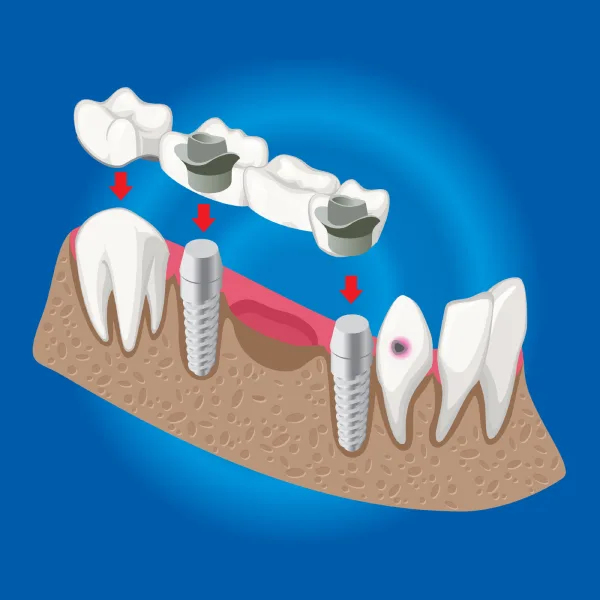
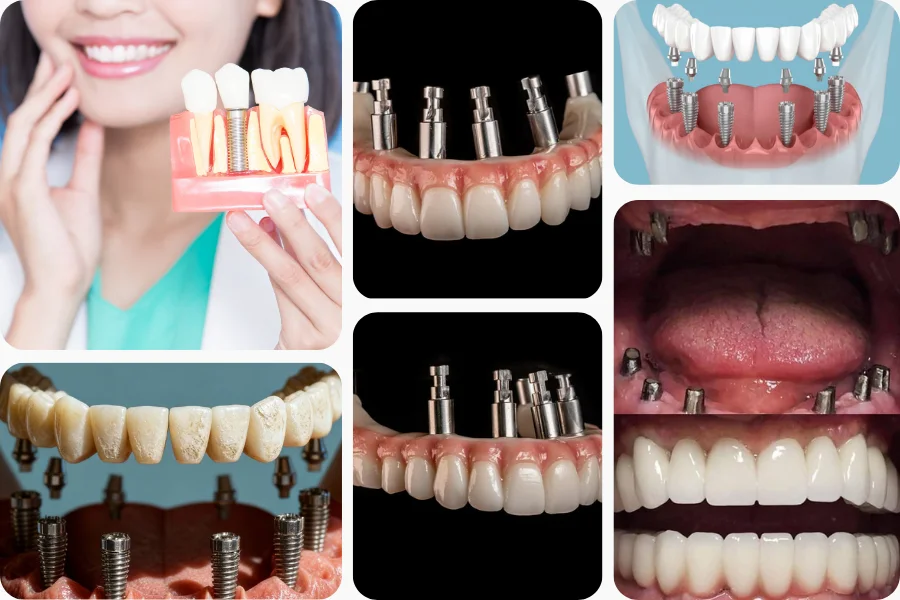
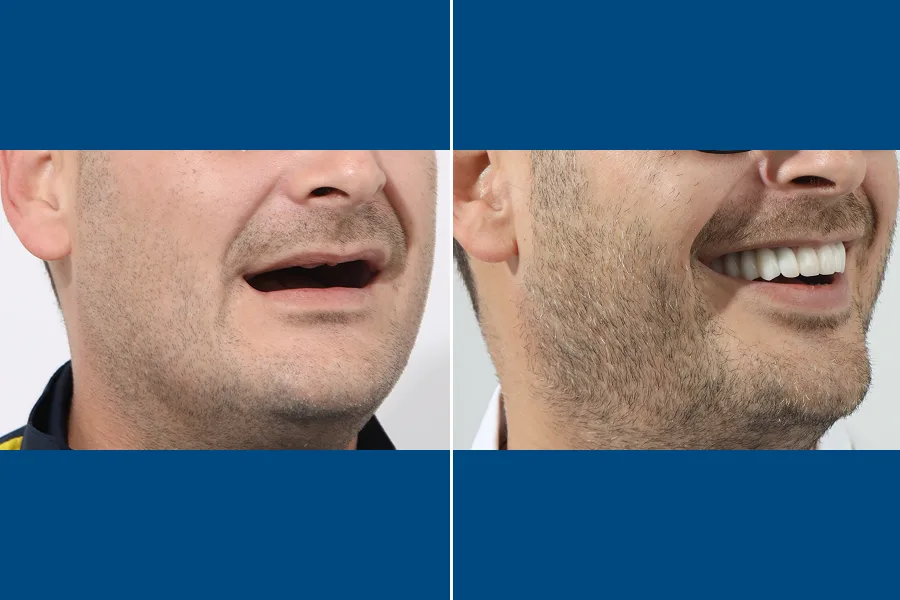
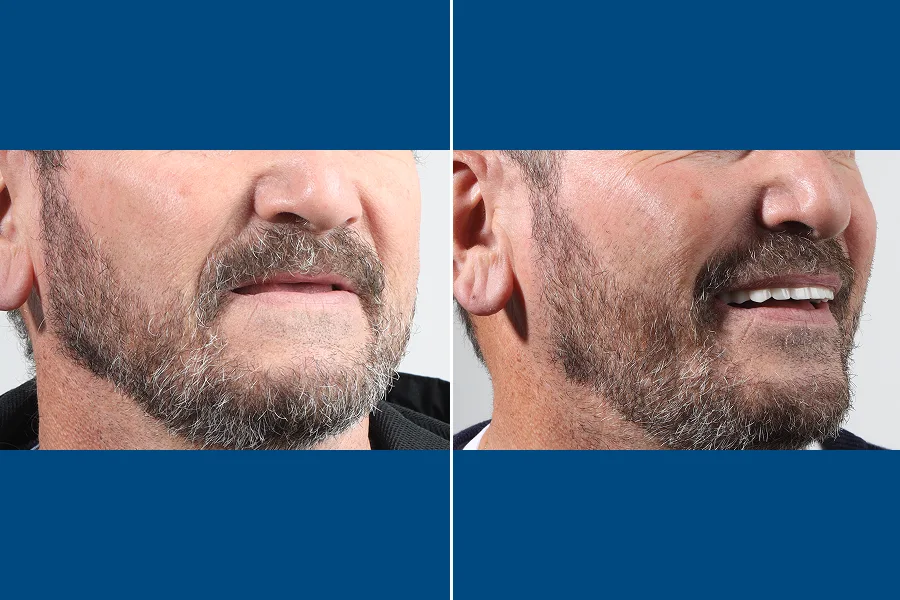
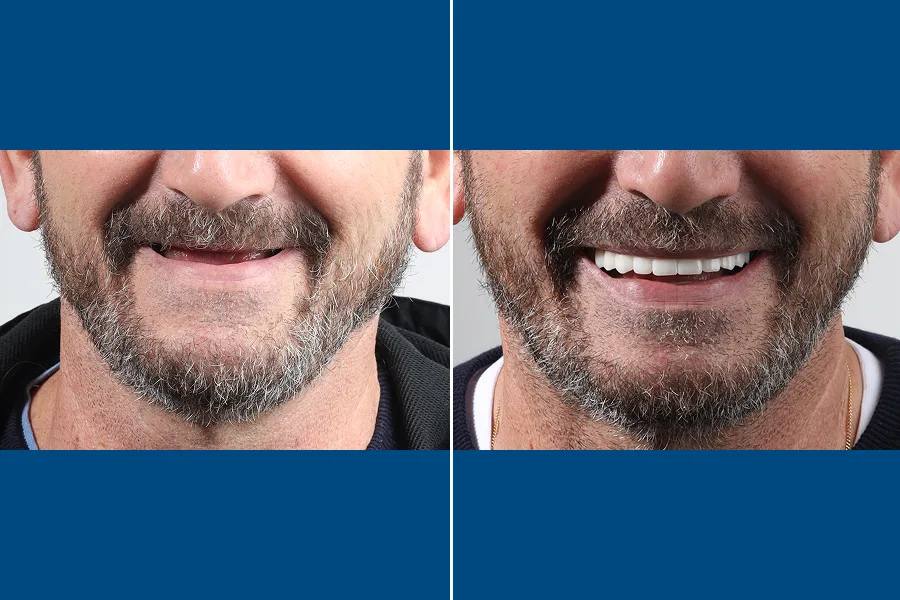
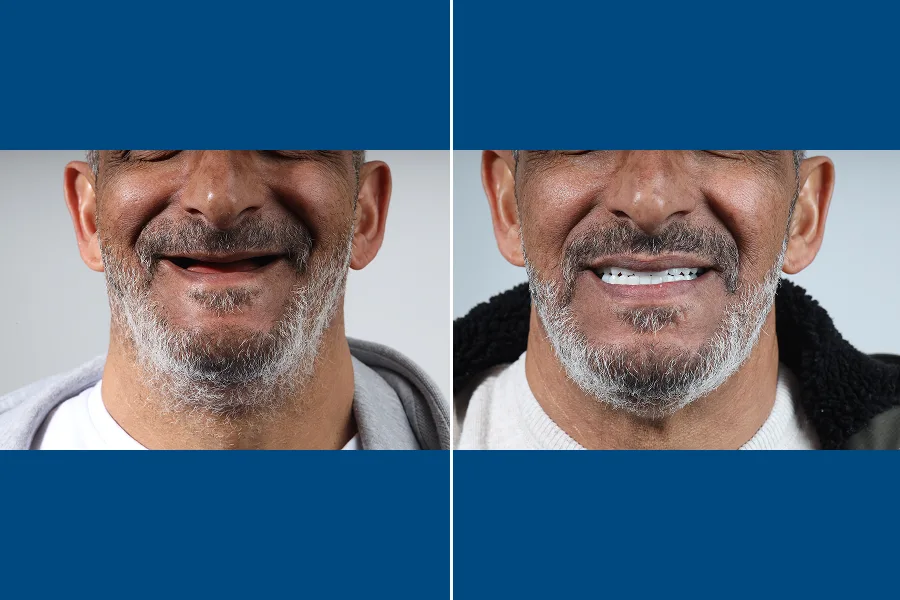
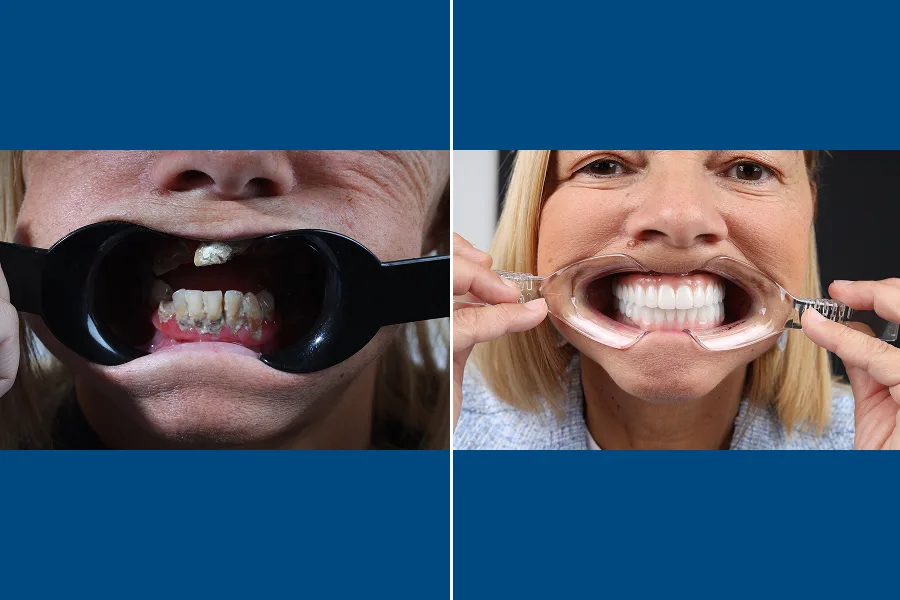
All-on-6 dental implants are a full-arch tooth replacement option for people who have lost most or all of their teeth, or whose remaining teeth are too badly damaged to keep. The treatment uses six dental implants placed in the jaw to support a fixed bridge, creating a secure set of replacement teeth that looks and functions more like natural teeth.
By using six implants instead of four, this approach can provide additional support and help distribute biting forces more evenly across the jaw. It is often recommended for patients who need extra stability, particularly in areas with greater bone volume. In many cases, a temporary fixed prosthesis is fitted first, followed by a final custom-made bridge once the implants have healed.
All-on-6 dental implants are best suited to people who need full-arch tooth replacement and want a fixed, stable solution that feels more secure than removable dentures. This treatment is particularly suitable for:
A full dental assessment helps determine whether All-on-6 is the right option and supports safe, long-term treatment planning.
All-on-6 Dental Implants is a full-arch restoration method that replaces an entire upper or lower set of teeth using six dental implants to support a fixed bridge. It is often recommended for people who have lost most or all of the teeth in one arch, or whose remaining teeth cannot be saved. By distributing support across six implants rather than four, this approach can provide excellent stability and load distribution, particularly in patients with sufficient jawbone. In many cases, a temporary fixed bridge can be fitted shortly after surgery, allowing you to leave with a functional, natural-looking smile while the implants heal.
Treatment begins with a comprehensive assessment of your teeth, gums, bite, and overall oral health. The dentist or implant surgeon will review your medical history, discuss your goals, and check whether you are a suitable candidate for a fixed full-arch solution. 3D scans, panoramic X-rays, photographs, and digital impressions are commonly used to measure bone volume, identify nerves or sinus spaces, and plan the exact implant positions. This planning stage also helps determine whether any teeth need to be extracted, whether bone grafting is required, and what the final bridge should look like.
On the day of the procedure, the team prepares the mouth in a sterile setting and confirms the treatment plan. All-on-6 is usually carried out under local anaesthesia, often with sedation to help you remain relaxed. In selected cases, general anaesthesia may be used. The gums and jaw are thoroughly numbed, and any surgical guides created during planning may be used to improve precision. If an immediate temporary bridge is planned, final measurements are checked before implant placement begins.
If damaged, loose, or infected teeth are still present, they are carefully removed. The surgeon then cleans the area, removes unhealthy tissue if needed, and smooths or reshapes the bone to create a stable base for the implants and a better fit for the future bridge. This step is important because it helps improve both healing and the final appearance of the gums. If there is an active infection, it is treated before or during the procedure to support a healthier implant environment.
The surgeon places six implants into carefully selected areas of the jawbone to support the full-arch prosthesis. In many cases, the implants are distributed from the front to the back of the arch to create broad, balanced support. Depending on your anatomy, some posterior implants may be placed at a slight angle to make the best use of available bone and avoid important structures. Each implant site is prepared with precision, and the implants are inserted and checked for primary stability, which is especially important if immediate loading is planned.
After the implants are placed, the dentist attaches abutments, which are connector components that link the implants to the bridge. These parts help correct angulation and create the proper path for the prosthesis. If the implants are stable enough, a temporary fixed bridge is fitted on the same day or within the next few days. This temporary restoration allows you to smile and speak more normally during healing, but it is not the final set of teeth. You will usually need to follow a soft-food diet and avoid heavy biting while the implants integrate with the bone.
Over the following 3 to 6 months, the implants heal and fuse with the jawbone through a process called osseointegration. During this time, you will attend follow-up appointments so the dental team can monitor healing, check the bite, and make any necessary adjustments to the temporary bridge. Once the implants are fully integrated, detailed impressions or digital scans are taken to create the final full-arch bridge, which may be made from materials such as zirconia or high-strength acrylic over a strong framework. The final prosthesis is designed for durability, comfort, and a natural appearance. You will also be shown how to clean properly around the bridge and implants, as long-term success depends on good oral hygiene and regular professional reviews.
Recovery after All-on-6 dental implants happens in stages, beginning with healing of the gums and continuing with the slower process of the implants bonding to the jawbone. Because six implants are used to support a full arch, the treatment is designed to provide strong long-term support, but the healing timeline is still gradual. Many patients leave with a fixed temporary bridge on the same day or shortly after surgery, which allows you to speak, smile, and eat a modified diet while the deeper healing continues.
During the first few days, it is common to have swelling, soreness, mild bleeding or oozing, and some bruising around the cheeks or jaw. If teeth were removed or bone reshaping was needed, these symptoms may be a little more noticeable. Your dental team will usually provide pain relief, and in some cases antibiotics or an antimicrobial mouth rinse. Cold compresses, rest, and keeping your head raised can help reduce swelling. You will need to follow a soft, cool diet and avoid smoking, alcohol, vigorous rinsing, and strenuous physical activity during this early period.
Swelling often peaks around day 2 or 3, then gradually starts to settle. The gums may feel tender, tight, or slightly uneven as they heal around the implants and temporary bridge. It is also normal to need a short adjustment period for speech, chewing, and bite comfort. Many people are able to return to non-physical work within a few days, although this depends on the extent of the surgery and how they feel. Gentle cleaning is important, usually with careful brushing and any rinses recommended by your dentist. Follow-up visits during this stage may be used to check healing, remove sutures if needed, and make small bite adjustments.
By the second to fourth week, most visible swelling and day-to-day discomfort have improved significantly. The gums usually begin to look healthier and feel more stable, although some sensitivity may still be present. At this point, many patients feel more comfortable socially and in their daily routines, but the implants are still in an important healing phase. You can often broaden your diet slightly, but it remains essential to avoid hard, crunchy, sticky, or very chewy foods. The temporary bridge is intended to provide appearance and light function, not to withstand full biting force while the implants are integrating.
The key part of recovery is osseointegration, the process in which the six implants gradually fuse with the jawbone. This stage often happens without obvious symptoms, so even if you feel well, the implants still need protection from overload. Good oral hygiene, a careful diet, and regular review appointments are especially important during this time. Your dentist may monitor the gums, implant stability, and bite balance to make sure healing is progressing as expected. If you clench or grind your teeth, you may be advised to use a protective night guard later in the process to reduce stress on the restoration.
In many cases, the final full-arch bridge is placed after about 3 to 6 months, once the implants have shown good stability and the tissues have matured. The exact timing depends on bone quality, whether grafting was required, your general healing response, and the treatment plan used by the clinic. After the final bridge is fitted, chewing efficiency, comfort, and confidence often improve further. Some patients still need minor bite refinements or small gum contour adjustments. Long-term success depends on daily cleaning around the bridge, regular professional maintenance, and avoiding smoking or habits that place excessive force on the implants.
Turkey is a popular choice for All-on-6 dental implants because it brings together experienced implant teams, advanced digital planning, and more accessible treatment costs compared with many countries in Europe and North America. For patients who need a full-arch fixed restoration with strong support and long-term stability, clinics in Turkey often offer a streamlined treatment journey that combines clinical precision with practical support for international visitors.
All-on-6 treatment involves placing six implants to support a full set of fixed teeth, so careful assessment is essential before surgery begins. Many Turkish clinics use 3D CBCT scans, digital intraoral scanning, and computer-guided implant planning to evaluate bone volume, sinus anatomy, bite alignment, and implant positioning. This detailed preparation helps reduce uncertainty and supports predictable outcomes, especially for patients travelling from abroad who want a clear plan before committing to treatment. If bone quality is reduced or additional procedures are needed, such as bone grafting or sinus lift evaluation, these options are usually discussed after a full clinical review.
Another reason patients choose Turkey is the attention many clinics give to the full treatment experience, not only the surgery itself. All-on-6 cases often require coordination between diagnostics, implant placement, temporary restoration, and final prosthetic design. Turkish providers that work frequently with international patients are often experienced in arranging these stages efficiently while still allowing time for healing and bite adjustments. This can be especially valuable for people who want a fixed smile solution with a clear timeline and practical communication throughout the process.
Aftercare is also an important part of successful All-on-6 treatment. Patients usually receive instructions on cleaning around the bridge, using recommended hygiene tools, attending follow-up checks, and recognising signs that need professional review. Long-term success depends on implant integration, bite balance, prosthesis quality, and regular maintenance, so clinics that emphasise follow-up support can offer added reassurance.
Turkey's strong position in the global health tourism market reflects years of investment in private dental clinics, international patient coordination, and high-volume clinical experience. By welcoming large numbers of overseas patients each year, the country has built a reputation for organised care, modern facilities, and dependable service. This success in health tourism is one of the main reasons many patients feel confident choosing Turkey for All-on-6 dental implants.
Отримайте індивідуально розраховану середню ціну відповідно до ваших потреб.
Медичний рецензент
Автор
Гіди та корисна інформація, пов’язані з цим лікуванням.
Заповніть форму менш ніж за 2 хвилини.
Пропозиції готують перевірені клініки без розкриття вашої особистої інформації.
Переглядайте прозоре ціноутворення та деталі пакетів поруч.
Записи на прийом, трансфери, проживання та екскурсії містом організовуються для вас.
Отримуйте та порівнюйте пропозиції на лікування від провідних клінік за лічені хвилини — без листа очікування.
Тримайте свій бюджет під контролем завдяки пакетам «усе включено», без прихованих додаткових витрат.
Від бронювання авіаквитків до повного одужання — отримуйте індивідуальний супровід щоразу, коли вам потрібна допомога.
Botan
Персональний менеджер Heal Road
Від першого знайомства
до відновлення
з вами на кожному етапі шляху
Поділіться кількома деталями, і ми зв’яжемося з вами, запропонувавши найкращі варіанти.
Швидкий контакт у WhatsApp