


Стоматологічне лікування · Композитний бондинг
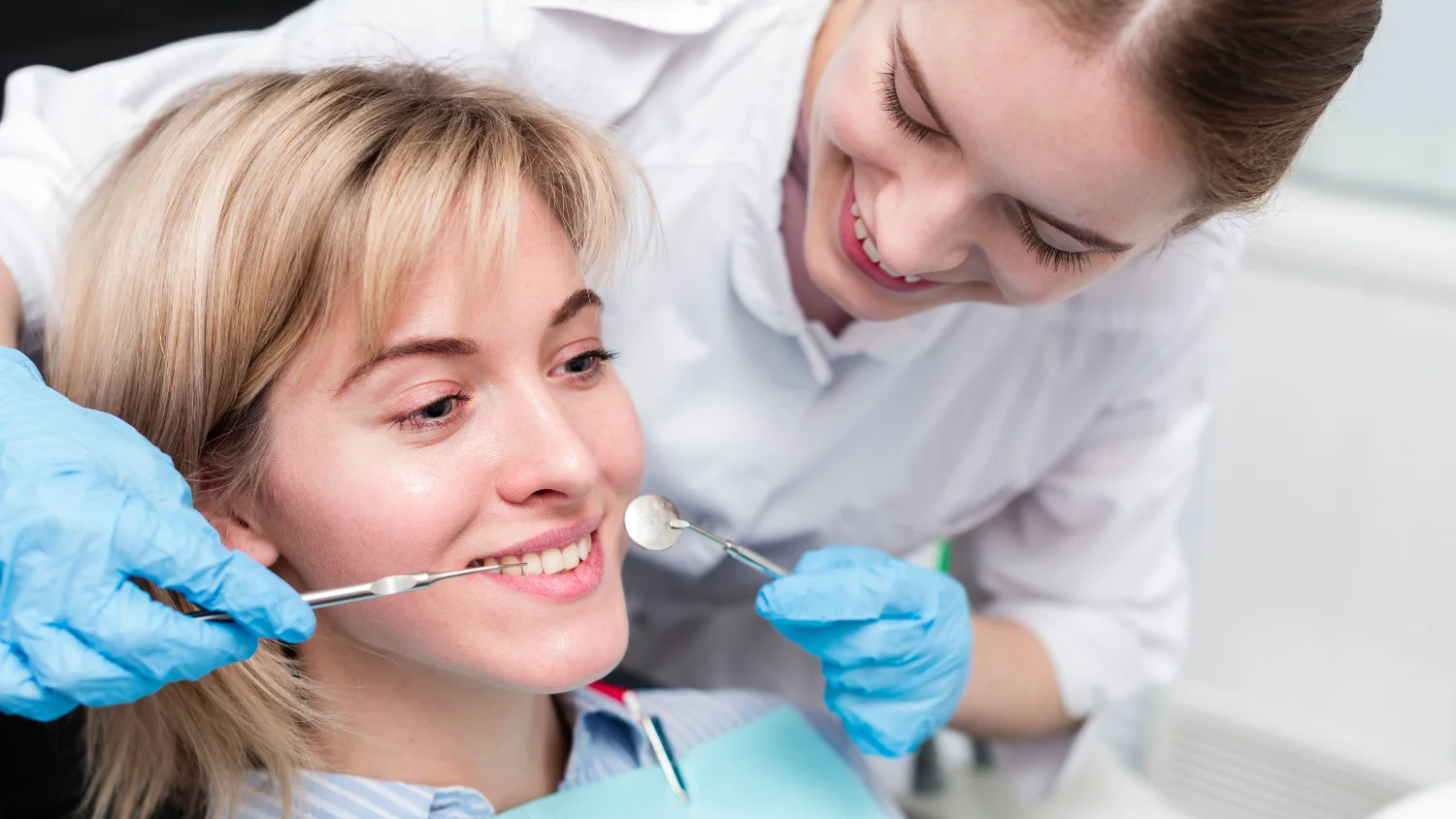
Стоматологічне лікування
Композитний бондинг: Вдоскональте свою усмішку
Композитний бондинг in Türkiye: Естетична стоматологічна процедура з використанням композитної смоли кольору зуба для відновлення сколів, закриття.
Автори сторінки


Lleol
Анестезія

30-60 min
Тривалість

1-2 дні
Відновлення

Лёгкая
Рівень болю

Immediate
Вигляд

90-95%
Успішн. %
Що таке Композитний бондинг?
Композитний бондинг — це естетична стоматологічна процедура, яку застосовують для покращення форми, кольору та загального вигляду зубів. Вона передбачає нанесення композитної смоли кольору зуба безпосередньо на поверхню зуба з подальшим ретельним моделюванням і поліруванням, щоб матеріал гармонійно поєднувався з природним зубом.
Це лікування часто використовують для відновлення невеликих сколів або тріщин, закриття незначних проміжків, маскування зміни кольору та надання більш гармонійного вигляду нерівним або стертим зубам. Композитний бондинг зазвичай виконується за один візит і часто потребує мінімального або взагалі не потребує препарування природних тканин зуба, що робить його більш щадним варіантом порівняно з вінірами чи коронками. За умови точного підбору відтінку до сусідніх зубів результат може виглядати дуже природно.

Для кого підходить Композитний бондинг?
Композитний бондинг — хороший варіант для людей, які хочуть покращити зовнішній вигляд своїх зубів за допомогою малоінвазивної та відносно швидкої естетичної процедури. Найчастіше він підходить для:
- Дорослих із невеликими сколами, тріщинами, нерівними краями або незначним стиранням передніх зубів.
- Людей, які хочуть закрити невеликі проміжки, покращити форму зубів або зробити злегка нерівні зуби більш гармонійними.
- Пацієнтів із помірною зміною кольору або поверхневими дефектами, які можуть недостатньо добре піддаватися лише відбілюванню.
- Тих, хто віддає перевагу щадному лікуванню, яке зазвичай потребує мінімального або взагалі не потребує препарування природних тканин зуба.
- Людей із загалом здоровими зубами та яснами, а також реалістичними очікуваннями щодо естетичного результату та довговічності композитного матеріалу.
Стоматологічний огляд допомагає підтвердити, чи є композитний бондинг правильним вибором, особливо якщо є проблеми з прикусом, карієс, захворювання ясен або звички на кшталт скреготіння зубами, які можуть вплинути на результат.
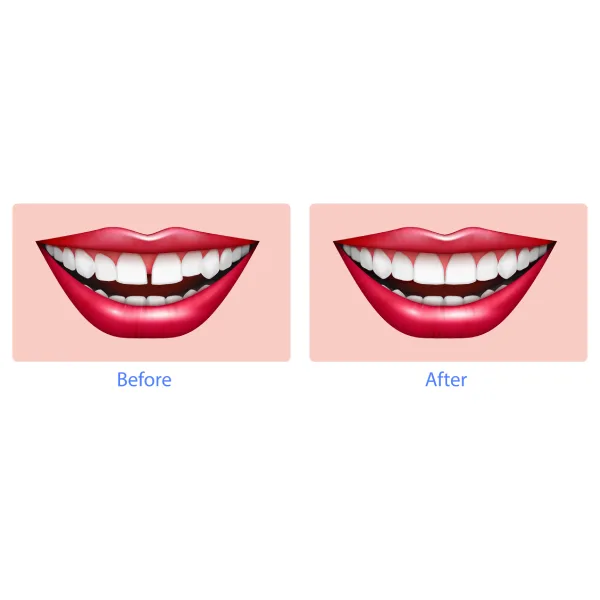
Композитний бондинг benefits
-
Minimally invasive repair
-
Shape correction
-
Natural smile aesthetics
-
Repairable material
-
Comfort-focused procedure
-
Cost-conscious option
Як проводиться Композитний бондинг?
Композитний бондинг — це естетична стоматологічна процедура, що використовується для покращення форми, кольору та загального вигляду зубів шляхом нанесення композитного матеріалу кольору зуба безпосередньо на емаль. Його часто обирають для відновлення невеликих сколів, закриття незначних проміжків, вирівнювання нерівних країв, маскування зміни кольору або надання зубам більш симетричного вигляду. У більшості випадків лікування проводиться за одне відвідування, з мінімальним або повністю без препарування, і зазвичай без потреби в анестезії, якщо бондинг не використовується також для усунення карієсу чи пошкодження поблизу чутливої ділянки.
-
Консультація, оцінка усмішки та підбір відтінку
Процес починається зі стоматологічної консультації, щоб зрозуміти, що саме ви хотіли б покращити, і визначити, чи є композитний бондинг правильним варіантом. Стоматолог оглядає ваші зуби, ясна та прикус, а за потреби може зробити фотографії або рентгенівські знімки. Це допомагає виявити такі проблеми, як стирання зубів, бруксизм, карієс або захворювання ясен, які спочатку можуть потребувати лікування. Далі проводиться підбір відтінку, щоб композит природно поєднувався з сусідніми зубами або відповідав світлішому відтінку, запланованому після відбілювання, якщо це входить до вашого плану лікування.
-
Підготовка поверхні зуба
Одна з причин, чому композитний бондинг такий популярний, полягає в тому, що це зазвичай малоінвазивна процедура. У багатьох випадках потрібно видалити зовсім небагато природної тканини зуба. Спочатку стоматолог ретельно очищує зуб від нальоту та поверхневих плям. Якщо мета суто естетична, емалі може знадобитися лише легка підготовка. На поверхні часто створюється невелика шорсткість, щоб матеріал краще закріпився. Потім ділянку утримують сухою, іноді за допомогою ватних валиків або кофердама, оскільки контроль вологи важливий для міцного з’єднання.
-
Протравлення та нанесення бондингового агента
Після підготовки зуба стоматолог на короткий час наносить на емаль м’який протравлювальний гель. Це створює мікроскопічну текстуру на поверхні, що допомагає матеріалу краще прикріпитися. Потім гель змивають, а зуб обережно висушують. Далі на зуб наносять рідкий бондинговий агент. Цей адгезивний шар є сполучною ланкою між природним зубом і композитною смолою. Зазвичай його затверджують спеціальною синьою полімеризаційною лампою ще до початку основного моделювання.
-
Пошарове нанесення та моделювання композитної смоли
Стоматолог наносить композитну смолу невеликими порціями, а не всю одразу. Це дозволяє краще контролювати форму, міцність і поєднання кольору. Кожен шар ретельно моделюється для створення бажаного контуру — чи то відновлення сколеного кута, подовження короткого зуба, закриття проміжку або покращення симетрії усмішки. Для більш природного результату, особливо на передніх зубах, можуть комбінуватися різні відтінки або рівні прозорості композиту. Кожен шар затверджується полімеризаційною лампою перед нанесенням наступного.
-
Формування, корекція прикусу та полірування
Після повного затвердіння смоли стоматолог вдосконалює відновлену ділянку за допомогою тонких інструментів і полірувальних дисків. Цей етап важливий, оскільки саме він визначає, наскільки природно виглядає зуб і наскільки комфортно він відчувається. Стоматолог перевіряє змикання прикусу, щоб переконатися, що відновлений зуб не контактує занадто рано під час змикання щелеп або жування, що могло б підвищити ризик сколу. Потім поверхню полірують до гладкого, блискучого фінішу, схожого на природну емаль. Якісне полірування також допомагає зменшити накопичення пігментації з часом.
-
Догляд після процедури, тривалість результату та контрольні візити
Композитний бондинг зазвичай майже не потребує часу на відновлення, і більшість людей можуть одразу повернутися до звичних щоденних справ. Вам можуть порадити уникати дуже твердих продуктів, звички гризти нігті або використовувати зуби для відкривання упаковок, особливо якщо бондинг виконували на передніх зубах. Також розумно обмежити звички, що спричиняють фарбування, наприклад куріння або часте вживання кави, чаю та червоного вина, оскільки композит з часом забарвлюється легше, ніж порцеляна. За умови належної гігієни ротової порожнини, регулярних стоматологічних оглядів і періодичного полірування або незначних корекцій бондинг може зберігати привабливий вигляд протягом кількох років, хоча з часом може знадобитися ремонт або заміна залежно від зношення та способу життя.
Відновлення та очікування?
Відновлення після композитного бондингу зазвичай є швидким і нескладним, оскільки це малоінвазивна процедура, яку часто виконують за один візит. У більшості випадків період справжнього загоєння мінімальний або взагалі відсутній порівняно з коронками, вінірами чи імплантаційними процедурами. Найчастіше пацієнти помічають лише короткий період адаптації, поки зуби «звикають», перевіряється прикус, а губи та язик пристосовуються до нової форми й поверхні відновлених ділянок. Розуміння того, що є нормальним у перші години та дні після лікування, допоможе вам упевнено їсти, говорити й доглядати за зубами.
-
Одразу після процедури (Перші кілька годин)
Після того як бондинг відполіровано та скориговано прикус, більшість пацієнтів можуть одразу повернутися до звичного щоденного ритму. Якщо використовувалася місцева анестезія, губи, щоки або ясна можуть залишатися онімілими ще кілька годин, тому краще утриматися від жування, доки чутливість повністю не відновиться. Деякі люди помічають легку чутливість зуба, незначну болючість ясен або незвичне відчуття під час змикання зубів, особливо якщо бондинг змінив край, контур або довжину зуба. Зазвичай ці відчуття тимчасові й часто минають уже того ж дня.
-
Ранній період адаптації (Перші 24–72 години)
У перші кілька днів нормально більш помітно відчувати пролікований зуб або зуби під час кусання, користування зубною ниткою чи розмови. Якщо бондинг виконували на передніх зубах, ви можете тимчасово помітити зміни у вимові певних звуків, доки язик не адаптується. Можлива легка чутливість до холодних напоїв або повітря, особливо якщо перед нанесенням композитної смоли поверхню зуба трохи підготували. Більшості пацієнтів не потрібна перерва в роботі, а дискомфорт зазвичай мінімальний. Якщо вам здається, що прикус нерівний або один зуб змикається раніше за інші, зверніться до клініки, оскільки невелике полірування чи корекція часто швидко вирішують проблему.
-
Перший тиждень відновлення (Дні 3–7)
На цьому етапі будь-яка незначна чутливість або відчуття присутності бондингу зазвичай минають. Сам матеріал повністю твердне ще наприкінці прийому, тому чекати, поки він «схопиться», не потрібно, однак навколишні тканини й ваш прикус усе ще можуть адаптуватися. Загалом ви можете харчуватися як зазвичай, хоча варто бути обережними з дуже твердою їжею, льодом, звичкою гризти нігті, жувати ручки або відкривати упаковки зубами, оскільки це може спричинити скол відновленого краю. Важливо дотримуватися належної гігієни ротової порожнини, а дбайливе чищення неабразивною зубною пастою допомагає зберегти поверхню гладенькою та полірованою.
-
Короткострокова стабільність і щоденний догляд (1–4 тижні)
Упродовж наступних кількох тижнів зуби з бондингом мають відчуватися дедалі природніше. Більшість людей у повсякденному житті перестають помічати процедуру, щойно минає початкове відчуття новизни. На цьому етапі основна увага приділяється не загоєнню в медичному сенсі, а захисту бондингу від забарвлення, зношення та випадкового пошкодження. Кава, чай, червоне вино, тютюн і продукти з інтенсивним забарвленням можуть поступово змінювати колір композитної смоли легше, ніж природної емалі, особливо за частого вживання. Якщо ви скрегочете зубами вночі, стоматолог може порекомендувати нічну капу, щоб зменшити ризик сколів або передчасного зношення.
-
Довгостроковий догляд і контрольні огляди (Місяці та далі)
Композитний бондинг зазвичай не потребує тривалого періоду відновлення, однак потребує регулярного контролю. Під час планових стоматологічних оглядів лікар може оцінити краї реставрації, відполірувати незначні поверхневі плями та за потреби виконати невеликі корекції. Залежно від розташування бондингу, вашого прикусу, харчових звичок і повсякденних навантажень, матеріал може служити кілька років, перш ніж знадобляться підправлення або заміна. Бондинг на ріжучому краї передніх зубів особливо схильний до сколів за значного навантаження. За умови розумних харчових звичок, якісного чищення зубів і використання зубної нитки, а також професійного догляду багато пацієнтів довго зберігають стабільний і природний естетичний результат.
Why Choose Türkiye for Композитний бондинг?
Türkiye стала популярним напрямком для композитного бондингу, поєднуючи досвідчених стоматологів-естетистів, сучасні технології дизайну посмішки та доступнішу вартість, ніж у багатьох країнах Європи чи Північної Америки. Для пацієнтів, які хочуть покращити вигляд сколених, нерівних, змінених у кольорі або злегка розставлених зубів без значного препарування, клініки в Türkiye часто пропонують практично організований і добре скоординований процес лікування, що поєднує естетику, функціональність і комфорт.
Композитний бондинг може здаватися простою процедурою, але для досягнення природного результату потрібні ретельний підбір відтінку, художнє моделювання форми та хороше розуміння балансу прикусу. Багато турецьких клінік використовують цифрову фотографію, інтраоральне сканування та планування дизайну посмішки, щоб оцінити форму зубів, пропорції обличчя та те, як змикаються зуби, ще до початку лікування. Це особливо корисно для іноземних пацієнтів, оскільки сприяє чіткій комунікації щодо очікувань і допомагає стоматологу спланувати результат, який виглядатиме привабливо, але водночас природно. За потреби лікар також може оцінити, чи варто перед бондингом розглянути відбілювання, контурну корекцію ясен або незначне ортодонтичне виправлення для кращого фінального результату.
- Türkiye надає доступ до досвідчених стоматологів-естетистів, які регулярно виконують бондинг для покращення посмішки, відновлення зубів і делікатної естетичної корекції, часто використовуючи консервативний підхід зі збереженням природної емалі.
- У багатьох клініках застосовують якісні композитні матеріали та сучасні методики фінішної обробки, що допомагає створювати реставрації з гладкою поверхнею, природною прозорістю та кращою стійкістю до забарвлення.
- Пацієнти часто отримують переваги персоналізованого планування лікування, включно з оцінкою кольору зубів, довжини ріжучого краю, симетрії та навантаження прикусу — усе це важливо як для зовнішнього вигляду, так і для довговічності результату.
- Клініки зазвичай приділяють велику увагу стандартам гігієни, малоінвазивним методикам і комфорту пацієнта, а також надають чіткі рекомендації щодо полірування, догляду та звичок, які можуть впливати на тривалість служби бондингу.
- Цінові переваги роблять естетичну стоматологію доступнішою, і багато пацієнтів цінують прозорі пакети послуг, які можуть включати консультацію, візуалізацію, лікування та контрольний огляд.
- Добре розвинена інфраструктура медичного туризму в Türkiye та широка мережа міжнародних авіасполучень полегшують організацію візиту, проживання та місцевого транспорту за короткий час.
Ще одна причина, чому пацієнти обирають Türkiye для композитного бондингу, — це оперативність надання допомоги. У багатьох випадках бондинг можна завершити за один візит або протягом короткого перебування, що підходить мандрівникам, які хочуть помітного естетичного покращення без тривалого періоду відновлення. Стоматологи зазвичай надають рекомендації щодо захисту зубів після бондингу, уникнення надмірного тиску через звички гризти нігті чи вживання твердих продуктів, а також підтримання регулярного полірування та гігієни ротової порожнини. Цей подальший догляд важливий, адже довготривалий зовнішній вигляд композитного бондингу залежить не лише від техніки стоматолога, а й від щоденних звичок і регулярного догляду.
Успіх Türkiye на ринку медичного туризму тісно пов’язаний з інвестиціями у приватні стоматологічні клініки, координацію міжнародних пацієнтів та великий практичний досвід в естетичній стоматології. Приймаючи щороку пацієнтів із багатьох країн, Türkiye здобула репутацію країни з добре організованою допомогою, зрозумілою комунікацією та надійними стандартами сервісу. Саме це поєднання клінічного досвіду, практичної підтримки подорожі та орієнтованого на пацієнта планування є однією з головних причин, чому багато людей впевнено обирають Türkiye для композитного бондингу.
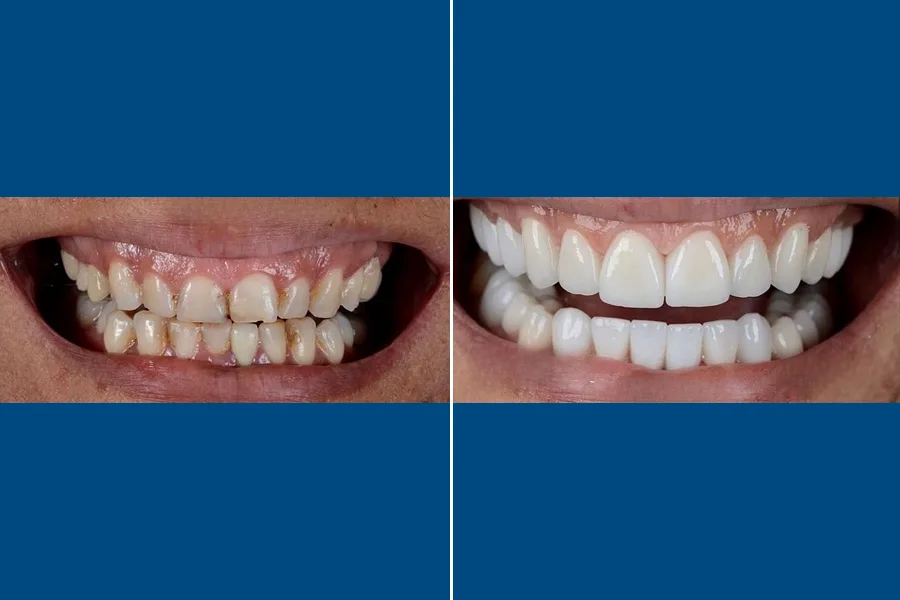
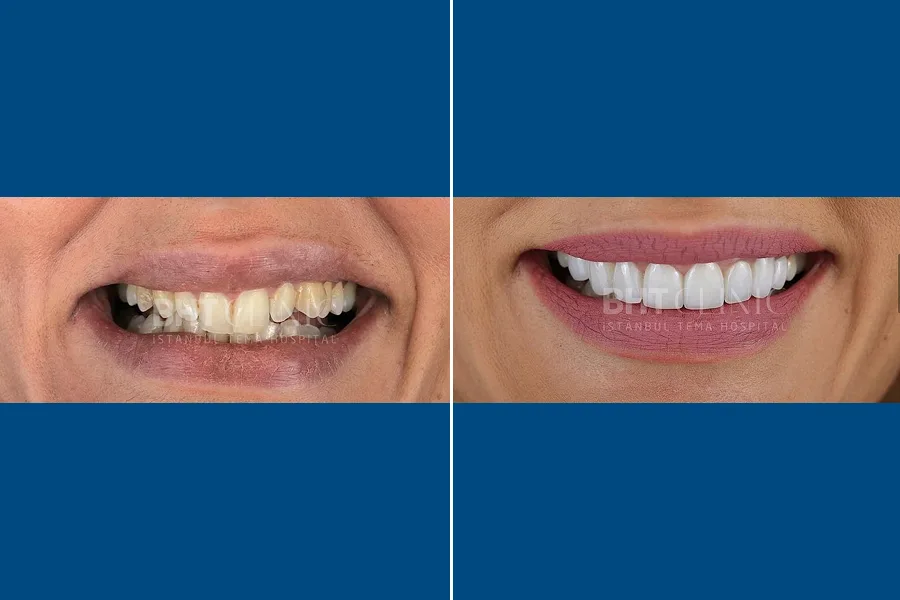
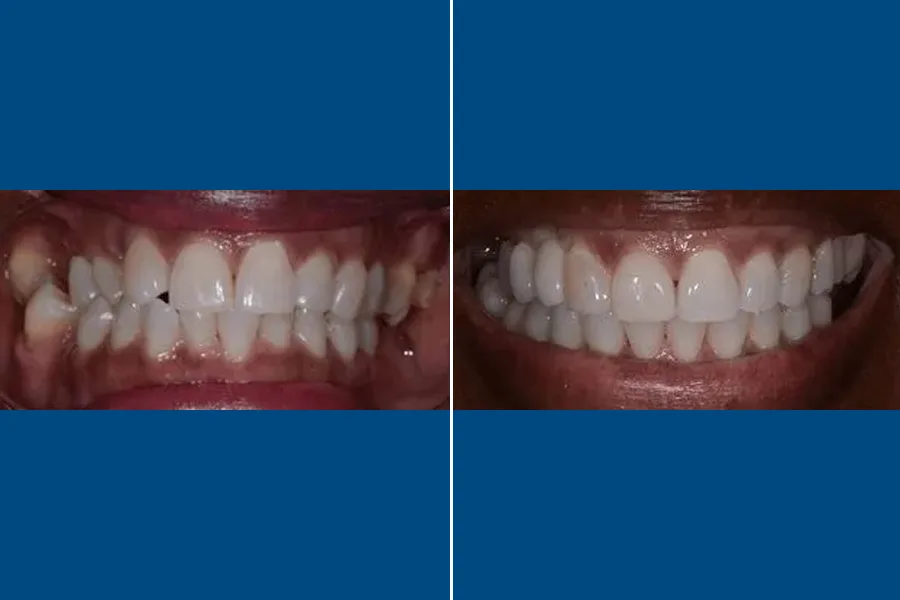
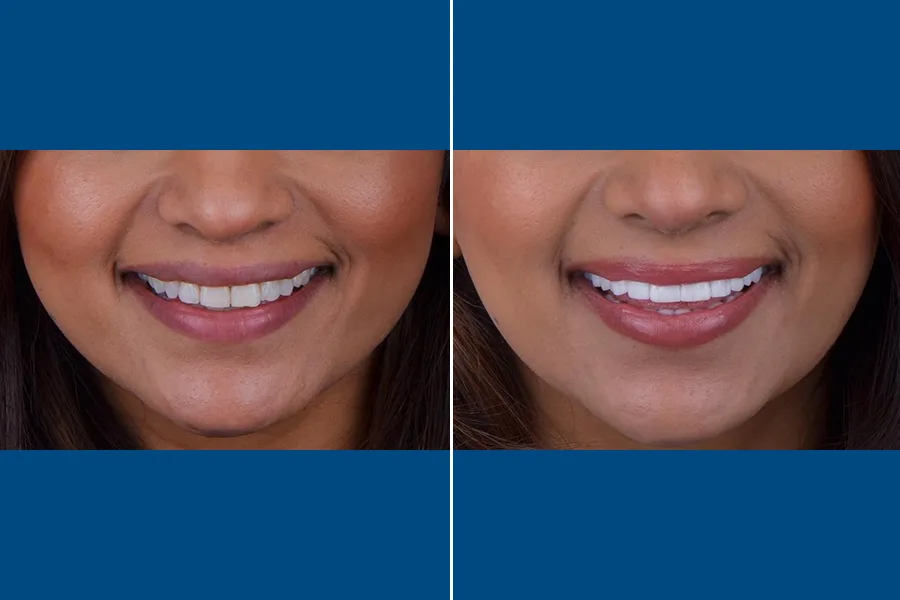
Customize your treatment estimate
Start with Композитний бондинг selected. Adjust the answers below to refine the average estimate shown above.
Ваш розрахунок з’явиться тут.
Часті запитання про Композитний бондинг
Як довго композитне бондування зазвичай служить, перш ніж може знадобитися корекція або заміна?

Композитне бондуваннязазвичай служить приблизновід 3 до 10 років, перш ніж може знадобитисякорекція, ремонт або заміна, залежно від того, на якій ділянці виконано бондування і наскільки добре за ним доглядають.
Бондування на передніх зубах, яке переважно застосовують для косметичного покращення, може служити кілька років, але з часом матеріал може поступовосколюватися, забарвлюватися, стиратися або втрачати блиск.
- Середній термін служби:зазвичай близько3 до 10 років.
- Корекція може знадобитися раніше:особливо якщо ви кусаєте тверді предмети, скрегочете зубами або часто вживаєте продукти та напої, що забарвлюють зуби.
- Довший результат:належна гігієна ротової порожнини, регулярні стоматологічні огляди та уникання звичок на кшталт гризіння нігтів або жування льоду можуть допомогти подовжити термін служби.
- Заміна:якщо бондування стає помітно зношеним, сколотим, зміненим у кольорі або відшаровується, стоматолог може рекомендувати його заміну.
Ваш стоматолог зможе точніше оцінити термін служби з урахуваннямтого, які саме зуби проліковано, вашого прикусу та щоденних звичок.
Чи матиме композитний бондинг природний вигляд і чи відповідатиме кольору навколишніх зубів?
Композитний бондингрозроблений так, щоб виглядати максимально природно, і в більшості випадків його можна дуже точно підібрати докольору, форми та текстуриваших навколишніх зубів.
Стоматолог ретельно добирає відтінок матеріалу, щоб він гармонійно поєднувався з вашою природною усмішкою, тому відновлення або косметичне покращення зазвичай майже непомітне.
- Підбір відтінку:Композитна смола доступна в різних відтінках, що допомагає підібрати її до сусідніх зубів.
- Природний вигляд:Матеріал можна сформувати та відполірувати так, щоб він нагадував природну емаль.
- Найкращі результати:Бондинг зазвичай виглядає найнепомітніше при невеликих або помірних корекціях, таких як сколи, щілини чи нерівні краї.
- Забарвлення з часом:Композитний матеріал може поступово забарвлюватися від кави, чаю, червоного вина або куріння, тому належний догляд дуже важливий.
Якщо ви плануєте відбілювання, часто найкраще відбілити зубидокомпозитного бондингу, оскільки матеріал бондингу не світлішає так само, як природні зуби. Ваш стоматолог допоможе підібрати найбільш природний відтінок для вашої усмішки.
Чи може композитний бондинг з часом забарвлюватися від кави, чаю або куріння?
Так, композитний бондингможе з часом забарвлюватися, особливо при частому впливікави, чаю, червоного вина, карі та куріння. Матеріал бондингу є більш пористим, ніж природна емаль або деякі інші стоматологічні реставрації, тому він може поступово набувати зміни кольору.
Швидкість появи забарвлення залежить від ваших звичок і від того, наскільки добре доглядають за зубами з бондингом.
- Поширені причини:Кава, чай, тютюн, а також їжа й напої з інтенсивним забарвленням.
- Ризик з часом:Забарвлення зазвичай стає помітнішим через місяці або роки, особливо на передніх зубах.
- Профілактика:Полоскання рота після темних напоїв, використання соломинки за потреби, відмова від куріння та належна гігієна порожнини рота можуть допомогти зменшити забарвлення.
- Догляд:Професійне полірування може покращити поверхневе забарвлення, алекомпозитний бондинг не можна відбілититак само, як природні зуби.
Якщо бондинг значно змінив колір, стоматолог може рекомендуватиполірування, ремонт або заміну, щоб відновити його зовнішній вигляд.
Чи є якісь обмеження в харчуванні після композитного бондингу?
Післякомпозитного бондингузазвичай потрібні лишетимчасові обмеження в харчуванні, особливо протягом перших24-48 годинпісля процедури. Це допомагає захистити оброблену ділянку та знизити ризик забарвлення або сколювання.
Стоматолог може порадити уникати дуже твердих, липких або інтенсивно забарвлених продуктів і напоїв одразу після процедури, особливо якщо бондинг виконували на передніх зубах.
- Уникайте твердих продуктів:лід, тверді цукерки, горіхи та подібні продукти можуть спричинити скол матеріалу.
- Будьте обережні з липкою їжею:тягучі солодощі та липкі перекуси можуть створювати додаткове навантаження на зуб із бондингом.
- Обмежте продукти, що забарвлюють:кава, чай, червоне вино, карі та тютюн з часом можуть забарвлюватикомпозитну смолу.
- Спочатку обирайте м'якшу їжу:м'які страви можуть бути комфортнішими, якщо після лікування зуби залишаються трохи чутливими.
У довгостроковій перспективі більшість людей можуть повернутися до звичного раціону, але краще не відкушувати дуже тверду їжу безпосередньо зубами з бондингом. Належна гігієна ротової порожнини та регулярні стоматологічні огляди допоможуть довше зберегтикомпозитний бондингу найкращому стані.
Як слід доглядати за композитним бондингом удома, щоб він служив довше?
Композитний бондингможе служити довше за умови належного щоденного догляду та уникнення звичок, які можуть спричинити відколи, забарвлення або зношування ділянок із бондингом.
У домашніх умовах важливо підтримувати здоров'я зубів і ясен та захищати бондинг від зайвого навантаження.
- Чистіть зуби двічі на деньм'якою зубною щіткою та неабразивною зубною пастою.
- Щодня користуйтеся зубною ниткою, щоб запобігти накопиченню нальоту навколо зубів із бондингом.
- Уникайте кусання твердих предметів, таких як лід, ручки, нігті або тверді цукерки, оскільки це може спричинити відколи бондингу.
- Обмежте продукти та напої, що забарвлюють, зокрема каву, чай, червоне вино та тютюн, оскільки композитний матеріал з часом може змінювати колір.
- Використовуйте нічну капу, якщо ви скрегочете або сильно стискаєте зуби, оскільки це може скоротити термін служби бондингу.
- Регулярно відвідуйте стоматолога, щоб лікар міг полірувати, контролювати стан і за потреби ремонтувати бондинг.
За належного доглядуКомпозитний бондингможе залишатися естетичним і функціональним протягом кількох років, але з часом може знадобитися корекція або заміна залежно від ступеня зношування та звичок способу життя.
Чи є композитний бондинг зворотним, чи він назавжди змінює зуби?
Композитний бондингчасто вважаєтьсямінімально інвазивноюпроцедурою, але він не завжди є повністюзворотним. У багатьох випадках природні тканини зуба майже не зачіпаються або не зачіпаються зовсім, а це означає, що певною мірою лікування може бути зворотним. Однак це залежить від того, як саме зуби готують перед нанесенням матеріалу.
Якщо стоматологу потрібнозмінити форму зуба, зробити поверхню шорсткішою або видалити невелику кількість емалі, щоб покращити прилягання чи зовнішній вигляд, така зміна зазвичай єпостійною. Навіть якщо значне препарування не потрібне, зуби з бондингом зазвичай потребують подальшого догляду, оскільки матеріал з часом може сколюватися, забарвлюватися або потребувати заміни.
- Іноді зворотний:Якщо емаль не видаляється, бондинг можна зняти з мінімальними довгостроковими змінами.
- Іноді постійний:Якщо під час підготовки зуб змінюють, процедура вже не є повністю зворотною.
- Потрібен догляд:Композитний бондинг не є постійним рішенням і через кілька років може потребувати полірування, ремонту або заміни.
Ваш стоматолог може пояснити, чи передбачатиме запланованелікування композитним бондингомбудь-які постійні зміни ваших природних зубів.
Чи може композитний бондинг легко сколюватися або зношуватися під час звичайного щоденного використання?
Композитний бондингзазвичай є достатньо міцним для повсякденного використання, але з часом він можесколюватися, забарвлюватися або зношуватися, особливо якщо зазнає значного жувального навантаження або за наявності шкідливих звичок, пов'язаних із зубами.
У повсякденному житті зуби з бондингом зазвичай добре витримуютьрозмову, усмішку та звичайне вживання їжі. Однак цей матеріал не такий міцний, як природна емаль або деякі інші стоматологічні реставрації, тому потребує певної обережності.
- Звичайне використання:Зазвичай підходить для повсякденної функції.
- Вищий ризик сколювання:Це може статися, якщо кусати тверду їжу, гризти лід, нігті або використовувати зуби, щоб щось відкривати.
- Зношування з часом:Поверхня бондингу може поступово ставати менш гладкою або втрачати полірування.
- Догляд:Регулярні огляди у стоматолога та належна гігієна ротової порожнини допомагають підтримувати бондинг у хорошому стані.
За належного доглядукомпозитний бондингможе служити кілька років, але інколи можуть знадобитисякорекція або ремонт. Ваш стоматолог порадить, як допомогти йому прослужити якомога довше.
Як композитний бондинг порівнюється з вінірами з точки зору зовнішнього вигляду, довговічності та догляду?
Композитний бондингівініриможуть покращити зовнішній вигляд зубів, але вони відрізняються заестетикою, довговічністю та доглядом.
Щодозовнішнього вигляду, вініри зазвичай забезпечують більш довершений результат і краще протистоять забарвленню, особливо для пацієнтів, які прагнуть дуже рівномірного перетворення усмішки. Композитний бондингтакож може виглядати дуже природно й естетично, особливо при невеликих сколах, проміжках, нерівних краях або незначній зміні кольору, але він не завжди може відтворити прозорість і довготривалу стабільність кольору порцелянових вінірів.
- Зовнішній вигляд:Вініри часто забезпечують найбільш вишуканий і стабільний косметичний результат, тоді яккомпозитний бондингє більш щадним варіантом, який може дати відмінний ефект при незначних або помірних корекціях.
- Довговічність:Композитний бондинг зазвичай менш довговічний, ніж порцелянові вініри, і з часом може частіше сколюватися, зношуватися або забарвлюватися. Бондинг часто служить приблизновід 3 до 7 років, тоді як вініри можуть служити10-15 роківабо довше за умови належного догляду.
- Догляд:Композитний бондингзазвичай потребує більше корекцій або ремонту з часом. Вініри більш стійкі до забарвлення, але обидва варіанти все одно потребують належної гігієни порожнини рота, регулярних стоматологічних оглядів і уникнення звичок на кшталт гризіння нігтів або жування твердих предметів.
Однією з перевагкомпозитного бондингує те, що він зазвичай швидший, менш інвазивний і доступніший за ціною, ніж вініри, часто майже не потребуючи або зовсім не потребуючи видалення природної структури зуба. Однак вініри можуть бути кращим вибором для пацієнтів, які хочуть отримати максимально довговічний і тривалий естетичний результат.
Ваш стоматолог допоможе вам обрати міжкомпозитним бондингомі вінірами з урахуванням ваших цілей щодо усмішки, бюджету та стану ваших зубів.
Чи вплине композитне бондингування на прийом їжі, мовлення або чищення зубів у перші кілька днів?
Композитне бондингуванняможе відчуватися трохи незвично протягом перших кількох днів, але більшість пацієнтів дуже швидко звикають і незабаром після процедури можуть повернутися до звичних щоденних справ.
Ви можете помітити незначну зміну в тому, як змикаються зуби, або в тому, як ділянка з бондингом відчувається губами та язиком, особливо якщо процедуру проводили на передніх зубах. На початку також можлива легка чутливість.
- Прийом їжі:Зазвичай ви можете харчуватися як звично, але в перший день або два краще уникатидуже твердих, липких або таких, що забарвлюють, продуктів.
- Мовлення:Мовлення зазвичай надовго не змінюється, хоча деякі пацієнти помічають короткий період звикання, якщо форма зубів змінилася.
- Чищення зубів:Вам слід і надалім'яко чистити зуби щіткою та користуватися зубною ниткоюяк зазвичай, дотримуючись належної гігієни порожнини рота, щоб підтримувати зуби з бондингом у хорошому стані.
Якщо через кілька днів бондинг здається шорстким, занадто об'ємним або прикус відчувається нерівномірним, слід звернутися до стоматолога, оскільки може знадобитися невелика корекція.
Як часто зазвичай потрібні контрольні візити або підтримувальні прийоми після композитного бондингу?
Післякомпозитного бондингуконтрольні та підтримувальні прийоми зазвичай проводять під час плановихстоматологічних оглядів кожні 6 місяців, хоча деяким пацієнтам можуть рекомендувати прийти раніше залежно від розташування бондингу та їхніх звичок щодо догляду за ротовою порожниною.
Під час таких візитів стоматолог перевіряє, чи залишаються відновлені ділянкигладкими, надійними та без забарвлення, а також може своєчасно усунути невеликі сколи, ознаки зношення або шорсткі краї.
- Планові огляди:Зазвичай кожні6 місяцівпід час регулярних стоматологічних оглядів і професійного чищення.
- Раніший контрольний візит за потреби:Вам може знадобитися раніший прийом, якщо бондинг став шорстким, сколовся, змінив колір або впливає на прикус.
- Довгостроковий догляд:З часом композитний бондинг може потребуватиполірування, корекції або ремонту, особливо на краях передніх зубів.
Ретельна гігієна ротової порожнини, уникання таких звичок, якгризти нігті, жувати лід або відкривати упаковки зубами, а також регулярні візити до стоматолога допоможуть зберегти бондинг довше.
Clinics offering Композитний бондинг
Compare verified clinic profiles connected to this treatment.



Пов’язані статті
Гіди та корисна інформація, пов’язані з цим лікуванням.

Покроковий посібник з композитного бондингу в Туреччині

Коли найкраще їхати до Туреччини на стоматологічне лікування?
