Створіть свій
запит на лікування
Створіть свій
запит
на лікування
Заповніть форму менш ніж за 2 хвилини.
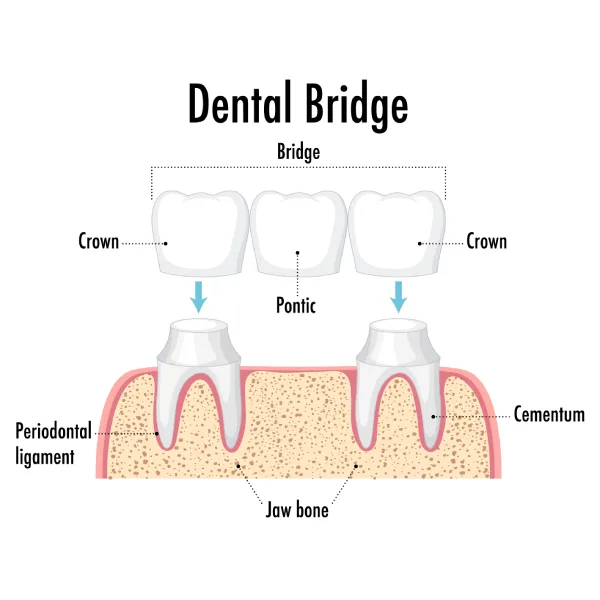
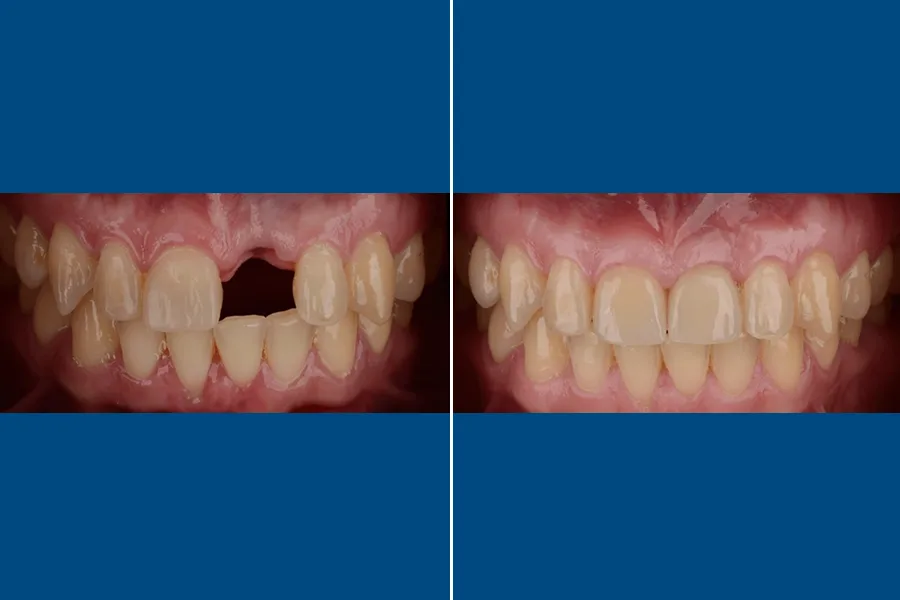
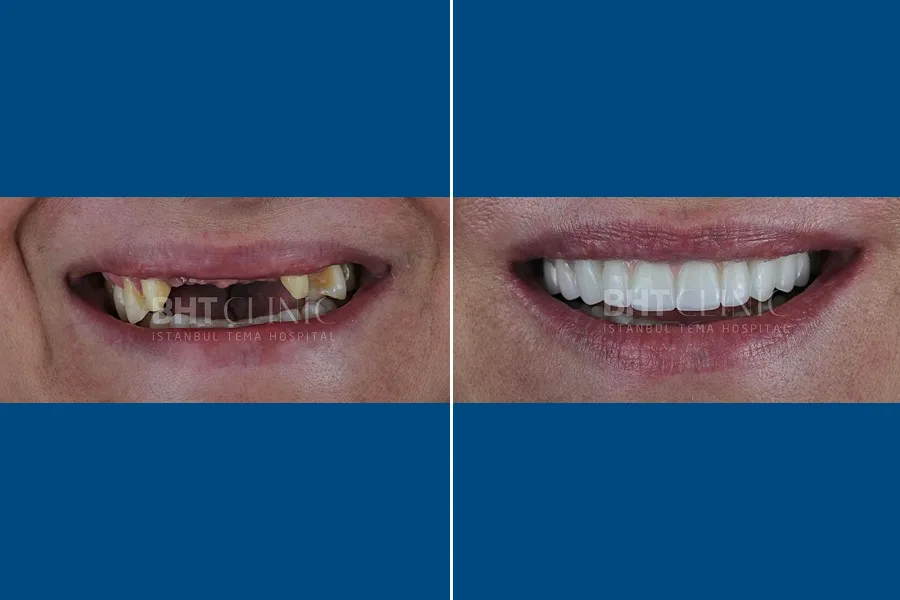
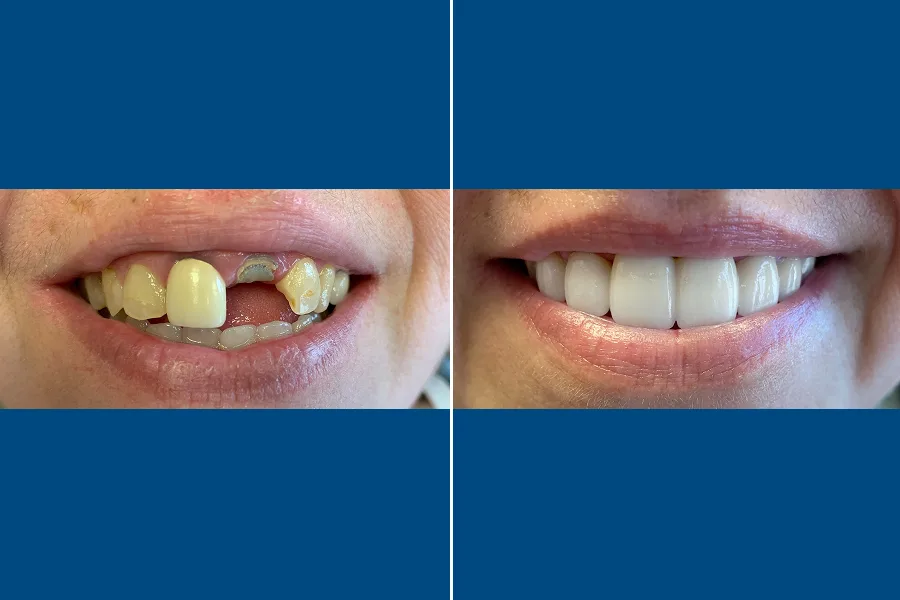
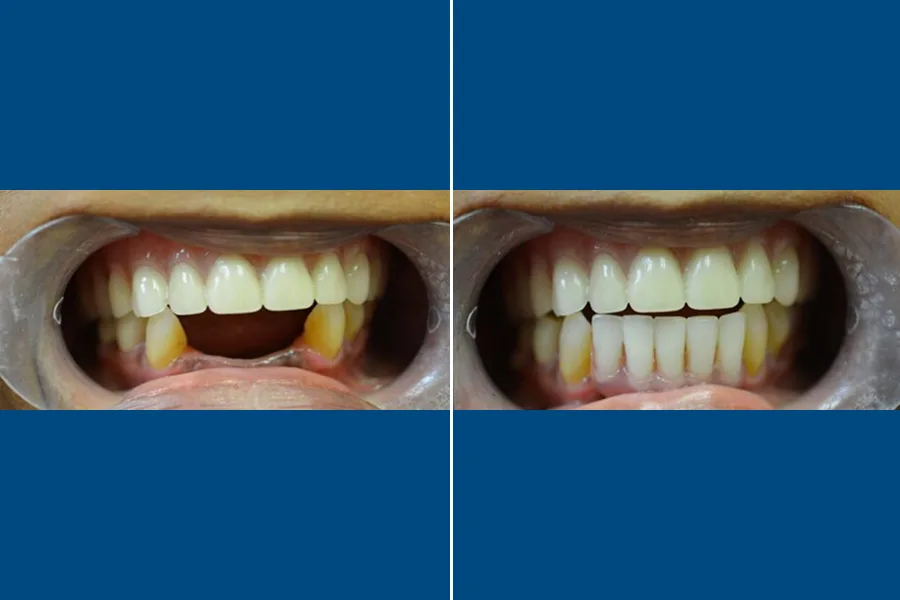
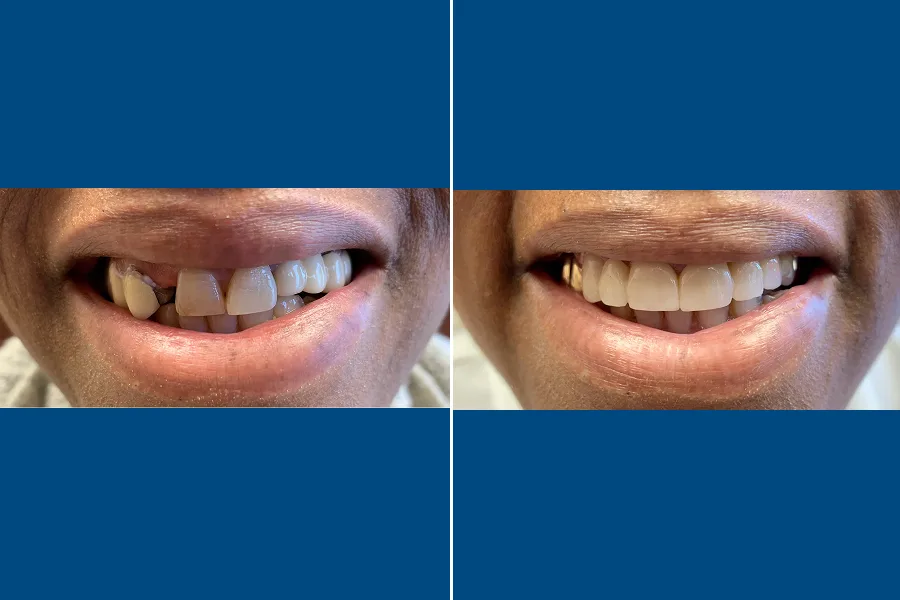
Dental bridges are fixed dental restorations used to replace one or more missing teeth by filling the gap with an artificial tooth, or teeth, supported by the natural teeth or dental implants on either side. The supporting teeth are usually fitted with crowns, which hold the bridge securely in place and help restore the shape and function of the bite.
Before treatment, the dentist examines the teeth, gums, and jawbone, and may take X-rays or digital scans to plan the fit. Dental bridges can improve chewing, speech, and appearance, while also helping prevent nearby teeth from shifting out of position. They are a common option for restoring both function and a natural-looking smile.
Dental bridges are ideal for people who have one or more missing teeth and want to restore their smile, chewing ability, and overall dental function. This treatment is particularly suitable for:
A dental bridge can be a practical option for restoring appearance and function, especially for patients looking for a reliable replacement for a small number of missing teeth.
A dental bridge is a fixed restoration used to replace one or more missing teeth by filling the gap with an artificial tooth (or teeth) that is supported by the neighbouring natural teeth or, in some cases, by dental implants. The exact method depends on the type of bridge, the health of the surrounding teeth and gums, and the position of the missing tooth. The aim is to restore appearance, chewing function, and bite stability while helping to prevent nearby teeth from shifting.
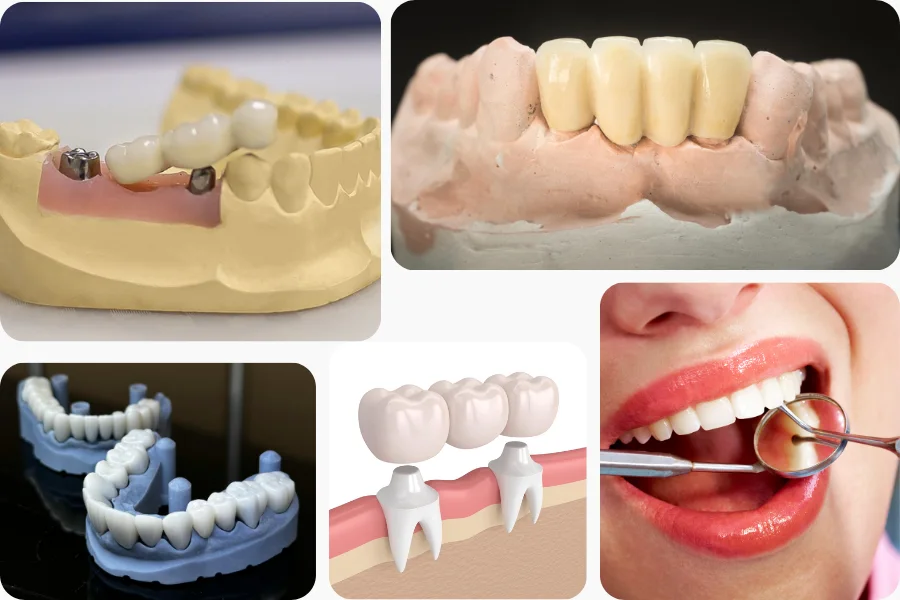
The process begins with a detailed dental examination. The dentist checks the gap, the condition of the supporting teeth, gum health, and your bite. X-rays are usually taken, and some clinics may also use digital scans or photographs. This step helps determine whether a traditional bridge, cantilever bridge, Maryland bridge, or implant-supported bridge is the most suitable option.
Before the bridge is made, the mouth needs to be healthy and stable. If there is decay, gum inflammation, or old restorations that need replacing, these are usually treated first. For a traditional bridge, the teeth on either side of the gap, called abutment teeth, are carefully reshaped so they can support dental crowns. Local anaesthetic is commonly used to keep the area comfortable during this stage.
Once the supporting teeth are prepared, the dentist takes precise impressions or digital scans of your teeth and bite. These records are used to design a bridge that matches the shape, size, and alignment of your natural teeth. Shade selection is also carried out at this stage so the final restoration blends in as naturally as possible with the rest of your smile.
In many cases, a temporary bridge or temporary crowns are placed while the final bridge is being made in the dental laboratory. This temporary restoration helps protect the prepared teeth, reduces sensitivity, and maintains appearance and basic function. It is not as strong as the final bridge, so you are usually advised to avoid very hard or sticky foods until the permanent restoration is ready.
The final bridge is custom-made based on your scans or impressions. Dental technicians create the restoration so that it fits the prepared teeth accurately and restores the missing tooth space in a balanced way. Bridges may be made from porcelain, zirconia, metal-ceramic, or other durable dental materials, depending on the position in the mouth, cosmetic goals, and biting forces.
At the fitting appointment, the temporary restoration is removed and the dentist places the final bridge to check its fit, contact points, colour, and bite. Small adjustments may be made so it feels comfortable and does not interfere with chewing. Once everything looks and feels right, the bridge is permanently fixed in place using dental cement or bonding materials, depending on the bridge design.
After placement, the dentist explains how to care for the bridge and the surrounding teeth. Good oral hygiene is very important because the supporting teeth and gums must stay healthy for the bridge to last. You may be shown how to clean under the artificial tooth using floss threaders, interdental brushes, or water flossers. Follow-up visits may be recommended to check comfort, bite balance, and gum health, especially in the first few weeks after treatment.
Recovery after having a dental bridge fitted is usually manageable and far less demanding than major oral surgery, but it still takes time for your teeth, gums, and bite to adjust. A bridge may be placed after reshaping the supporting teeth, after fitting temporary restorations, or as part of a treatment plan following extractions or implant treatment. Because of this, your recovery timeline may vary slightly. Most patients are able to return to normal routines quickly, but it is common to have mild sensitivity, gum tenderness, and an adjustment period while chewing and speaking begin to feel natural again.
In the first day or two, you may notice tender gums, slight soreness around the prepared teeth, and sensitivity to hot or cold foods. If local anaesthetic was used, numbness can last for several hours, so it is best to avoid chewing until normal feeling returns. If you received a temporary bridge, it may feel a little bulky or unfamiliar at first. Choose softer foods, chew gently, and avoid sticky items such as chewing gum or caramel, which can loosen a temporary restoration. Most discomfort is mild and can usually be managed with the medication or advice provided by your dentist.
During the first week, the mouth usually begins to settle. Any soreness in the supporting teeth or surrounding gums should gradually improve, although some temperature sensitivity or pressure sensitivity when biting can still occur. It is also normal to need a few days to adapt to the shape of the bridge, especially if it replaces a visible front tooth or several missing teeth. Speech may feel slightly different at first, and food can collect around the bridge until you learn the best way to clean it. Your dentist may recommend gentle brushing, rinsing, and using special floss threaders or interdental cleaners to keep the area healthy.
If your treatment involved a temporary bridge first, this is often the stage when the permanent bridge is cemented into place. After placement, it is common to feel that the bridge is new or slightly different, but it should not feel painfully high or unstable. Mild gum irritation can occur for a short time as the tissues adapt around the margins. Chewing should become easier over several days, although it is still sensible to avoid very hard foods on the treated side until the bite feels comfortable. If the bridge feels too high, traps food excessively, or causes pain when biting, a small adjustment by your dentist may be needed.
Over the next few weeks, most patients become fully accustomed to the bridge. The gums should look calmer, chewing should feel more balanced, and any lingering sensitivity should continue to fade. This is also the period when good cleaning habits become especially important, because plaque can build up around the bridge and under the artificial tooth if the area is not cleaned properly. Your dentist may advise avoiding very hard foods such as ice, hard sweets, or cracking nuts with the bridge, particularly if the supporting teeth were heavily restored. If the bridge was placed after recent dental work, healing in the surrounding tissues may continue quietly even after you feel back to normal.
By this stage, the bridge should feel like a natural part of your mouth, and the result is generally considered stable. Long-term success depends on careful oral hygiene, regular dental check-ups, and protecting the supporting teeth and gums. You may need to continue using floss threaders, super floss, or interdental brushes every day to clean beneath the bridge. If you grind or clench your teeth, your dentist may recommend a night guard to reduce stress on the restoration. With proper care, a dental bridge can last for many years, but it should still be monitored for changes in fit, gum health, or wear.
Turkey has become a widely preferred destination for Dental Bridges, offering a combination of experienced restorative dentists, modern dental technology, and cost-effective treatment options. For many international patients, the decision is based not only on affordability, but also on the opportunity to receive well-planned care in clinics that are familiar with the needs of overseas visitors. Shorter waiting times and organised treatment schedules also make the process more convenient.
Dental bridge treatment is used to replace one or more missing teeth by anchoring an artificial tooth to neighbouring natural teeth or implants. In Turkey, clinics often begin with a detailed examination that may include digital X-rays, 3D imaging, and bite analysis to assess the health of the surrounding teeth and gums. This careful planning helps determine whether a traditional bridge, cantilever bridge, Maryland bridge, or implant-supported bridge is the most suitable option. Many centres also use digital impressions and modern laboratory techniques to improve fit, comfort, and appearance.
Turkey's success in the health tourism market is closely linked to its experienced clinicians, internationally oriented dental clinics, and patient-centred service approach. Every year, the country welcomes a large number of international visitors for restorative and cosmetic dental care, supported by multilingual communication in many centres, coordinated appointments, and clear treatment pathways. For patients considering Dental Bridges, Turkey offers a reliable balance of quality, accessibility, and strong experience in treating medical travellers.
Отримайте індивідуально розраховану середню ціну відповідно до ваших потреб.
Медичний рецензент
Автор
Гіди та корисна інформація, пов’язані з цим лікуванням.
Заповніть форму менш ніж за 2 хвилини.
Пропозиції готують перевірені клініки без розкриття вашої особистої інформації.
Переглядайте прозоре ціноутворення та деталі пакетів поруч.
Записи на прийом, трансфери, проживання та екскурсії містом організовуються для вас.
Отримуйте та порівнюйте пропозиції на лікування від провідних клінік за лічені хвилини — без листа очікування.
Тримайте свій бюджет під контролем завдяки пакетам «усе включено», без прихованих додаткових витрат.
Від бронювання авіаквитків до повного одужання — отримуйте індивідуальний супровід щоразу, коли вам потрібна допомога.
Botan
Персональний менеджер Heal Road
Від першого знайомства
до відновлення
з вами на кожному етапі шляху
Поділіться кількома деталями, і ми зв’яжемося з вами, запропонувавши найкращі варіанти.
Швидкий контакт у WhatsApp