


Стоматологічне лікування · Прозорі елайнери Invisalign

Стоматологічне лікування
Прозорі елайнери Invisalign: Вирівнювання зубів непомітно
Елайнери Invisalign у Туреччині поступово вирівнюють зуби за допомогою прозорих знімних кап, покращуючи комфорт і гігієну рота.
Автори сторінки


Немає
Анестезія

Безперервний
Тривалість результату

Immediate
Керування

1 wk
Вправи

6 тиж
Повторний візит

Поступовий
Вигляд
Що таке Прозорі елайнери Invisalign?
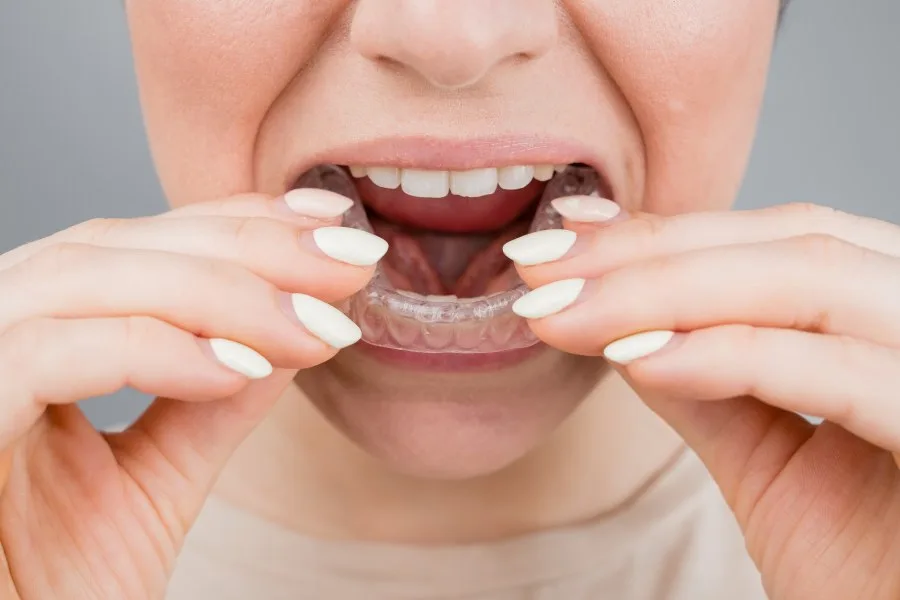
Прозорі елайнери Invisalign — це сучасний ортодонтичний метод лікування, який використовує серію індивідуально виготовлених прозорих кап для поступового вирівнювання зубів. Вони розроблені як малопомітна альтернатива традиційним брекетам і зазвичай застосовуються для корекції скупченості зубів, проміжків між зубами, легких і помірних порушень прикусу, а також у певних випадках викривлених або нерівномірно розташованих зубів.
Перед початком лікування стоматолог або ортодонт виконує цифрове сканування чи знімає відбитки, щоб створити персоналізований план, який відображає кожен етап переміщення зубів. Елайнери носять більшу частину доби та регулярно змінюють у міру зміщення зубів. Оскільки вони знімні, з ними легше їсти, чистити зуби та користуватися зубною ниткою, забезпечуючи як естетичні, так і функціональні переваги під час лікування.

Для кого підходить Прозорі елайнери Invisalign?
Прозорі елайнери Invisalign ідеально підходять для підлітків і дорослих, які хочуть вирівняти зуби у малопомітний і знімний спосіб. Це лікування особливо підходить для:
- Людей із легкими або помірними ортодонтичними проблемами, такими як скупченість зубів, проміжки між зубами, глибокий прикус, зворотний прикус або перехресний прикус.
- Тих, хто хоче менш помітну альтернативу традиційним металевим брекетам з робочих, соціальних або особистих причин.
- Пацієнтів, які можуть носити елайнери стабільно рекомендовані 20–22 години на добу та ретельно дотримуватися плану лікування.
- Тих, хто хоче мати можливість знімати елайнери під час їжі, чищення зубів, користування зубною ниткою та для особливих подій.
- Дорослих і відповідальних підлітків зі здоровими зубами та яснами або тих, хто готовий спочатку вилікувати карієс чи захворювання ясен перед початком лікування.
Invisalign може не підходити для кожного складного ортодонтичного випадку, тому для підтвердження, чи є це правильним варіантом для ваших естетичних цілей усмішки та потреб корекції прикусу, необхідне стоматологічне обстеження.
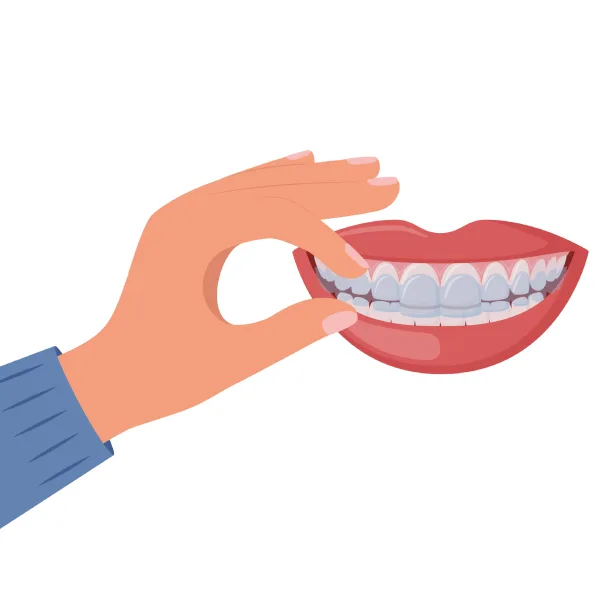
Прозорі елайнери Invisalign benefits
-
Nearly invisible trays
-
Removable aligners
-
Predictable movement plan
-
Easier hygiene
-
Fewer clinic visits
-
Comfortable fit
Як проводиться Прозорі елайнери Invisalign?
Прозорі елайнери Invisalign вирівнюють зуби за допомогою серії індивідуально виготовлених прозорих кап, які щільно прилягають до зубів. На відміну від незнімних брекетів і дуг, лікування працює завдяки м’якому, контрольованому тиску, який поступово переміщує зуби в правильніше положення. Кожен комплект елайнерів створений для невеликих запланованих змін, і при носінні у правильній послідовності вони можуть покращити скупченість зубів, проміжки між ними, проблеми прикусу та загальну гармонію усмішки.
-
Консультація та ортодонтична оцінка
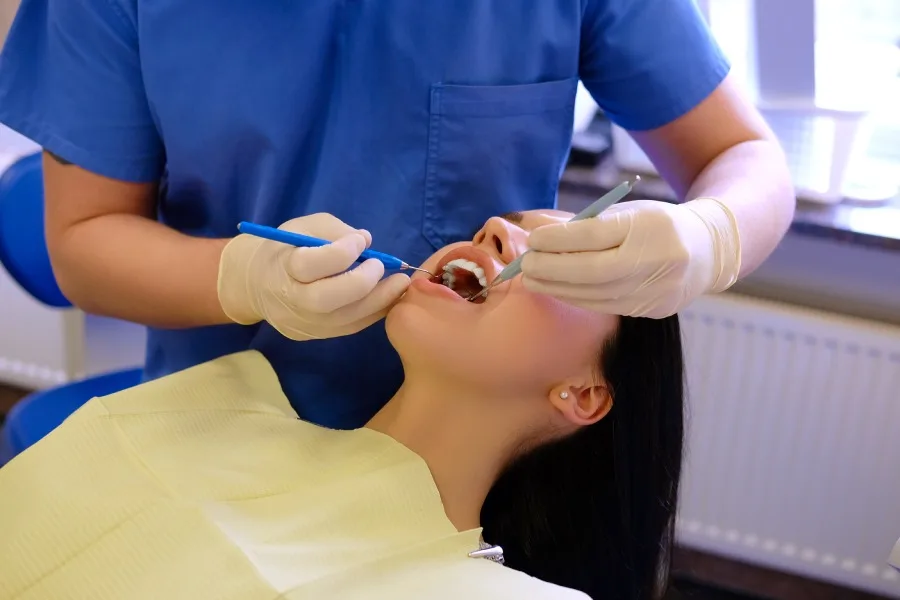
Процес починається з консультації, щоб визначити, чи підходить Invisalign для ваших потреб. Стоматолог або ортодонт оглядає ваші зуби, ясна, співвідношення щелеп і прикус, а також запитує про ваші скарги, такі як скупченість зубів, щілини, перехресний прикус, глибокий прикус або повторне зміщення зубів після попереднього носіння брекетів. Рентгенівські знімки, фотографії та клінічний огляд допомагають визначити, чи можна безпечно переміщувати зуби і чи потрібне якесь стоматологічне лікування до початку носіння елайнерів.
-
Цифрове сканування та 3D-планування лікування
Замість традиційних зліпків у багатьох випадках клініка зазвичай виконує цифрове 3D-сканування ваших зубів. Ці скани створюють точну віртуальну модель ротової порожнини. За допомогою спеціалізованого програмного забезпечення лікар планує, як кожен зуб має переміщуватися з часом, і формує покроковий план лікування. Вам також можуть показати цифровий попередній перегляд очікуваного результату, що допомагає пояснити заплановані переміщення зубів та орієнтовну тривалість лікування.
-
Підготовка зубів і початок лікування
Перед видачею перших елайнерів ротова порожнина має бути в належному стані. За потреби спочатку зазвичай проводять професійну чистку, лікування карієсу або догляд за яснами. У багатьох випадках Invisalign стоматолог фіксує на окремих зубах невеликі елементи кольору зуба, які називаються аттачментами. Вони діють як маленькі опори, допомагаючи елайнерам краще утримувати зуби та спрямовувати точніші переміщення. У деяких пацієнтів також може виконуватися незначне коригування емалі між певними зубами, так звана міжпроксимальна редукція, щоб створити необхідний простір.
-
Отримання перших елайнерів і навчання їх носінню
Після виготовлення індивідуальних елайнерів ви отримуєте перші набори разом із детальними інструкціями. Кожен елайнер носять більшу частину доби, зазвичай 20–22 години на день, знімаючи його лише під час їжі, вживання будь-яких напоїв, окрім води, чищення зубів і використання зубної нитки. Лікар перевіряє, чи правильно прилягають капи, і показує, як безпечно їх надягати та знімати. Оскільки для ефективності елайнери потрібно носити регулярно, співпраця пацієнта є важливою частиною лікування.
-
Заміна елайнерів і поступове переміщення зубів
Invisalign працює шляхом послідовного носіння серії кап, кожна з яких трохи відрізняється від попередньої. Зазвичай ви переходите на новий комплект кожні один-два тижні, залежно від рекомендацій вашого лікаря. У міру проходження всієї серії зуби поступово зміщуються відповідно до цифрового плану. Легкий тиск або тимчасова чутливість протягом дня-двох після заміни кап є поширеним явищем і зазвичай свідчить про те, що елайнери активно переміщують зуби.
-
Регулярний контроль і коригування в процесі лікування
Контрольні візити призначаються через певні проміжки часу, щоб стоматолог або ортодонт міг відстежувати прогрес і переконатися, що зуби переміщуються правильно. Під час цих візитів можуть перевіряти прилягання кап, стан аттачментів, зміни прикусу та гігієну ротової порожнини. Якщо якийсь зуб не рухається так, як очікувалося, можуть бути рекомендовані додаткові заходи, наприклад довше носіння елайнерів, використання chewies для кращого прилягання або повторне сканування для виготовлення оновлених кап.
-
Завершення лікування, ретейнери та довгострокова підтримка результату
Після завершення носіння останніх елайнерів лікар оцінює результат і перевіряє, чи досягнуто цілей лікування. У деяких випадках для остаточного вдосконалення результату потрібен короткий етап доопрацювання з додатковими елайнерами. Після активної фази лікування ретейнери є обов’язковими для збереження зубів у новому положенні, оскільки з часом зуби природно мають тенденцію зміщуватися. Ви також отримаєте рекомендації щодо очищення ретейнерів, підтримання належної гігієни ротової порожнини та проходження контрольних оглядів для збереження результату.
Відновлення та очікування?
Відновлення з Прозорі елайнери Invisalign зазвичай проходить легко та контрольовано, але точніше його описати не як одну окрему подію відновлення, а як період адаптації, що повторюється протягом усього лікування. Оскільки Invisalign працює шляхом м’якого, контрольованого тиску, поступово переміщуючи зуби крок за кроком, на початку лікування та щоразу під час переходу на новий комплект елайнерів часто виникають тимчасова чутливість, відчуття тиску або зміни мовлення. Розуміння цієї часової шкали допоможе вам спланувати харчування, подорожі та контрольні візити, не вибиваючись із графіка лікування.
-
Початок лікування (Перші 24–72 години)
Упродовж перших кількох днів більшість пацієнтів відчувають тиск, стягнутість і легку болючість зубів, особливо під час встановлення або зняття елайнерів. Це нормальна ознака того, що капи працюють. Деякі люди також помічають незначне подразнення губ, щік або язика, поки порожнина рота звикає до країв елайнерів. Спочатку мовлення може трохи змінитися, часто з легкою шепелявістю, але зазвичай це швидко минає, коли ви звикаєте говорити та регулярно носити капи. На цьому ранньому етапі можуть допомогти м’яка їжа, прохолодна вода та знеболювальні засоби, рекомендовані вашим стоматологом.
-
Рання адаптація (Дні 3–7)
До кінця першого тижня початковий дискомфорт зазвичай минає, і більшість людей почуваються значно впевненіше під час встановлення, зняття та очищення елайнерів. Якщо на зуби були встановлені атачменти, прикус спочатку може здаватися незвичним, а зуби — трохи шорсткими в місцях, де розташовані невеликі композитні елементи. Важливо носити елайнери 20–22 години на добу, знімаючи їх лише для їжі, вживання будь-яких напоїв, окрім води, та гігієни ротової порожнини. Недотримання рекомендованого часу носіння може уповільнити прогрес і зробити наступні капи щільнішими, ніж очікувалося.
-
Подальша зміна кап (Тижні 2–8)
У міру продовження лікування зазвичай повторюється схожий цикл щоразу, коли ви переходите на новий комплект елайнерів. У перші один-три дні після заміни капи тиск і чутливість зазвичай відчуваються найсильніше, після чого настає комфортніший період, коли зуби адаптуються. Такий цикл є очікуваним і з часом зазвичай переноситься легше. Деяким пацієнтам у межах лікування також виконують міжзубну сепарацію, встановлюють атачменти або еластики, що може додати короткий період адаптації. Більшість людей можуть без перерви продовжувати працювати, подорожувати та займатися звичними справами, оскільки тут немає хірургічної рани та формального періоду простою.
-
Помітний прогрес і планові контрольні візити (2–6 місяців)
Упродовж наступних кількох місяців зуби поступово виглядають рівнішими, хоча швидкість помітних змін залежить від складності конкретного випадку. Контрольні візити зазвичай призначають кожні кілька тижнів, щоб перевірити хід лікування, контролювати стан ротової порожнини та видати наступні елайнери. На цьому етапі успіх значною мірою залежить від регулярного носіння, ретельного чищення зубів і використання зубної нитки, а також підтримання чистоти кап. Якщо елайнери не прилягають повністю, ваш стоматолог може порадити chewie або призначити додатковий огляд. Легка болючість після заміни кап усе ще можлива, але вона має залишатися тимчасовою та контрольованою.
-
Завершення лікування та ретенція (Кінець лікування і надалі)
Після завершення запланованого переміщення зубів багато пацієнтів переходять до етапу ретенції з прозорими ретейнерами. Цей етап є вкрай важливим, оскільки після ортодонтичного лікування зуби природно мають тенденцію зміщуватися. Спочатку ретейнери часто носять більшу частину дня, а згодом — лише вночі, залежно від рекомендацій вашого стоматолога. Будь-яка незначна чутливість на початку носіння ретейнерів зазвичай триває недовго. Довготривала стабільність залежить від носіння ретейнерів відповідно до рекомендацій, відвідування контрольних оглядів і підтримання відмінної гігієни ротової порожнини. Без ретенції навіть добре вирівняні зуби можуть поступово знову зміститися.
Why Choose Türkiye for Прозорі елайнери Invisalign?
Туреччина стала популярним напрямком для Прозорі елайнери Invisalign, пропонуючи поєднання досвідченого ортодонтичного лікування, сучасного цифрового планування та економічно вигідних варіантів лікування. Для багатьох міжнародних пацієнтів головною перевагою є не лише доступна вартість, а й можливість розпочати лікування в добре оснащеній клініці з чіткою комунікацією, організованим графіком та коротшими термінами очікування, ніж у їхній рідній країні.
Лікування Invisalign ґрунтується на ретельній діагностиці, точному плануванні та регулярному контролі. У Туреччині багато стоматологічних клінік та ортодонтичних центрів використовують 3D-інтраоральні сканери, цифровий аналіз усмішки та детальну візуалізацію для оцінки вирівнювання зубів, співвідношення прикусу та будови щелепи ще до початку лікування. Такий цифровий підхід допомагає створити індивідуальний план елайнерів і дає пацієнтам змогу краще зрозуміти, як саме їхні зуби будуть переміщуватися з часом. Для іноземних відвідувачів це робить процес більш прозорим і зрозумілим із самого початку.
- Туреччина забезпечує доступ до кваліфікованих ортодонтів та досвідчених стоматологічних команд, які мають досвід планування лікування прозорими елайнерами як для місцевих, так і для міжнародних пацієнтів.
- Багато клінік використовують сучасну цифрову діагностику, зокрема 3D-сканування та комп’ютерне моделювання лікування, що сприяє точному виготовленню елайнерів і більш передбачуваному переміщенню зубів.
- Значна увага до безпеки пацієнта та доцільності лікування означає, що клініки часто починають із повної оцінки стану ротової порожнини, перевіряючи наявність захворювань ясен, карієсу чи проблем із прикусом до початку терапії елайнерами.
- Конкурентні ціни роблять Invisalign більш доступним, особливо для пацієнтів, які порівнюють вартість на міжнародному рівні, і при цьому дозволяють отримувати лікування в сучасних приватних клініках.
- Завдяки розвиненій мережі міжнародного авіасполучення та зручному розташуванню до Туреччини легко дістатися з Європи, Близького Сходу та багатьох сусідніх регіонів для консультацій і планування лікування.
- Пацієнти також цінують можливість поєднати візити на лікування з комфортною подорожжю, яку підтримують сервіси гостинності, багатомовний персонал у багатьох клініках і приємні умови перебування під час візитів.
Ще одна причина, чому пацієнти обирають Туреччину для Invisalign, — це практична організація лікування для медичних туристів. Клініки, які регулярно приймають міжнародних пацієнтів, часто допомагають координувати час консультацій, цифрові медичні записи та подальший план спостереження. Оскільки лікування Invisalign триває кілька місяців, багато провайдерів мають досвід організації першого очного огляду в Туреччині, а потім підтримки наступних етапів через заплановані контрольні огляди та дистанційну комунікацію, коли це доречно. Це може бути особливо корисним для пацієнтів, які хочуть гнучкості без компромісів у контролі лікування.
Сильна репутація Туреччини на ринку медичного туризму базується на досвідчених фахівцях, клініках, орієнтованих на міжнародних пацієнтів, і системах, створених для супроводу від консультації до післяпроцедурного догляду. Щороку країна приймає велику кількість іноземних гостей для стоматологічного та естетичного лікування, спираючись на сучасну інфраструктуру, багатомовну підтримку в багатьох центрах і чіткий фокус на задоволеності пацієнтів. Для пацієнтів, які розглядають Прозорі елайнери Invisalign, Туреччина пропонує збалансоване поєднання якості, доступності, цифрової експертизи та доведеного успіху в медичному туризмі.
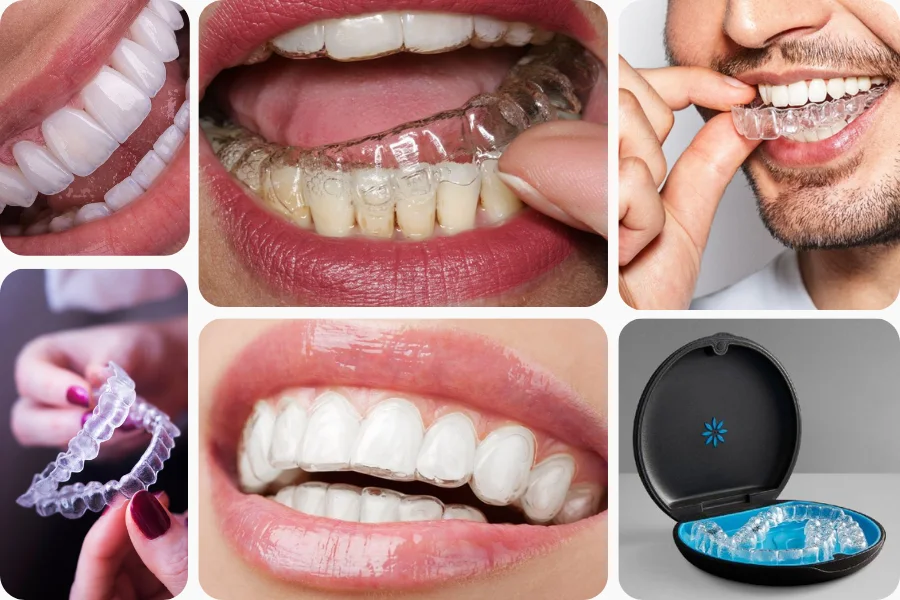
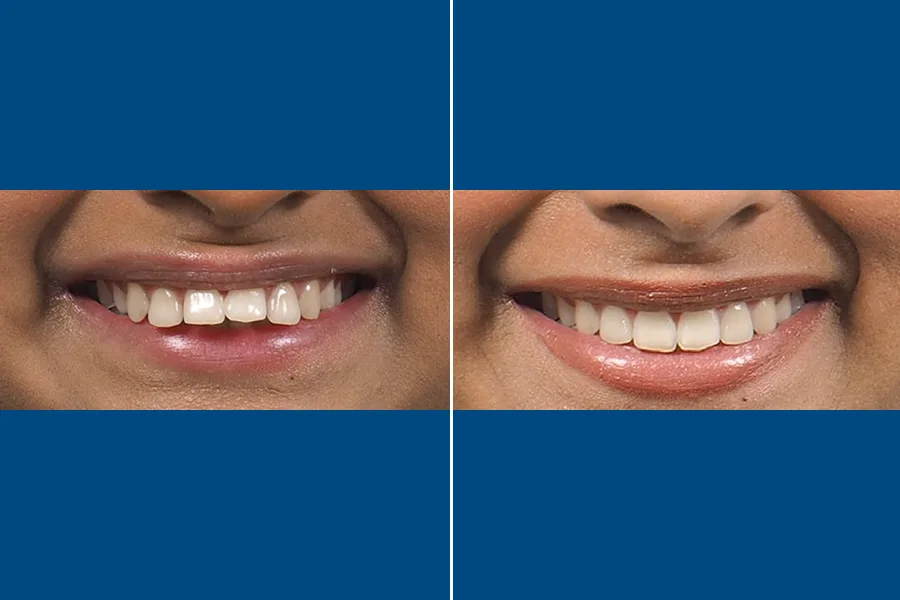
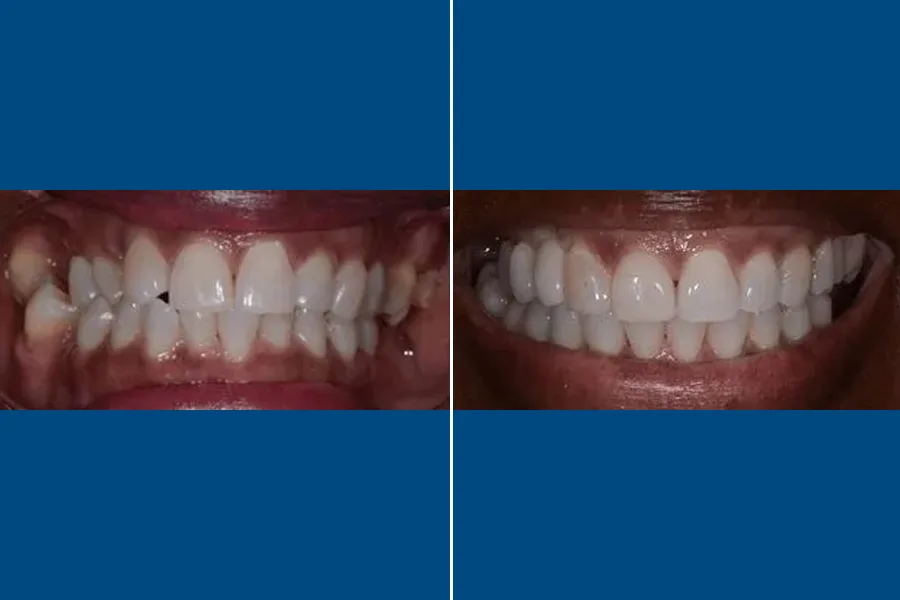

Customize your treatment estimate
Start with Прозорі елайнери Invisalign selected. Adjust the answers below to refine the average estimate shown above.
Ваш розрахунок з’явиться тут.
Часті запитання про Прозорі елайнери Invisalign
Чи незручно носити прозорі елайнери Invisalign у перші кілька днів після переходу на кожен новий комплект?

Прозорі елайнери Invisalignможуть спричинятинезначний дискомфорт або відчуття тискуу перші кілька днів після переходу на кожен новий комплект, але зазвичай це нормальна ознака того, що елайнери працюють і м'яко переміщують зуби.
Більшість пацієнтів описують це відчуття яктиск, а не біль, і воно часто минає протягом2-3 днів, коли зуби починають звикати.
- Поширене відчуття:Легка тугість, тиск або чутливість під час переходу на нову капу.
- Скільки це триває:Зазвичай лише перші кілька днів після переходу на кожен новий комплект.
- Що може допомогти:Носити елайнери відповідно до рекомендацій, переходити на новий комплект на ніч і за потреби використовувати знеболювальні засоби, схвалені стоматологом.
- Коли звернутися до стоматолога:Якщо дискомфорт сильний, триває довше, ніж очікувалося, або елайнери мають гострі краї чи не прилягають належним чином.
Хоча тимчасовий дискомфорт є поширеним явищем, прозорі елайнери Invisalignзагалом вважаються комфортнішими, ніж багато хто очікує, особливо порівняно з традиційними брекетами.
Чи помітні прозорі елайнери Invisalign під час розмови або усмішки?
Прозорі елайнери Invisalignзазвичайдуже малопомітніі значно менш помітні, ніж традиційні металеві брекети, під час розмови або усмішки.
Вони виготовлені зпрозорого, тонкого пластику, який щільно прилягає до зубів, тому більшість людей можуть не помітити їх, якщо не придивлятимуться дуже уважно.
- Зовнішній вигляд:Елайнери розроблені так, щоб бутимайже непомітнимиу повсякденних соціальних і професійних ситуаціях.
- Мовлення:Деякі пацієнти спочатку помічаютьлегку шепелявість або зміну мовлення, але зазвичай це минає після короткого періоду звикання.
- Впевненість:Багато людей обирають Invisalign, оскільки це дає змогуусміхатися впевненішепід час лікування.
Хоча жоден ортодонтичний апарат не є повністю невидимим, прозорі елайнери Invisalignзазвичай вважаються одним із найменш помітних варіантів для вирівнювання зубів.
How often do the aligners need to be worn each day to stay on schedule?
Прозорі елайнери Invisalignзазвичай потрібно носити20-22 години на добу, щоб не відхилятися від графіка лікування та досягти запланованих результатів.
Це означає, що їх слід тримати в роті більшу частину дня і ночі, знімаючи лише під часїжі, вживання будь-яких напоїв, окрім води, чищення зубів і використання зубної нитки.
- Рекомендований час носіння:близько20-22 годин на добу.
- Коли знімати:під час їжі та під час чищення зубів і самих елайнерів.
- Чому це важливо:якщо носити елайнери менше годин, це можесповільнити переміщення зубіві вплинути на хід лікування.
Ваш стоматолог або ортодонт також може сказати вам, як часто переходити до наступного набору елайнерів. Зазвичай це відбувається кожні1-2 тижні, залежно від вашого плану лікування.
How often are check-up visits usually needed during Invisalign treatment?
With Invisalign Clear Aligners, check-up visits are usually needed about every 6 to 8 weeks, although the exact schedule can vary depending on your treatment plan and your dentist or orthodontist.
These visits are important to make sure your teeth are moving as expected and to provide your next sets of aligners.
- Typical frequency: Usually every 4 to 8 weeks.
- Purpose of visits: To monitor progress, check the fit of the aligners, and make any needed adjustments.
- Possible variations: Some patients may need visits more or less often depending on case complexity and compliance.
Your provider will tell you the best follow-up schedule for your case, and some clinics may also offer a combination of in-person and remote monitoring.
Can Invisalign clear aligners be removed for meals, coffee, or special occasions?
Прозорі елайнери Invisalignзазвичай єзнімними, тому їх можна виймати під часприйому їжі, перед більшістю напоїв, зокремакавою, а також у певнихособливих випадках.
У більшості випадків елайнери слід знімати перед їжею або вживанням будь-яких напоїв, окрім води. Це допомагає запобігтизабарвленню, деформаціїта накопиченню нальоту всередині кап.
- Прийом їжі:так, елайнери зазвичай знімають перед їжею.
- Кава та інші напої:зазвичай їх краще знімати перед вживанням кави, чаю або солодких напоїв.
- Особливі випадки:їх можна ненадовго зняти, але носити слід рекомендовані20-22 години на добу.
- Після зняття:за можливості почистьте зуби або прополощіть рот перед тим, як знову надягти елайнери.
Короткі періоди без елайнерів зазвичай допустимі, але якщо знімати їх занадто часто або надовго, це може вплинути на хід лікування. Ваш стоматолог або ортодонт порадить, як поєднати необхідний час носіння з повсякденними справами.
How long does Invisalign treatment usually take compared with traditional braces?
Лікування прозорими елайнерами Invisalignзазвичай триває приблизно6-18 місяціву багатьох пацієнтів, тоді яктрадиційні брекетичасто потребують близько18-24 місяців. Однак точна тривалість залежить від того, наскільки складним є переміщення зубів і наскільки регулярно носять елайнери.
ЗагаломInvisalignможе бути швидшим варіантом приортодонтичних випадках легкого та помірного ступеня, алетрадиційні брекетиіноді ефективніші при більш складних порушеннях прикусу або вирівнювання зубів.
- Invisalign:лікування часто завершується за6-18 місяців, особливо в менш складних випадках.
- Традиційні брекети:зазвичай потребують18-24 місяців, хоча в окремих випадках термін може бути коротшим або довшим.
- Час носіння має значення:елайнери Invisalign зазвичай потрібно носити20-22 години на добу, щоб лікування йшло за планом.
- Складність випадку:виражена скупченість зубів, проблеми з прикусом або порушення положення щелеп можуть подовжити лікування при будь-якому з цих варіантів.
Ваш ортодонт зможе дати точнішу оцінку після огляду зубів і прикусу. Уважне дотримання рекомендацій і регулярні контрольні візити допомагають не відхилятися від плану лікування.
Чи вплинуть прозорі елайнери Invisalign на мовлення на початку лікування?
Прозорі елайнери Invisalignможуть трохи впливати на мовленняна початку лікування, але для більшості пацієнтів цетимчасовоі минає, коли рот і язик звикають до елайнерів.
У перші кілька днів або тижнів ви можете помітити легкушепелявістьабо незначну зміну вимови, особливо під час вимови певних звуків.
- Поширений ранній ефект:Невелика зміна чіткості мовлення або вимови.
- Період адаптації:Більшість людей швидко звикають за умови регулярного носіння та практики мовлення.
- Що допомагає:Носіння елайнерів відповідно до рекомендацій, а також читання або розмова вголос можуть допомогти вам швидше адаптуватися.
- Довгостроковий вплив:У більшості випадків мовлення повертається до норми, щойно ви звикаєте до елайнерів.
Якщо труднощі з мовленням здаються значними або не минають, ваш стоматолог або ортодонт може перевірити, чи правильно підігнаніпрозорі елайнери Invisalign, і надати подальші рекомендації.
Яке щоденне очищення та догляд зазвичай потрібні для елайнерів?
Прозорі елайнери Invisalignпотребуютьщоденного очищення та регулярного догляду, щоб залишатися прозорими, свіжими та ефективними протягом усього лікування.
Загалом елайнери слід очищати щодня та поводитися з ними обережно, щоб уникнути забарвлення, неприємного запаху або пошкодження.
- Регулярно промивайте:Промивайте елайнеритеплуватою водоющоразу, коли знімаєте їх.
- Очищайте м'яко:Чистьте їхм'якою зубною щіткоюта прозорим м'яким милом або засобом для очищення елайнерів, якщо це рекомендував ваш стоматолог або ортодонт.
- Уникайте гарячої води:Гаряча водаможе деформувати пластик і вплинути на прилягання.
- Знімайте перед їжею:Знімайте елайнери перед основними прийомами їжі та перекусами, а під час носіння пийте лишеводу, якщо ваш лікар не порадив інакше.
- Чистьте зуби перед повторним встановленням:Це допомагає запобігти потраплянню частинок їжі та нальоту між елайнерами і зубами.
- Правильно зберігайте:Тримайте їх узахисному футлярі, коли не користуєтеся ними, щоб зменшити ризик втрати або пошкодження.
Ваш лікар також може порекомендувати спеціальніочищувальні кристалиабо засоби для замочування. Дотримання цих щоденних звичок допомагає підтримувати якгігієну порожнини рота, так і прозорість елайнерів під час лікування.
Чи є якісь обмеження щодо їжі або напоїв під час використання прозорих елайнерів Invisalign?
Так, під час носінняпрозорих елайнерів Invisalignє кілька важливихобмежень щодо їжі та напоїв. Загалом, перед їжею або вживанням будь-яких напоїв, окрім звичайної води, елайнери слід знімати.
Це допомагає запобігтизабарвленню, деформації та пошкодженнюелайнерів, а також знижує ризик того, що цукор або кислоти затримуватимуться біля зубів, що може підвищити ймовірністькарієсу.
- Дозволено під час носіння елайнерів:Звичайна вода.
- Елайнери потрібно знімати перед:Гарячими напоями, кавою, чаєм, газованими напоями, соком, вином, а також перед будь-якими прийомами їжі чи перекусами.
- Чому це важливо:Напої з барвниками можутьзабарвлюватикапи, гарячі напої можутьдеформуватипластик, а солодкі або кислі напої можуть шкодити зубам, якщо потрапляють під елайнери.
- Перед тим як знову їх одягнути:За можливості почистіть зуби або принаймні прополощіть рот і елайнери.
Щоб досягти найкращих результатів, носіть елайнери рекомендовані20-22 години на добуі знімайте їх лише під час їжі, пиття та гігієни ротової порожнини. Ваш стоматолог або ортодонт може надати індивідуальні рекомендації відповідно до вашого плану лікування.
What happens if an aligner is lost, cracked, or accidentally not worn for several days?
Os yw Invisalign Clear Aligner yn cael ei golli, ei gracio, neu beidio â'i wisgo am sawl diwrnod, gall eich dannedd ddechrau symud, a all effeithio ar ba mor dda y mae'r hambwrdd presennol yn ffitio ac oedi'r driniaeth.
Y cam gorau nesaf yw cysylltu â'ch deintydd neu orthodontydd cyn gynted â phosibl. Byddant yn eich cynghori a ddylech wisgo eich aligner blaenorol, symud i'r aligner nesaf, neu archebu hambwrdd newydd, yn dibynnu ar eich cynnydd a pha mor hir y mae'r aligner wedi bod allan.
- Aligner coll: Efallai y cewch eich cynghori i wisgo eich set flaenorol neu'r set nesaf dros dro nes bod un newydd ar gael.
- Aligner wedi cracio: Os yw'r crac yn fach, efallai y byddwch yn dal i allu ei wisgo am gyfnod byr, ond fel arfer mae angen un newydd os yw'r hambwrdd wedi'i ddifrodi'n sylweddol.
- Heb ei wisgo am sawl diwrnod: Gall yr aligner deimlo'n dynn neu efallai na fydd yn ffitio'n iawn mwyach oherwydd bod y dannedd wedi dechrau symud yn ôl.
- Oedi yn y driniaeth: Gall colli amser gwisgo ymestyn hyd cyffredinol y driniaeth.
Er mwyn osgoi cymhlethdodau, gwisgwch eich aligners am y 20 i 22 awr y dydd a argymhellir a pheidiwch â phenderfynu ar eich pen eich hun i neidio ymlaen neu roi'r gorau i'w gwisgo. Gall eich darparwr roi'r cyngor mwyaf diogel yn seiliedig ar eich achos penodol.
Clinics offering Прозорі елайнери Invisalign
Compare verified clinic profiles connected to this treatment.



Пов’язані статті
Гіди та корисна інформація, пов’язані з цим лікуванням.
Покроковий гід з прозорих елайнерів Invisalign у Туреччині

Коли найкраще їхати до Туреччини на стоматологічне лікування?
